
Hanoi
HNUE High School for Gifted Students
Born in a wartime evacuation camp in 1966, this Hanoi maths academy still sends students to the podium at international science olympiads.
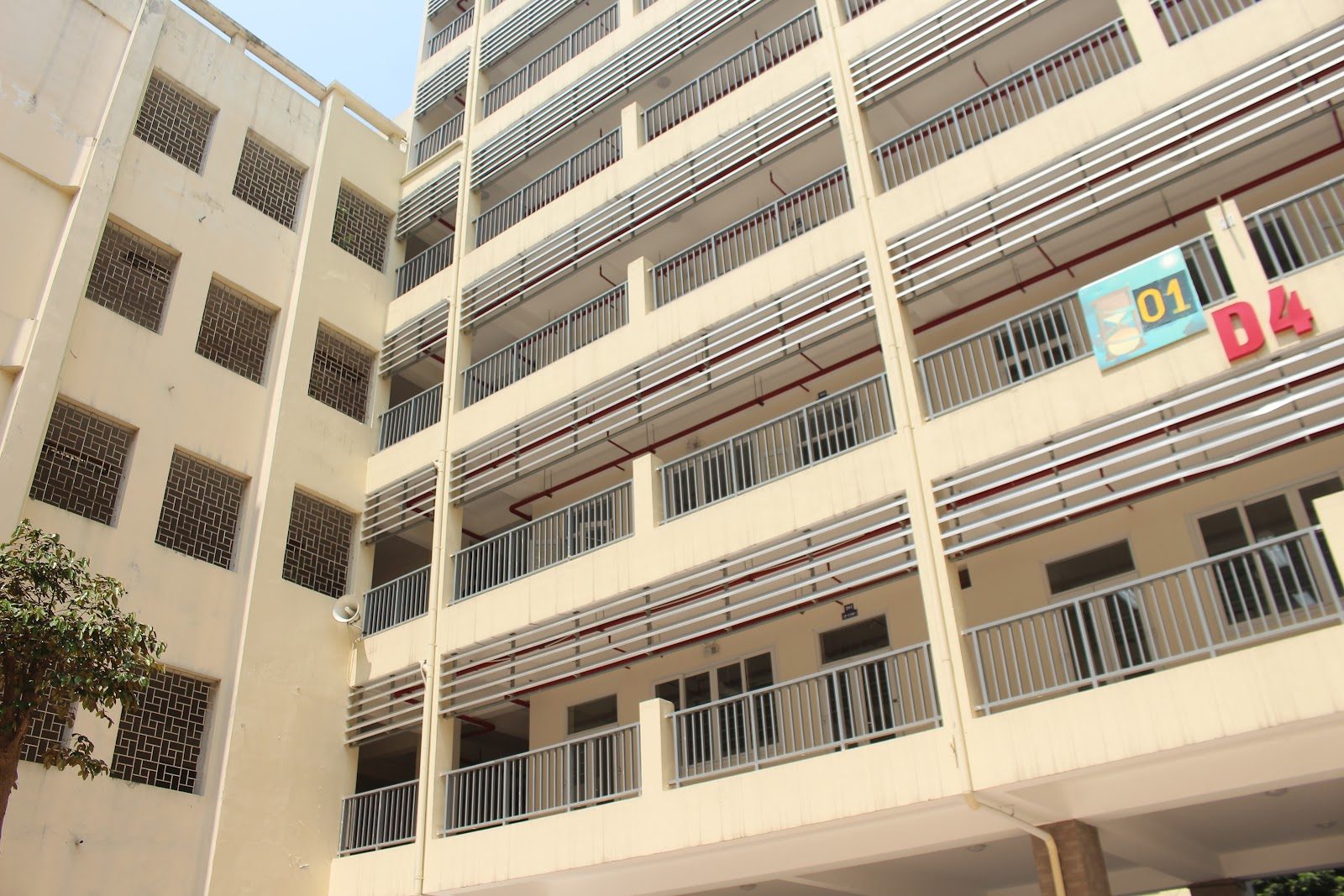
Photo © Minh Đinh Trọng via Google Maps
Type
Day
Ages
15–18
Curriculum
Vietnamese
Qualifications
Vietnamese national curriculum (gifted track)
Ratio
—
The Verdict
Editor's commitment
Right for
15–18-year-olds in Hanoi who want a Vietnamese academic track with English alongside it, and a school founded in 1966.
Wrong for
Families wanting boarding, broad all-through schooling or a non-selective culture; this is a day school in Hanoi for ages 15–18.
Watch out for
The olympiad reputation sets the tone, but the school does not publish enough hard public data on outcomes beyond its 1966 pedigree.
Ranking breakdown
HNUE High School for Gifted Students · #948 of 1591
Composite score 63.8. 8 weighted criteria.
By criterion
Academic Outcomes
Weight 20%
#511
of 1529 scored
University Placement
Weight 16%
#649
of 1529 scored
Prestige & Heritage
Weight 12%
#622
of 1571 scored
Alumni Network
Weight 12%
#1006
of 1530 scored
Facilities
Weight 12%
#1426
of 1533 scored
Transparency & Communications
Weight 8%
#1246
of 1532 scored
Peer & Industry Review
Weight 10%
#1319
of 1548 scored
Admissions Selectivity & Demand
Weight 8%
#153
of 1529 scored
Peer & Industry Review
How HNUE High School for Gifted Students is regarded in the sector
62
Respected · medium confidence
Within Vietnam's competitive 'truong chuyen' ecosystem, HNUE's affiliated specialized school is consistently placed a tier below the two most cited benchmarks -- the VNU High School for Gifted Students (HUS) and Hanoi-Amsterdam -- in domestic education press coverage (VnExpress, Dan Tri, Giao Duc Thoi Dai) of national and international Olympiad medal tables, though it regularly appears in the same reporting for Mathematics, Physics and Chemistry team results. Because it operates as HNUE's own practice/demonstration school, university admissions staff and teacher-training faculty at HNUE and VNU treat it as a dependable pipeline into their flagship STEM and pedagogy programs rather than a broad national feeder. It has no presence in Western-facing evaluators such as WhichSchoolAdvisor or the Good Schools Guide, which do not cover Vietnamese public specialized schools, and no independently verifiable international peer-conference profile. Reputation is therefore almost entirely domestic and press-mediated, resting on Olympiad results and its institutional link to a respected teacher-training university rather than on internationally benchmarked outcomes.
Award
Elite Mathematics 60
World's Top School · The Global Ranking
HNUE High School for Gifted Students is featured on our Global Top 60 ranking at #24. This seal is available for the school's marketing team to use on their website, prospectus and social channels.
Editors' overview
HNUE High School for Gifted Students occupies a narrow, serious corner of the Hanoi market: a state gifted school built for academically exceptional teenagers who want depth, competition and hard intellectual company. Founded in 1966 during wartime evacuation, it carries unusual institutional weight in Vietnamese mathematics and science education. The school’s distinction rests on selective talent development, not pastoral gloss or lifestyle extras. Parents shortlist it for one reason above all: this is a place for students who want to test themselves against the country’s strongest peers and train in an environment where olympiad culture is part of the school’s DNA. Its enduring appeal lies in that old-school academic severity, competitive intellectual charge and clear meritocratic purpose.
What sets HNUE apart is its role as a specialist pipeline rather than a broad all-round school. It serves ages 15–18, runs in Vietnamese with English also in the mix, and sits squarely within the Vietnamese system. The attraction is obvious for families who value mathematics, physics, chemistry, biology or informatics at a high level and who want a school with a record of sending students to national and international science competitions. That history gives it real market force. In Hanoi, many schools promise stretch; HNUE offers podium-level ambition, scholarly intensity and a culture shaped by gifted education from the start. The trade-off is just as clear: students who want a wide, relaxed sixth-form experience, heavy arts provision or a polished international-school cocoon will find the proposition too narrow.
The right student for HNUE is academically resilient, self-directed and comfortable in a selective peer group where brilliance is normal. This school suits teenagers who enjoy problem-solving for its own sake, who can absorb pressure without drama and who gain energy from rigorous classes rather than from constant hand-holding. It will also suit families who value substance over packaging. HNUE’s market position is not luxury, not bilingual prestige for its own sake, and not a westernised campus experience. It is a focused public-sector academy for gifted students, with austere credibility, serious scientific culture and the kind of national prestige that still matters in Vietnam. For the right child, that is a powerful shortlist argument.
An Elite Mathematics 60 school
HNUE High School for Gifted Students in Hanoi, Vietnam sits at rank twenty-four on the Elite Mathematics 60 because its mathematics medal record spans six decades rather than a single strong cohort. Since its foundation in 1966, the High School for Gifted Students under the HNUE has won nearly 80 international Olympic medals in various subjects, of which mathematics accounts for more than 60 medals. That output continues today: Tran Duy won a silver medal at the International Mathematical Olympiad 2024 as one of Vietnam's two contestants that year, and two years later Nguyen Le Nhat Nam, a Grade 12 mathematics student at the school, won a gold medal at the 2026 International Mathematical Olympiad.
The specialism is structural, not cosmetic. The first class for gifted students was inaugurated with 33 mathematically inclined students, chosen from thousands of high school students in North Vietnam, in December 1966, and mathematics remained the founding discipline as the school's specialized education later spanned physics, chemistry, biology, computer science, English and literature. Entry runs through a nationwide specialist exam so severe that HNUE High School is the most selective school in Vietnam, with a 2022 acceptance rate of 5.5%, and for some classes as low as 3%, and the maths class alone drew over 1,000 applications in one recent admissions year. In-house olympiad coaching is led by Dr. Ha Duy Hung, who heads the school's IMO mathematics training team and served as an official observer at IMO 2024; depth comes from sustained problem-solving rather than published university-level modules, taught entirely in Vietnamese.
Notable alumni cluster around the medal table. Tran Duy posted the highest score on Vietnam's team at IMO 2024, while Nguyen Le Nhat Nam had already topped the national mathematics olympiad with the country's highest score, 36.5 out of 40, before winning IMO gold. On a longer arc, Nguyen Huy Dung became Vietnam's youngest deputy minister and the fourth HNUE alumnus to reach vice-ministerial rank in government, part of a wider alumni body that also includes government ministers and leading scientists at top domestic and foreign universities.
International openness is minimal, and this should be said plainly. The school recruits nationwide across Vietnam, but admission runs entirely through a Vietnamese-language exam, with 90 percent of places filled through the nationwide entrance exam and only 10 percent via exceptional junior-secondary records; there is no dedicated overseas-applicant pathway, ESL programme, or visa-sponsorship process, and boarding is day-only. Tuition for the specialist stream runs 3.2 to 3.4 million VND per student per month for 2026-2027, roughly $130-140. This is realistically a destination for Vietnamese-fluent families based in or relocating to Hanoi rather than a plug-and-play option for international applicants; families should begin national-curriculum preparation at least two years before sitting the June entrance exam.
Academic Performance
HNUE’s academic performance sits in the top tier of Vietnamese specialist schools for mathematics and science, and the clearest evidence is its competition record rather than any glossy publication of aggregate school-leaving data. Students have won medals across international olympiads in mathematics, physics, chemistry, biology and informatics, with the school citing more than 200 international and regional medals and more than 2,000 national prizes. That places it in the company of Vietnam’s hard-edged academic elite: schools where external validation comes through rank orders, national teams and medal tables, not through broad-based claims about rounded outcomes. For mathematically and scientifically ambitious students, that record carries real weight.
What the school does not publish matters too. We have not seen aggregate graduation results, university placement breakdowns or cohort-wide examination statistics that would allow a cleaner comparison with top bilingual or international schools in the city. Parents therefore need to read HNUE correctly: this is not a school selling transparent whole-cohort performance across every subject; it is a selective results engine for a narrow, high-attaining group. Relative to peers in the gifted-school segment, its track record is formidable and podium-facing. Relative to broader premium schools, the picture is more opaque, because the public data foregrounds top-end achievers rather than the distribution of outcomes across an entire year group.
Facilities
HNUE’s facilities matter insofar as they serve advanced subject teaching, not family comfort. The school sits inside Hanoi National University of Education, and that university setting is the key asset: older specialist schools in this mould draw strength from proximity to higher-level laboratories, academic departments and a serious scholarly environment rather than from a self-contained premium campus. Parents should not expect the polished spectacle of a new-build international school with theatres, aquatic centres and design-led social spaces. The proposition is workmanlike, subject-driven and built around the practical needs of high-performing science students. For this segment, access to strong teaching spaces in mathematics, physics, chemistry, biology and informatics counts for more than lifestyle infrastructure.
Against peer schools, that puts HNUE in a familiar bracket: stronger for specialist academic purpose than for broad extracurricular architecture. Top fee-charging international schools in Hanoi outgun it on sports, visual presentation and all-round campus finish. Vietnam’s best selective gifted schools, by contrast, compete on the seriousness of their laboratories, classrooms and competition-training ecosystem, and HNUE belongs squarely in that camp. We have not seen a public inventory that pins down room counts, specialist suites or major capital investment, which leaves some operational opacity. Still, families choosing this school are not buying campus theatre. They are buying facilities that support concentrated study and high-end problem solving, in a setting where intellectual utility outranks show.
Top fee-charging international schools in Hanoi outgun it on sports, visual presentation and all-round campus finish
Prestige
HNUE carries serious national prestige in one narrow field: elite secondary education for mathematically and scientifically gifted students. In Vietnam, that matters. This is not the kind of prestige built on polished facilities, social cachet or international branding. It rests on selection, difficulty and the school’s function as a training ground for pupils who compete at the top of the academic pyramid. The school’s medal haul — more than 200 international and regional awards, alongside over 2,000 national prizes — gives that status hard shape. Among families who value intellectual rank over lifestyle, HNUE holds old-guard authority and real scholarly capital. Admission itself carries signal value, because entry says something about the student before the school has taught a single lesson.
That prestige has limits, and they are important. HNUE’s name carries far more weight in Vietnamese academic circles than in the global university-prep market. It does not trade on the social polish or worldwide recognisability of a top international school, and it does not publish the kind of broad destination data that reassures parents seeking a clean pathway to overseas admissions. Its standing is therefore deep rather than wide: high-octane within olympiad culture, selective public education and the science talent pipeline, but less useful as a status marker outside those circles. For the right family, that makes the school impressively credible. For families chasing international brand prestige, it is the wrong kind of famous.
It rests on selection, difficulty and the school’s function as a training ground for pupils who compete at the top of the academic pyramid
Communications
HNUE communicates in the manner of a serious public specialist school: functional, institutional and geared to information rather than persuasion. The school’s website carries the basics parents need — admissions notices, exam and competition updates, timetables, formal announcements and news tied to school life — but it does not deliver the white-glove clarity or parent-friendly choreography that fee-charging international schools now treat as standard. Navigation is serviceable rather than elegant, and the tone is administrative rather than relational. That fits the school’s culture. Families are expected to pay attention, read closely and keep up. For a school with more than 200 international and regional medals and over 2,000 national prizes in its public story, communications focus far more on achievement and official notice than on explaining the day-to-day student experience.
How effective is that? Effective for committed local families who already understand the gifted-school ecosystem; less effective for outsiders, overseas parents or anyone who wants a forensic view of pastoral systems, academic tracking or whole-cohort outcomes. The school communicates authority and purpose well. It communicates process and lived experience less well. We have not seen the kind of transparent parent communication architecture — detailed handbooks, rich pastoral guidance, clear destination data, exhaustive FAQs — that reduces uncertainty for first-time families. In editorial terms, HNUE’s communications are credible but austere: strong enough to support a high-pressure academic institution, weak on warmth, context and explanatory depth.
Uniqueness
What makes HNUE distinctive is not simple selectivity but institutional purpose. Many strong schools teach bright students well; HNUE exists to identify a narrow band of teenagers and push them deep into disciplinary mastery, with mathematics and the sciences at the centre of school life rather than as prestige departments bolted onto a general education model. That produces a different atmosphere from even ambitious mainstream schools: peers set the pace, intellectual competition has status, and advanced problem-solving sits in the daily bloodstream. The school’s roots inside a teacher-training university also matter. Students study in the orbit of higher education, not in a sealed adolescent bubble, which gives the place a scholarly gravity, competition-bred focus and a *distinctly uncompromising academic culture*. Its public identity is blunt: more than 200 international and regional medals, and over 2,000 national prizes.
For students, that uniqueness brings two clear gains. First, it offers serious acceleration for those who are under-stretched elsewhere: stronger classmates, harder questions, and a culture where excelling in physics or informatics carries real social currency. Second, it normalises effort at a level many schools talk about but do not sustain. The benefit is intellectual confidence built through repeated exposure to difficulty, selection and external competition. The cost is just as plain. HNUE is not a broad church. Teenagers who need gentle pacing, wide curricular exploration or a heavily scaffolded pastoral experience will find its narrowness restrictive rather than liberating.
What makes HNUE distinctive is not simple selectivity but institutional purpose
Student Profile
The students who fit HNUE best are not merely bright; they are competition-minded, self-propelling and comfortable being measured against other high performers every week. This school suits teenagers who enjoy hard questions before they know how to solve them, who recover fast from low marks, and who do not need praise to keep working. In a setting built around selective entry and advanced subject grouping, intellectual confidence matters — but so does stamina. The strongest fit is a student who treats mathematics, science or informatics as a serious commitment rather than a school subject to be managed. For that child, the school offers exactly what many mainstream settings do not: a peer group where academic intensity is normal, and where winning a place on a national or international team sits within reach rather than fantasy. The public story around more than 200 international and regional medals and over 2,000 national prizes tells families what kind of student culture they are entering.
The weaker fit is just as clear. Students who need constant pastoral buffering, broad artistic identity, or a loose, exploratory sixth-form atmosphere will find HNUE narrow, pressurised and not for the faint-hearted. It rewards disciplined teenagers who can organise themselves, absorb comparison without resentment, and accept that specialist schools sort pupils by performance. Families also need the right temperament: ambitious, unsentimental, and willing to back depth over breadth. For the right student, that environment is electrifying. For the wrong one, it is simply too tight.
HNUE High School for Gifted Students occupies a narrow, serious corner of the Hanoi market: a state gifted school built for academically exceptional teenagers who want depth, competition and hard intellectual company
Co-curricular strengths
Arts & sport, on a separate axis
Overall 6.5/10
Scored 0-10 from the school's own published evidence. This axis is editorial-only — it does not feed the main WTS ranking.
Sports
7.2/10
Drama
6.5/10
Dance
5.5/10
Music
6.8/10
Visual Arts
6.5/10
Strengths
- +One of only seven national-level high schools for the gifted in Vietnam, founded in 1966 as the second-oldest magnet school in the country.
- +Students have won roughly 100 medals at International Science Olympiads across subjects including mathematics, physics, chemistry and biology.
- +Offers specialised tracks beyond its founding mathematics focus, including physics, chemistry, biology, computer science, English and literature.
- +Alumni network includes four Vietnamese government ministers, academics at domestic and international universities, entrepreneurs and artists.
- +Affiliated with Hanoi National University of Education, giving access to university-level teaching staff and facilities on a shared campus.
Considerations
- −Instruction is entirely in Vietnamese, making the school unsuitable for families whose children cannot already study at native or near-native Vietnamese level.
- −Admission is extremely competitive, with a 2022 acceptance rate around 5.5 percent overall and as low as 3 percent for some subject classes, so most applicants are turned away.
- −The curriculum and school culture are heavily oriented toward subject Olympiad training and university entrance exams, which suits a narrow academic profile rather than a broad, rounded programme.
- −As a day school with no boarding option, families must be based within commuting distance of the Cau Giay district campus in Hanoi.
Availability
Primary entry gate & tests
HNUE Competitive Entrance Exam
Gallery
Photo © tung tran.thanh via Google Maps
Photo © tung tran.thanh via Google Maps
Photo © Đỗ Hiền Giang via Google Maps
Photo © Tôn Kiên via Google Maps
Photo © Le Anh Duong via Google Maps
Photo © Thao Ngo Thi Phuong (응오티프엉타오) via Google Maps
Photo © HAO LE HUU via Google Maps
Parent reviews
Have you sent your child here?
Voice reviews carry the strongest trust badge — we transcribe them for you to tidy up before they go live. Prefer to type? A written review is fine too.
Add your voice
In 60 seconds, tell other parents: what's the best thing about HNUE High School for Gifted Students, and what surprised you when your child joined?
We ask for a Google sign-in so every review has a real face behind it — no anonymous drive-by attacks on schools, and no faked positive reviews. Your email is never shown publicly.
Send this profile to a friend
International parents rely on word-of-mouth. Share this review with someone weighing the same decision.
Schools with places
Similar schools to HNUE High School for Gifted Students with places available now.
Availability first, then country, area, curriculum, price, co-curricular
Consider also
Also worth looking at alongside HNUE High School for Gifted Students.
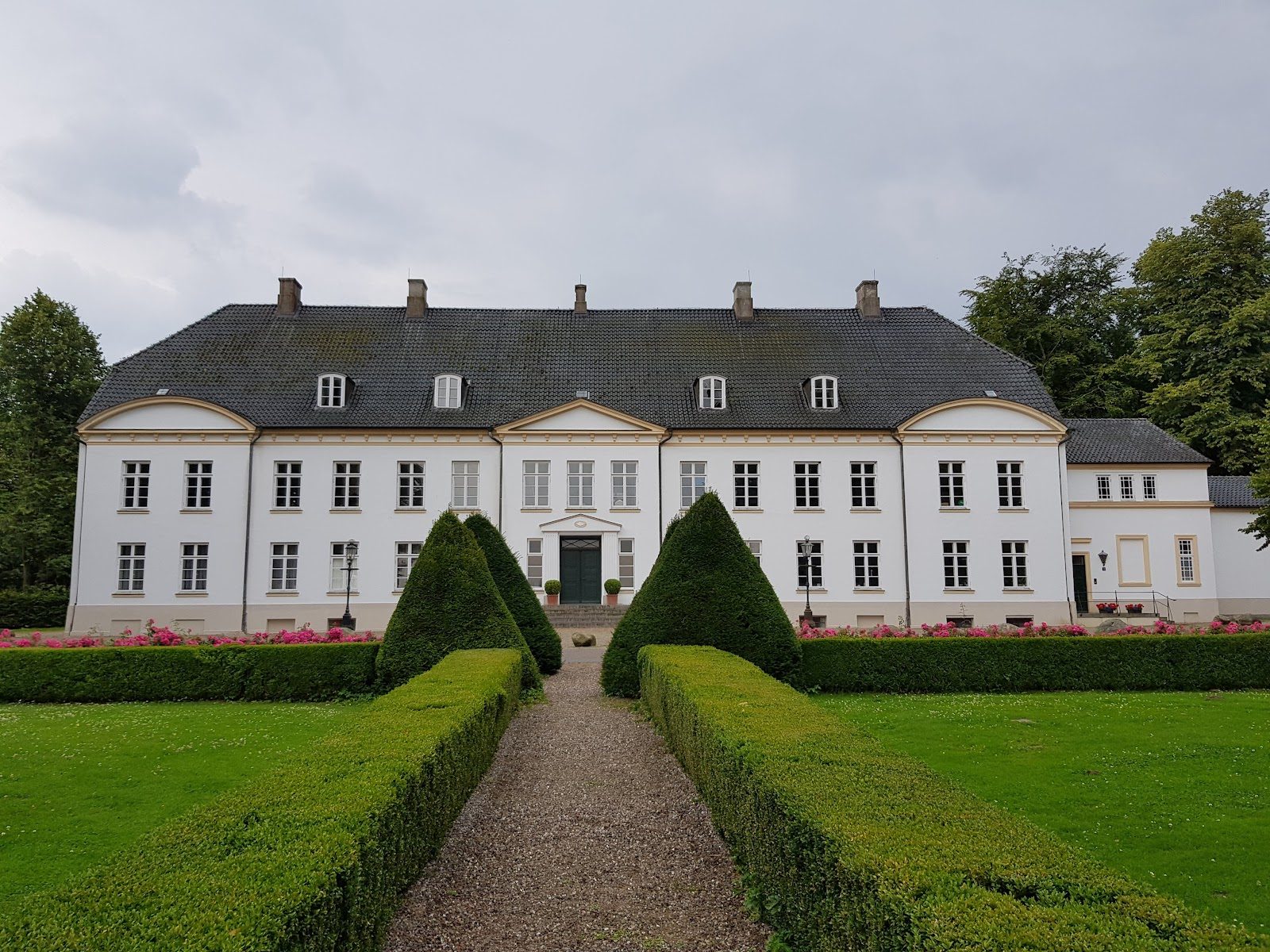
Stiftung Louisenlund
Güby · Germany
A fjord-side castle campus built on Kurt Hahn's ethos pairs IB rigor with a sailing harbour that breeds national champions.
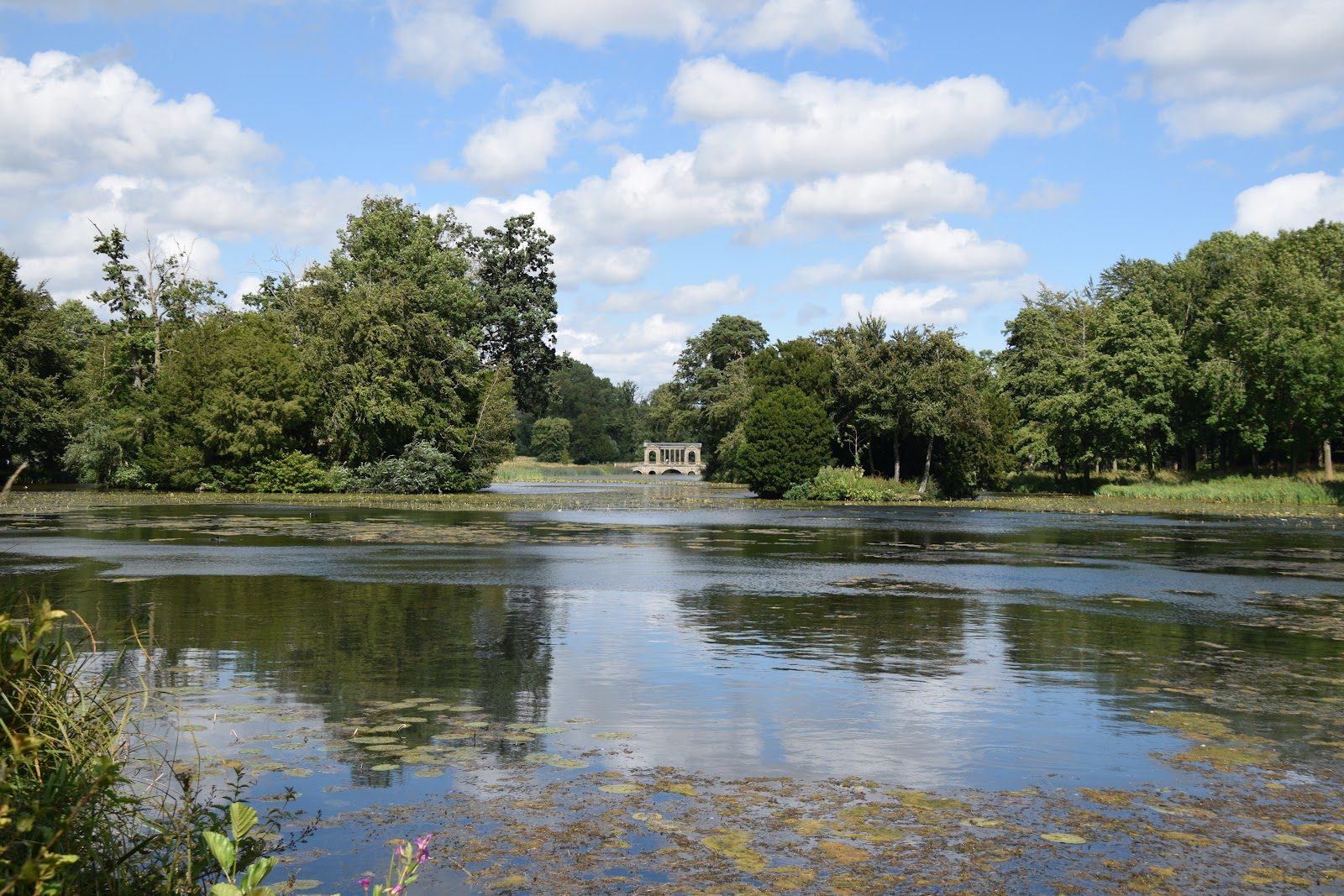
Stowe School
Stowe · United Kingdom
Boarders learn inside a Grade I neoclassical mansion set within an 18th-century landscape garden that shaped English garden design.
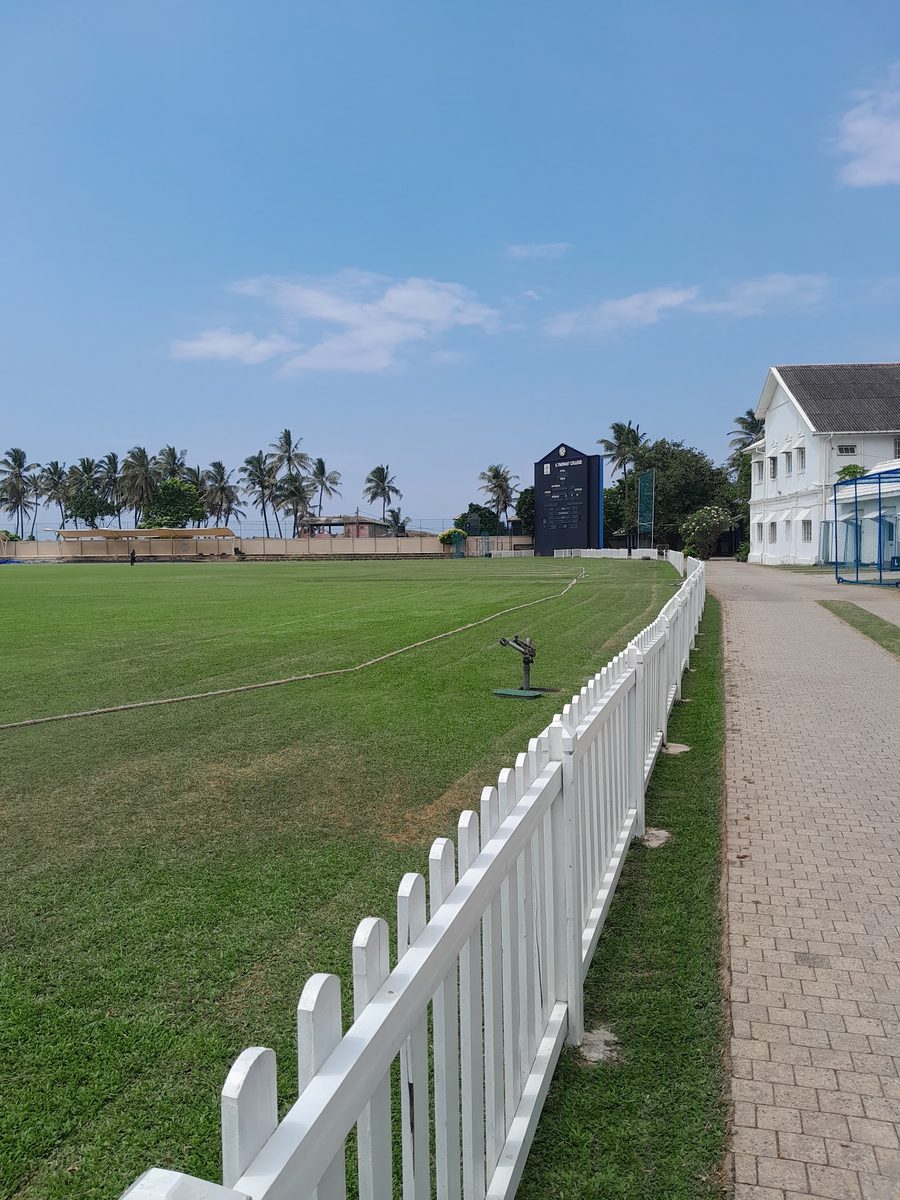
St Thomas' College, Mount Lavinia
Colombo · Sri Lanka
Sri Lanka's 1851 Anglican boys' school in Mount Lavinia, offering day and boarding places on its historic beachside campus.
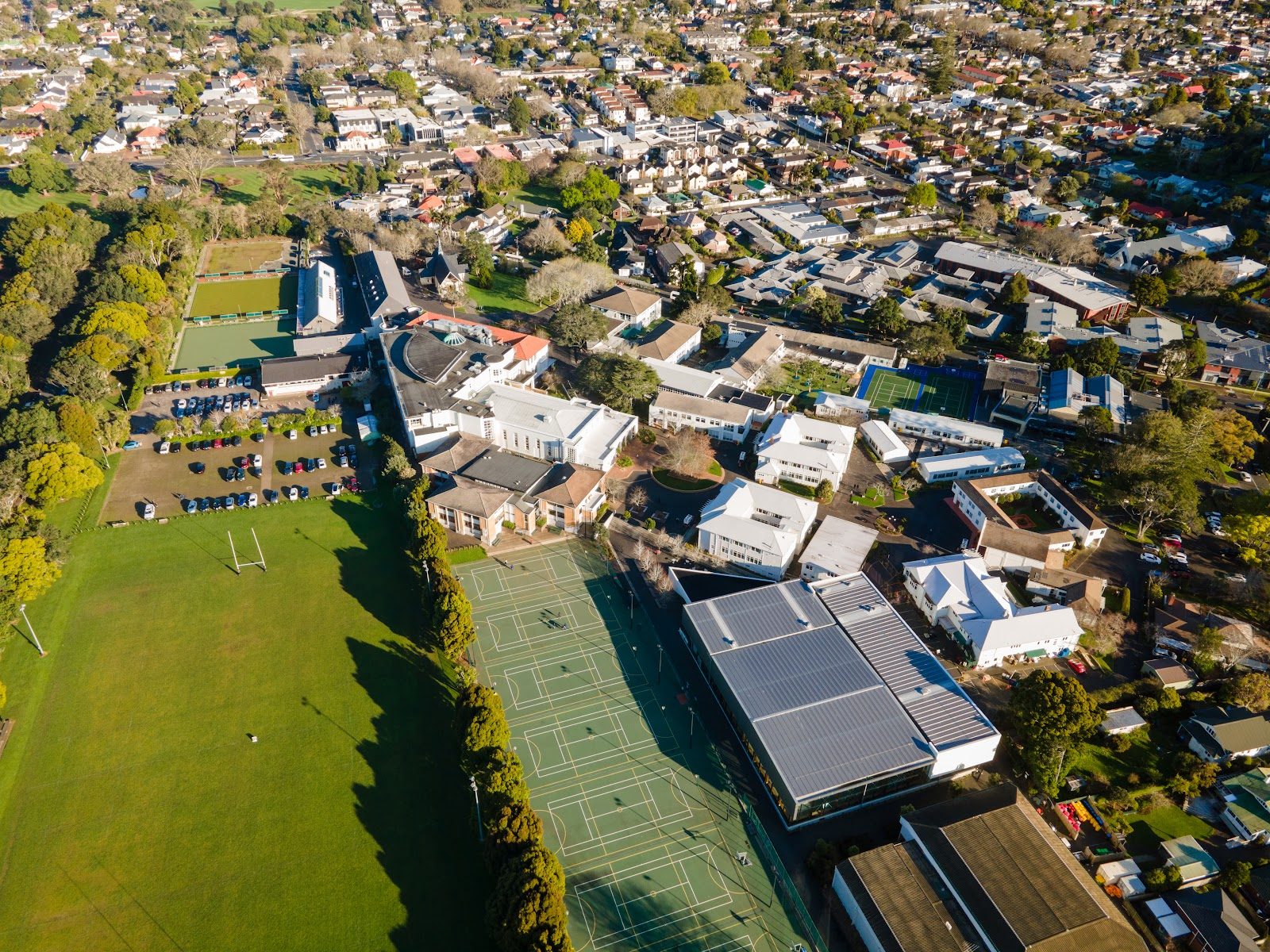
St Cuthbert's College
Auckland · New Zealand
An Epsom girls' school where a bespoke Year 11 diploma precedes the choice between IB and NCEA pathways
Same country and curriculum — closest matches within ±10 points either way