
Maharashtra
Jamnabai Narsee International School
One Juhu campus, three exam boards - ICSE, IB and Cambridge sit side by side under a single Vile Parle roof
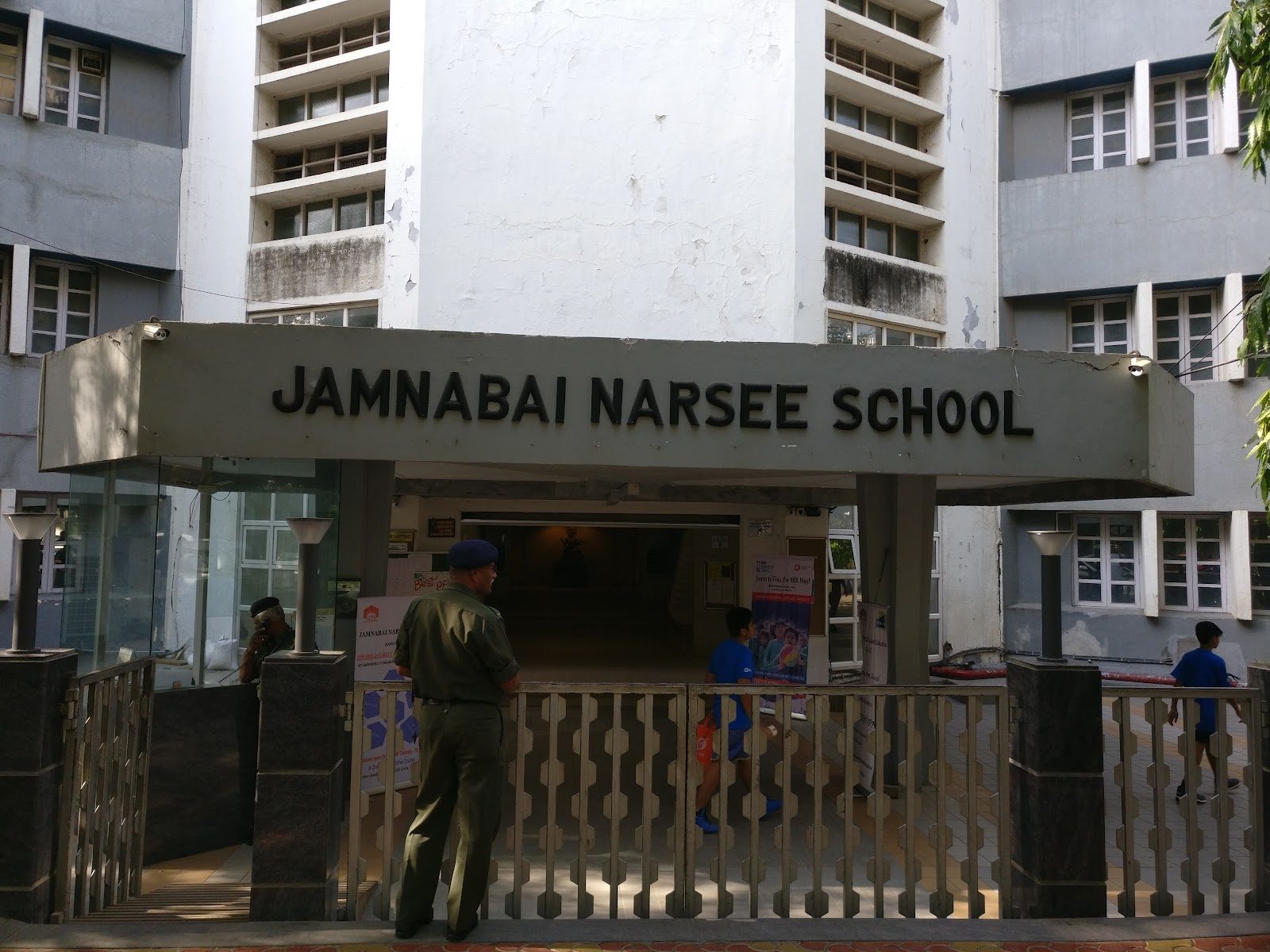
Photo © Yash Mehta via Google Maps
Type
Day
Ages
3–18
Curriculum
ICSE · IB · Cambridge
Qualifications
ICSE · IB Diploma · IGCSE
Ratio
—
The Verdict
Editor's commitment
Right for
Mumbai families who want one Vile Parle campus covering ages 3–18, with ICSE, IB and Cambridge under one roof.
Wrong for
Families wanting boarding, a religious ethos, or a simpler single-board route; JNS is day-only, non-religious, and runs three curricula.
Watch out for
CIS accreditation and IB World status signal credibility, not clarity; the school does not publish headline outcomes for ICSE, IB or Cambridge.
Ranking breakdown
Jamnabai Narsee International School · #990 of 1591
Composite score 62.3. 8 weighted criteria.
By criterion
Academic Outcomes
Weight 20%
#1085
of 1529 scored
University Placement
Weight 16%
#1164
of 1529 scored
Prestige & Heritage
Weight 12%
#446
of 1571 scored
Alumni Network
Weight 12%
#785
of 1530 scored
Facilities
Weight 12%
#858
of 1534 scored
Transparency & Communications
Weight 8%
#1325
of 1532 scored
Peer & Industry Review
Weight 10%
#998
of 1548 scored
Admissions Selectivity & Demand
Weight 8%
#308
of 1529 scored
Peer & Industry Review
How Jamnabai Narsee International School is regarded in the sector
65
Respected · medium confidence
Within Mumbai's competitive private-school landscape, Jamnabai Narsee is consistently placed among the top IB/IGCSE providers in the city in the annual Education World India School Rankings, a perception survey completed by heads and academics across the country, which gives it visibility alongside longer-established rivals like Dhirubhai Ambani International and Bombay International. Its IB Diploma results and IBO 'World School' authorisation are cited in local press coverage (Times of India, Hindustan Times) when reporting on Mumbai's international-curriculum sector rather than the CBSE mainstream. University-facing signals are less publicly documented than for UK or US schools of similar tier; there is no independent WhichSchoolAdvisor or Good Schools Guide entry specific to this campus, and no verifiable published admissions-officer commentary from named universities. Its standing is therefore best described as strong regional/national recognition through curriculum-body accreditation and domestic league-table placement, with limited independently verifiable international press or peer-head commentary compared to globally benchmarked schools.
Editors' overview
Jamnabai Narsee International School occupies a strong niche in Mumbai because it offers three serious academic routes on one campus: ICSE, IB and Cambridge. That matters. Most schools ask families to choose a philosophy first and a school second; JNIS lets them choose a school first, then match the child to the board. For parents in Mumbai’s mobile, academically ambitious professional class, that flexibility has real value. Founded in 1971 and operating as a day school for ages 3–18, it combines institutional longevity with an international curriculum mix that few local competitors can match under one roof. The pitch is clear: choice without fragmentation, continuity across stages and academic optionality inside a single Vile Parle setting.
What puts it on a shortlist is the structure itself. ICSE, IB and Cambridge do not sit as decorative labels here; they define the school’s market position. A family that wants rigorous English-medium education, but has not settled on one final senior-school pathway, gets room to manoeuvre. A child can also benefit from a peer group that is not locked into one narrow academic culture. The school’s accreditations add weight: it holds IB authorisation across 3 programmes — PYP, MYP and DP — and CIS accreditation, which signals external scrutiny beyond local reputation. That combination gives JNIS a rare breadth, a hard-headed practical advantage and genuine metropolitan relevance in a city where parents track both domestic and overseas university options closely.
The school will suit students who are academically engaged, comfortable in a busy urban day-school environment, and able to use choice well rather than drift through it. This is not a niche progressive enclave or a pastoral retreat. It is a substantial English-medium school in Mumbai, and students who thrive here tend to value momentum, structure and access to recognised qualifications. Families looking for a non-religious setting with long-established roots, broad age coverage from 3–18, and a credible international layer on top of Indian academic seriousness will find a compelling proposition. The strongest fit is the child who wants multiple routes to achievement and the parent who wants one school with several exits, not repeated school changes.
Academic Performance
Jamnabai Narsee International School does not publish the kind of exam data that would let parents judge academic strength with precision. We have not seen aggregate IB Diploma averages, subject-level distributions, Cambridge IGCSE results, ICSE board outcomes, top score ranges or year-on-year trends in the public domain. That is a real weakness. In a market where serious schools use external results to prove standards, this level of opacity leaves parents relying on reputation, university destinations and word of mouth. For a school with multiple senior pathways, the absence of consolidated performance data matters even more: families need to know not just that students sit exams, but how well each route performs against its direct competitors.
That does not place JNIS in the weak academic tier; it places it in the hard-to-verify tier. Its standing rests on long-established local regard and on the credibility that comes with sustaining three examined pathways under one roof, but that is not the same as published evidence. Relative to Mumbai peers, the school sits in the serious mainstream rather than the data-led top bracket. The strongest academically selective schools make outcomes legible. JNIS does not. For parents who prioritise flexibility and continuity, that gap may be tolerable. For parents choosing chiefly on external examination performance, it is a material handicap and a valid reason to press the school for board-by-board results before enrolling.
Facilities
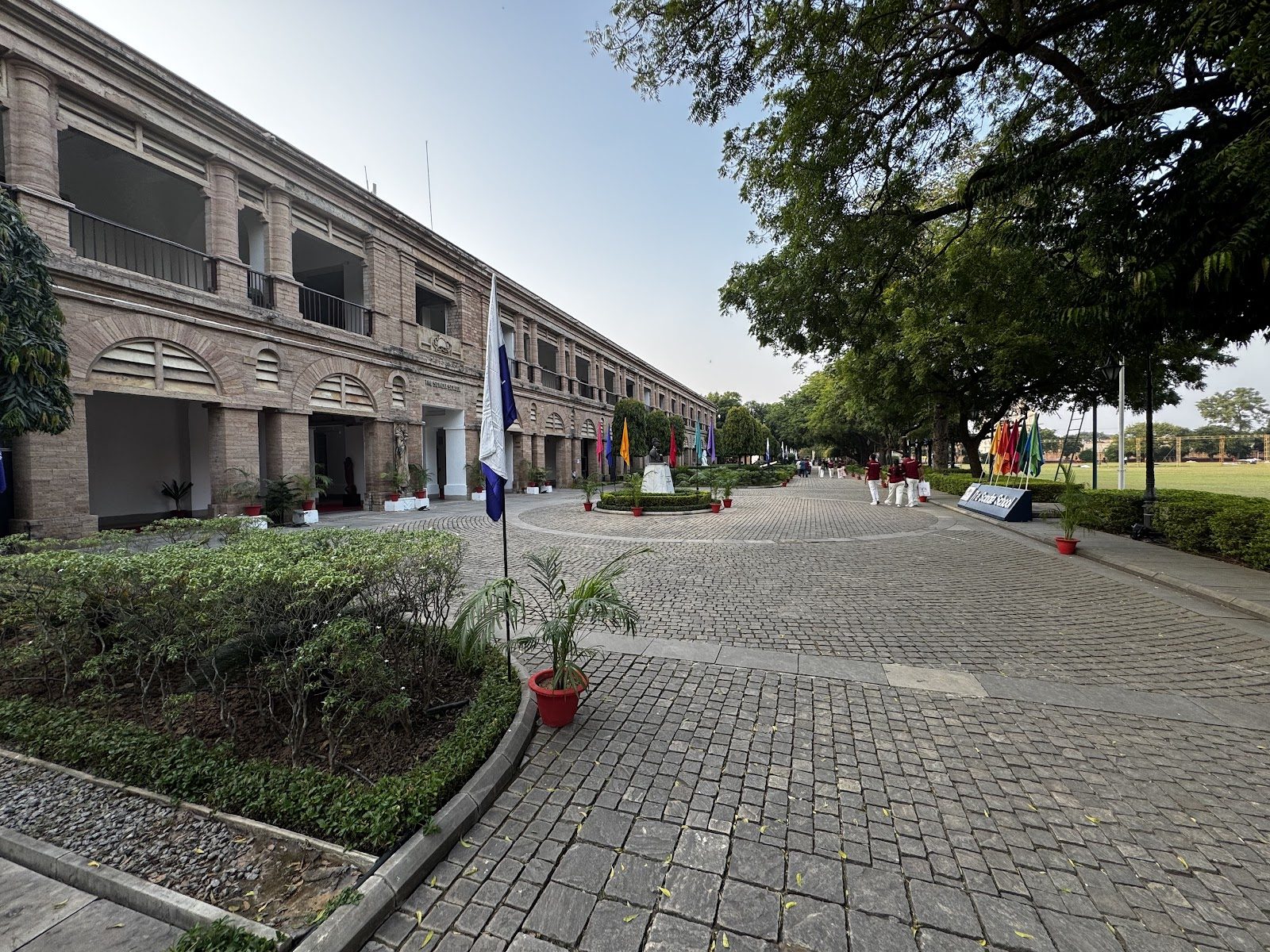
The school’s strongest facility advantage is breadth on one site. Publicly stated provision includes dedicated science laboratories, computer laboratories, a library, art and craft rooms, music and dance rooms, an auditorium and sports facilities. That gives JNIS the core kit parents expect from a large urban all-through school, with enough specialist space to support a properly rounded day rather than a narrow exam grind. The auditorium matters more than schools admit: it signals capacity for assemblies, productions and whole-school events without borrowing space elsewhere. Against Mumbai peers, this is solid rather than spectacular provision — credible, functional and broad, but not the sort of campus that wins families on architecture or acreage alone.
The constraint is the site itself. This is one campus in a dense city, not a sprawling edge-of-town estate with riding arenas, golf greens or vast playing fields. That places JNIS in the high-use metropolitan category, where rooms need to work hard and timetabling matters as much as square footage. For many families, that is an acceptable trade: children get specialist rooms, indoor performance space and mainstream sports provision without leaving the city. Parents looking for resort-style campuses or exceptional outdoor sports infrastructure will find stronger offers elsewhere. Parents looking for a serious, well-equipped urban school with the essentials covered in one place will judge the facilities more favourably.
Jamnabai Narsee International School occupies a strong niche in Mumbai because it offers three serious academic routes on one campus: ICSE, IB and Cambridge
Prestige
Jamnabai Narsee International School has real local prestige and a credible metropolitan name, but not the kind of prestige that travels effortlessly across borders on brand alone. In Mumbai, the school carries weight with families who value social recognition, continuity and access to more than one serious academic route without changing schools. That matters in a city where parental networks are strong and school names circulate fast. The age range from 3–18 also helps: schools that keep families for the full journey build durable loyalty, stronger community memory and a deeper alumni network than schools that only handle one phase. JNIS benefits from that long tail of familiarity.
The limit to its prestige is clarity. Elite standing today rests not just on reputation, but on visible proof: published results, distinctive destinations and a sharper public account of what academic success looks like across its pathways. JNIS does not give parents enough of that. So the school sits in the well-regarded, not untouchable bracket: respected, established, and socially legible, but short of the top-table aura that the strongest schools secure through transparent outcomes and unmistakable selectivity. Its prestige is strongest inside its home market and among families who already know the school; it is weaker for parents benchmarking schools internationally or demanding hard evidence over inherited reputation.
Jamnabai Narsee International School does not publish the kind of exam data that would let parents judge academic strength with precision
Communications
JNIS communicates like a substantial urban school: through the website, routine parent notices and the standard machinery of an all-through day school that has to keep many moving parts aligned at once. The website does the basics cleanly. Key structural facts are easy to find, contact details are published, and there is enough institutional information for a parent to understand the shape of the school. That said, the public-facing communication stops short of full adult transparency. It tells parents what the school offers; it does not tell them enough about how well each part performs. That gap matters. A school running 3 academic pathways needs crisp, comparative explanation for families choosing between them, and JNIS does not publish enough outcome data or pathway-level evidence to make those choices straightforward.
So the communication is serviceable rather than exemplary. It works for logistics and broad orientation; it is weaker as a decision-making tool for demanding parents. The strongest schools use communication to reduce uncertainty: clear academic reporting, candid performance data, visible leadership thinking, and a strong sense that parents are being treated as informed consumers rather than managed stakeholders. JNIS does not yet reach that standard. The result is a reassuring but controlled style of communication — competent, established, and adequate for families already sold on the school, but less persuasive for parents who want hard answers before committing to a long educational journey.
Uniqueness
What sets JNIS apart is not raw novelty but *structural convenience with academic consequence*. Very few schools let families keep one community, one daily routine and one pastoral setting while choosing among 3 serious examination pathways. That arrangement reduces the friction that usually comes with board changes: no fresh admissions scramble, no forced social reset, no need to trade a known school culture for a new syllabus. For students, that can be a genuine practical advantage. A child’s academic route can be matched more closely to temperament, pace and university direction without tearing up the rest of school life. In a city where family plans, relocation patterns and higher-education ambitions shift fast, that flexibility has teeth.
The other distinguishing feature is the coexistence of different academic cultures on one campus. A single-board school produces one dominant idea of success. JNIS produces several. That can widen horizons: students grow up around peers taking different routes, aiming at different destinations and working to different assessment models. Done well, that builds useful intellectual range and a less rigid definition of achievement. The risk, however, sits in the same structure. Choice only helps when guidance is sharp, transitions are well managed and each pathway gets equal seriousness. If one track carries more prestige internally, the model starts to warp. JNIS is most distinctive when it treats optionality as an educational asset rather than a marketing line.
Relative to Mumbai peers, the school sits in the serious mainstream rather than the data-led top bracket
Student Profile
The students who fit best here are energetic, organised and comfortable in a school that offers many lanes rather than one fixed script. This is a good match for children who like being busy, can handle a full calendar, and do not need a soft-edged atmosphere to feel secure. Families choosing JNIS are often looking for upward momentum, high functional value and a peer group with ambition baked in. That brings a certain student culture with it: pupils who cope well here tend to be self-starting, socially adaptable and able to make sensible choices when more than one academic route sits in front of them. Children who need constant hand-holding, very small-scale nurture or a deeply alternative educational ethos will find the environment a tighter fit.
It also suits families who want continuity without narrowing a child too early. Because the school serves ages 3–18, friendships and reputations can stick, and students need to manage that visibility well. The strongest fit is the child who is happy in a large, fast-moving community where expectations are clear and comparison with peers is part of daily life. Confident joiners, steady workers and socially fluent students will settle more easily than children who want anonymity or a highly sheltered peer culture. This is not a school for romantic anti-competition. It is for students who can use structure, absorb pressure and keep their footing in a demanding mainstream setting.
Parents looking for resort-style campuses or exceptional outdoor sports infrastructure will find stronger offers elsewhere
Co-curricular strengths
Arts & sport, on a separate axis
Overall 8.66/10
Scored 0-10 from the school's own published evidence. This axis is editorial-only — it does not feed the main WTS ranking.
Sports
8.8/10
Drama
8.7/10
Dance
8.6/10
Music
8.6/10
Visual Arts
8.6/10
Strengths
- +Jamnabai Narsee International School is an authorized IB World School offering the IB Continuum - the Primary Years Programme, Middle Years Programme and Diploma Programme through grades 1 to 12.
- +The school follows the Cambridge IGCSE Curriculum in Secondary level classes, Class 9 and Class 10, giving families a second internationally recognised exam route alongside the IB.
- +The school provides infrastructure spread over 200,000 square feet, encouraging excellence in the fields of Sports, Art and Culture, reflected in a steady stream of inter-school and state-level sporting results.
- +IBDP, MYP, and IGCSE students performed well in the 2023 board examinations, with 10 of the 100 candidates who sat the IB Diploma Programme exam scoring 40 points or more.
- +The school sits within the Narsee Monjee Educational Trust, established in 1970, giving it access to an education group with over five decades of continuous operating history in Mumbai.
Considerations
- −Jamnabai Narsee International School was founded in 2015, making it a comparatively young institution relative to many long-established international schools in Mumbai.
- −The school does not offer a hostel, so it is unworkable for families who need residential schooling rather than a day-commute arrangement.
- −Reported annual fees run to approximately 4.5 lakh rupees and above per year, placing it at the premium end of Mumbai day-school pricing.
- −Admission is not guaranteed by application: admission to Jr. KG and above is subject to availability of seats, and older applicants must clear a formal entrance test and personal interview.
Availability
Primary entry gate & tests
Internal Assessment
Gallery
Photo © Aswin dsouza via Google Maps
Photo © Dhairya Chauhan via Google Maps
Photo © Rahul Kapani via Google Maps
Photo © Jamnabai Narsee International School via Google Maps
Photo © Jamnabai Narsee International School via Google Maps
Photo © Jamnabai Narsee International School via Google Maps
Photo © sunny pawar via Google Maps
Parent reviews
Have you sent your child here?
Voice reviews carry the strongest trust badge — we transcribe them for you to tidy up before they go live. Prefer to type? A written review is fine too.
Add your voice
In 60 seconds, tell other parents: what's the best thing about Jamnabai Narsee International School, and what surprised you when your child joined?
We ask for a Google sign-in so every review has a real face behind it — no anonymous drive-by attacks on schools, and no faked positive reviews. Your email is never shown publicly.
Send this profile to a friend
International parents rely on word-of-mouth. Share this review with someone weighing the same decision.
Schools with places
Similar schools to Jamnabai Narsee International School with places available now.
Oberoi International School
Mumbai · India
- 2026-27
- WAITPOOLSpace-dependent
- 2027-28
- PLACES OPENRolling
UWC Mahindra College
Pune · India
- 2026-27
- CLOSEDStandard route closed
- 2027-28
- WAITPOOLVaries by National Committee
Dhirubhai Ambani International School
Mumbai · India
- 2026-27
- WAITPOOLVacancy-dependent
- 2027-28
- WAITPOOLEnquiry/app live (Dates TBC)
The Cathedral and John Connon School
Mumbai · India
- 2026-27
- CLOSEDStandard route
- 2027-28
- PLACES OPENActive now (Forms live)
Availability first, then country, area, curriculum, price, co-curricular
Consider also
Also worth looking at alongside Jamnabai Narsee International School.
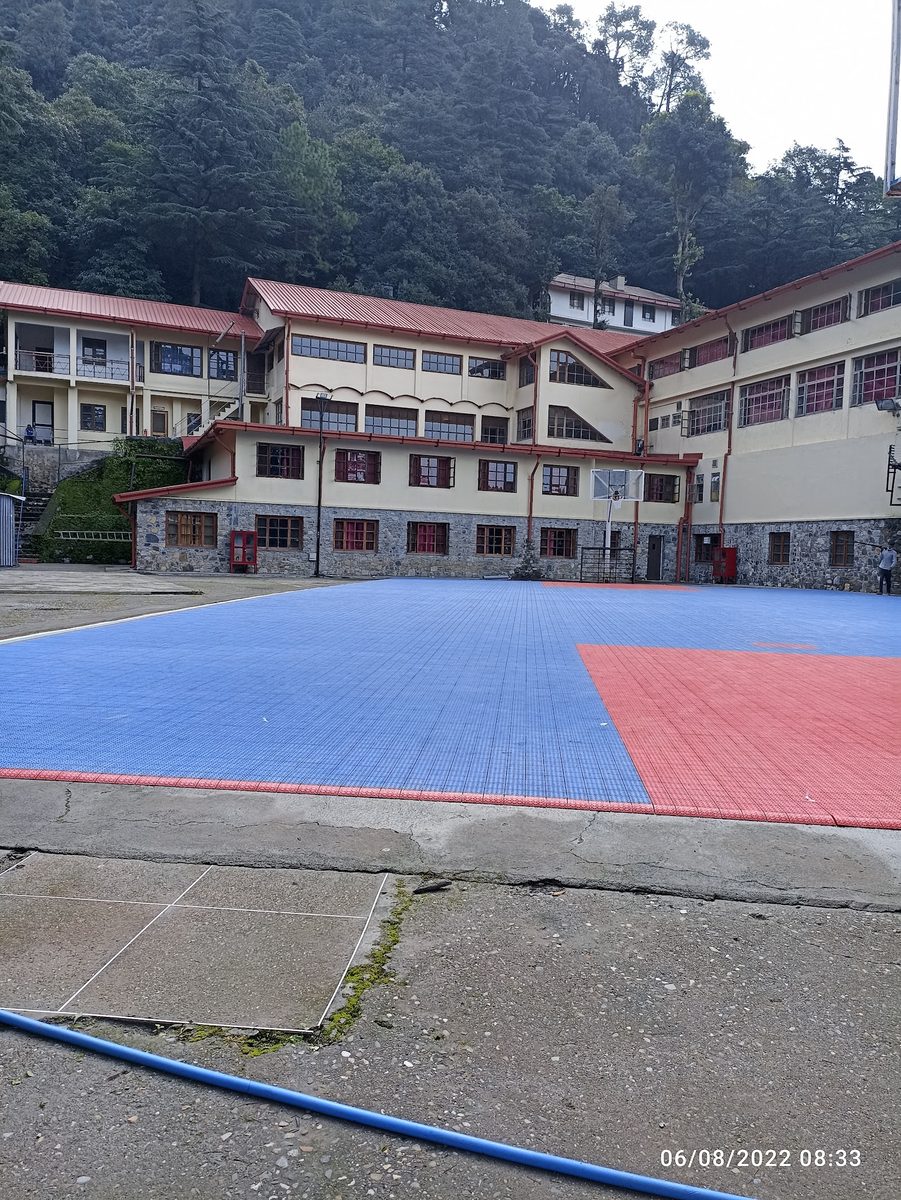
Woodstock School
Mussoorie · India
IB, American Diploma and Cambridge boarding amid the Himalayan foothills since 1854
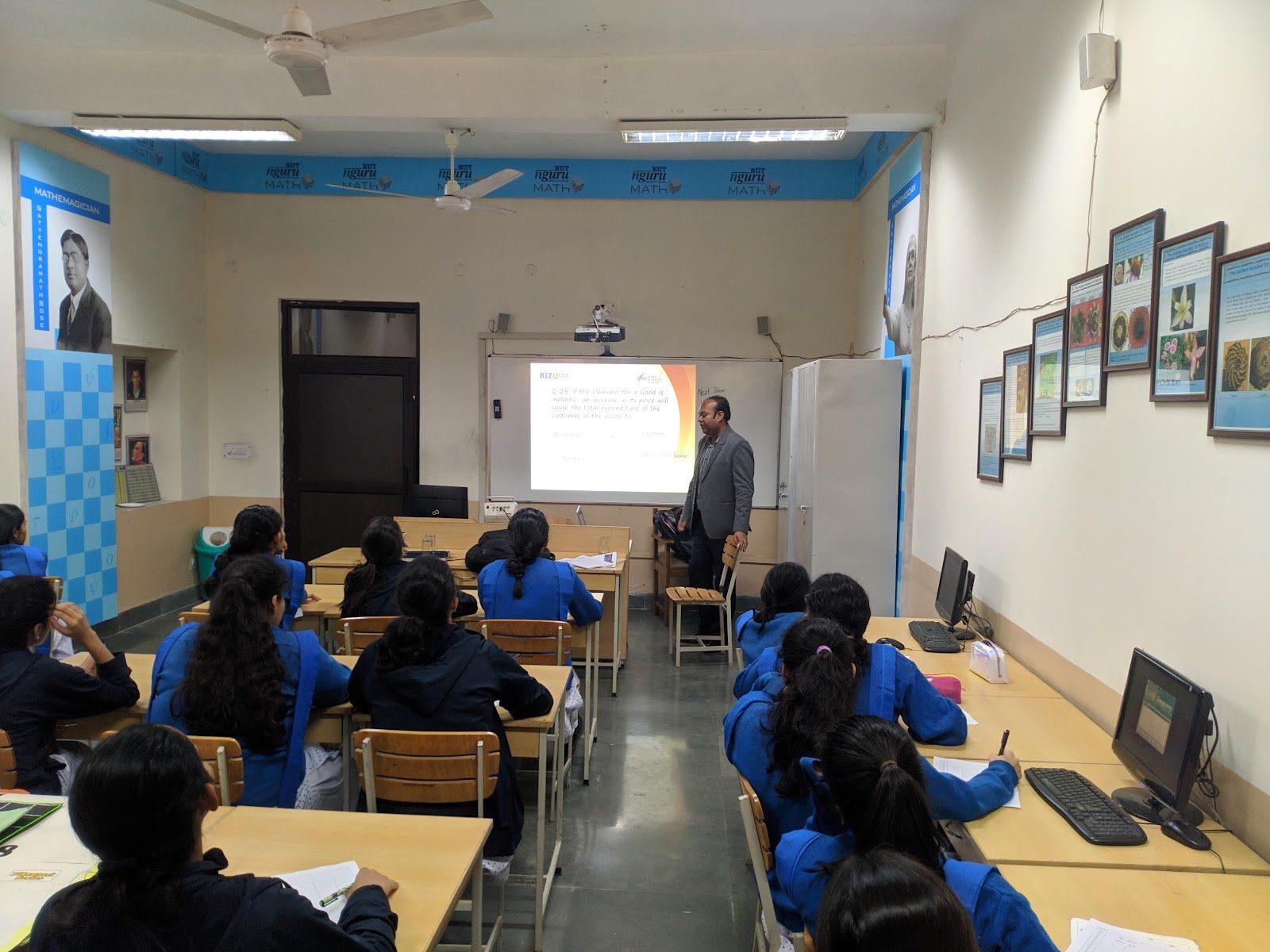
Welham Girls' School
Dehradun · India
Founded in 1957 as a bold counterpart to boys-only boarding, with bird-named houses and a legacy museum honoring the women who dared.
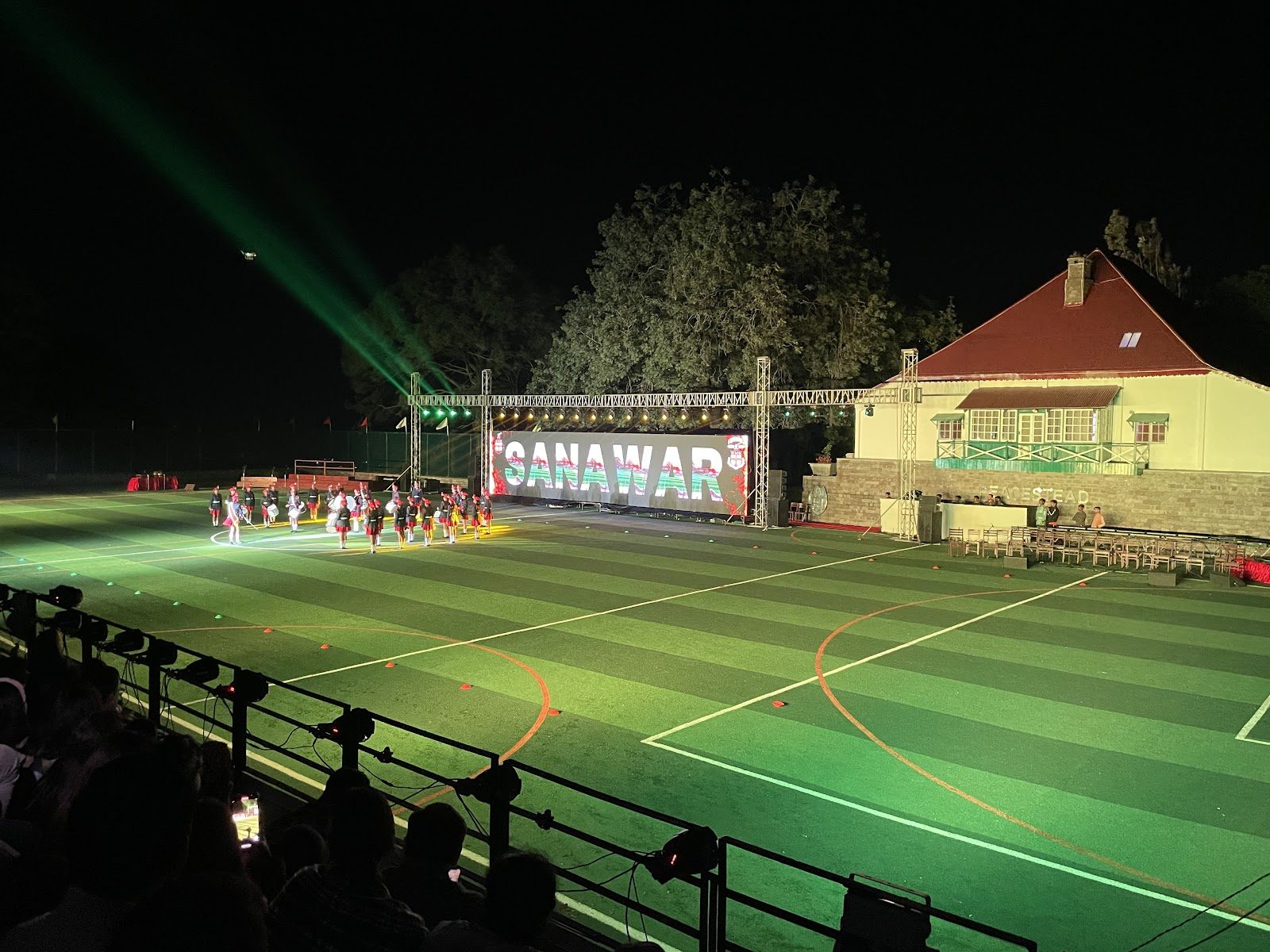
The Lawrence School, Sanawar
Solan · India
Perched at 1,750 metres in the Shivaliks, Asia's oldest co-educational boarding school sent the first team to summit Everest in 2013.
The Scindia School
Gwalior · India
Storied boys' boarding school inside Gwalior Fort, delivering a CBSE curriculum with a British public-school ethos.
Same country and curriculum — closest matches within ±10 points either way