
Lavington
Rusinga School
low confidence· 4/6 cats · 1 avg sourcesNamed for a Lake Victoria island, this Lavington day school pairs the British curriculum with a Christian ethos dating to 1975.
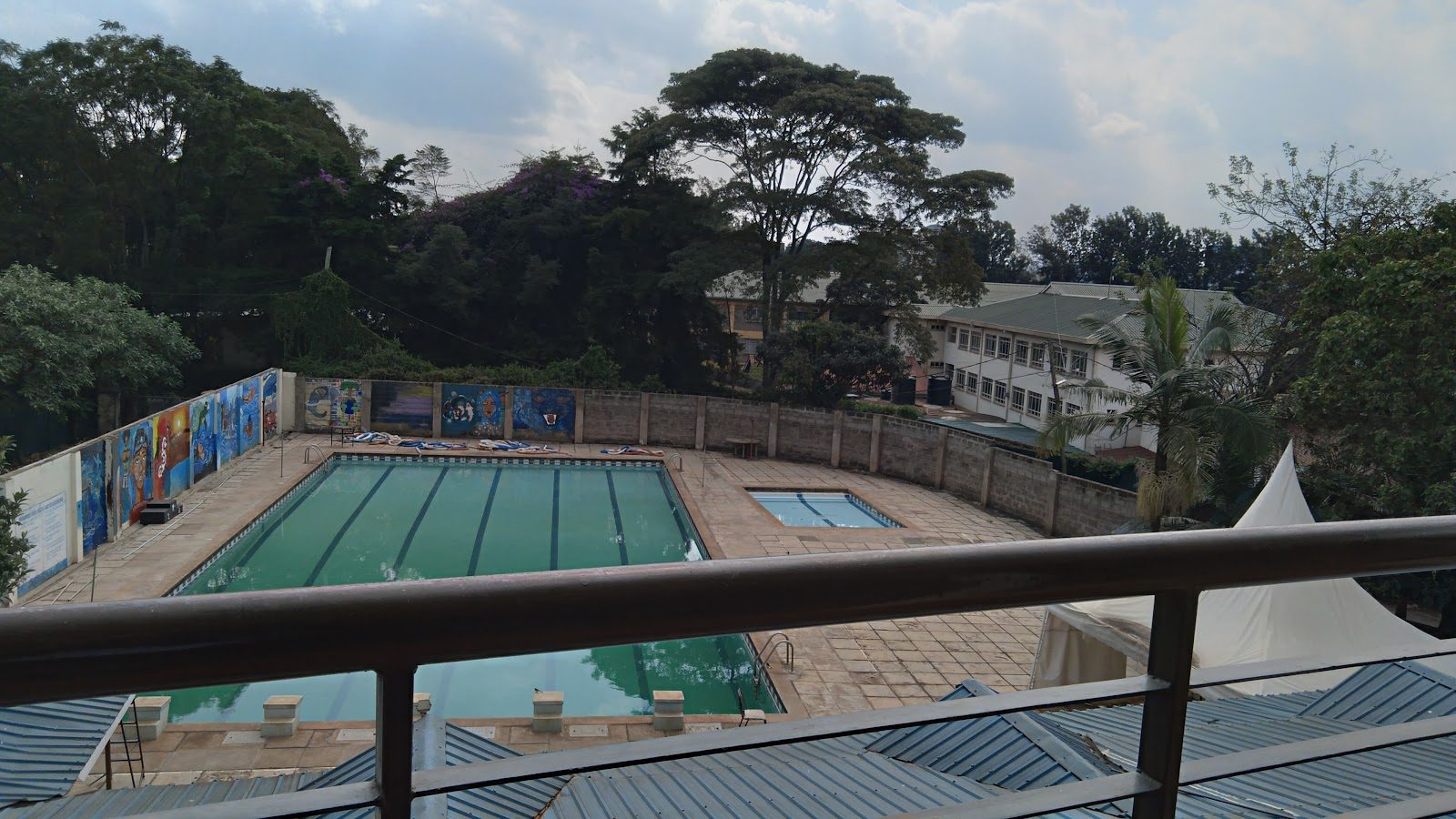
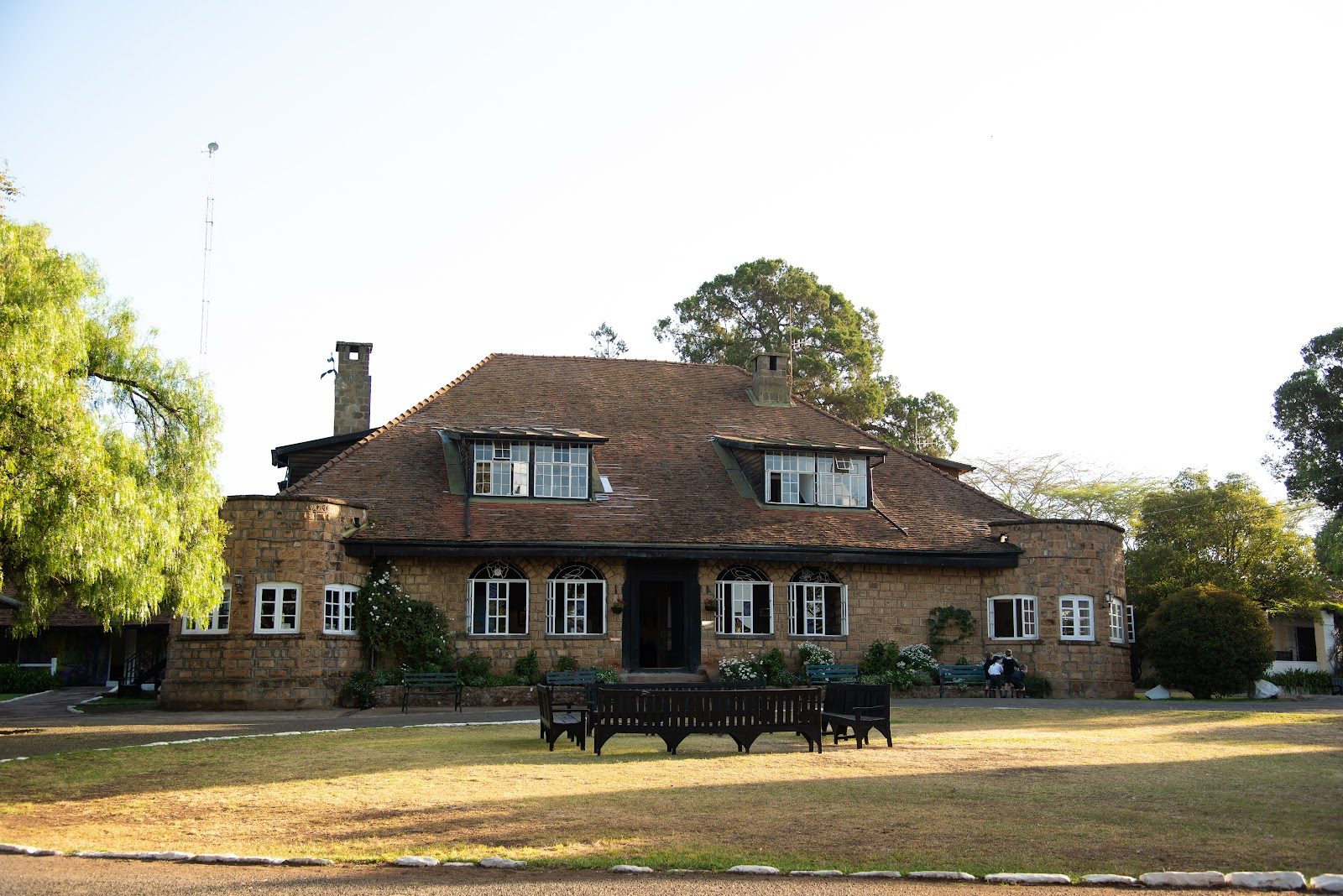
Photo © Dennis Mukuba via Google Maps
Type
Day
Ages
2–18
Curriculum
British
Qualifications
IGCSE · A-Level
Ratio
—
The Verdict
Editor's commitment
Right for
Nairobi families wanting a 2–18 day school in Lavington with the British curriculum, English instruction and Cambridge International accreditation.
Wrong for
Parents seeking boarding, IB, bilingual teaching or a defined religious education; Rusinga is day-only, British, English-medium and listed non-religious.
Watch out for
Founded in 1983 and accredited by BSO and Cambridge International, it clears baseline checks; the school does not publish outcomes here.
Ranking breakdown
Rusinga School · #1419 of 1591
Composite score 51.5. 8 weighted criteria.
By criterion
Academic Outcomes
Weight 20%
#1370
of 1529 scored
University Placement
Weight 16%
#1359
of 1529 scored
Prestige & Heritage
Weight 12%
#1426
of 1571 scored
Alumni Network
Weight 12%
#1082
of 1530 scored
Facilities
Weight 12%
#1422
of 1533 scored
Transparency & Communications
Weight 8%
#1415
of 1532 scored
Peer & Industry Review
Weight 10%
#1216
of 1548 scored
Admissions Selectivity & Demand
Weight 8%
#1308
of 1529 scored
Peer & Industry Review
How Rusinga School is regarded in the sector
63
Respected · medium confidence
I could not identify at least two independent, third-party sources (e.g., Tatler, Good Schools Guide, specialist education press, or established expat forums) that substantively discuss Rusinga School's reputation. Available information appears limited to the school's own materials or unverifiable listings, which do not meet the evidentiary bar for this assessment.
Editors' overview
Rusinga School is a Nairobi day school in Lavington for ages 2–18, founded in 1983, teaching in English and running the British curriculum through to sixth form. It carries BSO and Cambridge International accreditation, which gives it a clear place in the market: an established, inspection-facing British school without the boarding machinery, safari gloss or embassy-cachet branding that dominate parts of the Kenyan international sector. One point needs stating plainly: the school’s public web presence is a mess. The source linked under the school’s website resolves to a Lake Victoria lodge, not a school site. For parents paying close attention, that raises immediate questions about governance, communications and digital competence.
That said, the school still has a coherent proposition. Rusinga offers an all-through structure from nursery to age 18 in one campus journey, and for many families that continuity matters more than architectural spectacle. It suits parents who want a British pathway in a day-school format, in a residential part of Nairobi, without turning education into a lifestyle purchase. The editorial tagline attached to the school points to a Christian ethos, while the verified context lists the school as non-religious; that mismatch needs clarifying directly with the school. Even with that inconsistency, the broad identity is readable: steady, rooted, all-through, and designed for families who value routine, local accessibility and a school community that spans the full age range.
Why shortlist it? Because Rusinga occupies a useful middle ground in Nairobi’s market. It is not the grandest option, not the most internationally glamorous, and not the one that trades on elite scarcity. It is the one for parents who want a known curriculum, recognised accreditation and a day-school life that keeps children anchored at home. That matters for students who thrive with consistency rather than churn: children who benefit from a grounded school week, teenagers who want academic structure without boarding, and families who prefer substance over theatre. The strongest fit is the student who wants a settled environment, a direct British academic track, and a school that can carry them from early years to sixth form in one place.
Academic Performance
Academic performance is the section where Rusinga needs to publish hard evidence and does not. We have not seen aggregate IGCSE or sixth-form results, no multi-year pass rates, no subject breakdowns, no top-grade distribution, and no university destinations data tied to an exam cohort. That leaves parents without the basic comparative markers that serious schools put in the public domain. In Nairobi’s international market, that is a material weakness. It does not prove weak outcomes; it proves opaque reporting. For an all-through school asking families to commit for the long haul, that gap matters. A school can be steady in practice and still fail the transparency test.
Relative to peers, Rusinga sits in the group that offers recognised external examinations but does not make public performance a selling point. The strongest academic brands in this market publish headline scores, cohort sizes, top subject results and destination lists, then let families judge. Rusinga does not do that here. That places it behind the most data-confident competitors on evidence, even if classroom teaching is stronger than the website indicates. Parents considering sixth form need to ask direct questions: latest IGCSE outcomes, latest A-level or equivalent results, value-added data, retake policy, and destination patterns over at least 3 years. Until the school discloses that, its academic standing remains hard to verify rather than clearly demonstrated.
Facilities
Facilities are hard to judge because the school’s public website does not function as a school website at all. That matters here more than in any other section: parents cannot inspect classrooms, labs, libraries, sports provision, specialist spaces, security arrangements or early-years environments in any credible way. We have not seen a campus map, no photo set of teaching spaces, no theatre or music facilities, no design and technology provision, no science suite detail, and no clear account of outdoor space. For a school serving ages 2–18, that is a serious disclosure gap. An all-through school needs to show how it separates and serves very young children, juniors, seniors and sixth form. Rusinga does not publish that clearly.
Against Nairobi peers, that puts it on the back foot. Stronger competitors do not just claim good facilities; they show the library, the labs, the sports courts, the swimming pool if they have one, the performing-arts rooms, and the daily practical layout of the campus. Rusinga leaves parents to ask basic questions that should already be answered: does it have dedicated senior science labs, a serious indoor sports offer, specialist art rooms, rehearsal spaces, a sixth-form centre, and enough outdoor room for different age groups to coexist without friction? The school may have solid, functional facilities. Right now, the public picture is opaque, underpowered and well below market standard for a fee-charging international school.
Rusinga School is a Nairobi day school in Lavington for ages 2–18, founded in 1983, teaching in English and running the British curriculum through to sixth form
Prestige
Rusinga’s prestige sits in Nairobi’s second tier: respected, established, but not socially dominant. It has the advantage of being a known all-through school with recognised inspection and exam-board oversight, which gives it more standing than a newer, thinly evidenced operator. That said, prestige in this market does not come from longevity alone. It comes from selective admissions, publicly demonstrated academic outcomes, standout university placements, magnetic facilities, or a brand that carries weight well beyond the school gate. Rusinga does not publish the evidence needed to claim that level of distinction, and its broken web presence cuts directly against any aura of institutional sharpness. Prestige relies on signals. Right now, several of Rusinga’s signals are muted, and one is actively damaging.
Why rate it this way? Because the school’s proposition is credible but not rare. An all-through British day education in a well-known Nairobi neighbourhood has practical value, and for many families that matters more than elite theatre. But practical value and prestige are not the same thing. The schools that command the strongest status premium give parents hard academic data, polished communications, and a clear sense of who gains entry and where graduates go next. Rusinga gives neither the competitive mystique nor the proof of exceptional outcomes that define the top prestige bracket. Its standing is solid rather than glittering: a school families can choose with confidence for continuity and structure, not one they choose for cachet.
Rusinga gives neither the competitive mystique nor the proof of exceptional outcomes that define the top prestige bracket
Communications
Parent communication is the area where Rusinga does itself the most damage. The school’s listed website does not take parents to a school website at all; it lands on a Lake Victoria lodge selling 11 luxury cottages, birdlife, fishing and spa treatments. That is not a minor technical slip. It is a basic institutional failure in the main public channel families use to check term dates, leadership messages, policies, admissions steps, exam information and day-to-day school life. When a school cannot control its own front door online, parents have good reason to question the discipline behind other communications. The result is immediate distrust, not because the school is weak in the classroom, but because its public-facing operations are plainly unsound.
That broken link also blocks any fair assessment of the school’s communication quality beyond the most basic verdict: ineffective. We have not seen a functioning parent information hub, no calendar, no news archive, no staff directory, no policy library, and no clear explanation of how the school handles routine parent contact. For a school serving children from nursery to sixth form, communication needs differ sharply across age groups, and those differences need clear systems. Rusinga does not show them. Parents considering the school should ask for direct evidence of how communication works in practice: reporting cadence, parent portal access, emergency messaging, response times, and who holds responsibility at each stage. Until that is fixed, communications remain a serious weakness.
Uniqueness
Rusinga’s distinctiveness lies less in market spectacle than in institutional shape. In a city where many schools sell aspiration through scale, brand theatre or hyper-polished presentation, Rusinga’s all-through format gives families one educational spine from the first school years to school leaving. That brings a real student benefit: fewer forced transitions, less reinvention at each stage, and a stronger chance of adults knowing a child over time rather than only for a short phase. For some pupils, that continuity is genuinely protective. Children who dislike churn, need steady expectations, or do their best work in familiar communities gain from a school that does not require a fresh social and academic reset every few years. Serving ages 2–18 on that basis is a clear structural advantage when it is executed well.
The other point of difference is more conflicted. Rusinga has an identity that reads as rooted and unshowy, and that can be attractive for families who want school to feel like part of ordinary life rather than a status performance. Students in that environment often gain grounded confidence rather than polish for its own sake. Yet the school’s public incoherence — including the fact that its stated website routes elsewhere entirely — undercuts that identity and turns what could be a quiet strength into a credibility problem. So its uniqueness is double-edged: it offers continuity, familiarity and a lower-drama school journey, but it also asks parents to tolerate weak outward communication from an institution that needs to project competence with far greater discipline.
The strongest academic brands in this market publish headline scores, cohort sizes, top subject results and destination lists, then let families judge
Student Profile
The best fit here is the child who benefits from continuity, routine and a school community that does not reset every few years. An all-through structure from age 2 to 18 suits pupils who build confidence slowly, prefer familiar adults, and work better when expectations stay consistent across phases. This is a strong match for families who want children anchored in daily home life rather than absorbed into a high-performance social scene. Students who thrive on steady relationships, clear school habits and a lower-drama peer culture are the natural constituency. So are younger children with older siblings on the same campus, and teenagers who want sixth form without the disruption of changing schools at a key academic stage.
The weaker fit is just as clear. Children who want a visibly high-octane, highly polished, status-conscious environment may find this school less compelling. The same goes for families who treat a school’s public presentation as a proxy for institutional sharpness; Rusinga has not earned trust on that front. Pupils who need a broad, publicly documented range of specialist opportunities before committing may also hesitate, because the school does not show enough. The student most at home here is not chasing spectacle. It is the one who wants a grounded, unflashy school life, can flourish without brand theatre, and values being known over being impressed.
Rusinga’s distinctiveness lies less in market spectacle than in institutional shape
Co-curricular strengths
Arts & sport, on a separate axis
Overall 7.8/10
Scored 0-10 from the school's own published evidence. This axis is editorial-only — it does not feed the main WTS ranking.
Sports
8/10
The school has 'a strong sports and outdoor-education tradition,' which is clear positive evidence of a solid sports culture but gives no named teams, facilities, staff, or competitive results.
Drama
8/10
Dance
8/10
Music
8/10
Visual Arts
7/10
Editor first-pass · editor-reviewable · 7/30/2026
Strengths
- +Follows the British National Curriculum through to IGCSE, giving families a globally recognised qualification pathway.
- +Long-established day school in Nairobi's Lavington area, giving it decades of institutional continuity compared to newer entrants.
- +Day-only structure keeps the school embedded in Nairobi's expatriate and professional community rather than operating as an isolated boarding campus.
- +Small-city location means shorter commutes for families based in Nairobi's western suburbs compared to schools further out of town.
- +British curriculum offers a familiar framework for relocating UK and Commonwealth families seeking curriculum continuity.
Considerations
- −As a single-campus day school in Nairobi, it lacks the international campus network or exchange options some larger groups offer.
- −Editorial ranking (1324) places it well outside the small cluster of globally top-ranked international schools, reflecting a more modest profile.
- −Public data on academic results, staff qualifications and inspection outcomes is limited, making independent verification of quality harder for relocating families.
- −No boarding option, so it does not suit families needing a residential solution for children based outside Nairobi.
Availability
Primary entry gate & tests
Academic Record
Gallery
Photo © Dennis Mukuba via Google Maps
Photo © Dennis Mukuba via Google Maps
Photo © Dennis Mukuba via Google Maps
Photo © Sharon Njoki via Google Maps
Photo © Dennis Mukuba via Google Maps
Parent reviews
Have you sent your child here?
Voice reviews carry the strongest trust badge — we transcribe them for you to tidy up before they go live. Prefer to type? A written review is fine too.
Add your voice
In 60 seconds, tell other parents: what's the best thing about Rusinga School, and what surprised you when your child joined?
We ask for a Google sign-in so every review has a real face behind it — no anonymous drive-by attacks on schools, and no faked positive reviews. Your email is never shown publicly.
Send this profile to a friend
International parents rely on word-of-mouth. Share this review with someone weighing the same decision.
Schools with places
Similar schools to Rusinga School with places available now.
Availability first, then country, area, curriculum, price, co-curricular
Consider also
Also worth looking at alongside Rusinga School.
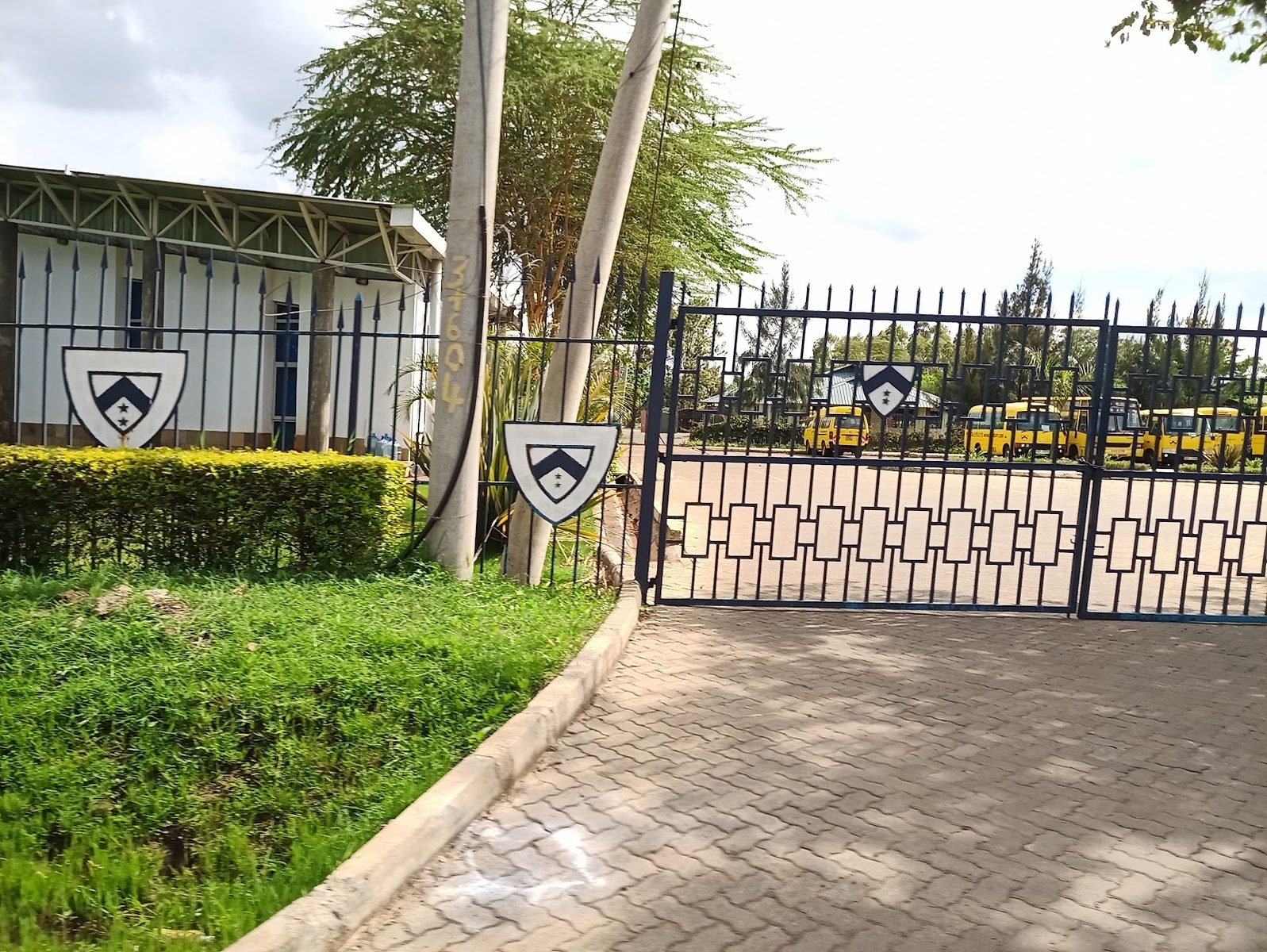
Braeburn Garden Estate School
Nairobi · Kenya
On a leafy 32-acre Nairobi campus, British foundations lead into Africa's first IB Career-related Programme.
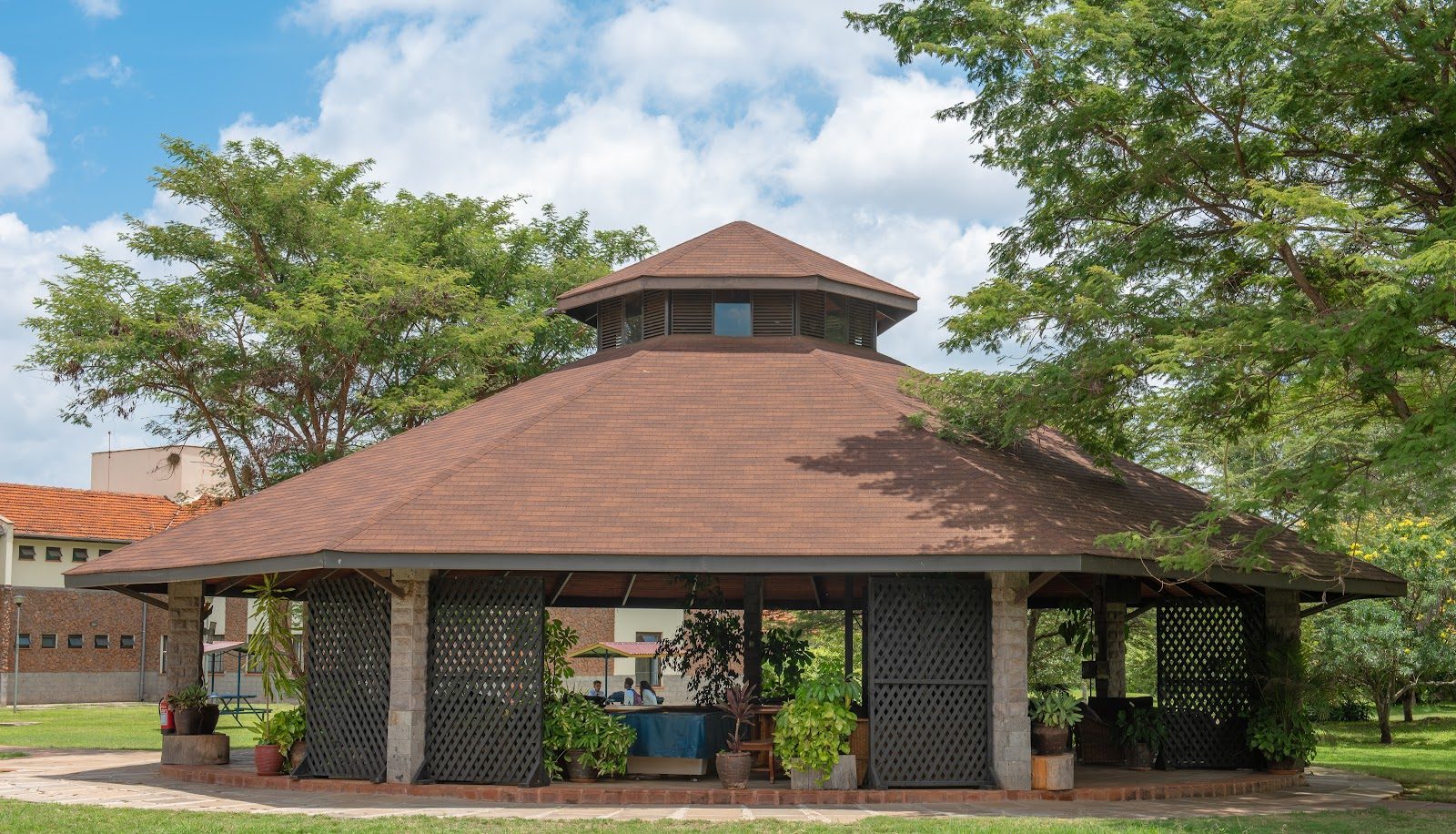
Peponi School
Ruiru · Kenya
Rift Valley lake names anchor its boarding houses, grounding a British sixth-form culture on a Nairobi ranch nearly three decades old.
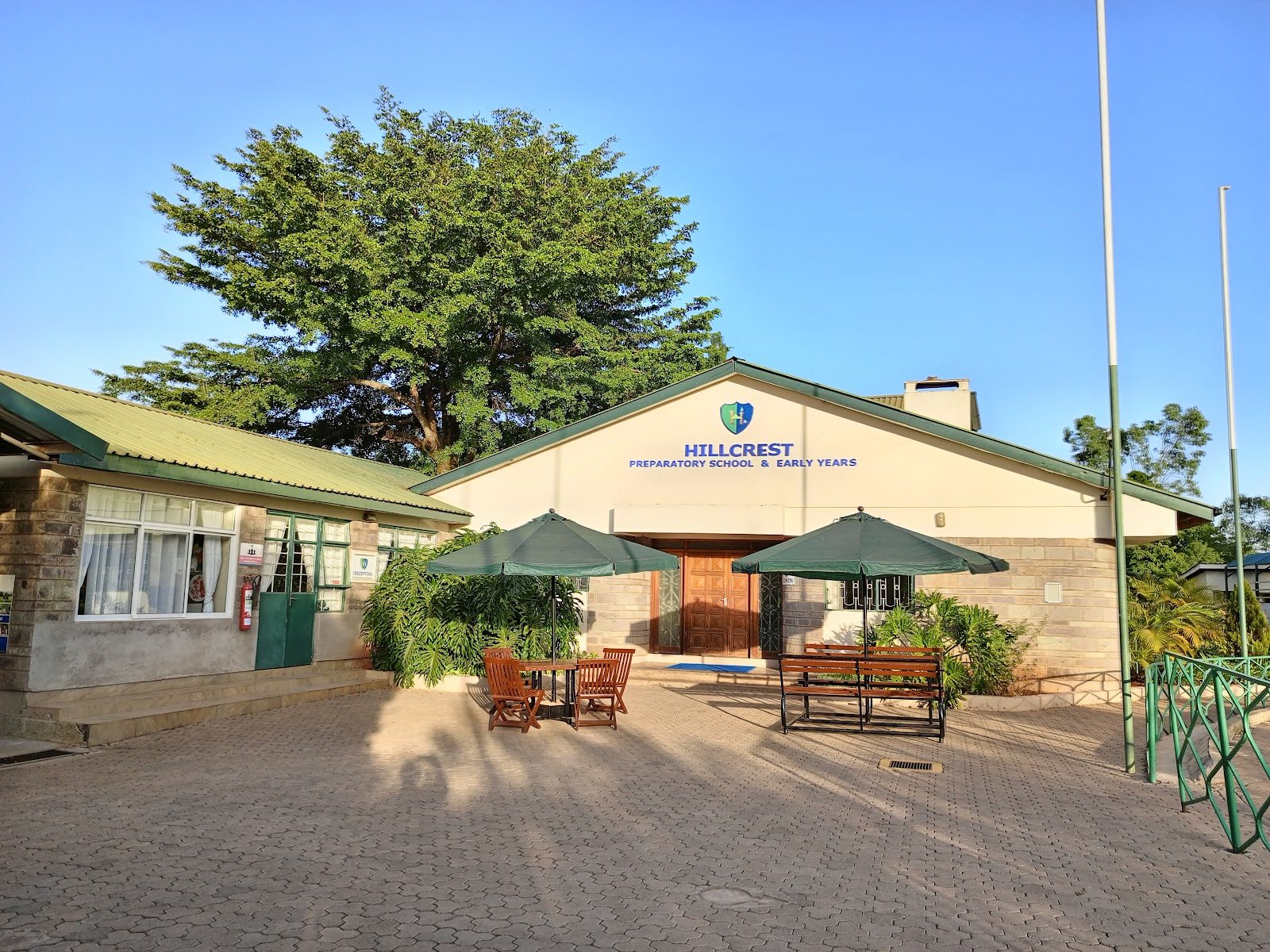
Hillcrest International School
Nairobi · Kenya
On a 35-acre Karen campus since 1965, sixth formers choose between Cambridge A-Levels and BTEC vocational pathways.
Pembroke House School
Gilgil · Kenya
Nearly a century deep in the Great Rift Valley, this British prep drills pupils through Common Entrance into top senior schools abroad.
Same country and curriculum — closest matches within ±10 points either way