Auvergne-Rhône-Alpes
France's largest classes preparatoires campus, drawing 14,000 applicants a year to 31 divisions feeding the grandes ecoles
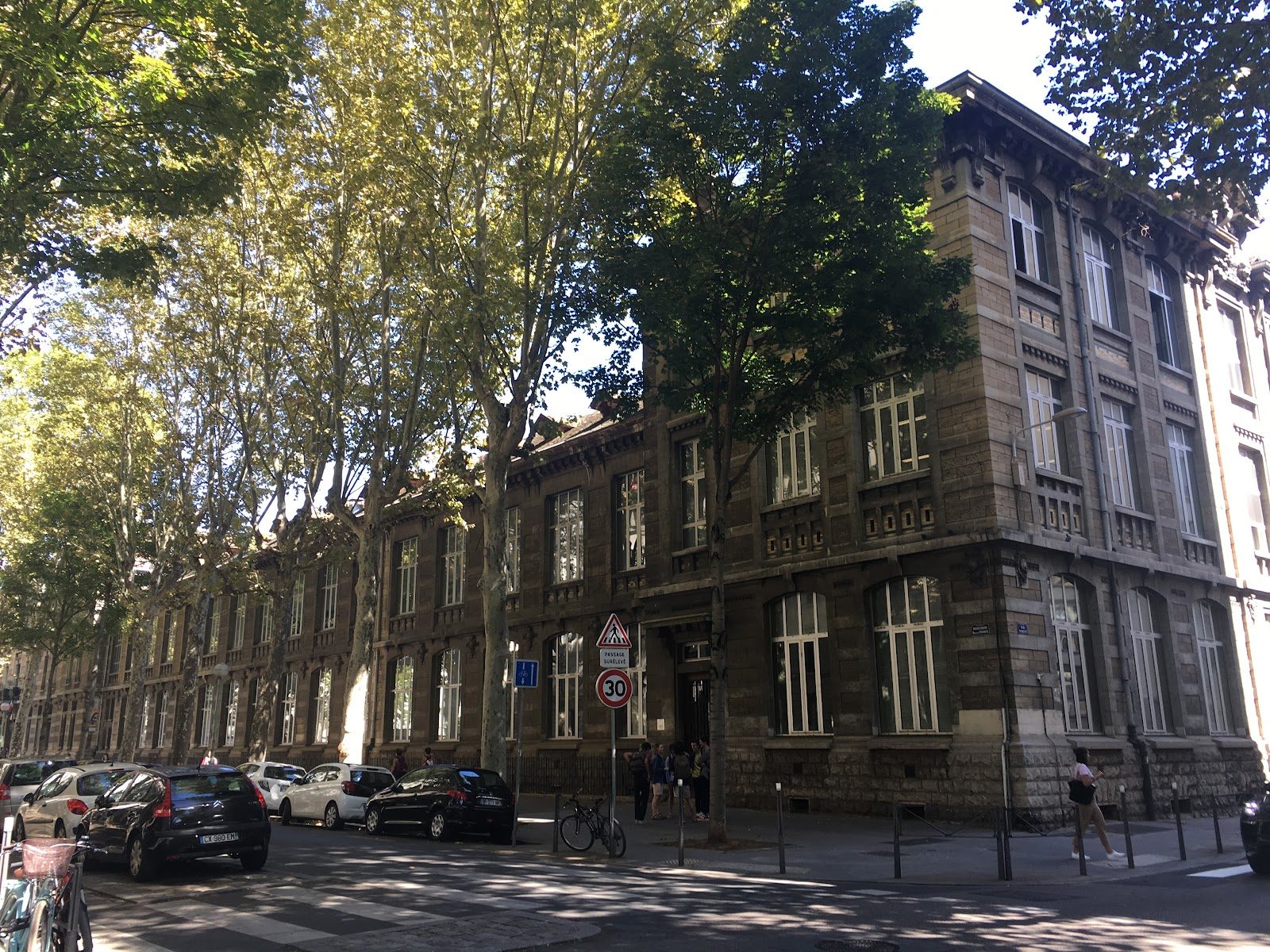
Photo © Christophe Jan via Google Maps
Type
Day
Ages
15–20
Curriculum
French Baccalauréat · Classes Préparatoires (CPGE)
Ratio
14:1
The Verdict
Editor's commitment
Right for
Academic high-fliers aiming at the French Baccalauréat and CPGE in Lyon, with 31 divisions and 14,000 applicants chasing the grandes écoles.
Wrong for
Families wanting a broad age range or boarding: this is a day school for ages 15–20, with average classes of 30.
Watch out for
The school states English instruction, yet Lycée du Parc is a public secondary school in France; clarify the actual teaching language before applying.
Ranking breakdown
Lycée du Parc · #271 of 1591
Composite score 73.9. 8 weighted criteria.
By criterion
Academic Outcomes
Weight 20%
#385
of 1529 scored
University Placement
Weight 16%
#398
of 1529 scored
Prestige & Heritage
Weight 12%
#144
of 1529 scored
Alumni Network
Weight 12%
#144
of 1529 scored
Facilities
Weight 12%
#976
of 1529 scored
Transparency & Communications
Weight 8%
#255
of 1529 scored
Peer & Industry Review
Weight 10%
#255
of 1529 scored
Admissions Selectivity & Demand
Weight 8%
#153
of 1529 scored
Peer & Industry Review
How Lycée du Parc is regarded in the sector
82
Strong · medium confidence
Lycée du Parc is consistently ranked among France's top classes préparatoires in L'Etudiant and Le Figaro Étudiant rankings, especially for its khâgne/hypokhâgne and scientific prépa tracks, with strong admission rates into ENS, Polytechnique and other Grandes Écoles cited in specialist education press. It has a long-standing reputation as one of Lyon's (and France's) most academically elite public lycées, frequently referenced alongside Louis-le-Grand and Henri-IV in national comparisons, though it lacks the international/expat visibility of Anglophone school rankings like Tatler or Good Schools Guide.
Evidence sources
Editors' overview
Lycée du Parc occupies a rare position in French education: a public secondary school with real gravitational pull, and a serious one. Founded in 1919 and based in Lyon’s sixth arrondissement, it sits close to the Parc de la Tête d’Or and serves students aged 15 to 20 on a day-school basis. The headline attraction is clear. This is the campus identified with France’s largest classes préparatoires operation, with 31 divisions and 14,000 applicants a year competing for routes into the grandes écoles. That scale matters. It gives the school a hard-edged academic identity and a national, not local, reach.
What sets Lycée du Parc apart is not pastoral theatre or campus spectacle. It is academic concentration. Families looking at the French Baccalauréat and CPGE route will recognise the appeal: a school built for students who value structure, pace and intellectual competition. The average class size of 30 and student-teacher ratio of 14:1 point to a large, serious institution rather than a boutique environment. That will suit students who thrive in high-pressure classrooms, accept comparison with strong peers, and want entry into selective French higher education to shape their school years from the start.
It belongs on a shortlist for one reason above all: clarity of purpose. Lycée du Parc offers a *clear runway to elite French post-secondary study* in a public-school setting with an established name. Parents who want hand-holding, soft discipline or a broad co-curricular sales pitch should look elsewhere. Students who want academic intensity without frills, who can handle repetition, scrutiny and demanding expectations, will find the point of the place immediately. For that group, Lycée du Parc is not just a good option; it is a serious credential in itself.
Academic Performance
Lycée du Parc’s academic standing rests less on glossy headline statistics than on the brutal credibility of its preparatory track. A school that draws 14,000 applications to 31 CPGE divisions occupies a place near the top of the French academic food chain. That scale signals more than popularity: it marks the school out as a serious sorting ground for students aiming at the grandes écoles. In French terms, that puts Lycée du Parc in the company of the country’s strongest public establishments for post-baccalauréat preparation, with competition intense before students even enter the classroom. The external measure that matters here is selectivity into the next stage, and on that front the school’s reputation is hard-earned.
What the school does not publish, at least in public view, is the data international parents would expect: no consolidated Baccalauréat outcomes, no subject breakdowns, no university-style destinations grid, and no aggregate admission figures by grande école. That opacity matters. It prevents a clean comparison with peers on raw examination performance. Even so, the broad picture is clear. Lycée du Parc sits in the upper tier of academically selective French public schools, and families choosing it are buying into pressure, ranking and national competition rather than pastoral cushioning. This is a school for students who want results-driven preparation and accept that performance is measured against strong peers, not against a soft local benchmark.
Facilities
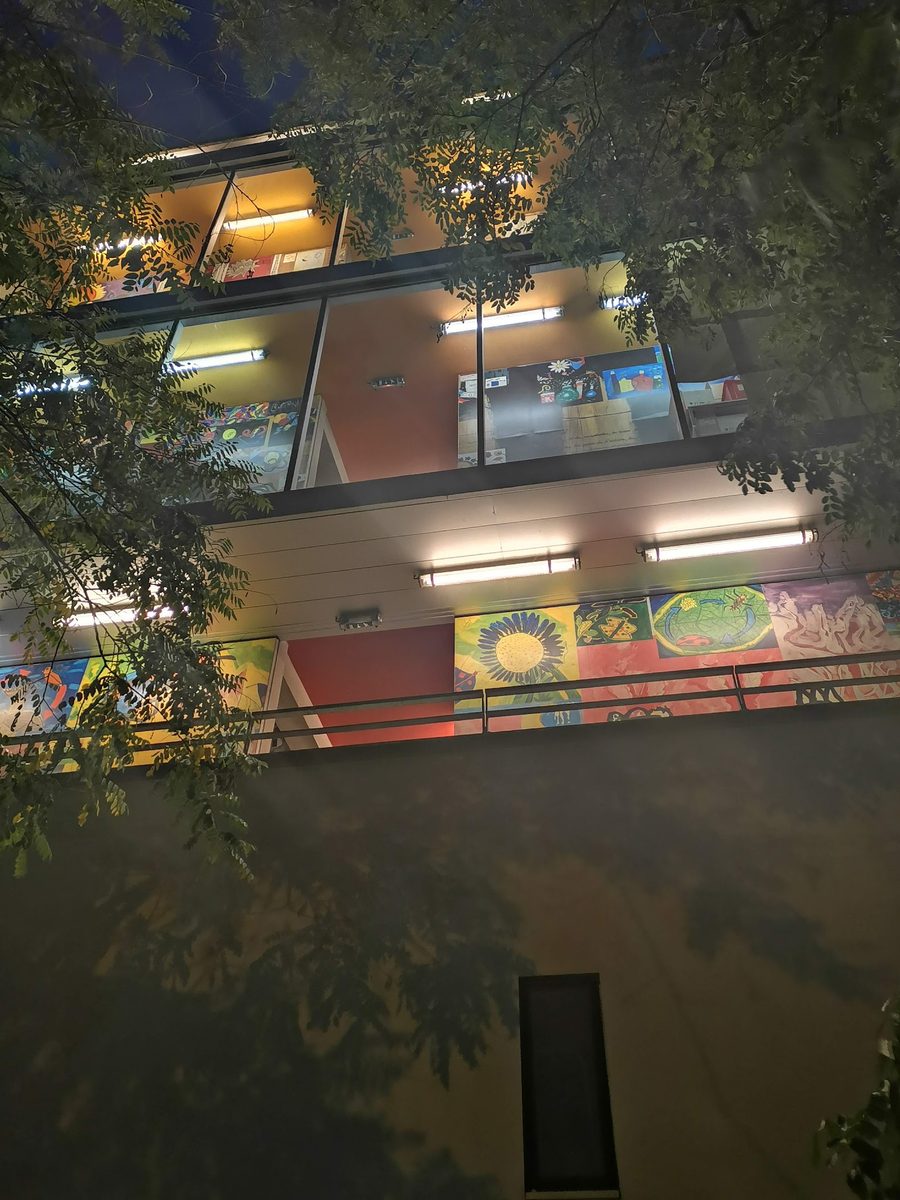
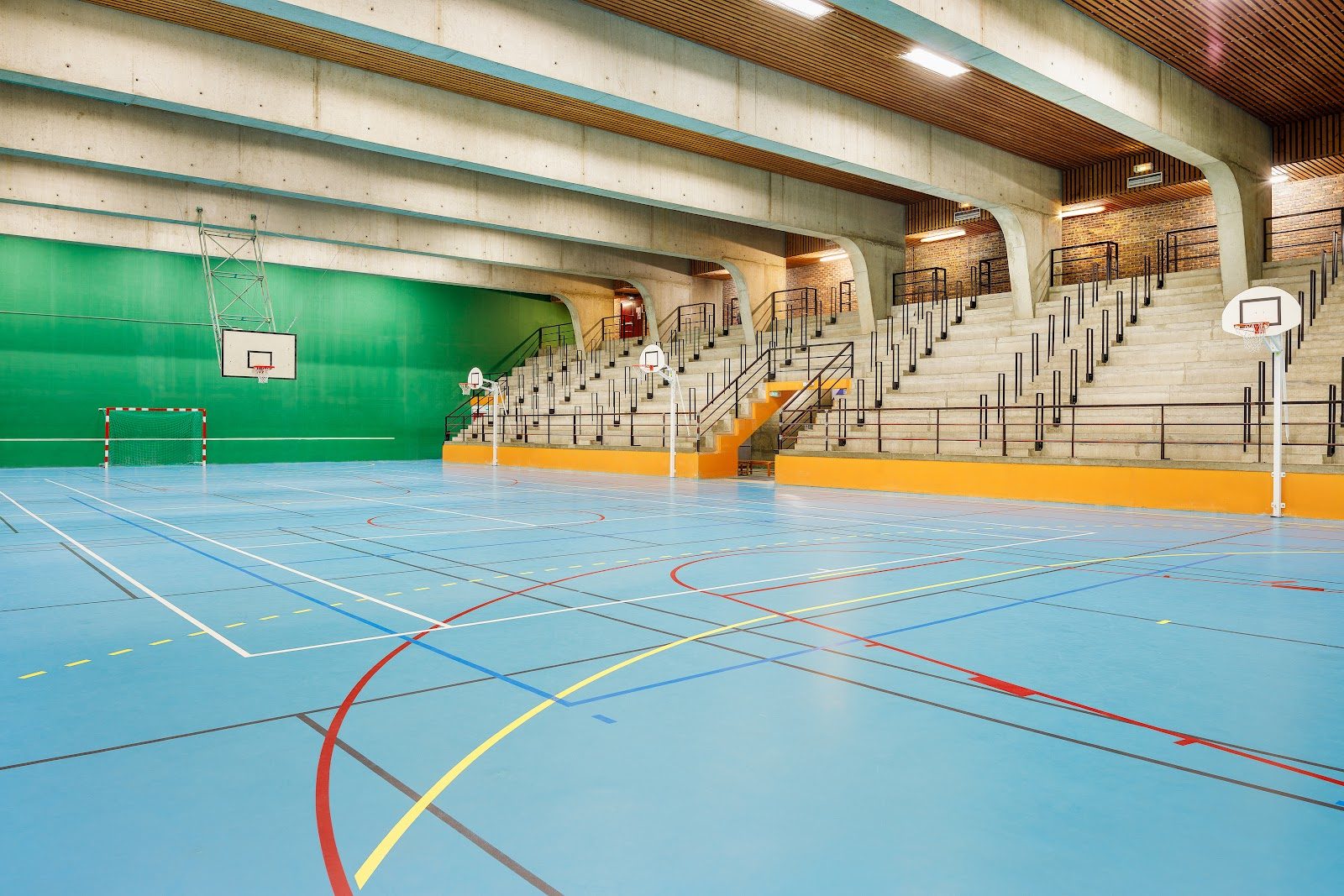
Facilities are not the selling point here in the way they are at wealthier international schools with theatres, aquatics complexes and branded innovation labs. Lycée du Parc is a public academic campus, and the public record tells us one concrete thing about its physical setting: it sits beside a major city park. That matters less for prestige than for day-to-day use. Access to substantial green space gives students room to decompress between demanding lessons and long study days, a practical advantage in an institution built around sustained academic pressure. Beyond that, the school does not publish the kind of detailed facilities inventory international parents now expect. We have not seen a clear public breakdown of science labs, arts spaces, sports provision or specialist sixth-form study areas. That lack of disclosure leaves the estate hard to audit.
Against peer schools in the French state sector, that is not unusual. Many academically strong lycées publish far less about buildings than private schools courting international families. Against selective private competitors, though, Lycée du Parc looks plainly utilitarian rather than showcase-driven. Parents should read the campus accordingly: not as a destination for architectural polish or expansive enrichment infrastructure, but as a place organised to support concentrated study. For the right student, that no-frills seriousness is an asset. For families who want visible investment in sport, performing arts or specialist pastoral spaces, the omission is a real weakness.
Lycée du Parc occupies a rare position in French education: a public secondary school with real gravitational pull, and a serious one
Prestige
A Lycée du Parc education carries serious French academic prestige because the school sits inside one of the country’s clearest status hierarchies: the route into the grandes écoles. In France, that matters more than glossy international branding, and families who know the system know the name. The school’s preparatory operation is not a side department or a marketing flourish; it is a nationally recognised engine room for elite post-secondary competition. A campus running 31 preparatory divisions and attracting 14,000 applicants occupies a rare position. That kind of demand confers status on its own, but the deeper point is selectivity. Lycée du Parc functions as a place strong students actively seek out, not a school that relies on local convenience or lifestyle appeal.
The prestige here is also hard, not decorative. It rests on academic seriousness, peer quality and the school’s standing within a public system that still carries real intellectual authority at the top end. That gives Lycée du Parc a form of distinction that international parents sometimes miss: not luxury prestige, but meritocratic prestige with teeth. The school does not trade on spectacle, and it does not need to. Its value lies in the signal it sends inside France — that a student has entered an environment associated with rigorous selection and demanding expectations. We rate it highly because that signal is credible, durable and widely understood by the audiences that matter most in the French higher-education landscape.
What sets Lycée du Parc apart is not pastoral theatre or campus spectacle
Communications
Parent communication looks institutional rather than intimate. Lycée du Parc reads as a serious public school that expects families to adapt to its systems, not a client-service operation built around reassurance. The public-facing information we have seen is sparse on the points international parents now watch first: there is no rich digest of outcomes, no detailed facilities map, and no polished explanation of day-to-day student support. That matters because communication quality shows in what a school chooses to make easy to find. Here, the essentials are clear enough — who the school is, where it sits, and the broad nature of its academic role — but the wider picture stays stubbornly opaque. For French families already fluent in the state system, that may suffice. For overseas or first-time applicants, it leaves too much untranslated.
That makes Lycée du Parc effective at one kind of communication and weak at another. It communicates seriousness, selectivity and hierarchy with cold clarity. It does not communicate hand-holding. Parents who want regular explanatory framing, visible pastoral messaging or a more legible account of student life will find the school hard to read. The scale of demand for its preparatory track — 14,000 applications across 31 divisions — reduces any incentive to over-explain. The message is plain: this is a school that expects families to value academic standing enough to tolerate a spare, unsentimental style of engagement. For the right audience, that works. For everyone else, it is a real barrier.
Uniqueness
What makes Lycée du Parc unusual is the concentration of purpose. Many strong schools balance several identities at once: local day school, broad sixth form, co-curricular hub, social community. Lycée du Parc has a narrower and more hard-charging centre of gravity. Its defining feature is the preparatory machine itself — 31 divisions competing in one of France’s most exacting academic pipelines, with 14,000 applicants pressing for entry. That scale gives students something few schools can offer: daily immersion in a culture where intellectual effort is normal, comparison is constant and ambition is not dressed up as enrichment. The school’s distinctiveness lies less in ethos statements than in its role as a serious national filter.
For students, that brings clear benefits and clear costs. The benefit is peer group density: able students work among other able students, and the institution has no need to dilute expectations to keep morale high. That produces real academic traction for teenagers who want demanding company and accept relentless scrutiny. The cost is just as obvious. A school organised around selection and competitive progression leaves less room for reinvention, softness or leisurely exploration. Students who need spacious pastoral handling or a wide margin for drift will find the model unforgiving. Students who want a disciplined runway into elite French higher education will find its singularity powerful.
Lycée du Parc offers a clear runway to elite French post-secondary study in a public-school setting with an established name
Student Profile
The students who fit here are the ones who do not need school to flatter them. They can handle pace, correction and constant comparison without collapsing into self-protection. They value academic rank, accept that stronger peers sharpen performance, and do not mistake pressure for unfairness. In the preparatory stream especially, entry demand on the scale of 14,000 applications creates a cohort that is self-selecting, highly competitive and not remotely casual about work. Teenagers who need frequent praise, flexible standards or a broad social buffer will struggle. So will students who want school to feel expansive, experimental or forgiving. Lycée du Parc suits adolescents with stamina, order and a taste for hard intellectual pecking orders.
It also suits families who understand the French public-school logic and do not need a concierge version of education. This is a good match for students who are independent in practical matters, can manage heavy reading and revision loads, and are prepared to live inside a system with large classes and little theatrical hand-holding. Socially, the fit is narrower than at schools that sell themselves on community warmth: the peer group here is united more by academic intent than by lifestyle breadth. For the right student, that is electrifying. For the wrong one, it is abrasive, narrowing and not for the faint-hearted.
For that group, Lycée du Parc is not just a good option; it is a serious credential in itself
Co-curricular strengths
Arts & sport, on a separate axis
Overall 7.1/10
Scored 0-10 from the school's own published evidence. This axis is editorial-only — it does not feed the main WTS ranking.
Sports
7.5/10
Drama
7.5/10
Dance
4.5/10
Music
8/10
Visual Arts
8/10

WTS 300 badge
Lycée du Parc is one of the World's Top 300 Schools. Claim your listing to add it to your site →
Strengths
- +One of France's oldest and largest CPGE providers, with a purpose-built campus that opened for the 1913-1914 school year and now runs roughly 31 preparatory divisions across scientific, economic and literary streams.
- +Consistently ranked among France's top public preparatory schools; Le Figaro Etudiant's 2025 rankings placed it as the second-best lycee in Lyon, with strong integration rates into competitive grandes ecoles.
- +Runs the only BCPST (biology/geology-focused) preparatory class in the Lyon metropolitan area, with results regularly cited in the national top 5-10 for BCPST integration outcomes.
- +Offers an English-language European section from seconde (10th grade), adding roughly one hour per week of history-geography or life sciences taught in English alongside the standard French curriculum.
- +As a public lycee, tuition is essentially free, and a dedicated school foundation (created in 2015) subsidises the cost of oral exam travel for CPGE students who qualify for multiple grande ecole interviews.
Considerations
- −Teaching is conducted almost entirely in French; the school offers no International Baccalaureate or English-medium track, which limits suitability for expat families whose children are not fluent in French.
- −It is a public day school with only partial boarding capacity reserved for a subset of preparatory-class students, so most families must arrange their own accommodation or daily commute in Lyon.
- −With around 31 CPGE divisions it is one of the largest preparatory schools in France, meaning first-year classes can be sizeable even if second-year specialist groups narrow to smaller cohorts.
- −Entry to the CPGE track is dossier-based and academically selective, drawing applicants from across France, which raises the competitive bar relative to a typical local secondary school place.
Availability
Primary entry gate & tests
Affelnet / Academic Dossier
Gallery
Photo © Ita via Google Maps
Photo © Christophe Jan via Google Maps
Photo © Digisat Sat via Google Maps
Photo © Ita via Google Maps
Photo © Christophe Jan via Google Maps
Photo © Christophe Jan via Google Maps
Photo © Luciana Ferrari via Google Maps
Photo © Lucas Descubes via Google Maps
Photo © Lycée du Parc via Google Maps
Parent reviews
Have you sent your child here?
Voice reviews carry the strongest trust badge — we transcribe them for you to tidy up before they go live. Prefer to type? A written review is fine too.
Add your voice
In 60 seconds, tell other parents: what's the best thing about Lycée du Parc, and what surprised you when your child joined?
We ask for a Google sign-in so every review has a real face behind it — no anonymous drive-by attacks on schools, and no faked positive reviews. Your email is never shown publicly.
Send this profile to a friend
International parents rely on word-of-mouth. Share this review with someone weighing the same decision.
Schools with places
Similar schools to Lycée du Parc with places available now.
American School of Paris
Saint-Cloud · France
- 2026-27
- WAITPOOLSpace-dependent
- 2027-28
- PLACES OPENRolling
International School of Paris
Paris · France
- 2026-27
- WAITPOOLSpace-dependent
- 2027-28
- PLACES OPENRolling
The British School of Paris
Paris · France
- 2026-27
- WAITPOOLSpace-dependent
- 2027-28
- PLACES OPENRolling
Lycée Fénelon
Paris · France
- 2026-27
- WAITPOOLSpace-dependent
- 2027-28
- FUTURE CYCLEDates TBC
Availability first, then country, area, curriculum, price, co-curricular
Consider also
Also worth looking at alongside Lycée du Parc.
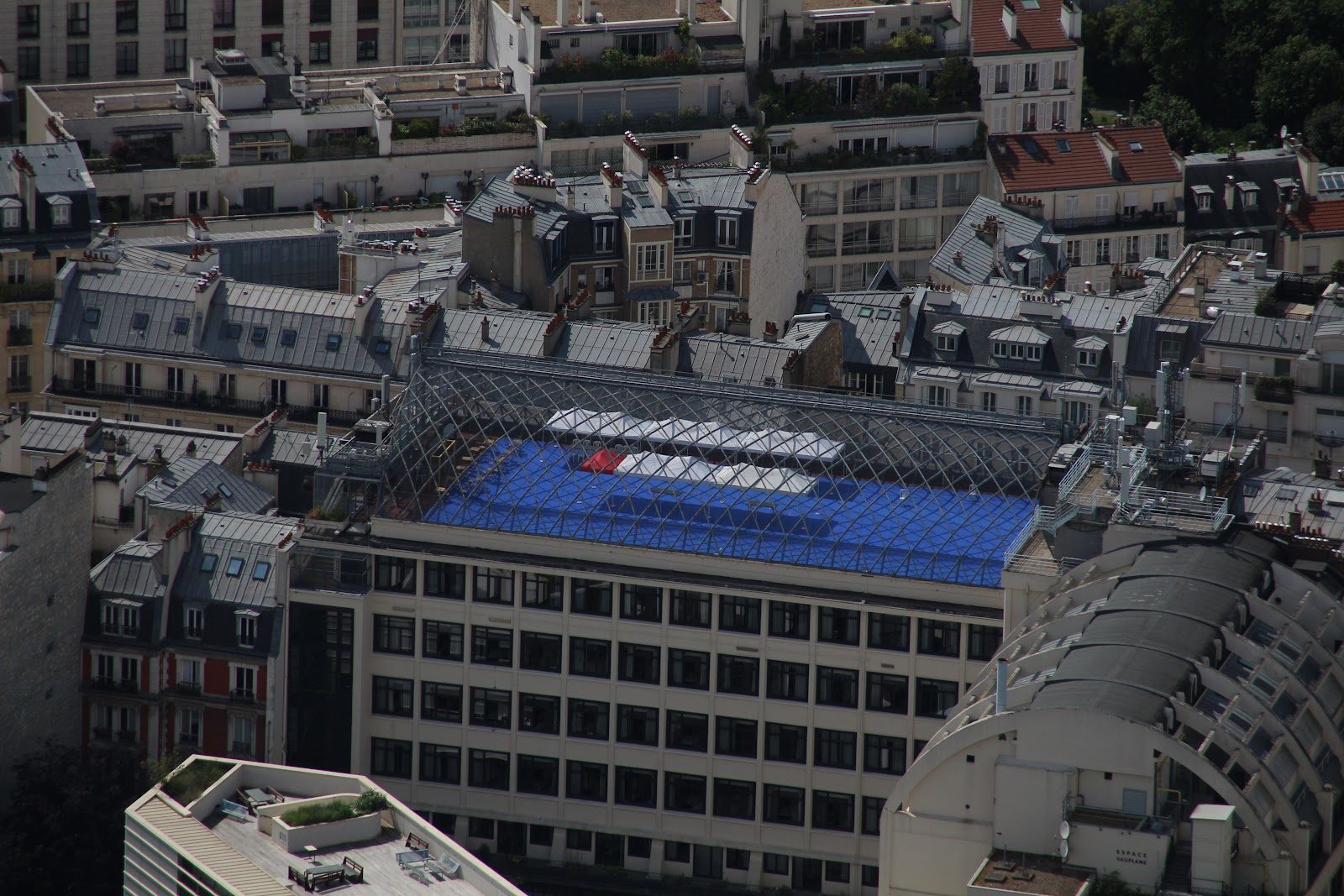
École Saint-Louis de Gonzague
Paris · France
Jesuit since 1894 on the Chaillot hill, still teaching Ignatian rigor into France's top-ranked lycee and its elite prep classes.
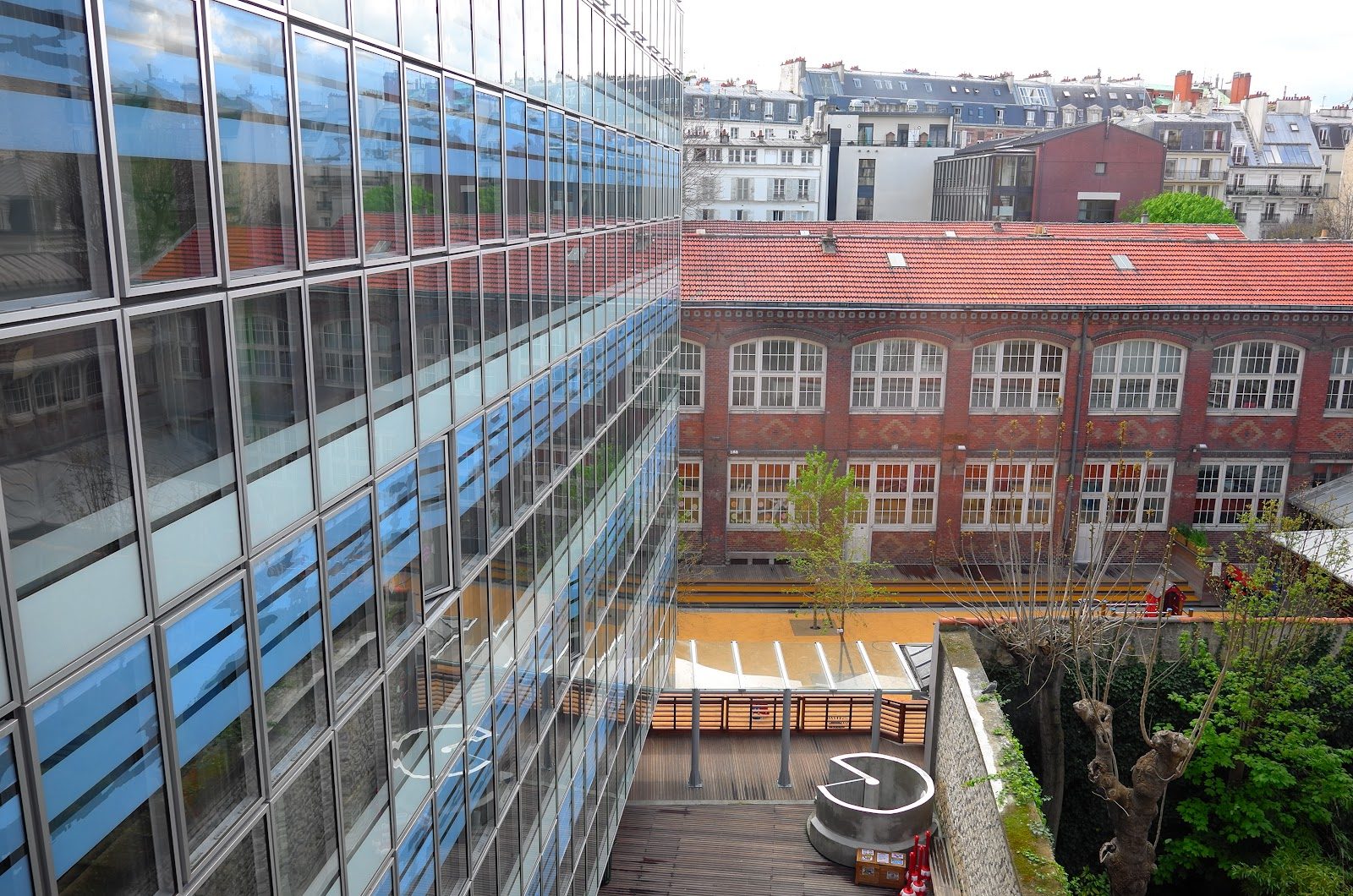
École Alsacienne
Paris · France
Founded by Alsatian refugees in 1874, a Left Bank laboratory for secular, progressive pedagogy that shaped France's republican school system.
École Jeannine Manuel
Paris · France
Founded by a Resistance veteran, this Left Bank lycee teaches core subjects bilingually and has topped France's rankings for a decade.
Collège Stanislas de Paris
Paris · France
In Montparnasse since 1804, this Catholic day school channels rigorous bac prep straight into France's grandes ecoles pipeline.
Same country and curriculum — closest matches within ±10 points either way