
Waikato
St Peter's School Cambridge
Home of Champions' Cambridge campus: the only Central North Island school offering the IB Diploma, complete with its own dairy farm.
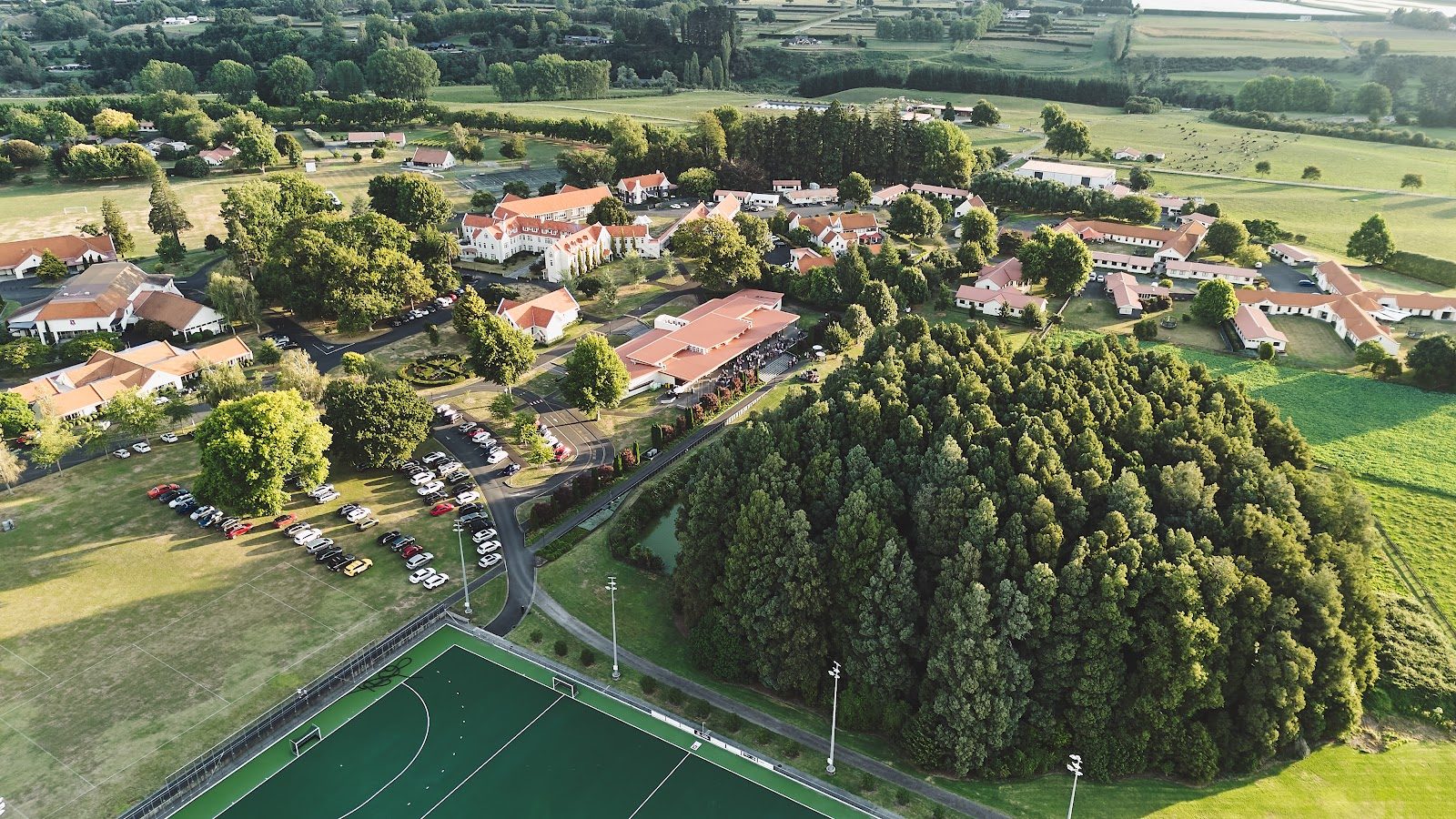
Photo © St. Peter's School Cambridge via Google Maps
Type
Day + Boarding
Ages
5–18
Curriculum
IB · Cambridge Pathway
Ratio
—
The Verdict
Editor's commitment
Right for
Families in Cambridge wanting Years 7–13 co-education with boarding, Anglican roots, and the Central North Island’s only IB Diploma alongside NCEA.
Wrong for
Children under Year 7, families wanting a pure single-curriculum route, or anyone uneasy with an overtly private, aspirational school culture.
Watch out for
The sell is scale and facilities: Waikato River campus, boathouse, equestrian centre and working dairy farm. Check whether your child needs that machinery.
Ranking breakdown
St Peter's School Cambridge · #659 of 1591
Composite score 68.1. 8 weighted criteria.
By criterion
Academic Outcomes
Weight 20%
#792
of 1529 scored
University Placement
Weight 16%
#649
of 1529 scored
Prestige & Heritage
Weight 12%
#1437
of 1571 scored
Alumni Network
Weight 12%
#900
of 1530 scored
Facilities
Weight 12%
#176
of 1533 scored
Transparency & Communications
Weight 8%
#863
of 1532 scored
Peer & Industry Review
Weight 10%
#127
of 1548 scored
Admissions Selectivity & Demand
Weight 8%
#1156
of 1529 scored
Peer & Industry Review
How St Peter's School Cambridge is regarded in the sector
80
Strong · medium confidence
Within New Zealand's small cohort of proprietary boarding schools, St Peter's Cambridge is consistently grouped with King's College, Christ's College and Scots College as a top-tier independent, though the sector's regard is informal since New Zealand publishes no official school league tables. Its distinguishing signal is curriculum choice: unlike most rivals, it runs full Cambridge International (CIE) alongside NCEA, a point regularly noted in domestic education commentary discussing alternatives to the national qualification. This CIE pathway, combined with strong equestrian and rowing programmes, supports direct pathways to University of Waikato, Otago and Auckland, and to UK/Australian universities that recognise Cambridge International results without additional foundation study. Coverage in NZ press (NZ Herald, Stuff) tends to focus on its boarding model and equestrian success rather than academic ranking claims. It lacks the international profile or HMC/IBSC-level citations seen for larger Australian or UK independents, and Good Schools Guide/WhichSchoolAdvisor-style independent reviews common in the UK market do not cover New Zealand schools, limiting third-party benchmarking beyond domestic reputation.
Award
Elite Sport 80
World's Top School · The Global Ranking
St Peter's School Cambridge is featured on our Global Top 80 ranking at #63. This seal is available for the school's marketing team to use on their website, prospectus and social channels.
Editors' overview
St Peter’s School Cambridge occupies a distinctive niche in New Zealand’s private-school market: a co-educational Anglican day and boarding school for ages 5–18 with a serious campus, a broad co-curricular engine and a curriculum offer that few regional competitors can match. The headline fact matters. It is the only school in the Central North Island offering the IB Diploma, alongside the Cambridge Pathway listed by the school. For families in Waikato and the surrounding region who want an international academic route without shifting to Auckland, that alone puts St Peter’s on the shortlist. Add the school’s scale of setting — river frontage, a boathouse on Lake Karapiro, an equestrian centre, golf facilities and a working dairy farm — and the proposition sharpens into a full-immersion boarding-school life rather than a conventional town day school.
What is special here is not one flagship building or one prestige programme, but the combination of academic choice, land, sport and boarding culture on one site. St Peter’s trades on the old independent-school promise of forming the whole child, but in this case the infrastructure gives that claim substance. A student can move from classroom to lake, stable, stage or sports field without leaving the school ecosystem. The dairy farm and outdoor estate are not cosmetic details; they mark St Peter’s out from urban competitors and give it a strong sense of place. This is a school for families who want room to grow, structured independence and a campus that runs beyond the timetable. Founded in 1936, it also has the institutional maturity that many newer “aspirational” schools lack.
The caveat is equally clear. St Peter’s will not suit every child. The school projects ambition, breadth and performance. Students who thrive here will want to take part, not hide at the edges. This is a good fit for the busy, energetic pupil who wants strong sport, visible co-curricular options and a school community with a real boarding heartbeat. It also suits the student who wants an international academic route while staying in regional New Zealand. Children who need a smaller, quieter, more understated environment may find the scale, activity and all-round expectations too much. St Peter’s has appeal for the self-starting all-rounder, the committed boarder and the young athlete or performer who wants facilities to match.
Why shortlist it? Because few schools in New Zealand offer this combination of boarding, campus resources and curriculum reach in one place. The IB Diploma offer gives it market distinction; the land and facilities give it texture; the boarding element gives it depth of community; and the setting gives it a rare breadth of opportunity. For the right student, St Peter’s offers 7 years of continuity from Year 7 to Year 13 in an environment built for participation, not passivity.
An Elite Sport 80 school
St Peter's School Cambridge in New Zealand sits at rank sixty-three on the Elite Sport 80 because it is one of the Waikato region's most productive multi-sport boarding schools, with strong rowing, rugby, cricket and equestrian pipelines and a consistent supply of national junior representatives across generations. The school's rowing squad is a regular Maadi Cup regatta finalist, and the 1st XV rugby team competes at national schoolboy finals level.
The specialisms are rowing (with a full boathouse on the Waikato River and a Maadi Cup pedigree), rugby union (with a formal academy model and links to the Chiefs Super Rugby franchise), cricket (a Northern Districts and Black Caps pipeline), equestrian (with an on-site equestrian centre and multiple national junior champions), and athletics. Football, hockey and swimming operate at high schoolboy standard.
Notable alumni across codes include several current Chiefs and All Blacks squad members, multiple Olympic and national rowers, Black Caps representatives across the past two decades, and — in equestrian — multiple New Zealand national junior champions and international-competition representatives. The school's cricket and rowing pipelines have been particularly productive over the past decade.
International openness is high. St Peter's is a co-ed boarding school with a substantial international cohort — approximately 8-12% of pupils — and a dedicated International Department with integrated ESL and pastoral support. Fees for full boarding sit around NZ$60,000-70,000 all-in, positioning St Peter's in the upper tier of New Zealand boarding costs but well below equivalent UK or US boarding schools with comparable sporting output. Admissions is a standard application process plus a sport-specific reference or trial where relevant. New Zealand student visas are straightforward for full-time enrolment. For a family relocating from a rowing-, rugby-, cricket- or equestrian-strong nation to the Waikato and targeting a genuine national or Olympic sporting pathway, St Peter's is one of the top three co-educational boarding schools in the country.
Academic Performance
St Peter’s talks confidently about academic outcomes, but the public picture is thinner than it needs to be. The school states that students achieve “outstanding academic” results and offers dual senior pathways, yet it does not publish the aggregate external-results data that would let parents test that claim properly. We have not seen schoolwide IB Diploma averages, top scores, pass rates, subject-by-subject breakdowns, university destinations by cohort, or comparative trend data over time. That matters. In a market where academically serious schools use results tables to prove their case, this level of opacity is a clear weakness. For a school with a premium proposition and a distinctive academic offer, parents should expect harder evidence than broad claims.
Relative to peers, St Peter’s sits in an interesting but not fully evidenced position. The school has a strong strategic advantage through its regional monopoly on the IB Diploma and a campus model built for broad participation, but that does not automatically place it among New Zealand’s results-driven elite. Some competitors publish headline data that invite scrutiny; St Peter’s does not. That leaves the school stronger on academic range than on academic transparency. Families comparing it with top independent schools in Auckland or long-established examination powerhouses should ask direct questions: IB cohort size, average point score, score distribution, NCEA endorsement rates, scholarship outcomes and destination patterns. Until those figures are in the public domain, St Peter’s academic standing remains credible but unproven beyond its own claims.
Facilities
Facilities are a central part of the St Peter’s proposition, not a decorative extra. The campus includes extensive sports grounds, an equestrian centre, a golf driving range, a boathouse on Lake Karapiro, access to a nearby velodrome, a working dairy farm and outdoor learning spaces that include an ancient kahikatea forest. That is an unusually deep line-up for one school. Among New Zealand peers, many independent schools offer strong fields, theatres and gyms; very few add horses, rowing infrastructure, golf practice and an operational farm to the same estate. For pupils who want daily access to sport and outdoor programmes, St Peter’s stands in a different league from tighter urban campuses built around classrooms first and specialist sport second.
The important distinction, though, is breadth over architectural glamour. We have not seen the kind of published detail that would let parents judge laboratories, libraries, design spaces or performing-arts facilities against the country’s academic heavyweights. The school talks persuasively about “leading-edge facilities”, but the clearest public strengths sit in land-based and athletic provision. For a sporty, outdoors-minded or equestrian child, that mix is hard to beat. For families prioritising concert-hall polish, research-grade science infrastructure or visibly documented specialist academic spaces, the picture is less complete. As a boarding environment, the physical setting has real force: it gives pupils room, range and a school day that extends well beyond lessons.
For a school with a premium proposition and a distinctive academic offer, parents should expect harder evidence than broad claims
Prestige
St Peter’s carries real regional prestige, but not the automatic national cachet of New Zealand’s most famous old independents. Its status rests on a persuasive mix of factors: a large, fully lived-in campus, a long-established Anglican identity, strong sporting and co-curricular visibility, and a boarding culture that gives the place social weight beyond the classroom. The school’s market position is also sharpened by scarcity. In its part of the country, the IB option gives St Peter’s a point of distinction that few direct competitors can match, and that matters to internationally minded families who want choice without relocating. Add the school’s expansive estate and unusual assets — including the working farm, equestrian centre and lake presence — and you get a school with genuine institutional heft rather than a polished suburban veneer.
That said, prestige here is tied more to breadth, confidence and visibility than to unquestioned academic authority. The school projects ambition and offers a substantial student experience across 7 years of secondary schooling, but public proof of top-tier academic dominance is missing. That limits its standing with parents who define prestige through published results, scholarship tallies and elite university outcomes. St Peter’s therefore sits in the upper tier of New Zealand private schooling as a high-status all-rounder: strong name recognition, strong lifestyle appeal, and a campus experience with serious social capital. It does not yet make the same watertight public academic case as the country’s most academically exacting prestige schools.
The school talks persuasively about “leading-edge facilities”, but the clearest public strengths sit in land-based and athletic provision
Communications
St Peter’s communicates like a confident independent school with a strong admissions machine and a clear preference for centralised channels. The public site is polished, busy and easy to navigate at the top level: enquiry, visit and application routes are prominent, the parent portal is plainly signposted, and key practical links such as term dates sit where parents expect them. The message discipline is consistent. The school pushes a coherent story of aspiration, breadth and all-round development, and it does so with professional gloss. For prospective families, that works. You can grasp the school’s pitch quickly, and the visual and structural emphasis on campus life, boarding and co-curricular opportunity gives a strong sense of momentum. The weakness sits in substance. Communications sell the experience more effectively than they document outcomes, and that matters once a family moves from attraction to scrutiny.
For current parents, the existence of a portal points to organised day-to-day communication, but the public-facing picture still carries a managed, top-down feel. There is plenty of brand language and less hard operational detail than exacting parents may want. We have not seen much that opens up the school’s internal workings: limited published academic data, little visible granularity on performance, and heavy reliance on broad institutional claims. That does not make communication poor; it makes it selective. Parents who value warmth, clarity of route and a joined-up school identity will find the school effective. Parents who want forensic transparency on standards, outcomes and decision-making will need to ask sharper questions beyond the website and portal.
Uniqueness
What marks St Peter’s out is not a single headline programme but the way the school has built an entire student life around space, movement and commitment. This is a campus where the day does not end at the classroom door. The working farm, equestrian provision, lake access and golf facilities create a school experience that is conspicuously hands-on and *far removed from the standard private-school script*. That breadth gives students more than extra hobbies. It gives them different modes of competence: physical confidence, practical responsibility, time management, and the habit of taking school life seriously beyond lessons. For boarders in particular, the place has a lived-in intensity that day schools struggle to replicate.
The other point of difference lies in academic and personal range under one roof. St Peter’s asks pupils to operate across multiple registers: study, sport, service, performance and community life. That produces a high-participation culture with little room for passivity. For the right child, that is a major advantage. Students get continuity across 7 school years, a strong sense of belonging and access to pursuits that many schools treat as peripheral. The result is a school that develops capable generalists as much as narrow specialists. That breadth has a trade-off: pupils who want anonymity, or who prefer a purely academic, urban and self-contained environment, will find St Peter’s *demanding in all the right and wrong ways*.
It is the only school in the Central North Island offering the IB Diploma, alongside the Cambridge Pathway listed by the school
Student Profile
The pupils who fit best here are energetic joiners with stamina. St Peter’s suits the child who wants a full-throttle school life: lessons, training, rehearsals, outdoor activity, house or boarding commitments, and a social world that does not switch off at the final bell. The campus itself pushes students towards participation. A child with sporting drive, rural confidence, equestrian interest or comfort in large shared communities will find real traction. So will the self-disciplined student who wants academic choice without giving up the rest of school life. The age span matters too. A family can place a child here and keep them in one institutional culture from junior years through to senior exit, which will appeal to parents who value continuity over constant re-selection.
This is a weaker fit for the guarded, low-visibility pupil who prefers to keep school at arm’s length. The culture rewards contribution, resilience and a willingness to be seen. Boarders, in particular, need a measure of social robustness; this is not a retreat for the shy. Nor is it a school for the narrowly academic teenager who wants a stripped-back, bookish environment with minimal co-curricular noise. The strongest fit is the capable all-rounder with enough confidence to use what the school offers and enough organisation to manage a crowded week across 7 substantial school years. For that student, St Peter’s can be hugely formative.
St Peter’s trades on the old independent-school promise of forming the whole child, but in this case the infrastructure gives that claim substance
Co-curricular strengths
Arts & sport, on a separate axis
Overall 8.38/10
Scored 0-10 from the school's own published evidence. This axis is editorial-only — it does not feed the main WTS ranking.
Strengths
- +One of a small number of New Zealand schools offering both the IB Diploma Programme and Cambridge International (IGCSE/A Level) pathways instead of NCEA, broadening university options for expatriate families.
- +Combined day and boarding school catering from primary through to Year 13, giving continuity of schooling on a single campus in Cambridge, Waikato.
- +Located in Cambridge, a town internationally recognised for equestrian and rowing sport (adjacent to Lake Karapiro, home of world rowing regattas), supporting strong co-curricular sporting programmes.
- +Established Anglican-character school with a long history in the region, providing an established boarding pastoral structure for domestic and international students.
- +Dual-curriculum model allows families uncertain of long-term country of residence to keep either a UK/Cambridge-recognised or IB-recognised qualification pathway open.
Considerations
- −Departure from the NCEA system means students transferring into or out of mainstream New Zealand state schooling may face curriculum misalignment.
- −Boarding and day fees are a significant cost, and, as with most independent New Zealand schools, are not fully disclosed or standardised without direct enquiry to the school.
- −Location in Cambridge, a small provincial town, is a considerable distance from Auckland's main international airport, a practical factor for boarding families flying in from overseas.
- −As an unranked school in independent guides, there is limited third-party comparative data (league tables, inspection ratings) available to benchmark academic outcomes against peer schools.
Gallery
Photo © St. Peter's School Cambridge via Google Maps
Photo © St. Peter's School Cambridge via Google Maps
Photo © St. Peter's School Cambridge via Google Maps
Photo © Anonymous Writer via Google Maps
Photo © St. Peter's School Cambridge via Google Maps
Photo © St Peter's Junior Block - Cambridge via Google Maps
Parent reviews
Have you sent your child here?
Voice reviews carry the strongest trust badge — we transcribe them for you to tidy up before they go live. Prefer to type? A written review is fine too.
Add your voice
In 60 seconds, tell other parents: what's the best thing about St Peter's School Cambridge, and what surprised you when your child joined?
We ask for a Google sign-in so every review has a real face behind it — no anonymous drive-by attacks on schools, and no faked positive reviews. Your email is never shown publicly.
Send this profile to a friend
International parents rely on word-of-mouth. Share this review with someone weighing the same decision.
Schools with places
Similar schools to St Peter's School Cambridge with places available now.
Auckland Grammar School
Auckland · New Zealand
- 2026-27
- WAITPOOLVacancy-dependent
- 2027-28
- PLACES OPEN
King's College (Auckland)
Auckland · New Zealand
- 2026-27
- WAITPOOLVacancy-dependent
- 2027-28
- PLACES OPEN
St Cuthbert's College
Auckland · New Zealand
- 2026-27
- WAITPOOLVacancy-dependent
- 2027-28
- PLACES OPEN
Christ's College
Christchurch · New Zealand
- 2026-27
- WAITPOOLVacancy-dependent
- 2027-28
- PLACES OPEN
Availability first, then country, area, curriculum, price, co-curricular
Consider also
Also worth looking at alongside St Peter's School Cambridge.
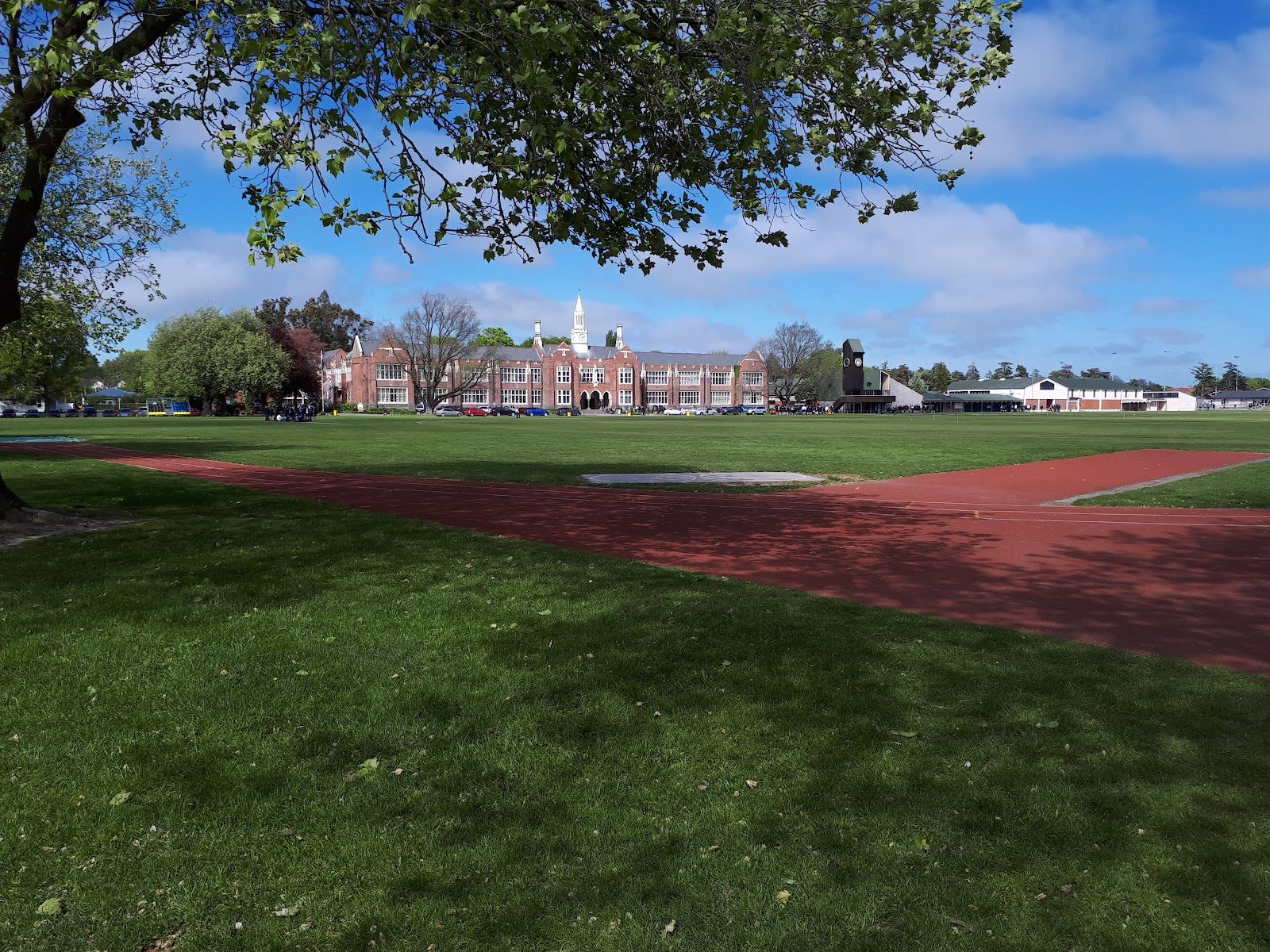
Christchurch Boys' High School
Christchurch · New Zealand
Founded in 1881 to feed Canterbury College, this Riccarton school trails only Auckland Grammar in All Blacks produced.
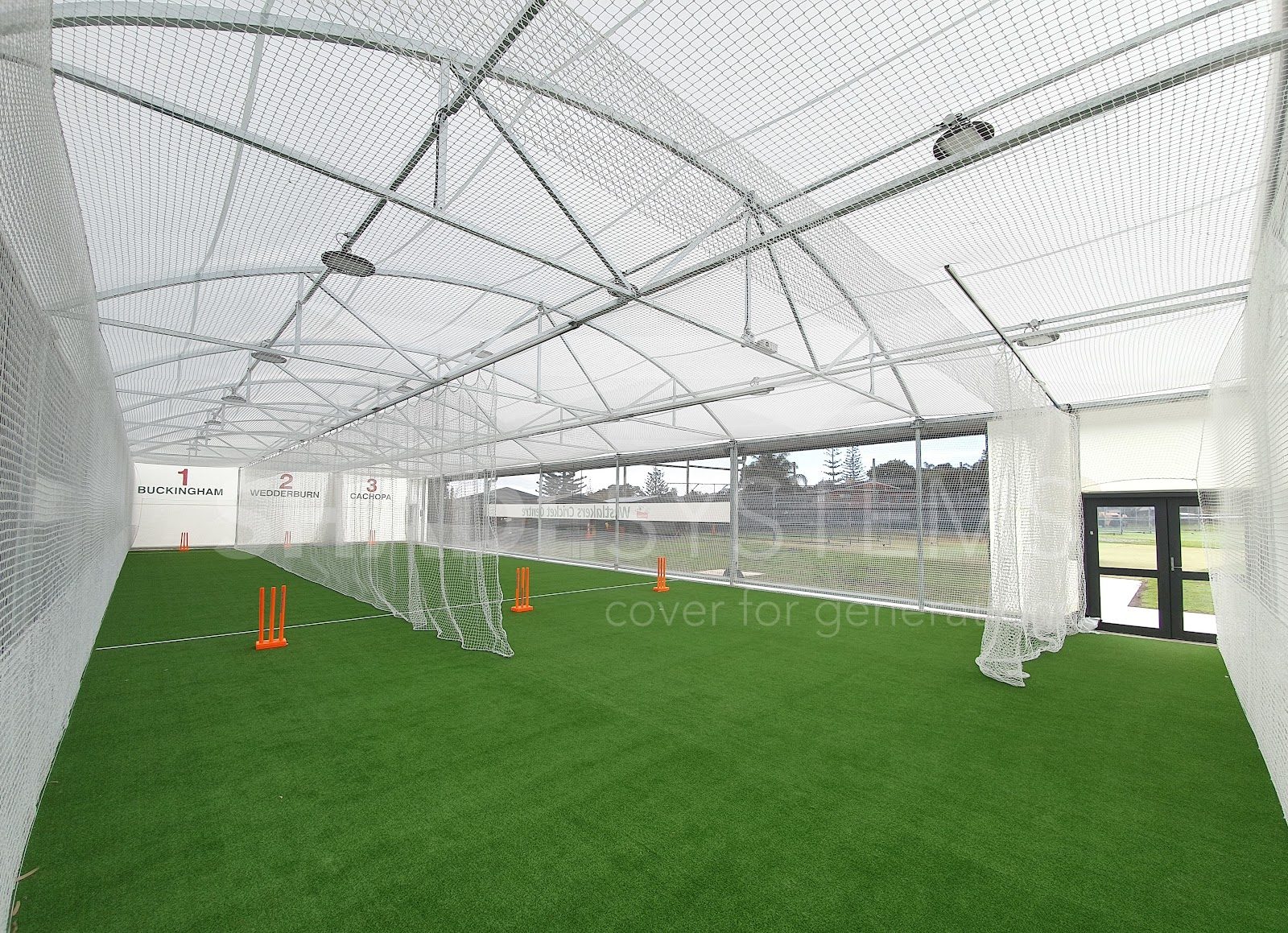
Westlake Boys High School
Auckland · New Zealand
A North Shore Auckland campus where a three-time Maadi Cup and four-time Springbok Shield rowing pedigree anchors the NCEA day school.
Westlake Girls High School
Auckland · New Zealand
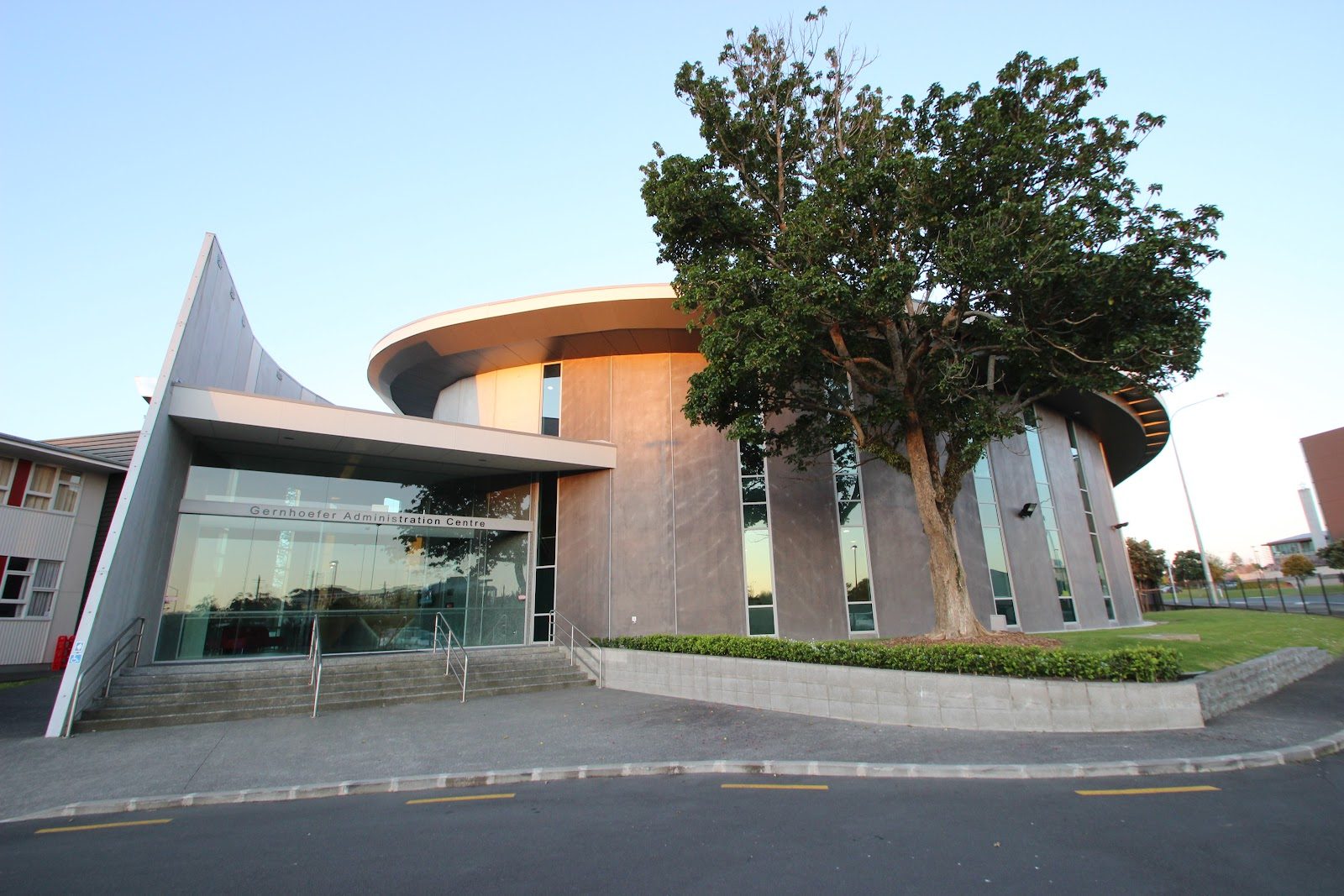
On the shores of Lake Pupuke in Takapuna, one of New Zealand's largest girls' schools builds its identity through a storied rowing programme dating to 1983.
Rotorua Boys' High School
Rotorua · New Zealand
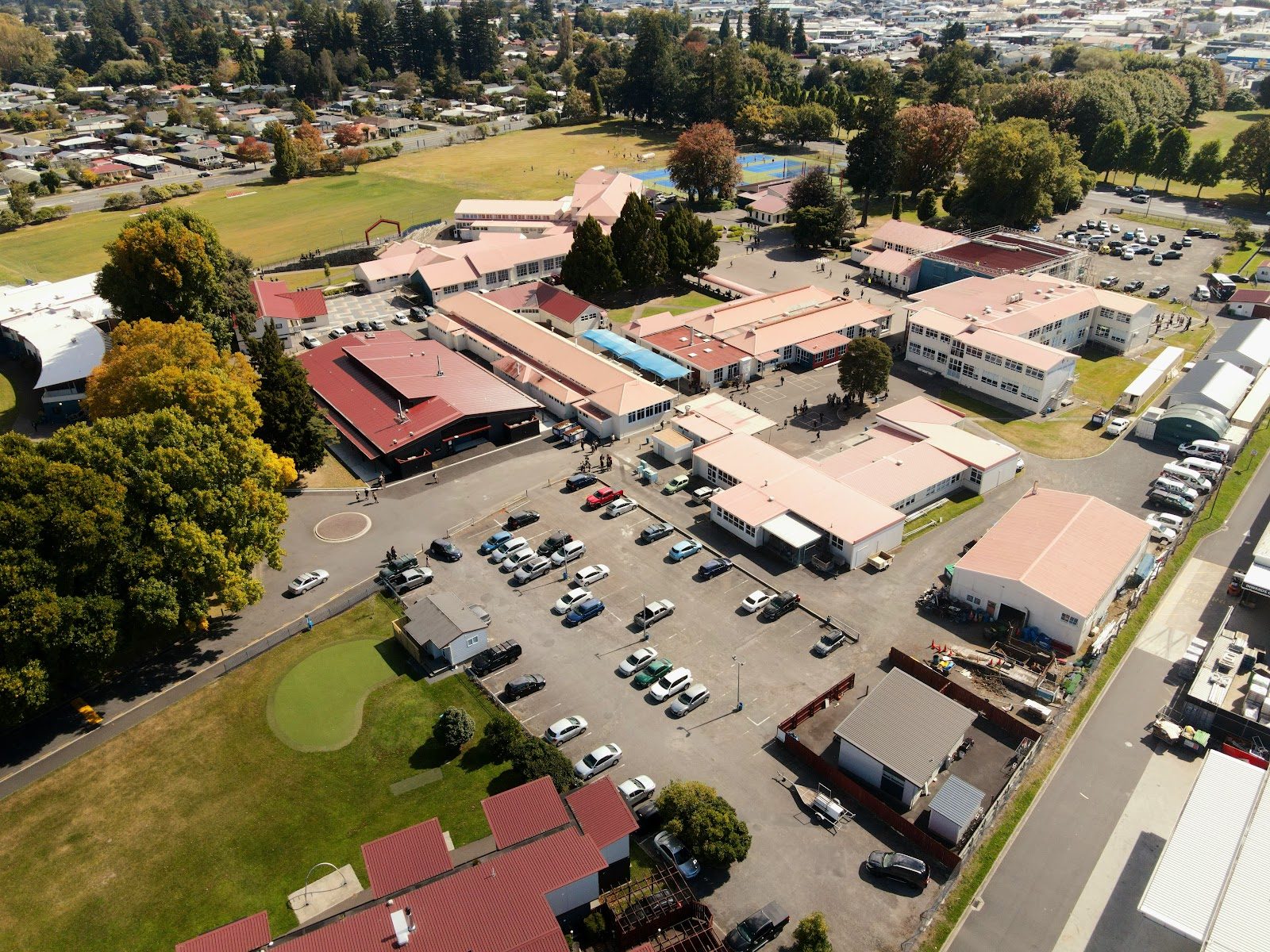
On geothermal ground with a majority-Maori roll, kapa haka and schoolboy rugby carry equal weight in shaping young men.
Same specialism, country and curriculum — closest matches within ±10 points either way