
Berkshire
Born from a 1624 merchant's bequest, this selective girls' grammar in central Reading ranks among the nation's top state performers for pupil progress.
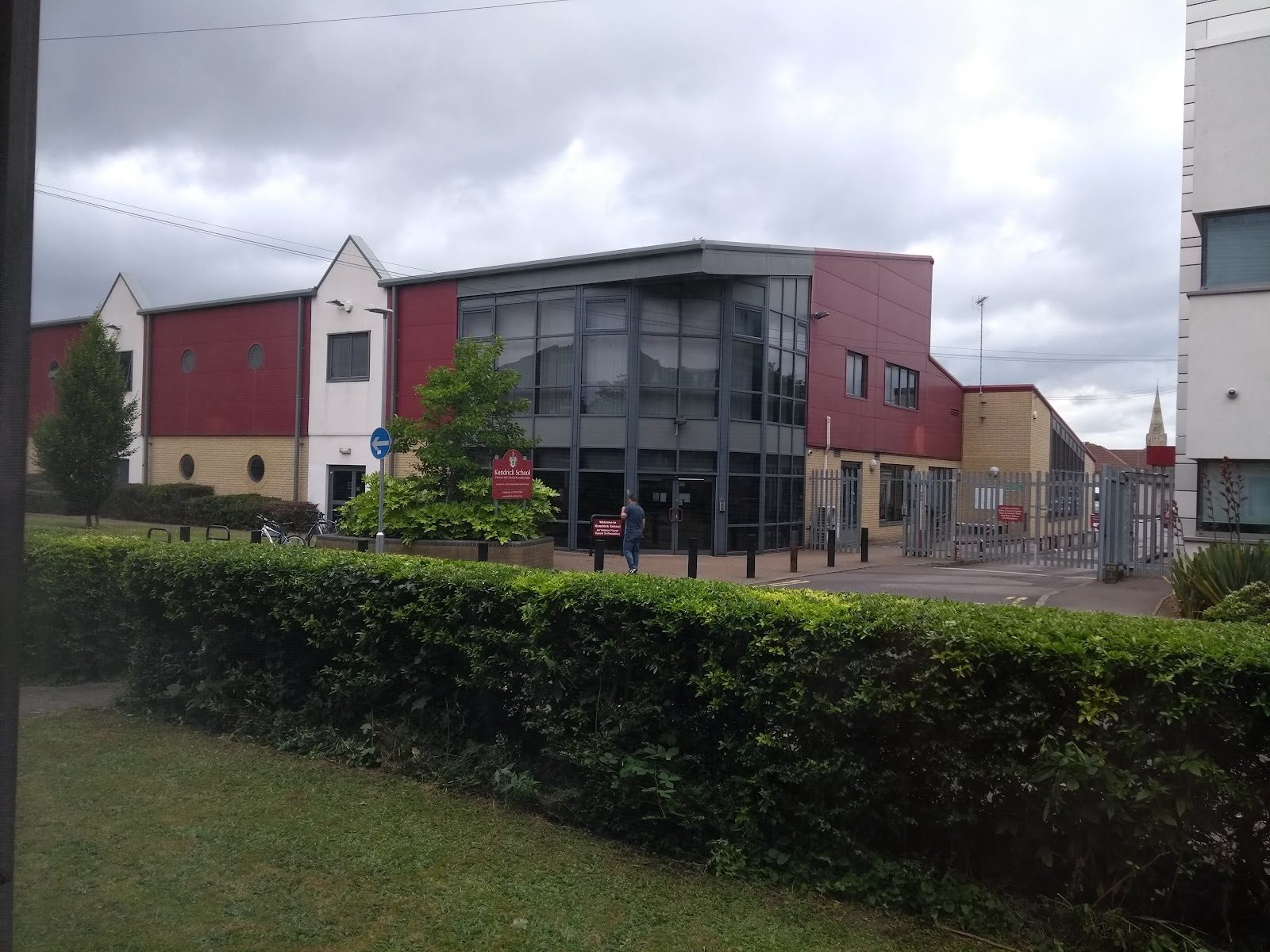
Photo © Ahsan Mo via Google Maps
Type
Day
Ages
11–18
Curriculum
British
Ratio
14:1
The Verdict
Editor's commitment
Right for
Bright girls, 11–18, who want a selective English day school in Reading with 14:1 staffing and an Outstanding Ofsted record.
Wrong for
Families wanting co-education, boarding, or a gentler pace than a selective girls' grammar with average class sizes of 27.
Watch out for
Founded in 1877 and unapologetically academic, Kendrick publishes values and leadership structures; it does not publish sixth-form destinations here.
Ranking breakdown
Kendrick School · #281 of 1591
Composite score 73.7. 8 weighted criteria.
By criterion
Academic Outcomes
Weight 20%
#182
of 1529 scored
University Placement
Weight 16%
#263
of 1529 scored
Prestige & Heritage
Weight 12%
#393
of 1529 scored
Alumni Network
Weight 12%
#386
of 1529 scored
Facilities
Weight 12%
#942
of 1529 scored
Transparency & Communications
Weight 8%
#289
of 1529 scored
Peer & Industry Review
Weight 10%
#426
of 1529 scored
Admissions Selectivity & Demand
Weight 8%
#153
of 1529 scored
Peer & Industry Review
How Kendrick School is regarded in the sector
78
Strong · high confidence
Kendrick School sits among the most consistently praised state grammar schools in England, with The Good Schools Guide's independent verdict describing it as having "a reputation as one of the finest schools in the country" and noting it is "heavily oversubscribed, with 1,000 girls applying for 96 year 7 places". That standing is reinforced by Ofsted, which in November 2022 rated the school Outstanding across every category, including leadership and sixth-form provision, extending an unbroken run of top gradings. Alumni such as OBE-honoured double bassist Chi-Chi Nwanoku and cognitive psychologist Anne Treisman lend the school a genuine, if quietly understated, reputational footprint beyond the local grammar-school circuit. Coverage is squarely UK-state-sector in character rather than international-school press, so global brand recognition trails that of the country's leading independent schools, but within its category Kendrick is a clear regional and national benchmark.
Evidence sources
Editors' overview
Kendrick School occupies a rare slot in the English state sector: a selective girls’ day school with the academic tempo, expectations and outcomes culture that many parents chase in the independent market, without the fee bill. Founded in 1877 and rooted in a much older civic tradition through the Kendrick bequest, it sits in central Reading and serves girls aged 11 to 18 on a British curriculum in English. The defining fact is selectivity. This is not a broad-church comprehensive with a scholarly wing; it is a grammar school built for academically strong pupils who can thrive in a fast classroom. The school’s public identity leans hard on achievement, and that emphasis matches the structural facts: a student–teacher ratio of 14:1 and an average class size of 27 in a state setting that still runs at serious pace. Its record of “outstanding” Ofsted judgments adds weight, though the school does not publish the kind of headline aggregate exam data that would let parents benchmark it line by line against the strongest London grammars and top independents.
What marks Kendrick out is not pastoral innovation or lavish campus theatre. It is intellectual momentum, competitive academic culture and a strong habit of student leadership inside a disciplined state-school framework. The school gives real prominence to elected pupil structures: 18 Kendrick Student Leaders across four committees, a form-based School Council, wellbeing ambassadors and an Eco-Committee. That matters because highly selective schools can drift into pure results machinery; Kendrick works to build responsibility and public-mindedness alongside scholarship. The tone is civic, not glossy. Parents’ support is formalised through the Kendrick Parents’ Society, and governance is clear: academy status since 2011, with trustees overseeing long-term strategy and the head running the school day to day.
Why shortlist it? Because for the right child, Kendrick offers serious academic stretch, earned prestige and a peer group that treats learning as normal rather than eccentric. It suits girls who like being surrounded by able classmates, can handle selection without fragility, and want a school where debate, languages, writing, mathematics and high-level extracurricular competition all carry status. It also suits pupils who value a girls-only environment during the secondary years and are happy in a school that expects self-direction. It does not suit children who need a softer, slower or less pressurised culture to do their best. In market terms, Kendrick stands as one of the strongest state options in the region: *high ambition, clear standards, real substance*.
Academic Performance
Kendrick’s own public messaging leaves no doubt about the academic hierarchy it inhabits: this is a school that trades on being among the country’s strongest state performers, and that claim fits its market position. In the grammar-school tier, parents do not need warm words; they need hard comparative signals. The strongest one here is pupil progress. Kendrick’s editorial profile as one of the nation’s top state schools for progress places it in the serious academic elite of the maintained sector, not in the broader category of “good local grammar”. That matters because progress data cut through intake advantage better than raw attainment alone. A selective intake guarantees a high baseline. Strong progress marks a school that drives pupils on from that baseline.
The weak point is transparency. The school publishes news around A-level results and academic achievements, but we have not seen aggregate headline exam figures in the public domain that allow a clean line-by-line comparison with the most data-forward grammars and the best independent day schools. That does not erase Kendrick’s standing; it limits external scrutiny. Relative to peers, the school sits in the top state bracket and competes for families who might otherwise look at selective independents, but it asks parents to trust institutional reputation more than published outcomes detail. For many, that will be enough. For the hard-nosed comparator, it is a gap. In a market this results-driven, schools at the top end should publish the numbers plainly.
Facilities
Kendrick does not trade on campus spectacle. The public picture is of a compact, academically led school where facilities serve teaching, student organisation and specialist enrichment rather than grand architectural display. The clearest operational assets are the structures built around pupils: 18 student leaders working across four committees, a form-based council, a wellbeing ambassador network and an Eco-Committee with representatives across the school. Those are not buildings, but they do tell parents something important about how space and provision function here. This is a school with institutional purpose, where rooms, timetables and staff attention are used for debate, mentoring, committee work and academic extension. News items point to active provision in modern languages, creative writing, bridge and RAF-related activity, which indicates a campus equipped for more than straight classroom delivery, even if the school does not publish the kind of estate detail many competitors now provide.
Against peer schools, that creates a mixed picture. Compared with strong independent day schools, Kendrick’s facilities profile is plainly less showy and less exhaustively documented; parents will not find a parade of theatres, elite sports complexes or design-centre rhetoric. Compared with state grammars, the standard looks functionally strong but not unusually expansive in public presentation. The advantage is focus: resources are directed towards a serious working environment for able girls, not a brochure-friendly arms race. The drawback is opacity. The school does not publish enough detail on specialist labs, arts spaces, sports provision or sixth-form facilities for a sharper facilities verdict.
In a market this results-driven, schools at the top end should publish the numbers plainly
Prestige
Kendrick carries real state-sector prestige. In the local and regional market, its name signals a school that wins places through academic selection and then converts that intake into serious achievement. That matters more than branding language or polished outreach. Families know what Kendrick is: a grammar school with a high-status academic identity, a strong claim on ambitious pupils, and a reputation that travels beyond its immediate catchment. The uninterrupted run of “outstanding” Ofsted verdicts strengthens that standing, and academy governance gives it institutional solidity rather than the feel of a school riding on legacy alone. Within English secondary education, that combination places Kendrick in the upper tier of public esteem.
The prestige is not social-climbing gloss; it is earned through scarcity, standards and peer culture. A place at Kendrick carries cachet because entry is competitive, classroom norms are exacting, and success there reads as evidence of sustained academic strength rather than parental cheque-writing. The pupil leadership structure adds breadth: 18 student leaders across distinct committees, alongside a larger council system and wellbeing roles, gives the school a civic spine instead of a purely exam-driven profile. That broadens its standing. The limit on prestige is straightforward. Kendrick has serious educational clout, but not the global name recognition or old-boy network power of the most famous independent schools. In the grammar-school world, though, it sits in elite company.
Compared with state grammars, the standard looks functionally strong but not unusually expansive in public presentation
Communications
Kendrick communicates with parents through a clear formal structure rather than a personality-driven charm offensive. The website does the core job well: leadership is named, governance is visible, student leadership routes are explained, the parents’ society has a defined role, and school news is updated with unusual frequency. That steady flow matters. It gives families a live sense of what pupils are actually doing across academics, languages, writing, debate and wider competitions, not just what the school values in theory. The class representative network run by the Kendrick Parents’ Society adds another practical layer, creating parent-to-parent channels at form level instead of forcing everything through senior leadership. For a selective school with a demanding academic culture, that kind of structured communication is more useful than glossy sentiment.
The strengths are clarity, regularity and institutional seriousness. The weaknesses are just as plain. Kendrick communicates activity and ethos better than performance data. Parents get a strong operational picture of committees, wellbeing work and events, but not the level of published academic detail that the most transparent high-performing schools now provide. There is also a lot of voice on the site from internal stakeholders and celebratory news pieces; that builds community, but it can crowd out harder comparative information. Still, as a day school, Kendrick’s parent communication looks disciplined, well-organised and fit for purpose. The pupil leadership model also helps: with 18 student leaders and a council structure feeding views upwards, communication inside the school has more than one channel, which usually produces a better-informed parent body.
Uniqueness
What sets Kendrick apart is the combination of a grammar-school academic engine with a strong internal culture of pupil representation. Many selective state schools talk about student voice; Kendrick gives it hard structure. The student leadership system is not decorative. It runs through elected committees, year-group representation, wellbeing roles and environmental work, with 18 senior student leaders carrying defined responsibilities across the school. That gives able pupils more than an exam track. It gives them practice in argument, organisation, advocacy and institutional responsibility inside a high-pressure academic setting. For students, that matters. Bright girls do not just learn to perform; they learn to contribute, negotiate and lead among equally capable peers.
The other distinctive feature is civic tone. Kendrick’s public language stresses friendship, kindness, respect, equality and standing against prejudice and injustice. Plenty of schools print those words. Here, the message is reinforced by democratic structures, a parent body organised as a charity, and a trustee model that treats the school as a public institution with obligations beyond raw results. That creates a serious, self-respecting culture rather than a hothouse detached from the world around it. The benefit to students is clear: they get top-tier academic stretch in a girls’ school that still insists on public-mindedness, mental-health advocacy and collective responsibility. That mix is distinctive and, for the right pupil, formative in the best sense.
That mix is distinctive and, for the right pupil, formative in the best sense
Student Profile
Kendrick suits girls who are energised by academic competition rather than rattled by it. The peer group is bright, organised and accustomed to doing a lot well at once. Pupils who thrive here tend to like fast lessons, clear standards and the company of classmates who take work seriously. There is also a conspicuous expectation of contribution. Student leadership is not tokenistic: 18 senior student leaders, elected representatives, wellbeing ambassadors and committee work create a school culture where articulate, reliable pupils gain status. The best fit is a girl who wants both scholarship and responsibility — someone happy to speak up, join in, and carry her share of the institutional load. This is a fiercely academic, high-expectation environment with a disciplined social core.
Who struggles? Girls who need constant reassurance, a loose classroom culture or a slower pace. Kendrick is selective, and selective schools sharpen comparison whether they admit it or not. That does not make the school cold; the public emphasis on kindness, respect and mental health gives the place a more civic-minded and grounded tone than some results-only grammars. But warmth here sits alongside pressure, not instead of it. Pupils who fit best are self-directed, resilient and comfortable being surrounded by other high performers. For the right child, that is intellectually bracing and deeply rewarding. For the wrong one, it is not forgiving.
This is not a broad-church comprehensive with a scholarly wing; it is a grammar school built for academically strong pupils who can thrive in a fast classroom
Co-curricular strengths
Arts & sport, on a separate axis
Overall 8.1/10
Scored 0-10 from the school's own published evidence. This axis is editorial-only — it does not feed the main WTS ranking.
Sports
8/10
Drama
8/10
Dance
7.5/10
Music
8.5/10
Visual Arts
8.5/10
Editor-verified · 8/6/2026

WTS 300 badge
Kendrick School is one of the World's Top 300 Schools. Claim your listing to add it to your site →
Strengths
- +Judged Outstanding by OFSTED in all its inspections, a consistent external signal across teaching, leadership and sixth-form provision.
- +Strong published results: in 2025, 79 percent of A-level grades were A*, A or B, and 90 percent of GCSE grades were 9, 8 or 7.
- +A 2024 Progress 8 value-added score of +1.07 placed the school among the top few nationally on that measure.
- +Free, fully selective state education for academically able girls, avoiding independent-school fees entirely.
- +Strong co-curricular provision, with elite music and visual arts and outstanding sport and drama.
Considerations
- −Admission is fiercely competitive: roughly 500 applications are received for around 128 Year 7 places each year.
- −The school is girls-only from age 11 to 18, so all pupils commute daily.
- −Places are governed by a fixed postcode-based designated area split into two priority zones, so families outside these boundaries face a steep disadvantage regardless of test score.
- −Average class size of 27 and a 14:1 student-teacher ratio mean this is not a small-group, high-touch pastoral setting.
Availability
Primary entry gate & tests
11+ State Grammar Exam (Girls)
Gallery
Photo © Arif Shabbir via Google Maps
Photo © Arif Shabbir via Google Maps
Photo © Nat Dziura via Google Maps
Photo © Nat Dziura via Google Maps
Parent reviews
Have you sent your child here?
Voice reviews carry the strongest trust badge — we transcribe them for you to tidy up before they go live. Prefer to type? A written review is fine too.
Add your voice
In 60 seconds, tell other parents: what's the best thing about Kendrick School, and what surprised you when your child joined?
We ask for a Google sign-in so every review has a real face behind it — no anonymous drive-by attacks on schools, and no faked positive reviews. Your email is never shown publicly.
Send this profile to a friend
International parents rely on word-of-mouth. Share this review with someone weighing the same decision.
Schools with places
Similar schools to Kendrick School with places available now.
Availability first, then country, area, curriculum, price, co-curricular
Consider also
Also worth looking at alongside Kendrick School.
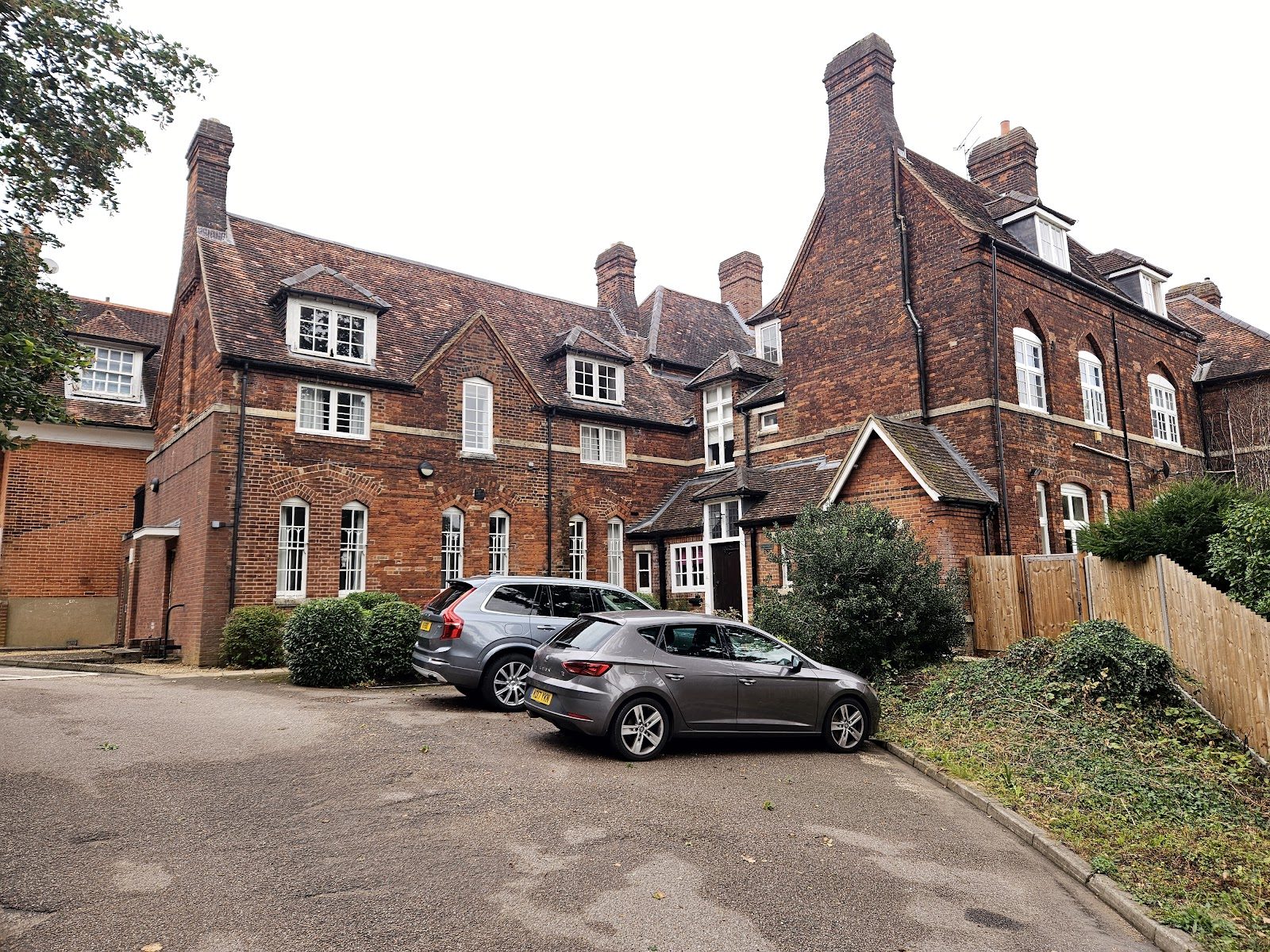
Haileybury
Hertford · United Kingdom
A neoclassical quadrangle built for East India Company recruits now anchors this Hertfordshire boarding school, second-largest of its kind in Britain.

Oxford High School
Oxford · United Kingdom
One of England's earliest girls' day schools, founded in 1875, pairs Oxford scholarship with a culture of fearless inquiry.
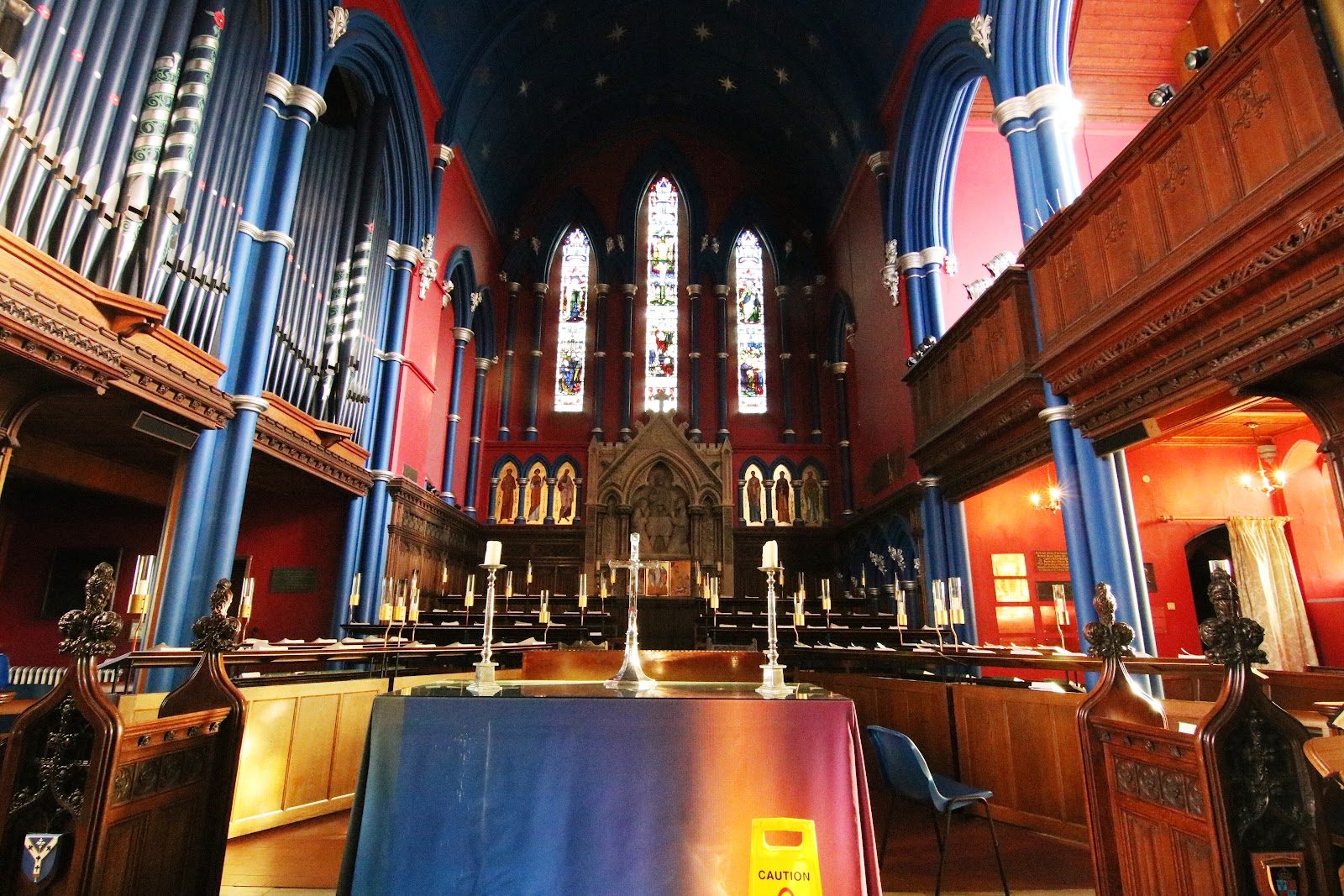
Shrewsbury School
Shrewsbury · United Kingdom
Curled inside a loop of the River Severn, twelve boarding houses keep alive a rowing tradition dating to 1866.
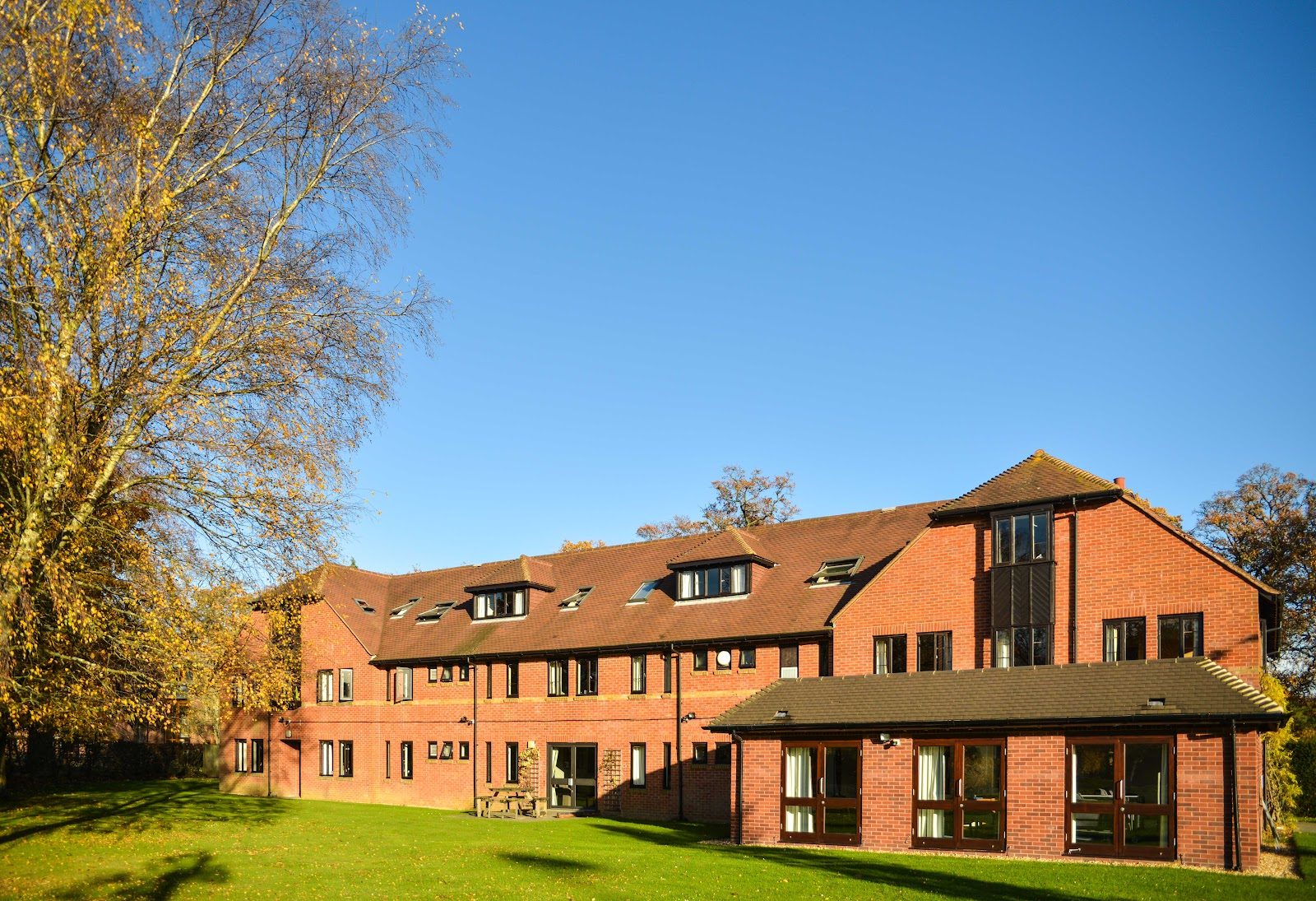
Canford School
Wimborne Minster · United Kingdom
A Sir Charles Barry-designed Grade I manor on the River Stour, home to one of England's last two working real tennis courts.
Same country and curriculum — closest matches within ±10 points either way