
Pennsylvania
Shady Side Academy
high confidence· 6/6 cats · 2.8 avg sourcesBorn in 1883 from Pittsburgh steel money, now a four-campus prep school rooted around Fox Chapel's Croft and Morewood boarding houses.
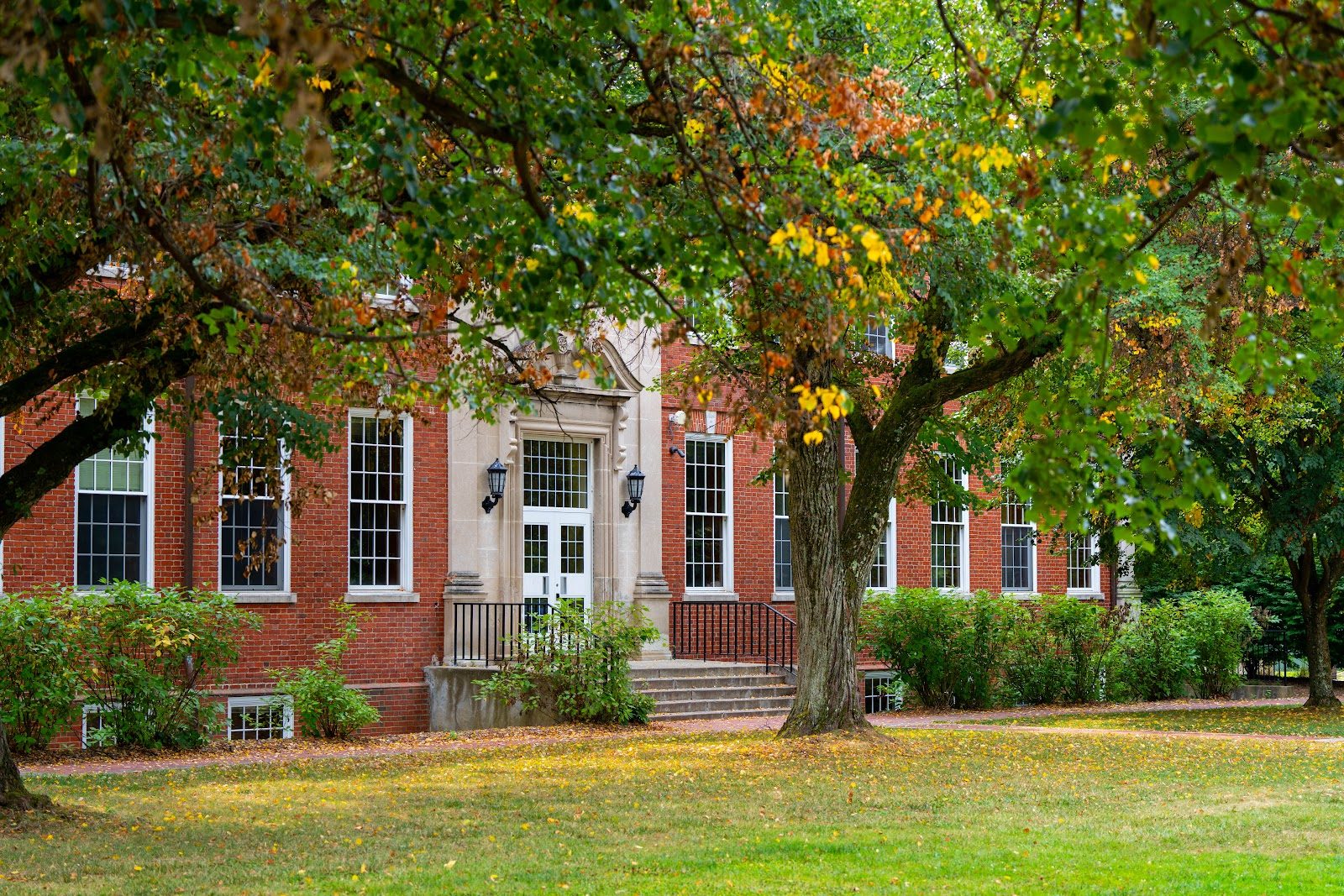
Photo © Shady Side Academy via Google Maps
Type
Both
Ages
3–18
Curriculum
American (US High School Diploma) · AP (Advanced Placement)
Ratio
8:1
The Verdict
Editor's commitment
Right for
Families wanting a serious Pittsburgh prep with 1883 roots, four campuses, AP options and an 8:1 ratio from age 3 to 18.
Wrong for
Anyone wanting a single-campus school, a religious ethos or cheap private education; average fees run $35,946 day and $69,300 boarding.
Watch out for
Boarding exists, but this is not a boarding-first institution; the school does not publish aggregate AP scores or university destination data.
Ranking breakdown
Shady Side Academy · #344 of 1591
Composite score 72.5. 8 weighted criteria.
By criterion
Academic Outcomes
Weight 20%
#385
of 1529 scored
University Placement
Weight 16%
#354
of 1529 scored
Prestige & Heritage
Weight 12%
#393
of 1529 scored
Alumni Network
Weight 12%
#257
of 1529 scored
Facilities
Weight 12%
#419
of 1529 scored
Transparency & Communications
Weight 8%
#457
of 1529 scored
Peer & Industry Review
Weight 10%
#479
of 1529 scored
Admissions Selectivity & Demand
Weight 8%
#334
of 1529 scored
Peer & Industry Review
How Shady Side Academy is regarded in the sector
62
Respected · low confidence
Shady Side Academy is a respected, well-established Pittsburgh private day/boarding school frequently included in regional 'best private schools in Pittsburgh' rankings by Niche and local press, with a solid alumni network including notable business and political figures. However, it lacks the national/international specialist press coverage (Tatler, Good Schools Guide, Sunday Times) or broad peer-benchmarking visibility that top-tier boarding schools receive, situating it as a solid regional player rather than nationally top-tier.
Evidence sources
Editors' overview
Shady Side Academy still carries the imprint of old Pittsburgh: founded in 1883, shaped by steel money, and spread across four campuses rather than compressed into one polished estate. That matters. This is not a glossy, single-site international school built to a template; it is an established American prep school with real institutional weight and a boarding element anchored around Fox Chapel’s Croft and Morewood houses. The academic proposition is orthodox and strong: a US High School Diploma with AP, taught in English, with a 8:1 student-teacher ratio that signals serious adult attention. For families who want a non-religious school with history, structure and a clear college-prep brief, Shady Side belongs on the shortlist.
Its market position is straightforward: expensive, established, and academically ambitious without the ideological packaging that some US independents now layer onto themselves. The average annual day fee across the full age range is $35,946; boarding averages $69,300 a year. That places it in the upper tier of the Pittsburgh market, but not in the stratosphere of the most inflated East Coast boarding schools. The boarding offer is also a differentiator. Many strong urban day schools stop at five o’clock; Shady Side gives families a genuine dual-track option from ages 3 to 18, and that breadth still feels distinctive. NAIS accreditation adds a baseline of institutional seriousness, and the school’s verified alumni footprint — 51 notable alumni in Wikidata, spanning politics, finance, science, journalism and the arts — points to a network with real depth, not a single narrow pipeline.
The student who thrives here wants a traditional prep-school frame, not a progressive free-for-all and not a pressure-cooker with no air in it. Shady Side suits children who benefit from close supervision, broad opportunity and a school culture that values achievement across academic, cultural and public-facing fields. It will also suit families who like the idea of an American independent school with boarding, but do not want the remoteness of rural New England. What is special here is the combination: 1883 foundations, PreK–12 continuity, boarding in Pittsburgh, and a scale of adult support that remains hard to fake. Students who want constant reinvention and a looser, anti-traditional atmosphere will find sharper fits elsewhere. Students who want an anchored, high-functioning prep education with room to grow into it will find Shady Side a serious option.
Academic Performance
Shady Side’s academic case rests on structure and selectivity more than public scorecard theatre. The school offers AP within a US diploma framework, but it does not publish aggregate AP results, mean SAT or ACT scores, matriculation tables, or any other hard outcome data in the public domain. That opacity matters. Among strong American independents, especially those charging premium fees, families have grounds to expect at least some quantified indication of sixth-form attainment. Shady Side asks parents to trust the institution’s reputation instead. For some families, that will feel old-school and confident; for others, needlessly opaque.
Relative to peers, that places the school in a mixed position. The ingredients for strong attainment are there: a low staffing ratio, an established college-prep culture, and an alumni base of 51 verified notable former pupils that signals long-run institutional reach. None of that substitutes for published exam performance. In editorial terms, this is not a school you choose for data-led reassurance. You choose it for the breadth and seriousness of a long-settled prep education, then accept that the academic proof points are institutional rather than statistical. In a market where many competitors now trumpet every score gain and university destination, Shady Side’s silence reads as either self-possession or a gap in accountability. Parents will need to decide which interpretation they accept.
Facilities
The physical plant is defined less by one trophy campus than by the spread of a four-campus school and the practical advantages that brings. The senior school’s boarding houses, Croft and Morewood, matter most because they turn Shady Side from a strong local day school into a genuine residential option. For families comparing it with urban independents that shut down after lessons, that is a serious differentiator. The trade-off is obvious: this is not the all-in-one estate model of the classic New England boarding schools, with every theatre, boathouse and playing field arranged behind a single gate. It is a more dispersed proposition, rooted in Pittsburgh geography rather than rural seclusion, and some families will value that realism over a manicured boarding-school fantasy.
Against peers, the facilities case is solid rather than spectacular. The scale of the institution and its long-established campus structure point to breadth across early years, junior, middle and senior phases, and the boarding element adds infrastructure many city schools do not have. The low staffing ratio of 8:1 also gives those spaces more value, because access matters as much as square footage. What the school does not do in public is boast heavily about landmark specialist buildings, headline sports complexes or architect-designed arts centres. That restraint cuts both ways: it reads as old-prep confidence, but it also leaves parents without the hard detail that top competitors now provide when they want to prove that their campuses match their fees of $69,300 for boarders.
Families chasing instant international name recognition will get more from the top New England names
Prestige
Shady Side carries real prestige, but it is a measured, old-establishment form of prestige rather than the national brand power of Andover, Exeter or Groton. In western Pennsylvania, the name has weight. It signals family continuity, social capital and a long-standing place in the independent-school hierarchy. The school’s alumni record strengthens that case: 51 verified notable alumni across politics, finance, science, journalism, the arts and sport is substantial evidence of institutional reach, and the spread matters more than a single celebrity graduate. This is a school with durable local authority and a network that extends into professional life, public life and cultural life. The multi-campus structure also adds to the impression of an institution built over time, not a newer school assembled for the market.
That said, prestige here has limits. Shady Side commands serious regional respect; it does not dominate the global conversation around elite American boarding schools. Families chasing instant international name recognition will get more from the top New England names. Shady Side’s strength lies elsewhere: a well-bred, unspectacular confidence, old-money Pittsburgh associations, and an alumni base that points to sustained influence rather than hype. The school earns a high prestige rating because it combines social history, selective-prep credibility and a proven old-boy-and-now-co-ed network with a public profile that still matters. It falls short of top-tier national mystique, but in its own market it is the real thing.
It falls short of top-tier national mystique, but in its own market it is the real thing
Communications
Shady Side’s parent communication carries the stamp of an established independent school: orderly, institutional and low on salesmanship. Even through the cluttered mechanics of parts of its website, the school’s public-facing information lands its central messages clearly enough — what the school is, how the campus structure works, and where boarding sits within the wider organisation. That matters, because a split-site school with both day and residential families needs crisp signposting. On this front, Shady Side is competent rather than elegant. The tone is measured, the identity is coherent, and the school does not bury itself in marketing fluff. Parents who prefer plain institutional seriousness over glossy emotional theatre will value that.
The weakness is depth. The school does not publish much of the operational detail that demanding parents now expect when judging openness: hard academic outcomes are absent, and the same reserve narrows the communications picture more widely. A school charging an average of $35,946 for day pupils and $69,300 for boarders needs communication that does more than reassure by reputation. It needs to anticipate scrutiny. Shady Side clears the baseline for clarity, but not for full transparency. The result is a communications style that will suit families already comfortable with traditional prep-school culture and willing to trust institutional authority. Families who want granular disclosure, constant updates and a highly polished digital experience will find stronger operators elsewhere.
Uniqueness
What sets Shady Side apart is not novelty but combination. Very few schools in this market knit together an all-through day school, a genuine residential option, and a multi-campus structure without tipping into either country-house theatre or anonymous scale. The result is a school that gives students different kinds of childhood under one institutional roof: early-years intimacy, then a gradual move into a larger senior environment, with boarding woven into the older years rather than bolted on as an afterthought. That matters in practice. Children can grow into independence in stages, and families who need flexibility do not have to switch schools to get it. The low 8:1 ratio reinforces that design: students are less exposed to the drift and invisibility that can plague bigger American prep schools.
There is also a social and cultural distinctiveness here. Shady Side belongs to an older American independent-school tradition, but it is not a remote New England enclave sealed off from ordinary life. Its boarding houses sit within a live metropolitan region, which gives students access to a broader civic world and a school culture that feels grounded rather than hermetic. Add the verified alumni base of 51 notable former pupils and you get a clear picture of what the school produces: not one narrow archetype, but graduates who move into public life, the professions and the arts with quiet authority. For the right student, that mix delivers something genuinely rare: structure without isolation, prestige without theatricality, and ambition without a cult of display.
Shady Side Academy still carries the imprint of old Pittsburgh: founded in 1883, shaped by steel money, and spread across four campuses rather than compressed into one polished estate
Student Profile
Shady Side suits students who do well with structure, adult oversight and a clear hierarchy of expectations. The low 8:1 staffing ratio points to close attention, and the school’s long-established prep culture will reward pupils who are organised, teachable and ready to participate across academics, activities and the wider life of the school. This is a strong fit for children who want challenge without chaos: able students who need teachers to know them, ambitious pupils who value routine, and boarders who can handle communal living without needing constant drama or reinvention. Socially, the fit is with families comfortable in a traditional, high-expectation environment where manners, responsibility and follow-through still count.
It is a weaker fit for students who want a loose, experimental culture or a school built around personal freedom first and institutional discipline second. The academy’s history, scale and residential element create a settled, adult-run atmosphere, not an anything-goes one. Creative students can thrive here, but they need to be happy working inside a framework rather than against it. The same goes for independent-minded teenagers: Shady Side has room for personality, but not much patience for performative nonchalance. The best match is a child who wants a serious, socially fluent education with enough breadth to grow into different versions of success, and a family prepared to pay premium fees for that kind of old-school stability.
For families who want a non-religious school with history, structure and a clear college-prep brief, Shady Side belongs on the shortlist
Co-curricular strengths
Arts & sport, on a separate axis
Overall 8.36/10
Scored 0-10 from the school's own published evidence. This axis is editorial-only — it does not feed the main WTS ranking.
Sports
9.5/10
Absolute athletic force in Western Pennsylvania; fields historically dominant varsity ice hockey, lacrosse, and track squads across extensive campus acreage.
Drama
8.5/10
High-quality seasonal theater tracker utilizing the comprehensive venues inside their performance complexes.
Dance
6/10
Offered as a dedicated afternoon co-curricular activity, providing strong choreography tracking for school events.
Music
8.8/10
Deeply institutionalized choral and string tracking modules feeding active regional touring groups and seasonal events.
Visual Arts
9/10
Highly structured fine art layout leaning heavily toward technical drawing, fine oils, and advanced portfolio mastery.
Editor-verified · 8/6/2026
Notable alumni · Wikidata
51notable alumni
15 historic (born pre-1930) · 14 modern (born post-1970)wikidata:2026-08-02 How we source this
Strengths
- +Oldest independent school in Pittsburgh
- +PK–12 continuity across all divisions
- +Upper School boarding adds distinctive depth
- +Strong college-preparatory academic identity
Considerations
- −Traditional culture may feel formal
- −Three campuses can complicate logistics
- −Boarding program is not large-scale
Availability
Primary entry gate & tests
SSAT/ISEE + Interview
Gallery
Photo © Dean Oduah via Google Maps
Photo © Daniel Coyne via Google Maps
Photo © Dean Oduah via Google Maps
Photo © Mr. B via Google Maps
Photo © Mr. B via Google Maps
Photo © Mr. B via Google Maps
Photo © Mr. B via Google Maps
Parent reviews
Have you sent your child here?
Voice reviews carry the strongest trust badge — we transcribe them for you to tidy up before they go live. Prefer to type? A written review is fine too.
Add your voice
In 60 seconds, tell other parents: what's the best thing about Shady Side Academy, and what surprised you when your child joined?
We ask for a Google sign-in so every review has a real face behind it — no anonymous drive-by attacks on schools, and no faked positive reviews. Your email is never shown publicly.
Send this profile to a friend
International parents rely on word-of-mouth. Share this review with someone weighing the same decision.
Schools with places
Similar schools to Shady Side Academy with places available now.
Friends Seminary
New York City · United States
- 2026-27
- WAITPOOLLate/held pending openings
- 2027-28
- OPENS SOONExpected Sept '26
Saint Ann's School
Brooklyn · United States
- 2026-27
- WAITPOOLLate / attrition-dependent
- 2027-28
- OPENS SOONOpens 8 Sept '26
Ethical Culture Fieldston School
New York City · United States
- 2026-27
- WAITPOOLLimited late availability
- 2027-28
- OPENS SOONOpens post-Labor Day '26
Riverdale Country School
New York City · United States
- 2026-27
- WAITPOOLLate application possible
- 2027-28
- OPENS SOONOpens 8 Sept '26 (Noon ET)
Availability first, then country, area, curriculum, price, co-curricular
Consider also
Also worth looking at alongside Shady Side Academy.
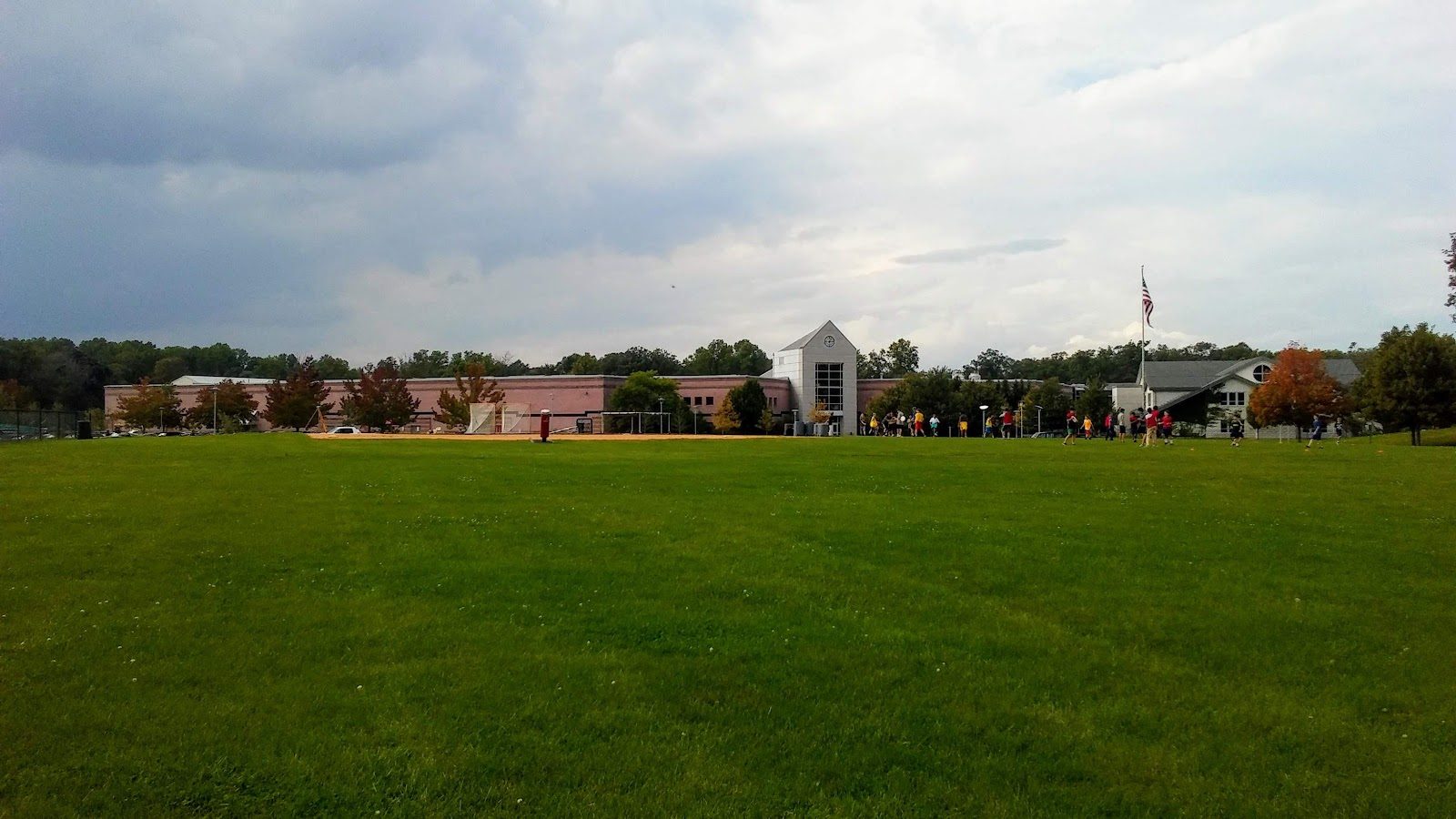
The Pingry School
Basking Ridge · United States
A 1861-founded New Jersey day school whose soccer pitches were deemed fit to host Morocco's 2026 World Cup training camp.
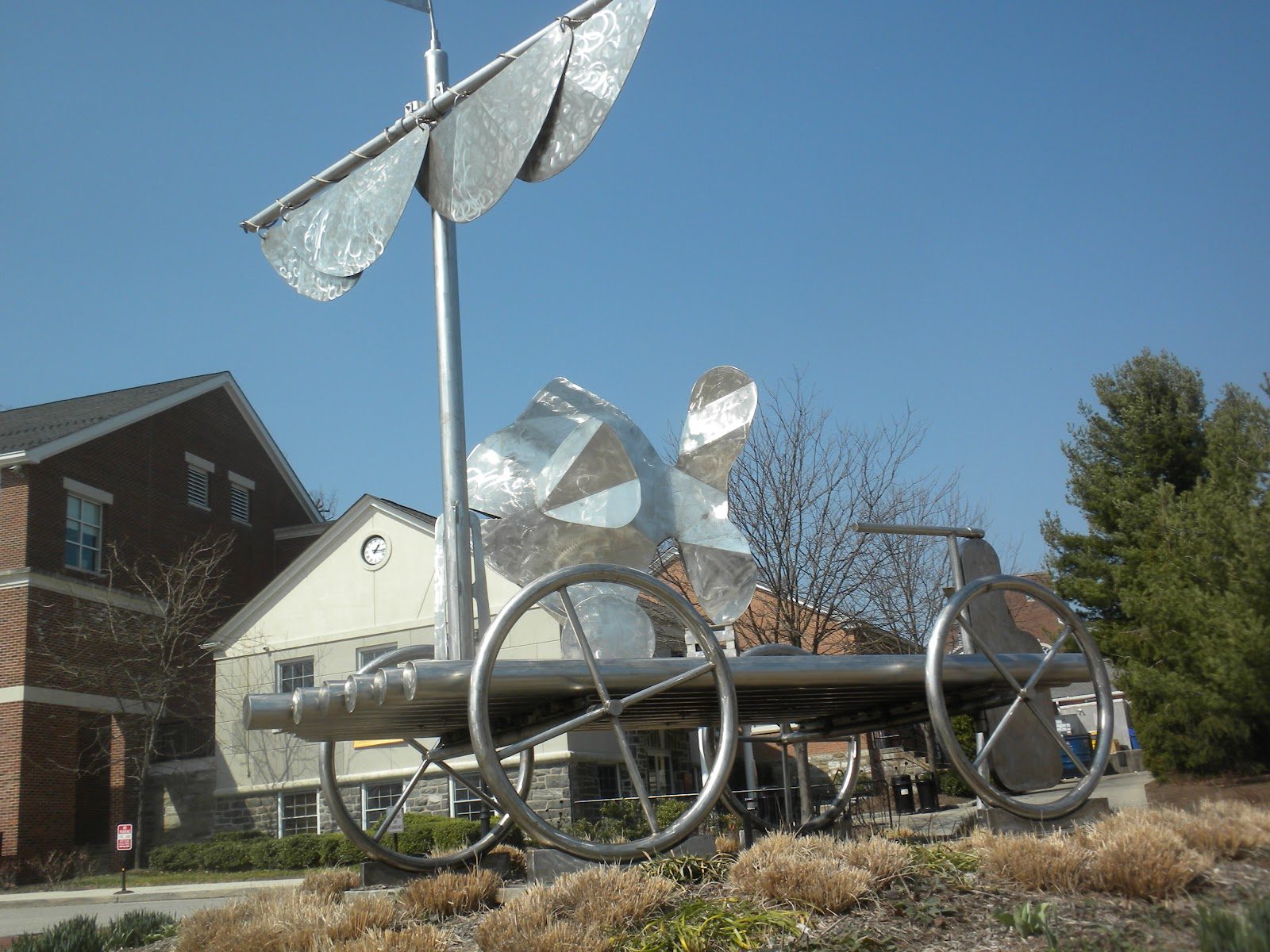
The Haverford School
Haverford · United States
Since 1884 on Philadelphia's storied Main Line, an all-boys campus balances rigorous academics with athletics and the arts.
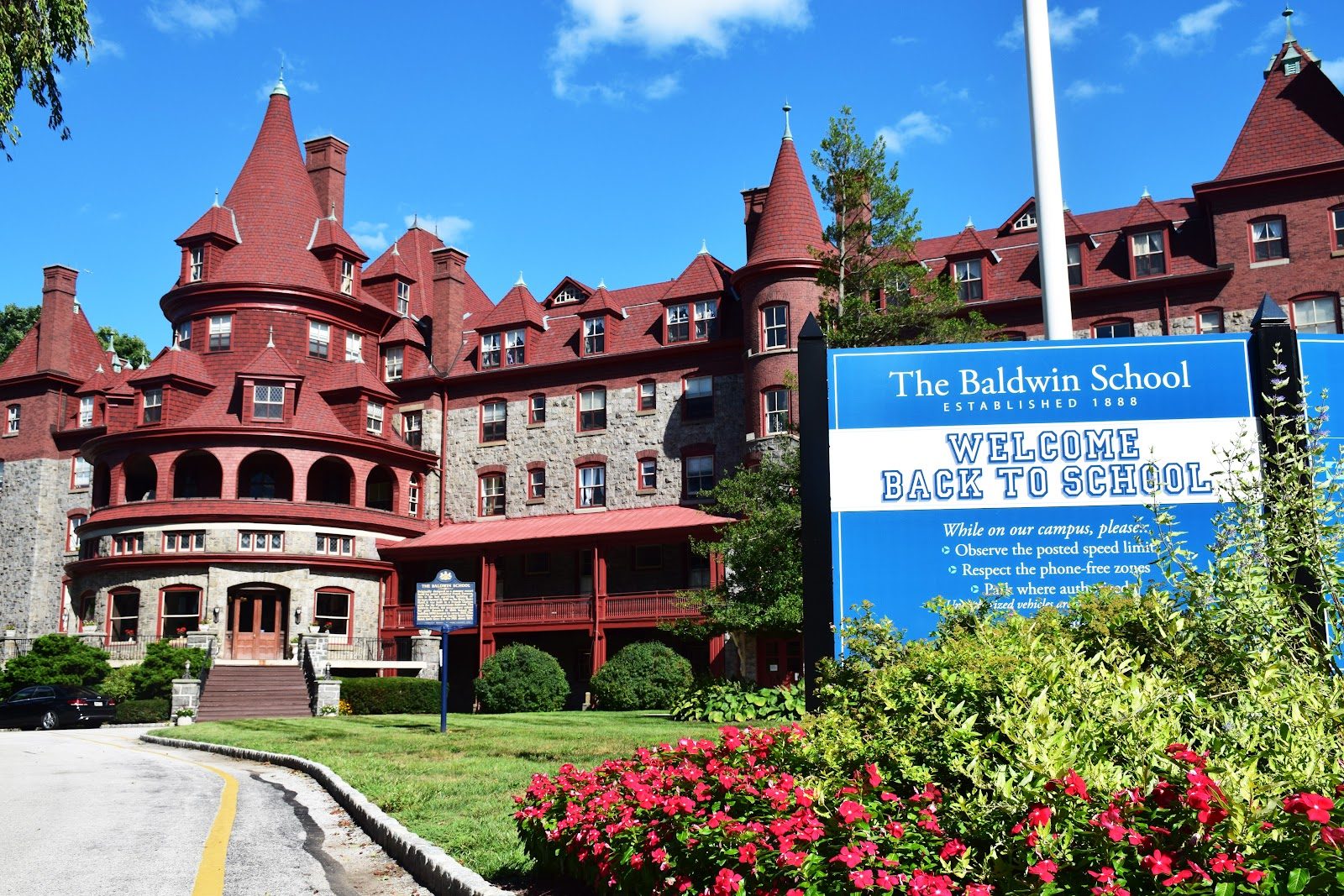
The Baldwin School
Bryn Mawr · United States
Since 1888, a single-sex college-prep tradition on Philadelphia's Main Line, housed in Frank Furness's landmark former Bryn Mawr Hotel.
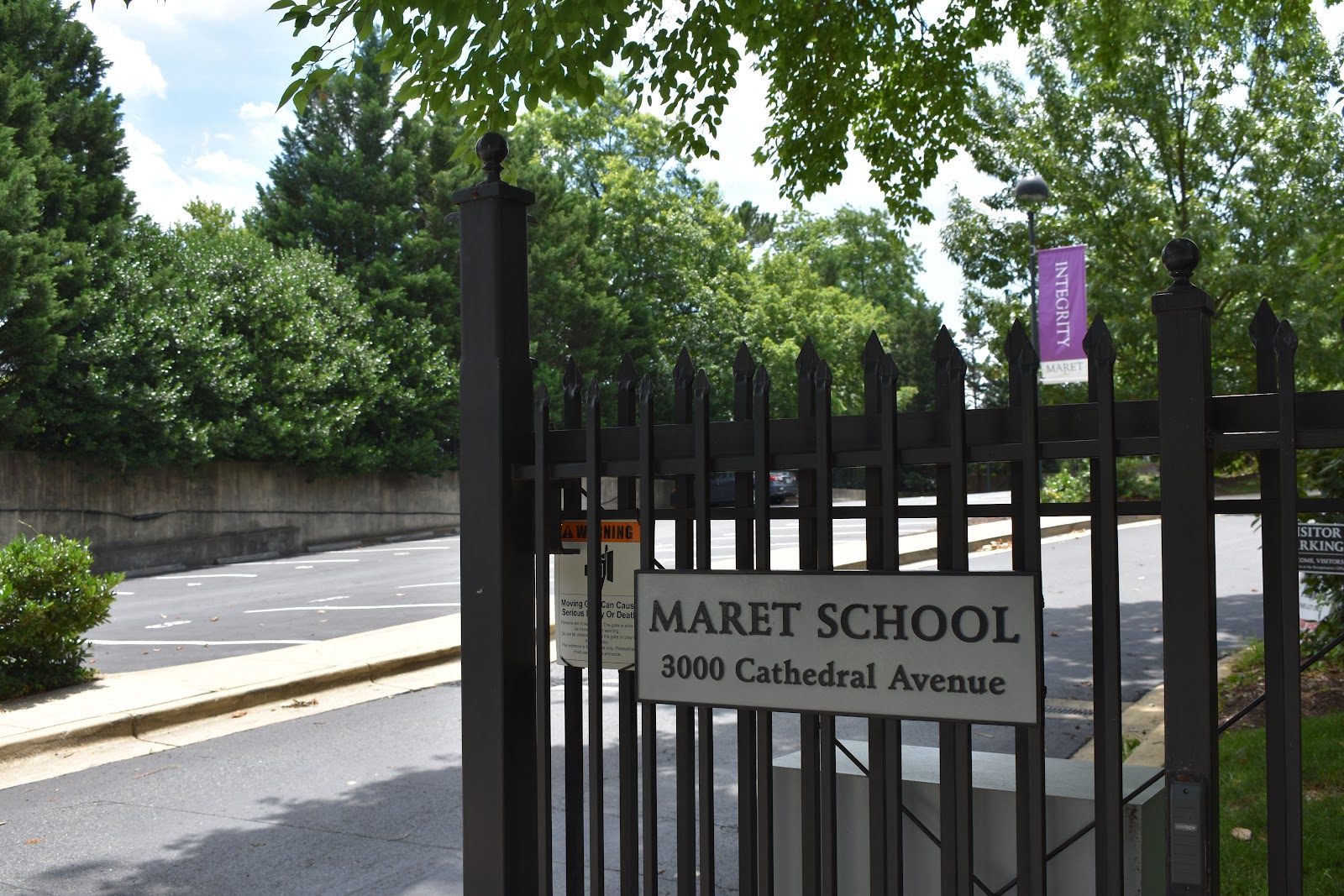
Maret School
Washington, D.C. · United States
A Federal-era Woodley Park estate carries forward the French-language roots planted by three immigrant sisters in 1911.
Same country and curriculum — closest matches within ±10 points either way