
Hawaii
Founded in 1841 on missionary lands in Manoa, blending Hawaiian heritage with rigorous college-prep tradition and Hawaii's winningest athletics program
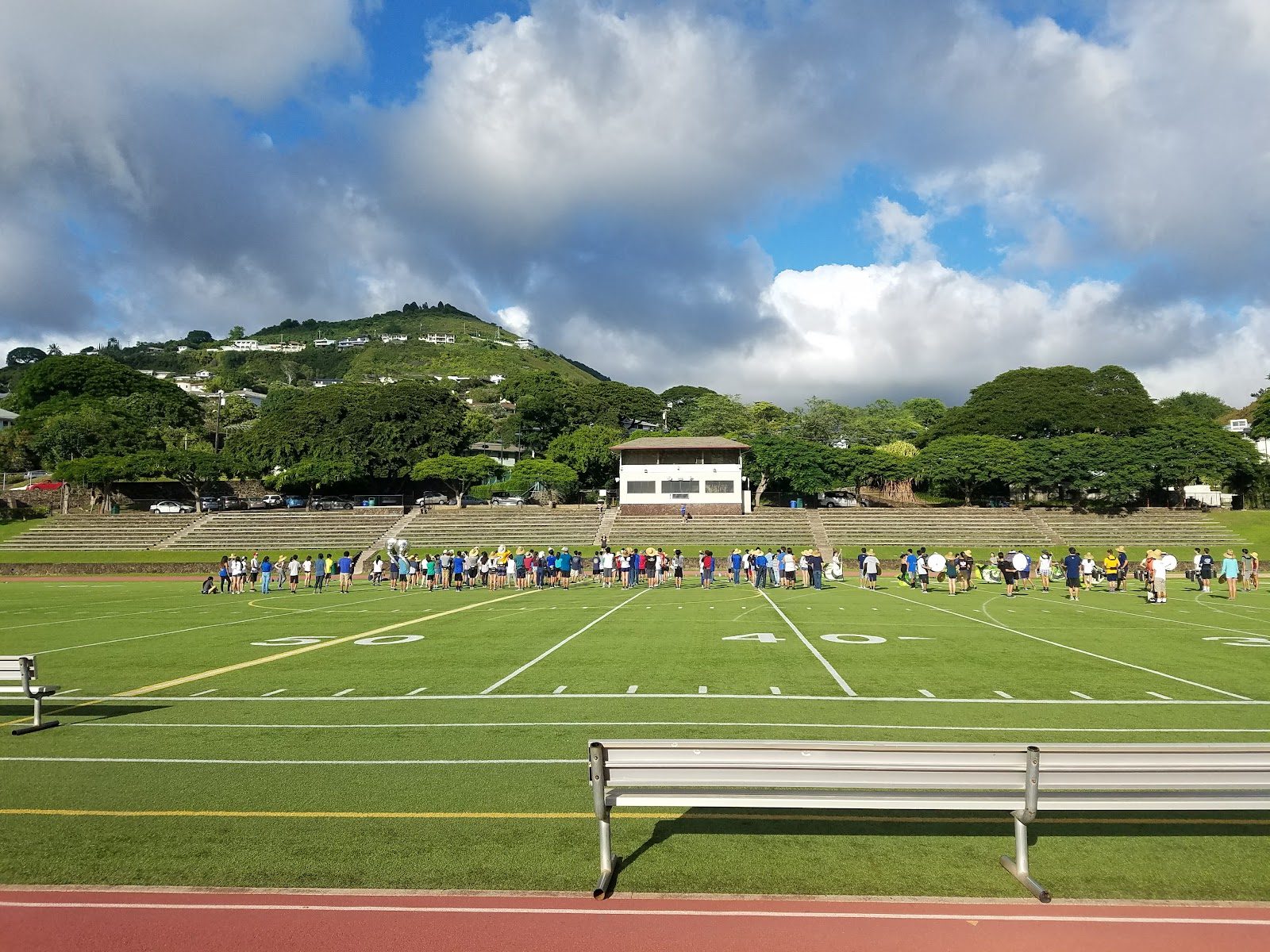
Photo © Philip Suh via Google Maps
Type
Day
Ages
5–18
Curriculum
American (US High School Diploma) · AP (Advanced Placement)
Ratio
8:1
The Verdict
Editor's commitment
Right for
Families wanting a non-religious Honolulu day school founded in 1841, with US diploma plus AP and athletics run at serious scale.
Wrong for
Parents seeking boarding, low fees or a narrow academic brief; ages 5–18 and an average annual fee of $34,230 buy a full-spectrum school.
Watch out for
NAIS accreditation and 111 notable Wikidata alumni signal heft, but the school does not publish headline AP outcomes in the public domain.
Ranking breakdown
Punahou School · #9 of 1591
Composite score 81.9. 8 weighted criteria.
By criterion
Academic Outcomes
Weight 20%
#148
of 1529 scored
University Placement
Weight 16%
#24
of 1529 scored
Prestige & Heritage
Weight 12%
#25
of 1571 scored
Alumni Network
Weight 12%
#3
of 1530 scored
Facilities
Weight 12%
#6
of 1534 scored
Transparency & Communications
Weight 8%
#204
of 1532 scored
Peer & Industry Review
Weight 10%
#83
of 1548 scored
Admissions Selectivity & Demand
Weight 8%
#334
of 1529 scored
Peer & Industry Review
How Punahou School is regarded in the sector
72
Respected · high confidence · editor-reviewed
Punahou is frequently cited in national media (New York Times, Forbes) as one of the largest and most prestigious private K-12 schools in the U.S., notable for its resources, endowment, and rigorous admissions process; its reputation was further amplified by extensive coverage as President Barack Obama's alma mater. It regularly appears in 'top private schools' rankings (e.g., Niche.com, Business Insider) and has a highly visible, influential alumni network in Hawaii and beyond, though it is less frequently benchmarked against elite East Coast prep schools in specialist boarding-school press like Tatler or the Good Schools Guide.
Editor's note
Obama's alma mater, excellent Hawaii school. Top-30 US, not top-20 global.Evidence sources
Award
Elite Sport 80
World's Top School · The Global Ranking
Punahou School is featured on our Global Top 80 ranking at #32. This seal is available for the school's marketing team to use on their website, prospectus and social channels.
Editors' overview
Punahou sits in a category of its own in Hawaii: a non-religious day school in Honolulu, founded in 1841, with a long institutional memory, a deep Hawaiian strand and a conspicuously broad K–12 programme. The school declares an American high school diploma with AP, and the public-facing academic and co-curricular structure is expansive rather than tokenistic. Hawaiian Studies has dedicated prominence; so do design, technology and engineering, entrepreneurship through the Case Accelerator, public service through the Luke Center, and global education through the Wo International Center. This is not a narrow college-prep shop with a few decorative extras. It is a big, fully built-out institution with enough range for students who want serious academics alongside music, theatre, public service, outdoor education or elite sport. The average annual day fee across the school is $34,230, which places Punahou in the expensive end of the US day-school market, but not in the stratosphere occupied by the most rarefied East Coast names.
What marks Punahou out is the combination of heritage and scale with a genuinely local identity. Plenty of old independent schools trade on history; fewer root that history in place with the same force. At Punahou, Hawaiian arts and music sit in the mainstream offer, not at the margins, and long-standing traditions such as May Day and Holoku still matter. At the same time, the school runs the machinery ambitious families expect: college counselling, advanced schooling support, a published Academy course listing, libraries and learning commons, summer school, extensive counselling, and a sports programme of unusual breadth. Athletics is not an afterthought. The list runs from canoe paddling and sailing to water polo, wrestling and judo, which fits the school’s reputation for a serious competitive culture. Parents looking for a small, intimate, lightly structured environment will find Punahou too large and too busy. Parents who want a school with institutional heft will find exactly that.
Its alumni footprint underlines that scale. Wikidata records 111 notable alumni, including 21 politicians and statespersons, alongside figures in business, science, writing, acting and music. That breadth matters more than a trophy count: it points to a school that has fed graduates into public life, the professions and the arts over generations. Punahou is for students who thrive when a school offers real range and expects them to use it — academically able children who want AP courses, highly committed athletes, musicians and performers who need proper infrastructure, and civically minded students drawn to service, democracy initiatives and Hawaiian cultural education. It is not for the faint-hearted: a child who needs anonymity or a low-pressure ride will find the tempo hard going. A child who wants challenge, tradition, competition and a strong sense of place should have Punahou on the shortlist.
An Elite Sport 80 school
Punahou School in Honolulu is at rank thirty-two on the Elite Sport 80 because, remarkably, this single Hawaiian school has produced two American cultural icons across codes — Michelle Wie in golf and Barack Obama in basketball — while operating an all-round athletic programme that consistently sends athletes to top NCAA D1 programmes and to the Olympics. It has one of the strongest per-capita Olympic pipelines of any American K-12 school.
The specialisms are golf (with a nationally elite girls' programme in particular), swimming, tennis, volleyball, football, water polo and canoe paddling — the last a distinctive Hawaiian sport that Punahou dominates. Girls' volleyball and boys' basketball run at NCAA D1 recruiting standard, and the school's swimming programme has produced multiple Olympians in the modern era.
Notable alumni across codes include Michelle Wie West (LPGA winner, US Women's Open champion, Punahou golf star), Barack Obama (varsity basketball, Class of 1979), Manti Te'o's Hawaiian schoolboy cohort, Rell Sunn in surfing, Bryan Clay (Olympic decathlon gold medallist), and Fred Hemmings in surfing. The school claims one of the deepest Olympic alumni rolls among American day schools.
International openness is modest but growing. Punahou is primarily a Hawaiian day school for families resident on Oahu, but its Boarding-Optional international programme accepts a modest overseas cohort each year in partnership with local host families and independent boarding services. Tuition sits around US$30,000-32,000 with need-based aid available. Admissions is by application, interview and academic testing; sport is considered but not a scholarship criterion in the school's own funding model. For a family already relocating to Honolulu — or considering Hawaii as a base for a sports-oriented child — Punahou offers a genuinely elite Olympic and NCAA D1 pipeline with one of the strongest academic profiles of any school on this list, though the accommodation logistics for pure overseas applicants are meaningful.
Academic Performance
Punahou does not publish the exam data a hard-driving parent wants at first glance. We have not seen aggregate AP score distributions, mean scores, pass rates, SAT or ACT averages, National Merit totals, or a college-matriculation list broken down by destination. That leaves a real gap in academic transparency. For a school with this level of stature and demand, the absence of a public outcomes dashboard is a weakness, not a trivial omission. Parents can infer academic seriousness from the published Academy course listing, college counselling apparatus and advanced-schooling support, but inference is not evidence. On external examinations, Punahou gives the public less than many of its direct independent-school peers on the US mainland.
That does not place the school in a weak academic tier; it places it in an opaque one. The surrounding indicators are strong: a large, established college-prep institution, a broad senior-school offer, and an alumni base with 111 notable figures across politics, science, business, writing and the arts. Those are serious outputs over time, even if they are not exam statistics. Relative to peers, Punahou sits closer to the high-expectation end of the American independent-school market than to the merely comfortable local private school. But schools earn top marks for academic performance by publishing results cleanly and consistently. Punahou has not done that. Parents who rank measurable attainment above all else will want direct answers before treating the school as an exam-results leader.
Facilities
Facilities are one of Punahou’s clearest strengths. This is not a compact urban school making do with a gym, a theatre and a few specialist rooms. The published structure points to a heavily built-out campus with serious provision across libraries, arts, engineering, entrepreneurship, public service, counselling and sport. The named academic spaces matter: the Kosasa Community Learning Commons and Libraries, the Mary Kawena Pukui Learning Commons, the Case Accelerator for Student Entrepreneurship, and the Wo International Center all indicate dedicated rather than borrowed space. Add design technology and engineering, outdoor education centres, aquatics, sports medicine, theatre, gallery and multiple music pathways, and the picture is of a school that funds infrastructure to support distinct ambitions. With more than 3,700 students, anything less would be inadequate; Punahou clears that bar comfortably.
Against peer schools, the benchmark is strong. Many American day schools offer good arts facilities and competitive athletics; fewer sustain this breadth in one place, and fewer still fold Hawaiian arts, hula and Hawaiian music into the mainstream physical plant rather than treating them as decorative culture. The athletics estate also looks exceptionally extensive, with provision for everything from canoe paddling and sailing to wrestling and water polo. That breadth rivals larger mainland independents and outstrips most local competitors. The trade-off is scale: facilities at this level serve a busy, high-traffic institution, not an intimate campus where every space feels quiet and personal. Families wanting range and specialist infrastructure will rate Punahou highly; families wanting smaller-scale warmth will not.
What marks Punahou out is the combination of heritage and scale with a genuinely local identity
Prestige
Punahou carries serious prestige within Hawaii and well beyond it. The clearest marker is not marketing gloss but institutional reach: this is a school with a large student body, a deep alumni machine, conspicuous athletic clout and the kind of programme breadth that few day schools can sustain at full strength. The public architecture matters. Dedicated centres for entrepreneurship, democracy, public service, global education and Hawaiian Studies signal a school with money, confidence and a long-established sense of purpose. So does the fact that arts, outdoor education and sport sit as fully built departments rather than add-ons. In social terms, Punahou functions as an establishment school: the sort of place that places students inside durable local networks and expects them to use them well.
That prestige also has external proof. Wikidata alone records 111 notable alumni, including 21 politicians and statespersons, plus a substantial spread across business, scholarship, writing, acting and music. That is a formidable alumni footprint for any school, let alone one outside the mainland’s usual prestige circuit. The limitation is this: Punahou’s reputation rests more on history, influence, breadth and long-term output than on clean public academic metrics. For some families, that is enough. For others, the school’s opaque results culture keeps it a fraction short of the most data-secure American independents. Even so, as a name on a CV or university application, Punahou has real weight.
But schools earn top marks for academic performance by publishing results cleanly and consistently
Communications
Parent communications look *thorough, centralised and highly structured*. The website carries a dense navigation spine that covers admissions, handbook and code of conduct, campus safety, health, counselling, college counselling, lunch menus, calendars, summer handbooks, transcript requests, contact directories and parent giving. That range matters. It tells parents where the school expects routine questions to go and reduces the fog that plagues large institutions. The presence of myPunahou also points to a proper internal platform rather than a loose patchwork of emails and PDFs. For a school serving more than 3,700 students, anything less than a disciplined communications system would fail fast. Punahou has built the bones of one. The volume of information is institutional rather than intimate: efficient for families who want clear channels, less comforting for those who want a hand-held relationship.
Effectiveness rests on coverage and specificity, and Punahou scores well on both. Separate routes for junior and academy counselling, detailed admissions pages by age band, public calendars, named leadership, campus map, office directory, virtual tour and parent-facing family programming all signal a school that communicates in an operationally serious way. The weakness is tone. The site is sprawling, and families new to the school can face a high-friction learning curve before they know which office handles what. That is the price of scale. Parents who value process, self-service and formal channels will find Punahou well organised. Parents who expect boutique responsiveness from day one will find it impersonal by design.
Uniqueness
What sets Punahou apart is not one flagship strength but the way several deep strands run at full force inside one school. Hawaiian Studies is not a token nod to place; it sits alongside entrepreneurship, democracy work, public service, global education, outdoor education, design technology and engineering, and a music programme that includes hula and Hawaiian music as standard parts of school life. That creates a rare institutional mix: an American independent school with the scale and ambition of a mainland heavyweight, but with a distinctly rooted local identity that few prestige schools can match. Add a student body of more than 3,700 and an athletics list broad enough to include canoe paddling, sailing, judo and water polo, and Punahou reads less like a narrow college-prep academy than a self-contained educational ecosystem.
For students, that breadth brings real advantages. A child does not need to choose between academic seriousness and strong co-curricular identity, or between local culture and global aspiration. Punahou gives high-achieving students multiple lanes in which to build competence and status: scholar, athlete, musician, performer, entrepreneur, organiser. The benefit is genuine range with substance behind it. The pressure is obvious too. In a school this large and this active, students need drive, resilience and the appetite to step forward. Those who do gain access to a powerful network, rich programming and a school identity that is far more distinctive than the polished sameness on offer at many elite day schools.
The athletics estate also looks exceptionally extensive, with provision for everything from canoe paddling and sailing to wrestling and water polo
Student Profile
The students who thrive at Punahou are the ones who want a school with momentum, options and visible standards. This is a campus serving more than 3,700 pupils, so social ease matters: children who can navigate a large peer group, join things quickly and tolerate institutional structure will fare better than those who need constant adult buffering. Punahou suits students who like to be busy. The menu of clubs, arts, service, outdoor education and sport is too extensive for passive participants; the school rewards initiative. Athletes will find a hard-charging environment, not a recreational one, and performers, musicians and student organisers have real room to build profile. The school also fits pupils who value belonging to a community with strong traditions and a clear sense of place, rather than a generic US private-school culture.
The less suitable profile is just as clear. A child who wants a low-pressure adolescence, anonymity, or a tiny social world will find Punahou demanding. Its culture asks students to step forward, manage competition and use the opportunities in front of them. That does not mean every pupil must be a star; it does mean drift is a poor strategy here. The best fit is an engaged student with stamina, a measure of confidence and at least one area of genuine commitment, whether academic, artistic, athletic or civic. For families seeking a serious, high-output peer group with local rootedness rather than a soft-edged private-school experience, Punahou is a strong match.
What sets Punahou apart is not one flagship strength but the way several deep strands run at full force inside one school
Co-curricular strengths
Arts & sport, on a separate axis
Overall 8.86/10
Scored 0-10 from the school's own published evidence. This axis is editorial-only — it does not feed the main WTS ranking.
Sports
9.4/10
A formidable athletics program with a very broad competitive menu including aquatics, tennis, sailing, kayaking, canoe paddling, water polo, wrestling, golf, and air riflery, and explicitly frames the athletics provision as extensive and serious.
Drama
8.8/10
Punahou has substantial arts infrastructure explicitly spanning drama, and the verified alumni record includes two star-tier Emmy-winning drama-related laureates, which anchors this dimension at the top of the defensible band.
Dance
7.8/10
Substantial arts infrastructure spanning dance, which is enough evidence of a dedicated, clearly established programme even though no productions, staff, or studios are named.
Music
9.3/10
Substantial arts infrastructure across band, choir, orchestra, and Hawaiian music, and the verified alumni record includes one Grammy-winning music laureate, which anchors music at at least 7.
Visual Arts
9/10
The school is described as having substantial arts infrastructure spanning fine arts, which indicates a dedicated visual arts provision beyond a bare extracurricular mention.
Editor first-pass · editor-reviewable · 8/2/2026
Notable alumni · Wikidata
111notable alumni
44 historic (born pre-1930) · 28 modern (born post-1970)wikidata:2026-08-02 How we source this

WTS 300 badge
Punahou School is one of the World's Top 300 Schools. Claim your listing to add it to your site →
Strengths
- +Founded in 1841, Punahou is one of the oldest independent schools in the United States, with National Register of Historic Places status for its 76-acre campus.
- +Offers one of the broadest Advanced Placement course catalogues among Hawaii private schools, supporting strong college-preparatory outcomes.
- +Large, well-resourced endowment (reported at $239 million in 2014) supplements tuition and funds facilities, financial aid and campus development.
- +Extensive co-curricular offering, including roughly two dozen sports and numerous extracurricular clubs, within the competitive Interscholastic League of Honolulu.
- +Long list of notable alumni across politics, business and sport, most famously former U.S. President Barack Obama, class of 1979, illustrating a track record of producing high-achieving graduates.
Considerations
- −Tuition is substantial, listed at $31,680 for 2024-25 (with some sources citing figures near $32,930 depending on grade), a significant recurring cost for relocating families.
- −Admission is competitive, with a reported acceptance rate around 25 percent, well below the Hawaii private-school average.
- −Very large enrollment (over 3,700 students K-12) means the school operates at a scale closer to a small college than an intimate day school, which may not suit every family.
- −Geographic isolation in Honolulu means long-haul travel for continental relocations, and limited peer schools locally beyond a handful of comparable Hawaii institutions such as 'Iolani.
Availability
Primary entry gate & tests
SSAT/ISEE + Interview
Gallery
Photo © Chase Tawara via Google Maps
Photo © Philip Suh via Google Maps
Photo © Maria Lowder via Google Maps
Photo © Philip Suh via Google Maps
Photo © Philip Suh via Google Maps
Photo © Philip Suh via Google Maps
Photo © Jason Tsuyemura via Google Maps
Photo © Philip Suh via Google Maps
Photo © Jason Tsuyemura via Google Maps
Parent reviews
Have you sent your child here?
Voice reviews carry the strongest trust badge — we transcribe them for you to tidy up before they go live. Prefer to type? A written review is fine too.
Add your voice
In 60 seconds, tell other parents: what's the best thing about Punahou School, and what surprised you when your child joined?
We ask for a Google sign-in so every review has a real face behind it — no anonymous drive-by attacks on schools, and no faked positive reviews. Your email is never shown publicly.
Send this profile to a friend
International parents rely on word-of-mouth. Share this review with someone weighing the same decision.
Schools with places
Similar schools to Punahou School with places available now.
Sidwell Friends School
Washington, D.C. · United States
- 2026-27
- CLOSEDRegular cycle
- 2027-28
- OPENS SOONOpens Aug '26
The Lawrenceville School
Lawrenceville · United States
- 2026-27
- CLOSEDRegular cycle
- 2027-28
- PLACES OPENInterviews underway
Deerfield Academy
Deerfield · United States
- 2026-27
- CLOSEDRegular cycle
- 2027-28
- PLACES OPENTours/interviews underway
Harvard-Westlake School
Los Angeles · United States
- 2026-27
- CLOSEDRegular cycle
- 2027-28
- OPENS SOONOpens Aug '26
Availability first, then country, area, curriculum, price, co-curricular
Consider also
Also worth looking at alongside Punahou School.
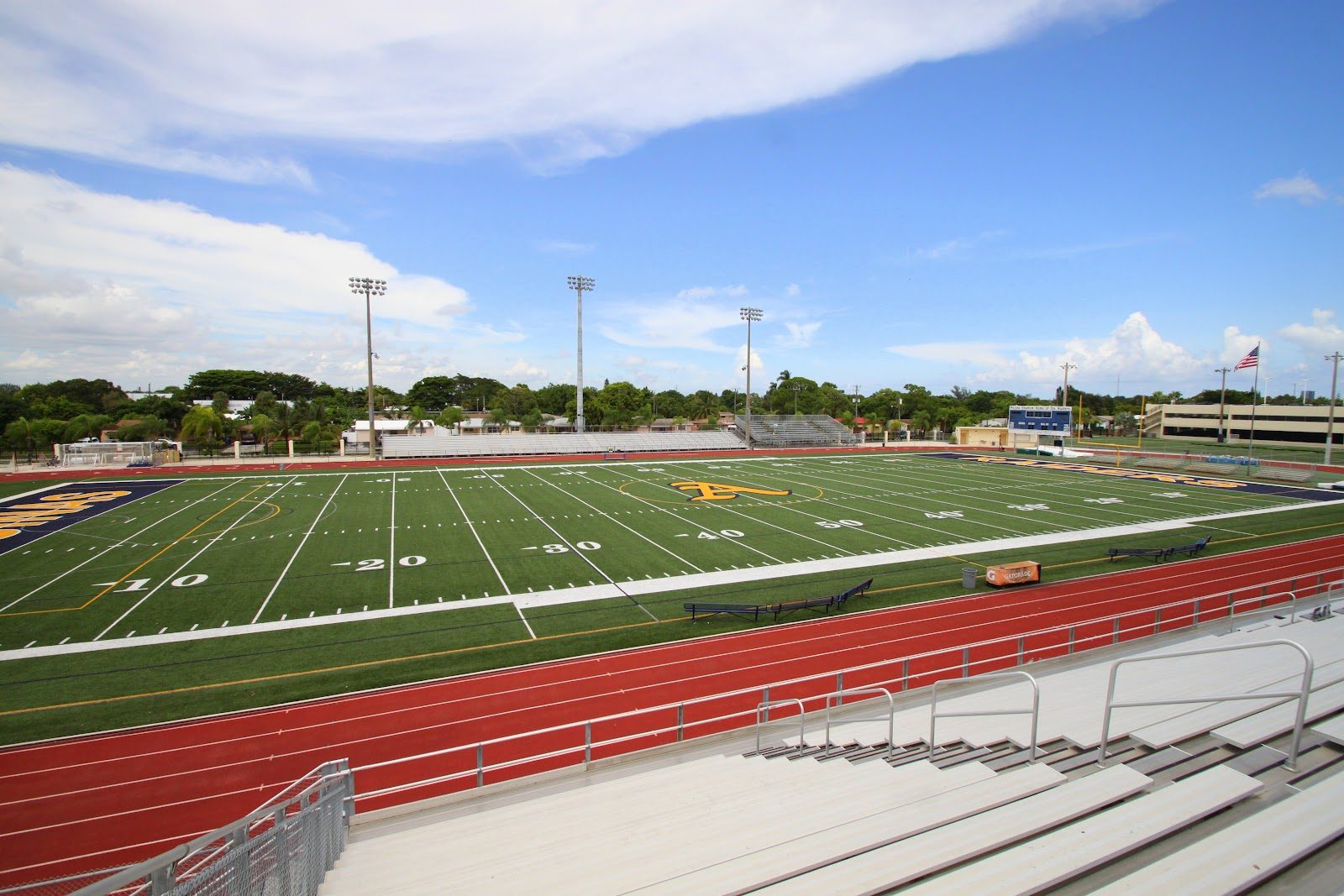
St. Thomas Aquinas High School
Fort Lauderdale, FL · United States
Fort Lauderdale Catholic prep melding AP rigor with a Cambridge International curriculum, backed by nationally ranked football.
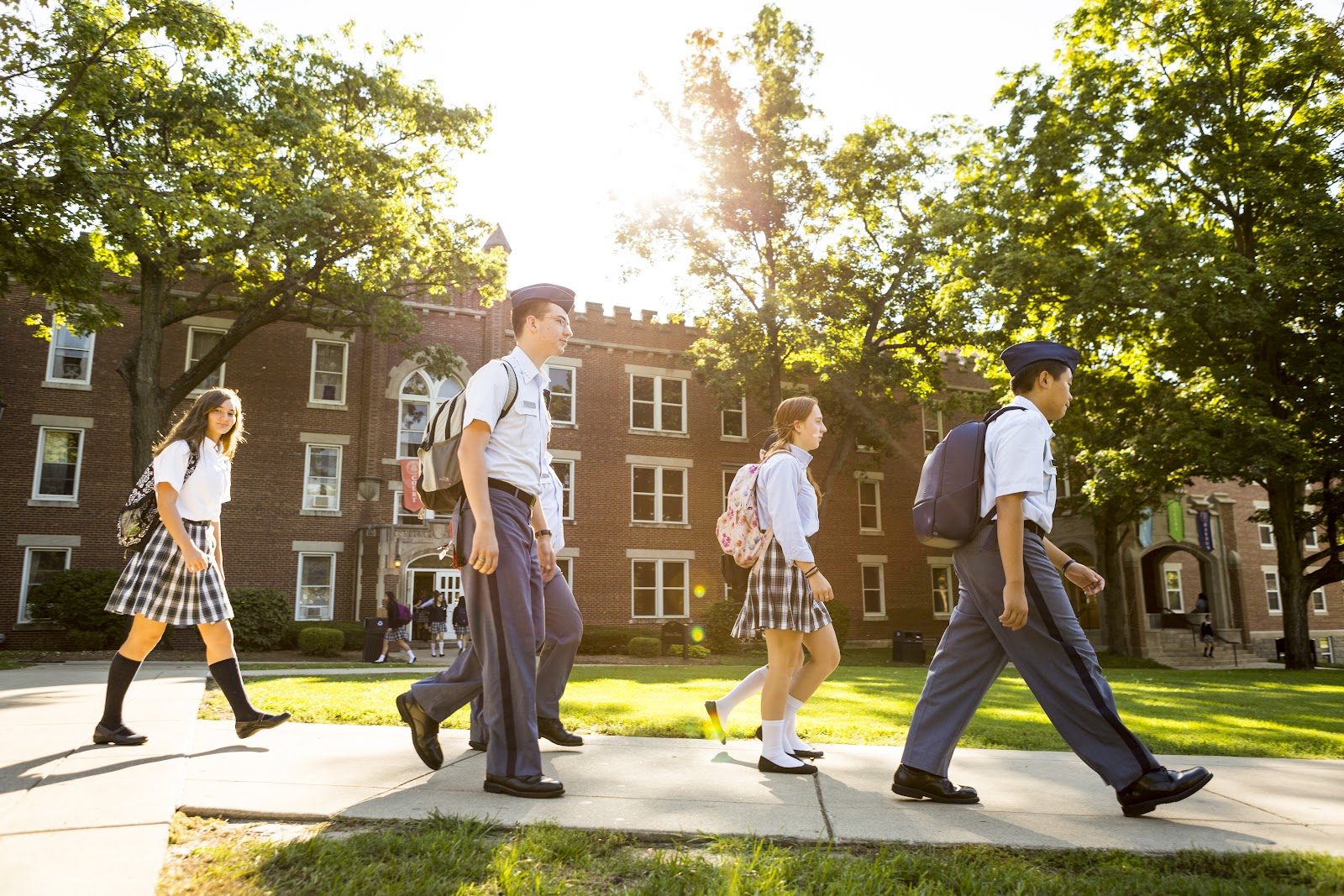
Culver Academies
Culver, IN · United States
On the shores of Lake Maxinkuckee, cadets in the storied Black Horse Troop have ridden in presidential inaugural parades since 1913.
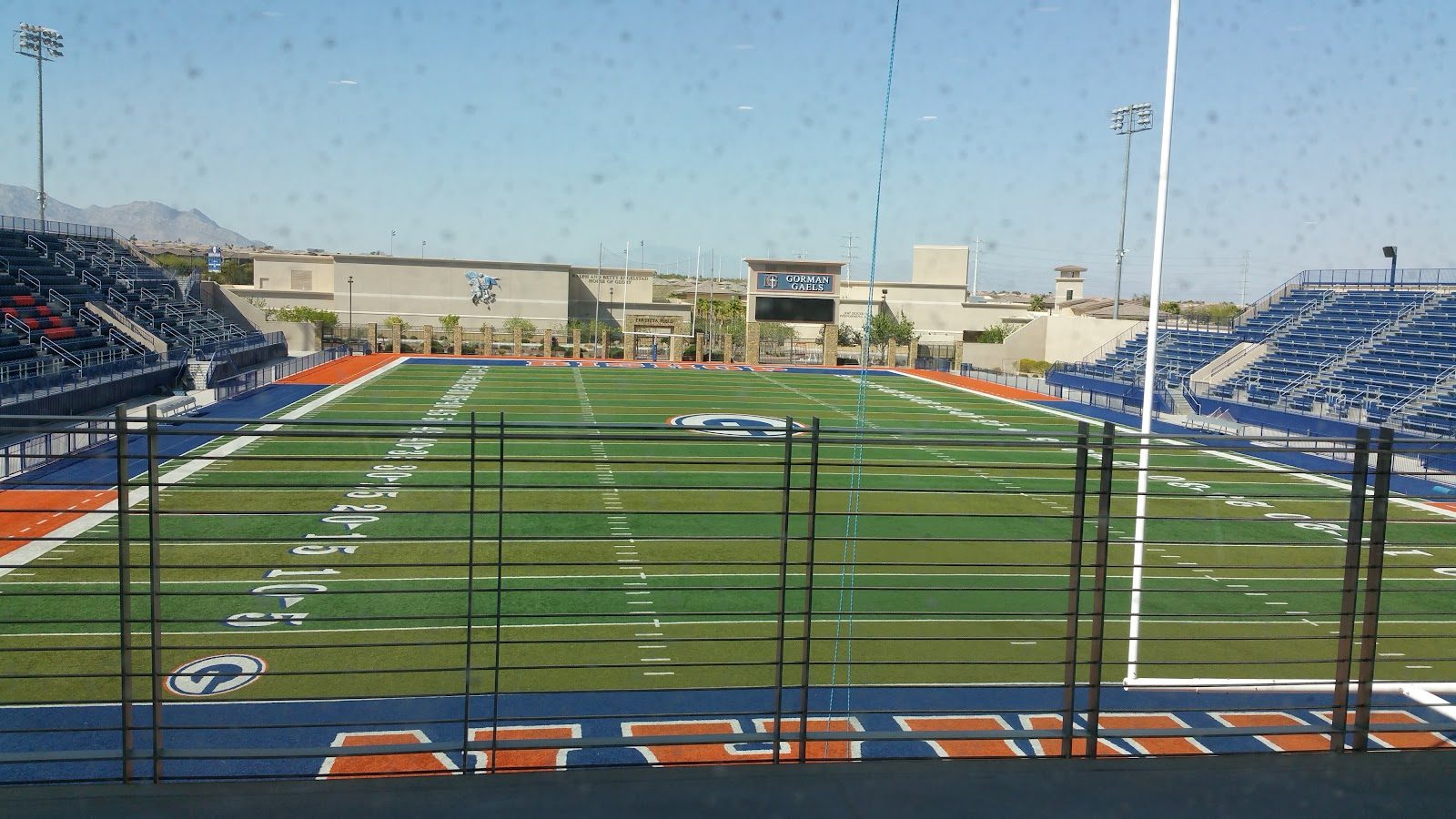
Bishop Gorman High School
Las Vegas, NV · United States
In Summerlin's desert suburbs, a Catholic college-prep whose football dynasty has claimed four national titles and 15 state crowns.

IMG Academy
Bradenton, FL · United States
From a 1978 tennis academy to 600 acres of AP classrooms, drawing student-athletes from 60-plus countries.
Same specialism, country and curriculum — closest matches within ±10 points either way