
Vicente López
Colegio Michael Ham
low confidence· 4/6 cats · 1.2 avg sourcesInside a neo-Gothic castle on the Vicente Lopez barranca, nearly a century of girls-only schooling has just given way to coeducation.
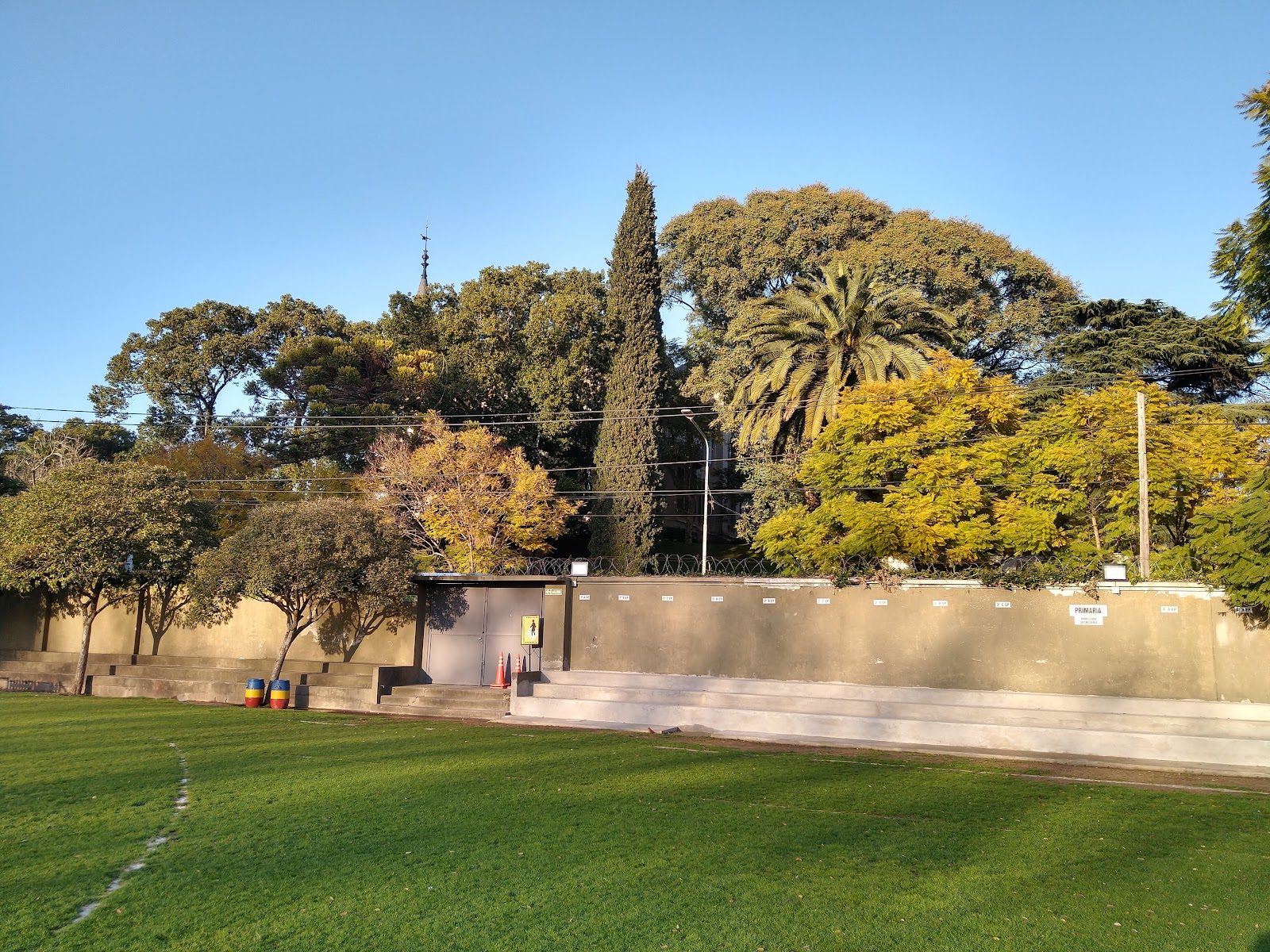
Photo © Valentin Robledo via Google Maps
Type
Day
Ages
2–18
Curriculum
IB
Qualifications
IB Diploma
Ratio
—
The Verdict
Editor's commitment
Right for
Buenos Aires families wanting a Catholic day school, ages 2–18, with Spanish and English teaching and an IB World School badge.
Wrong for
Parents after boarding, a secular ethos, or girls-only education: Michael Ham is day-only, Catholic, and has moved to coeducation.
Watch out for
Founded in 1966, with campuses in Vicente López and Nordelta, it advertises Cambridge certificates alongside IB; the academic model needs clearer definition.
Ranking breakdown
Colegio Michael Ham · #1366 of 1591
Composite score 53.4. 8 weighted criteria.
By criterion
Academic Outcomes
Weight 20%
#1313
of 1529 scored
University Placement
Weight 16%
#1313
of 1529 scored
Prestige & Heritage
Weight 12%
#1357
of 1571 scored
Alumni Network
Weight 12%
#995
of 1530 scored
Facilities
Weight 12%
#1408
of 1533 scored
Transparency & Communications
Weight 8%
#1370
of 1532 scored
Peer & Industry Review
Weight 10%
#1216
of 1548 scored
Admissions Selectivity & Demand
Weight 8%
#1205
of 1529 scored
Peer & Industry Review
How Colegio Michael Ham is regarded in the sector
63
Respected · medium confidence
I could not identify at least two independent third-party sources (Tatler, Good Schools Guide, specialist education press, alumni-network coverage, or established expat-parent forums) that assess Colegio Michael Ham's reputation. Without verifiable external commentary beyond the school's own materials, a reliable score cannot be assigned.
Editors' overview
Colegio Michael Ham occupies an unusual niche in the north Buenos Aires market: a Catholic day school with bilingual Spanish-English teaching, the IB, and a recent shift from a long girls-only tradition into coeducation. The setting does real work here. The school’s Vicente López campus sits in a neo-Gothic castle on the barranca, which gives it a strong sense of place that newer campuses cannot manufacture. That matters for families who value atmosphere as much as programme. Founded in 1966, and now operating in both Vicente López and Nordelta, Michael Ham offers a through-school run from age 2–18. The result is a school with continuity, a defined identity, and enough scale to sustain two campuses without reading as a chain-school clone.
What puts it on a shortlist is the combination of history and transition. Nearly a century of girls-only schooling has ended; the school now moves into coeducation while keeping the institutional confidence of an established Catholic school. That makes Michael Ham more interesting than standard bilingual schools that sell facilities and little else. It has a clear educational proposition: bilingual instruction, the IB, and a faith-based frame, with public-facing emphasis on reading, community events and student milestones such as the Cambridge diploma ceremony. Parents who want a serious, settled environment rather than a fashionable brand exercise will find that attractive. Parents who want hard public data on outcomes will find the picture thinner: the school does not publish aggregate IB results or comparative university placement figures in the public domain. That opacity does not erase the school’s strengths, but it does narrow the evidence base.
The school will suit students who thrive in structured settings, value close community, and want a bilingual education inside a school culture with institutional memory and a clear moral frame. It fits children who like belonging to a school with rituals, houses, events and visible tradition, not those who want a loose, ultra-progressive model. The coeducational shift also makes it a live option for families who like the school’s character and location but previously ruled it out on principle. For the right child, Michael Ham offers continuity with character; for families hunting maximum published transparency or a secular identity, there are cleaner fits elsewhere.
Academic Performance
Public evidence on academic performance is thin. The school publicises student milestones and community events, and it highlights a Cambridge diploma ceremony for its final-year students, but it does not publish aggregate IB outcomes, average scores, subject-by-subject distributions, pass rates, or comparative university destination data. That matters. In a market where strong schools increasingly put hard numbers into the public domain, Michael Ham asks parents to trust institutional confidence without the usual statistical backing. That does not prove weak results; it leaves the school in an opaque category academically, and that weakens any claim to sit among the city’s clear top tier on outcomes alone.
Relative to peers, then, Michael Ham fits better in the bracket of schools with a credible academic proposition but limited public accountability on results. The mention of Cambridge certification points to external benchmarking beyond internal grading, which is useful, but one ceremony does not amount to a performance record. Parents comparing it with Buenos Aires competitors that disclose IB score profiles, university destinations, or scholarship outcomes will get a blunter, less verifiable picture here. The school may deliver solid examination performance; the problem is that families cannot test that claim against published evidence. For academically driven households, that is the central limitation.
Facilities
The defining facility is the Vicente López campus itself: a neo-Gothic castle on the barranca, which gives the school a singular physical identity that most Buenos Aires peers cannot match. That matters beyond aesthetics. Older, characterful buildings can anchor school culture in a way purpose-built blocks do not. They also impose limits. Historic campuses rarely deliver the sprawling, hyper-flexible specialist spaces that newer premium schools advertise, and Michael Ham does not publish the sort of detailed facilities inventory that would settle the question. We know it operates across 2 sites and maintains dedicated sports fields, which places it above cramped urban schools that rely on hired external space, but below competitors that make laboratories, theatres, maker spaces and high-spec sports centres central to their offer.
The practical picture, then, is distinctive rather than lavish. Families visiting open houses will want to inspect how well the castle campus has been adapted for daily school use: circulation, light, play areas for younger children, science provision, indoor sports and performing arts space. The separate Nordelta site broadens access and adds operational scale, but the school has not put forward a facilities-first proposition. Against peer schools in the north of Buenos Aires, Michael Ham wins on atmosphere, memory and setting; it does not win on published evidence of cutting-edge infrastructure. For some families that trade-off feels deeply worth making. For others, it will read as charm taking the place of specification.
The practical picture, then, is distinctive rather than lavish
Prestige
Michael Ham carries local prestige more than city-dominating prestige. The Vicente López castle setting gives it instant recognisability, and the school’s Catholic identity, long institutional history and established family networks add social weight. The move from a girls-only inheritance into coeducation also raises its profile: it turns a formerly narrower proposition into one that more families will now consider. Add a second campus and a through-school structure from 2–18, and the result is a school with real standing in its corner of the north Buenos Aires market. This is not an insurgent start-up or a generic bilingual operator renting credibility from branding.
That said, prestige here rests on *heritage, continuity and social confidence* more than on publicly demonstrated academic dominance. The school publishes news, events and ceremonies; it does not publish the hard outcome data that would lift it into the undisputed top bracket. For some families, the castle, the rituals, the Catholic frame and the sense of belonging will count for a great deal. For others, prestige without disclosed aggregate results reads as old-school reputation management. That is why the rating sits in the solid-middle-to-upper range rather than the absolute elite: Michael Ham has cachet and identity, but not the public academic proof that seals first-rank status.
The school publishes news, events and ceremonies; it does not publish the hard outcome data that would lift it into the undisputed top bracket
Communications
Michael Ham’s parent communication looks serviceable rather than exemplary. The public-facing site does the basics: open-house dates are easy to find, both campuses are named clearly, and school life is kept visible through news items on reading events, ceremonies and community projects. That gives parents a decent sense of rhythm and tone. It also tells you what the school chooses to foreground: culture, milestones and belonging. What it does not give is the kind of operational clarity strong parent communication also needs. We have not seen a detailed public calendar, published leadership messages, divisional handbooks, transport information, fee documentation, or a substantial archive of policy material. For a school running across 2 campuses, that absence matters.
The result is a communications style that feels warm, curated and selective, not forensically transparent. Existing families may get much more through internal channels; the public-facing picture still counts, because it shows how disciplined the school is about information. Here, Michael Ham communicates atmosphere better than specification. That suits parents who read schools through ethos and community cues. It frustrates parents who want crisp practical detail before making contact. The open-house calls to action are clear, which indicates a school comfortable with direct engagement, but the website does not yet function as a high-trust information hub. In editorial terms, communication is competent, but not best-in-class.
Uniqueness
What sets Michael Ham apart is not a generic “heritage feel” but a *rare collision of setting and school culture*. A Catholic through-school housed in a neo-Gothic castle, with a second campus serving a different suburban catchment, already sits outside the standard Buenos Aires bilingual template. The more consequential distinction is the institutional shift now under way: a school shaped by a long girls’ tradition has opened itself to boys without discarding its rituals, formality or inherited confidence. That gives students something more interesting than a blank-sheet co-ed model. They enter a school with embedded habits, visible ceremony and a strong sense that place and identity matter. For children who like schools to feel settled and purposeful, that has real value.
What students gain from that uniqueness is cultural coherence. The school’s public life gives weight to books, assemblies, milestone ceremonies and community events rather than flashy innovation theatre. That tends to produce a more anchored adolescence than the looser, trend-chasing schools in the same market. The castle campus itself also does part of the teaching: it tells students that school is a place apart, with memory and expectation attached to it. The trade-off is clear. Families looking for a frictionless, modern-box experience or a radically progressive tone will find a mismatch. Families who want children educated in a setting with ritual, gravity and continuity will find that Michael Ham offers something few rivals do across 2 campuses.
What students gain from that uniqueness is cultural coherence
Student Profile
The best fit is a child who likes structure, ceremony and belonging. Michael Ham will suit students who are comfortable in a school with a clear moral frame, visible adult authority and a community life built around shared events rather than individual self-invention. Readers should not picture an ultra-casual student body drifting through a loose progressive culture. This is a Catholic school with a settled identity, and the students who do well here tend to value routine, take part willingly in collective school life, and respond to expectations that are explicit rather than negotiable. The through-school model from age 2–18 also favours families who want continuity and students who benefit from staying inside one institution rather than resetting at each stage.
It will also appeal to families drawn to a more traditional social tone without wanting an exclusively girls’ environment. The recent move into coeducation changes the student mix in practical ways: boys now enter a school culture shaped over time by formality, ritual and established habits. That will suit children who can step into an existing culture and work with it, not those who need a school to revolve around personal preference. Students with a genuine interest in books, assemblies, milestone events and community projects will have more room here than students chasing a flashy, hyper-modern campus identity. For the right child, the fit is grounded, cohesive and serious; for the wrong one, it will feel too bounded.
The school’s Vicente López campus sits in a neo-Gothic castle on the barranca, which gives it a strong sense of place that newer campuses cannot manufacture
Co-curricular strengths
Arts & sport, on a separate axis
Overall 8.18/10
Scored 0-10 from the school's own published evidence. This axis is editorial-only — it does not feed the main WTS ranking.
Sports
8.5/10
Drama
8/10
Dance
7/10
Music
8.7/10
Visual Arts
8.7/10
Editor first-pass · editor-reviewable · 7/30/2026
Strengths
- +Authorised IB World School offering the IB Diploma Programme, giving students an internationally transferable qualification.
- +Bilingual English-Spanish instruction from early years, a long-standing model among northern Buenos Aires private schools.
- +Coeducational day school situated in Vicente Lopez, an established and affluent northern suburb with good road access to CABA.
- +Part of a recognised cluster of bilingual schools in the San Isidro/Vicente Lopez corridor, giving families a comparable local peer network.
Considerations
- −Located outside the City of Buenos Aires proper, meaning a commute for families based centrally or south of the capital.
- −Lower international profile and published outcome data compared with larger, longer-established IB schools in the same corridor.
- −Single day-campus model, so no boarding option exists for relocating families wanting that structure.
- −Fee levels, class sizes and IB Diploma results are not readily published online, limiting pre-enrolment comparison.
Availability
Primary entry gate & tests
Academic Record
Gallery
Photo © Gabriela Sellart via Google Maps
Photo © Silvanargentana via Google Maps
Photo © santi didi via Google Maps
Photo © Santiago Grosso López via Google Maps
Photo © Sebas Inchauspe via Google Maps
Parent reviews
Have you sent your child here?
Voice reviews carry the strongest trust badge — we transcribe them for you to tidy up before they go live. Prefer to type? A written review is fine too.
Add your voice
In 60 seconds, tell other parents: what's the best thing about Colegio Michael Ham, and what surprised you when your child joined?
We ask for a Google sign-in so every review has a real face behind it — no anonymous drive-by attacks on schools, and no faked positive reviews. Your email is never shown publicly.
Send this profile to a friend
International parents rely on word-of-mouth. Share this review with someone weighing the same decision.
Schools with places
Similar schools to Colegio Michael Ham with places available now.
Asociación Escuelas Lincoln
Buenos Aires · Argentina
- 2026-27
- WAITPOOLSpace-dependent
- 2027-28
- PLACES OPENRolling
St Andrew's Scots School (Colegio San Andrés)
Buenos Aires · Argentina
- 2026-27
- CLOSEDStandard route
- 2027-28
- WAITPOOL2027/28 enquiries underway
Availability first, then country, area, curriculum, price, co-curricular
Consider also
Also worth looking at alongside Colegio Michael Ham.
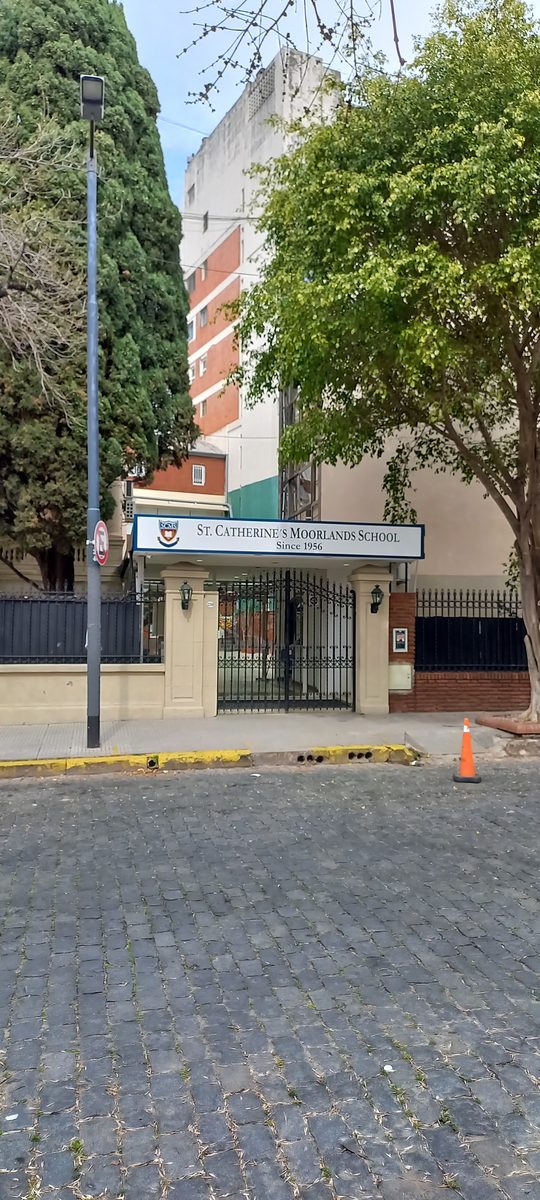
St. Catherine's Moorlands School
Buenos Aires · Argentina
Argentina's IB pioneer since 1973, pairing a British-rooted curriculum with a storied Buenos Aires hockey tradition
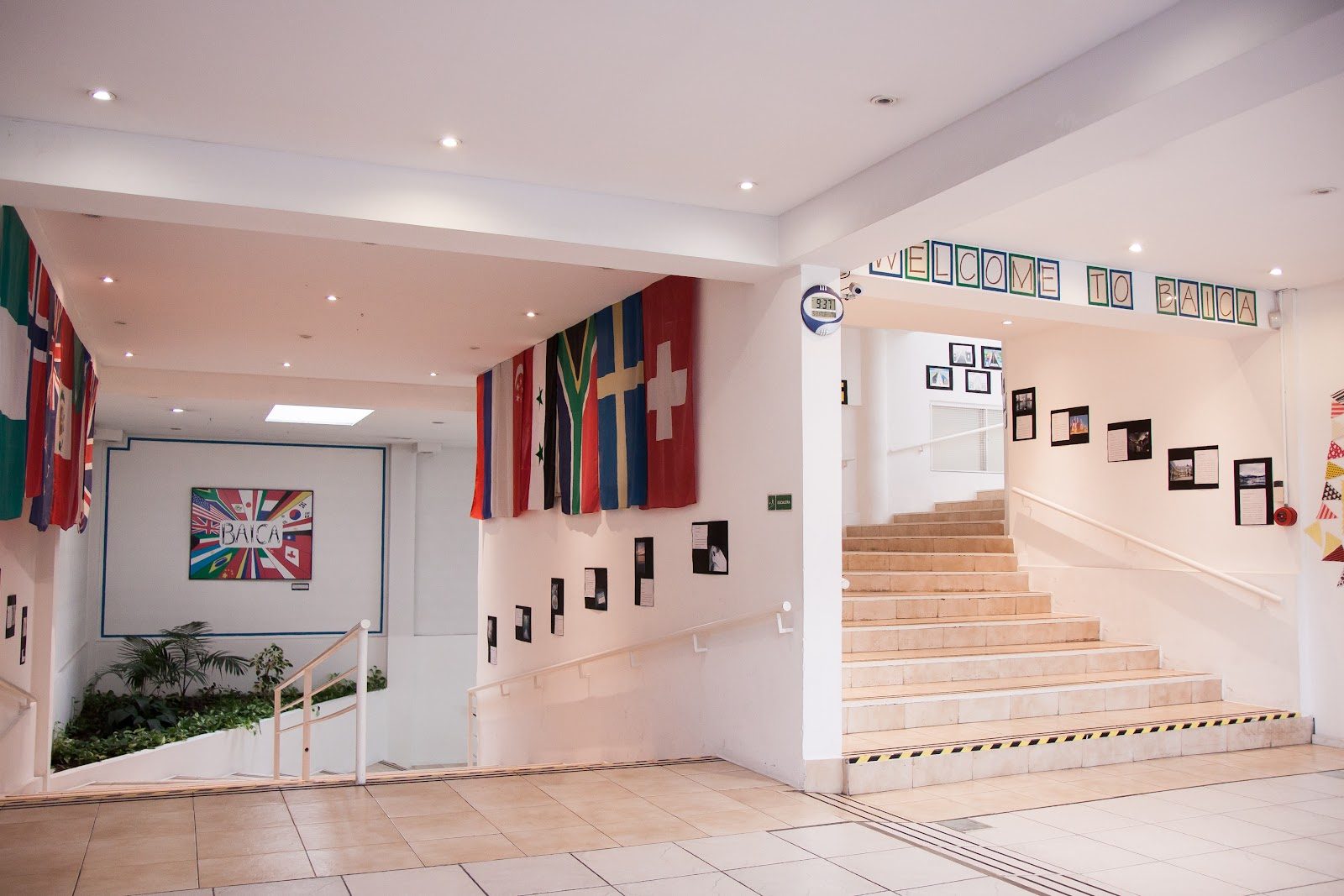
Buenos Aires International Christian Academy
Buenos Aires · Argentina
Buenos Aires' only Christian international school pairs a US college-prep track with a dual Argentine diploma.
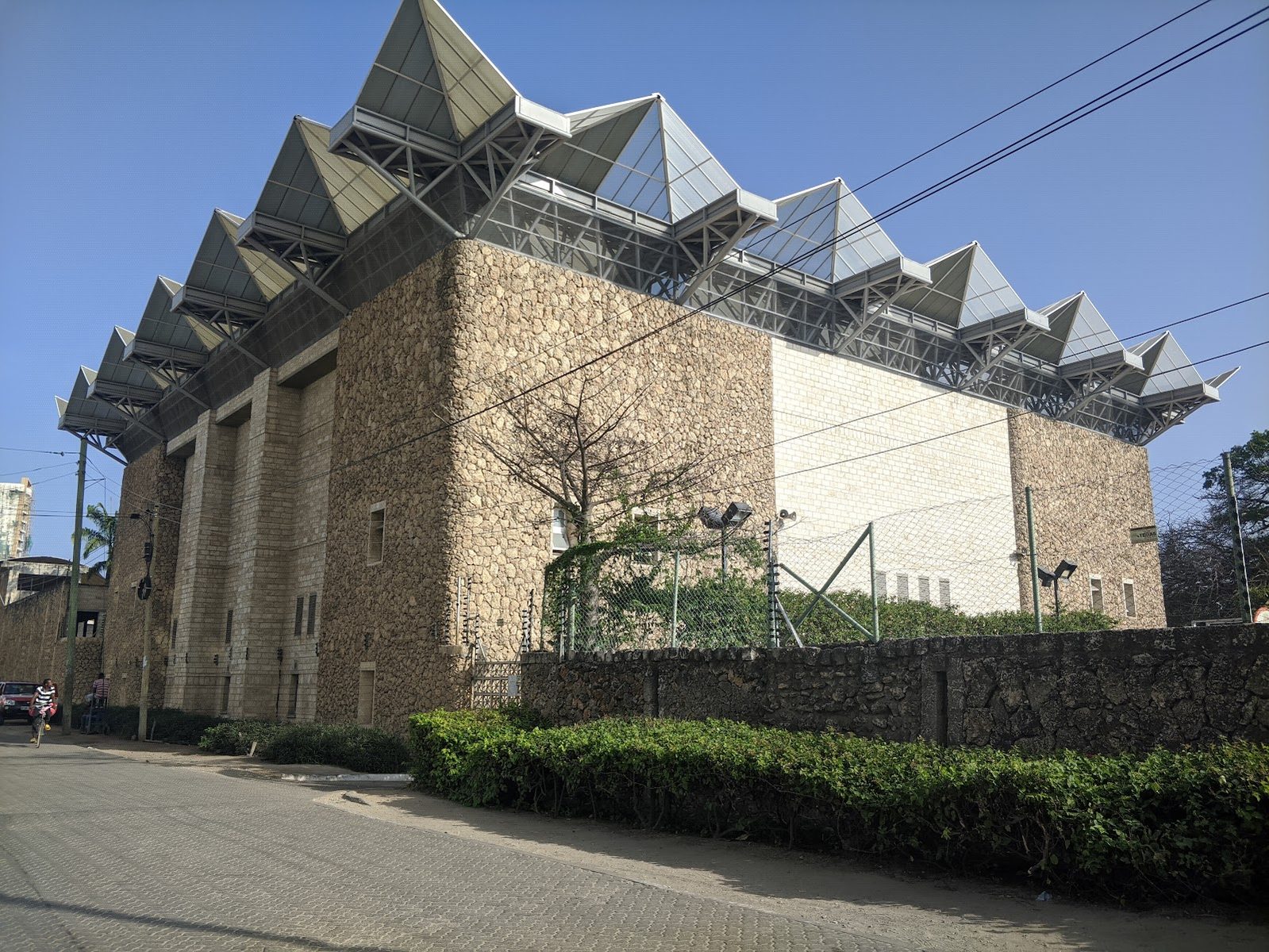
Aga Khan Academy Mombasa
Mombasa · Kenya
On Mombasa's Likoni Channel, a Swahili-inspired campus anchors the network's founding school, where admission is judged purely on merit.
Bernadotteskolen
Copenhagen · Denmark
Named for wartime Red Cross rescuer Folke Bernadotte, this Hellerup reform school pairs Danish grundskole roots with IB pathways.
Same country and curriculum — closest matches within ±10 points either way