
Minnesota
Forged from a 1974 merger of three Twin Cities schools, prized today for a nationally recognized debate program across its Hopkins and Minneapolis campuses.
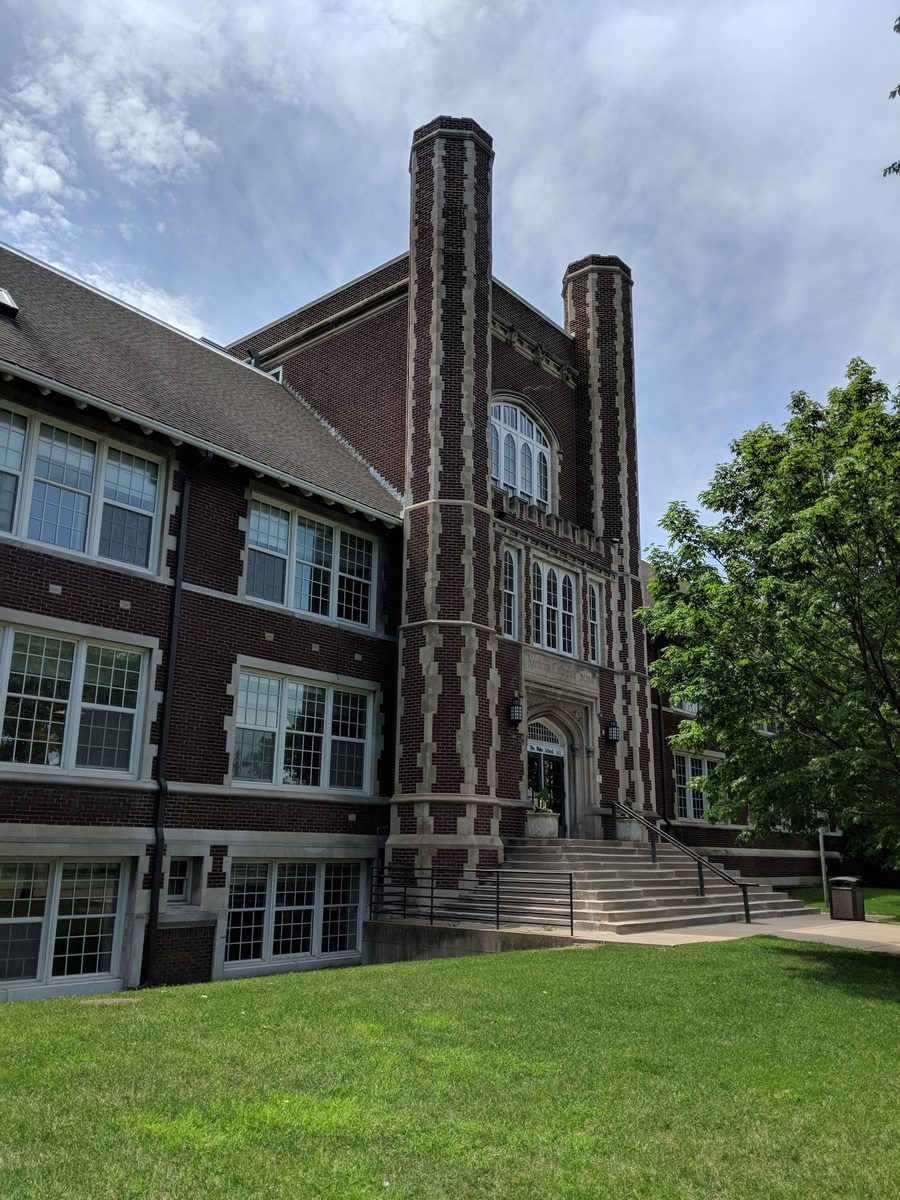
Photo © Andrew Elegante via Google Maps
Type
Day
Ages
3–18
Curriculum
American (US High School Diploma) · AP (Advanced Placement)
Ratio
10:1
The Verdict
Editor's commitment
Right for
Families wanting a non-religious Minneapolis day school with American diploma plus AP, 10:1 staffing and a serious debate reputation.
Wrong for
Parents seeking boarding, a faith setting, or an IB/British pathway; Blake is day-only, English-medium and firmly US-curriculum.
Watch out for
At an average US$41,015 a year for ages 3–18 across two campuses, this is an expensive independent school with 1,330 students.
Ranking breakdown
The Blake School · #757 of 1591
Composite score 65.7. 8 weighted criteria.
By criterion
Academic Outcomes
Weight 20%
#334
of 1529 scored
University Placement
Weight 16%
#354
of 1529 scored
Prestige & Heritage
Weight 12%
#296
of 1571 scored
Alumni Network
Weight 12%
#1419
of 1530 scored
Facilities
Weight 12%
#279
of 1533 scored
Transparency & Communications
Weight 8%
#288
of 1532 scored
Peer & Industry Review
Weight 10%
#335
of 1548 scored
Admissions Selectivity & Demand
Weight 8%
#400
of 1529 scored
Peer & Industry Review
How The Blake School is regarded in the sector
65
Respected · low confidence
The Blake School is consistently ranked among the top private K-12 schools in Minnesota by Niche.com and local Minneapolis/St. Paul press (e.g., Twin Cities Business, Mpls.St.Paul Magazine 'best private schools' features), reflecting strong regional reputation. It lacks the kind of national or international press coverage (Tatler, Good Schools Guide, Sunday Times) that would place it in the top tiers, and independent alumni-network coverage is sparse beyond notable individual alumni mentions in local media.
Evidence sources
- Al Franken — U.S. Senator, Politician/Comedian
- Winona LaDuke — Activist, Writer
- Sam Kaplan — U.S. Ambassador, Diplomat
Editors' overview
The Blake School trades on substance, not scale. It runs across two campuses, in Hopkins and Minneapolis, with 1,330 students and a 10:1 student-teacher ratio, and that structure matters: this is a sizeable independent day school with enough critical mass to offer breadth, but not so much that students disappear into it. The school’s strongest public distinction is its debate programme, which has long carried national recognition and gives Blake a sharper identity than the usual independent-school catalogue of arts, sport and service. Academically, it offers the US High School Diploma with AP, and the school describes its teaching as rigorous and its education as grounded in pluralism. That combination will appeal to families who want an American independent-school education with clear intellectual ambition and a civic, outward-facing frame rather than a narrowly transactional route to college.
This is also an expensive school. The average annual day fee across the full age range is US$41,015, which places Blake firmly in the top tier of the Minneapolis market. Parents paying that level will expect real range beyond the classroom, and Blake has it: visual arts, music, theatre and speech, organised athletics, global programmes, community engagement and nearly 100 clubs and activities. The staffing base is also substantial, with 350 faculty and staff serving students aged 3 to 18. That breadth supports students who want a full-spectrum school life rather than a purely academic hothouse. It also gives Blake a stronger all-round proposition than smaller college-prep schools whose identity rests on exam results alone.
The right student for Blake is bright, busy and willing to commit. This suits children who thrive in discussion-heavy classrooms, want access to serious co-curricular options, and value a school culture that talks openly about inclusion and pluralism. The debate strength will attract articulate, competitive students; the broad arts and activities menu will suit those with multiple serious interests who do not want to be forced into a single lane too early. Families looking for a tiny, intimate school or a low-pressure environment will find Blake demanding by both price and expectation. Families who want a high-functioning, academically serious day school with real breadth, a long institutional history dating to 1900, and recognised standing in the Twin Cities have good reason to keep it on the shortlist.
Academic Performance
Blake does not publish the kind of aggregate exam data that allows clean comparison with the strongest transparent US independents. We have not seen school-wide AP score distributions, average AP grades, SAT or ACT summaries, National Merit counts, or college matriculation breakdowns. That matters. In a market where ambitious families scrutinise hard outcomes, this leaves a real gap in accountability. The school clearly offers an academically serious education, but public proof of external examination performance is thin. Parents who care about measurable attainment should press for recent AP participation rates, score bands, and the share of students taking the most demanding course loads.
Relative to peers, that places Blake in an awkward middle ground: strong institutional reputation, substantial academic ambition, but opaque published outcomes. Schools with comparable fees and status often disclose at least a basic exam profile; Blake does not. That does not mean weak results. It means the school asks families to trust its academic standing without putting enough numbers into the public domain. The broader picture still points to a high-expectation environment: a rigorous programme, a nationally recognised debate culture, and a student body with the range to sustain serious scholarship alongside heavy co-curricular commitment. But until Blake publishes sharper external results data, its academic performance sits in the category of credible but insufficiently evidenced.
Facilities
Blake’s facilities read as those of a fully built-out independent day school rather than a stripped-back academic specialist. The school names visual arts, music, theatre and speech as core parts of the offer, alongside organised sport, global programmes and community engagement. Nearly 100 clubs and activities matters here not as a statistic for prospectuses, but as evidence of enough rooms, specialist spaces and scheduling capacity to sustain real choice. A school cannot run that breadth without solid arts provision, usable athletic infrastructure and commons, studios or rehearsal spaces that work hard across the week. The two-campus model also gives Blake more operational range than a single tight urban site, though families need to understand the trade-off: convenience and cohesion never match a one-campus school.
Against peer schools, this is a serious all-round plant, not a headline-grabbing architectural showcase. We have not seen the kind of public detail that would let us single out a research centre, performing arts complex or elite sports build as a defining asset, and that absence matters at this price point. The strength lies in breadth and everyday functionality, not in one showpiece facility. That still puts Blake in a strong position locally. Many competitors can claim classrooms, playing fields and arts rooms; fewer can support substantial speech and debate activity, broad co-curricular choice and a genuinely varied student day without facilities becoming a bottleneck. For families wanting practical depth over glossy spectacle, Blake’s estate clears the bar comfortably.
The average annual day fee across the full age range is US$41,015, which places Blake firmly in the top tier of the Minneapolis market
Prestige
Blake has real prestige in the Twin Cities independent-school market, but it is the earned, workmanlike kind rather than the lacquered, old-establishment variety. The school’s standing rests on longevity, selectivity, deep local recognition and a programme broad enough to sustain serious ambition across academics, arts, sport and public speaking. The nationally recognised debate strength matters here: plenty of schools claim breadth, far fewer own a discipline that confers distinctive intellectual status. The scale also helps. With 1,330 students and nearly 100 clubs and activities, Blake operates with the range and confidence of a mature institution, not a niche prep school trying to imitate one.
That said, prestige at this level depends on more than reputation and price. Blake charges an average of US$41,015 a year, which puts it in a premium bracket and invites scrutiny. On institutional markers, it clears the bar: substantial staffing, strong membership networks, and the kind of co-curricular ecosystem that affluent, educated families expect. On public academic proof, it is less convincing. The school does not publish the hard attainment data that would turn local prestige into unambiguous academic authority. So the verdict is clear: Blake is a serious, high-status independent school with strong name recognition and genuine substance, but not one that closes the case with transparent outcomes.
The nationally recognised debate strength matters here: plenty of schools claim breadth, far fewer own a discipline that confers distinctive intellectual status
Communications
Blake communicates with the confidence of a school that expects parents to engage, not just browse. The public-facing site is clean, structured and easy to navigate: admissions routes are clear, key areas of school life are signposted plainly, and the school gives a usable overview of academics, arts, athletics, global programmes and service without drowning families in slogans. That matters at a school spread across two sites and serving 1,330 students. Parents need orderly information architecture, and Blake has it. The tone is institutional rather than intimate: polished, disciplined and competent, but not especially warm. Families who want a stream of personality, anecdote and head-of-school charm will find the presentation controlled to the point of reserve.
Where Blake is less convincing is in depth and disclosure. The school communicates values, breadth and opportunity well; it communicates measurable outcomes less well. That gap matters because strong parent communication is not just about ease of contact or attractive web pages. It is also about publishing the evidence that serious families use to judge a school’s claims. On that front, Blake is selective in what it shares. There is enough here to understand the school’s character and operational scale, and the prominence given to admissions contact points indicates a parent body expected to ask questions directly. Still, the overall effect is efficient rather than transparent: good on navigation, good on institutional message, weaker on the hard academic detail that would turn competent communications into trust-building communications.
Uniqueness
What distinguishes Blake is not a single gimmick but a rarely coherent mix of intellectual seriousness and full-spectrum school life. Plenty of independents offer strong classes, arts and sport; fewer knit them together with a public identity that has real edge. Blake’s nationally recognised debate culture does that job. It gives the school a sharper centre of gravity than the standard college-prep formula and rewards students who can read closely, argue cleanly and think on their feet. That matters beyond tournaments. In daily school life, it strengthens classroom discussion, builds verbal confidence and gives articulate students a place where academic competition carries social value rather than needing to be hidden. Add nearly 100 clubs and activities, and the result is a school where intensity has outlets.
The other point of difference is structural. A two-campus school can feel fragmented; at Blake, that arrangement supports serious breadth without tipping into anonymity. Students get access to the scale, staffing and programming of a large institution while remaining in a day-school setting with more adult oversight than many sprawling American independents manage. The school’s stated commitment to pluralism also gives its culture a more deliberate civic frame than the narrower résumé-building model common at this price point. For students, that brings a tangible benefit: they are not pushed into a single identity as scholar, athlete, artist or speaker. Blake is built for the child who wants to be several things at once, and do each of them properly well.
The Blake School trades on substance, not scale
Student Profile
The Blake student is intellectually switched on, verbally confident and prepared to use school fully. This is a strong fit for children who want to argue, perform, compete, join in and stay busy across the week, not pupils who prefer to drift at the edge of school life. The school’s public emphasis on critical thinking, problem-solving, empathy and pluralism points to a culture that rewards engagement and expects students to handle difference with some maturity. The breadth of clubs and activities — close to 100 — matters here because it widens the social routes into the school: the natural debater, the theatre child, the musician, the athlete and the committee-minded organiser all have room. The common denominator is not one personality type but high engagement.
Fit matters more here than polish. Blake suits students who can manage a demanding, fast-moving day and who gain energy from capable peers. It will work well for the child with multiple serious interests, especially one who enjoys discussion-heavy teaching and does not need constant hand-holding to step forward. It is less well suited to families seeking a soft-edged, low-pressure environment or to children who need a very small social pond in order to feel secure. The student body size — 1,330 — gives breadth and choice, but it also asks students to make use of the opportunities in front of them. At Blake, passive attendance is a poor fit; purposeful participation is the norm.
Academically, it offers the US High School Diploma with AP, and the school describes its teaching as rigorous and its education as grounded in pluralism
Co-curricular strengths
Arts & sport, on a separate axis
Overall 8.2/10
Scored 0-10 from the school's own published evidence. This axis is editorial-only — it does not feed the main WTS ranking.
Sports
9/10
High-performance Midwestern day athletic powerhouse; fields nationally dominant ice hockey, alpine skiing, and soccer programs across state-of-the-art campuses.
Drama
8.5/10
Ambitious theater curriculum utilizing an exceptional on-campus theater venue, providing deep training in scriptwriting and tech direction.
Dance
5.5/10
Highly dedicated formal dance curriculum running classical ballet and modern composition inside custom studios.
Music
9/10
Outstanding musical depth; supports multiple jazz big bands, massive symphonies, and elite choirs with deep civic pipelines.
Visual Arts
9/10
Breathtaking visual studios producing top-tier design portfolios, digital multimedia creations, and fine art pieces.
Editor-verified · 8/6/2026
Strengths
- +Long-established Twin Cities institution tracing to 1900 and 1907 predecessor schools, merged into its current form in 1974, and a past National Blue Ribbon School recipient.
- +Low student-teacher ratio of 9:1 with average class sizes of 15-16 students across the PK-12 program.
- +Advanced Placement courses are offered in all core academic subjects, alongside a nationally recognized speech and debate program with recent state championship wins.
- +Substantial need-based financial aid budget of roughly $9.37 million awarded annually to about 26 percent of the student body.
- +Diverse enrollment drawing from over 60 Twin Cities communities, with 38 percent of students identifying as students of color and 46 languages spoken at home.
Considerations
- −Tuition runs from roughly $35,000 to over $42,000 per year depending on grade, a significant cost even by US private day school standards.
- −Day school only, with no boarding option, so relocating expatriate families must arrange local housing and daily transport rather than campus accommodation.
- −Instruction is split across two separate campuses (Hopkins for PK-8, Minneapolis for grades 9-12), meaning families face a campus transition partway through a child's schooling.
- −Reported acceptance rates sit near 50 percent, making admission moderately selective rather than automatic, particularly outside the standard entry-point grades.
Availability
Primary entry gate & tests
ISEE/SSAT + Interview
Gallery
Photo © Andrew Yarish via Google Maps
Photo © The Blake School via Google Maps
Photo © The Blake School via Google Maps
Photo © The Blake School via Google Maps
Parent reviews
Have you sent your child here?
Voice reviews carry the strongest trust badge — we transcribe them for you to tidy up before they go live. Prefer to type? A written review is fine too.
Add your voice
In 60 seconds, tell other parents: what's the best thing about The Blake School, and what surprised you when your child joined?
We ask for a Google sign-in so every review has a real face behind it — no anonymous drive-by attacks on schools, and no faked positive reviews. Your email is never shown publicly.
Send this profile to a friend
International parents rely on word-of-mouth. Share this review with someone weighing the same decision.
Schools with places
Similar schools to The Blake School with places available now.
Friends Seminary
New York City · United States
- 2026-27
- WAITPOOLLate/held pending openings
- 2027-28
- OPENS SOONExpected Sept '26
The Haverford School
Haverford · United States
- 2026-27
- CLOSEDRegular cycle closed
- 2027-28
- OPENS SOONOpens Sept '26
The Buckley School
New York City · United States
- 2026-27
- CLOSEDConfirmed full
- 2027-28
- OPENS SOONOpens post-Labor Day '26
Head-Royce School
Oakland · United States
- 2026-27
- CLOSEDRegular cycle
- 2027-28
- OPENS SOONOpens Sept '26
Availability first, then country, area, curriculum, price, co-curricular
Consider also
Also worth looking at alongside The Blake School.
Friends Seminary
New York City · United States
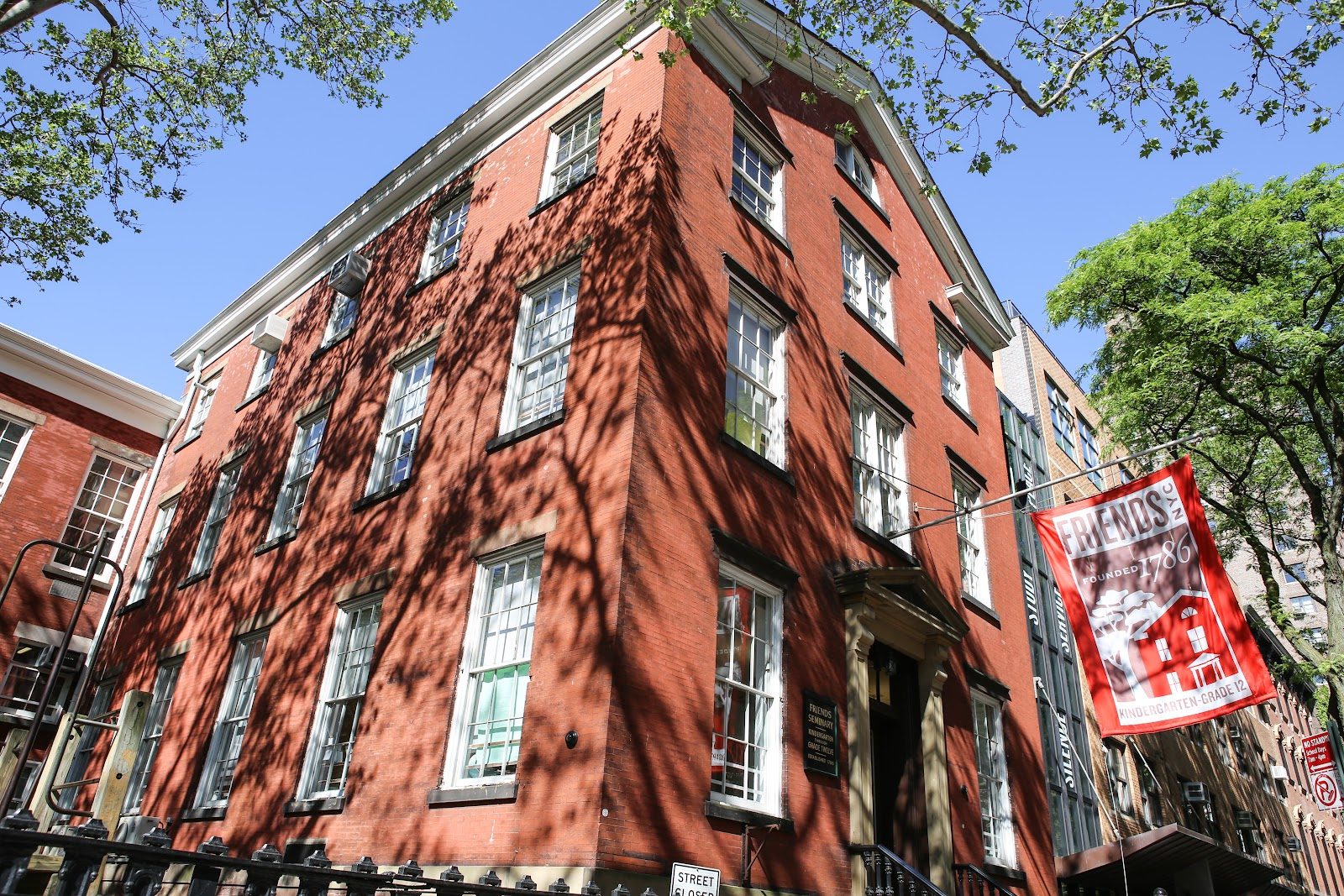
Founded in 1786, the oldest coeducational school in New York City still teaches Quaker simplicity and peace amid Manhattan's bustle
The Haverford School
Haverford · United States
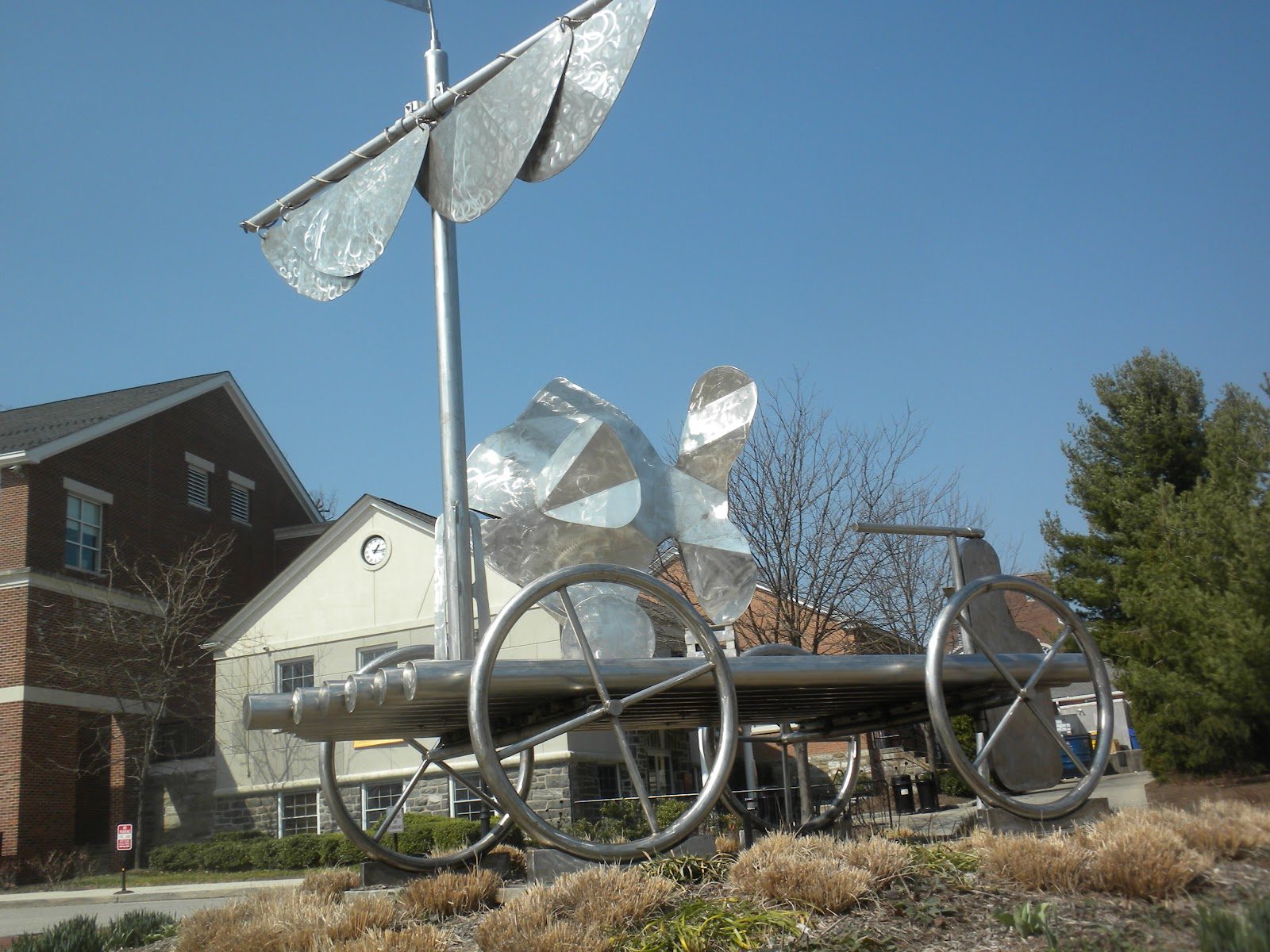
Since 1884 on Philadelphia's storied Main Line, an all-boys campus balances rigorous academics with athletics and the arts.
The Buckley School
New York City · United States
On Manhattan's Upper East Side since 1913, a K-9 boys' school pairing classical rigor with mandatory public-speaking training for every student.
Head-Royce School
Oakland · United States
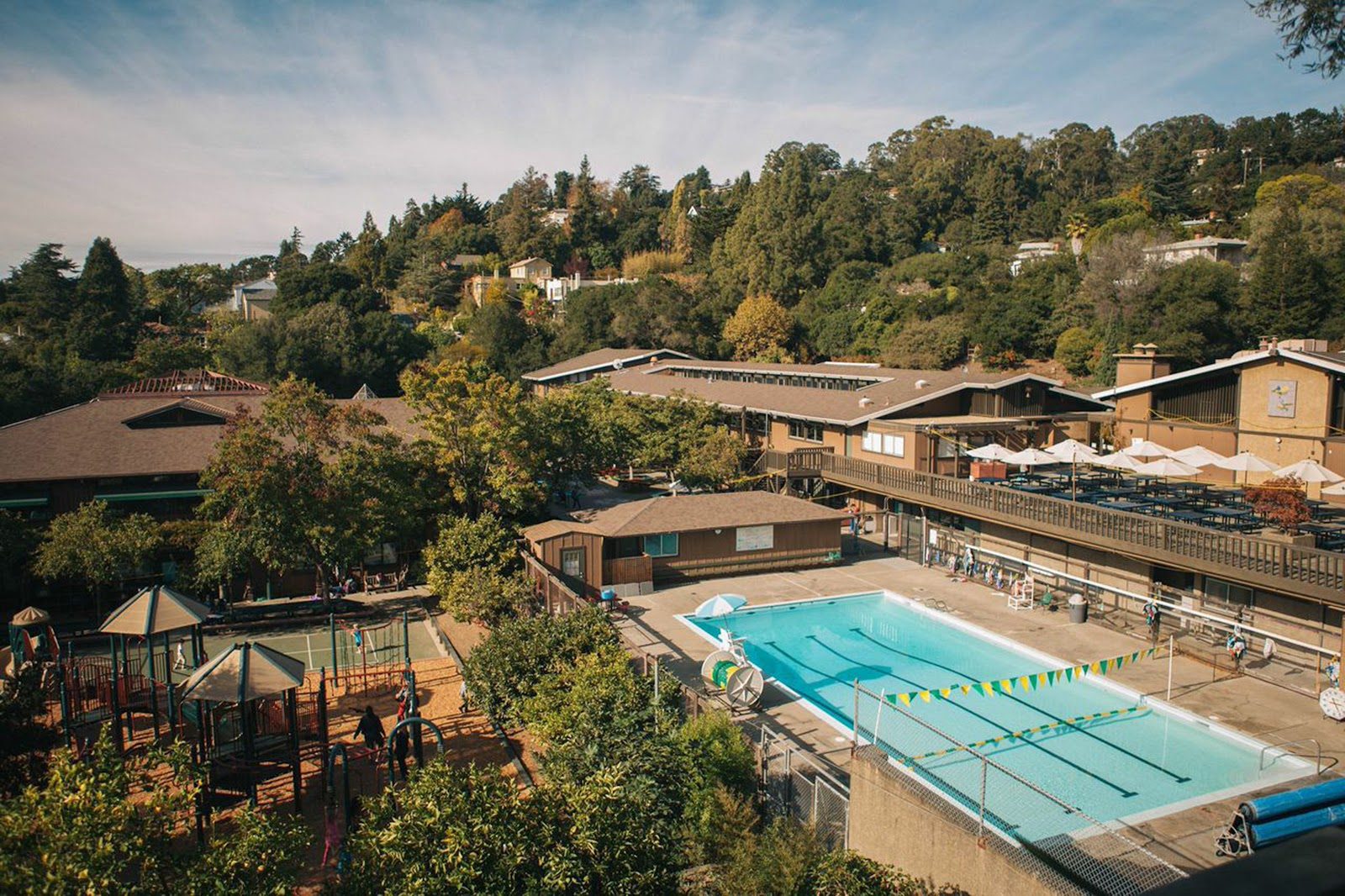
Since 1887 on a wooded Oakland hills campus, pairing rigorous scholarship with a decades-old public-school partnership that opens college doors for first-generation students
Same country and curriculum — closest matches within ±10 points either way