
Selangor
Kolej Yayasan UEM
A single-focus, two-year Cambridge A-Level college in rural Selangor where scholarship boarders outnumber fee-payers and Oxbridge offers land every year.
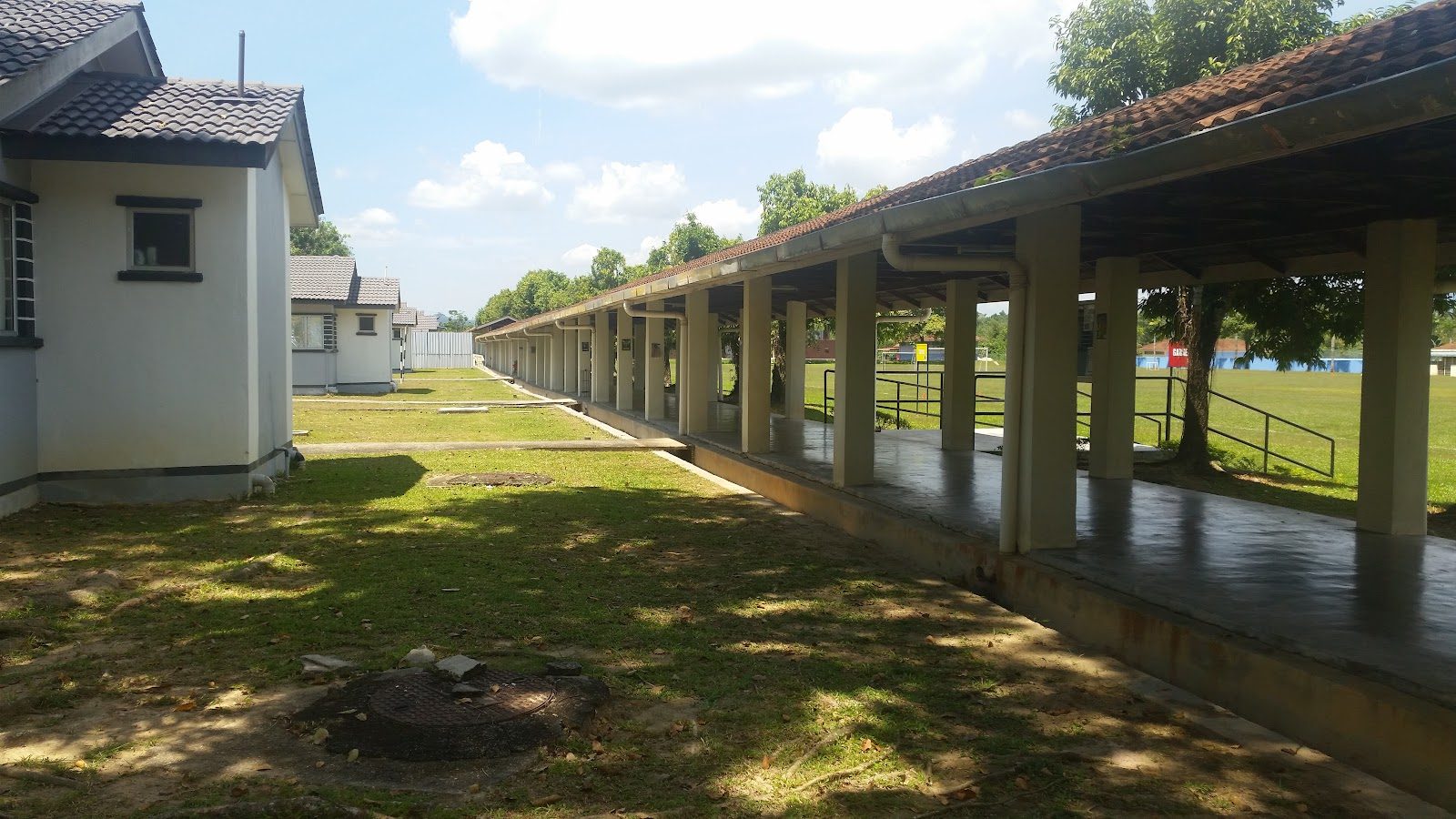
Photo © Faris Durrani via Google Maps
Type
Boarding
Ages
17–19
Curriculum
British
Qualifications
A-Level
Ratio
—
The Verdict
Editor's commitment
Right for
Students aged 17–19 who want a boarding college in Lembah Beringin focused on Cambridge A-Levels, taught in English.
Wrong for
Families wanting a through-school, day places or IB will find none of that here; KYUEM is boarding-only and A-Level only.
Watch out for
The school trades hard on top-university access and academic success, but publishes no aggregate outcomes beyond Cambridge International and AAIA accreditation.
Ranking breakdown
Kolej Yayasan UEM · #758 of 1591
Composite score 65.7. 8 weighted criteria.
By criterion
Academic Outcomes
Weight 20%
#386
of 1529 scored
University Placement
Weight 16%
#187
of 1529 scored
Prestige & Heritage
Weight 12%
#854
of 1571 scored
Alumni Network
Weight 12%
#1013
of 1530 scored
Facilities
Weight 12%
#1090
of 1533 scored
Transparency & Communications
Weight 8%
#1326
of 1532 scored
Peer & Industry Review
Weight 10%
#1373
of 1548 scored
Admissions Selectivity & Demand
Weight 8%
#153
of 1529 scored
Peer & Industry Review
How Kolej Yayasan UEM is regarded in the sector
60
Respected · medium confidence
Within Malaysia's small pre-university tier, KYUEM is consistently named alongside Kolej Tuanku Ja'afar and Epsom College Malaysia in local press round-ups (The Star, New Straits Times) of colleges with the strongest Oxbridge and Russell Group placement records, reflecting how rival heads and counsellors position it as an academic peer rather than a lifestyle boarding option. Malaysian university admissions consultants and UK-based agents cite its A-Level and Canadian Pre-University results as a reliable predictor for Group 5/6 Russell Group offers, and it appears repeatedly in unofficial 'feeder college' comparisons compiled by Malaysian education forums and consultancies rather than in WhichSchoolAdvisor or Good Schools Guide, which do not cover Malaysian pre-university colleges. Independent education press coverage is thin compared to UK/international schools, limiting external verification of specific quotes or league placements, so its regional standing rests mainly on consistent inclusion in Malaysian media 'top colleges' lists and word-of-mouth among counsellors rather than documented international rankings or named endorsements from rival heads or admissions officers.
Editors' overview
Kolej Yayasan UEM occupies a narrow, valuable niche in Malaysia: a fully residential sixth-form college for ages 17–19 with one job to do, and to do it well. It teaches the Cambridge A-Level programme in English, and little distracts from that central purpose. This is not a sprawling all-through school with multiple pathways, nor a campus trying to be everything at once. It is a 2-year academic bridge between school and selective university entry. That clarity matters. Parents who want a single-minded academic environment, a serious boarding structure and university application support aimed at top destinations will find a proposition with rare focus.
What sets KYUEM apart is the combination of selectivity, boarding intensity and scholarship culture. The college itself foregrounds academic achievement and access to top universities; your editorial context adds the more important detail: scholarship boarders outnumber fee-payers. That changes the atmosphere. A campus shaped by sponsored students tends to run on competition, discipline and expectation, not social display. For the right student, that produces useful pressure and high-octane ambition. It also explains why Oxbridge offers land every year. The attraction is not polish or breadth for its own sake. It is momentum: bright students, a residential routine, close attention to A-Level performance, and a peer group with places to win.
Parents should shortlist KYUEM if they want a boarding college with a clear academic hierarchy and no confusion about purpose. Students who thrive here are strong at 17–19, comfortable with structure, and ready for a campus in rural Selangor rather than an urban day-school life. The best fit is the student who wants serious university traction, likes living among equally driven peers, and does not need endless pastoral cushioning or a broad menu of curricular identities. This is a place for students who want Cambridge A Levels, accept the discipline of a residential code, and are prepared to trade breadth for sharp academic focus. If your child wants a socially loose sixth form or a gentler pace, look elsewhere. If they want a college built around results, competition and top-university applications, KYUEM deserves a place on the shortlist.
Academic Performance
KYUEM trades on results, and the public case it makes is unapologetically outcome-led. The school labels itself one of Malaysia’s top-performing A-Level colleges and pushes “Academic Achievement 2025” to the front of its site. That emphasis tells parents where the institution wants to be judged: not on breadth, not on campus theatre, but on examination performance and university destinations. The difficulty is transparency. We have not seen aggregate A-Level outcome data, no subject-by-subject grade profile is published, and no multi-year breakdown is in the public domain. That leaves parents with a results-first message but without the hard numbers needed to test it against other specialist sixth-form colleges.
Even with that caveat, KYUEM’s position in the market is clear enough. A college built for a narrow age band, with a single-minded academic brief and a campus culture shaped by scholars, sits in the top tier of Malaysian pre-university providers by ambition. The annual Oxbridge offer pattern noted in your verified context matters because it is hard to fake; schools do not produce that every year without a serious academic engine. Against direct peers, KYUEM fits the category of high-pressure A-Level specialist rather than broad international school sixth form. That distinction counts. The strongest competitors publish cleaner examination data; KYUEM does not. Until it does, parents must judge it by selective university traction, scholarship density and reputation, not by a disclosed table of A-Level results.
Facilities
The key facility here is not a theatre, aquatics centre or design lab. It is the residential academic machine: a fully boarding campus built for a narrow age group, with teaching, study, supervision and daily life folded into one place. The school points parents to teachers, subjects, university application support and a code of conduct that pushes independence and self-discipline. That tells you what matters on site. KYUEM’s most important spaces are the ones that keep students working: classrooms, supervised study environments, boarding houses and the infrastructure around applications and staff access. For a specialist college of this kind, that is the right priority. Against broader international schools, the offer is leaner, less showy and more hard-edged. Families hunting for statement facilities will find stronger physical plant elsewhere. Families who want a campus organised around concentration and routine will read this as fit for purpose.
The weakness is obvious: the school does not publish a detailed facilities inventory, and there is no strong public case for standout labs, arts provision, sports infrastructure or specialist centres. That puts KYUEM behind peer schools that document their campuses properly and use facilities as part of the educational argument. Still, benchmarking needs honesty. In the specialist A-Level boarding niche, lavish infrastructure matters less than usable academic and residential space. On that measure, KYUEM looks serious rather than expansive. The campus supports a 2-year pre-university push, not a full-spectrum school life. For some parents that narrowness will feel austere. For the right student, it is exactly the point.
Kolej Yayasan UEM occupies a narrow, valuable niche in Malaysia: a fully residential sixth-form college for ages 17–19 with one job to do, and to do it well
Prestige
KYUEM carries real prestige in a narrow field: Malaysian pre-university education for students who want direct traction with selective overseas universities. This is not prestige built on age, scale or social cachet. It rests on output. A specialist college that takes students only at the end of school, houses them together, and aims them at elite admissions lives or dies by what its leavers secure next. On that measure, KYUEM holds strong standing. The steady pattern of Oxbridge offers gives it serious credibility among families who know the market, and its scholar-heavy intake adds another layer of status: entry matters, peer quality matters, and an environment dominated by sponsored high performers carries hard-edged academic prestige of its own.
That prestige has limits, and they are important. KYUEM does not command the broad-name recognition of a famous all-through international school brand, nor does it trade on glossy global-campus theatre. Its reputation is specialist, earned and exacting. For the right family, that is more valuable. Within Malaysia, and among counsellors and parents who track university outcomes closely, KYUEM has the standing of a results-driven finishing college rather than a luxury school. That distinction elevates it with academically serious families and reduces its pull for those shopping for social polish. We rate its prestige high in purpose-built sixth-form terms, but conditional rather than universal: powerful with the informed audience, thinner with the general one.
If they want a college built around results, competition and top-university applications, KYUEM deserves a place on the shortlist
Communications
KYUEM’s parent communication is functional, narrow and more useful for enquiries than for scrutiny. The public-facing site gives clear contact routes — telephone, email, WhatsApp and appointment booking — and it even states when appointments are available and when they are not. That is practical. Parents know where to go and when they will get a response. The college also signposts portals, events and a media centre, which helps current families and applicants find the basic channels without digging. For a small, specialist institution, that level of operational clarity counts. The tone, though, is promotional first. “Reach for the stars”, “launchpad” language and repeated top-university claims dominate the messaging, while the information parents most need for judgement stays thin.
That imbalance limits effectiveness. Good school communication does more than invite contact; it publishes the facts that reduce the need for chasing. KYUEM does not disclose aggregate examination outcomes, detailed subject performance, staffing depth, or a proper account of campus provision. It talks confidently about achievement and support, but the evidential layer is too light. Parents can reach the college easily; they cannot audit it easily. The result is a communications model that works well enough for admissions and day-to-day access, but less well for serious due diligence. In editorial terms, that makes KYUEM accessible but opaque: responsive in channel design, thin on substance, and weaker than the best schools at turning confidence into proof.
Uniqueness
KYUEM is unusual because it strips sixth-form education down to one task and builds the whole institution around it. There is no all-through-school sprawl, no distracting multiplication of pathways, and no pretence that every kind of student will fit. The college takes a narrow age band, houses them together, and trains attention on academic performance and university entry. That creates a compressed, high-pressure environment in which peer standards matter every day: in class, in study hours, in house life and in the unspoken competition over offers. The scholarship-heavy population sharpens that culture further. When sponsored students outnumber full fee-payers, status rests less on display and more on output. For ambitious teenagers, that is a rare advantage.
What students gain is intensity. They live among others who arrived for the same reason, under a code of conduct that prizes independence, self-discipline and responsibility. The result is a college experience that functions more like an academic proving ground than a conventional school sixth form. University application support is not an add-on; it sits near the centre of the proposition, which matters when applications to selective institutions demand close handling. The payoff is clear: annual Oxbridge offers, strong traction with top universities, and a student body pushed early towards adult habits of work. The cost is clear too. This is not a gentle place, and students who need experimentation, looser pacing or a broader school identity will find the model too narrow by design.
The school labels itself one of Malaysia’s top-performing A-Level colleges and pushes “Academic Achievement 2025” to the front of its site
Student Profile
The typical KYUEM student is single-minded, competitive and ready to live inside an academic routine rather than orbit around it. This is a place for teenagers who already know why they are there: to convert strong school performance into selective university offers, and to do it fast. Students who fit best are comfortable with clear rules, supervised structure and a peer group that measures itself against hard outcomes. They do not need a sprawling adolescent experience or endless choice for its own sake. They need focus, stamina and the confidence to hold their ground among other able students. At 17–19, that matters. A weak sense of purpose will get exposed quickly in a college built around one narrow stage of education.
The social fit is just as important as the academic one. KYUEM suits students who can handle living and studying with equally driven peers without mistaking pressure for hostility. There is a high-achieving, scholar-dominated tone here, and that creates a culture where discipline carries status. Self-starters will do well; students who wait to be coaxed along will struggle. So will those who want a loose sixth form, a softer pastoral climate or a broad menu of identities to try on before adulthood. The right student is ambitious, resilient and happy to trade breadth for momentum. The wrong one will find the place constricting and not for the faint-hearted.
The payoff is clear: annual Oxbridge offers, strong traction with top universities, and a student body pushed early towards adult habits of work
Co-curricular strengths
Arts & sport, on a separate axis
Overall 7.3/10
Scored 0-10 from the school's own published evidence. This axis is editorial-only — it does not feed the main WTS ranking.
Sports
8.5/10
Drama
7.5/10
Dance
5.5/10
Music
8/10
Visual Arts
7/10
Strengths
- +Offers only the Cambridge International A-Level curriculum, with a University Relations Office that reports large numbers of conditional offers each year, including from Imperial, LSE, UCL, Warwick and Manchester.
- +Founded with input from Winchester College and modelled on British boarding schools, giving it one of the longer track records among Malaysia's British-curriculum sixth-form colleges (established 1998).
- +Small, fully residential campus of roughly 50-51 acres housing around 520-525 students, allowing a low staff-to-student ratio with about 160 staff.
- +More than half of students are reported to hold scholarships, and the linked Yayasan UEM Global Scholarship provides full funding through A-Levels into an overseas undergraduate degree for top SPM achievers.
- +Recent cohorts have produced multiple Oxbridge and Ivy League offers, including places at Harvard, Cambridge and other US/UK universities, according to school and press reporting.
Considerations
- −The college teaches only the A-Level pre-university programme; it does not offer GCSE/IGCSE, IB, or a full K-12 pathway, so it suits older teenagers only (ages 16-20).
- −Campus is rural, roughly 70km north of Kuala Lumpur off the North-South Expressway, meaning limited access to city amenities and longer transfer times for international families.
- −Fees are significant for a Malaysian institution, with published tuition plus food and accommodation running into the tens of thousands of ringgit per programme, before any scholarship support.
- −Much of the college's scholarship pipeline and public identity is built around Malaysian SPM leavers and Yayasan UEM/UEM Group bonded scholarships, which may make it feel oriented toward domestic students rather than a broad international boarding cohort.
Availability
Primary entry gate & tests
SPM/IGCSE Results + Interview
Gallery
Photo © Faris Durrani via Google Maps
Photo © Faris Durrani via Google Maps
Photo © Kolej Yayasan UEM via Google Maps
Photo © CK Tan via Google Maps
Photo © CK Tan via Google Maps
Photo © Mimi Zaida via Google Maps
Photo © CK Tan via Google Maps
Parent reviews
Have you sent your child here?
Voice reviews carry the strongest trust badge — we transcribe them for you to tidy up before they go live. Prefer to type? A written review is fine too.
Add your voice
In 60 seconds, tell other parents: what's the best thing about Kolej Yayasan UEM, and what surprised you when your child joined?
We ask for a Google sign-in so every review has a real face behind it — no anonymous drive-by attacks on schools, and no faked positive reviews. Your email is never shown publicly.
Send this profile to a friend
International parents rely on word-of-mouth. Share this review with someone weighing the same decision.
Schools with places
Similar schools to Kolej Yayasan UEM with places available now.
Epsom College in Malaysia
Negeri Sembilan · Malaysia
- 2026-27
- WAITPOOLSpace-dependent
- 2027-28
- PLACES OPENRolling
Marlborough College Malaysia
Johor · Malaysia
- 2026-27
- WAITPOOLVacancy-dependent
- 2027-28
- PLACES OPENRolling
Alice Smith School
Kuala Lumpur · Malaysia
- 2026-27
- WAITPOOLSpace-dependent
- 2027-28
- PLACES OPENRolling
International School of Kuala Lumpur
Kuala Lumpur · Malaysia
- 2026-27
- WAITPOOLSpace-dependent
- 2027-28
- PLACES OPENRolling
Availability first, then country, area, curriculum, price, co-curricular
Consider also
Also worth looking at alongside Kolej Yayasan UEM.
Epsom College in Malaysia
Negeri Sembilan · Malaysia
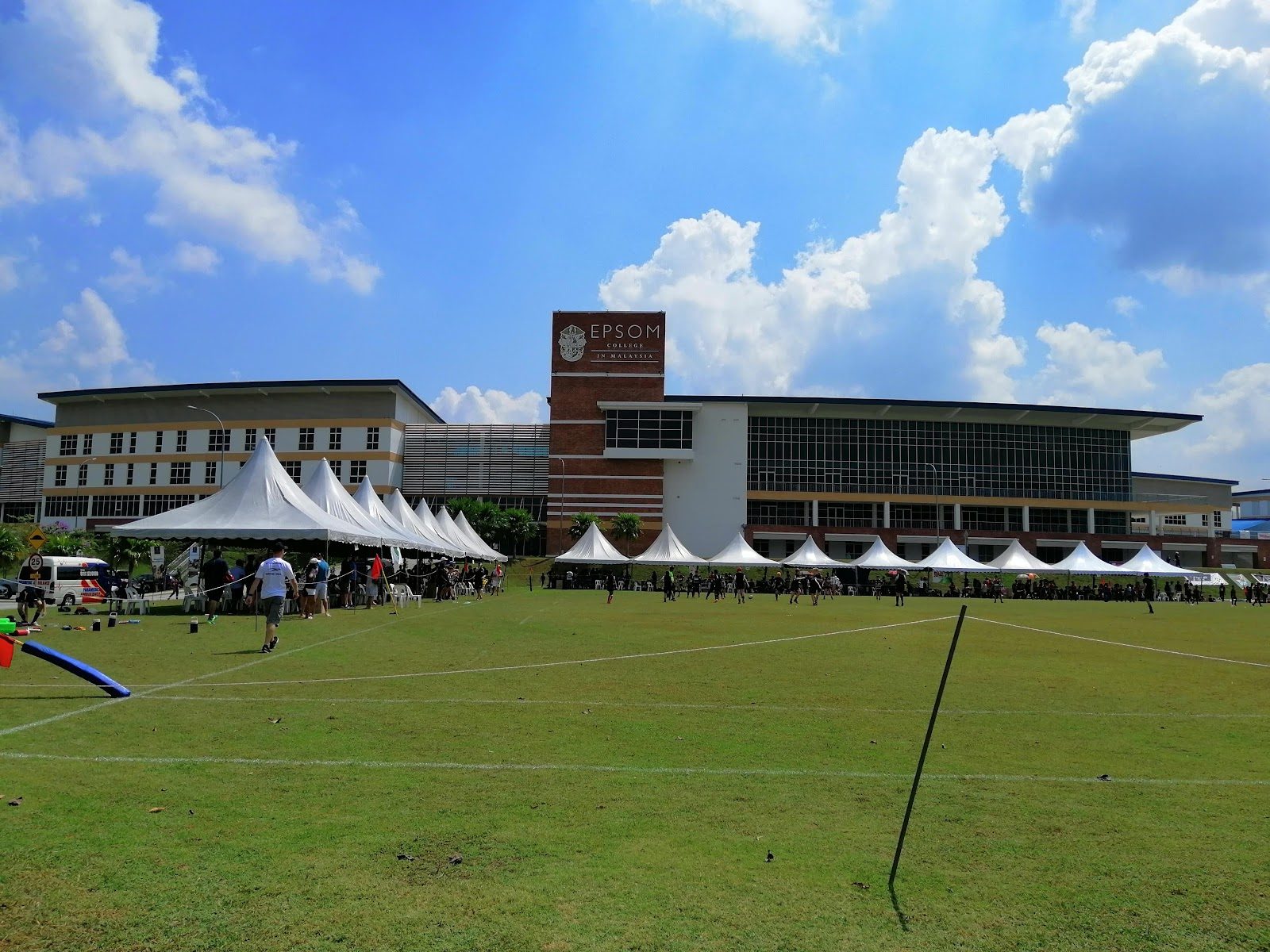
The lone Asian sister campus of a 170-year-old Surrey boarding school, its British house system anchors a 50-acre Negeri Sembilan estate.

Marlborough College Malaysia
Johor · Malaysia
Wiltshire's first overseas campus pairs British boarding houses with the IB on a 90-acre farm-and-lake site near Singapore.
Alice Smith School
Kuala Lumpur · Malaysia
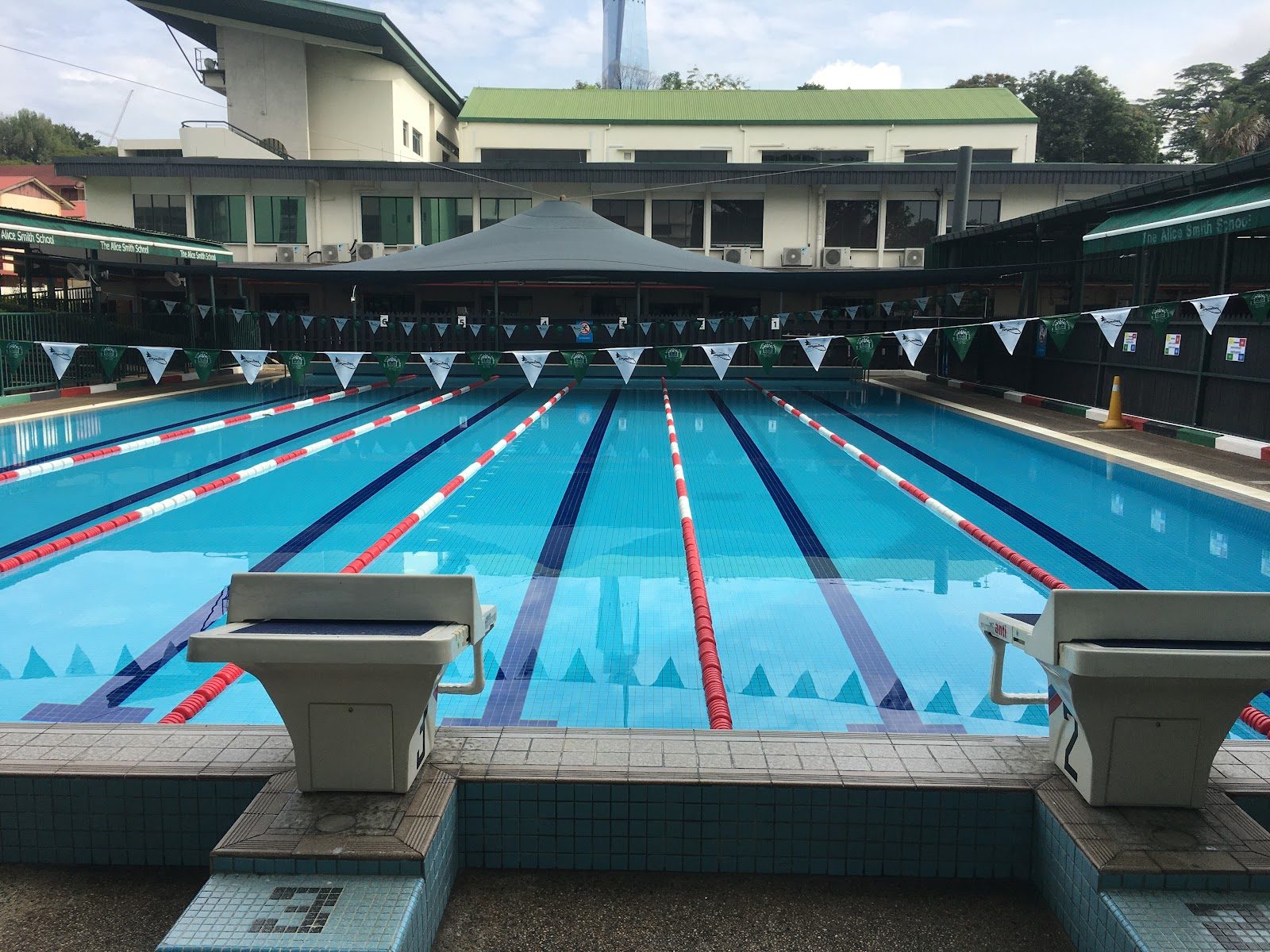
Malaysia's first British international school, still run not-for-profit, pairs A-Level rigour with an IAAF-certified running track.

Lyceum Alpinum Zuoz
Zuoz · Switzerland
At 1,750 metres in the Engadine, IB and Swiss Matura classes share the calendar with cricket on Europe's highest pitch, in play since 1922.
Same country and curriculum — closest matches within ±10 points either way