KwaZulu-Natal
Drakensberg Boys Choir School
Africa's only choir school pairs CAPS academics with daily choral training against the Drakensberg peaks.
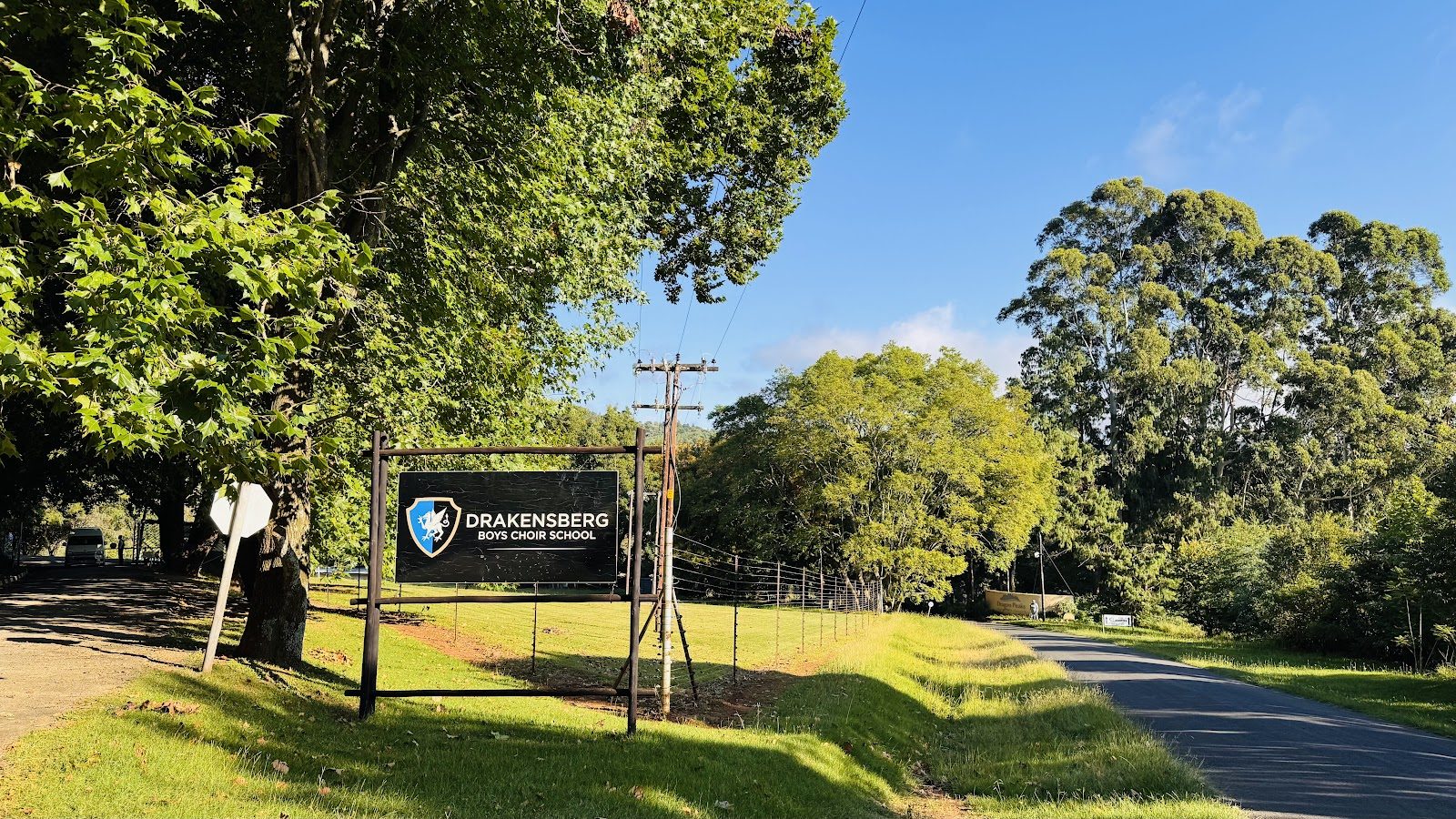
Photo © Ernest Mberi via Google Maps
Type
Boarding
Ages
9–14
Curriculum
South African National Curriculum (CAPS)
Ratio
—
The Verdict
Editor's commitment
Right for
Families with a musically gifted son aged roughly 9 to 13 who thrives in a structured, all-boys boarding environment and is excited by international performance opportunities.
Wrong for
Families seeking a co-educational setting, a day-school option, or a long-term secondary placement through to matric.
Watch out for
Enrollment is time-limited by nature, as boys typically must leave the school once their voice breaks, so parents need a clear plan for the next school transition.
Ranking breakdown
Drakensberg Boys Choir School · #1201 of 1591
Composite score 58.2. 8 weighted criteria.
By criterion
Academic Outcomes
Weight 20%
#1313
of 1529 scored
University Placement
Weight 16%
#1414
of 1529 scored
Prestige & Heritage
Weight 12%
#446
of 1571 scored
Alumni Network
Weight 12%
#1224
of 1530 scored
Facilities
Weight 12%
#1110
of 1533 scored
Transparency & Communications
Weight 8%
#1437
of 1532 scored
Peer & Industry Review
Weight 10%
#38
of 1548 scored
Admissions Selectivity & Demand
Weight 8%
#198
of 1529 scored
Peer & Industry Review
How Drakensberg Boys Choir School is regarded in the sector
82
Strong · medium confidence
As a specialist music institution rather than a matric-exam school, Drakensberg Boys Choir School is judged less on league tables and more on artistic reputation. Within South Africa's independent-school sector it is consistently named alongside KwaZulu-Natal's established boarding houses (Hilton College, Michaelhouse, St John's) as a respected ISASA member and a common feeder for boys moving into those senior schools at Grade 10, with several headmasters publicly citing its choristers' discipline and musicianship as an asset on arrival. Its profile rests heavily on performance history rather than academic press: the choir's invitations to sing for heads of state and at international venues, and its recorded collaborations, are frequently referenced in South African education and arts media (The Witness, Sunday Times, SABC) as evidence of the school's standing. Coverage in general guides (e.g. regional independent-school directories) treats it as a niche, highly specialised outlier rather than a conventional academic competitor, valued by peer institutions for the pipeline of well-rounded, musically trained boys it produces rather than for exam league placement.
Award
Elite Music 50
World's Top School · The Global Ranking
Drakensberg Boys Choir School is featured on our Global Top 50 ranking at #40. This seal is available for the school's marketing team to use on their website, prospectus and social channels.
Editors' overview
Drakensberg Boys Choir School sits on our Global Elite 50 Music Schools list because it is one of the world's few remaining full-time specialist boys' choir schools of genuine international choral standard, and — from a spectacular Champagne Valley campus in the Drakensberg mountains of KwaZulu-Natal — the only such school in the Southern Hemisphere. Founded in 1967, "the DBC" enrols approximately 130 boys aged 9–15 across South African Grades 4–9 in a full Integrated Specialist choral boarding programme.
The specialism is choral music, and the school's identity is unusually pure: every pupil is a member of the choir, the choir performs approximately 150 concerts each year (both in South Africa and on regular international tours), and the daily schedule integrates protected rehearsal time with an academic curriculum leading to the equivalent of South African Grade 9. Individual instrumental lessons — piano, all orchestral strings, brass, woodwind, percussion, guitar and organ — are available as second study, and the school's music theory and composition programmes are strong. Boys typically transition to a South African senior boys' school for Grades 10–12 while continuing their musical development.
Progression evidence is strong across a rare pipeline. Drakensberg Boys Choir alumni have populated the professional choirs of Westminster Abbey, King's College Cambridge, Trinity College Cambridge and St John's College Cambridge; several have taken major Oxbridge choral awards. On the instrumental side, alumni progression into the University of Cape Town South African College of Music and international senior conservatoires (including the Royal Academy of Music and the Royal College of Music) is well established, and the school has produced multiple current professional South African orchestral players.
International openness is genuine, though the primary market is southern African. Approximately 15–20% of pupils in a typical year are non-South African, with a strong feeder pipeline from Zimbabwe, Zambia, Botswana, Namibia and — in smaller numbers — the UK, mainland Europe and Australasia. English is the language of instruction. Fees for full boarding sit around ZAR 220,000–250,000 per year, making the school one of the highest value-for-money specialist music schools on the entire Elite Music 50.
A Global Elite 50 Music school
Drakensberg Boys Choir School sits in Tier 3, Band 31-50, of the Global Elite 50 Music Schools because it is one of the world's few remaining full-time specialist boys' choir schools of genuine international choral standard, and — from a spectacular Champagne Valley campus in the Drakensberg mountains of KwaZulu-Natal — the only such school in the Southern Hemisphere. Founded in 1967, "the DBC" enrols approximately 130 boys aged 9-15 across South African Grades 4-9 in a full Integrated Specialist choral boarding programme.
Its specialism is choral music, and the school's identity is unusually pure: every pupil is a member of the choir, the choir performs approximately 150 concerts each year (both in South Africa and on regular international tours), and the daily schedule integrates protected rehearsal time with an academic curriculum leading to the equivalent of South African Grade 9. Individual instrumental lessons — piano, all orchestral strings, brass, woodwind, percussion, guitar and organ — are available as second study, and composition is a strong secondary programme.
Progression evidence is strong across a rare pipeline. DBC alumni have populated the professional choirs of Westminster Abbey, King's College Cambridge, Trinity College Cambridge and St John's College Cambridge; several have taken major Oxbridge choral awards. On the instrumental side, alumni progression into the University of Cape Town South African College of Music and international senior conservatoires (including the Royal Academy of Music and the Royal College of Music) is well established. Boys typically transition to a South African senior boys' school for Grades 10-12 while continuing their musical development.
International openness is genuine, though the primary market is southern African. Approximately 15-20% of pupils in a typical year are non-South African, with a strong feeder pipeline from Zimbabwe, Zambia, Botswana, Namibia and — in smaller numbers — the UK, mainland Europe and Australasia. English is the language of instruction. Fees for full boarding sit around ZAR 220,000-250,000 per year, making DBC one of the highest value-for-money specialist music schools on the entire Elite Music 50.
Academic Performance
The school delivers South Africa's IEB National Senior Certificate curriculum, with boys studying core subjects alongside intensive music training. Matric pass rates are generally solid but not publicized with the granularity seen at large day schools, and subject offerings are narrower given the small student body of around 130 boys. The academic program exists partly to support choristers through to matric after their treble voices change, so its structure prioritizes flexibility around touring schedules over breadth of subject choice or advanced academic tracks. There is no strong record of olympiad wins, published university entrance statistics, or specialized STEM/humanities electives comparable to major academic institutions. The school's academic identity is functional rather than flagship, designed to complement rather than compete with its central choral mission, making it reasonable but modest when judged purely on academic outcomes against the full spectrum of global secondary schools.
Facilities
Facilities center on the school's choral mission: dedicated rehearsal and performance spaces, recording capability, and a choir hall suited to daily practice and visiting audiences. Boarding houses accommodate the full student body, supported by dining halls, sports fields, and outdoor recreational space befitting the scenic Drakensberg setting. Sporting facilities are present but modest in scale, oriented toward general fitness and team activities rather than elite athletic development. Science and technology infrastructure is limited relative to large day schools, reflecting the institution's small size and specialist focus. The natural setting itself functions as an asset, offering hiking, outdoor education and a distinctive boarding culture, but overall physical infrastructure is proportionate to a niche specialist school rather than a comprehensive, well-resourced academic campus.
Within the choral and classical music world, it holds substantial prestige, often mentioned alongside leading European and American boys' choirs
Prestige
Founded in 1967, the school has achieved a level of international recognition disproportionate to its size, largely through decades of global touring, broadcast appearances, and recordings that have brought the choir before popes, presidents and royal audiences. Within the choral and classical music world, it holds substantial prestige, often mentioned alongside leading European and American boys' choirs. However, in the broader landscape of global secondary education, it lacks the historical academic lineage, size, or university placement record that defines prestige among elite day and boarding schools. Its standing is therefore highly specialism-specific: extremely prestigious as a music institution, more modest as a general academic entity, a duality central to understanding its place in any cross-sector ranking.
Founded in 1967, "the DBC" enrols approximately 130 boys aged 9–15 across South African Grades 4–9 in a full Integrated Specialist choral boarding programme
Communications
Public communication is centered on the school's official website and social/media channels documenting choir tours, concert schedules, and recordings, which serve as the primary window into school life for prospective families and the public. Detailed academic reporting, governance disclosures, and fee transparency are less developed than at large international schools, with most published material oriented toward showcasing musical achievements rather than comprehensive institutional data. Prospective parents typically engage through audition processes and direct correspondence rather than extensive published prospectuses or data-rich annual reports. This communication style suits a small, tightly-knit specialist community but falls short of the transparency standards expected from major global academic institutions being benchmarked internationally.
Uniqueness
The school's defining distinction is its singular model: a full-time academic boarding school built entirely around a boys' treble choir, where musical audition, not just academic merit, determines admission. Few institutions worldwide combine rigorous daily choral training, extensive international touring, and standard secondary academics in one integrated program for boys aged roughly 9 to 18. Its rural Drakensberg setting, small scale, and focus on preserving unbroken treble voices before transitioning boys into broader schooling create an unusual educational rhythm unlike any large day or boarding school. This tightly focused, performance-driven identity, paired with global touring exposure most schoolchildren never receive, is what sets Drakensberg Boys Choir School apart from both academic-focused peers and other specialist arts schools.
Boys typically transition to a South African senior boys' school for Grades 10–12 while continuing their musical development
Student Profile
Students are boys drawn primarily from South Africa, admitted through a combination of vocal audition and academic assessment, typically joining between ages 9 and 13. The community is small and intensely focused on musical excellence, with daily choral rehearsal integrated into the standard school timetable and frequent international touring shaping the student experience. Boarding life fosters a close-knit, disciplined culture centered around musicianship, teamwork, and performance under global scrutiny. Backgrounds vary across South African socioeconomic and regional lines, with some scholarship support extending access beyond wealthier families. The specialism intensity is very high, choir rehearsal and touring commitments are central rather than supplementary to school life, distinguishing the student experience sharply from that of conventional academic-first secondary schools.
International openness is genuine, though the primary market is southern African
Co-curricular strengths
Arts & sport, on a separate axis
Overall 10/10
Scored 0-10 from the school's own published evidence. This axis is editorial-only — it does not feed the main WTS ranking.
Sports
—
Drama
—
Dance
—
Music
10/10
Visual Arts
—
Strengths
- +Every boy in the school sings in the world-renowned choir, which tours internationally and has performed for heads of state and at major venues abroad.
- +Small, tightly-knit boarding community of roughly 100 boys allows close staff attention across both academic and musical programmes.
- +Full CAPS academic curriculum is maintained alongside daily choral training, so boys do not sacrifice mainstream schooling for music.
- +Set in the Drakensberg mountains, the campus offers extensive outdoor space and a distinctive, low-distraction rural environment for boarders.
Considerations
- −Single-sex, boys-only environment with no co-educational option, which will not suit every family's preferences.
- −Boarding-only model with no day-scholar option, requiring full relocation of the child regardless of family's local proximity.
- −Enrollment is inherently short-term: boys typically leave once their voices break, usually by around age 14-15, requiring a further school transition.
- −Remote location away from major KwaZulu-Natal towns limits easy access to city amenities and increases travel logistics for visiting families.
Gallery
Photo © Mbusi Makhanya via Google Maps
Photo © Thys Bothma via Google Maps
Photo © Drakensberg Boys Choir School via Google Maps
Photo © Paul Lloyd via Google Maps
Photo © Charles Pienaar via Google Maps
Photo © Andreas Hundt via Google Maps
Photo © Andreas Hundt via Google Maps
Parent reviews
Have you sent your child here?
Voice reviews carry the strongest trust badge — we transcribe them for you to tidy up before they go live. Prefer to type? A written review is fine too.
Add your voice
In 60 seconds, tell other parents: what's the best thing about Drakensberg Boys Choir School, and what surprised you when your child joined?
We ask for a Google sign-in so every review has a real face behind it — no anonymous drive-by attacks on schools, and no faked positive reviews. Your email is never shown publicly.
Send this profile to a friend
International parents rely on word-of-mouth. Share this review with someone weighing the same decision.
Schools with places
Similar schools to Drakensberg Boys Choir School with places available now.
Availability first, then country, area, curriculum, price, co-curricular
Consider also
Also worth looking at alongside Drakensberg Boys Choir School.
The Purcell School for Young Musicians
Bushey, Hertfordshire · United Kingdom
Britain's oldest specialist music school, home to the first Fazioli Pianoforti Centre of Excellence and talent-blind admissions.
Wells Cathedral School
Wells, Somerset · United Kingdom
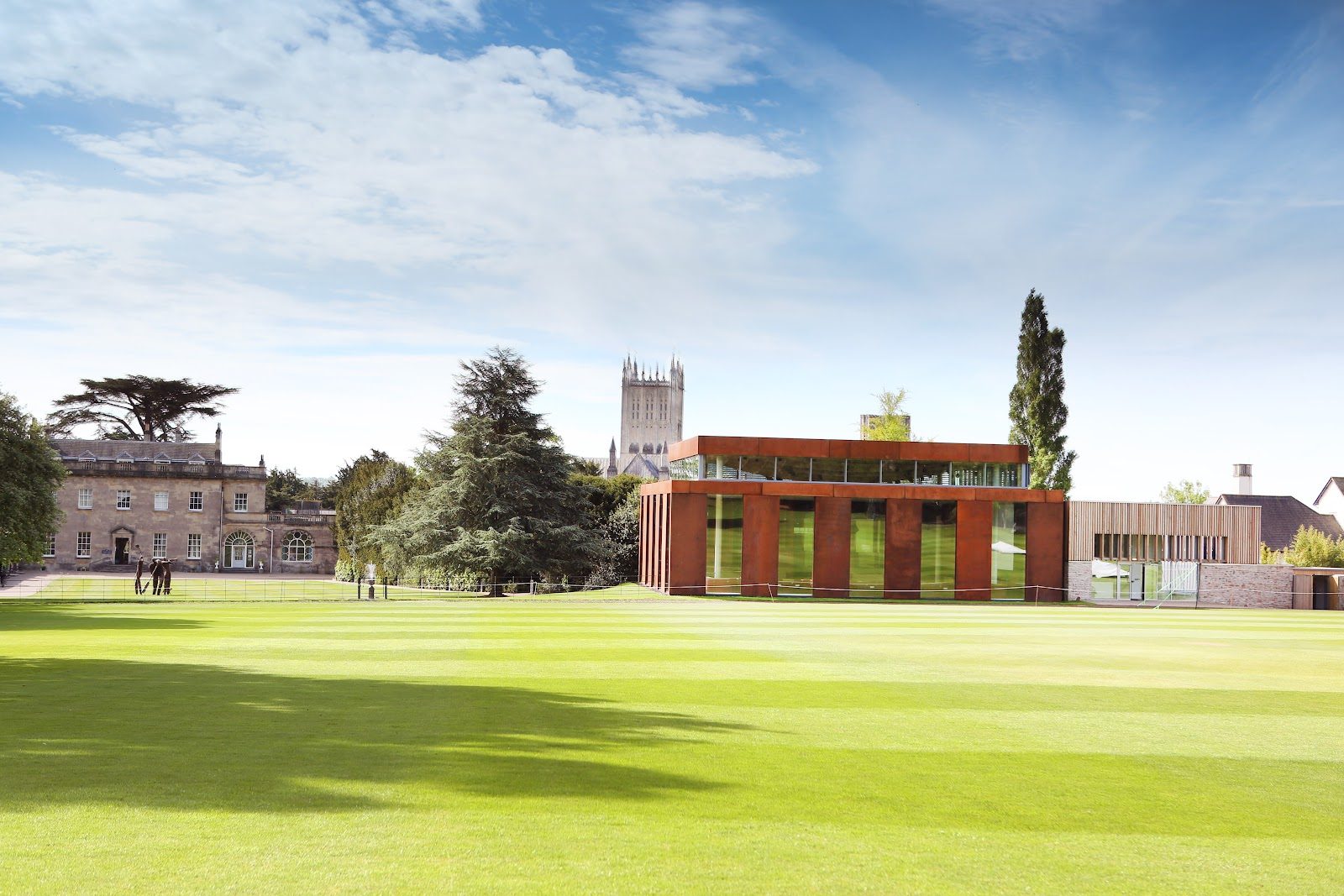
A thousand years of choral tradition anchors one of Britain's five specialist music schools, tucked beside a medieval cathedral close.
St Mary's Music School
Edinburgh · United Kingdom
Scotland's only full-time specialist music school, splitting each day between instrumental training and academic study for pupils aged 9 to 19.
Idyllwild Arts Academy
Idyllwild, CA · United States
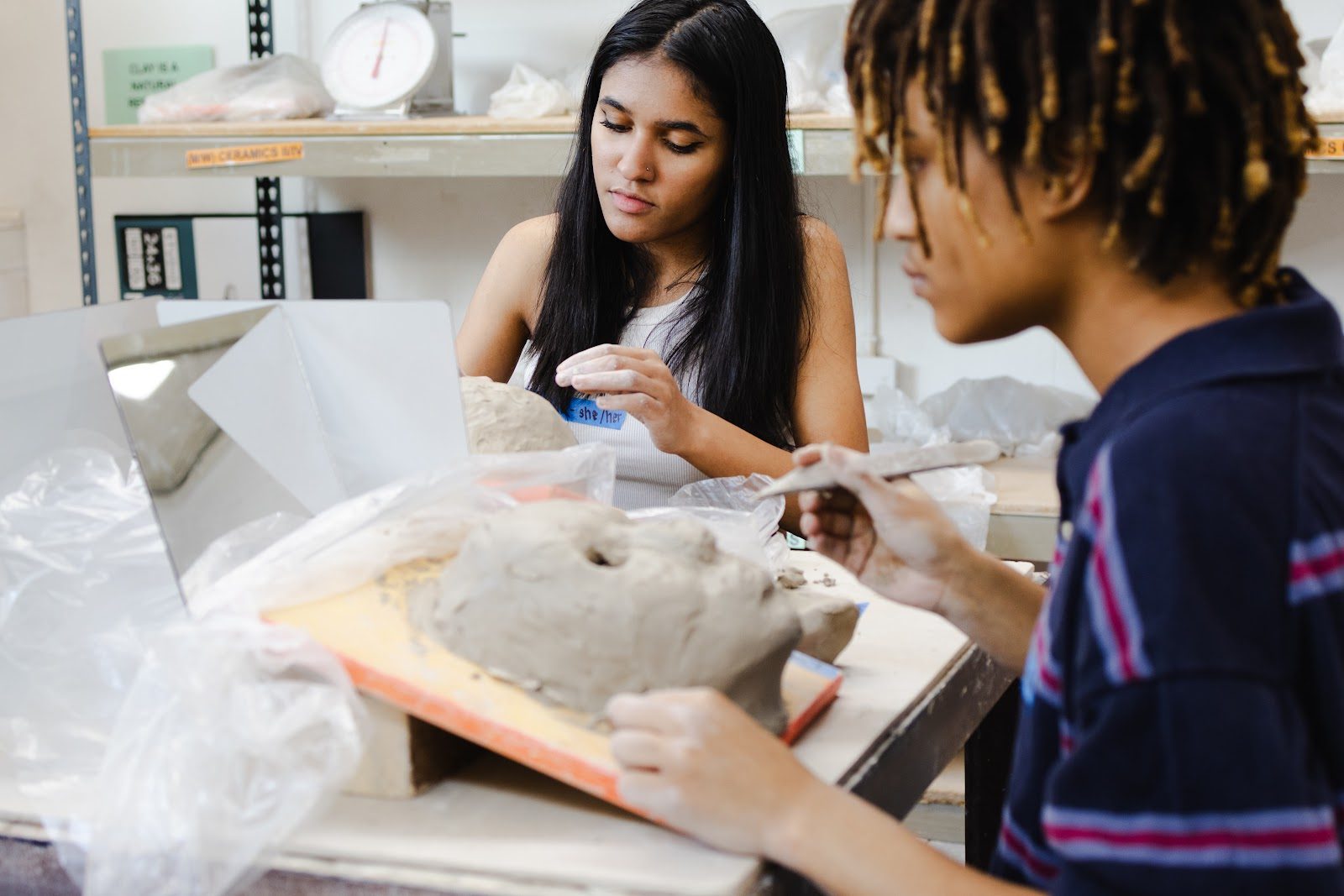
A mile-high pine forest campus houses the West Coast's only boarding arts high school, pairing conservatory training with college-prep rigor.
Same specialism, country and curriculum — closest matches within ±10 points either way