
City of Edinburgh
St Mary's Music School
Scotland's only full-time specialist music school, splitting each day between instrumental training and academic study for pupils aged 9 to 19.
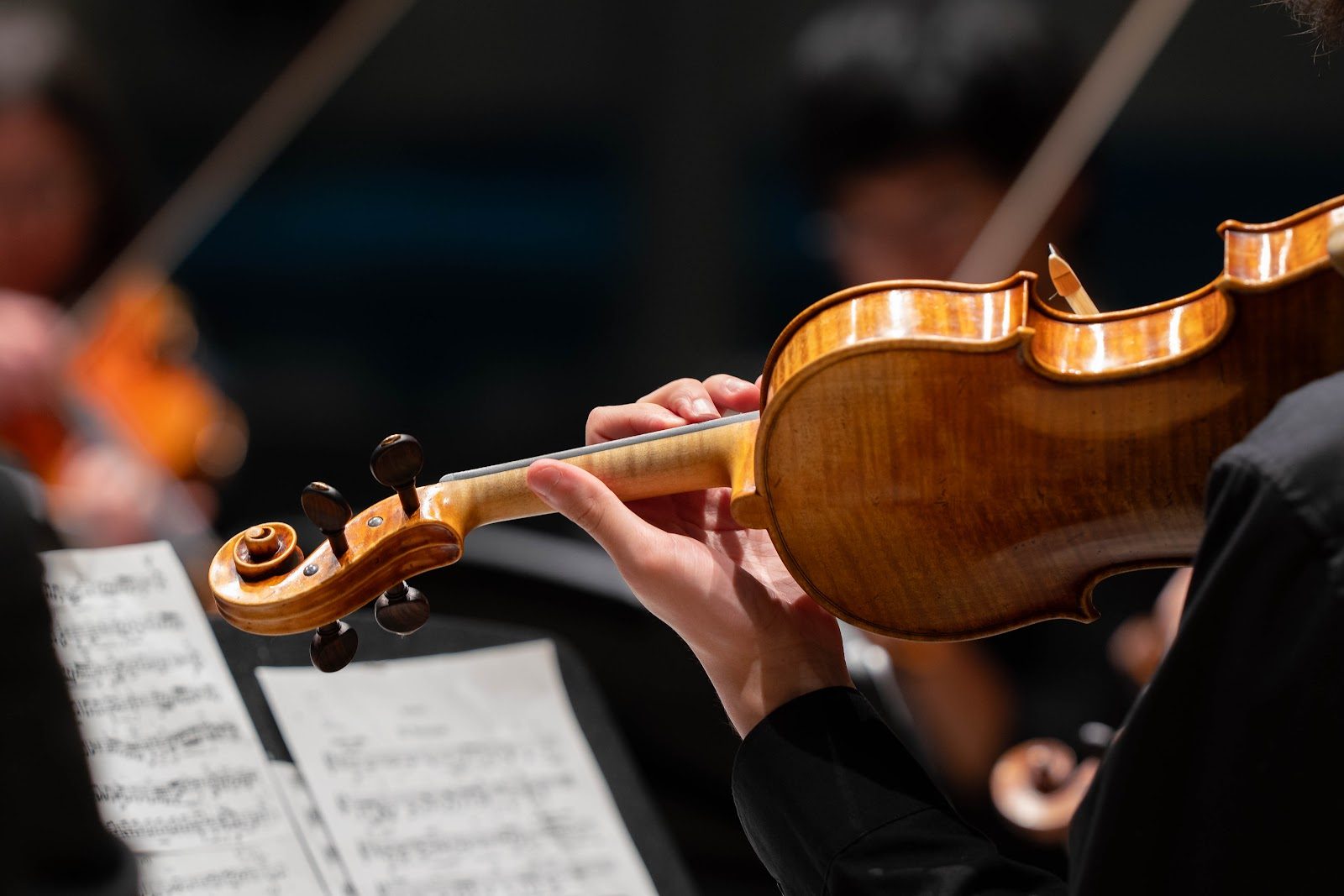
Photo © St Mary's Music School via Google Maps
Type
Day + Boarding
Ages
9–19
Curriculum
National 5 · Higher · Advanced Higher
Ratio
—
The Verdict
Editor's commitment
Right for
Musicians aged 9–19 who want serious training in Scotland's only full-time specialist music school, with National 5, Higher and Advanced Higher.
Wrong for
Families wanting a conventional all-round school miss the point: 64 pupils in 2023 means a tiny, specialist community built around music.
Watch out for
Fees are steep at £20,000 day and £32,000 boarding, and Education Scotland plus Care Inspectorate accreditation says nothing about conservatoire outcomes.
Ranking breakdown
St Mary's Music School · #635 of 1591
Composite score 68.7. 8 weighted criteria.
By criterion
Academic Outcomes
Weight 20%
#1001
of 1529 scored
University Placement
Weight 16%
#1089
of 1529 scored
Prestige & Heritage
Weight 12%
#308
of 1571 scored
Alumni Network
Weight 12%
#590
of 1530 scored
Facilities
Weight 12%
#1100
of 1533 scored
Transparency & Communications
Weight 8%
#456
of 1532 scored
Peer & Industry Review
Weight 10%
#13
of 1548 scored
Admissions Selectivity & Demand
Weight 8%
#153
of 1529 scored
Peer & Industry Review
How St Mary's Music School is regarded in the sector
89
Strong · medium confidence
Among the UK's five state-funded specialist music schools (with Chetham's, Purcell, Wells Cathedral and Yehudi Menuhin), St Mary's is consistently grouped as a peer institution rather than a competitor to mainstream independents, reflecting its niche Music and Dance Scheme status under the DfE/Scottish Government funding model. Conservatoires and university admissions tutors at the Royal Conservatoire of Scotland, Royal Academy of Music, Royal College of Music and Guildhall regularly recruit direct from its sixth form, and Oxbridge colleges have taken organ and choral scholars from the school, evidence of strong pre-conservatoire preparation. Its most cited alumna, violinist Nicola Benedetti, is frequently referenced in press profiles as validating the school's training model. The Good Schools Guide entry highlights the intensity and quality of instrumental teaching and close partnership with the Edinburgh International Festival, while Scottish broadsheets (The Scotsman, The Herald) cover its concerts and festival collaborations rather than treating it as a mainstream league-table competitor, underscoring its recognised, specialist reputation within UK music education circles rather than broad academic prestige.
Award
Elite Music 50
World's Top School · The Global Ranking
St Mary's Music School is featured on our Global Top 50 ranking at #20. This seal is available for the school's marketing team to use on their website, prospectus and social channels.
- Nicola Benedetti — Violinist, Classical Music
- Steven Osborne — Pianist, Classical Music
- Colin Currie — Percussionist, Classical Music
Editors' overview
St Mary’s Music School occupies a narrow and important niche: it is Scotland’s only full-time specialist music school, taking gifted young musicians from age 9 to 19 and splitting the day between conservatoire-track musical training and a conventional academic programme. In a market crowded with schools that talk about “strong music”, this one is built around music from the start. It is also the choir school of St Mary’s Episcopal Cathedral, which gives choral musicians a direct liturgical and performance context rather than an occasional extracurricular outlet. With just 64 pupils recorded in 2023, the scale is intimate, selective and unmistakably specialist.
For the right child, that focus is the whole point. St Mary’s suits serious instrumentalists, pianists, string players, composers and choristers who need expert tuition embedded into the school day, not bolted on after lessons. The academic side follows National 5, Higher and Advanced Higher, so families are not trading away formal qualifications for artistic immersion. The attraction is musical intensity, disciplined craft and daily immersion among peers who share the same priorities. The trade-off is clear too: this is not a broad all-round independent school with a large sports offer, a vast subject menu or the social scale of a conventional senior school. It is a purpose-built environment for students whose central ambition is music.
That makes St Mary’s a strong shortlist school for families who have already identified a child’s musical vocation and want training to shape the structure of daily life. Boarding at £32,000 a year and day places at £20,000 place it in expensive territory, but the proposition is more precise than at a standard fee-paying school with a good music department. Parents are paying for a rare educational model: specialist provision, small numbers and a peer group selected for talent. Students who thrive here will value rigour, individual practice, performance discipline and close artistic community. Students who want a conventional teenage school experience first, with music as one strength among many, need a different setting.
A Global Elite 50 Music school
St Mary's Music School sits in Tier 2, Band 11-30, of the Global Elite 50 Music Schools because, from a compact Edinburgh campus of fewer than 80 pupils, it is one of the most concentrated per-capita specialist music schools in the United Kingdom and Scotland's national music school — one of five Government-supported specialist music schools in the UK and the only one of its kind in Scotland. Founded in 1880 as the choir school for St Mary's Episcopal Cathedral and re-launched as a specialist music school in 1972, it retains its cathedral choral heritage while operating a full integrated specialist secondary programme leading to National 5, Higher and Advanced Higher qualifications.
Its specialisms span instrumental performance, composition and choral music. Instrumental study covers piano, all orchestral strings, brass, woodwind and percussion at senior-conservatoire preparation standard, and composition is unusually strong for a school of this size — producing BBC Young Composer finalists. The choral programme, rooted in the cathedral choir tradition, produces choristers who progress into Oxbridge choral scholarships and cathedral choir professional appointments.
Progression evidence is dense. St Mary's leavers routinely matriculate into the Royal Conservatoire of Scotland, the Royal Academy of Music, the Royal College of Music, the Guildhall, Juilliard, Curtis and the New England Conservatory. Alumni across generations include Nicola Benedetti (junior years) and Sean Shibe, alongside a rolling roster of current UK soloists and BBC Young Musician finalists in strings, piano and voice.
International openness is high for a small Scottish specialist school, with strong feeder interest from mainland Europe, East Asia and North America. Boarding is a genuine part of the offer, with around a third of pupils boarding in Coates Hall; the school charges annual fees of £20,000 for day places and £32,000 for boarding, meaningfully below the equivalent English specialist music schools while producing broadly comparable conservatoire matriculation. Admission is audition-only: recorded first-round auditions can be submitted from anywhere in the world, with recall auditions held on campus in Edinburgh.
Academic Performance
Academic performance here needs reading through the school’s purpose. This is not a volume operation chasing league-table heft across a wide sixth form; it is a tiny specialist institution whose central task is to keep serious young musicians on track academically while devoting a large share of the week to performance and practice. In that context, the key question is not whether St Mary’s can mimic the output profile of Scotland’s biggest academically selective independents. It cannot, and that is not the brief. The real test is whether pupils secure solid external results alongside intensive musical training. The school does not publish aggregate National 5, Higher or Advanced Higher outcomes in the public domain, which makes hard comparison with direct peers frustratingly opaque.
That lack of published headline data places St Mary’s at a disadvantage in any strict results-based ranking. Parents who want clean tables, subject-by-subject pass rates and top-grade percentages will not get them here. What the school offers instead is a highly specialised bargain: academic qualifications running in parallel with pre-professional music education. For families choosing between St Mary’s and a conventional independent school with a strong music department, the academic proposition rests less on brag-sheet metrics and more on fit, discipline and whether a young musician can sustain exam performance inside an exacting artistic routine. That is a demanding trade-off, and one the school needs to explain with more statistical clarity.
Facilities
Facilities here start with the obvious priority: music. At a school this small and this specialised, parents are not buying a grand campus with a sports complex, theatre wing and acres of playing fields. They are buying access to a purpose-built musical environment in which practice, tuition and performance sit at the centre of the day. The cathedral link matters in practical terms as well as symbolic ones, giving choristers a working performance setting rather than a token school chapel. That places St Mary’s closer in spirit to a junior conservatoire with academics attached than to a conventional independent school with a strong music department. For serious young musicians, that focus is the whole competitive edge. For families judging schools by labs, pitches and scale, it is a deliberately narrow offer.
Against specialist peers, that concentration is the strength and the limitation. Dedicated music schools live or die by teaching rooms, rehearsal culture, instrument support, accompanist access, ensemble opportunities and acoustic standards. Those are the facilities that matter here. The school does not publish a detailed public inventory of studios, performance spaces or wider campus provision, which leaves parents without the hard checklist many specialist schools now provide. That opacity is a weakness. Still, with only 64 pupils, St Mary’s has one advantage larger schools struggle to replicate: intensity of use. Space and staff are organised around musicians, not shared reluctantly with them after the academic day ends.
Parents who want clean tables, subject-by-subject pass rates and top-grade percentages will not get them here
Prestige
St Mary’s carries real prestige within a narrow, exacting field. In mainstream independent-school terms, it does not trade on scale, grand facilities or public exam tables. Its status comes from scarcity and purpose: this is the country’s only full-time specialist music school, with a pupil body of just 64. That makes admission a marker of musical promise rather than simple fee-paying access. The link to St Mary’s Episcopal Cathedral also matters. For choristers, that gives the school a working performance tradition, not a decorative chapel affiliation. Among musicians, teachers and families who understand pre-professional training, that combination confers serious specialist credibility.
I rate its prestige as high within music, limited outside it. That distinction matters. A child aiming for elite conservatoire-level development will draw more value from the name than a child chasing broad social cachet or conventional academic prestige. The school’s reputation rests on artistic rigour, selective entry and the intensity of daily training, not on the status signals that dominate the wider private-school market. It is also small enough that prestige here feels earned rather than inherited: pupils are there because they can do the work. For the right applicant, that is a powerful kind of distinction. For families who want a famous all-round school first and specialist music second, it is not the strongest badge.
In a market crowded with schools that talk about “strong music”, this one is built around music from the start
Communications
Parent communication looks functional rather than expansive. The school serves a highly specialised cohort and a very small pupil body, which gives it one major advantage: staff do not need to rely on mass-market systems or generic messaging to keep families informed. In a setting of only 64 pupils, direct contact carries more weight than polished parent-facing infrastructure. That can work well when teachers and families know each other and when issues around practice, performance schedules, academic load and pastoral pressure need fast, personal exchange rather than template emails. The school website states the core proposition clearly enough, but it does not offer the level of public operational detail that many fee-paying schools now treat as standard. That leaves the external communications picture lean and, at points, too opaque.
That matters because specialist music education generates more moving parts than an ordinary school week: rehearsals, instrumental tuition, cathedral commitments for choristers, performances and the strain of balancing artistic and academic demands. Parents need communication that is precise, timely and unsentimental. St Mary’s has the scale to do that well, and families who value human access over slick platforms may find the model reassuringly direct. Still, the public-facing side lacks depth. There is no strong published evidence of a sophisticated communications system, extensive parent information architecture or unusual transparency. My read: effective at the individual level, less strong at the institutional one.
Uniqueness
What marks St Mary’s out is not “good music provision” but total structural commitment. This is a school built for children whose main work is music, with academic study arranged around that fact rather than squeezed in beside it. In British schooling, that is exceptionally rare. In Scotland, it is unique. The cathedral link sharpens that identity further: for choristers, performance is tied to a living liturgical tradition, regular discipline and public standards, not an occasional concert calendar. The result is a school culture that treats practice, rehearsal, listening and technical improvement as the normal texture of the day. For the right student, that creates a serious artistic apprenticeship early in life.
That distinctiveness brings clear gains. Pupils work among peers who understand the demands of scales, repertoire, auditions and repetition; musical ambition is normalised rather than indulged. In a school with only 64 pupils, that also means less anonymity and more constant accountability. Teachers can know not just who a child is, but how they practise, where they stall and how they perform under pressure. The benefit is focused development, professional habits and a peer group selected for talent and commitment. The cost is obvious too: this is a narrow world. Students who want a broad, conventional school experience, with music kept in proportion to everything else, will find the atmosphere too exacting.
With just 64 pupils recorded in 2023, the scale is intimate, selective and unmistakably specialist
Student Profile
The pupils who fit St Mary’s are young musicians first and schoolchildren second. That does not mean narrow personalities; it means clear priorities. The right child is willing to practise daily, accept correction without drama and live inside a timetable shaped by repertoire, rehearsal and performance. Self-discipline matters more here than swagger. So does stamina. A student who needs constant variety, a large social scene or the protective anonymity of a big school will feel hemmed in fast. A child with serious musical intent, patience for repetition and tolerance for exacting standards will find peers who treat that life as normal. The age span, from 9 to 19, also means pupils need to be comfortable in a small, vertically mixed community rather than a conventional year-group culture.
There is also a social point worth making plainly. This is an expensive school, but the intake is not framed as a finishing-school crowd; the school states that pupils come from many different backgrounds and from across Scotland, the rest of the UK and abroad. The unifying factor is talent, not polish. That makes St Mary’s a strong fit for gifted instrumentalists, pianists, string players, composers and choristers who want pre-professional seriousness without giving up academic study. It is a weak fit for children who like music very much but want it kept in proportion to sport, scale and a broader teenage experience. This is a specialist tribe, demanding and not for the half-committed.
The academic side follows National 5, Higher and Advanced Higher, so families are not trading away formal qualifications for artistic immersion
Co-curricular strengths
Arts & sport, on a separate axis
Overall 6.26/10
Scored 0-10 from the school's own published evidence. This axis is editorial-only — it does not feed the main WTS ranking.
Sports
4.5/10
Drama
6.5/10
Dance
4.5/10
Music
9.8/10
Visual Arts
6/10
Strengths
- +Scotland's national specialist music school, offering daily one-to-one instrumental tuition alongside National 5, Higher and Advanced Higher study.
- +Small pupil roll allows a high staff-to-pupil ratio and close mentoring relationships between musicians and teachers.
- +Government-supported specialist status means-tests fees for eligible pupils, widening access beyond families able to pay full cost.
- +Boarding is available in Coates Hall, where around a third of pupils board in en-suite accommodation with access to practice rooms before and after school.
- +Alumni include violinist Nicola Benedetti, evidencing a track record of producing musicians who progress to professional careers.
Considerations
- −Admission is restricted to children who already demonstrate advanced musical ability, making it unsuitable as a general academic or all-round school.
- −Small size limits the breadth of subject options, clubs and sports facilities compared with larger day or boarding schools.
- −Means-tested funded places prioritise UK-domiciled pupils, so overseas families should expect to pay the full fee.
- −As a single urban site in central Edinburgh, the school lacks the playing fields and outdoor space typical of rural boarding schools.
Gallery
Photo © St Mary's Music School via Google Maps
Photo © St Mary's Music School via Google Maps
Photo © St Mary's Music School via Google Maps
Photo © St Mary's Music School via Google Maps
Photo © St Mary's Music School via Google Maps
Photo © St Mary's Music School via Google Maps
Photo © St Mary's Music School via Google Maps
Parent reviews
Have you sent your child here?
Voice reviews carry the strongest trust badge — we transcribe them for you to tidy up before they go live. Prefer to type? A written review is fine too.
Add your voice
In 60 seconds, tell other parents: what's the best thing about St Mary's Music School, and what surprised you when your child joined?
We ask for a Google sign-in so every review has a real face behind it — no anonymous drive-by attacks on schools, and no faked positive reviews. Your email is never shown publicly.
Send this profile to a friend
International parents rely on word-of-mouth. Share this review with someone weighing the same decision.
Schools with places
Similar schools to St Mary's Music School with places available now.
Availability first, then country, area, curriculum, price, co-curricular
Consider also
Also worth looking at alongside St Mary's Music School.
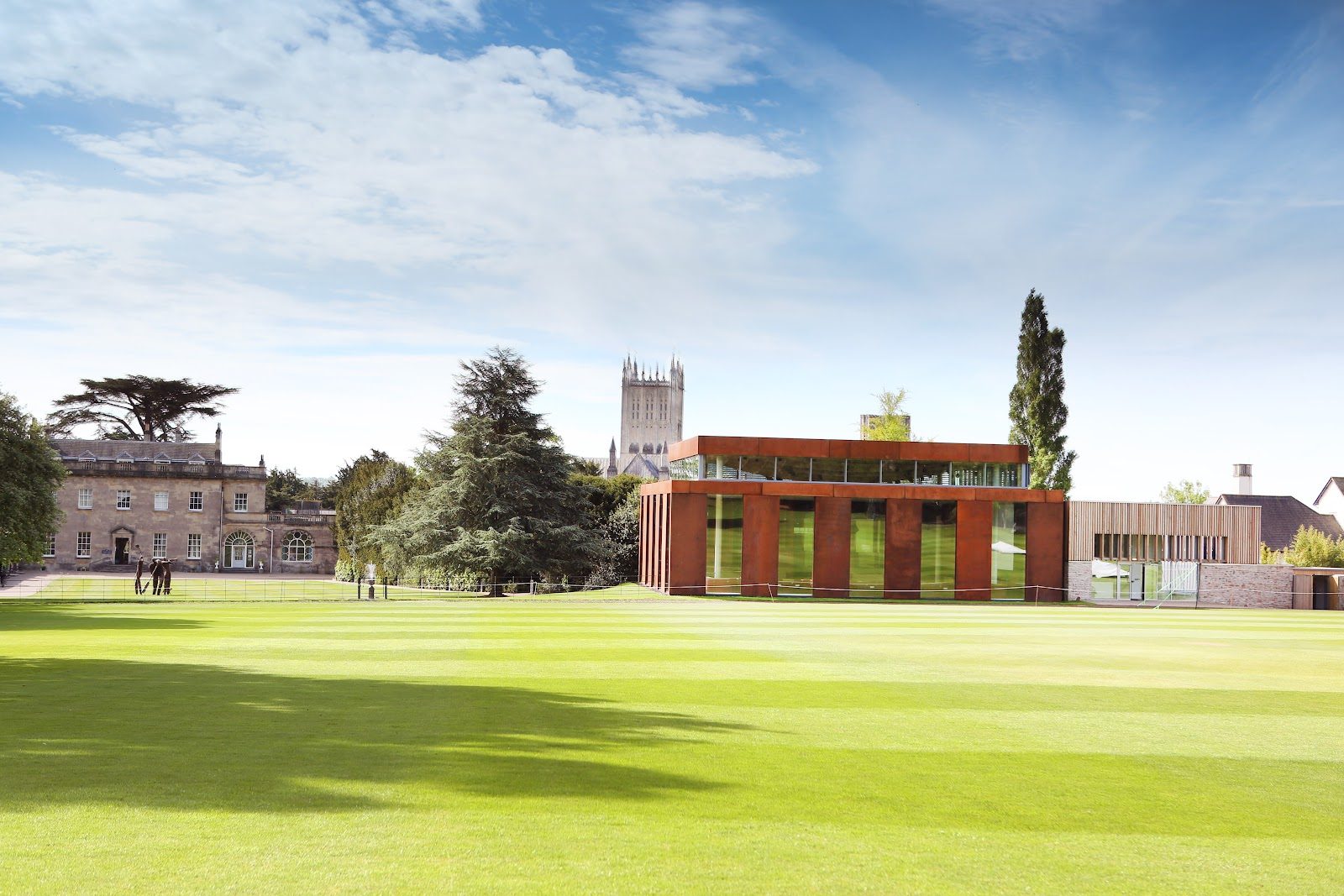
Wells Cathedral School
Wells, Somerset · United Kingdom
A thousand years of choral tradition anchors one of Britain's five specialist music schools, tucked beside a medieval cathedral close.
The Purcell School for Young Musicians
Bushey, Hertfordshire · United Kingdom
Britain's oldest specialist music school, home to the first Fazioli Pianoforti Centre of Excellence and talent-blind admissions.
The Yehudi Menuhin School
Stoke d'Abernon, Surrey · United Kingdom
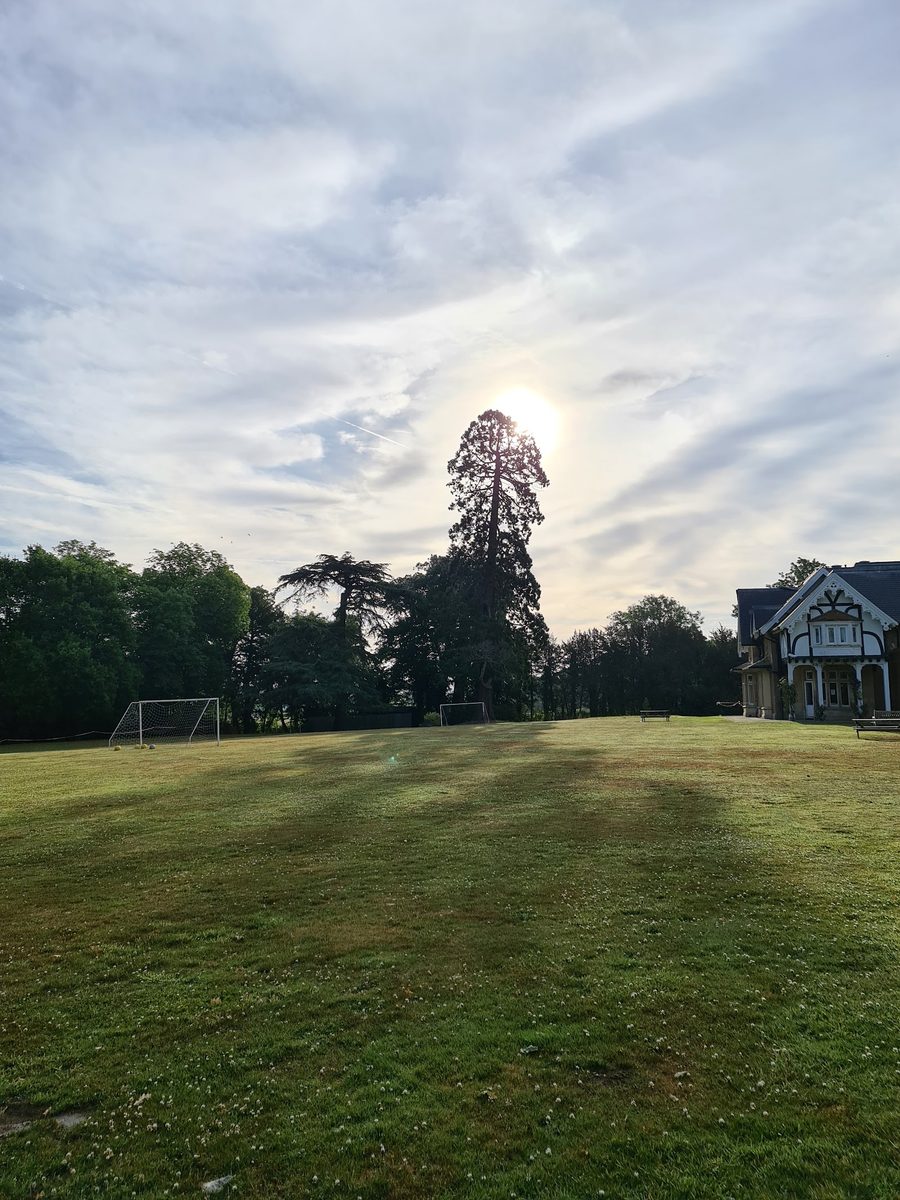
Set in Surrey woodland, this specialist conservatoire trains string, piano and guitar prodigies, sending most graduates straight into music careers.
Colburn Music Academy
Los Angeles, CA · United States
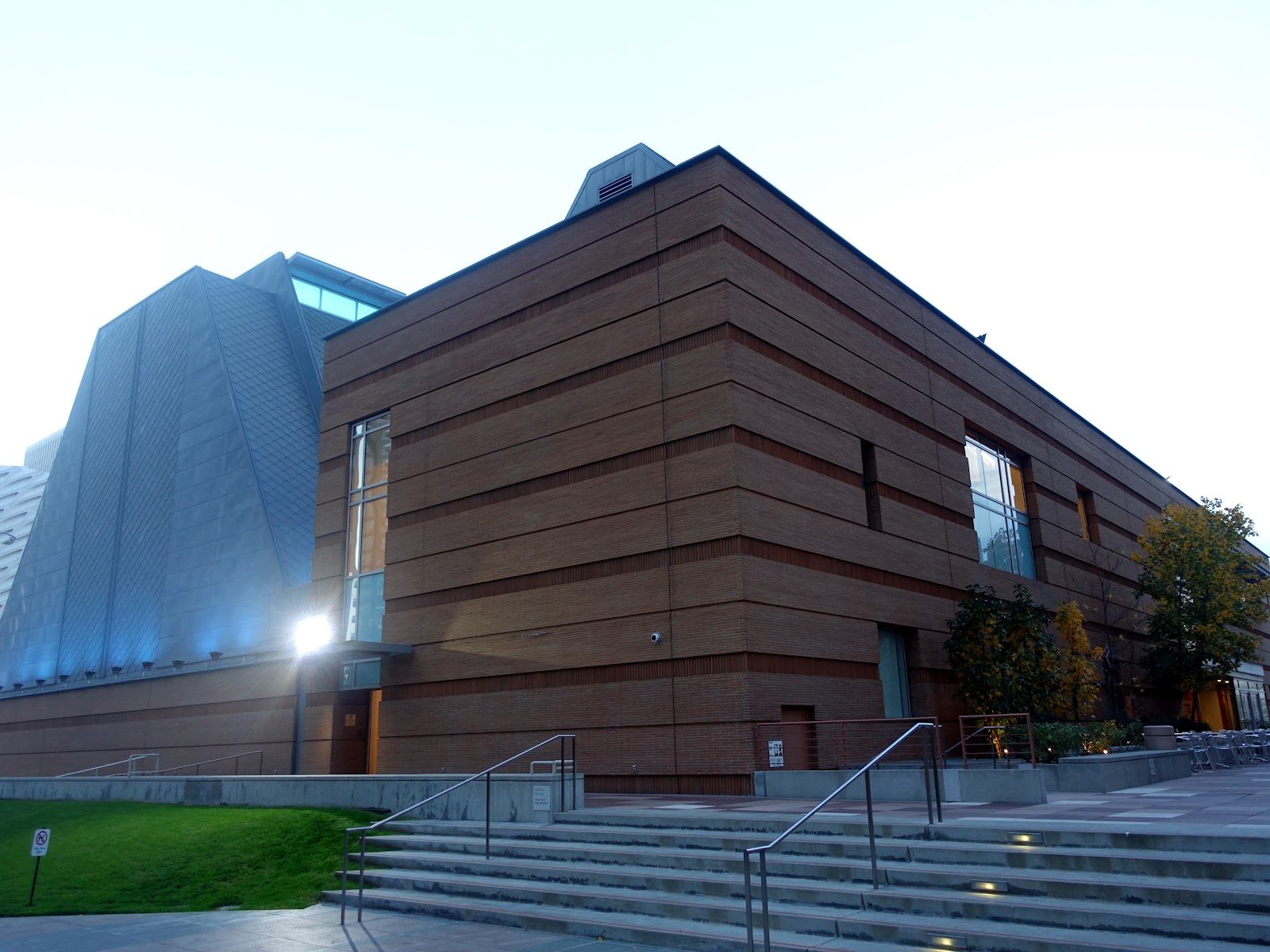
Downtown LA's highly selective pre-college conservatory track pairs LA Phil-taught private lessons with an outside high school diploma.
Same specialism, country and curriculum — closest matches within ±10 points either way