
Tapiola
Etelä-Tapiolan lukio
low confidence· 4/6 cats · 1 avg sourcesAn economics-and-social-sciences lukio whose IB and Finnish streams share one ritual: a fall bootcamp in Nuuksio National Park
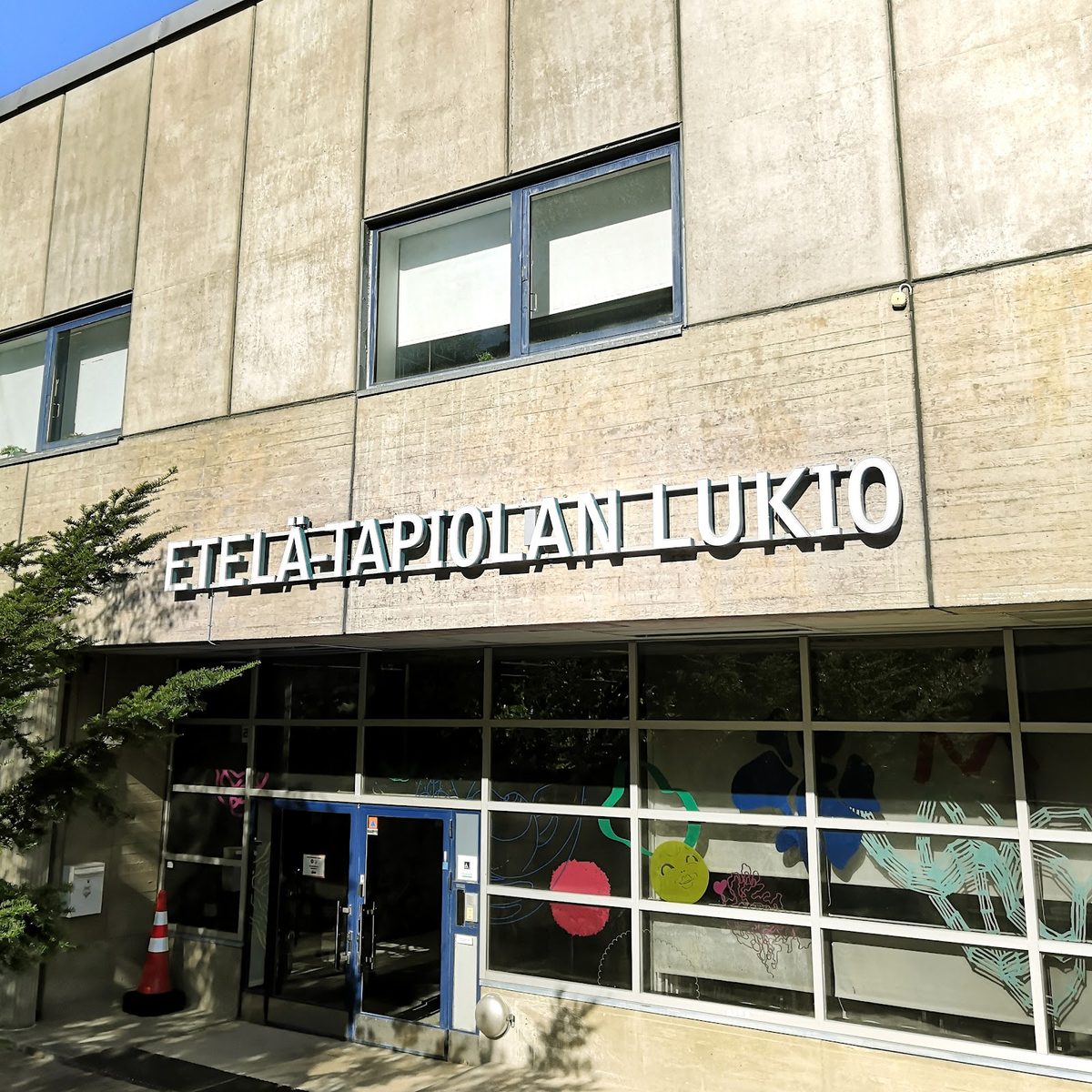
Photo © Lähiöopas via Google Maps
Type
Day
Ages
16–19
Curriculum
Finnish · IB
Qualifications
IB Diploma
Ratio
—
The Verdict
Editor's commitment
Right for
Sixth-formers aged 16–19 who want Finnish or IB in Espoo, with a real economics and social sciences tilt.
Wrong for
Families wanting boarding, religion, or one curriculum only: this is a non-religious day school running Finnish and IB.
Watch out for
Founded in 1958 and accredited by Opetushallitus and the IB, it talks atmosphere and results but publishes no hard outcomes.
Ranking breakdown
Etelä-Tapiolan lukio · #1200 of 1591
Composite score 58.2. 8 weighted criteria.
By criterion
Academic Outcomes
Weight 20%
#1085
of 1529 scored
University Placement
Weight 16%
#1144
of 1529 scored
Prestige & Heritage
Weight 12%
#1259
of 1571 scored
Alumni Network
Weight 12%
#860
of 1530 scored
Facilities
Weight 12%
#1333
of 1533 scored
Transparency & Communications
Weight 8%
#1151
of 1532 scored
Peer & Industry Review
Weight 10%
#1108
of 1548 scored
Admissions Selectivity & Demand
Weight 8%
#760
of 1529 scored
Peer & Industry Review
How Etelä-Tapiolan lukio is regarded in the sector
65
Respected · medium confidence
Etelä-Tapiolan lukio is consistently named among Finland's top general upper secondary schools in recurring national media rankings (e.g., Helsingin Sanomat's annual lukio-vertailu based on matriculation exam results and IB outcomes), and it is well known within Finland's IB and music-specialization circles as a benchmark school in the Helsinki capital region. It lacks the kind of international guidebook coverage (Tatler, Good Schools Guide) that would push it into the top tier, but it has a solid, recurring regional/national reputation among peer institutions and education commentators.
Editors' overview
Etelä-Tapiolan lukio occupies a strong niche in the Espoo market: a non-religious day school for ages 16–19 that combines the Finnish curriculum with the IB in one campus, while adding a declared economics and social sciences emphasis. That mix matters. Many lukiot offer either a standard academic route or an international track; Etelä-Tapiolan offers both, and frames itself as an authentically international general upper secondary school rather than a narrow specialist college. The result is a school that suits families who want academic choice without sacrificing a shared school identity. The public pitch leans on good atmosphere and strong learning outcomes, but the sharper point is structural: Finnish- and English-language study sit alongside each other in a school founded in 1958, with the credibility of an established municipal institution rather than a newcomer chasing prestige.
What sets it apart is not grand architecture or glossy branding; it is the combination of academic seriousness and a defined thematic slant. The economics and social sciences focus gives the school more shape than the average all-purpose lukio. For the right student, that translates into a more coherent peer group: teenagers interested in current affairs, business, policy, entrepreneurship and international study find an environment that does not treat those interests as extracurricular decoration. The IB World School status adds an obvious route for internationally mobile families and students aiming for English-medium higher education. The school’s Nuuksio bootcamp ritual, shared across the Finnish and IB streams, gives the place a bracingly unpretentious signature: less polish, more community.
Parents should shortlist Etelä-Tapiolan if they want a school with a clear academic spine, a public-sector footing, and a genuine dual-track offer in Finnish and English. It will appeal to students who are self-directed, comfortable in a mixed local-international environment, and drawn to serious academic work without wanting a socially brittle atmosphere. It will not suit families hunting for boarding, elite mystique, or exhaustive publication of performance data; the school does not publish the kind of headline-grabbing aggregate statistics some private competitors use for marketing. Its case rests elsewhere: intellectual range, institutional stability, and a distinctive social-sciences tilt inside a school that still feels grounded. For a student who wants substance over show, Etelä-Tapiolan deserves a place on the shortlist.
Academic Performance
Etelä-Tapiolan talks up strong learning outcomes, but parents looking for hard public proof hit a limit fast. We have not seen aggregate IB diploma averages, subject distributions, matriculation score tables, university destination lists or year-on-year benchmarking against other selective lukiot. That matters. In a market where some academically ambitious schools publish headline exam data to establish rank, Etelä-Tapiolan leaves outsiders to infer quality from reputation, longevity and the school’s own confidence in its results. For a municipal school, that opacity is not unusual. It is still a real information gap, and it weakens any claim to measurable academic distinction beyond anecdote.
Relative to peers, the school fits the category of credible, academically serious upper-secondary provision rather than the tiny group of Finnish schools with exhaustively publicised outcomes and a sharper results brand. The presence of both the national route and the IB line raises expectations: families are entitled to ask how many IB students secure the diploma, what the average points score is, how matriculation candidates perform across subjects, and how those figures compare with other Espoo and Helsinki-area lukiot. The school does not publish those numbers. Until it does, the fairest judgement is restrained but clear: Etelä-Tapiolan has an earned academic reputation, but not a transparent results case.
Facilities
Etelä-Tapiolan does not trade on a facilities story, and parents should read that plainly. The public-facing picture is of a standard municipal upper-secondary campus rather than a showpiece build with branded innovation labs, theatre complexes or sports infrastructure used as a selling tool. What the school does foreground is practical student life: calendar and timetable systems, parent communication, social channels, the Wilma platform, and links tied to entrepreneurship and finance. That points to a school whose physical estate serves the academic programme without trying to impress through architecture. Against private international competitors, that is a less glossy proposition. Against ordinary Finnish lukiot, it is normal. Families choosing this school are choosing programme shape and peer culture, not a facilities-led experience.
One feature does stand out because it says something about how the school uses space beyond the building: the shared Nuuksio bootcamp ritual. That gives Etelä-Tapiolan a more grounded communal tradition than many academically focused schools that confine identity to classrooms and exam performance. Still, important details remain unpublished. We have not seen a clear account of science labs, arts rooms, library provision, sports spaces, maker facilities or dedicated sixth-form common areas. That absence matters. In this age group, students need functional specialist rooms and quiet study space, not marketing gloss. Etelä-Tapiolan may well have them; the school does not document them. On facilities alone, it sits in the competent but opaque middle of the market.
Its case rests elsewhere: intellectual range, institutional stability, and a distinctive social-sciences tilt inside a school that still feels grounded
Prestige
Etelä-Tapiolan carries solid local prestige, not rarefied national glamour. In the Finnish upper-secondary landscape, that distinction matters. This is a school with a defined academic profile, a municipal base and enough identity to stand apart from the mass of undifferentiated lukiot. The economics and social sciences emphasis gives it sharper edges than a generic academic school, and the dual-track structure adds status with families who value both domestic credibility and international mobility. Prestige here rests on seriousness, selectivity of interest and institutional confidence, not on spectacle. It attracts students who want a school with real academic purpose and a peer group oriented towards university, public affairs, business and international study.
Why not rate it higher? Because the school does not operate in the top tier of publicly visible prestige where brand power alone carries weight across borders. It lacks the status theatre of elite private schools and does not publish the kind of headline performance data that turns reputation into hard competitive proof. That limits its reach with parents who shop by rankings, university destinations and trophy statistics. Still, within its own sector, Etelä-Tapiolan has earned esteem. The combination of a long-established name, an IB route and a distinctive thematic slant gives it more cachet than a standard neighbourhood lukio. Prestige here is quiet but credible: respected by informed local families, less magnetic to those chasing pure exclusivity.
Because the school does not operate in the top tier of publicly visible prestige where brand power alone carries weight across borders
Communications
Parent communication looks organised, routine and woven into the daily life of the school rather than treated as a glossy add-on. The website gives parents their own navigation point, publishes calendar items and exam notices, and points families towards Wilma, which in Finland is the practical backbone for attendance, messages, deadlines and school-home administration. There is also a named parents’ evening and a parents’ association annual meeting, both signposts of a school that expects guardians to stay informed and involved. The school runs a busy outward-facing communications ecosystem as well: Instagram, TikTok, YouTube, an alumni channel and a podcast. That breadth does not replace direct parent communication, but it does create a lively public window into school culture and keeps the institution from feeling bureaucratically mute.
Effective? Up to a point, yes. For day-to-day logistics and community touchpoints, the system looks practical, current and serviceable. Parents at this stage need timetables, exam information, event notices and a reliable route into staff and school systems; Etelä-Tapiolan supplies those basics in plain view. The weakness sits elsewhere. The school communicates activity better than it communicates outcomes. Families can find meetings, links and social channels, but not the deeper performance reporting that ambitious parents use to judge academic return. That leaves communication strong on operations, thin on scrutiny. In other words: good enough for running school life, less good for answering the hardest parental questions.
Uniqueness
Etelä-Tapiolan’s distinctiveness lies in how it gives a standard Finnish lukio model a sharper intellectual shape. The school is not just a place that happens to run parallel routes; it has an explicit economics and social sciences emphasis, which is rarer and more consequential than many parents first assume. That focus changes the texture of school life. Students who care about politics, markets, public policy, entrepreneurship or international affairs are not treated as niche enthusiasts on the edge of the timetable. They sit closer to the school’s centre of gravity. The result is a more coherent academic culture, a clearer sense of intellectual tribe, and a peer group that pulls discussion beyond routine exam preparation.
The other differentiator is the shared Nuuksio bootcamp ritual. That matters because it cuts against the risk of a split campus identity, where one route dominates prestige and the other lives in parallel. Here, the school has a disarmingly plain-spoken communal marker that binds students through experience rather than branding. For teenagers, that brings tangible value: easier social mixing, a stronger year-group identity and a school culture that feels grounded rather than performative. Add the active public presence — Instagram, TikTok, YouTube, podcasting, alumni channels and parent communication — and you get a school that is socially current without lapsing into theatre. That combination of thematic seriousness and unshowy cohesion is Etelä-Tapiolan’s real edge.
The combination of a long-established name, an IB route and a distinctive thematic slant gives it more cachet than a standard neighbourhood lukio
Student Profile
The best fit is a sixth-form age student with a clear academic direction and enough self-command to use it. This is not the place for a teenager who needs constant hand-holding, heavy pastoral theatre or a campus built around sport and spectacle. It suits students drawn to economics, public affairs, entrepreneurship and social questions, and those who enjoy discussion with substance rather than just credential-chasing. The school’s active public presence, alumni links and podcasting also point to a cohort comfortable being outward-facing and engaged beyond the timetable. The social mix matters too: students need to be at ease in a school that treats internationalism as part of everyday life rather than a decorative add-on. For the right teenager, that makes for a serious-minded, socially fluent peer group with a refreshingly unpretentious tone.
The weaker fit is easy to name. A student looking for a sheltered environment, a high-status private-school aura or lavishly curated facilities will find this school thin on indulgence. So will a teenager whose interests sit far from the school’s centre of gravity and who wants broad institutional validation for every niche. Etelä-Tapiolan works best for young people in the 16–19 bracket who value academic purpose, can navigate a municipal system without fuss, and do not need brand glamour to feel they are in the right place. The shared outdoor bootcamp tradition reinforces that profile: students who thrive here are grounded, resilient and willing to join a community that asks for participation rather than passive consumption.
Etelä-Tapiolan’s distinctiveness lies in how it gives a standard Finnish lukio model a sharper intellectual shape
Co-curricular strengths
Arts & sport, on a separate axis
Overall 6.5/10
Scored 0-10 from the school's own published evidence. This axis is editorial-only — it does not feed the main WTS ranking.
Sports
6.5/10
Drama
6/10
Dance
6.5/10
Music
6.5/10
Visual Arts
7/10
Editor first-pass · editor-reviewable · 7/30/2026
Strengths
- +Offers both the Finnish national upper secondary curriculum and the International Baccalaureate Diploma Programme within a single public school.
- +As a municipal Espoo lukio, tuition is free for resident students, consistent with Finland's publicly funded upper secondary system.
- +Located in Tapiola, Espoo, with strong public transport connections to Helsinki and the wider capital region.
- +Sits within Finland's well-regarded state education framework, subject to national curriculum standards and quality oversight.
- +Widely regarded within Finland as one of the more academically selective general upper secondary schools, attracting high-achieving applicants.
Considerations
- −Entry to the Finnish-track programme is based competitively on comprehensive school (peruskoulu) grade averages, making places hard to secure.
- −As a public lukio rather than a dedicated international school, IB class sizes, facilities and pastoral support may be more limited than at full international schools.
- −Finnish-medium instruction dominates the main track, which can limit accessibility for newly arrived non-Finnish-speaking families outside the IB line.
- −Detailed, up-to-date figures on fees, IB cohort size, and outcome statistics are not consistently published in English-language sources.
Availability
Primary entry gate & tests
Academic Record
Gallery
Photo © Allan Hemming via Google Maps
Photo © Jordy Valderrama via Google Maps
Photo © Jordy Valderrama via Google Maps
Photo © Jordy Valderrama via Google Maps
Photo © Jordy Valderrama via Google Maps
Parent reviews
Have you sent your child here?
Voice reviews carry the strongest trust badge — we transcribe them for you to tidy up before they go live. Prefer to type? A written review is fine too.
Add your voice
In 60 seconds, tell other parents: what's the best thing about Etelä-Tapiolan lukio, and what surprised you when your child joined?
We ask for a Google sign-in so every review has a real face behind it — no anonymous drive-by attacks on schools, and no faked positive reviews. Your email is never shown publicly.
Send this profile to a friend
International parents rely on word-of-mouth. Share this review with someone weighing the same decision.
Schools with places
Similar schools to Etelä-Tapiolan lukio with places available now.
Availability first, then country, area, curriculum, price, co-curricular
Consider also
Also worth looking at alongside Etelä-Tapiolan lukio.
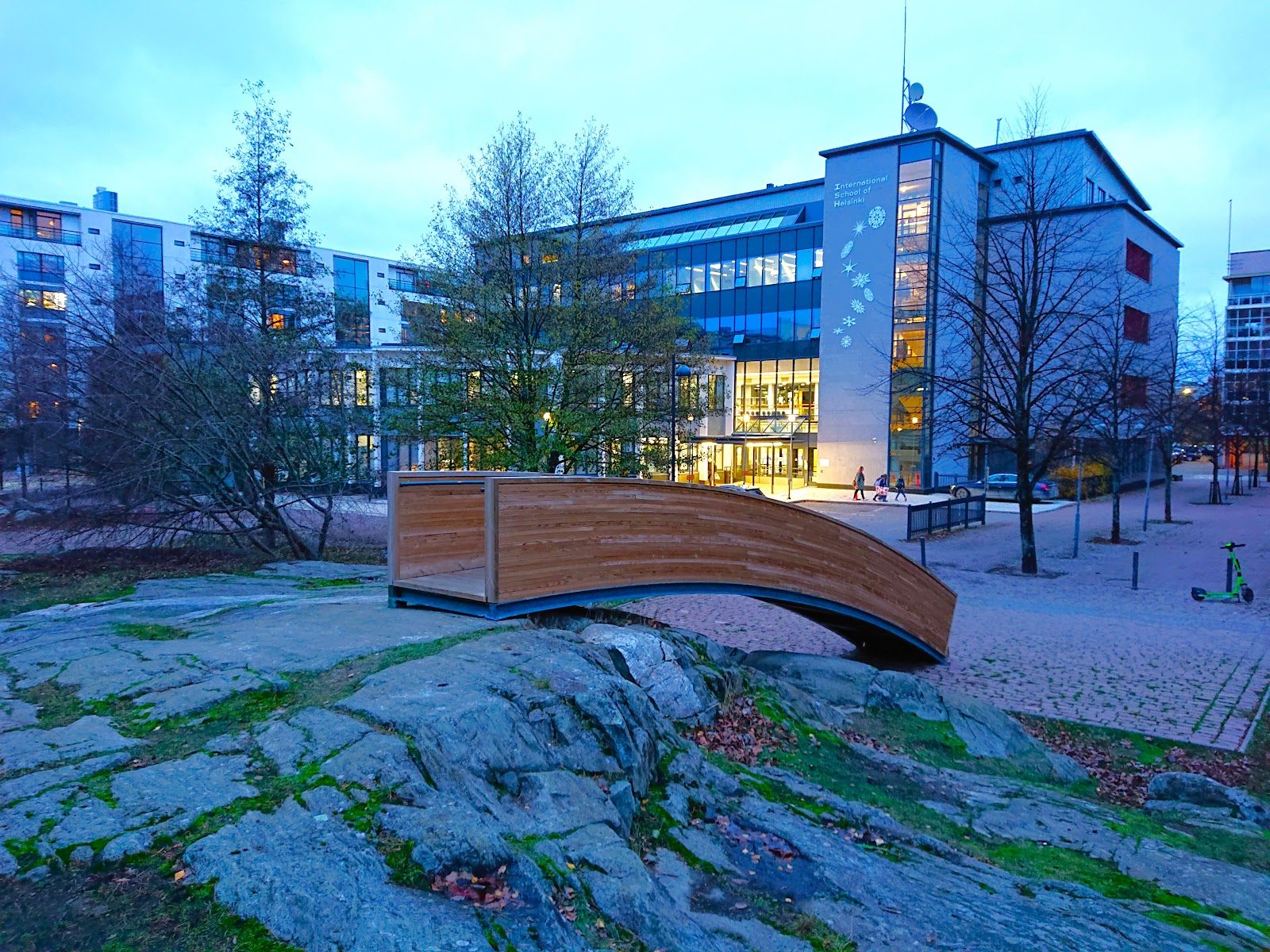
International School of Helsinki
Helsinki · Finland
Founded in 1963 and based in Helsinki, it became Finland's first school fully authorized across all three IB programmes.
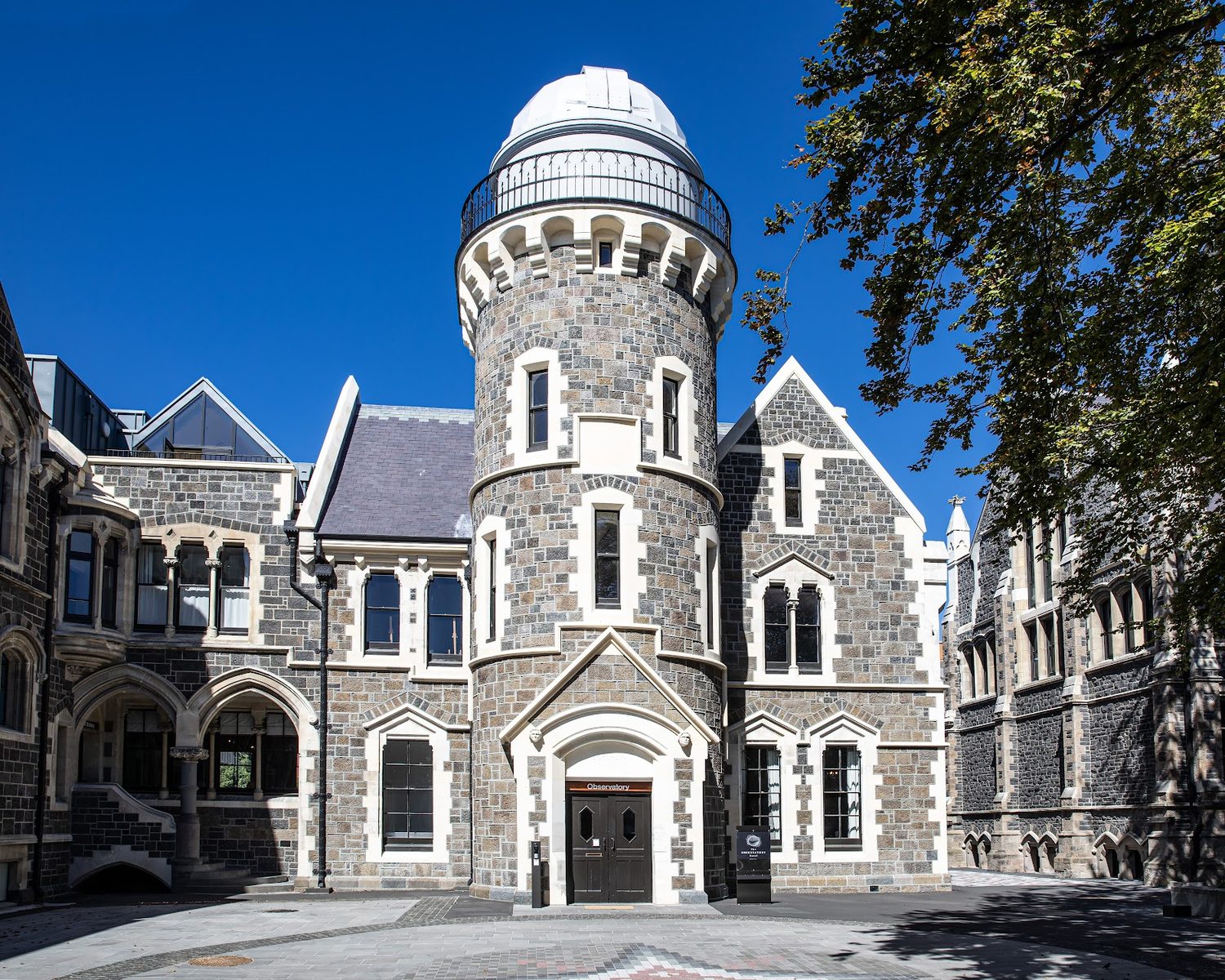
Christ's College
Christchurch · New Zealand
New Zealand's oldest independent school, its neo-Gothic quadrangle and chapel choir anchoring a boys' boarding tradition beside Hagley Park.
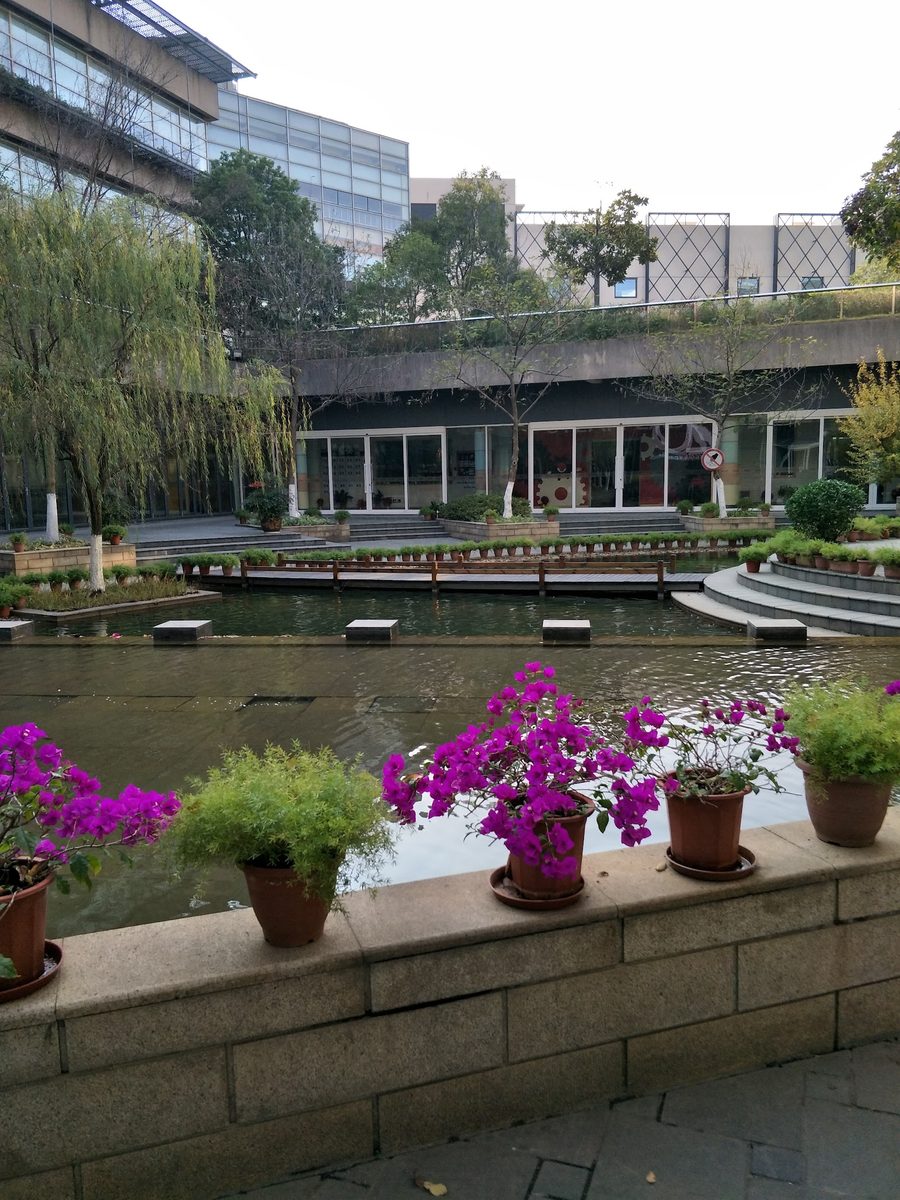
Shanghai Singapore International School
Shanghai · China
Singapore maths rigour anchors an IGCSE-to-IB pathway, threaded with banded Chinese immersion in Minhang's expatriate heartland.
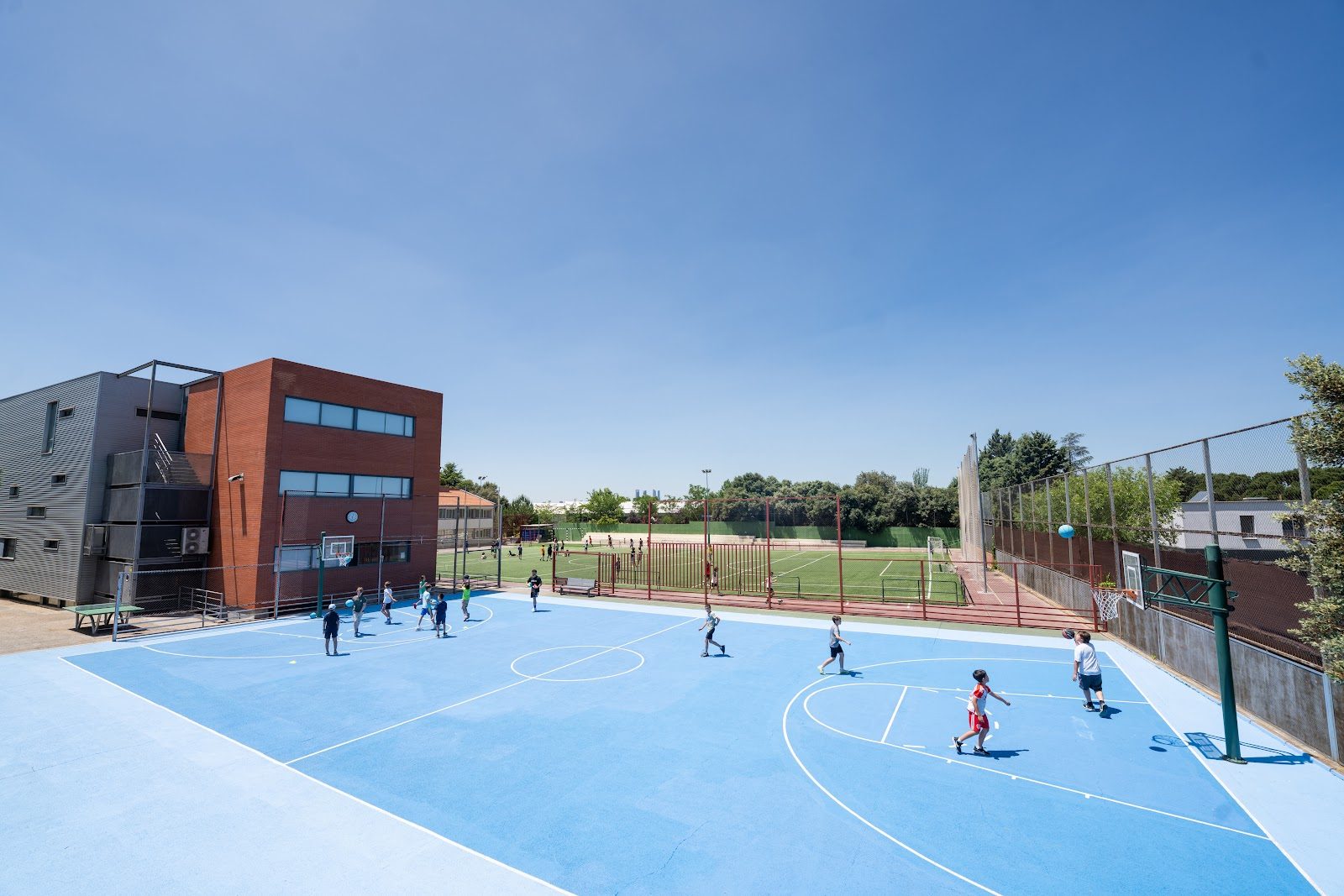
Colegio Base
Madrid · Spain
Rooted in the Institucion Libre de Ensenanza since 1962, this La Moraleja campus runs three Baccalaureate tracks under one roof.
Same country and curriculum — closest matches within ±10 points either way