
Free State
Grey College
low confidence· 2/6 cats · 3 avg sourcesSince 1855, this parallel-medium Free State school has produced more capped Springboks than any other in South Africa.

Photo © Ray BarK via Google Maps
Type
Both
Ages
6–18
Curriculum
South African
Qualifications
NSC
Ratio
—
The Verdict
Editor's commitment
Right for
Families wanting a South African school in Bloemfontein with teaching in English and a full 6–18 age range.
Wrong for
Parents seeking a girls-only school, a religious ethos, or anything other than Grey College’s school-declared South African curriculum.
Watch out for
Founded in 1855 and listed as 'Both', Grey College publishes little here beyond basics; academic outcomes and accreditations are absent.
Ranking breakdown
Grey College · #1093 of 1591
Composite score 60.8. 8 weighted criteria.
By criterion
Academic Outcomes
Weight 20%
#792
of 1529 scored
University Placement
Weight 16%
#793
of 1529 scored
Prestige & Heritage
Weight 12%
#262
of 1571 scored
Alumni Network
Weight 12%
#1442
of 1530 scored
Facilities
Weight 12%
#569
of 1533 scored
Transparency & Communications
Weight 8%
#725
of 1532 scored
Peer & Industry Review
Weight 10%
#645
of 1548 scored
Admissions Selectivity & Demand
Weight 8%
#686
of 1529 scored
Peer & Industry Review
How Grey College is regarded in the sector
68
Respected · medium confidence
Within South African schoolboy rugby, Grey College is consistently treated as a benchmark by rival Afrikaans-medium powerhouses such as Paarl Boys' High, Paarl Gymnasium and Affies, with fixtures against it covered as marquee events by SuperSport Schools and the domestic press each season. Local universities, notably the University of the Free State and Stellenbosch, are the natural destination for many leavers, reflecting the school's regional rather than national admissions pull. Independent education commentary sites that track South African government schools note its strong NSC pass rates but, unlike IEB private schools, it does not feature in the university-placement or fee-comparison tables that dominate coverage of the elite independent sector. Its reputation is therefore narrower and more sport-driven than that of peer institutions in the same tier, respected for a specific, well-documented strength rather than broad-based national prestige.
- Jacques Kallis — Cricketer, Sport
- Allan Donald — Cricketer, Sport
- Morne Steyn — Rugby player, Sport
Editors' overview
Grey College occupies a rare place in South African schooling: an institution founded in 1855 that still carries real weight in the national imagination. In a market crowded with schools claiming tradition, Grey has the genuine article. The draw is not novelty but permanence, ritual and competitive seriousness. Parents looking for a school with historic heft, a hard competitive edge and a culture that values performance in public will put it on a shortlist quickly. The headline distinction is the one in your brief: Grey has produced more capped Springboks than any other school in South Africa. That matters because it tells you what the school rewards and what it has done, repeatedly, over generations.
Its market position is clear. Grey sits in the top tier of established South African schools for families who want a conventional, high-status education in a setting shaped by long institutional memory. It is a school for pupils aged 6–18, which gives families continuity across the full school journey. The school is parallel-medium by reputation in the market, yet the verified context here lists English as the language of instruction; parents who need absolute clarity on day-to-day language use across sections should ask that question directly. The school’s appeal rests on discipline without apology, deep-rooted identity and the confidence of a place that does not need to manufacture prestige.
The right student for Grey is not a child who wants a loose, experimental or highly pastoral school culture. Grey suits pupils who enjoy structure, respond to standards and want to test themselves in a serious peer group. It will appeal most to ambitious sportsmen, academically steady children who value order, and families who admire schools with old-school authority and strong tribal loyalty. A pupil who thrives on institutional belonging, visible tradition and competition will find a powerful fit. A child who needs constant individual cushioning, or who resists hierarchy, may not. That is the trade-off with schools of this kind: the same fierce sense of tradition that binds the community also sets clear expectations about how pupils carry themselves.
Academic Performance
Grey College does not publish external examination data in the sources here, and that limits any hard judgment on academic performance. We have not seen aggregate matric pass rates, bachelor-pass figures, subject distinctions, university destinations or multi-year trend data. That opacity matters. In South Africa’s top school market, strong academic operators usually put at least some public numbers on the table. When a school does not, parents have to ask more questions than they should need to: not only about pass rates, but about stretch at the top end, subject depth and consistency across year groups. For a school with such institutional weight, the public academic record is strikingly under-explained.
That does not place Grey in weak company; it places it in opaque company. The school’s reputation rests heavily on heritage, discipline and sporting achievement, but reputation is not a substitute for published outcomes. Relative to peers that disclose matric results in detail, Grey gives parents less to interrogate and less to compare. The sensible reading is blunt: this is not a school that sells itself on publicly available academic metrics. Families who care about academic performance need the hard numbers directly from the school — cohort pass rates, distinctions, top subject results and destination lists — before treating Grey as a clear academic leader rather than a school with a formidable name and an unproven public results profile.
Facilities
Public information on Grey’s facilities is thin, which is a weakness in itself. We have not seen a published campus map, a clear inventory of specialist spaces, or section-by-section detail on science labs, libraries, arts provision or indoor sport. For a school of this status, that is surprisingly opaque. Parents can infer that sport infrastructure is a serious priority because the school’s public identity depends on competitive performance, but inference is not enough when peers publish exact details: numbers of fields, aquatic centres, theatres, design workshops and senior study spaces. Grey does not give that level of precision in the sources here, and that leaves its physical offering under-evidenced.
Against peer schools in South Africa’s upper tier, that lack of disclosure matters. The strongest operators make facilities part of the case in concrete terms, especially where sport, science and performing arts drive daily school life. Grey’s standing points to a campus built for high-demand school use rather than boutique polish, with sport at the centre and academic spaces expected to do hard service. That can work well for families who value function, scale and institutional routine over architectural theatre. It is less reassuring for parents comparing laboratories, music spaces, libraries and technology provision line by line. The blunt conclusion: Grey may have serious sporting plant, but the school does not publish enough to prove that its broader facilities match the standard set by the best-documented competitors.
Grey College occupies a rare place in South African schooling: an institution founded in 1855 that still carries real weight in the national imagination
Prestige
Grey carries national prestige of the old South African kind: inherited, reinforced by ritual, and kept alive through competitive success rather than branding. Its name has reach well beyond its immediate market. That matters because prestige in schooling is not just familiarity; it is recognition among universities, employers, sporting circles and families who track elite institutions closely. Grey has that recognition. The school’s social capital rests on longevity, a hard-edged public identity and an alumni story tied to national sport at the highest level. The claim that it has produced more capped Springboks than any other school in the country gives it a distinction few schools can match. In prestige terms, that is a serious national marker, not a decorative line.
That said, Grey’s prestige is not universal in character. It is strongest for families who value tradition, discipline, male sporting culture and institutional status built over generations. It carries less weight with parents who define prestige through published academic outcomes, global university placement or a modern international profile. That is the key qualification. Grey has a powerful domestic reputation, but prestige here leans heavily on heritage and sport, not on transparent academic evidence in the public domain. For many South African families, that still places it in the top rank of recognisable school names. For more data-driven parents, the brand remains impressive but incomplete until the school puts harder academic proof alongside the legend.
Grey College does not publish external examination data in the sources here, and that limits any hard judgment on academic performance
Communications
Grey’s parent communication does not meet the standard set by its stature. The public-facing picture is thin, old-fashioned and short on proof. We have not seen the basic signals of a well-run communications operation: a clear stream of current news, a detailed parent-information architecture, or straightforward publication of the data families use to judge a school’s daily competence. That matters because communication is not a cosmetic extra at a school with a strong internal culture; it is the mechanism that tells parents how decisions are made, what pupils experience, and where the school is succeeding or falling short. Grey gives too little of that in public. The result is a communications profile that relies on institutional confidence rather than modern transparency.
That does not mean parents get poor service once inside the gate; it means the school does not make a convincing public case that communication is one of its strengths. Strong schools communicate in layers: headline news for the wider community, practical information for current families, and hard performance data for prospective ones. Grey’s published footprint does not show that level of discipline. For existing parents who value direct, insider channels and are already comfortable with the school’s culture, that may suffice. For families comparing options carefully, it is a weak point. The impression is of a school that expects trust first and explanation second — a stance that fits its tradition-heavy identity, but not the expectations of parents who want clear, timely, accountable communication.
Uniqueness
What sets Grey apart is not novelty, international polish or a carefully engineered niche. Its distinction is older and harder to copy: a school identity built over generations around public competition, institutional loyalty and male sporting prestige on a national scale. The standout claim — more capped Springboks than any other school in South Africa — gives that identity a concrete edge. This is not heritage as decoration; it is heritage converted into status, expectation and a high-pressure culture of performance. Grey’s uniqueness lies in that combination of historic authority, tribal cohesion and a reputation that extends far beyond the school gate. Few schools carry that level of old-guard significance while still functioning as a mainstream day-to-day school for children across the full age range.
For students, that brings clear advantages and clear limits. The advantage is belonging to a place with a strong internal code: standards are visible, traditions matter, and achievement in public counts for something. Ambitious pupils, especially those drawn to competitive sport and disciplined school culture, gain from that environment. They inherit a network, a reputation and a set of expectations that can sharpen resilience and confidence. The limit is just as obvious. Grey’s identity is not broad, experimental or softly personalised. Students who want a more fluid, more individualistic education may find the culture constraining. Grey offers something rarer than flexibility: institutional certainty. For the right child, that is powerful. For the wrong one, it is a poor fit.
In South Africa’s top school market, strong academic operators usually put at least some public numbers on the table
Student Profile
Grey suits students who do well in a high-discipline, status-conscious environment where standards are public and comparison is part of the air. The social centre of gravity sits with boys who are competitive, robust and comfortable with hierarchy. Sporting confidence will carry weight. So will the ability to take correction without drama, wear tradition comfortably and commit to the school as more than a timetable. This is a place for pupils who want to belong to something bigger than themselves and do not mind the demands that follow. Families seeking old-school certainty and a peer group with a hard competitive streak will recognise the fit quickly.
The weaker fit is just as clear. A child who needs a loose culture, constant affirmation or wide latitude to define school on wholly individual terms will find Grey constraining. Quietly unconventional students may still do well, but they will need resilience and a strong inner compass; the institution will not reorganise itself around them. For girls, parents need to ask sharper questions about day-to-day student experience, leadership visibility and whether the school’s dominant culture still reflects its historic male identity more than its co-educational reality. That matters across an age span of 6–18: the right student grows into Grey’s demands; the wrong one spends years pushing against them. This is not for the faint-hearted, but it can be deeply rewarding for students who value structure, loyalty and earned standing.
For many South African families, that still places it in the top rank of recognisable school names
Co-curricular strengths
Arts & sport, on a separate axis
Overall 7.48/10
Scored 0-10 from the school's own published evidence. This axis is editorial-only — it does not feed the main WTS ranking.
Sports
9.8/10
Drama
7.1/10
Dance
6.4/10
Music
7.3/10
Visual Arts
6.8/10
Strengths
- +Founded 1855; unusually established South African school.
- +Day and boarding options broaden family arrangements.
- +Boys-only education from ages 6 to 18.
- +English-medium teaching suits many international families.
Considerations
- −Boys-only setting will not suit every family.
- −South African curriculum limits non-local programme choice.
- −Bloemfontein location may feel remote internationally.
Availability
Primary entry gate & tests
Internal Assessment (Boys)
Gallery
Photo © Andile Q via Google Maps
Photo © Lehlohonolo “Hloni” Thekisho via Google Maps
Photo © Lehlohonolo “Hloni” Thekisho via Google Maps
Photo © Mamorena Sedidi (Nekgase) via Google Maps
Photo © Jason via Google Maps
Parent reviews
Have you sent your child here?
Voice reviews carry the strongest trust badge — we transcribe them for you to tidy up before they go live. Prefer to type? A written review is fine too.
Add your voice
In 60 seconds, tell other parents: what's the best thing about Grey College, and what surprised you when your child joined?
We ask for a Google sign-in so every review has a real face behind it — no anonymous drive-by attacks on schools, and no faked positive reviews. Your email is never shown publicly.
Send this profile to a friend
International parents rely on word-of-mouth. Share this review with someone weighing the same decision.
Schools with places
Similar schools to Grey College with places available now.
Availability first, then country, area, curriculum, price, co-curricular
Consider also
Also worth looking at alongside Grey College.
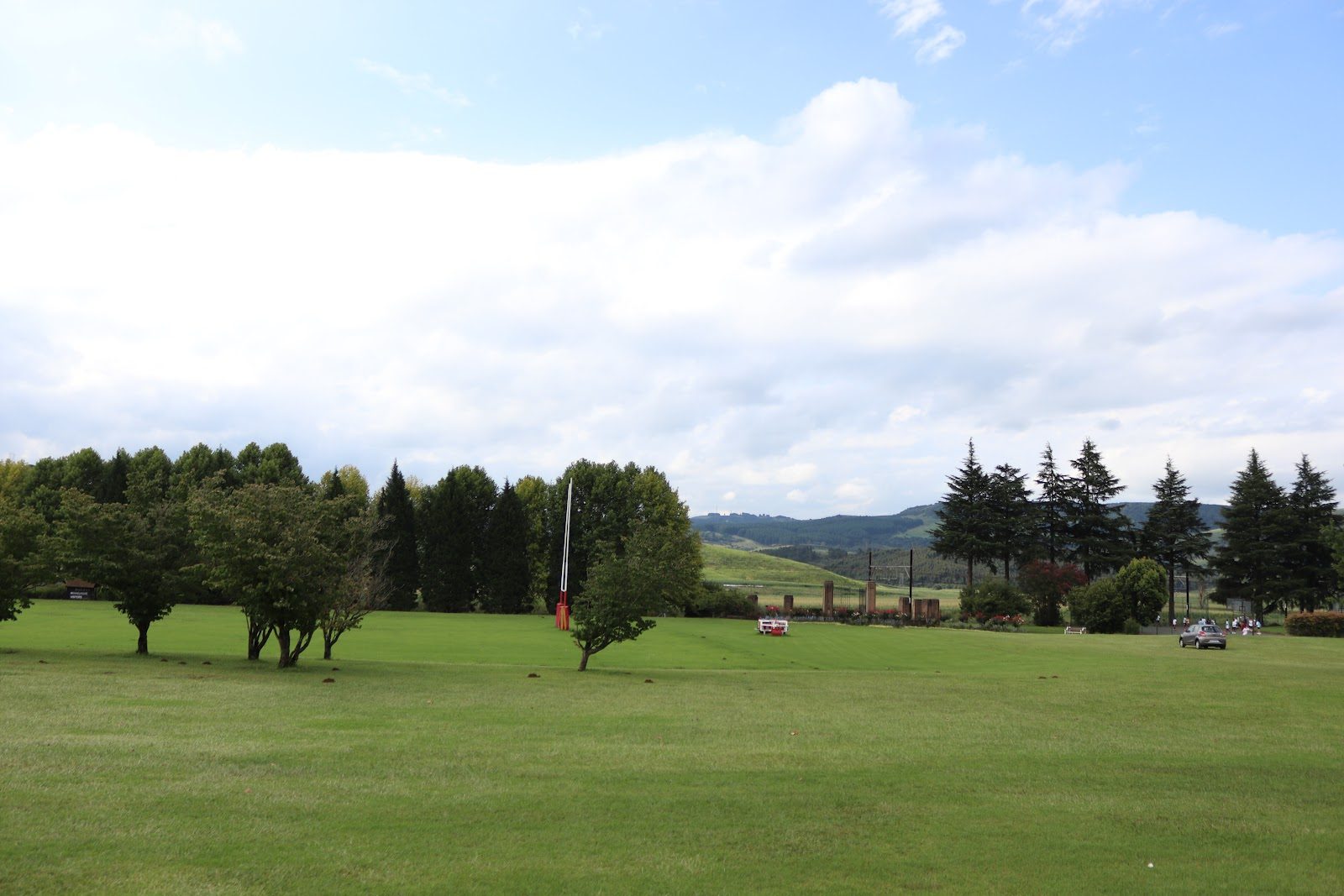
Michaelhouse
Balgowan · South Africa
In South Africa's Midlands, one of the world's few remaining all-boys, all-boarding schools borders a rare mistbelt grassland reserve.
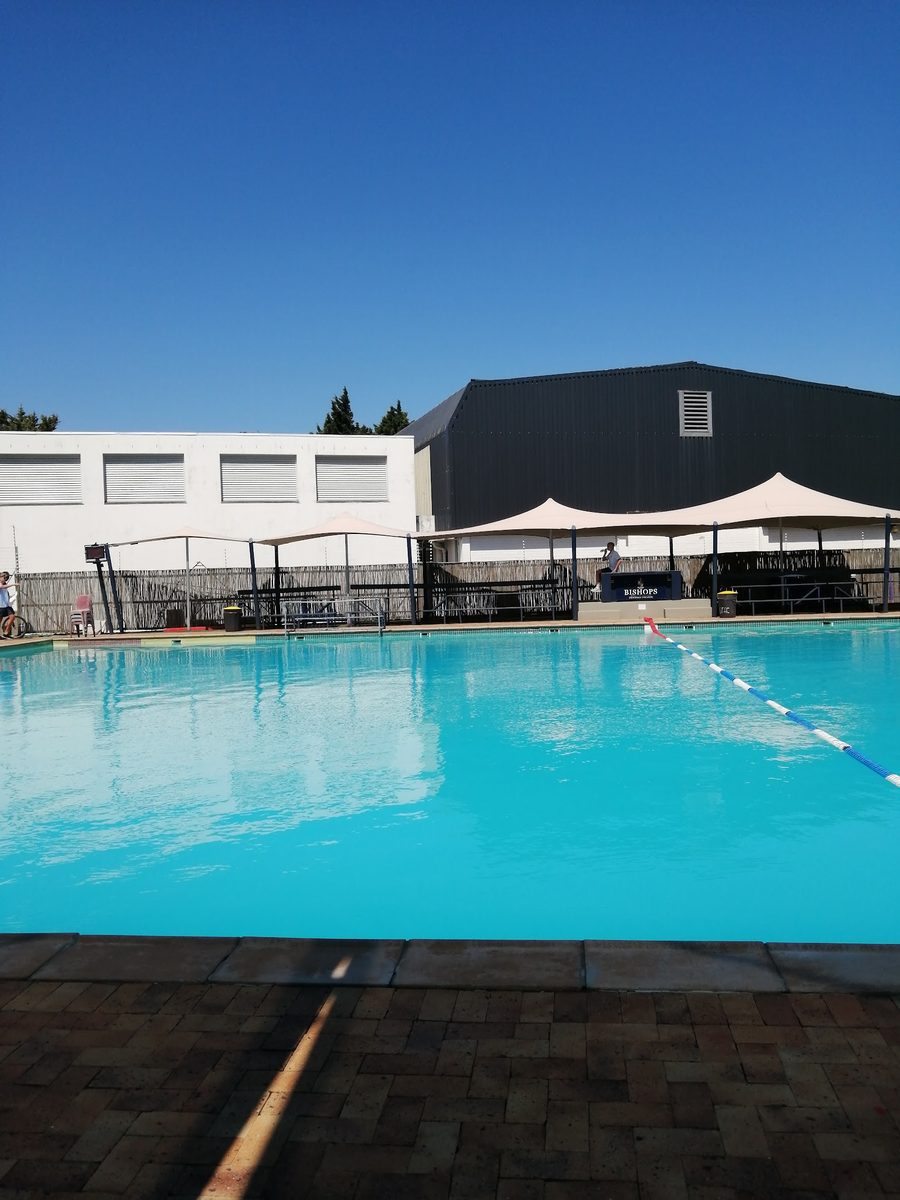
Bishops Diocesan College
Cape Town · South Africa
Founded in 1849 below Table Mountain, home to the oldest rugby field in the southern hemisphere and a storied house system.
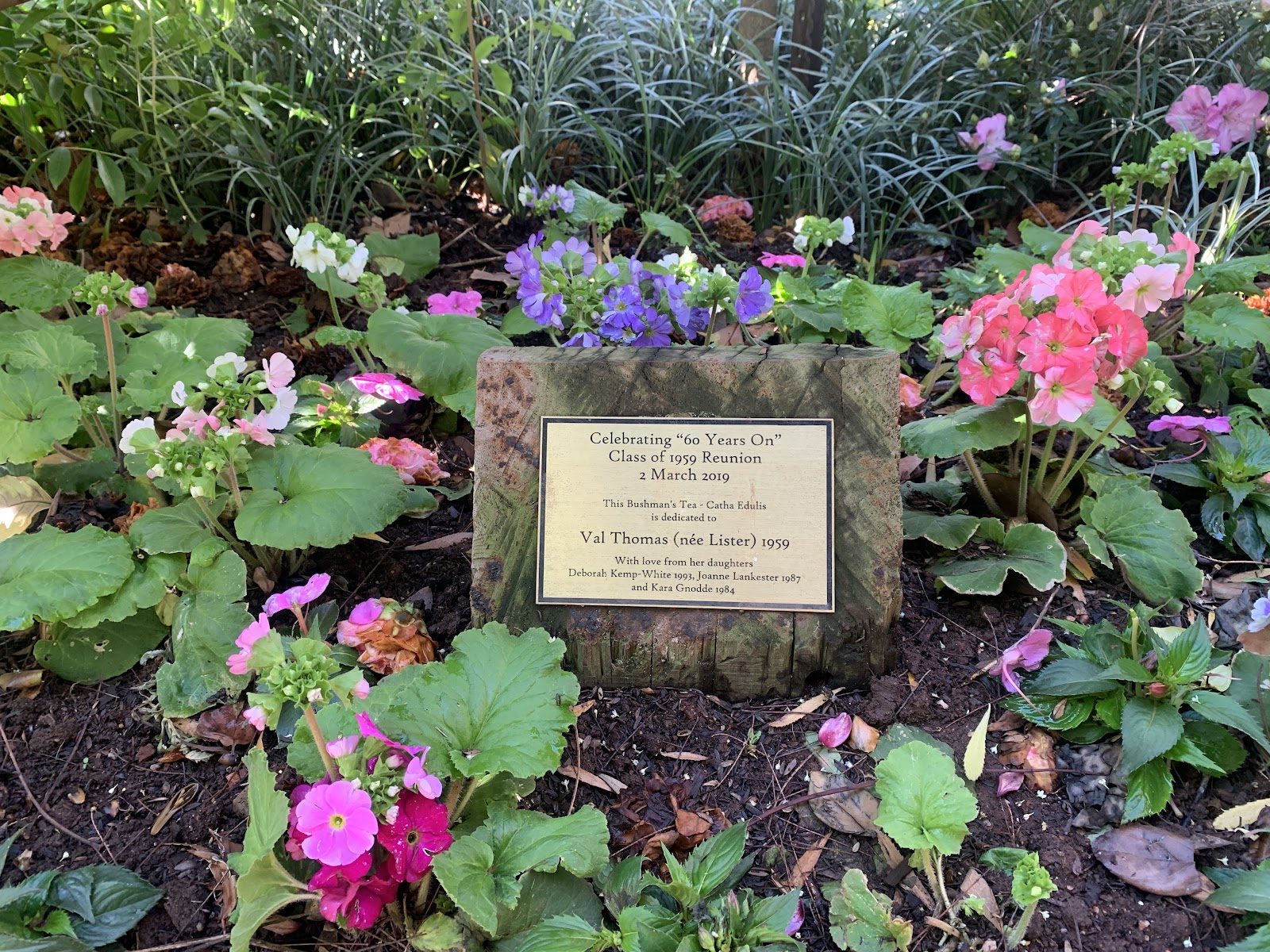
Roedean School South Africa
Johannesburg · South Africa
Founded in 1903 by two Cambridge-educated pioneers, this all-girls boarding school still occupies its original Herbert Baker campus in Parktown.
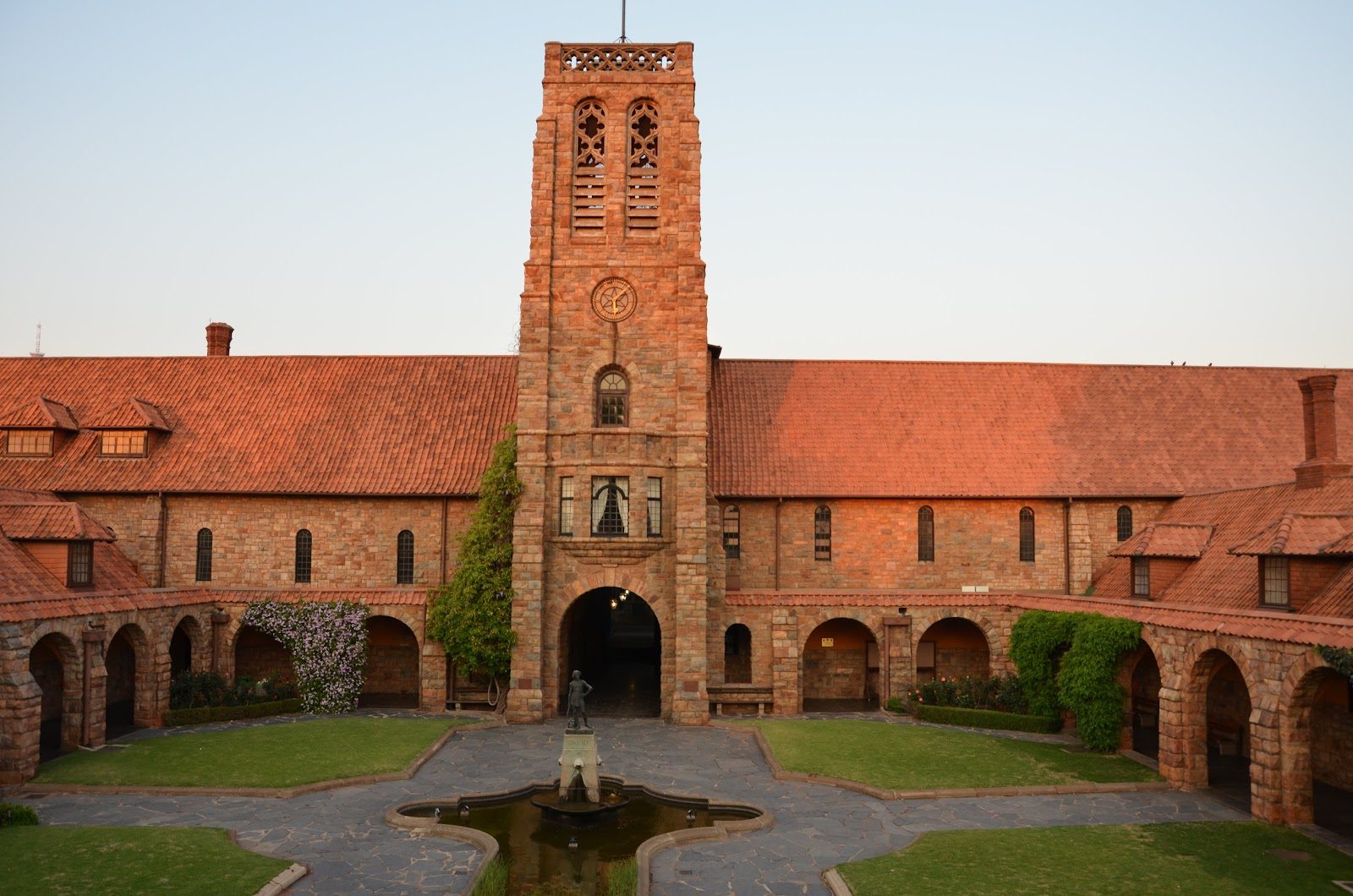
St John's College
Johannesburg · South Africa
Founded twelve years after the Witwatersrand gold rush, this Anglican boarding college blends Herbert Baker quadrangles with a four-house pastoral tradition
Same country and curriculum — closest matches within ±10 points either way