
KwaZulu-Natal
Kearsney College
low confidence· 6/6 cats · 0 avg sourcesPerched above the Valley of a Thousand Hills, a Methodist boys' school whose choir has claimed world titles and mathletes lead KZN.

Photo © The Vish via Google Maps
Type
Both
Ages
11–18
Curriculum
IEB (South African National Senior Certificate)
Ratio
10.5:1
The Verdict
Editor's commitment
Right for
Boys 11–18 who want a traditional high school with IEB results, a 10.5:1 ratio, and serious rugby, hockey and choir standards.
Wrong for
Families wanting co-education, a secular urban campus, or an IB route; Kearsney is boys-only, English-medium and rooted in Botha’s Hill.
Watch out for
The sports-and-choral culture is not decorative: SA Schools selections, world choral titles and a 99% Bachelor Degree pass set a demanding pace.
Ranking breakdown
Kearsney College · #1092 of 1591
Composite score 60.9. 8 weighted criteria.
By criterion
Academic Outcomes
Weight 20%
#1136
of 1529 scored
University Placement
Weight 16%
#1144
of 1529 scored
Prestige & Heritage
Weight 12%
#967
of 1571 scored
Alumni Network
Weight 12%
#619
of 1530 scored
Facilities
Weight 12%
#1054
of 1533 scored
Transparency & Communications
Weight 8%
#1138
of 1532 scored
Peer & Industry Review
Weight 10%
#998
of 1548 scored
Admissions Selectivity & Demand
Weight 8%
#888
of 1529 scored
Peer & Industry Review
How Kearsney College is regarded in the sector
75
Strong · medium confidence
Kearsney College is consistently listed among South Africa's leading traditional boys' schools alongside Michaelhouse, Hilton College, and Maritzburg College, particularly in KwaZulu-Natal 'top schools' rankings and rugby/cricket school-sport press coverage. It features in independent schools' association (ISASA) discussions and has a strong, visible old boys' network (Kearsney Old Boys) with regular alumni coverage in regional media, though it receives less international press attention (Tatler, Good Schools Guide) than Cape Town or Johannesburg peer institutions like Bishops or St John's.
Evidence sources
Award

Elite Sport 80
World's Top School · The Global Ranking
Kearsney College is featured on our Global Top 80 ranking at #73. This seal is available for the school's marketing team to use on their website, prospectus and social channels.
Editors' overview
Perched above the Valley of a Thousand Hills, Kearsney trades on more than scenery. This is a boys’ school in Botha’s Hill with a long-established South African independent-school formula: full secondary range from ages 11 to 18, English-medium teaching, the IEB route to the National Senior Certificate, and a lean 10.5:1 student-teacher ratio that points to real teacher access. The academic case is straightforward. Kearsney reports a 100% matric pass rate for 2025, a 99% bachelor degree pass, and a 45% average distinction rate for mathematics. It also claims the top school in KwaZulu-Natal in the South African Mathematics Olympiad for six consecutive years. That makes the school serious about outcomes, not just sport and tradition.
What lifts Kearsney above the standard South African boys’ boarding-school script is the breadth of elite performance. Rugby, hockey, water polo, basketball and golf all feature in provincial or national selections, but the sharper point is that the school does not force a choice between jock culture and intellectual ambition. The choir won both categories it entered at the World Choral Festival in Hong Kong, took more prizes than any other choir there, and collected the jury prize as well. Few schools can pair hard-driving maths credentials with a choir that wins international titles. That combination gives Kearsney a distinct market position: a high-output, traditional boys’ school with credible depth in academics, music and sport, rather than a one-dimensional sports factory.
It belongs on a shortlist for families who want a structured, competitive environment and who value measurable performance. Boys who thrive here will want a full timetable, visible standards and a school culture that rewards commitment in more than one arena. This is not the place for a child who needs a loose, progressive atmosphere or extensive co-educational social life; it is purposeful, male, and shaped by expectations. For the right student — academically able, energetic, resilient and happy in a culture of selection, touring and team representation — Kearsney offers a formidable platform.
An Elite Sport 80 school
Kearsney College in KwaZulu-Natal is at rank seventy-three on the Elite Sport 80 because it is one of South Africa's most productive private boys' boarding schools across rugby and water polo, with a sustained Springboks and Olympic water polo representative pipeline across generations. The Kearsney 1st XV rugby squad competes at national schoolboy finals level, and the school's water polo programme has been one of the most successful in South Africa for decades.
The specialisms are rugby union (with a formal academy model, professional coaching and links to the Sharks Super Rugby franchise and KZN Rugby), water polo (a South Africa Water Polo pipeline with multiple Olympic representative alumni), cricket (a Dolphins and Proteas pipeline), athletics and hockey. Squash, tennis and swimming run at high schoolboy standard.
Notable alumni across codes include several Springboks and Currie Cup professionals across the past three decades, multiple South African water polo Olympic representatives, and — in cricket — a rolling roster of Proteas and franchise-level players. In hockey, multiple South African representative players have come through. The school's rugby derby against Hilton and Michaelhouse remains one of the most anticipated triangular schoolboy fixtures in KZN.
International openness is genuine. Kearsney is a full boys' boarding school with an established overseas cohort — particularly from Zimbabwe, Botswana, Namibia, the UK, mainland Europe and Asia. Fees are in the upper tier by South African standards, sitting around ZAR 320,000-360,000 per year including boarding — positioning Kearsney as more expensive than the state gymnasiums on this list but still substantially below equivalent UK or US boarding schools with comparable output. Language of instruction is English. Admissions is a standard application process plus a sport-specific reference or trial where relevant. South African study permits are straightforward. For a family targeting a genuine Springbok, Olympic water polo or Proteas pathway in KZN, Kearsney is one of the most distinctive private schools on the entire Elite Sport 80.
Academic Performance
Kearsney’s examination profile puts it in the top working tier of South African independent boys’ schools. The core headline is secure: a complete matric pass and a bachelor-pass rate that leaves almost the entire year group eligible for degree study. That matters more than glossy claims about “all-round excellence”, because it shows the school clears the first academic hurdle cleanly and at scale. The more revealing marker sits in mathematics. A long-run average distinction rate of 45% in the subject, paired with public emphasis on Further Studies Mathematics, places Kearsney well above the national norm and ahead of many schools that post respectable overall passes but weaker performance in demanding quantitative work. The physical sciences record also carries weight, with a long-run distinction average of 36%.
Relative to peers, this is not the profile of a school that coasts on selective admissions and sporting prestige. It has a hard-edged academic core. The presence of teachers who serve as IEB examiners, sub-examiners and moderators strengthens confidence in assessment literacy and exam preparation. We have not seen a full subject-by-subject breakdown for the latest cohort, so there is no public basis for judging consistency across the humanities, languages and commercial subjects with the same precision. Even with that caveat, the published indicators are serious, competitive and well above routine. In KwaZulu-Natal, Kearsney sits among the stronger academic performers; within the national independent-school market, it reads as robust rather than ornamental.
Facilities
The estate does real work for Kearsney. A 52-hectare campus gives the school room that many urban competitors cannot match, and the sports build-out is the clearest expression of that advantage: 22 venues across a programme of 14 sports. For a boys’ school that trades in selection, touring and representative honours, that matters more than architectural gloss. Families choosing between Kearsney and tighter, city-based independents will find a campus built for volume, rotation and serious training, not improvised use of shared fields. The music side also carries institutional weight. A choir that wins on the world stage needs rehearsal standards, staffing and performance infrastructure to support it. Kearsney does not read as a school with one flagship facility and a long tail of compromise; it reads as fully tooled for its priorities, competition-ready and operationally serious.
Boarding provision strengthens that picture. Separate house accommodation for the youngest intake, followed by multiple houses for the older boys, points to a boarding system with enough scale to organise pupils by age rather than cram everyone into one arrangement. That is a practical advantage, not a romantic one. Peer schools in South Africa’s traditional boys’ sector often have strong sports grounds and decent houses; fewer combine that with this amount of land, this breadth of sporting provision and a campus atmosphere that remains purpose-built rather than ornamental. The trade-off is obvious too: families wanting cutting-edge urban design, specialist tech showpieces or a sleek metropolitan feel will not find the selling point here. Kearsney’s facilities are expansive, traditional and hard-working.
It also claims the top school in KwaZulu-Natal in the South African Mathematics Olympiad for six consecutive years
Prestige
Kearsney carries real regional prestige and a measure of national standing, but not the kind of global cachet that attaches to the most internationally networked boarding schools. Its reputation rests on output, tradition and visibility in the spheres that matter in South African school culture: university entry, competitive sport, music and public honours. The school has built a name that travels well inside KwaZulu-Natal and commands recognition beyond it. That matters. A boys’ school with a high boarding population, strong old-boy ties and regular provincial and national selection in sport holds social weight in South Africa. Add a choir with 15 World Choir Games gold medals and recent international category wins, and the prestige broadens beyond the usual rugby-first script. This is a high-status, high-recognition school in its home market.
The rating stops short of the topmost prestige bracket for one reason: Kearsney’s renown is concentrated, not universal. It is highly regarded in the circles that know South African independent education well, and it has the institutional markers of seriousness — an expansive estate, deep extracurricular provision, and staff trusted with external examining roles. Its exchange links and the fact that matriculants have gone on to 52 international universities add reach, but they do not turn Kearsney into a global brand. The school’s prestige is earned rather than theatrical: strong enough to open doors, strong enough to impress locally, and strong enough to matter to universities and employers who understand the South African landscape.
Kearsney’s examination profile puts it in the top working tier of South African independent boys’ schools
Communications
Kearsney communicates with parents in the manner of a well-drilled traditional school: direct, centralised and geared to an existing community rather than to public display. The public site does the basics capably. It gives a clear stream of school news, visible evidence of current activity, and a functioning route into the parent portal. The shift to the Ed-admin Multi-portal app matters here. Parents can use it to view details relating to their sons, accounts and contact information, which points to a system built for routine administration rather than ad hoc email chains. The presence of a Parents’ Society also signals a school that values organised parent-school partnership, with events used to keep relationships active instead of leaving communication to termly formalities.
The strengths are clarity and institutional rhythm. A school with a large boarding constituency and a full competitive calendar needs tight operational communication, and Kearsney has the structure for it. News publishing is frequent, timely and heavily focused on pupil achievement, selection and school life, which keeps families plugged into the school’s priorities. The weakness is equally clear: this is not a model of radical transparency. The tone is celebratory, internal and tradition-bound. It tells parents what the school has done and what boys have achieved; it gives less space to harder comparative data, strategic explanation or candid institutional self-scrutiny. For current parents, that is efficient. For prospective ones, it leaves parts of the picture too managed.
Uniqueness
What marks Kearsney out is not tradition alone. South Africa has no shortage of old boys’ schools with strong fields, tidy blazers and a rugby story. Kearsney’s distinction lies in the way three demanding cultures coexist without one swallowing the others: serious quantitative academics, elite choral performance and a *high-pressure representative sports machine*. The school’s public record makes that plain. Its choir has won international categories and a jury prize abroad; its mathematicians dominate the provincial Olympiad scene; and staff hold 13 roles selecting, coaching or managing provincial and national teams. That combination is rare, and it changes the student experience. A boy does not have to choose between being the musician, the mathematician or the athlete and then live at the edge of school life. At Kearsney, each of those routes sits near the centre.
That breadth brings practical benefits. The extracurricular menu runs past 20 clubs and societies, community service exceeds 11,324.5 hours in a year, and the exchange programme spans 5 countries. Those are not decorative add-ons; they widen the school’s definition of achievement and give boys more than one route to stature. The result is a school that trains commitment, public performance and stamina in a structured, exacting setting. For the right student, that is formative in the best sense: he leaves with stronger habits, broader competence and a clearer sense that excellence is earned across different arenas, not granted by one talent alone.
The rating stops short of the topmost prestige bracket for one reason: Kearsney’s renown is concentrated, not universal
Student Profile
The boy who thrives at Kearsney wants structure, pace and visible standards. This is a school for students who can live comfortably inside a competitive pecking order without losing confidence. They do not need to be star athletes on arrival, but they do need enough resilience to cope with selection, fixtures, public results and a culture where achievement carries status. The boarding-heavy intake sharpens that dynamic. A large share of the school lives on site, which suits boys who are sociable, robust and willing to throw themselves into house life, rehearsals, matches, practices and the long school day that follows. With an average class size of 20.5 and more than 120 subject-package combinations, Kearsney has room for able boys whose strengths differ, but it still expects them to pull their weight.
The best fit is a boy with energy to spare and no objection to adult authority. He will value tradition, accept routine and respond to clear consequence. He may be mathematically strong, musically committed, sport-driven or some combination of the three; the key point is that he wants to be busy and does not need a soft-edged or therapeutic school culture. Boys who need anonymity, loose boundaries or a co-educational social environment will find Kearsney constraining. Boys who enjoy camaraderie, competition and a school identity that asks for loyalty as well as effort will find it formative and high-output.
Perched above the Valley of a Thousand Hills, Kearsney trades on more than scenery
Co-curricular strengths
Arts & sport, on a separate axis
Overall 8.22/10
Scored 0-10 from the school's own published evidence. This axis is editorial-only — it does not feed the main WTS ranking.
Drama
8.5/10
Dance
5.8/10
Music
9/10
Visual Arts
8.5/10
Strengths
- +10:1 student-teacher ratio allows close academic oversight
- +Average class size 20 keeps lessons relatively contained
- +IEB National Senior Certificate offers South African university pathway
- +Established in 1921, with long-standing sporting traditions
Considerations
- −Boys-only secondary school limits co-educational experience
- −English-only instruction may deter non-anglophone families
- −IEB curriculum is narrower than British or IB options
Availability
Primary entry gate & tests
Internal Assessment
Gallery
Photo © Kearsney College via Google Maps
Photo © Kearsney College via Google Maps
Photo © Kearsney College via Google Maps
Photo © Kearsney College via Google Maps
Photo © Kearsney College via Google Maps
Photo © Kearsney College via Google Maps
Photo © Kearsney College via Google Maps
Photo © Kearsney College via Google Maps
Photo © Kearsney College via Google Maps
Parent reviews
Have you sent your child here?
Voice reviews carry the strongest trust badge — we transcribe them for you to tidy up before they go live. Prefer to type? A written review is fine too.
Add your voice
In 60 seconds, tell other parents: what's the best thing about Kearsney College, and what surprised you when your child joined?
We ask for a Google sign-in so every review has a real face behind it — no anonymous drive-by attacks on schools, and no faked positive reviews. Your email is never shown publicly.
Send this profile to a friend
International parents rely on word-of-mouth. Share this review with someone weighing the same decision.
Schools with places
Similar schools to Kearsney College with places available now.
Availability first, then country, area, curriculum, price, co-curricular
Consider also
Also worth looking at alongside Kearsney College.
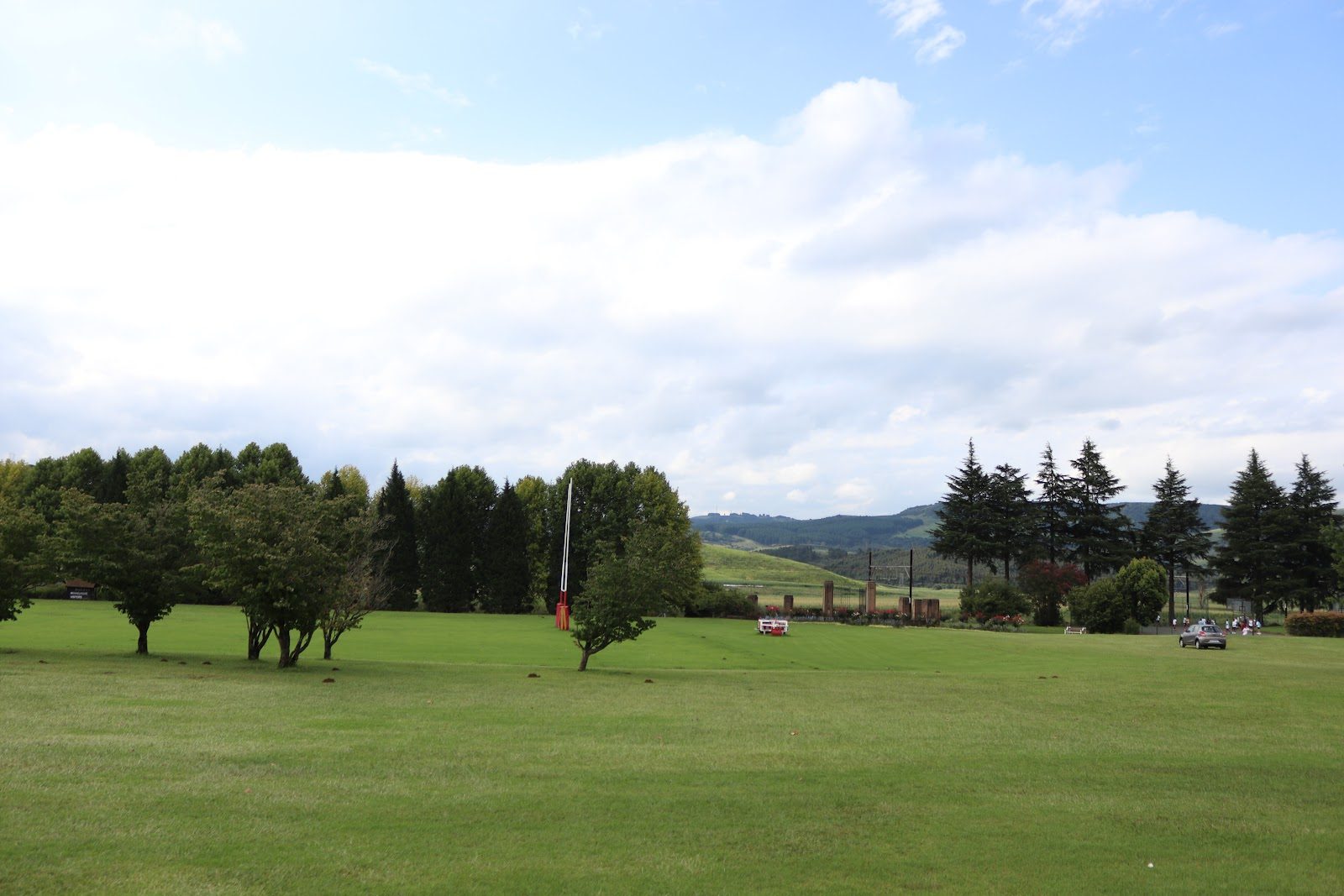
Michaelhouse
Balgowan · South Africa
In South Africa's Midlands, one of the world's few remaining all-boys, all-boarding schools borders a rare mistbelt grassland reserve.
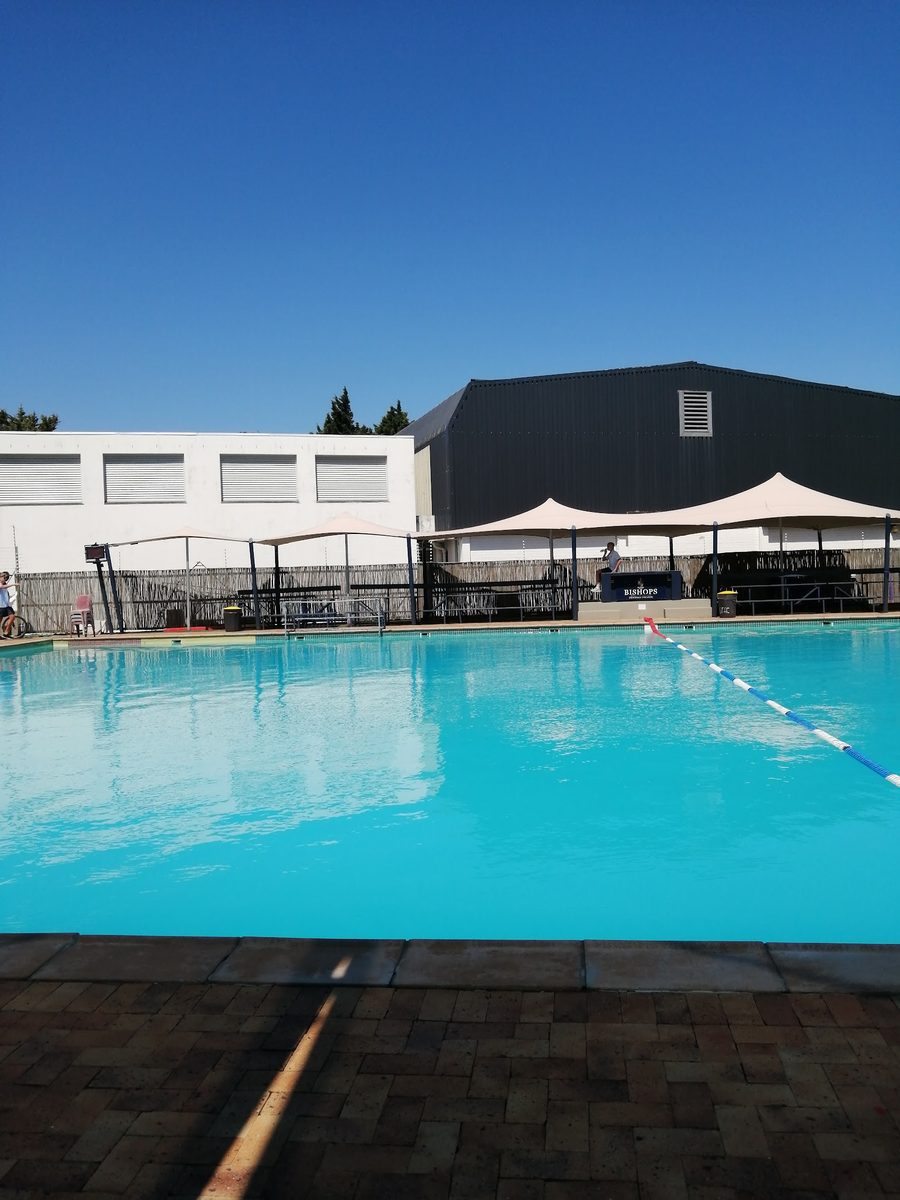
Bishops Diocesan College
Cape Town · South Africa
Founded in 1849 below Table Mountain, home to the oldest rugby field in the southern hemisphere and a storied house system.
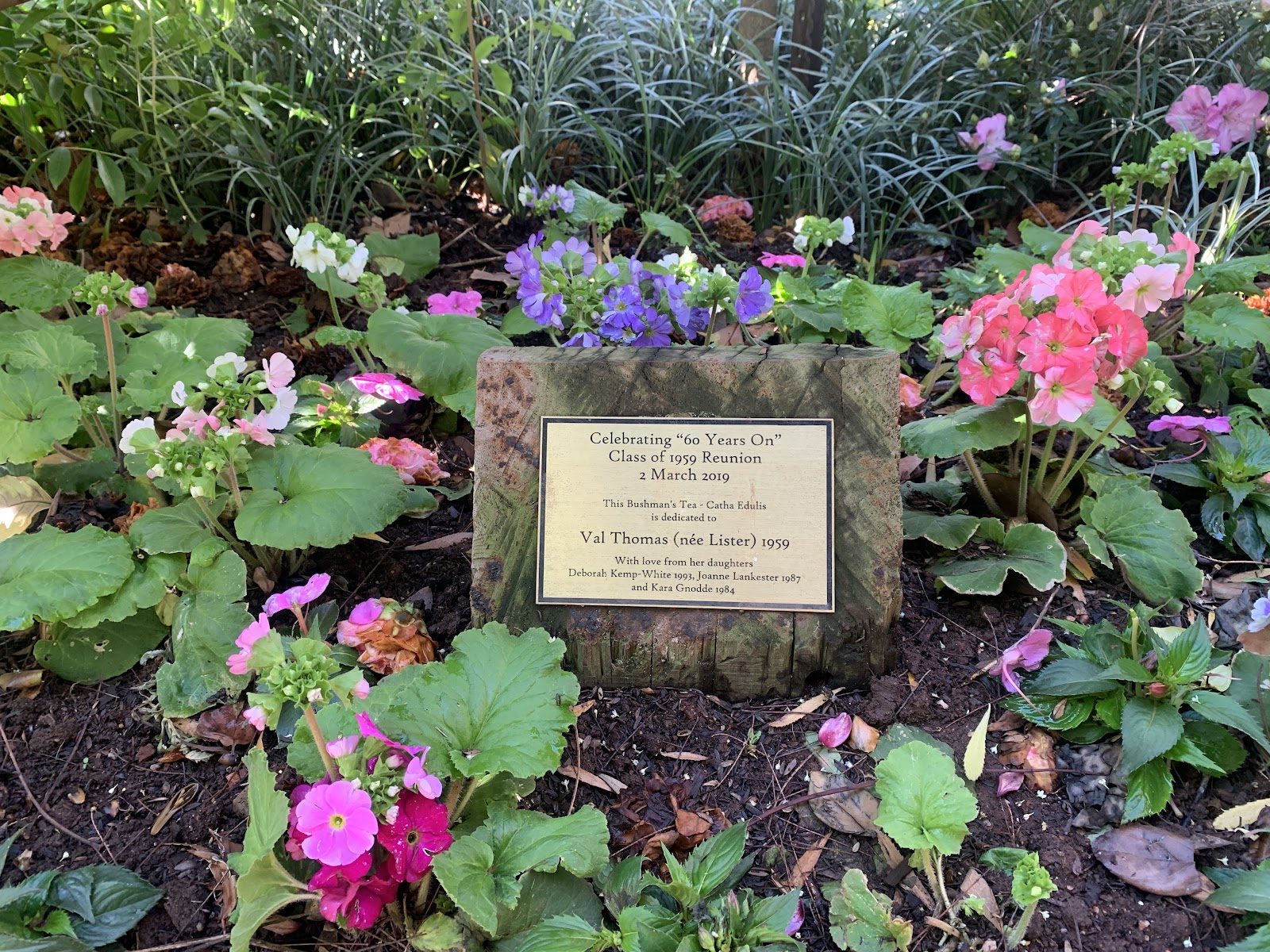
Roedean School South Africa
Johannesburg · South Africa
Founded in 1903 by two Cambridge-educated pioneers, this all-girls boarding school still occupies its original Herbert Baker campus in Parktown.
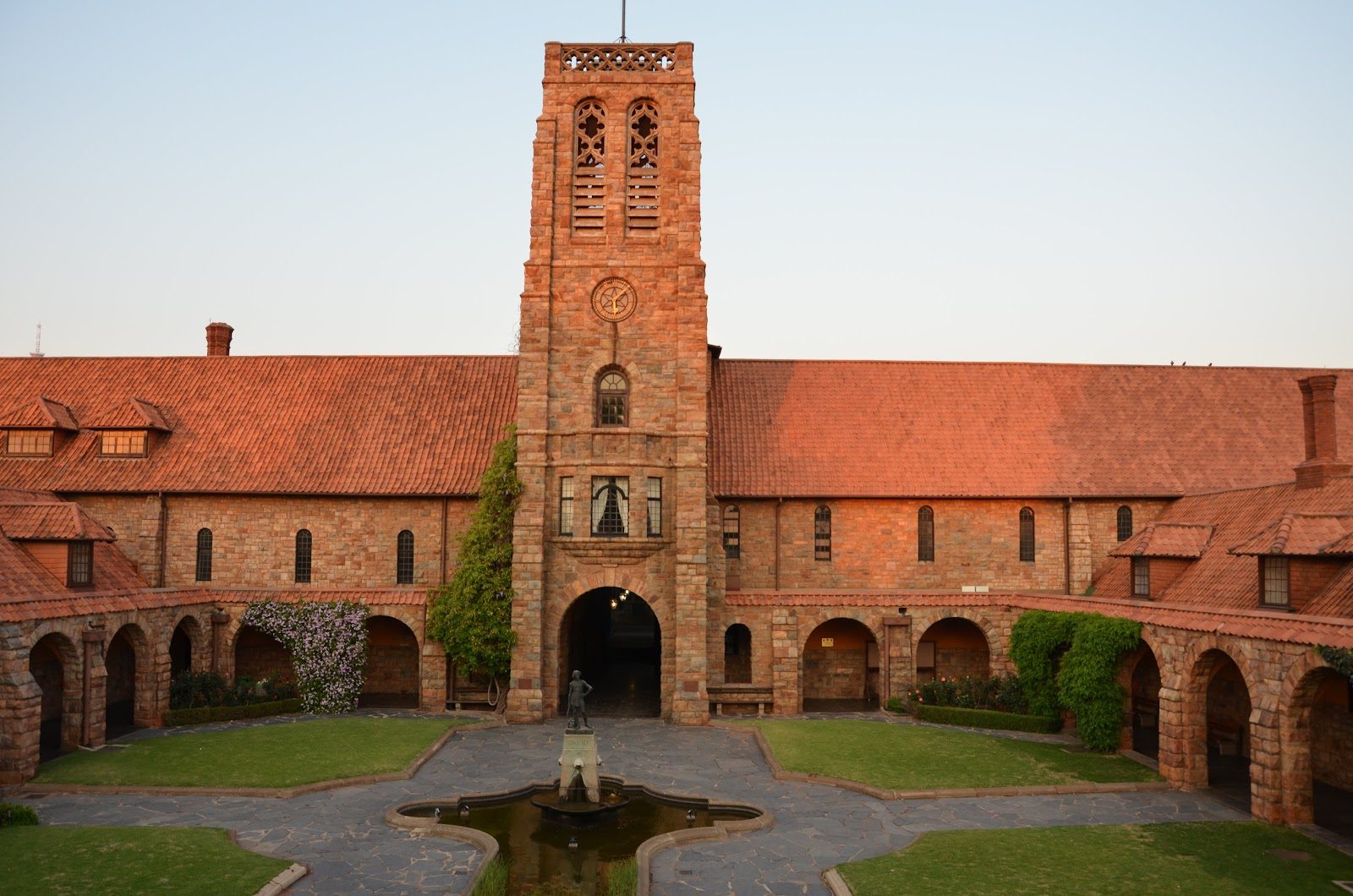
St John's College
Johannesburg · South Africa
Founded twelve years after the Witwatersrand gold rush, this Anglican boarding college blends Herbert Baker quadrangles with a four-house pastoral tradition
Same country and curriculum — closest matches within ±10 points either way