
Maryland
Gilman School
high confidence· 6/6 cats · 2.78 avg sourcesSince 1897, the nation's first country day school pairs a boys' honor code with bridges to two sister schools in Roland Park.
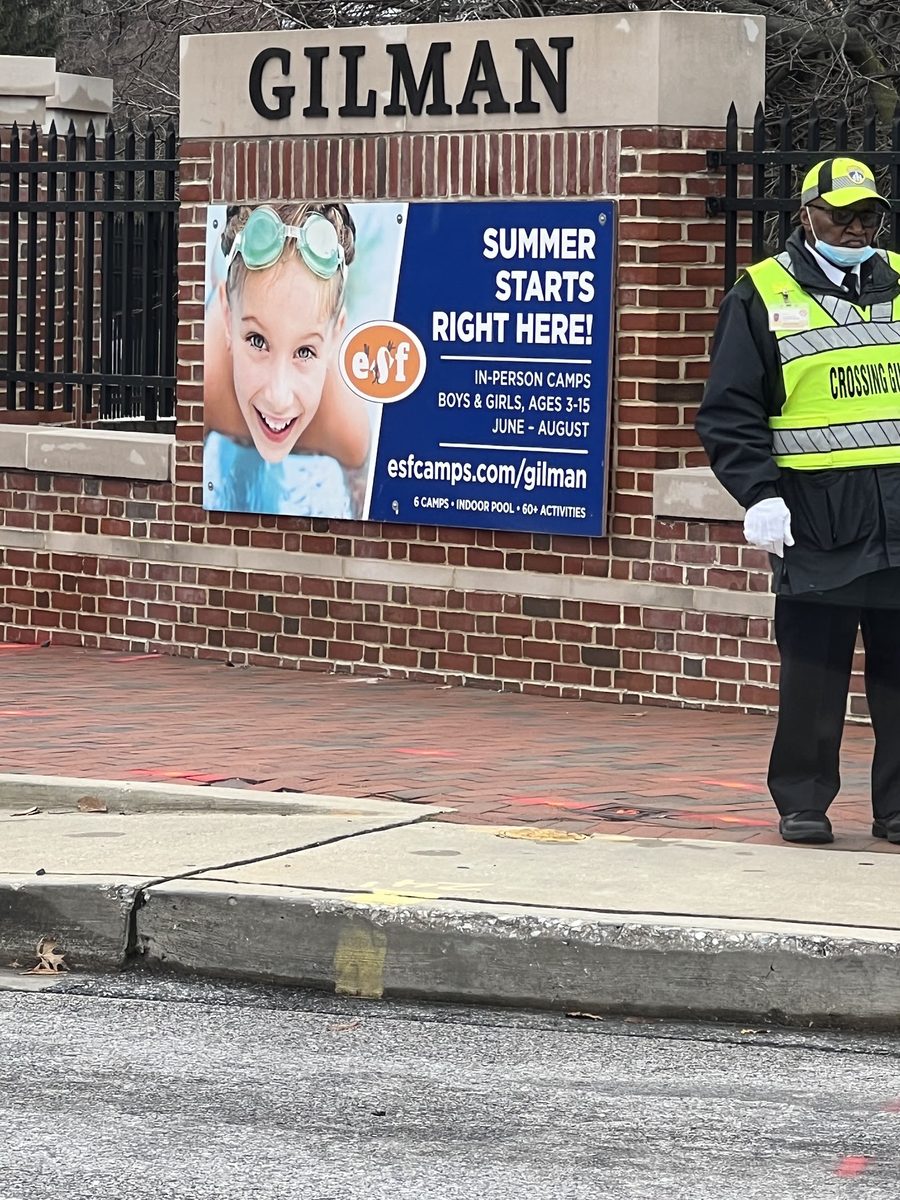
Photo © Muhammad Yameen via Google Maps
Type
Day
Ages
3–18
Curriculum
US High School Diploma · Advanced Placement
Ratio
8:1
The Verdict
Editor's commitment
Right for
Boys who benefit from a dedicated all-boys school from age 3 to 18, with 14-pupil classes and an 8:1 ratio.
Wrong for
Families who want co-education throughout: Gilman stays boys-only, even with Upper School links to Bryn Mawr and Roland Park Country.
Watch out for
At an average annual fee of $37,977, you are paying for a 1897 Baltimore institution with NAIS accreditation and tri-school access.
Ranking breakdown
Gilman School · #341 of 1591
Composite score 72.6. 8 weighted criteria.
By criterion
Academic Outcomes
Weight 20%
#385
of 1529 scored
University Placement
Weight 16%
#354
of 1529 scored
Prestige & Heritage
Weight 12%
#307
of 1529 scored
Alumni Network
Weight 12%
#207
of 1529 scored
Facilities
Weight 12%
#419
of 1529 scored
Transparency & Communications
Weight 8%
#519
of 1529 scored
Peer & Industry Review
Weight 10%
#523
of 1529 scored
Admissions Selectivity & Demand
Weight 8%
#334
of 1529 scored
Peer & Industry Review
How Gilman School is regarded in the sector
88
Strong · high confidence
Gilman School is consistently regarded as one of the premier all-boys independent schools in the United States, frequently cited alongside peers like Groton, St. Albans, and Episcopal High School in discussions of elite college-preparatory education. It has a strong, well-documented alumni network including notable figures in politics, business, and media, and is a founding member of the Independent School League with consistently high college matriculation to Ivy League and top-tier universities. Its reputation is reinforced through regional press coverage (Baltimore Sun, Baltimore Magazine 'best schools' features) and its consistent inclusion in national rankings of top private schools by outlets like Niche.com and Business Insider.
Evidence sources
Editors' overview
The distinctive feature at Gilman is not the all-boys model on its own, but the way that model sits inside a tri-school arrangement with Bryn Mawr and Roland Park Country School. Gilman keeps a boys’ school structure from pre-kindergarten to Grade 12, then opens the Upper School outward through bridges, shared resources and a wider elective menu. That matters. Parents get the focus and pastoral clarity of a single-sex school, without the social and academic insulation that can make some boys’ schools feel narrow. Founded in 1897 as the nation’s first country day school, Gilman also has the confidence of an old Baltimore institution without leaning on nostalgia as a substitute for substance.
The practical offer is clear. Classes average 14, the student-teacher ratio sits at 8:1, and the school teaches in three divisions from age 3 to 18. The curriculum is the US High School Diploma with Advanced Placement, so this is a conventional American college-preparatory route rather than an experimental one. NAIS accreditation gives it a recognised independent-school stamp, but the more important signal is the school’s internal code: Honor, Integrity, Respect, Humility and Excellence. Plenty of schools print values on a wall; Gilman ties them to a long-standing boys’ honour culture. That will suit families who want structure, expectations and adult supervision with no ambiguity about conduct.
Gilman belongs on a shortlist for parents who want a serious, traditional day school with strong adult attention and a clear idea of what it is educating for. The average annual day fee across the full age range is $37,977, which places it in the expensive end of the Baltimore day-school market, but not in a boarding-school price bracket. What stands out is the combination of institutional heft and flexibility: an old-school boys’ environment in the lower and middle years, then broader choice and contact in the upper years. The notable alumni footprint is deep, with 47 catalogued in Wikidata across politics, business, scholarship, journalism and the arts, which reinforces Gilman’s status as a school with durable local and national reach.
The right student for Gilman is a boy who will thrive with high expectations, visible standards and a culture that prizes self-command as much as performance. This is a strong fit for boys who benefit from close teacher attention, who want a disciplined academic runway, and who are ready to use the tri-school programme rather than drift through it. It is a weaker fit for families seeking a progressive co-educational ethos, looser structures, or a school that soft-pedals hierarchy and tradition. Gilman knows its lane. That clarity is one of its strengths.
Academic Performance
Gilman does not publish aggregate AP outcomes, average SAT or ACT scores, National Merit totals, or college-matriculation breakdowns in the public domain quoted here. That limits any hard external judgement on academic performance. In a market where the strongest US independents often publicise at least some outcome data, that opacity counts against it. Parents can infer academic seriousness from structure rather than results: the Upper School runs a full college-preparatory programme, classes stay small, and the tri-school arrangement expands elective access beyond what a stand-alone boys’ school of this size could offer. That is a serious academic platform. It is not the same thing as published proof.
Relative to peers, Gilman fits the tier of old-line, academically ambitious day schools whose reputation rests on selectivity, teaching culture and university preparation rather than on headline exam marketing. The faculty profile helps that case: 75% hold advanced degrees, and total career teaching experience averages 14 years. Those are strong institutional signals. They do not replace disclosed results. The school’s performance story therefore reads as high-confidence but under-evidenced: credible, well-resourced and clearly built for demanding students, yet less transparent than parents have a right to expect from a school charging premium fees. Families comparing Baltimore independents need to ask directly for AP score distributions, top-score rates, testing medians and recent university destinations.
Facilities
The physical advantage at Gilman is scale combined with connection. A 57-acre campus gives a day school room to breathe: space for athletics, separate divisional life and the kind of daily movement that stops a boys’ school from feeling cramped or over-managed. The more distinctive asset, though, is the tri-school arrangement with Bryn Mawr and Roland Park Country School, linked by bridges. That matters operationally, not just socially. It widens access to upper-school classes and activities beyond what one campus alone can carry, and it gives older pupils a less insular environment than many single-sex schools manage. The school day also runs long in the upper years, which points to facilities built for a full programme rather than a narrow academic timetable.
Against peer independent day schools, that package is stronger than average. Plenty of urban schools offer good specialist rooms and decent sports provision, but fewer combine a large site with immediate access to partner-school resources next door. For families, the gain is breadth without a bus ride across town. The limitation is that Gilman does not publish the kind of granular facilities inventory that top schools now provide as standard: no clear public breakdown of theatres, labs, maker spaces or standout arts venues. That leaves the campus reading as substantial and functional, with one genuinely unusual structural advantage, but without the fully documented facilities case that the most transparent competitors put forward.
Families comparing Baltimore independents need to ask directly for AP score distributions, top-score rates, testing medians and recent university destinations
Prestige
Gilman carries real old-establishment prestige in Baltimore and beyond. That status rests on three things: durable institutional identity, selective independent-school positioning, and an alumni network with reach. The school counts more than 8,972 alumni, and the verified notable-alumni floor is strong across politics, business, scholarship, journalism and the arts. That breadth matters more than one celebrity name. It points to a school that has fed influential American professions for decades, not one that trades on a single famous graduate. The tri-school relationship with Bryn Mawr and Roland Park Country School adds another layer of cachet. It gives Gilman the social and academic advantages of a boys’ school with access to a wider upper-school orbit, which is a rare institutional arrangement and a genuine differentiator.
I rate its prestige as high, but not untouchable in the national elite. The missing piece is public academic proof. Families can see the depth of faculty, the scale of the alumni base and the staying power of the brand; they cannot see published aggregate AP or testing outcomes that would lock in top-tier academic prestige with hard evidence. So Gilman sits in a serious, patrician bracket: a school with strong name recognition, local authority and national respect among those who know American independents, but without the data transparency that the most formidable schools now provide as a matter of course. The result is prestige grounded in history, culture and network rather than in publicly demonstrated metrics.
The more distinctive asset, though, is the tri-school arrangement with Bryn Mawr and Roland Park Country School, linked by bridges
Communications
Gilman communicates like an established independent school that expects parents to use the website as the main operating manual. The public-facing information is organised, practical and more detailed than many peers manage. Key facts are easy to find: divisional structure, school-day hours, faculty profile, enrolment, campus size, alumni scale, and a full tuition ladder with fee notes and tuition-assistance boundaries. That breadth matters. Parents do not need to hunt for basic operational information, and the school avoids the glossy evasiveness that weaker school websites use to hide behind atmosphere. The FAQ format also helps: it answers the questions parents actually ask, rather than burying them in admissions rhetoric. For a school serving 1,040 pupils across three divisions, that kind of clarity is a mark of competent institutional discipline.
The limit is depth, not access. Gilman publishes plenty on who it is and how the school runs, but less on how well pupils perform in aggregate. That weakens communications with current and prospective parents because premium-fee schools need to explain outcomes, not just culture and structure. We have not seen public AP summaries, testing medians or detailed university-destination breakdowns, and that omission leaves a conspicuous gap in the parent information chain. Communication therefore scores well on logistics, identity and day-to-day transparency, and less well on academic accountability. In plain terms: clear, orderly, traditional communication, with one important blind spot.
Uniqueness
Gilman’s real distinction is structural. Most boys’ schools ask families to choose between the focus of single-sex education and the breadth of a co-educational upper-school life. Gilman does not force that trade-off. It keeps a boys-only environment through the full school, then punctures the bubble at the top through its coordinate programme with Bryn Mawr and Roland Park Country School, linked directly by bridges. That arrangement is genuinely unusual. It gives boys daily access to a wider social field, a broader elective menu and more varied collaboration without dismantling the school’s own culture. For students, the gain is concrete: less insularity, more choice, and a cleaner transition from a highly structured childhood setting to a more outward-facing sixth-form experience.
The second distinctive feature is the strength of the school’s internal code. Plenty of American independents talk about character; Gilman ties behaviour to a named set of principles and to a boys’ honour tradition that sits at the centre of school life. In practice, that creates a clear moral grammar: expectations are stated, not improvised. Combined with all-school enrolment of 1,040 and an alumni network of 8,972-plus, the result is a school that feels both intimate and entrenched. Students benefit from that mix. They get close adult oversight and strong peer norms inside a community large enough to offer range, continuity and serious institutional memory. For the right boy, that is a powerful combination.
The second distinctive feature is the strength of the school’s internal code
Student Profile
The boy who fits Gilman is comfortable inside a school with clear rules, visible adult authority and an honour culture that carries weight in daily life. This is not a place for pupils who need a loose, negotiable environment or who chafe at institutional expectations. It suits boys who respond to structure, who can handle being known well by teachers, and who benefit from a community where conduct counts alongside attainment. The all-boys setting will work best for families who actively want that model rather than merely tolerate it. With around 1,040 pupils across the school, Gilman is large enough to avoid the claustrophobia that can dog smaller single-sex schools, but it still reads as a closely supervised, tradition-conscious institution.
The strongest fit in the upper years is a student who will use the coordinate arrangement properly: take the wider electives, manage movement between school cultures, and treat the bridges to the neighbouring girls’ schools as an educational asset rather than a social novelty. That calls for a degree of maturity and self-command. Gilman will reward boys who are purposeful, organised and willing to engage fully in a long school day. It is a weaker fit for families seeking progressive ambiguity, a highly informal student culture, or broad tolerance for drift. The pupil who thrives here is not just bright; he is steady under expectation and ready for a school that asks for both discipline and initiative.
Parents get the focus and pastoral clarity of a single-sex school, without the social and academic insulation that can make some boys’ schools feel narrow
Co-curricular strengths
Arts & sport, on a separate axis
Overall 8.42/10
Scored 0-10 from the school's own published evidence. This axis is editorial-only — it does not feed the main WTS ranking.
Sports
9.2/10
National athletic icon; operates a mandatory three-season participation model inside the fierce MIAA "A" conference, routinely producing Division-I and NFL stars.
Drama
9/10
Greatly amplified by its Tri-School coordination with nearby girls' schools, staging large-scale Broadway musicals in Carey Hall.
Dance
5.5/10
Active and robust choreographic development explicitly integrated within the tri-school musical theater networks.
Music
9.2/10
Home to the highly regarded traveling Gilman Glee Club alongside massive jazz big bands and full symphonies.
Visual Arts
9.2/10
Exceptional 57-acre campus footprint enables large-scale woodworking shops, digital imaging labs, and multi-kiln ceramics studios.
Editor-verified · 8/6/2026
Notable alumni · Wikidata
47notable alumni
9 historic (born pre-1930) · 16 modern (born post-1970)wikidata:2026-08-02 How we source this
Strengths
- +Founded in 1897 as the nation's first country day school, giving Gilman a distinctive place in American independent-school history.
- +Its Tri-School Coordinate Program lets Upper School boys take classes at neighbouring Bryn Mawr School and Roland Park Country School, widening course choice in English, mathematics, world languages, science, history and art.
- +The school reports an average student-faculty ratio of seven to one.
- +Over the past decade, an average of 83% of Gilman graduates have matriculated at colleges rated 'Most Competitive' or 'Highly Competitive' by Barron's Guide.
- +Gilman provides need-based tuition assistance to nearly 23 percent of its student body across all three divisions.
Considerations
- −The school remains single-sex by design, a deliberate choice the school defends on developmental grounds, but one that rules it out for families wanting coeducation throughout schooling.
- −Day tuition is listed at roughly $41,775 for 2024, a significant recurring cost typical of the top tier of US independent day schools.
- −Gilman is a day school only, with no boarding option, so families must live within commuting range of Baltimore's Roland Park neighbourhood.
- −The Upper School application deadline falls in mid-December, requiring families to plan admissions timelines well in advance of the school year.
Availability
Primary entry gate & tests
ISEE/SSAT + Interview (Boys)
Gallery
Photo © Todd Rademacher via Google Maps
Photo © Gilman School via Google Maps
Photo © Gilman School via Google Maps
Parent reviews
Have you sent your child here?
Voice reviews carry the strongest trust badge — we transcribe them for you to tidy up before they go live. Prefer to type? A written review is fine too.
Add your voice
In 60 seconds, tell other parents: what's the best thing about Gilman School, and what surprised you when your child joined?
We ask for a Google sign-in so every review has a real face behind it — no anonymous drive-by attacks on schools, and no faked positive reviews. Your email is never shown publicly.
Send this profile to a friend
International parents rely on word-of-mouth. Share this review with someone weighing the same decision.
Schools with places
Similar schools to Gilman School with places available now.
Friends Seminary
New York City · United States
- 2026-27
- WAITPOOLLate/held pending openings
- 2027-28
- OPENS SOONExpected Sept '26
Saint Ann's School
Brooklyn · United States
- 2026-27
- WAITPOOLLate / attrition-dependent
- 2027-28
- OPENS SOONOpens 8 Sept '26
Ethical Culture Fieldston School
New York City · United States
- 2026-27
- WAITPOOLLimited late availability
- 2027-28
- OPENS SOONOpens post-Labor Day '26
Riverdale Country School
New York City · United States
- 2026-27
- WAITPOOLLate application possible
- 2027-28
- OPENS SOONOpens 8 Sept '26 (Noon ET)
Availability first, then country, area, curriculum, price, co-curricular
Consider also
Also worth looking at alongside Gilman School.
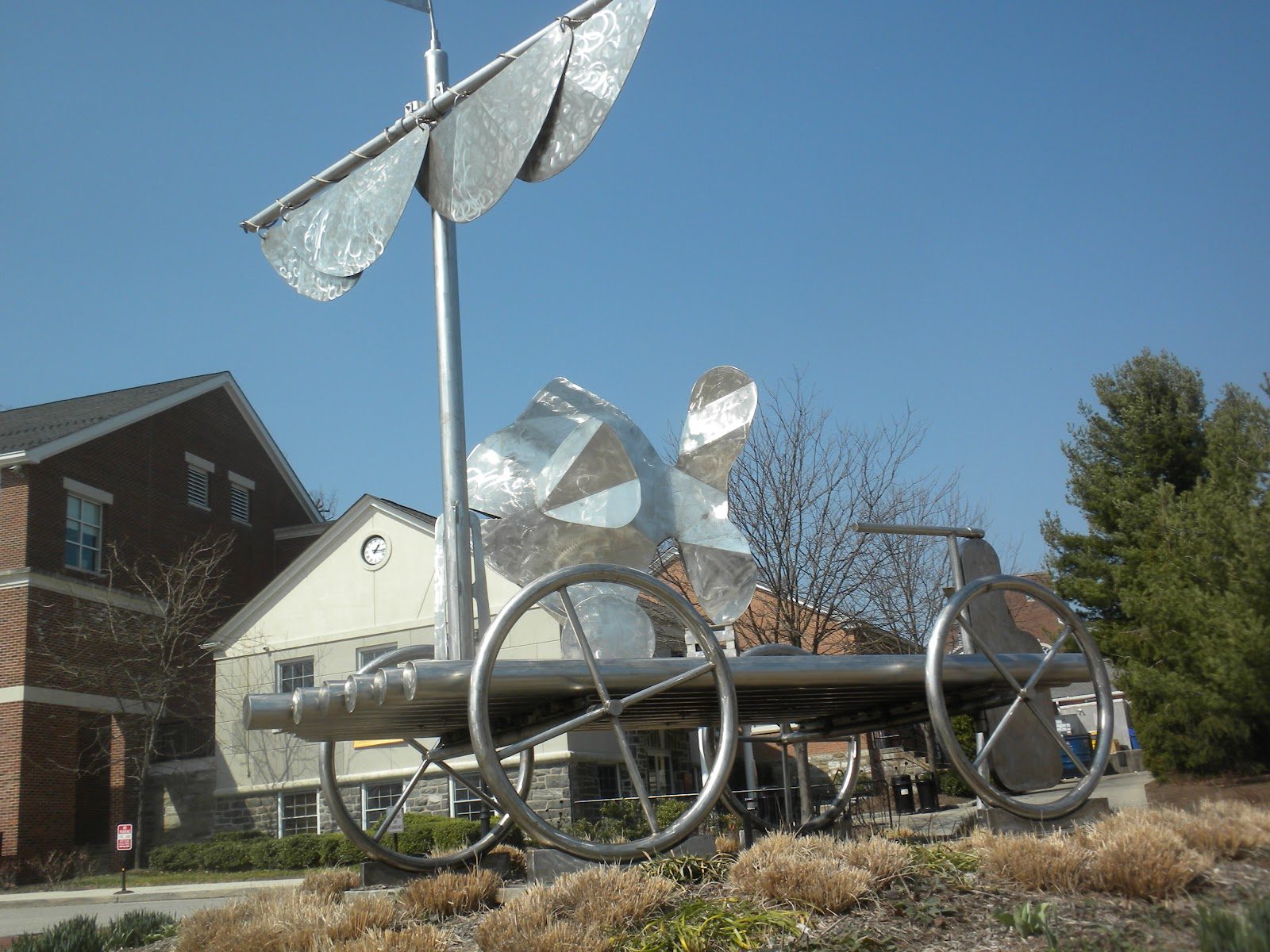
The Haverford School
Haverford · United States
Since 1884 on Philadelphia's storied Main Line, an all-boys campus balances rigorous academics with athletics and the arts.
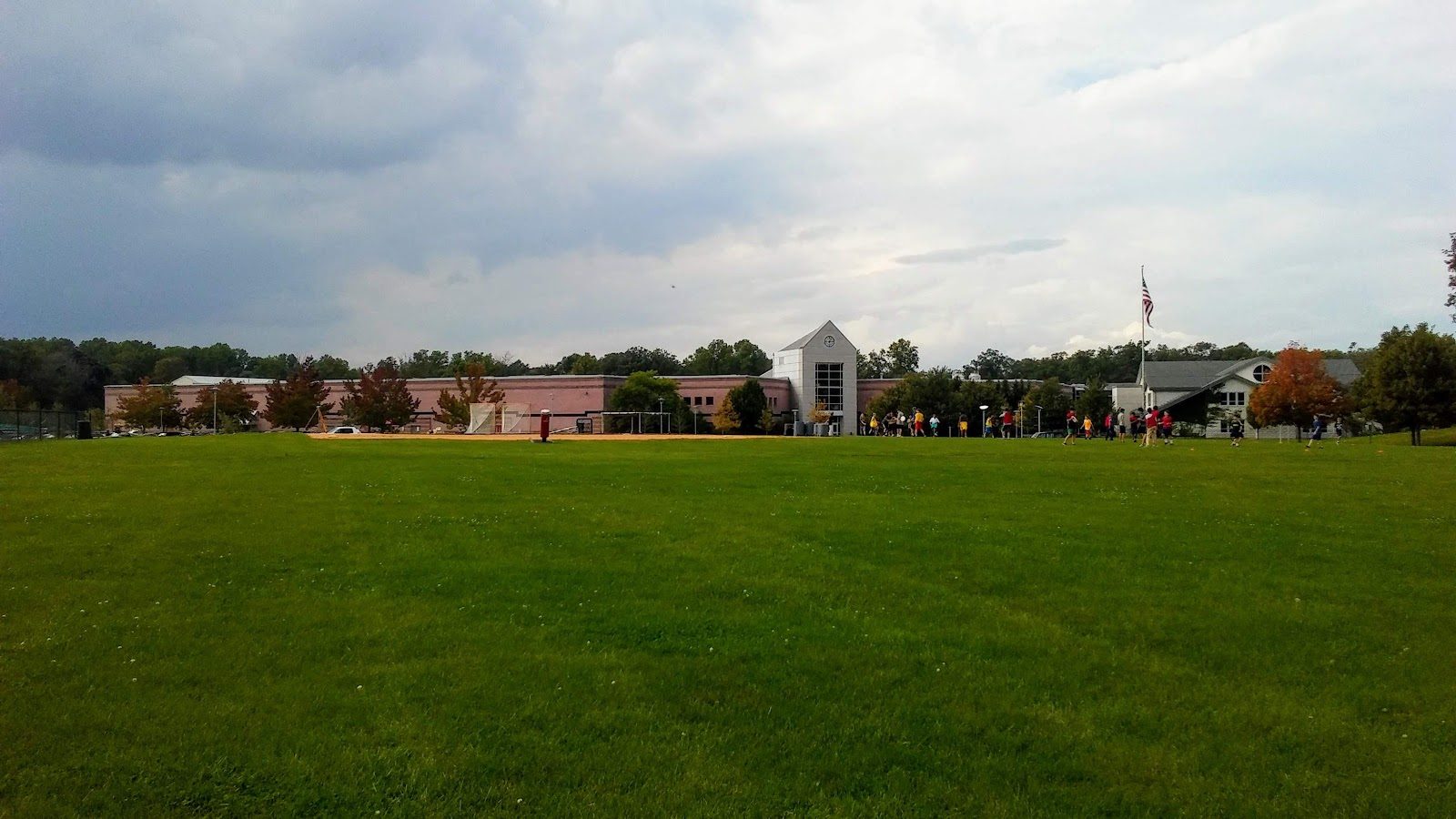
The Pingry School
Basking Ridge · United States
A 1861-founded New Jersey day school whose soccer pitches were deemed fit to host Morocco's 2026 World Cup training camp.
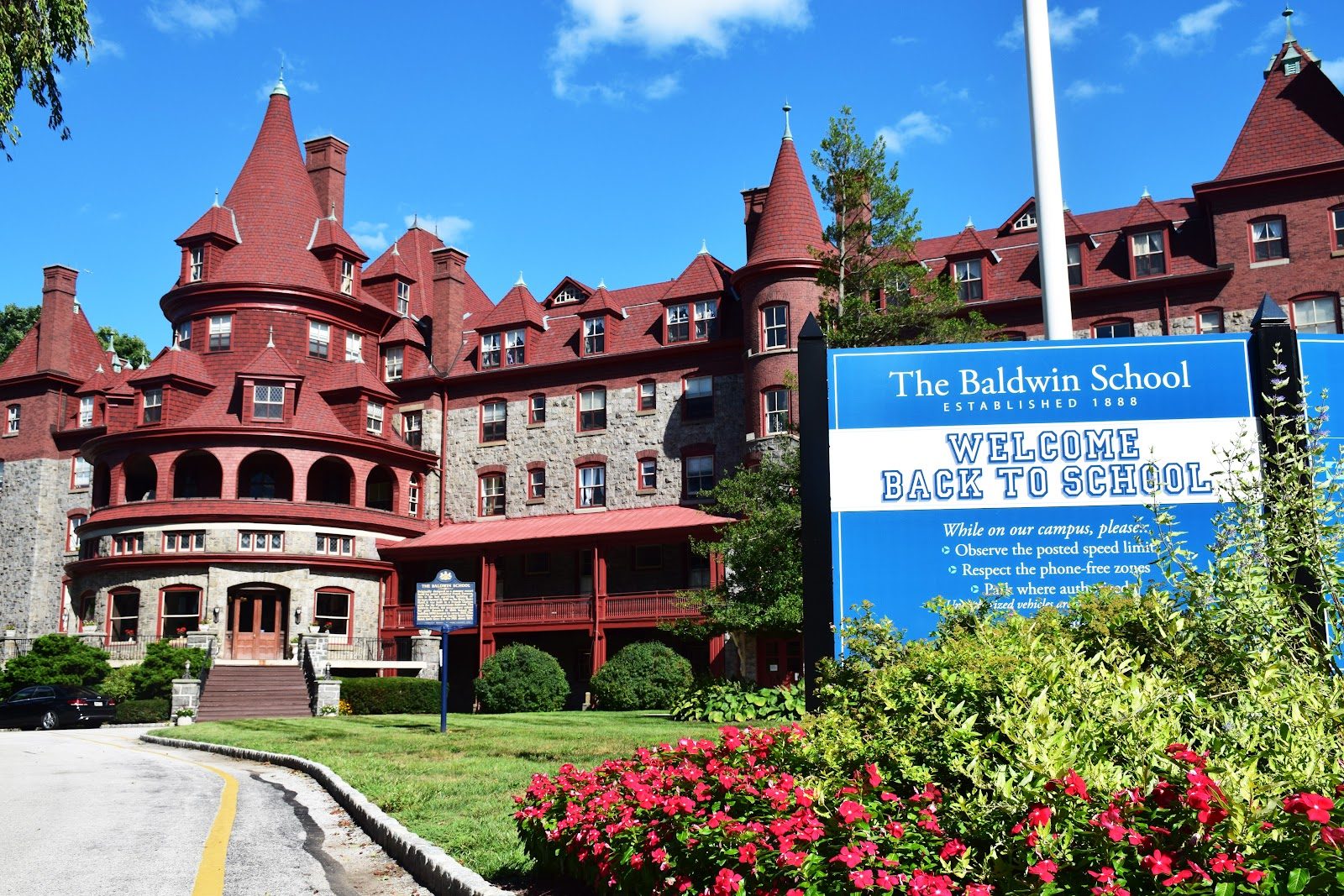
The Baldwin School
Bryn Mawr · United States
Since 1888, a single-sex college-prep tradition on Philadelphia's Main Line, housed in Frank Furness's landmark former Bryn Mawr Hotel.
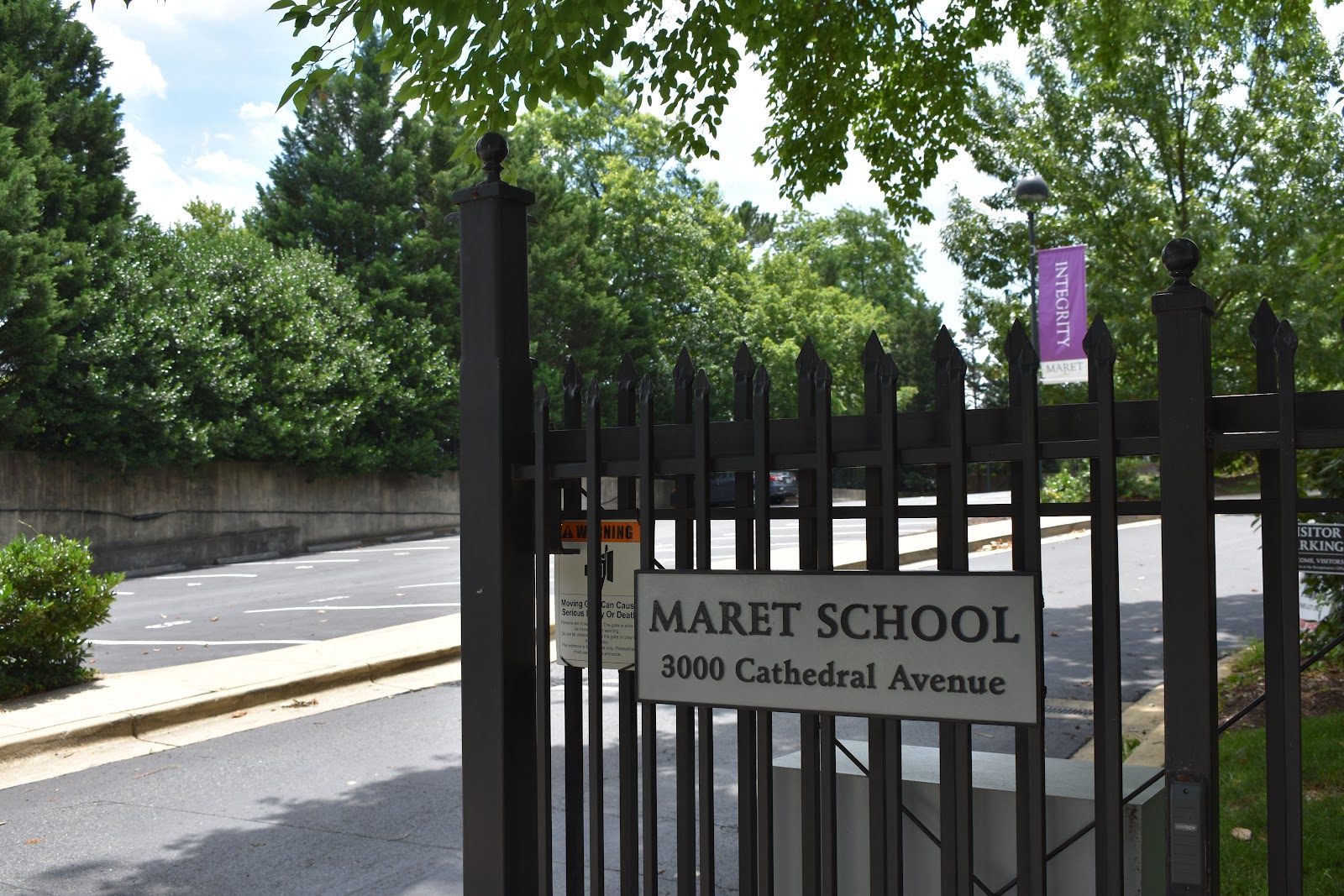
Maret School
Washington, D.C. · United States
A Federal-era Woodley Park estate carries forward the French-language roots planted by three immigrant sisters in 1911.
Same country and curriculum — closest matches within ±10 points either way