
Delhi
Founded in 1972 as the DPS Society's flagship, this South Delhi campus has long been a magnet for CBSE toppers.
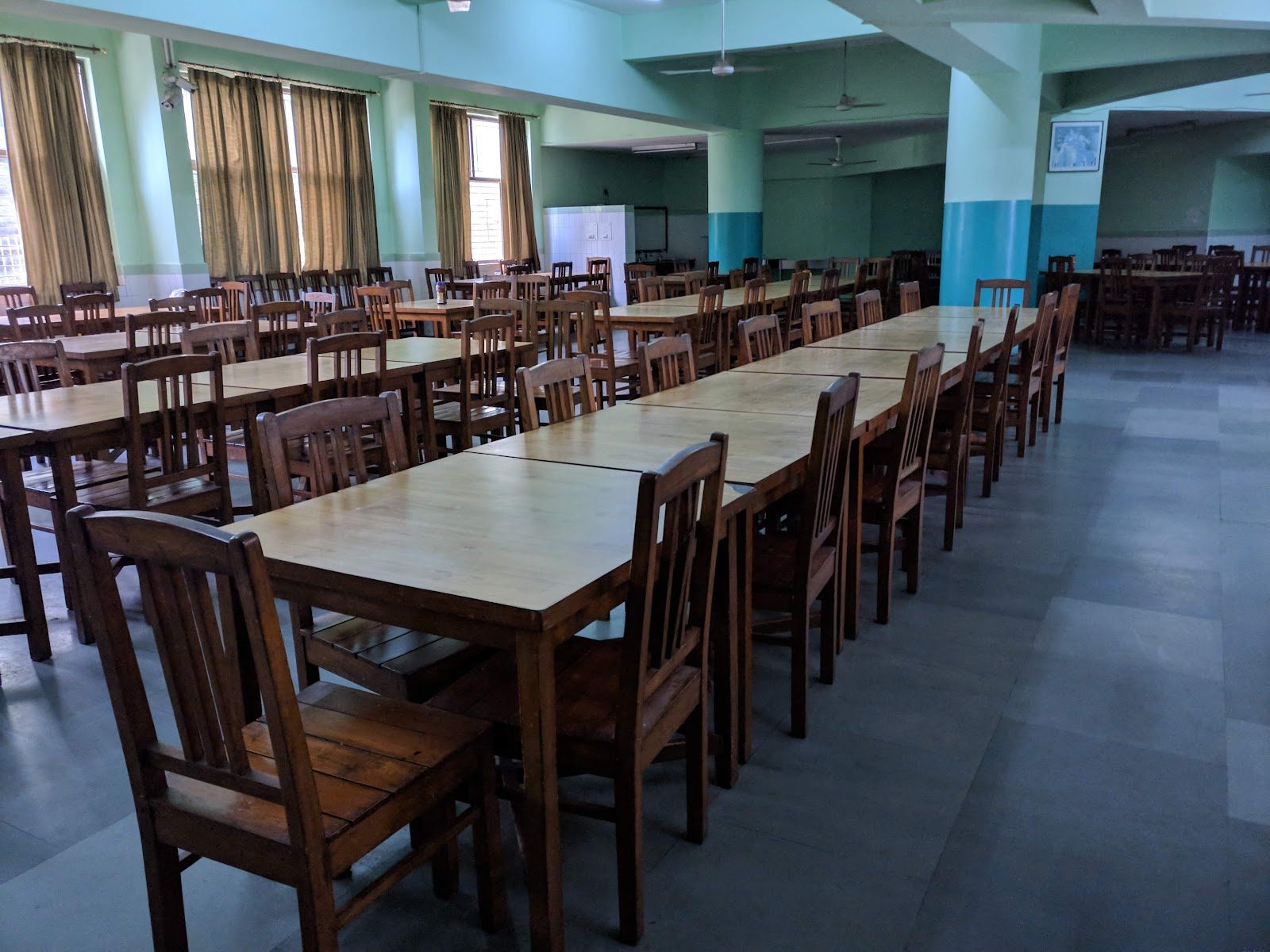
Photo © Mohit Dey via Google Maps
Type
Day
Ages
4–18
Curriculum
Indian National
Qualifications
CBSE
Ratio
—
The Verdict
Editor's commitment
Right for
Families who want a New Delhi day school, founded in 1972, with English-medium teaching and the CBSE curriculum.
Wrong for
Anyone seeking boarding, a religious ethos, or an IB or British pathway; this is a non-religious day school for ages 4–18.
Watch out for
DPS Society flagship status raises expectations, yet the school does not publish much beyond basics; parents must probe outcomes and teaching depth.
Ranking breakdown
Delhi Public School R.K. Puram · #183 of 1591
Composite score 74.7. 8 weighted criteria.
By criterion
Academic Outcomes
Weight 20%
#148
of 1529 scored
University Placement
Weight 16%
#187
of 1529 scored
Prestige & Heritage
Weight 12%
#377
of 1571 scored
Alumni Network
Weight 12%
#293
of 1530 scored
Facilities
Weight 12%
#808
of 1533 scored
Transparency & Communications
Weight 8%
#288
of 1532 scored
Peer & Industry Review
Weight 10%
#385
of 1548 scored
Admissions Selectivity & Demand
Weight 8%
#143
of 1529 scored
Peer & Industry Review
How Delhi Public School R.K. Puram is regarded in the sector
92
Top-tier · high confidence
DPS R.K. Puram is consistently ranked among the top schools in India in independent surveys such as the Education World India School Rankings and various national media 'best schools' lists, and is widely benchmarked by peer institutions in Delhi/NCR. Its alumni network includes prominent figures in Indian business, politics, and entertainment, frequently referenced in Indian press coverage. It is one of the most recognized names among expat and diplomatic parent communities in Delhi due to its academic rigor and legacy as a flagship Kendriya-style central government school.
Evidence sources
Editors' overview
Delhi Public School R.K. Puram is one of the few Indian day schools whose name still carries real weight. Founded in 1972 and run as the flagship of the DPS Society, it sits at the sharp end of the CBSE market in Delhi: large, established, exam-facing and intensely competitive. This is not a progressive boutique school selling pastoral gloss. It is a mainstream academic machine with a long record of attracting ambitious families who want English-medium schooling, a nationally recognised curriculum and a peer group that treats marks as serious business. The appeal is clear: hard academic edge, institutional reputation, and a campus culture built around performance.
What sets it apart is not curricular novelty. The school offers the Indian National curriculum under CBSE, from ages 4–18, in English. Its distinction lies in brand power and expectation level. In Delhi, that matters. Parents shortlist DPS R.K. Puram because it has long functioned as a magnet for high-achieving students, and because the name still opens conversations in a way newer schools do not. It offers the classic strengths of an old, high-demand urban day school: scale, familiarity, competitive classmates and a clear line of sight to board examinations. It also carries the harder edges that come with that model: pressure, hierarchy and less tolerance for drift. *This is a school for children who want to win marks, not escape them.*
The right student for DPS R.K. Puram is academically driven, resilient and comfortable in a crowded meritocracy. A child who thrives on competition, handles pace, and does not need hand-holding will find plenty of fuel here. A child who needs a softer environment, more individual tailoring, or a broader definition of success may find the culture unforgiving and the scale impersonal. For parents, the question is simple: do you want a school that wraps ambition in reassurance, or one that treats ambition as the point? DPS R.K. Puram belongs firmly in the second camp. For the right family, that makes it a serious prize and a proven route through one of India’s most scrutinised school systems.
Academic Performance
Delhi Public School R.K. Puram trades on academic reputation, but public reporting on hard outcomes is thinner than a school of this stature should allow. We have not seen consistently published, school-level aggregates for board results, subject-wise score distributions, or multi-year trend data in the public domain. That matters. In a market where examination performance drives demand, serious schools publish more than celebratory snippets. The absence of a clear results dashboard leaves parents relying on legacy reputation, anecdote and the school’s long association with high scorers. That is not the same thing as transparent performance reporting.
Even with that caveat, the school sits in the top academic tier of mainstream Delhi CBSE schools by reputation and parent demand. Its peer set is not the average neighbourhood school; it competes with the city’s exam-heavy elite where board marks, Olympiads and entrance-test momentum shape the culture. The key distinction is that DPS R.K. Puram carries a hard-edged academic brand strong enough to keep it in those conversations without publishing the level of outcome detail that would settle them cleanly. For families who prize documented evidence, that opacity is a weakness. For families content with institutional standing and a results-first culture, the school’s place near the front of the pack remains intact.
Facilities
Public information on facilities is weak. The school’s own site extract available here offers a recruitment notice, not a serious account of campus infrastructure, and that gap matters at this level. For a school with flagship status, parents should not have to infer the physical offer from reputation alone. We have not seen a clear, current facilities overview covering laboratories, libraries, sports provision, performing arts spaces or specialist rooms. That leaves an opaque picture of the day-to-day environment in which pupils work. In a market where peer schools now publish floor plans, venue lists, sports calendars and photographic evidence of specialist spaces, this silence feels behind the curve and oddly complacent.
That does not mean the campus is weak; it means the school does not document it properly in public. Given the school’s scale, age range and academic positioning, one expects the standard urban big-school toolkit: science labs, computer rooms, assembly space, courts and fields, and the infrastructure needed to run a large examination-focused day school efficiently. Against strong Delhi peers, that baseline is no longer enough. Families comparing top-tier campuses want to know whether facilities are merely functional or genuinely strong in sport, arts and independent study. At present, DPS R.K. Puram gives too little hard detail to win that argument cleanly. The result is a facilities profile that reads as serviceable but under-evidenced, not decisively best-in-class.
Families comparing top-tier campuses want to know whether facilities are merely functional or genuinely strong in sport, arts and independent study
Prestige
A Delhi Public School R.K. Puram education carries real metropolitan prestige in India’s school market. This is not the soft prestige of a pretty campus or fashionable branding; it is the harder currency of selectivity, exam culture and a name that parents, teachers and universities recognise at once. Within the DPS universe, R.K. Puram holds the flagship aura, and that matters. The school benefits from the reputational lift of a large, entrenched network while also sitting above most sibling campuses in public esteem. In Delhi, that places it in the serious-parent bracket: the kind of school families mention as evidence of academic intent, not social experimentation. The age range of 4–18 also reinforces that standing, because a full-school institution can build status over time rather than borrowing it from a sixth form alone.
We rate its prestige highly because demand has outlasted fashion. The school has kept its standing through changes in educational taste, the expansion of premium private schools and the rise of international curricula elsewhere in the city. That durability counts. So does its hard-to-fake reputation for producing strong peer competition and attracting families who care deeply about marks. The limitation is equally clear: prestige here rests more on longstanding market authority than on clean public transparency about outcomes. That does not erase the status. It does define its character. DPS R.K. Puram remains a high-prestige, high-pressure address in mainstream Indian schooling, with credibility built on institutional memory and the strength of its name.
Even with that caveat, the school sits in the top academic tier of mainstream Delhi CBSE schools by reputation and parent demand
Communications
Parent communication looks functional, centralised and old-fashioned. The clearest public evidence is telling: the school’s “About Us” page carries an urgent teacher recruitment notice rather than a proper institutional overview. That choice signals priorities. The website works as a noticeboard first and a parent-information platform second. Families can extract the basics, but the school does not use its public channels to explain itself with the clarity now expected from a top-tier day school. We have not seen a well-structured parent communications architecture built around calendars, leadership updates, policy summaries, divisional news or transparent reporting dashboards. For a school with such institutional confidence, that is a thin public face.
The likely day-to-day parent experience is more direct and administrative than warm or expansive: circulars, deadlines, instructions and operational updates rather than narrative hand-holding. Even the vacancy notice is blunt, with a 7-day application window, formal submission routes and no effort to soften the message. That clipped style has advantages. It is efficient, authoritative and well suited to a school that expects families to keep up. It also risks reading as brisk, transactional and behind the market when compared with schools that communicate with more structure and foresight. In short, DPS R.K. Puram gives the impression of a school that tells parents what they need to know, but not a school that works hard to make the relationship transparent or reassuring.
Uniqueness
What marks DPS R.K. Puram out is not innovation, intimacy or glossy self-explanation. Its distinction lies in its role as a high-pressure flagship inside one of India’s best-known school networks. Many schools borrow prestige from a brand; this campus helped define it. That gives students something concrete: a peer group selected as much by ambition as by geography, and a daily culture in which effort, ranking and academic credibility carry real social weight. For children who are energised by competition, that environment is sharply motivating. They do not need a school to manufacture urgency; the place supplies it. The age span from 4–18 also matters, because the school can hardwire expectations early and sustain them right through the senior years instead of rebuilding culture at each stage.
There is another kind of uniqueness here, and it cuts both ways. DPS R.K. Puram operates with the confidence of an institution that knows its market standing. That produces a school with old-school authority, strong internal momentum and little need to flatter parents. It also produces a campus that gives away less than it should in public about how it works day to day. For students, the benefit is membership in a serious meritocracy with a name that carries weight well beyond the school gate. The cost is clear too: children who need gentler pacing, warmer pastoral framing or constant affirmation will find the culture brisk, demanding and indifferent to fragility.
For a school with flagship status, parents should not have to infer the physical offer from reputation alone
Student Profile
The students who do best here are the ones who treat school as a competitive arena, not a lifestyle accessory. They are self-propelled, quick to grasp what teachers want, and comfortable being measured against strong classmates every day. This is a good fit for children with sharp academic reflexes, solid concentration and the stamina to keep producing under pressure. It also suits families who value discipline, routine and external benchmarks over endless personalisation. A pupil who needs constant praise, gentle pacing or heavy pastoral cushioning will find the atmosphere hard-edged, demanding and not for the faint-hearted. The school serves a full age range from 4–18, so that culture starts early and rewards children who adapt fast.
Socially, the best fit is a child who can function in a large, status-conscious meritocracy without being knocked off course by comparison. Confidence helps, but resilience matters more. Students need to cope with correction, competition and the fact that there will always be someone else doing better in at least one domain. The strongest candidates for this environment are ambitious without being brittle: they can absorb setbacks, recover and keep moving. Children with broad curiosity can still flourish here, but only if they accept that the dominant currency is performance. For the right student, that creates a serious, energising and high-voltage peer culture. For the wrong one, it turns into strain very quickly.
Families can extract the basics, but the school does not use its public channels to explain itself with the clarity now expected from a top-tier day school
Co-curricular strengths
Arts & sport, on a separate axis
Overall 8.62/10
Scored 0-10 from the school's own published evidence. This axis is editorial-only — it does not feed the main WTS ranking.
Sports
8.8/10
Drama
8.5/10
Dance
8.5/10
Music
8.8/10
Visual Arts
8.5/10
Editor first-pass · editor-reviewable · 7/30/2026

WTS 300 badge
Delhi Public School R.K. Puram is one of the World's Top 300 Schools. Claim your listing to add it to your site →
Strengths
- +Long-established institution founded in 1972 and run by the Delhi Public School Society, giving it five decades of operating history and an extensive Old Students' Association network.
- +Senior secondary students can choose from Science, Commerce and Humanities streams alongside electives such as AI, Psychology and Legal Studies, offering some subject flexibility within the CBSE framework.
- +The school is affiliated to the Central Board of Secondary Education and holds membership in the Indian Public Schools' Conference and National Progressive Schools' Conference, both markers of institutional standing among Indian day schools.
- +Alumni include figures across business, film and public life such as Kunal Bahl, Kriti Sanon, Randeep Hooda and Raghuram Rajan, indicating a broad professional network for networking purposes.
- +The school has been recognised in national survey rankings, including a Delhi NCR Rank 1 placement in the Education World India School Rankings for 2018-19.
Considerations
- −The school follows only the Indian National (CBSE) curriculum with no IB or IGCSE pathway, which limits options for families expecting an internationally transferable qualification.
- −Admission for general-category applicants is restricted by a residential catchment, with the child required to live within a 20 km radius of the school, narrowing eligibility for newly arrived expat families.
- −Entry-level admissions involve a detailed parental questionnaire and shortlisting/interaction process rather than a simple open enrolment, adding administrative friction for applicants unfamiliar with the Delhi nursery admission system.
- −The institution operates across separate campuses for junior years (Vasant Vihar and East of Kailash) and senior years (Sector XII), meaning families may need to manage a campus change as a child progresses through school.
Availability
Primary entry gate & tests
Class X Board Results / Exam
Gallery
Photo © Mohammad Azharuddin via Google Maps
Photo © Yash Raj Mani via Google Maps
Photo © Kunal Arora via Google Maps
Photo © Aditya mukherjee via Google Maps
Photo © Amit Kumar Shrivastava via Google Maps
Parent reviews
Have you sent your child here?
Voice reviews carry the strongest trust badge — we transcribe them for you to tidy up before they go live. Prefer to type? A written review is fine too.
Add your voice
In 60 seconds, tell other parents: what's the best thing about Delhi Public School R.K. Puram, and what surprised you when your child joined?
We ask for a Google sign-in so every review has a real face behind it — no anonymous drive-by attacks on schools, and no faked positive reviews. Your email is never shown publicly.
Send this profile to a friend
International parents rely on word-of-mouth. Share this review with someone weighing the same decision.
Schools with places
Similar schools to Delhi Public School R.K. Puram with places available now.
Availability first, then country, area, curriculum, price, co-curricular
Consider also
Also worth looking at alongside Delhi Public School R.K. Puram.
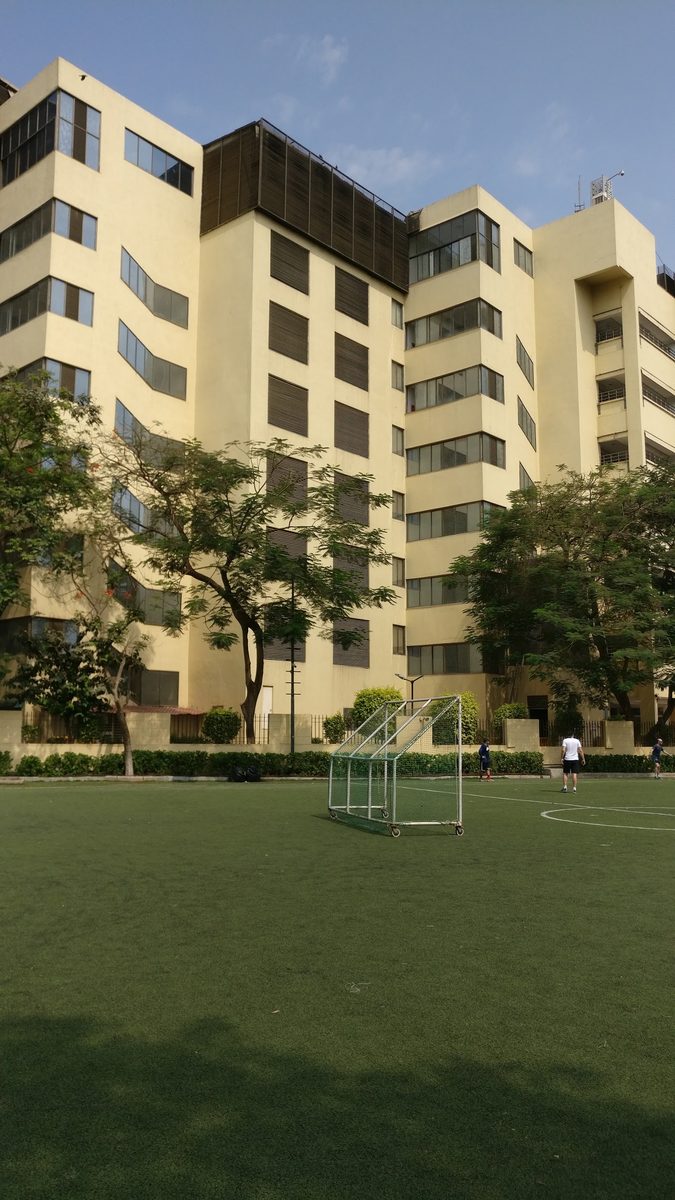
Dhirubhai Ambani International School
Mumbai · India
In the heart of Bandra-Kurla Complex, three curricula converge to produce some of India's highest IB Diploma averages.
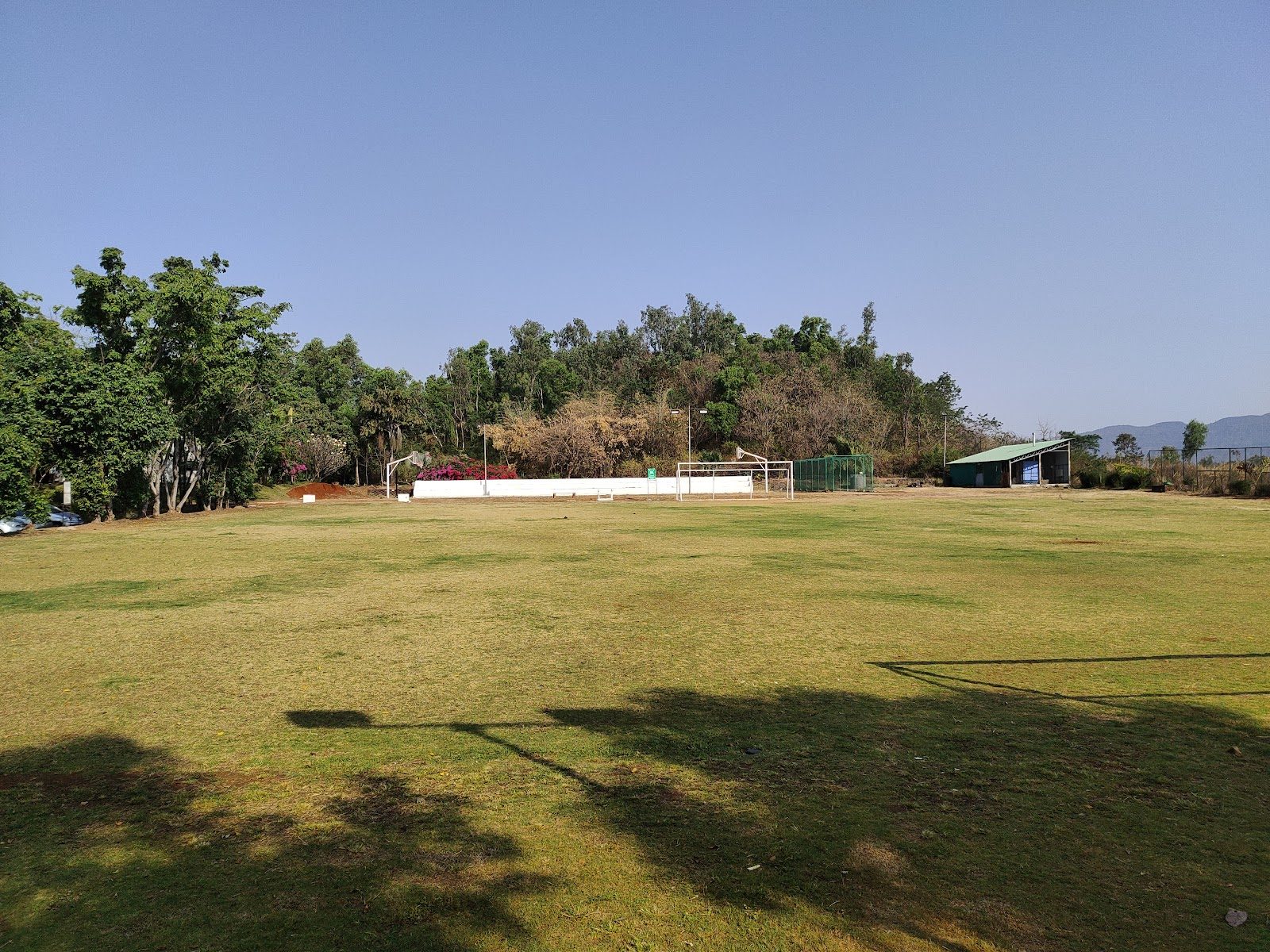
UWC Mahindra College
Pune · India
South Asia's only United World College, its 170-acre Western Ghats campus reforested tree by tree by its own students.
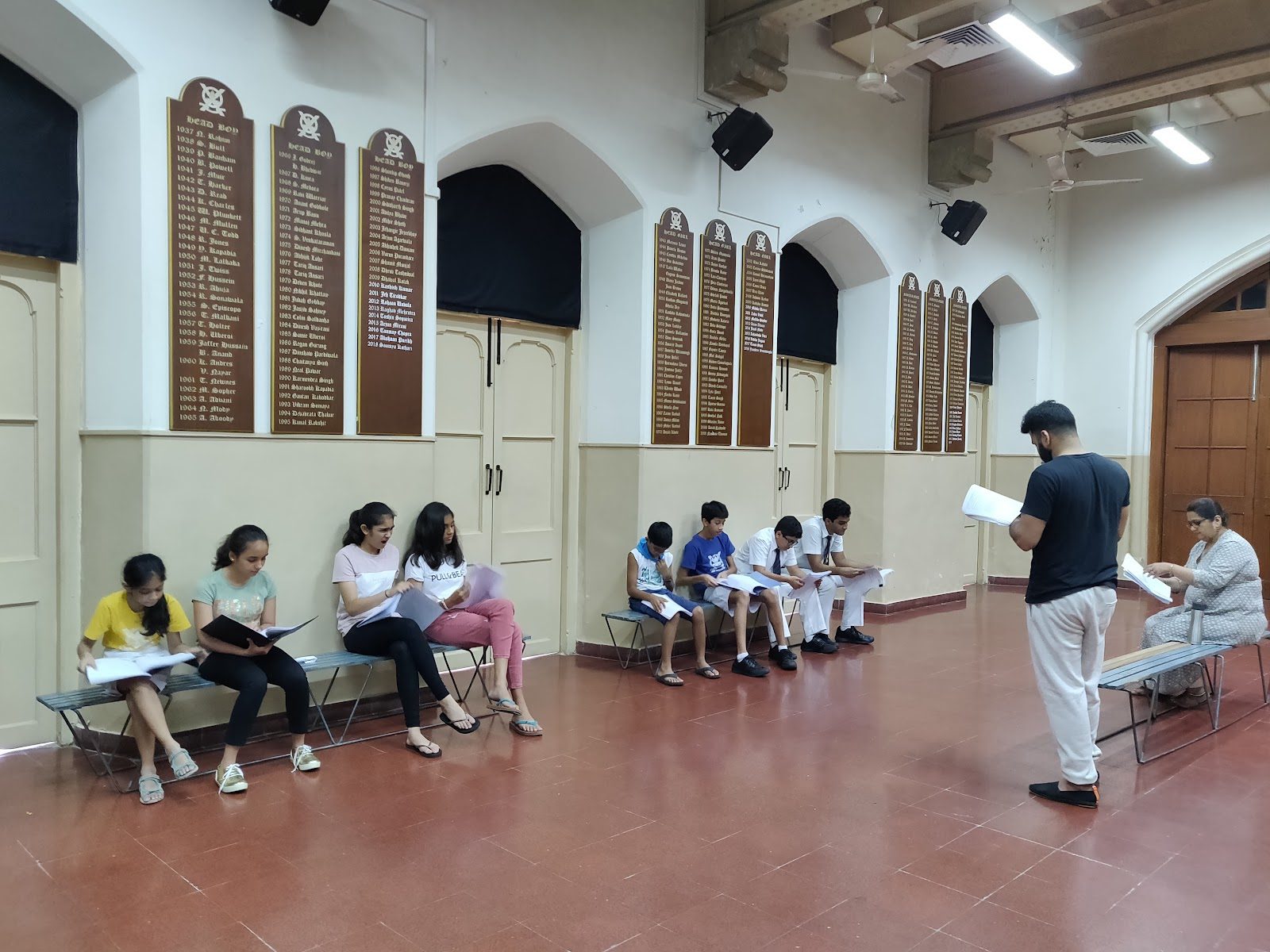
The Cathedral and John Connon School
Mumbai · India
Founded in 1860 to sing for a 300-year-old cathedral, now pairing IB rigor with India's original student-run Model UN in Fort Mumbai.
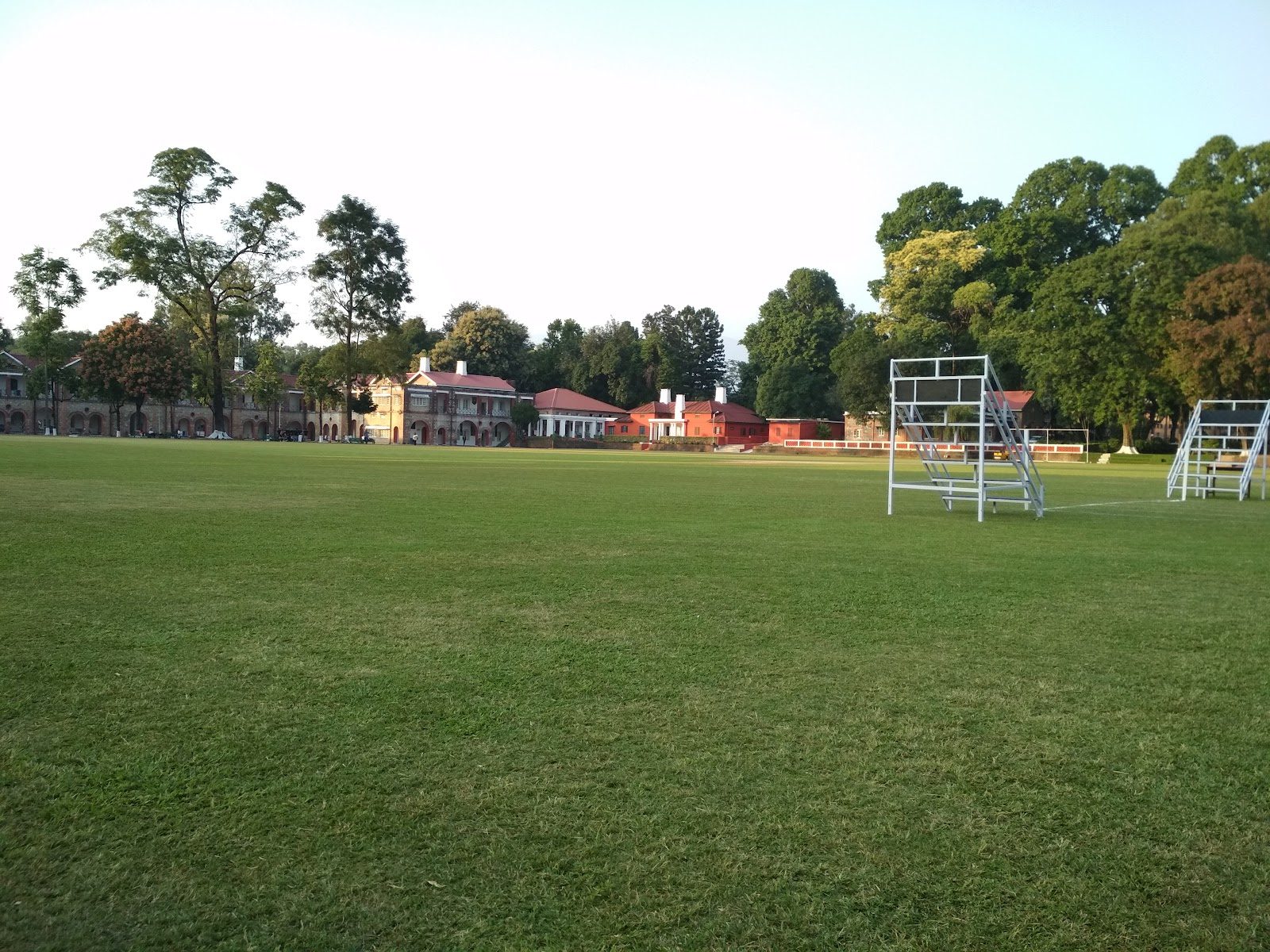
The Doon School
Dehradun · India
At the Himalayan foothills since 1935, this all-boys boarding school helped launch India's post-independence mountaineering movement.
Same country and curriculum — closest matches within ±10 points either way