
Don Muang
Harrow International School Bangkok
low confidence· 4/6 cats · 1 avg sourcesThe first Harrow campus outside Britain, where a private lake hosts dragon-boat races and a six-house system still defines school life.
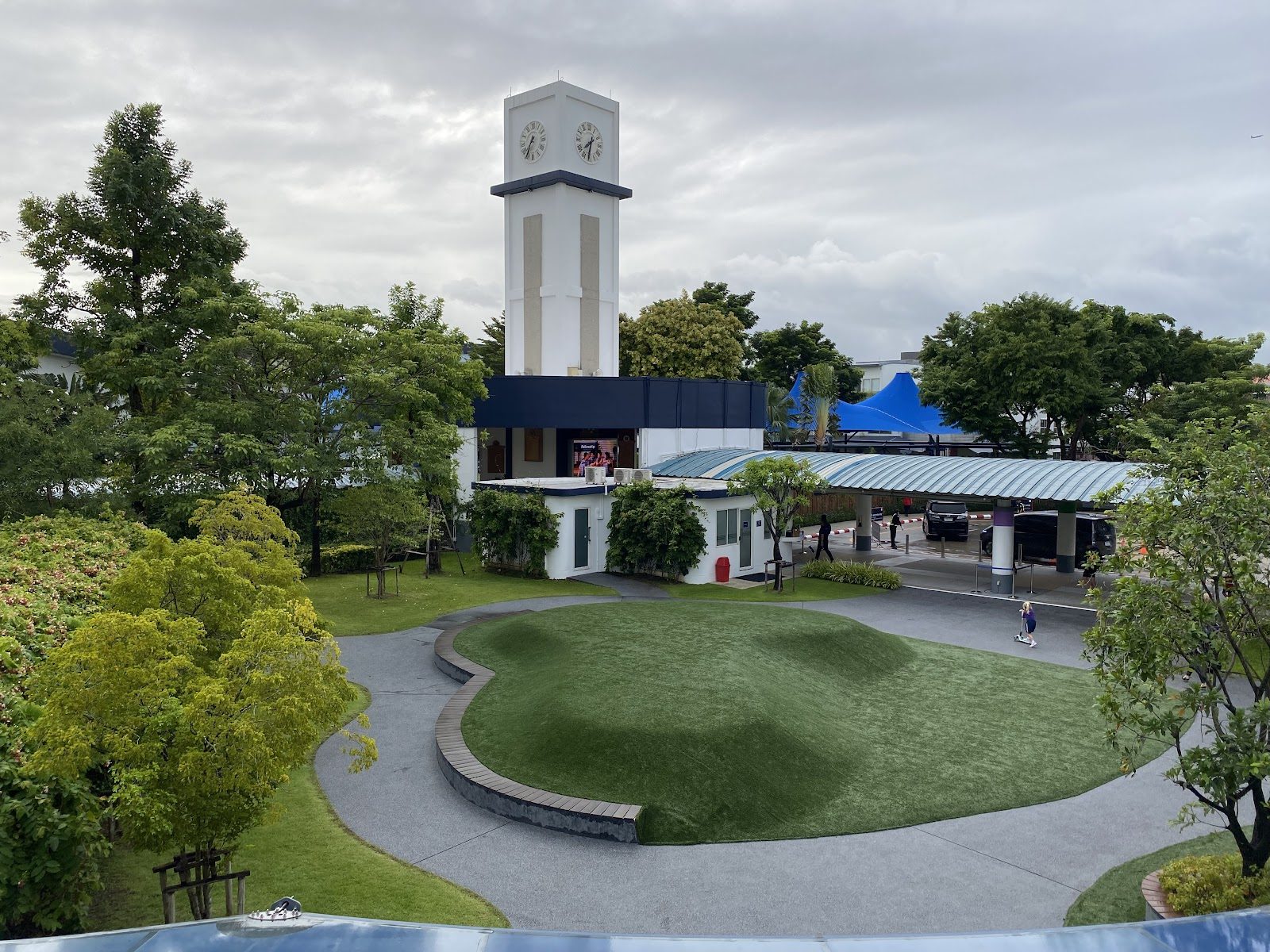
Photo © 冰冰(Lway) via Google Maps
Type
Both
Ages
3–18
Curriculum
British
Qualifications
IGCSE · A-Level
Ratio
—
The Verdict
Editor's commitment
Right for
Families buying a British day-and-boarding school with IGCSE, A Level, CIS and COBIS, 15 minutes from Don Mueang Airport.
Wrong for
Parents who want intimacy or modest fees: this is a 35-acre campus with 35 nationalities and a 670,283 THB average day fee.
Watch out for
The Harrow house ethos is real: six houses, four boarding houses, a private lake and 50-plus activities drive school life as much as lessons.
Ranking breakdown
Harrow International School Bangkok · #442 of 1591
Composite score 71.2. 8 weighted criteria.
By criterion
Academic Outcomes
Weight 20%
#208
of 1529 scored
University Placement
Weight 16%
#305
of 1529 scored
Prestige & Heritage
Weight 12%
#926
of 1529 scored
Alumni Network
Weight 12%
#1005
of 1529 scored
Facilities
Weight 12%
#292
of 1529 scored
Transparency & Communications
Weight 8%
#255
of 1529 scored
Peer & Industry Review
Weight 10%
#338
of 1529 scored
Admissions Selectivity & Demand
Weight 8%
#489
of 1529 scored
Peer & Industry Review
How Harrow International School Bangkok is regarded in the sector
85
Strong · medium confidence
Harrow International School Bangkok is consistently featured in Tatler Thailand's schools guide as one of the top international schools, and is regularly cited in expat parent forums (e.g., ExpatDen, ISS Community boards) as one of the leading British-curriculum schools in Bangkok alongside Shrewsbury and Bangkok Patana. It benefits from the globally recognized Harrow brand, with peer benchmarking common among other Harrow-family schools and Bangkok's premium international school sector, though independent inspectorate or Good Schools Guide coverage specific to the Bangkok campus is limited.
Evidence sources
Editors' overview
A private lake in north Bangkok is not a gimmick when a school builds house life around it. At Harrow International School Bangkok, dragon-boat racing, boarding, sport and pastoral structure all feed into a model that borrows heavily from the English boarding-school tradition and transplants it into Thailand with unusual confidence. This was the first Harrow campus outside Britain, founded in 1998, and the Harrow machinery is visible everywhere: a six-house system, four boarding houses, shared governance links with the wider Harrow family, and a British curriculum taught in English from the early years to IGCSE and A level. Parents looking for a full-blooded British independent-school experience, rather than a generic international school with British branding, will find the distinction matters here.
The campus is one of the school’s clearest advantages. A 35-acre site, 2 swimming pools, six tennis courts, five fields, four basketball courts and more than 50 sports and activities give the school real operational scale. That matters because Harrow Bangkok sells breadth: not just academics, but boarding, competition, leadership, service and an all-round programme. The school states 72% of IGCSE grades were A*/A and 68% of A-level grades were A/A, which places it firmly in the serious academic* bracket. It also holds BSO, COBIS and CIS accreditation, which gives parents external reassurance that this is not only a brand outpost trading on a famous name.
Fees place it in Bangkok’s expensive tier. The average annual day fee across the full age range is 670,283 THB, with boarding averaging 513,900 THB. That buys scale, facilities and a boarding culture that few schools in the city can match. It does not buy intimacy. Families wanting a small, informal, lightly structured environment should look elsewhere. Harrow Bangkok suits students who thrive on routine, competition and belonging to a visible institutional culture. The best fit is the child who wants sport, houses, activities and academic stretch all at once; the weaker fit is the child who needs a gentler, looser school with less ceremony and less pressure to join in.
Why shortlist it? Because it offers something distinct in Bangkok: a highly structured, Anglo-boarding-school model with real facilities, published exam outcomes and a campus built to support school life beyond the classroom. The special factor is not one headline statistic; it is the coherence of the proposition. Harrow Bangkok knows what it is. For the right student, that clarity is a major strength.
Academic Performance
Harrow Bangkok publishes strong headline exam outcomes, and they place the school in Bangkok’s upper academic tier rather than the mere prestige tier. The school reports 72% A/A at IGCSE and 68% A/A at A level. Those are not vanity pass rates; they are high-grade measures, and they matter more. In a market where many schools advertise destinations more loudly than attainment, Harrow puts hard numbers on the table. Relative to peers, those figures mark it out as genuinely competitive with the city’s stronger British schools, especially for families who want evidence that the all-round, house-driven model does not dilute academic seriousness.
There are limits to the picture. The school publishes top-grade percentages, but not broader subject-by-subject breakdowns, cohort context or multi-year trend data in the sources here. That leaves parents with a clear signal, but not a full statistical map. Even so, the signal is strong. A school that combines a heavy extracurricular culture with 68% A/A at A level is delivering more than ceremonial tradition* and polished branding. The mention that 61% achieved an academic scholarship in Year 12 also points to a strong internal academic culture, though scholarship criteria vary by school and need cautious reading. The academic verdict is straightforward: this is a serious, ambitious school with results that stand up well against direct competitors.
Facilities
Facilities are one of Harrow Bangkok’s clearest competitive advantages. The campus has the physical range to support a full boarding-school programme, not just classroom teaching with after-school add-ons. The standout feature is the private lake, which gives the house system a genuine arena rather than a symbolic one; dragon-boat racing is unusual in any school market and rare enough to count as a real differentiator in Bangkok. Beyond that, the sports provision is deep rather than token: 6 tennis courts, 5 fields, 4 basketball courts and 2 swimming pools give the school capacity that many city campuses cannot match. Add the boarding houses, extensive bus network and the volume implied by 270,000 meals served each year, and this reads as a school built for operational scale.
Against peer schools, that scale matters. Plenty of Bangkok internationals have polished science labs, theatres and sports halls; fewer have the land, boarding infrastructure and outdoor breadth to make school life feel institutional rather than improvised. Harrow’s site supports competition, routines and house identity in a way that fits its culture. The trade-off is obvious: this is not a cosy or light-touch environment. Families who want compact, urban convenience or a softer physical atmosphere will find stronger alternatives elsewhere. Families who want facilities that can absorb serious sport, boarding and whole-school events in one place will put Harrow near the top of the list.
The school publishes top-grade percentages, but not broader subject-by-subject breakdowns, cohort context or multi-year trend data in the sources here
Prestige
Harrow Bangkok carries real prestige, and not only because of the Harrow name above the gate. The school sits inside a tight Harrow network with shared governance and staff movement across the group, which gives the brand substance rather than mere licensing gloss. In Bangkok, that matters. Parents are not buying a generic British-style education wrapped in heritage language; they are buying entry into a school that trades on old-school signals of status — houses, ceremony, competition, leadership and boarding — and delivers them with institutional seriousness. The university destination claim — 98% progressing to top universities around the world — adds another layer of social currency, even if the phrase “top universities” is broad and not pinned to a destination list in public.
The prestige level also rests on scale and selectivity of experience. A campus serving 35 nationalities, with meals, transport, sport and activities operating at that volume, projects confidence and organisational muscle. This is not a boutique school with a famous badge; it is a big-ticket, high-status operation built to look and feel established. The limit is worth stating plainly: Harrow Bangkok’s prestige is strongest in expatriate and internationally minded Thai circles that value the British independent-school model. It does not carry the same universal cachet as the oldest domestic elite schools in Britain itself. Even so, within Bangkok’s international market, it sits in the top prestige bracket because the brand, the institutional theatre and the academic credibility all line up.
Families who want facilities that can absorb serious sport, boarding and whole-school events in one place will put Harrow near the top of the list
Communications
Harrow Bangkok communicates like a large, tightly run institution. The public-facing site does the practical work well: key facts are easy to find, the school spells out its house structure, boarding offer, transport reach and co-curricular breadth, and it puts headline attainment figures in plain view rather than burying them in vague claims. That matters. Parents can grasp the school’s model quickly, and the message is consistent across academics, pastoral care and activities. The numbers it chooses to foreground — 32 bus locations, 35 nationalities, more than 50 activities — reinforce a culture of scale, organisation and constant movement. This is disciplined, high-control communication from a school that wants families to understand the system before they join it.
The weaker point is depth. Harrow publishes strong headline messages, but less of the granular parent-facing detail that sharp families use to test substance: richer academic breakdowns, clearer destination data, and more hard evidence on how pastoral care works in practice beyond broad assurances. The tone is polished and institutionally confident, but also carefully managed. That suits a school built on structure and tradition; it does not create much sense of informality or candour. For many parents, that will read as reassuringly professional. For others, it will feel guarded. The overall verdict is strong: communication is effective, orderly and aligned with the school’s culture, but it gives a controlled picture rather than a fully transparent one.
Uniqueness
What sets Harrow Bangkok apart is not one marquee facility or one imported badge, but a coherent social model. Many international schools borrow fragments of British independent-school culture; Harrow builds daily life around it. Houses are not decorative. They organise loyalty, competition, pastoral identity and leadership across the school, and the boarding element gives that structure weight beyond the timetable. The result is a campus culture with real internal gravity: students do not just attend lessons, they join a system that expects participation, visibility and commitment. The lake matters in that context. Dragon-boat racing is not a novelty add-on; it gives the house culture a physical focal point and turns school spirit into something lived rather than advertised.
That brings clear gains for the right child. Students who like structure, ritual and collective identity get an education that pushes them beyond academic competence into leadership, service and performance under pressure. The scale of the co-curricular offer — more than 50 activities, a student body spanning 35 nationalities, and a university progression claim of 98% — reinforces that sense of range and ambition. The trade-off is plain. This is a high-expectation, institutionally strong school with a pronounced culture of joining in. Children who want anonymity, minimal competition or a looser, less ceremonial atmosphere will feel constrained. Children who want belonging, challenge and a school identity that extends well past the classroom will get something distinctive and hard to replicate in Bangkok.
A private lake in north Bangkok is not a gimmick when a school builds house life around it
Student Profile
The best fit at Harrow Bangkok is the child who wants to belong to something bigger than a timetable. This school suits students who enjoy teams, houses, fixtures, performances, service and the steady visibility that comes with a strong institutional culture. With 35 nationalities on site and more than 50 activities in play, the social mix is broad but the behavioural expectation is clear: turn up, take part, commit. Boarders and day pupils alike need a decent tolerance for structure, routine and shared standards. Children who like organised busyness, healthy competition and public recognition will do well. So will students with academic drive who also want their school life filled out by sport, leadership and house identity. The school is high-participation, tradition-conscious and not built for spectators.
The weaker fit is just as clear. Harrow does not suit the child who wants to drift unnoticed, resist organised activity or keep school at arm’s length. A shy student can still thrive here, but only if they are willing to be drawn into a community that asks for more than classroom attendance. Families looking for a looser, less ceremonious environment will find this model hard-edged. The students who flourish are the ones who respond to collective energy, accept visible expectations and take some pride in institutional rituals that others would find intense or overbearing. For the right child, that produces deep loyalty and momentum. For the wrong one, it feels claustrophobic.
That matters because Harrow Bangkok sells breadth: not just academics, but boarding, competition, leadership, service and an all-round programme
Co-curricular strengths
Arts & sport, on a separate axis
Overall 8.96/10
Scored 0-10 from the school's own published evidence. This axis is editorial-only — it does not feed the main WTS ranking.
Sports
9/10
Drama
9/10
Dance
8.8/10
Music
9/10
Visual Arts
9/10
Editor first-pass · editor-reviewable · 7/30/2026
Strengths
- +Follows the English National Curriculum through to IGCSE and A Levels, and is a full member of FOBISIA, categorised as accredited via an approved inspectorate by the federation.
- +2024 A-Level results showed roughly half of all grades at A*/A, well above the UK's national average that year, with graduates matriculating to Oxford, Cambridge, Imperial and other Russell Group universities as well as US and Asian institutions.
- +Boarding is offered from Year 6 across four age- and gender-organised houses, making it one of the few schools in Bangkok offering a genuine boarding option alongside day places.
- +Part of the wider Harrow International Schools network (Bangkok, Beijing, Hong Kong, Shanghai) that shares a Board of Governors with Harrow School in the UK and moves staff between campuses.
- +Offers scholarships of up to 30% fee discount for students who excel academically, in music, or in sport, alongside a dedicated Oxbridge mentoring programme for sixth formers.
Considerations
- −Fees sit at the top end of the Bangkok international-school market, with day fees reported up to roughly THB 1,037,100 a year before one-off admission and deposit charges.
- −Admission carries substantial non-fee costs: a THB 225,000 non-refundable admission fee plus refundable deposits of THB 200,000 (day) or THB 275,000 (boarding), on top of a THB 5,000 application fee.
- −Entry testing and stated priority criteria (native English speakers, siblings already enrolled, students from English-medium or bilingual programmes) mean the assessment process can disadvantage families from non-English-speaking backgrounds.
- −With around 1,600 students across the age range, class sizes and cohort scale are large by international-school standards, and the school does not publish independently verified pupil-teacher ratios.
Availability
Primary entry gate & tests
Academic Record + Assessment
Gallery
Photo © Zink Traveler via Google Maps
Photo © lady andgentleman via Google Maps
Photo © lady andgentleman via Google Maps
Photo © Sza via Google Maps
Photo © Carl Gavin via Google Maps
Parent reviews
Have you sent your child here?
Voice reviews carry the strongest trust badge — we transcribe them for you to tidy up before they go live. Prefer to type? A written review is fine too.
Add your voice
In 60 seconds, tell other parents: what's the best thing about Harrow International School Bangkok, and what surprised you when your child joined?
We ask for a Google sign-in so every review has a real face behind it — no anonymous drive-by attacks on schools, and no faked positive reviews. Your email is never shown publicly.
Send this profile to a friend
International parents rely on word-of-mouth. Share this review with someone weighing the same decision.
Schools with places
Similar schools to Harrow International School Bangkok with places available now.
NIST International School
Bangkok · Thailand
- 2026-27
- WAITPOOLSpace-dependent
- 2027-28
- PLACES OPENRolling
Shrewsbury International School Bangkok
Bangkok · Thailand
- 2026-27
- WAITPOOLSpace-dependent
- 2027-28
- PLACES OPENRolling
International School Bangkok
Bangkok · Thailand
- 2026-27
- WAITPOOLSpace-dependent
- 2027-28
- OPENS SOONOpens Sept '26
Availability first, then country, area, curriculum, price, co-curricular
Consider also
Also worth looking at alongside Harrow International School Bangkok.

NIST International School
Bangkok · Thailand
Founded in 1992 with United Nations backing, Thailand's first not-for-profit IB World School sits amid downtown Sukhumvit.
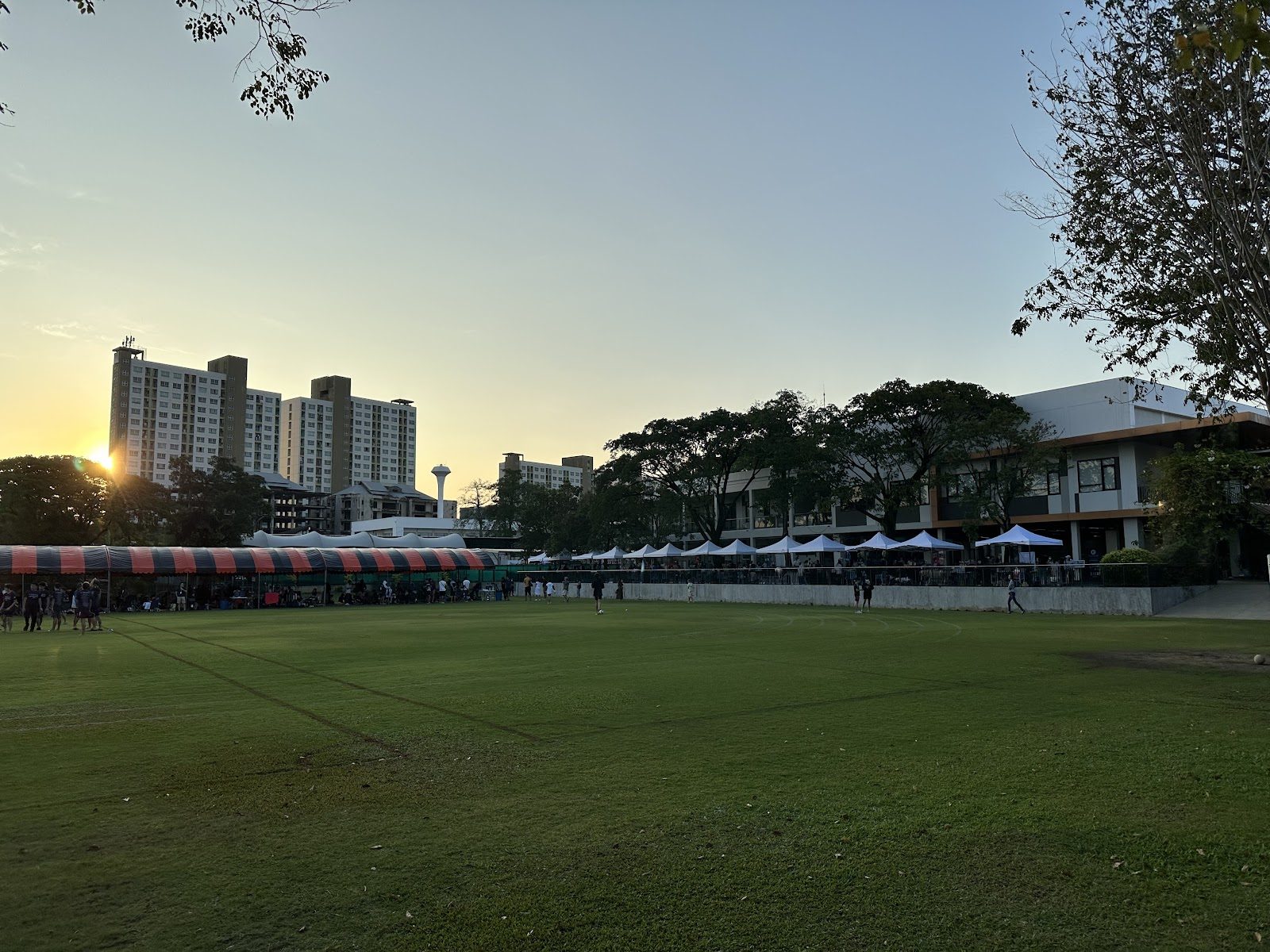
Bangkok Patana School
Bangkok · Thailand
Thailand's first British school, running since 1957, blends English curriculum grounding with IB breadth across a 17-hectare Bang Na campus.
Shrewsbury International School Bangkok
Bangkok · Thailand
A 1552 English public-school pedigree anchors a Chao Phraya riverside campus reachable by its own school boat.
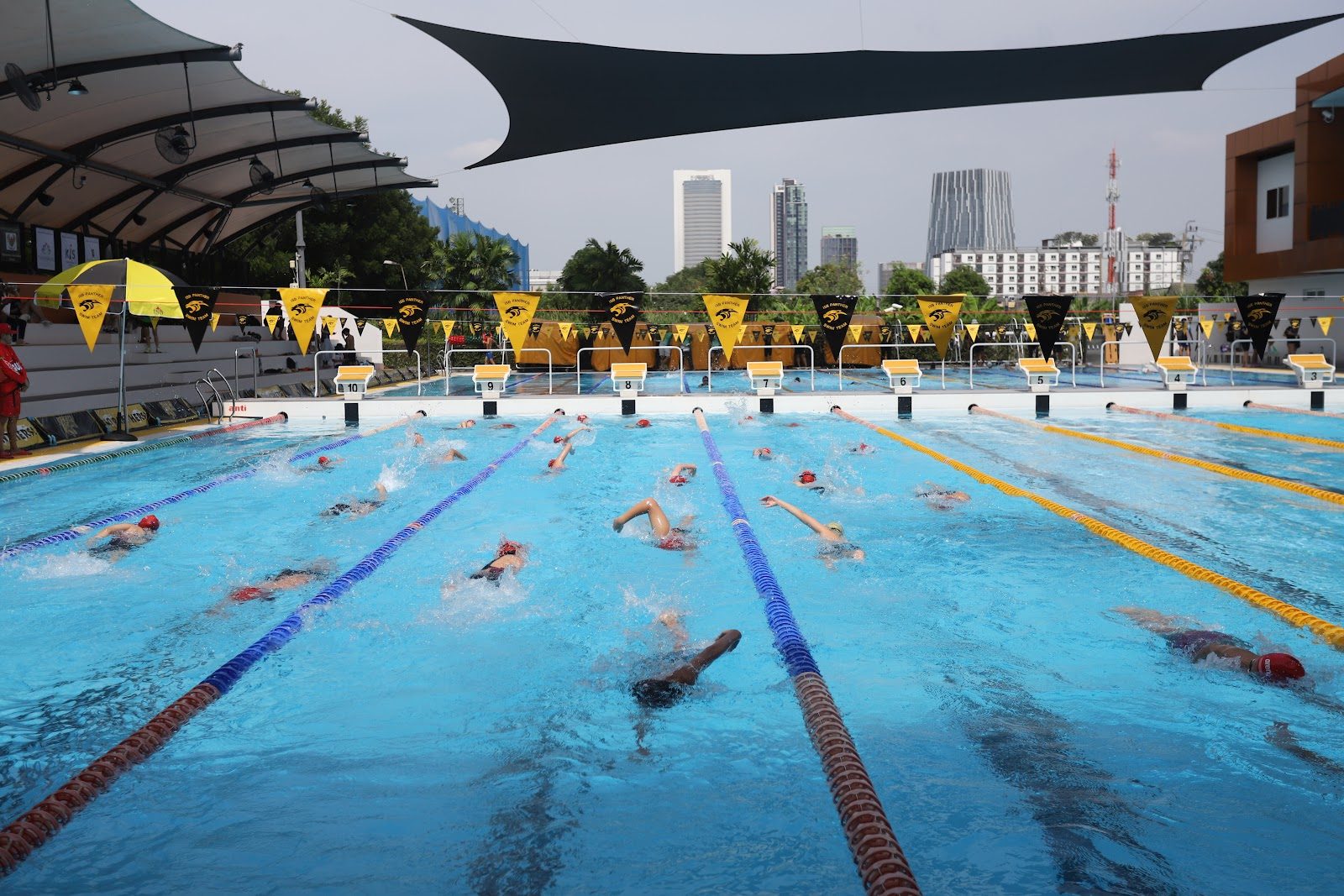
International School Bangkok
Bangkok · Thailand
Opened in 1951 as Thailand's first international school, it pioneered the country's IB Diploma and runs a wilderness campus in Phetchaburi.
Same country and curriculum — closest matches within ±10 points either way