
California
Canyon Crest Academy
low confidence· 2/6 cats · 2.33 avg sourcesA 4x4 block schedule and pre-professional arts conservatories fuel a STEM-and-stage culture in suburban San Diego.
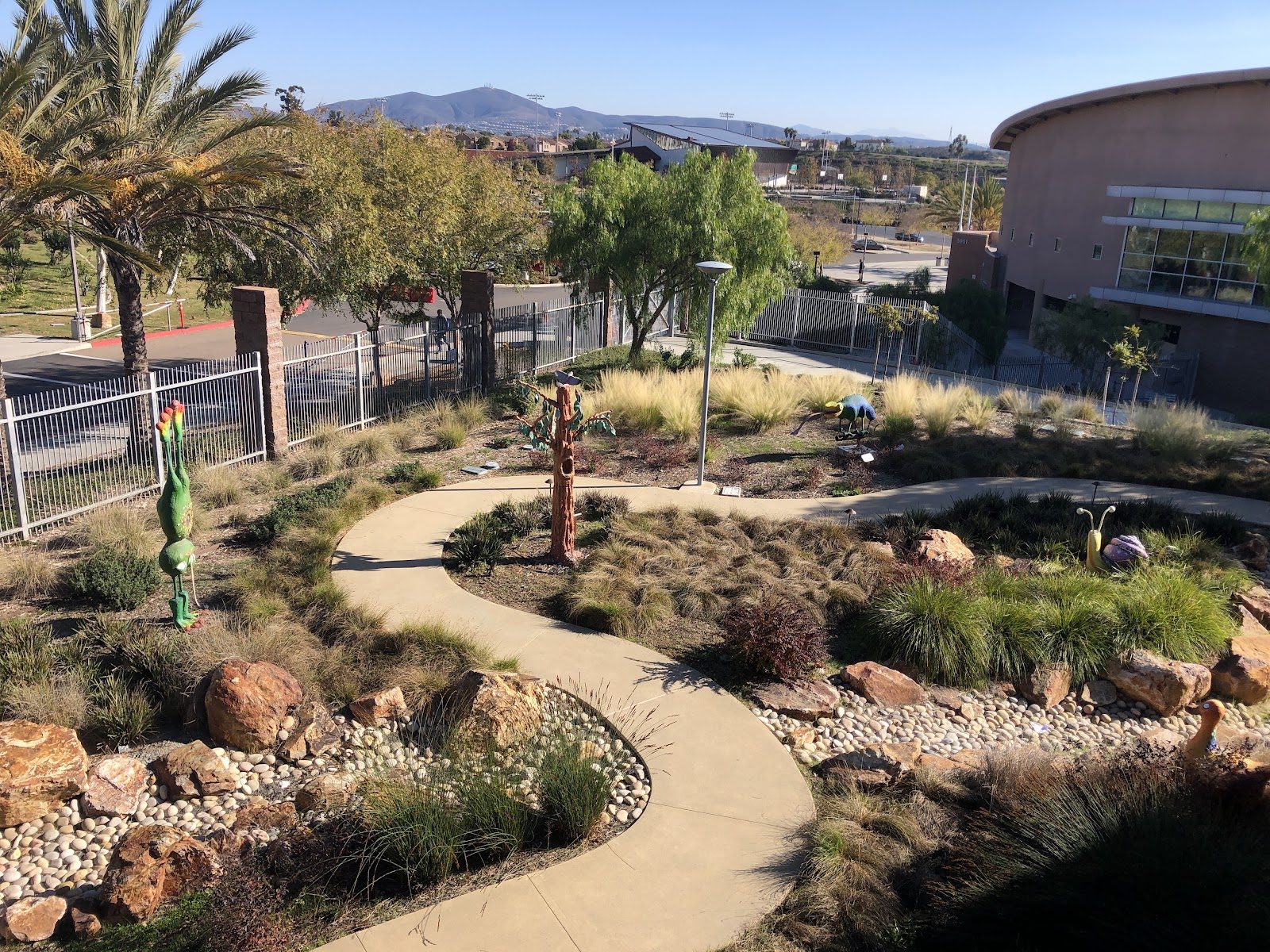
Type
Day
Ages
13–18
Curriculum
American
Qualifications
AP · US High School Diploma
Ratio
1:24
The Verdict
Editor's commitment
Right for
Teenagers who want a public American day school, founded in 2004, with English instruction and a suburban San Diego setting.
Wrong for
Families wanting boarding, religious formation or low-contact teaching: this is a non-religious day school for ages 13–18 with a 1:24 ratio.
Watch out for
At 1:24, teaching is not intimate, and as a public San Diego school in Pacific Highlands Ranch, admissions hinge on catchment realities.
Ranking breakdown
Canyon Crest Academy · #362 of 1591
Composite score 71.2. 8 weighted criteria.
By criterion
Academic Outcomes
Weight 20%
#66
of 1529 scored
University Placement
Weight 16%
#187
of 1529 scored
Prestige & Heritage
Weight 12%
#967
of 1571 scored
Alumni Network
Weight 12%
#721
of 1530 scored
Facilities
Weight 12%
#1110
of 1533 scored
Transparency & Communications
Weight 8%
#288
of 1532 scored
Peer & Industry Review
Weight 10%
#480
of 1548 scored
Admissions Selectivity & Demand
Weight 8%
#282
of 1529 scored
Peer & Industry Review
How Canyon Crest Academy is regarded in the sector
71
Respected · medium confidence
Within San Diego, Canyon Crest is consistently grouped with Torrey Pines and other San Dieguito district schools as a top-tier public option, though it is not compared by admissions officers to independent schools like The Bishop's School, which retain a distinct selective-private cachet. Its reputation rests on regional and state rankings - Niche and US News place it among California's stronger public high schools - rather than on national league tables or international press coverage. University-side signal is limited to aggregate UC/CSU matriculation data typical of strong Californian public schools, not individualised admissions-officer commentary of the kind attached to elite feeder schools. Independent education press treats it as a notable public arts-integrated model (frequently cited for its conservatory structure) rather than as a peer to nationally ranked magnet or private schools. It has no visible presence at international peer conferences (HMC, NAIS flagship panels) that define the elite private-school circuit, reflecting its identity as a well-regarded but regionally scoped public institution rather than a globally benchmarked one.
Editors' overview
Canyon Crest Academy occupies a distinct niche in San Diego: a public American high school founded in 2004 that pairs a demanding STEM culture with serious performing arts training. The hook is not heritage or pastoral charm. It is structure and intensity. The school’s 1:24 student–teacher ratio points to a large, busy, high-throughput environment rather than boutique teaching, so its appeal rests on breadth, pace and ambition. For parents who want a day school in suburban San Diego with clear academic drive and real artistic seriousness, CCA earns a place on the shortlist.
What sets it apart is the combination flagged in its own identity: a 4x4 block schedule and pre-professional arts conservatories. That mix creates a school where students can pursue advanced science, technology and mathematics without treating the arts as an after-school extra. The atmosphere is high-output, schedule-heavy and performance-oriented. Students who thrive here tend to like being busy, handling long class blocks and committing hard to a discipline, whether that is robotics, research, music, theatre or dance. Students who need a slow pace, a great deal of hand-holding or a more intimate setting will find the scale and tempo less forgiving.
In market terms, Canyon Crest Academy sits in the strong US public-school bracket for families who value academic stretch but do not want to sacrifice arts provision. It is not a traditional all-rounder in the soft-focus sense; it has a sharper profile than that. The attraction is purposeful specialisation inside a mainstream public framework. That matters for families seeking serious peers and a culture where achievement on stage and in the classroom carries equal currency. For the right student — self-directed, resilient, energised by competition and happy in a large day-school setting for ages 13–18 — Canyon Crest Academy offers a compelling, modern version of the American high school.
Academic Performance
CCA’s academic reputation rests on selectivity, pace and the calibre of its peer group, but the school does not publish the examination data that would let parents measure that reputation cleanly against top public-school competitors. We have not seen aggregate AP results, mean SAT or ACT scores, National Merit counts, university matriculation lists, or subject-by-subject pass distributions in the public domain. That is a real weakness in a school with a high-performance identity. In a US context, serious academic schools earn trust by disclosing hard outcome data. CCA leaves too much to inference. For internationally mobile families used to published IB averages, A-level tables or detailed leavers’ destinations, that opacity is frustrating.
Even with that caveat, the school fits the upper tier of non-selective public high schools in academic culture rather than the loose middle of the market. A timetable built around long blocks supports depth, lab work and sustained writing better than fragmented periods, and the school’s reputation for STEM intensity points to a demanding classroom environment. The question is not whether standards are ambitious; it is how consistently that ambition converts into measurable external results. Until CCA publishes headline attainment figures, parents must treat it as a school with a strong academic profile but incomplete proof. Against transparent peers, that keeps it just short of the fully evidenced top bracket.
Facilities
The facilities that matter here are the ones that serve the school’s twin engines: science and performance. The block timetable only works if classrooms, labs and rehearsal spaces can sustain long, concentrated sessions, and CCA’s reputation rests on exactly that kind of use. Parents should expect a campus built for high-throughput academic traffic rather than cloistered calm: specialist teaching rooms, practical STEM spaces and arts facilities that support students who are not treating music, theatre or dance as a casual extra. That puts it ahead of the average suburban public high school, where arts provision is thinner and specialist spaces are more compromised. It does not place CCA in the top American independent-school bracket for estate grandeur, rarefied sports infrastructure or lavish campus extras. This is a working campus, not a showcase.
Against serious public-school peers, the differentiator is the conservatory culture. Schools can claim to value the arts; fewer build facilities that let students train at intensity and produce work at a credible standard. That matters more than ornamental architecture. The trade-off is clear: families seeking polished luxury, boutique scale or resort-style amenities will not find them here. Families seeking rooms that get used hard — labs, studios, rehearsal and performance spaces that feed an ambitious, schedule-driven student body — will. In that peer group, the school’s physical plant reads as purpose-built for output rather than prestige.
Canyon Crest Academy carries real local prestige, but it is not prestige in the old private-school sense
Prestige
Canyon Crest Academy carries real local prestige, but it is not prestige in the old private-school sense. Its status comes from concentration of talent, intensity of participation and the cachet attached to winning a place in a high-performing public school with a strong arts-and-STEM identity. In San Diego terms, that matters. Families know the name; ambitious students know the programmes; universities know the sort of applicant such a school can produce. The public setting adds to the appeal rather than diminishing it: CCA offers a high-status peer environment without the social coding of an elite fee-paying school. That gives it a distinct kind of credibility — meritocratic, competitive and hard-earned.
I rate its prestige below the handful of American schools whose standing rests on published outcomes, long-established national brand power or extreme selectivity. CCA does not disclose the full results data that would justify a top-table verdict, and that limits how far reputation can carry it. Prestige without transparent attainment remains incomplete prestige. Still, the school’s combination of a 1:24 staffing ratio, serious conservatory culture and academic ambition gives it more pull than an ordinary suburban comprehensive. For the right family, that translates into genuine esteem and a strong peer signal. For globally mobile parents who prize clean, published proof, the name carries weight — but not unquestioned authority.
Against transparent peers, that keeps it just short of the fully evidenced top bracket
Communications
CCA communicates like a busy public high school with a strong internal culture: functional first, polished second. Parents get the essentials through the school website and district-linked channels, and the message architecture is built around logistics, programmes, calendars and participation rather than brand theatre. That suits a school whose life runs on timetables, rehearsals, deadlines and high student activity. The upside is clarity of purpose: families know this is an operational institution, not a concierge service. The downside is that communication can feel transactional and decentralised. In schools with this level of student movement and programme complexity, parents need information that is timely, exact and easy to retrieve. CCA’s public face does that job competently, but not elegantly.
Effectiveness depends on what a family expects. For day-to-day organisation, it works: the school has the digital infrastructure of a mainstream American public system, and parents who are organised themselves will manage it without much trouble. For families used to independent schools with a single, tightly edited parent portal and very high-touch communication, CCA will feel less curated and less hand-held. That is not a flaw in itself; it is part of the public-school model. The real test is whether communication reduces friction in a fast-moving environment. Here, the school clears the bar, but only just. It communicates enough to keep engaged families on track. It does not deliver the white-glove precision that globally mobile parents at the top of the market often expect.
Uniqueness
What marks Canyon Crest out is not a single flagship programme but the way its timetable and arts structure force serious choices about how a teenager spends time. The long-block day changes the rhythm of school life: fewer transitions, longer periods of concentration, and less room for passive coasting. Add the conservatory model and the result is a school where artistic training carries institutional weight rather than decorative status. In many American public high schools, the arts sit at the edge of the serious academic project. Here, they sit inside it. That creates a rare dual culture: students can move between calculus, coding, rehearsal and production without treating one sphere as the respectable option and the other as an indulgence. For the right child, that is liberating.
The benefit is depth. Students learn to work in sustained stretches, manage demanding rehearsal or project cycles, and operate in a peer culture that rewards commitment. That combination breeds disciplined busyness and high personal ownership. It also carries a cost. A 1:24 staffing ratio points to a school that expects students to organise themselves, seek help actively and keep pace without constant adult intervention. That will suit self-propelled teenagers with a real discipline in hand. It will not suit students who want broad, low-pressure exploration or a gentler social and academic temperature. Canyon Crest’s uniqueness lies in that hard-edged integration of ambition and specialisation. It gives able students permission to be intense.
It does not place CCA in the top American independent-school bracket for estate grandeur, rarefied sports infrastructure or lavish campus extras
Student Profile
The students who fit best here are busy, self-propelled teenagers who enjoy pressure and do not need adults to keep them in motion. This is a school for pupils who want a full timetable, strong peers and a culture where talent is tested in public, whether in a lab, a rehearsal room or a competition setting. The long-block structure rewards concentration, stamina and organisation; students who drift, procrastinate or rely on constant reminders will struggle. So will those who want school to feel relaxed or socially undemanding. With a staffing ratio of 1:24, CCA asks for independence as a baseline, not a bonus. The social centre of gravity sits with high-output students who are comfortable being surrounded by other driven, competitive young people.
The best fit is a child with a real discipline already in hand, or at least the appetite to develop one fast. That may be advanced maths, coding, research, instrumental music, theatre, dance or another area that rewards repetition and critique. Students who like doing many things casually will find the culture unsentimental about effort: commitment carries status here. The happiest pupils will be those who can move between academic stretch and artistic intensity without treating either as secondary. Children who need close pastoral cushioning, a gentler pace or a more forgiving peer environment need a different school. CCA suits teenagers who are energised by challenge and comfortable in a setting that is not for the faint-hearted.
CCA does not disclose the full results data that would justify a top-table verdict, and that limits how far reputation can carry it
Co-curricular strengths
Arts & sport, on a separate axis
Overall 9.06/10
Scored 0-10 from the school's own published evidence. This axis is editorial-only — it does not feed the main WTS ranking.
Sports
8.5/10
Drama
9.2/10
Dance
9.2/10
Music
9.2/10
Visual Arts
9.2/10
Strengths
- +Niche ranks Canyon Crest Academy 47th nationally among 16,956 schools for 'Best College Prep Public High Schools in America' and 1st among San Diego area public high schools.
- +The audition-based Envision Conservatory gives students deep specialization across seven disciplines including cinema, dance, theatre, visual arts and music.
- +AP participation rate is 86%, with roughly 26 AP courses on offer, well above many comparable public high schools.
- +As a public school within San Dieguito Union High School District, attendance is tuition-free for eligible residents.
- +The Envision Music Program was named a finalist for the Grammy Signature Schools National Award for Excellence in 2008 and 2011.
Considerations
- −Enrollment is restricted to San Dieguito Union High School District residents via an annual High School Selection process, with a random lottery used when demand exceeds capacity rather than a conventional application.
- −Student-teacher ratio is 26:1, higher than the California state average of 21:1.
- −Student reviews describe intense academic pressure and competitiveness around AP classes and GPA, with some noting limited access to counseling support.
- −The school fields no tackle football team or cheerleading squad, a narrower traditional-sports offering than many comparable American high schools.
Availability
Primary entry gate & tests
Open Enrollment / Lottery
Parent reviews
Have you sent your child here?
Voice reviews carry the strongest trust badge — we transcribe them for you to tidy up before they go live. Prefer to type? A written review is fine too.
Add your voice
In 60 seconds, tell other parents: what's the best thing about Canyon Crest Academy, and what surprised you when your child joined?
We ask for a Google sign-in so every review has a real face behind it — no anonymous drive-by attacks on schools, and no faked positive reviews. Your email is never shown publicly.
Send this profile to a friend
International parents rely on word-of-mouth. Share this review with someone weighing the same decision.
Schools with places
Similar schools to Canyon Crest Academy with places available now.
The Webb Schools
Claremont · United States
- 2026-27
- CLOSEDRegular cycle closed
- 2027-28
- PLACES OPENPortal live
The Branson School
Ross · United States
- 2026-27
- CLOSEDRegular cycle
- 2027-28
- OPENS SOONOpens Sept '26
Crystal Springs Uplands School
Hillsborough · United States
- 2026-27
- CLOSEDRegular cycle
- 2027-28
- OPENS SOONOpens Sept '26
Lick-Wilmerding High School
San Francisco · United States
- 2026-27
- CLOSEDRegular cycle
- 2027-28
- OPENS SOONOpens early Sept '26
Availability first, then country, area, curriculum, price, co-curricular
Consider also
Also worth looking at alongside Canyon Crest Academy.
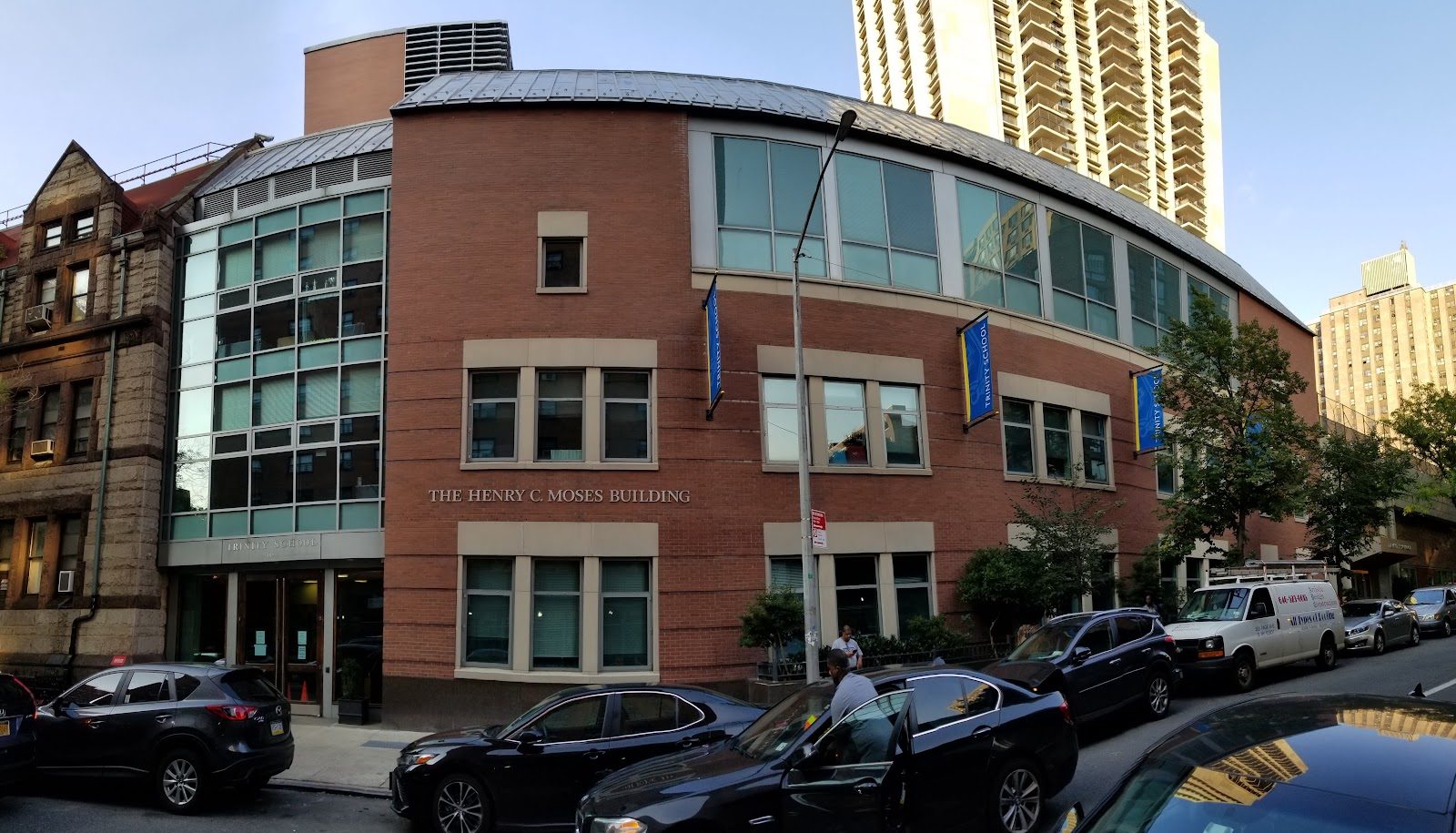
Trinity School
New York City · United States
Founded in 1709 as a charity school, now the oldest continuously operating school in New York City, still built on a rare full Classics department
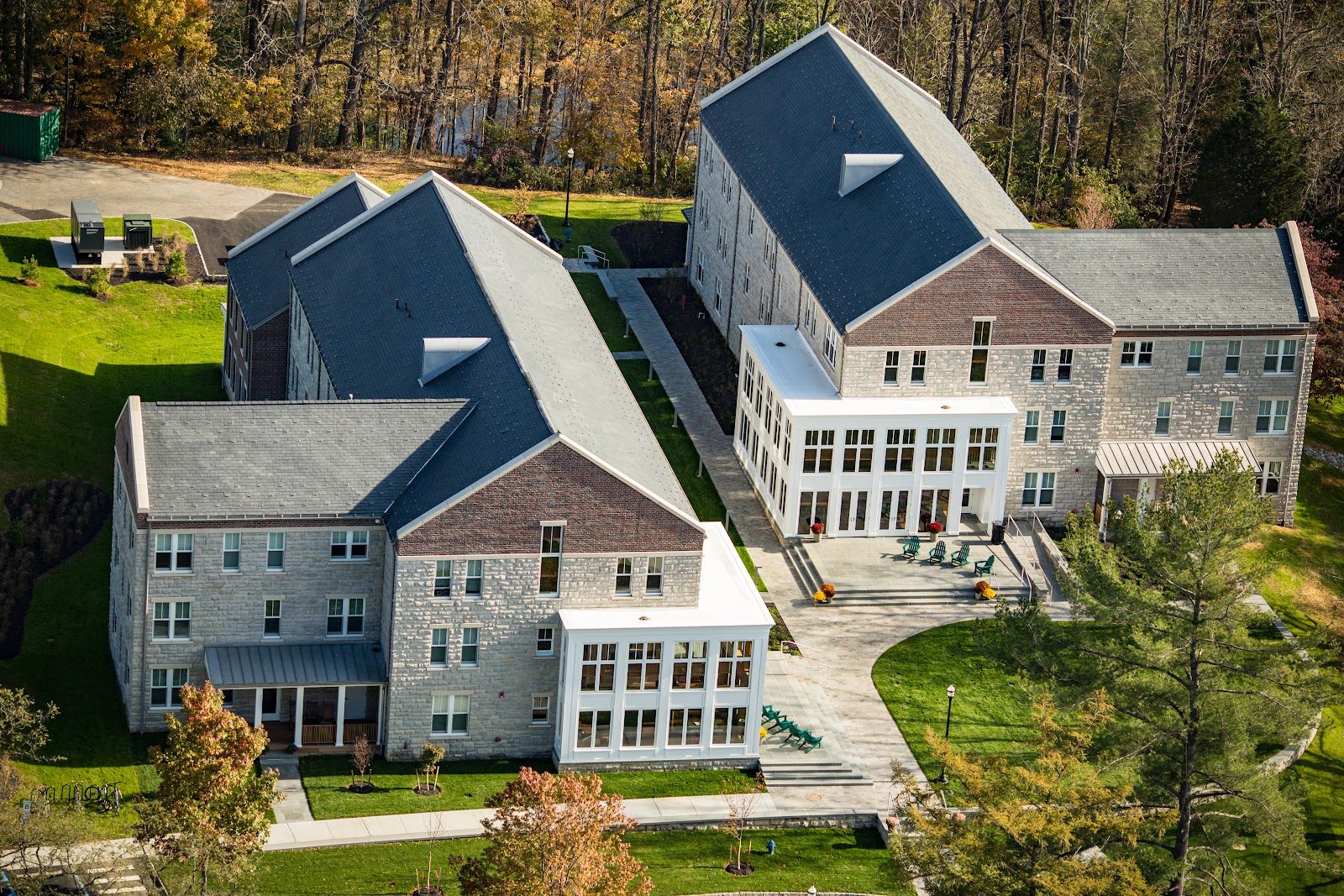
Blair Academy
Blairstown · United States
A hilltop New Jersey campus, founded 1848, where the weekly Society of Skeptics turns global debate into a signature course of study
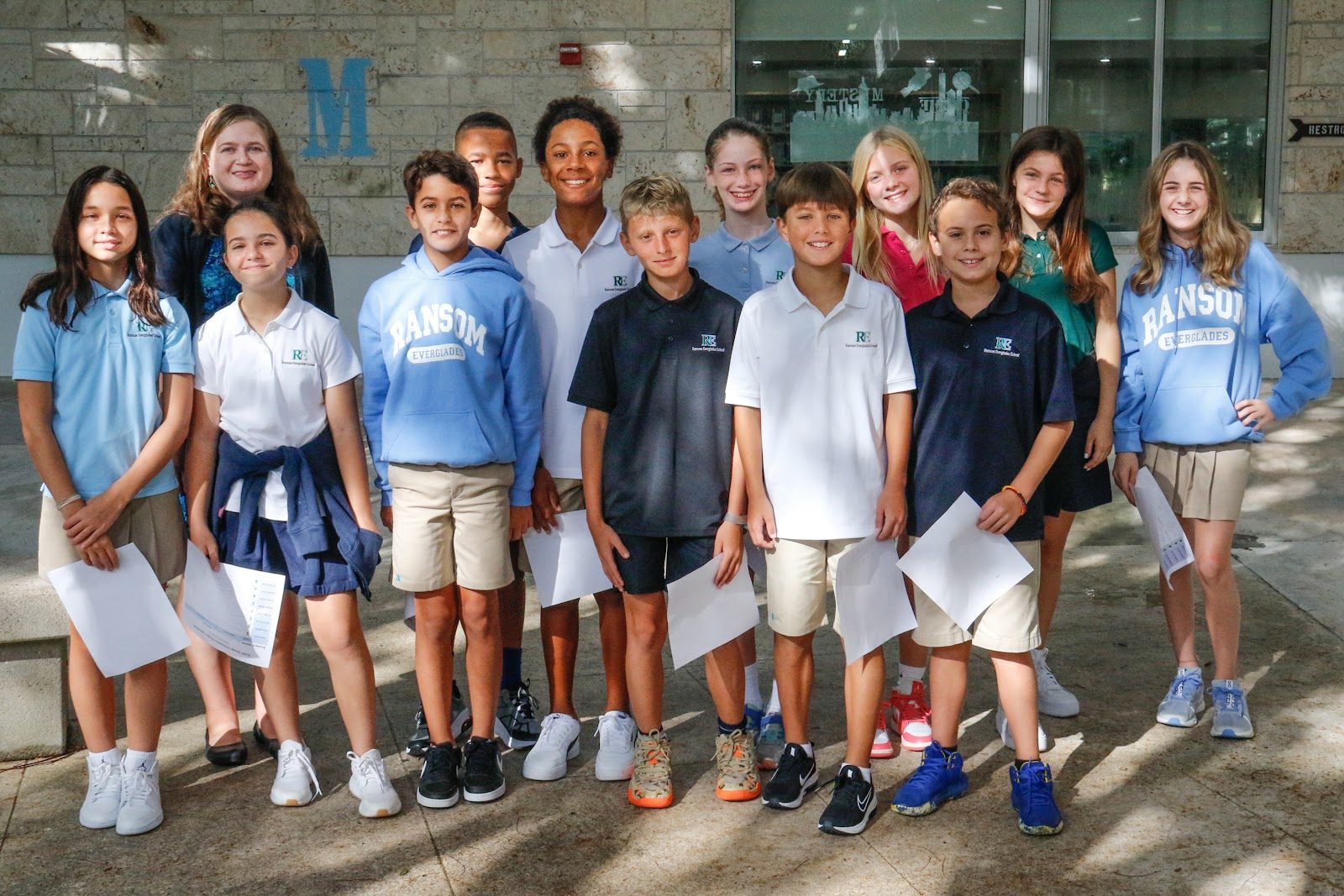
Ransom Everglades School
Miami · United States
On Biscayne Bay since 1903, where sailing and marine science turn the water itself into a classroom
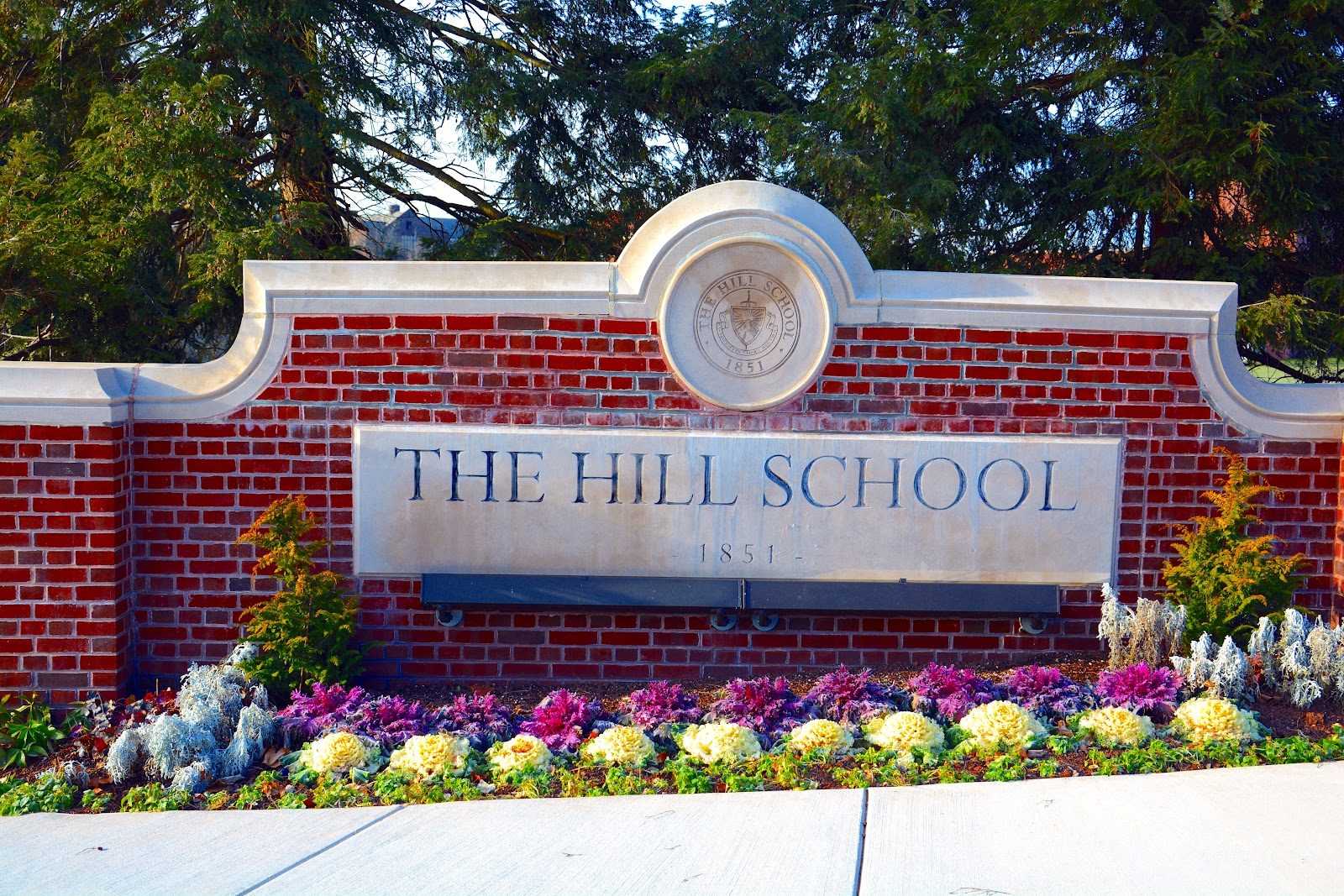
The Hill School
Pottstown · United States
Born in 1851 as the nation's first family boarding school, still pairing faculty and students under one roof on a Pottstown hilltop.
Same country and curriculum — closest matches within ±10 points either way