
Bogotá
Colegio Andino – Deutsche Schule Bogotá
A 1922-founded Begegnungsschule in Bogota's green north, pairing the Colombian diploma with a genuine German Abitur track in three languages.
Type
Day
Ages
3–18
Curriculum
Colombian · German
Qualifications
Colombian national curriculum · German Abitur
Ratio
—
The Verdict
Editor's commitment
Right for
Families in Bogotá wanting a secular day school, founded in 1922, with Colombian and German curricula taught in Spanish, German and English.
Wrong for
Parents wanting boarding, a single-language education, or a purely Colombian route without the German track this ZfA-accredited school offers.
Watch out for
ZfA accreditation matters, but the school does not publish academic outcomes here; test the strength of the German Abitur track in practice.
Ranking breakdown
Colegio Andino – Deutsche Schule Bogotá · #944 of 1591
Composite score 63.1. 8 weighted criteria.
By criterion
Academic Outcomes
Weight 20%
#792
of 1529 scored
University Placement
Weight 16%
#1015
of 1529 scored
Prestige & Heritage
Weight 12%
#608
of 1571 scored
Alumni Network
Weight 12%
#900
of 1530 scored
Facilities
Weight 12%
#968
of 1533 scored
Transparency & Communications
Weight 8%
#1019
of 1532 scored
Peer & Industry Review
Weight 10%
#1108
of 1548 scored
Admissions Selectivity & Demand
Weight 8%
#760
of 1529 scored
Peer & Industry Review
How Colegio Andino – Deutsche Schule Bogotá is regarded in the sector
64
Respected · medium confidence
Colegio Andino is recognized within Colombia's small circle of German curriculum schools (alongside Cali's and Barranquilla's Deutsche Schulen) as an academic benchmark, reflected in its top-tier ICFES Saber 11 results, which place it consistently among Bogota's highest-performing private schools in national league tables published by El Tiempo and El Espectador. As a Zentralstelle fur das Auslandsschulwesen (ZfA)-accredited Deutsche Auslandsschule, it undergoes periodic German government quality inspections and is represented at the Weltverband Deutscher Auslandsschulen conferences, giving it standing among the roughly 140 schools in that global network rather than purely local peer comparison. Graduates pursuing the German Abitur route are eligible for direct admission to German universities and DAAD-supported pathways, while bachillerato graduates regularly enter Universidad de los Andes and Universidad Nacional, Colombia's most selective institutions. Independent coverage is thinner than for UK/US-oriented international schools; it does not feature in Good Schools Guide or WhichSchoolAdvisor listings, which concentrate on Anglophone curricula, limiting third-party critical commentary beyond German-Colombian bilateral education press.
Editors' overview
Colegio Andino – Deutsche Schule Bogotá occupies a narrow and valuable niche in Bogotá: a long-established German international school that does not dilute its academic identity for the wider market. Founded in 1922, it has the institutional depth many newer bilingual schools lack, and its status as a Begegnungsschule matters. This is not German branding pasted onto a Colombian private school. It is a school built around cultural exchange and a dual academic logic: the Colombian diploma alongside a real German Abitur track, delivered across 3 languages — Spanish, German and English. For families who want a school with serious academic intent, a clear binational identity and a stronger intellectual spine than the city’s generic trilingual offerings, it deserves a place on the shortlist.
What sets it apart is precision of purpose. Many schools in Bogotá promise multilingualism; far fewer anchor that promise in a coherent German educational framework and recognised German oversight through ZfA. That gives Colegio Andino a firmer profile than schools that sell international polish without a distinct academic tradition behind it. It also sits in Bogotá’s greener northern zone, which adds practical appeal for families prioritising campus life and daily routine, though the real draw is not scenery but structure. The school serves ages 3–18 and remains a day school, which keeps the proposition focused: this is a full-family, long-horizon educational choice, not a transient expatriate stopgap. Parents who value discipline without gimmicks, linguistic fluency with substance and continental academic credibility will understand the appeal at once.
The right student for Colegio Andino is intellectually resilient, comfortable with high expectations and willing to work across different linguistic and cultural codes. This suits children who thrive on routine, precision and cumulative academic training rather than constant hand-holding or theatrical enrichment. It will also suit Colombian-German, German-speaking and internationally minded Colombian families who want a school with deep roots, cultural seriousness and pathways that extend beyond one national system. It is less suited to families seeking a loose, progressive atmosphere or a school that bends itself around convenience. Colegio Andino’s value lies in exactly the opposite: an exacting trilingual education with a defined identity and a long record of doing one thing properly.
Academic Performance
Colegio Andino’s academic standing rests on the one outcome that matters most in a German international school: whether the Abitur track is genuine, selective and externally credible. Here, the structure is stronger than at Bogotá schools that borrow European branding without accepting European scrutiny. The school offers the Colombian diploma alongside the German route, and that gives able students a serious academic exit with currency beyond the local market. What the school does not publish, however, is the data parents need to judge performance cleanly: no aggregate Abitur scores, no subject-by-subject distributions, no university destinations list with usable detail, and no comparative trend line across cohorts. That opacity on outcomes weakens the public case.
Relative to peers, Colegio Andino sits in the demanding middle ground between Colombia’s strongest bilingual private schools and the more tightly benchmarked European system schools. The key distinction is not marketing gloss but academic architecture: pupils working towards the German qualification face a more exacting external standard than students in many generic trilingual schools. That alone places the school above softer operators. Still, without published results, it is impossible to rank it among the top German schools in the region on evidence rather than reputation. Parents can infer real academic seriousness from the school’s structure; they cannot verify elite exam performance from figures in the public domain.
Facilities
The school’s public site does not publish a usable facilities map or a detailed breakdown of specialist spaces. That matters. For a school charging into the premium international bracket, parents need more than a generic “campus” tab and broad institutional framing. We have not seen clear public detail on science labs, performing arts infrastructure, sports provision, libraries, maker spaces or dedicated early-years environments. That thin public disclosure puts Colegio Andino behind peers that document their estates properly with room lists, photographs, technical specifications and age-phase detail. Families comparing schools at this level should ask direct questions and insist on a guided visit. A campus in the city’s greener north carries practical appeal, but setting is not the same thing as facility strength.
Against Bogotá peers, that leaves the school in an awkward position. The strongest British, American and large-format bilingual schools in the city market their theatres, pools, pitches, innovation labs and sixth-form study spaces aggressively because those assets exist and help justify fees. Colegio Andino may well have solid provision across the essentials, but it does not make the case in public, and that is a weakness. The benchmark here is not extravagance; it is clarity. At present, families can identify the broad attraction of the campus and the school’s all-through day structure, but not the serious physical plant behind the academic model. In facilities terms, the school reads as credible but opaque, not best-in-class.
Still, without published results, it is impossible to rank it among the top German schools in the region on evidence rather than reputation
Prestige
Colegio Andino carries real prestige in the part of the market that values substance over social theatre. In Bogotá, plenty of private schools trade on bilingual polish, imported labels and polished campuses. This school holds a stronger position because its identity is harder to imitate. A Begegnungsschule with a live link to the German system commands respect among families who know what that means: external reference points, academic discipline and a culture that does not flatter weak work. The trilingual structure across 3 languages adds status, but the source of prestige is not linguistic display. It is the fact that the school asks more of its pupils than the city’s standard premium bilingual offer. That gives it institutional weight, binational credibility and a reputation that extends beyond the usual local social circuit.
That prestige has limits, and they matter. The school does not publish the public-facing outcome data that would lift it from respected to undeniably elite. No aggregate exam profile, no detailed destinations record, no clean performance trend: that leaves parents relying on institutional standing rather than hard proof. So the rating here is high, but not top-tier in the global sense. Within Bogotá, it sits in the serious end of the market and carries more academic cachet than schools built around lifestyle branding. Internationally, its name has credible European resonance within German-school networks, but not the broad brand power of the most famous schools in London, Zurich or Singapore.
So the rating here is high, but not top-tier in the global sense
Communications
Colegio Andino’s public-facing communication is functional, but thin. The website covers the institutional basics and signals the right channels for different audiences, including a dedicated PQRSF contact route and separate pathways for community members and external providers. That indicates an organised administrative structure rather than a free-form front desk culture. The weakness is depth. The school does not publish the kind of parent-facing information that marks out disciplined, high-trust communication: detailed academic outcome data, a clear facilities breakdown, or much usable texture about daily school life. For a school with a serious academic brief, that gap matters. Parents can find the shell of the institution; they get less of the operating detail.
That leaves the overall impression orderly but guarded. Families already inside the school may receive stronger direct communication through internal channels, but the public side does not do enough to prove that. There is evidence of structure; there is not enough evidence of transparent communication. In practical terms, that makes admissions harder than it needs to be for internationally mobile families comparing schools across 3 or 4 serious options. The strongest schools communicate with precision before a tour, not after one. Colegio Andino communicates competently, but not expansively, and that restraint carries a cost: parents must ask more questions themselves, chase more specifics, and do more interpretive work than they should at this level.
Uniqueness
What makes Colegio Andino distinctive is not trilingualism on its own. Bogotá has no shortage of schools that advertise 3 languages. The difference here lies in the school’s binational machinery: a Colombian school with a live German academic spine, not a local institution dressed up with European cues. That creates a rarer educational proposition than the city’s generic premium bilingual or trilingual market. Pupils learn to operate inside more than one intellectual tradition at once — one shaped by local expectations, the other by German academic discipline and structure. For the right child, that produces mental range, linguistic precision and a habit of working to standards that do not bend for convenience.
The benefit is concrete. Students do not just accumulate language exposure; they build the capacity to switch registers, handle different classroom cultures and move between national reference points with confidence. That matters for families who want doors open in Colombia and in German-speaking Europe, but the value runs deeper than mobility. A school like this trains pupils to cope with complexity early and repeatedly. It suits children who can tolerate pressure, absorb correction and persist through a demanding sequence rather than chase constant novelty. That gives Colegio Andino a clearer identity, a harder academic edge and a more serious cross-cultural education than schools where “international” means little more than polished branding.
What makes Colegio Andino distinctive is not trilingualism on its own
Student Profile
The pupils who do best here are the ones who can handle friction without folding. This school suits children who accept correction, cope with a structured workload and do not need every lesson sweetened with performance or novelty. It fits academically ambitious families who want more than polished bilingualism and who understand that working across 3 languages demands stamina, accuracy and patience over many years. The strongest match is a student with serious academic drive, high tolerance for rigour and enough personal organisation to keep standards up across different subject cultures. Children who enjoy precision, routine and intellectual challenge will find their footing. Children who need constant reassurance or a softer pace will struggle.
Socially, the best fit is a family comfortable with a school that has a defined identity and does not flatten itself to suit everyone. Colombian-German households, German-speaking families and internationally minded local families all make sense here, but fit matters more than passport. A child thrives here if they are adaptable, respectful of rules and able to move between home and school expectations without drama. This is a good environment for students with quiet resilience, cultural dexterity and a willingness to earn their place rather than perform for attention. It is not for the faint-hearted, and that is part of its value.
Colegio Andino – Deutsche Schule Bogotá occupies a narrow and valuable niche in Bogotá: a long-established German international school that does not dilute its academic identity for the wider market
Co-curricular strengths
Arts & sport, on a separate axis
Overall 7.84/10
Scored 0-10 from the school's own published evidence. This axis is editorial-only — it does not feed the main WTS ranking.
Sports
8.2/10
Drama
7.8/10
Dance
7/10
Music
8/10
Visual Arts
8.2/10
Strengths
- +Offers a trilingual academic program from Kindergarten to high school, culminating in both Colombian and German Abitur diplomas, giving graduates dual university-entry qualifications.
- +The school has been given an A+ classification by Colombia's ICFES testing body, meaning more than 60% of its students place in the top level across most of the five national exam components.
- +Founded in 1922, it is a private school formally recognised by the Colombian Ministry of Education, giving it a long institutional track record in Bogotá.
- +The campus houses three libraries for Kindergarten, Elementary and High School, plus a Digital Classroom Program, and supports over 60 extracurricular offerings including Model UN (DESMUN) and Jugend Debattiert.
- +It is described as the only Microsoft Showcase School in Bogota and sits on a 16-hectare campus with green areas for playing and learning.
Considerations
- −Around 90% of the roughly 1,850 students are of Colombian origin, learning German as a second language from Kindergarten, so it functions primarily as a bicultural German-Colombian school rather than a broadly international one.
- −Yearly fees are not published on comparison sites, making upfront budget planning harder for relocating families without direct contact with admissions.
- −The German Abitur track is only offered in three of the school's six to seven parallel classes from grade 10, so not every student is guaranteed a place on that stream.
- −A heavy trilingual academic load (Spanish, German, English plus Cambridge and Sprachdiplom exams) may be demanding for children arriving mid-way through school without German exposure.
Availability
Primary entry gate & tests
Academic Record / German Pathway
Parent reviews
Have you sent your child here?
Voice reviews carry the strongest trust badge — we transcribe them for you to tidy up before they go live. Prefer to type? A written review is fine too.
Add your voice
In 60 seconds, tell other parents: what's the best thing about Colegio Andino – Deutsche Schule Bogotá, and what surprised you when your child joined?
We ask for a Google sign-in so every review has a real face behind it — no anonymous drive-by attacks on schools, and no faked positive reviews. Your email is never shown publicly.
Send this profile to a friend
International parents rely on word-of-mouth. Share this review with someone weighing the same decision.
Schools with places
Similar schools to Colegio Andino – Deutsche Schule Bogotá with places available now.
Colegio Nueva Granada
Bogotá · Colombia
- 2026-27
- WAITPOOLVacancy-dependent
- 2027-28
- WAITPOOLVacancy-dependent
The English School
Bogotá · Colombia
- 2026-27
- CLOSEDStandard route closed
- 2027-28
- WAITPOOL2027/28 enquiries underway
Availability first, then country, area, curriculum, price, co-curricular
Consider also
Also worth looking at alongside Colegio Andino – Deutsche Schule Bogotá.
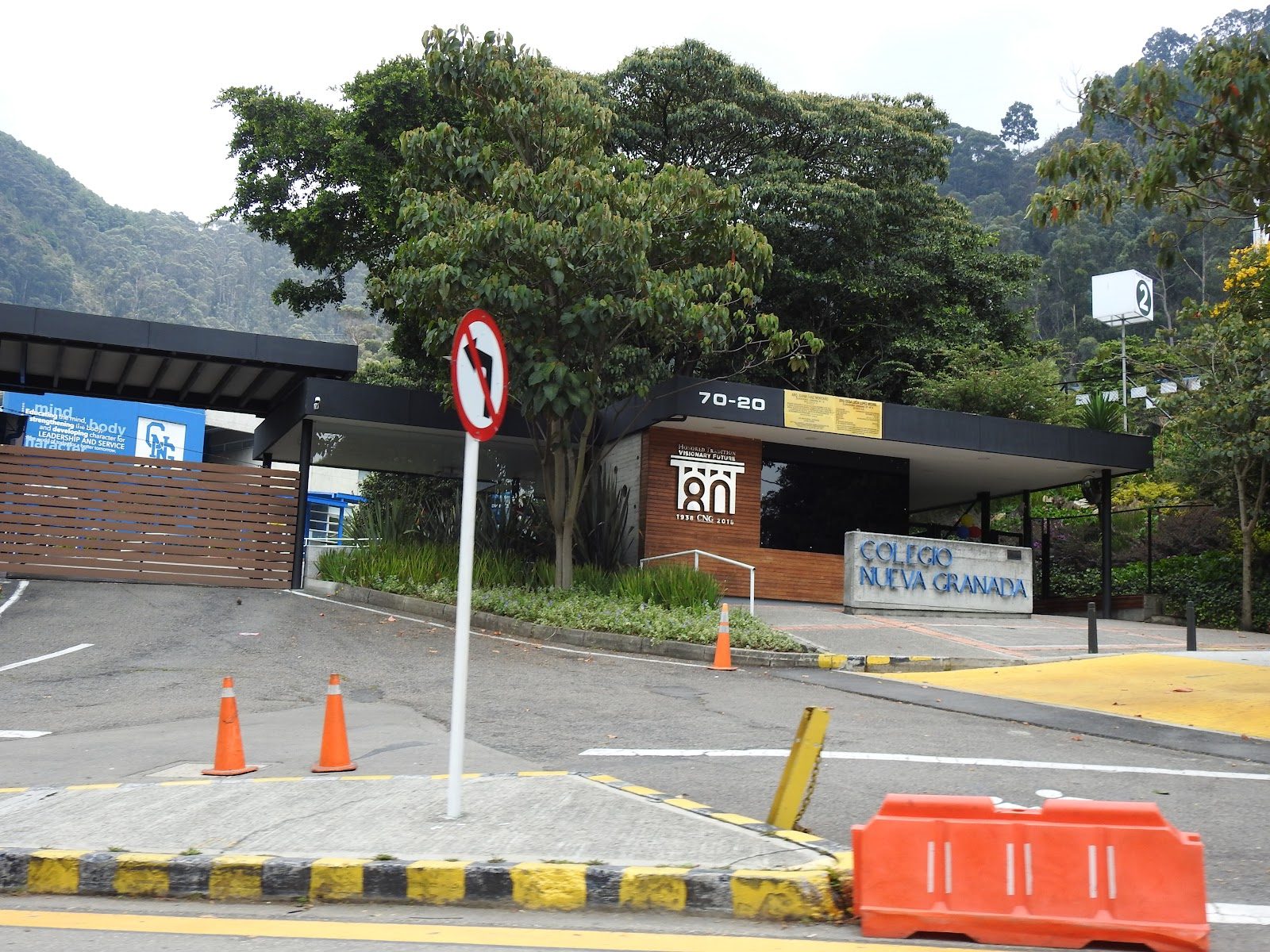
Colegio Nueva Granada
Bogotá · Colombia
A 1938 foothills campus in Bogota pairing dual US-Colombian diplomas, 32 AP courses and a four-house tradition.
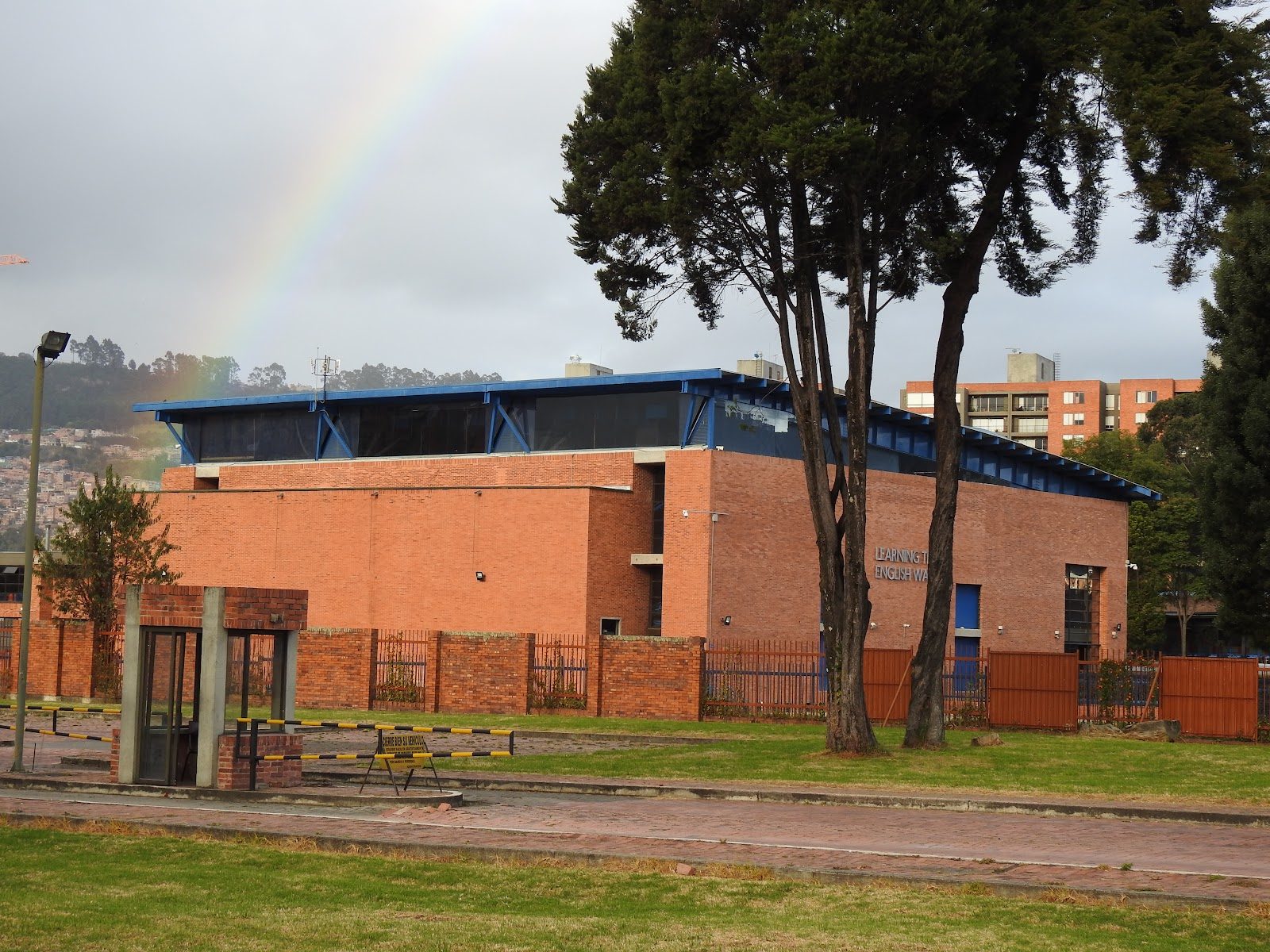
The English School
Bogotá · Colombia
Founded in 1961 as a bilingual British-style day school, now the first in Colombia authorized for all four IB programmes
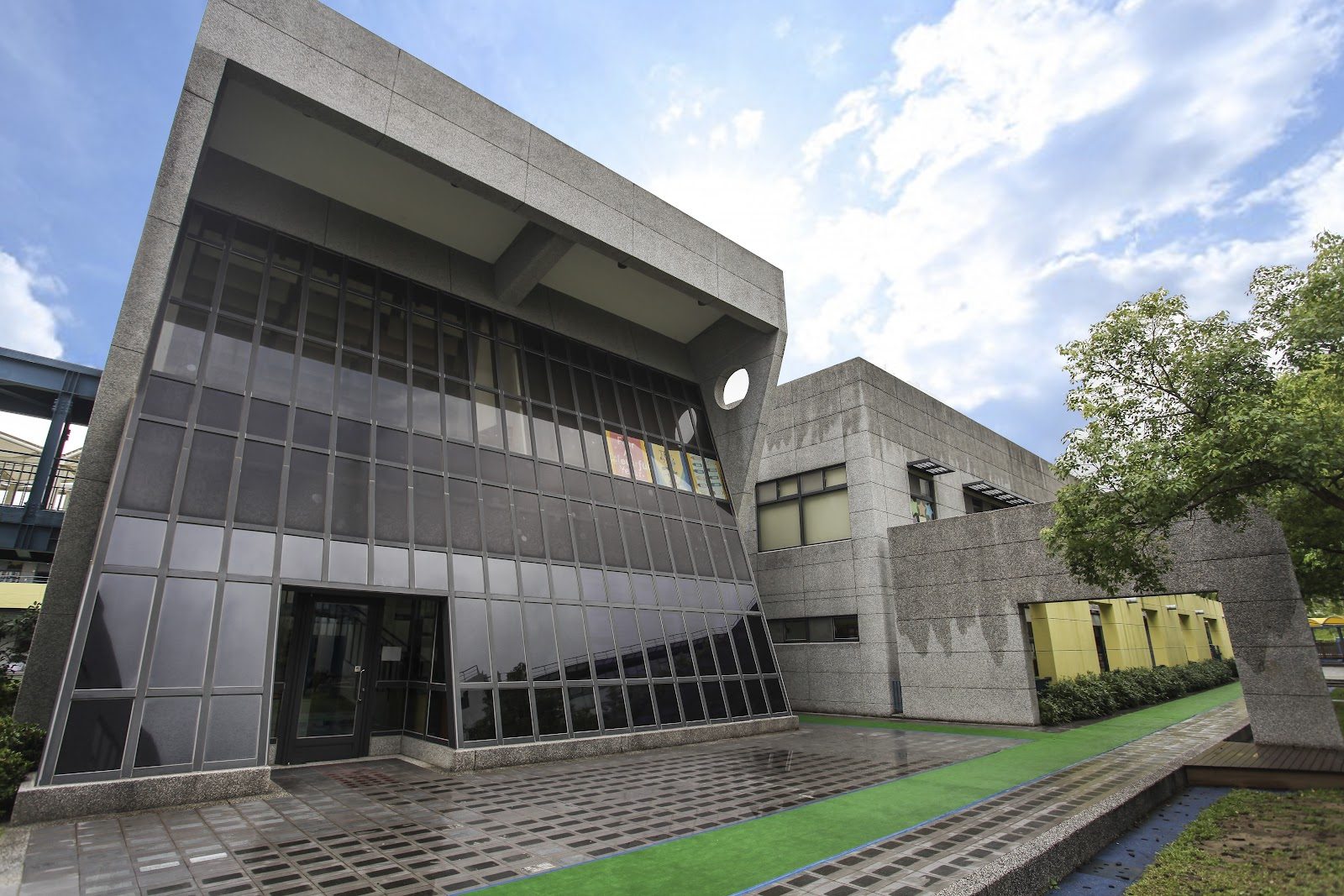
Taipei European School
Taipei · Taiwan
British, French and German national curricula run in parallel here, converging on Yangmingshan into one shared IB Diploma.

John F. Kennedy School Berlin
Berlin · Germany
A Cold War creation in Zehlendorf where German and American students still share classrooms toward dual diplomas, tuition-free.
Same country and curriculum — closest matches within ±10 points either way