
Queensland
Overlooking Brisbane's CBD since 1868, a boys' school built on its Latin motto: nothing without hard work.
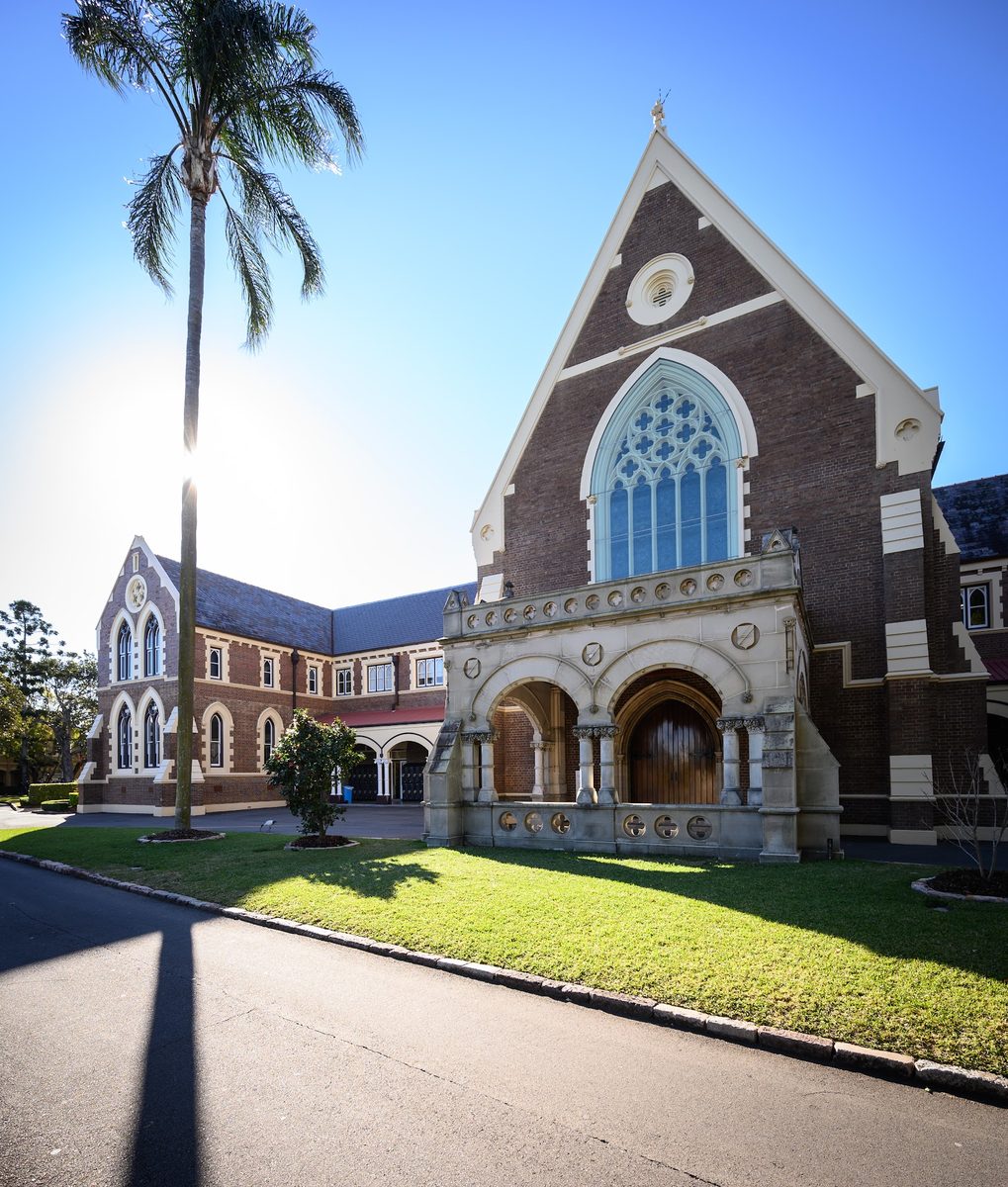
Photo © Brisbane Grammar School via Google Maps
Type
Both
Ages
5–18
Curriculum
Queensland Certificate of Education
Ratio
11:1
The Verdict
Editor's commitment
Right for
Boys aged 5–18 who want a non-religious Brisbane institution founded in 1868, with boarding and an 11:1 student-teacher ratio.
Wrong for
Families wanting co-education, a curriculum beyond the Queensland Certificate of Education, or teaching in any language other than English.
Watch out for
Average fees are AUD 36,300 for day pupils and AUD 71,960 for boarders; classes average 22, so this is not boutique schooling.
Ranking breakdown
Brisbane Grammar School · #140 of 1591
Composite score 76.1. 8 weighted criteria.
By criterion
Academic Outcomes
Weight 20%
#260
of 1529 scored
University Placement
Weight 16%
#305
of 1529 scored
Prestige & Heritage
Weight 12%
#118
of 1571 scored
Alumni Network
Weight 12%
#81
of 1530 scored
Facilities
Weight 12%
#120
of 1534 scored
Transparency & Communications
Weight 8%
#204
of 1532 scored
Peer & Industry Review
Weight 10%
#205
of 1548 scored
Admissions Selectivity & Demand
Weight 8%
#489
of 1529 scored
Peer & Industry Review
How Brisbane Grammar School is regarded in the sector
78
Strong · medium confidence
Brisbane Grammar School is consistently listed among Queensland's top-performing GPS schools in independent ATAR/academic league tables and Australian media coverage (e.g., Courier-Mail and The Australian school performance rankings), and it has a well-documented, influential alumni network including judges, politicians and business leaders referenced in Australian press profiles. It lacks the global 'top-tier' recognition of Sydney/Melbourne's most elite GPS/AHISA schools in outlets like Tatler or Good Schools Guide, but is a strong, frequently-referenced regional heavyweight.
Evidence sources
Award

Elite Sport 80
World's Top School · The Global Ranking
Brisbane Grammar School is featured on our Global Top 80 ranking at #76. This seal is available for the school's marketing team to use on their website, prospectus and social channels.
Editors' overview
Overlooking Brisbane’s CBD, Brisbane Grammar School trades on old-school seriousness rather than progressive fashion. This is a non-religious boys’ school founded in 1868, teaching from ages 5 to 18, with boarding as well as day places, and it keeps a clear academic spine through to the Queensland Certificate of Education. The structure matters: an 11:1 student-teacher ratio and average classes of 22 give boys enough individual attention without pretending to be boutique. The school’s own language points to a broad liberal education, strong cocurricular provision and a substantial outdoor education offer, but the more telling detail is the subject range publicly foregrounded: mathematics throughout Years 5 to 12, Chinese from Year 5, and senior electives such as Engineering, Mathematical Methods and Ancient History. That reads as a school that still values disciplined scholarship, not one chasing educational trends.
In market terms, Brisbane Grammar sits in the premium bracket. The average annual day fee is AUD 36,300 and the average annual boarding fee is AUD 71,960, which places it firmly among Australia’s expensive independent schools. Parents are paying for more than heritage and a central address. They are buying a long-established boys’ environment with scale, a visible academic culture and the infrastructure to support arts, sciences, languages and outdoor programmes under one roof. The school talks openly about ambition — even declaring an ambition to be the best boys’ school in Australia — and that tone runs through the whole proposition. This is not a soft or light-touch school. It is a school for families who want clear standards, visible expectations and a community built around endeavour.
What puts Brisbane Grammar on a shortlist is that combination of institutional heft and academic range. Plenty of old schools have history; fewer show a curriculum broad enough to hold a mathematically strong boy, a linguist and a serious arts student without forcing one narrow definition of achievement. The website also places real emphasis on student wellbeing, leadership and community, which matters in a school with this level of drive. Still, parents should recognise the trade-off. A school with this much tradition and self-belief suits boys who are comfortable in a high-expectation culture and who will use the opportunities on offer. The best fit is a boy who is academically engaged, responds well to structure, and wants a busy school life rather than a cosier or more experimental education.
An Elite Sport 80 school
Brisbane Grammar School is at rank seventy-six on the Elite Sport 80 because it is one of Queensland's most historic Great Public Schools boarding institutions across rowing, rugby and cricket, with a sustained Olympic rowers and Wallabies pipeline across generations. The Brisbane Grammar 1st VIII rowing crew is a Head of the River fixture, and the 1st XV rugby squad competes at the top of the GPS Queensland competition.
The specialisms are rowing (with a full boathouse on the Brisbane River and a Head of the River pedigree), rugby union (with a formal academy model, professional coaching and links to the Queensland Reds and Australian Rugby), cricket (a Queensland Bulls and Proteas-adjacent pipeline), athletics and swimming. Basketball, football, tennis and water polo run at high schoolboy standard.
Notable alumni across codes include Sir Bruce Small's era, several Wallabies and Super Rugby regulars from the past two decades, Olympic rowers across multiple Games, and — in swimming — multiple Australian representative swimmers over the past three decades. Cricket has produced Queensland Bulls squad members. The school's academic profile is unusually strong for a sport-oriented boarding school, with several Rhodes Scholars in its alumni base.
International openness is genuine. Brisbane Grammar is a full boys' boarding school with an established overseas cohort — particularly from Papua New Guinea, the Pacific islands, southern Africa, the UK and Asia — and integrated ESL and pastoral support. Fees for full boarding sit around A$50,000-58,000 per year, positioning Brisbane Grammar in the upper tier of Australian boarding costs but well below equivalent US boarding schools with comparable sporting output. Admissions is a standard application process plus a sport-specific reference or trial where relevant. Australian student visas are straightforward for full-time enrolment. For a family relocating from a rugby-, rowing- or cricket-strong nation to Queensland and targeting a genuine Wallabies, Olympic rowing or Test cricket pathway alongside HSC and NCAA D1 recruiting options, Brisbane Grammar is one of the top three GPS boarding schools in the state and one of its most academically distinguished.
Academic Performance
Brisbane Grammar talks a great deal about academic breadth and intellectual seriousness, and the published subject menu backs that up. Mathematics runs all the way through the school, with senior pathways including General Mathematics, Mathematical Methods and Specialist Mathematics; the sciences split into the full senior suite; humanities provision stretches from Ancient History to Economics; and languages start early. That breadth matters because strong examination performance is not just about headline passes. It rests on staffing, timetabling and a school culture that can sustain demanding subjects without trimming the menu to protect averages. On that front, Brisbane Grammar reads as firmly academic, old-fashioned in the productive sense, and built for boys who can carry a full load.
What the school does not publish, at least in public view, is the data that would let parents judge outcomes properly against top Queensland peers: no aggregate QCE attainment figures, no ATAR distribution, no subject-level score profile, and no clear year-on-year destination pattern tied to academic results. That is a real gap. Schools at the sharp end of the market do not earn a free pass on outcomes simply because they have history, confidence and a rich subject list. Relative to academically ambitious boys’ schools, Brisbane Grammar sits in a high-expectation tier on structure and provision, but its external examination record is too opaque to rank with confidence. Parents comparing elite options should ask for recent QCE and ATAR breakdowns before treating reputation as proof.
Facilities
The facilities that matter most here are the ones tied to serious school use rather than brochure theatre. The academic estate reads as strong: a STEAM precinct that houses Visual Art within an interdisciplinary setting; engineering and digital technologies taught as practical, applied subjects; and enough science depth to support the full senior suite rather than a token laboratory offering. That puts Brisbane Grammar in solid company among premium Australian boys’ schools. It does not read as a campus built around one showpiece building and a lot of thin provision. The same applies to the arts and debating-adjacent culture: theatre, music, drama through the middle years, public speaking, and the Athene Club for scholarly discussion all point to a school with genuine intellectual infrastructure, not just classrooms plus sport.
Boarding provision is a more distinctive asset. Separate houses for younger and older boys, with younger boarders in Years 5 to 8 and older boys in Years 9 to 12, gives the school a clearer age split than many peers manage. Harlin House’s individual rooms for senior boarders are a serious advantage in a market where older boys still end up in more institutional dorm arrangements. Add an activities programme, academic prep and enrichment, and explicit pastoral support, and the boarding offer looks properly built-out rather than appended. Sport also has weight: GPS football, a large basketball programme with more than 600 participants, and a gymnastics programme with long roots. Against peer schools, this is a high-functioning, full-service campus, even if the school does not publish the kind of estate detail that would let parents judge every square metre.
Overlooking Brisbane’s CBD, Brisbane Grammar School trades on old-school seriousness rather than progressive fashion
Prestige
Brisbane Grammar carries real establishment weight. In Queensland, its name lands instantly; across Australia, it sits in the small group of old independent boys’ schools whose social and professional networks extend well beyond the school gate. Heritage buildings on the Queensland Heritage Register add to that public stature, but prestige here does not rest on stonework alone. It comes from durability, selectivity of culture and the confidence of an institution that expects boys to fit the school rather than the school to remake itself around every parental preference. The fees reinforce that status: an average annual day fee of AUD 36,300 and an average annual boarding fee of AUD 71,960 place it in the expensive end of the market, where parents buy access to a longstanding network as much as an education.
I rate its prestige highly because the school combines three things that matter in practice: old-name recognition, a serious academic identity, and a broad cocurricular machine that reads as substantial rather than decorative. The public emphasis on leadership, scholarship, outdoor education and major programmes such as gymnastics and GPS sport gives Brisbane Grammar the profile of a school that has shaped elite male education in its state for generations. The limit is this: prestige is stronger than transparency. The school’s standing is secure; the publicly available outcomes data are not. That distinction matters. Brisbane Grammar offers top-tier social prestige and strong institutional cachet, but parents who want prestige matched by openly published academic proof will want harder numbers.
The public-facing site is dense, highly structured and unusually explicit about what boys actually study and do
Communications
Brisbane Grammar communicates with the directness of a school that expects parents to keep up. The public-facing site is dense, highly structured and unusually explicit about what boys actually study and do. That matters. Too many schools hide behind slogans; Brisbane Grammar lists subjects, year-level pathways, boarding structures, cocurricular options and named programmes in enough detail for a parent to form a grounded view before making contact. Portals for current families sit in plain sight, and the call to visit or apply is easy to find. The tone is institutionally confident, brisk and not remotely cuddly. Families who want warmth first and information second may find it austere; families who value clarity over charm will rate it highly.
The weak point is results communication. For a school charging an average of AUD 36,300 for day pupils and AUD 71,960 for boarders, parents deserve clean publication of academic outcomes, trend data and post-school destinations. That information is not disclosed with the same precision as the subject offer or boarding life. So the communications picture is mixed: operationally disciplined, content-rich and easy to navigate, but strategically selective about the numbers that matter most when parents are testing value and academic return. In other words, Brisbane Grammar communicates its culture and opportunities very well; it communicates external proof of performance less candidly than a top-tier school should.
Uniqueness
What marks Brisbane Grammar off from other premium boys’ schools is not one signature programme but the density of conviction across the whole institution. Plenty of old schools claim breadth; Brisbane Grammar publicly maps that breadth in unusual detail, from engineering, digital technologies and astronomy to ancient history, multiple modern languages, public speaking and a club dedicated to scholarly argument on controversial questions. That matters because it creates a school life that is intellectually busy rather than merely exam-driven. Boys do not get one narrow route to status. A mathematically strong student, a serious debater, a musician and an engineer-inclined pupil all find sanctioned space within the same culture. The result is a school with a hard-edged academic identity that still leaves room for varied forms of ambition.
The second point of difference is the way boarding is woven into that culture rather than parked beside it. More than 600 boys in basketball alone signals scale; the long-running gymnastics programme and GPS sport reinforce that this is a school where organised participation carries real weight. For boarders, the split between younger and older houses, backed by academic prep, enrichment and structured activities, gives daily life shape and momentum. Senior boys also get individual rooms, which is a serious civilising advantage at this stage of adolescence. Put together, Brisbane Grammar offers a demanding, full-spectrum boys’ education: strong on scholarship, strong on organised activity, and not for families seeking a gentle ride.
The structure matters: an 11:1 student-teacher ratio and average classes of 22 give boys enough individual attention without pretending to be boutique
Student Profile
The boy who thrives here is self-propelled, thick-skinned and willing to work within a school culture that prizes effort, order and visible commitment. This is not the right setting for a child who needs constant emotional cushioning, loose boundaries or endless negotiation with adults. It suits boys who gain momentum from structure: the kind who will cope with full timetables, take pride in mastery and treat organised activity as part of school life rather than an optional extra. Academic curiosity matters, but so does stamina. A boy can arrive as a mathematician, linguist, historian, musician or sportsman and still find a credible place, because the school gives status to disciplined participation across many lanes. The low staffing ratio of 11:1 helps, but the prevailing expectation still runs towards independence rather than hand-holding.
Socially, the fit is a family comfortable with a traditional boys’ school atmosphere and the competitive energy that comes with it. The school’s public language about leadership, endeavour and community points to boys who are expected to contribute, not drift anonymously. Boarders need resilience and a readiness to join in; day boys need the same appetite for a busy, high-pressure rhythm. Children who flourish in mixed, experimental or overtly therapeutic environments will find this culture hard-edged. Boys who want clear standards, intellectual seriousness and a strong peer culture will feel at home.
That reads as a school that still values disciplined scholarship, not one chasing educational trends
Co-curricular strengths
Arts & sport, on a separate axis
Overall 8.18/10
Scored 0-10 from the school's own published evidence. This axis is editorial-only — it does not feed the main WTS ranking.
Sports
9.2/10
Dominant force in Queensland's GPS association, fielding national-caliber teams in gymnastics, cricket, swimming, and rowing.
Drama
8.5/10
The custom-built Lilley Centre provides a highly technical, professional-standard space for major classical and modern student productions.
Dance
5.5/10
Maintained strictly as a minor auxiliary component for musical theater choreography and physical alignment blocks.
Music
9.2/10
Deeply institutionalized choral and string tracking modules feeding active regional touring groups and major seasonal showcases.
Visual Arts
8.5/10
Studio spaces running advanced design pipelines, ceramics, and photography to build elite university portfolios.
Editor-verified · 8/7/2026

WTS 300 badge
Brisbane Grammar School is one of the World's Top 300 Schools. Claim your listing to add it to your site →
Strengths
- +One of Australia's oldest schools, established in 1868 as Brisbane's first independent boys school, with a heritage-listed campus on Gregory Terrace since 1881.
- +Offers both day and boarding places, having provided on-site boarding since 1886, which suits relocating or regional families needing residential options.
- +Strong Rhodes Scholarship record, with 26 Old Boys named Queensland or Australia-at-large Rhodes Scholars over the school's history.
- +Notable alumni include author David Malouf and tennis player Roy Emerson, who won 12 Grand Slam singles titles and 16 Grand Slam doubles titles.
- +Fee structure is described by the school as substantially all-inclusive, covering a range of sporting, arts and special-interest club activities without separate levies.
Considerations
- −Single-sex boys school for Years 5 to 12 only, so it will not suit families wanting co-education or seeking places for younger children or girls.
- −The school was the subject of a Royal Commission case study into historical child sexual abuse by a former teacher/counsellor in the 1970s-80s, with the school reporting it has settled matters with some 130 former students.
- −Entry can be competitive: scholarship places (Trustees' Scholarships) are awarded to only a small number of boys each year based on an ACER exam, and a non-refundable application fee does not guarantee a place.
- −Local day fees run to roughly $29,200-$34,900 a year depending on year level, with international fees reported as high as $47,470, placing it among Brisbane's costlier independent schools.
Availability
Primary entry gate & tests
Academic Record + Interview (Boys)
Gallery
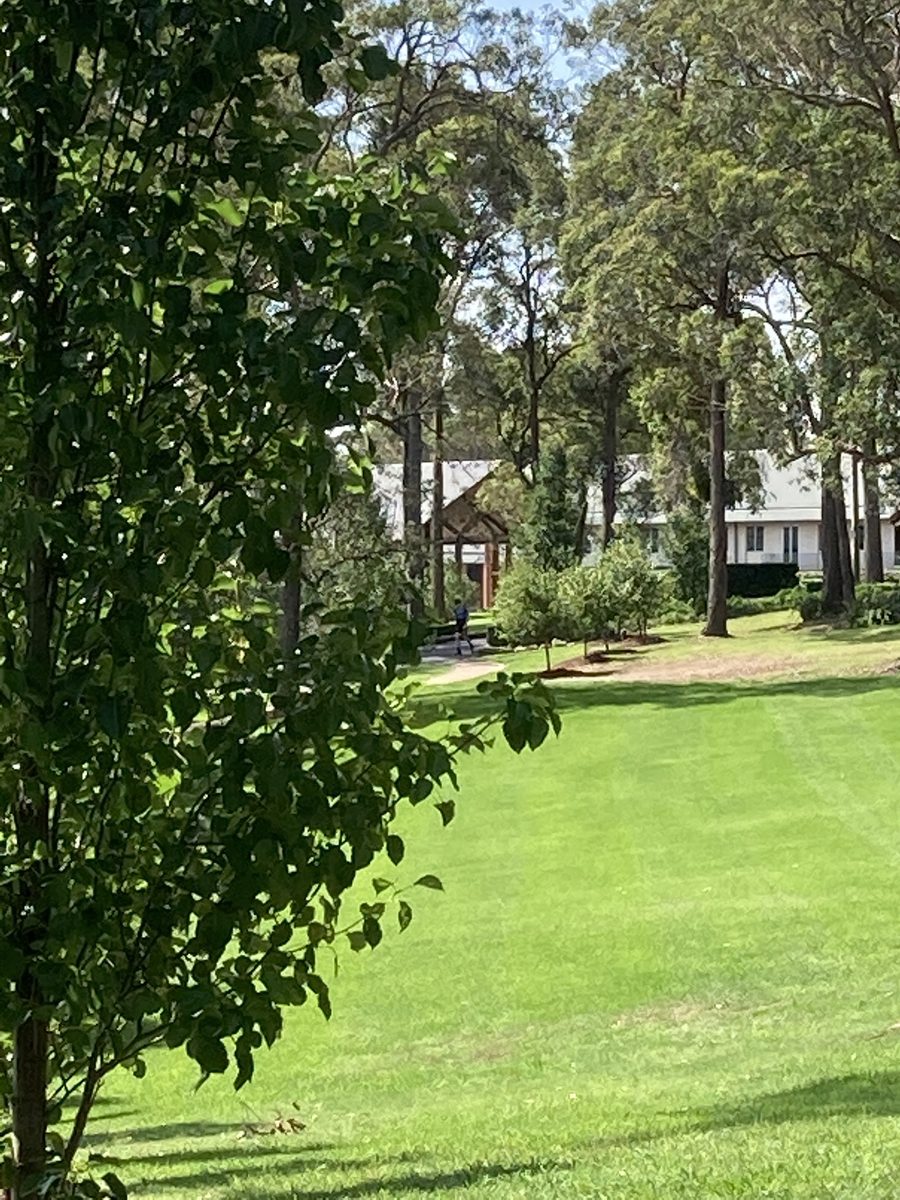
Photo © Brisbane Grammar School via Google Maps
Photo © Brisbane Grammar School via Google Maps
Photo © Brisbane Grammar School via Google Maps
Photo © ned madden via Google Maps
Photo © Brisbane Grammar School via Google Maps
Photo © Brisbane Grammar School via Google Maps
Photo © James Price via Google Maps
Photo © Saveloys via Google Maps
Photo © Kathleen via Google Maps
Parent reviews
Have you sent your child here?
Voice reviews carry the strongest trust badge — we transcribe them for you to tidy up before they go live. Prefer to type? A written review is fine too.
Add your voice
In 60 seconds, tell other parents: what's the best thing about Brisbane Grammar School, and what surprised you when your child joined?
We ask for a Google sign-in so every review has a real face behind it — no anonymous drive-by attacks on schools, and no faked positive reviews. Your email is never shown publicly.
Send this profile to a friend
International parents rely on word-of-mouth. Share this review with someone weighing the same decision.
Schools with places
Similar schools to Brisbane Grammar School with places available now.
Geelong Grammar School
Corio, Victoria · Australia
- 2026-27
- WAITPOOLSpace-dependent
- 2027-28
- PLACES OPEN
Melbourne Grammar School
Melbourne · Australia
- 2026-27
- WAITPOOLVacancy-dependent
- 2027-28
- PLACES OPENBoarding open; Day waitpool
Scotch College
Melbourne · Australia
- 2026-27
- WAITPOOLVacancy-dependent
- 2027-28
- PLACES OPEN
The King's School (Parramatta)
Parramatta · Australia
- 2026-27
- WAITPOOLVacancy-dependent
- 2027-28
- PLACES OPEN
Availability first, then country, area, curriculum, price, co-curricular
Consider also
Also worth looking at alongside Brisbane Grammar School.
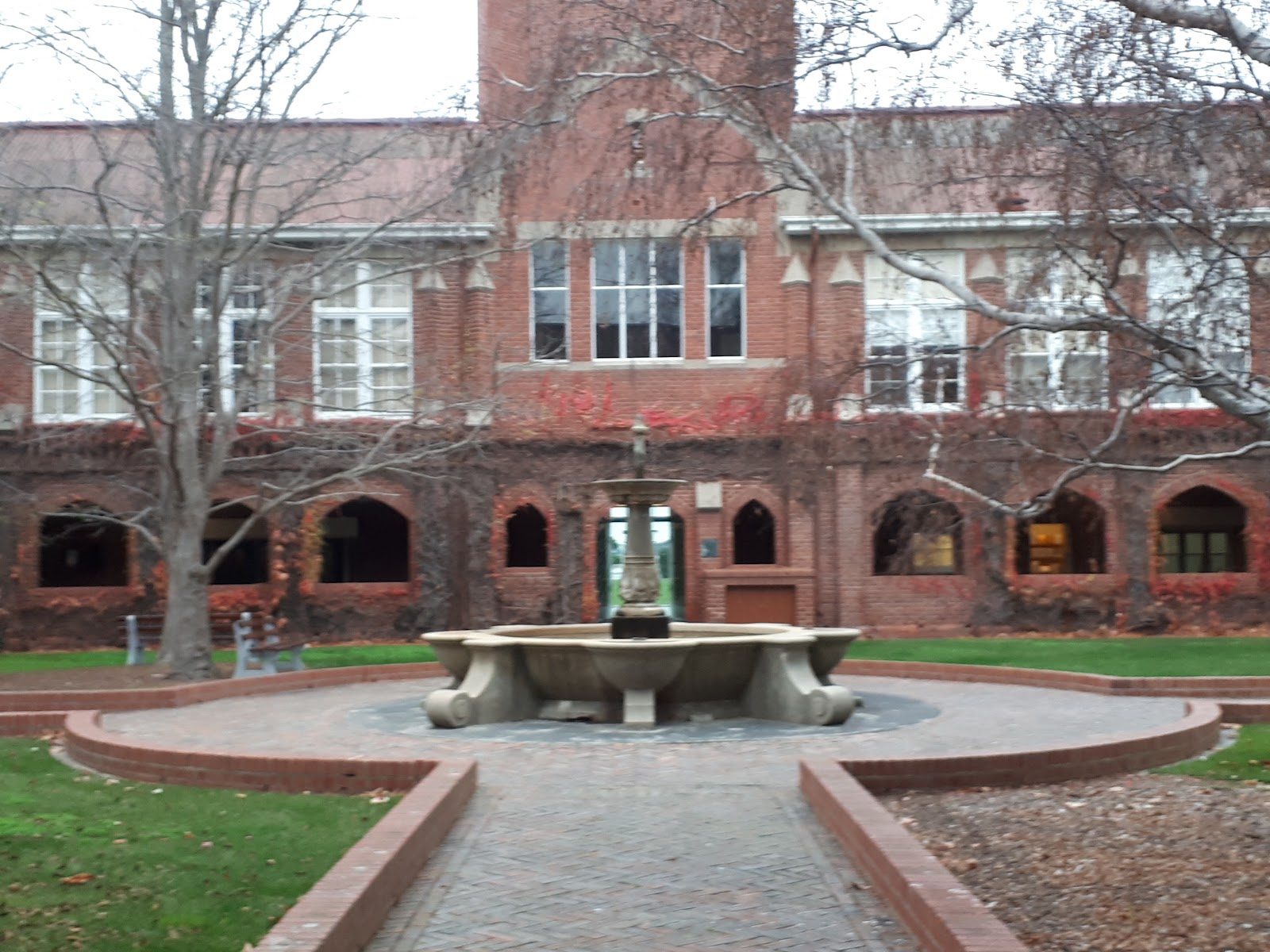
Geelong Grammar School
Corio, Victoria · Australia
Sends every Year 9 to a remote alpine campus, then blends IB and VCE with the wellbeing model it pioneered.
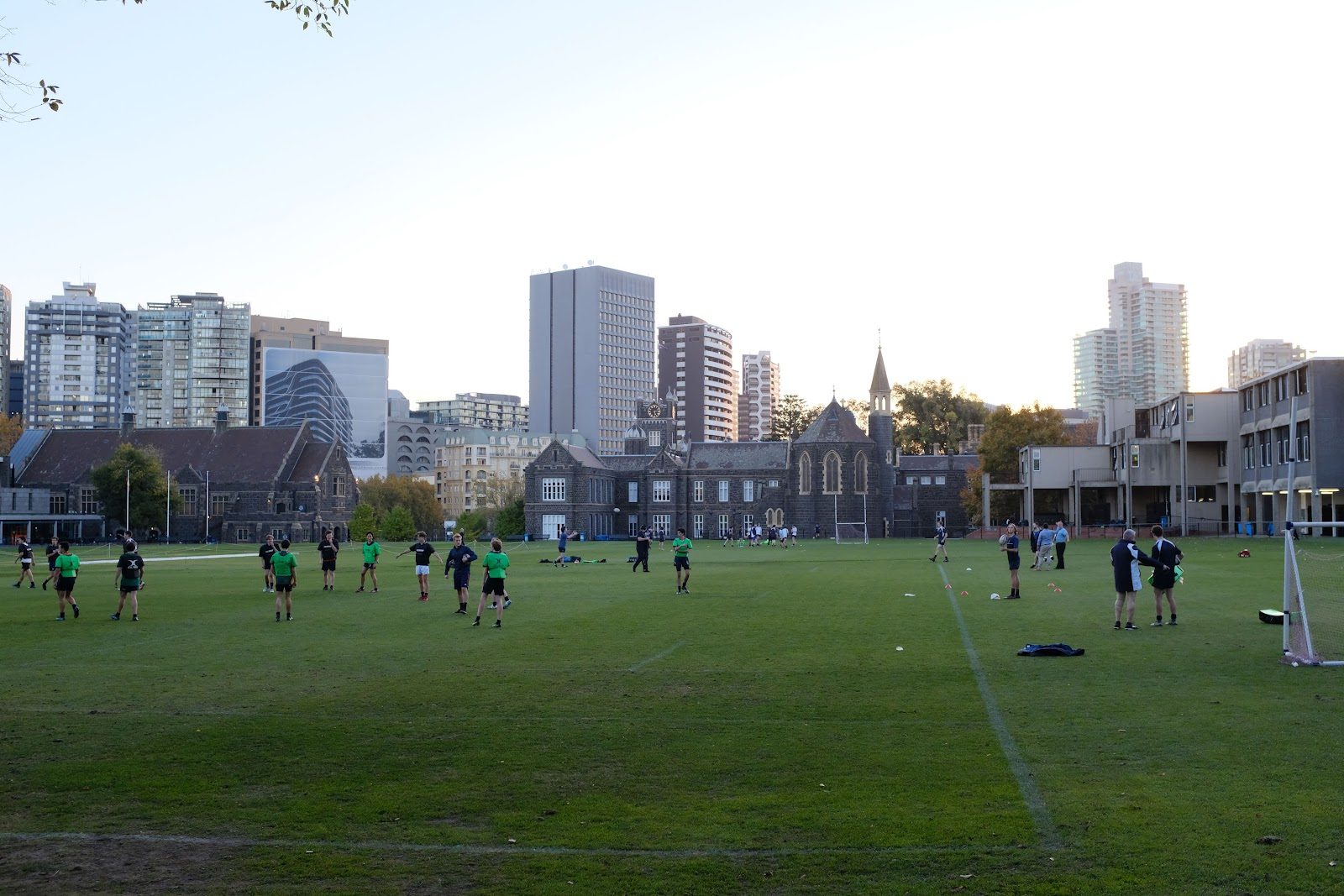
Melbourne Grammar School
Melbourne · Australia
Site of the first recorded Australian Rules football match in 1858, its bluestone St Kilda Road campus still borders the Royal Botanic Gardens.
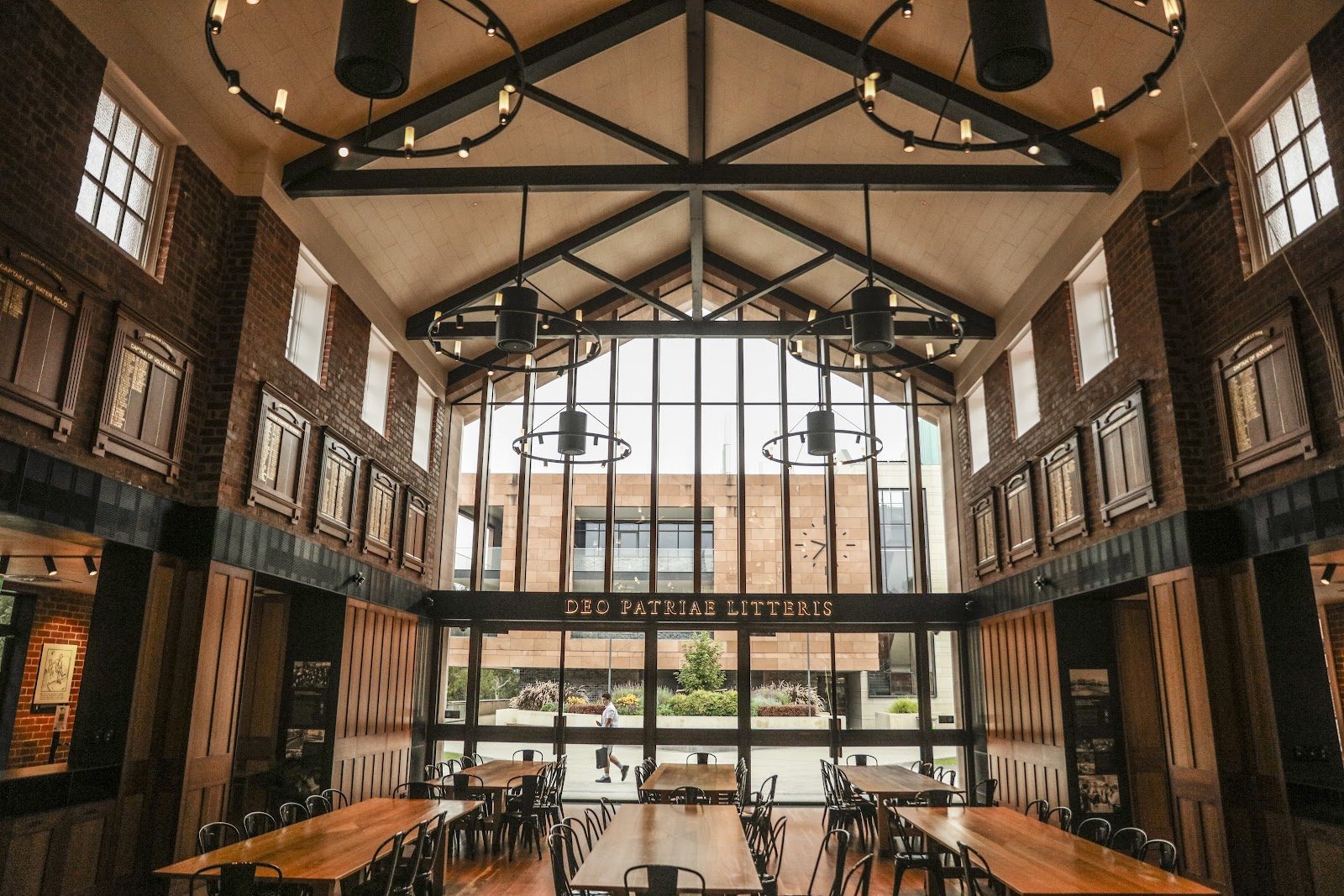
Scotch College
Melbourne · Australia
Founded in 1851 on the Yarra, Victoria's oldest secondary school blends IB and VCE with non-selective results that rival the selective few.
The King's School (Parramatta)
Parramatta · Australia
Australia's oldest independent school, where an 1831 foundation still marches in the country's oldest surviving military uniform and cadet corps.
Same country and curriculum — closest matches within ±10 points either way