
Greater London
English National Ballet School
Only thirty places are offered from three hundred auditions each year, and graduates fill a third of English National Ballet's own ranks.
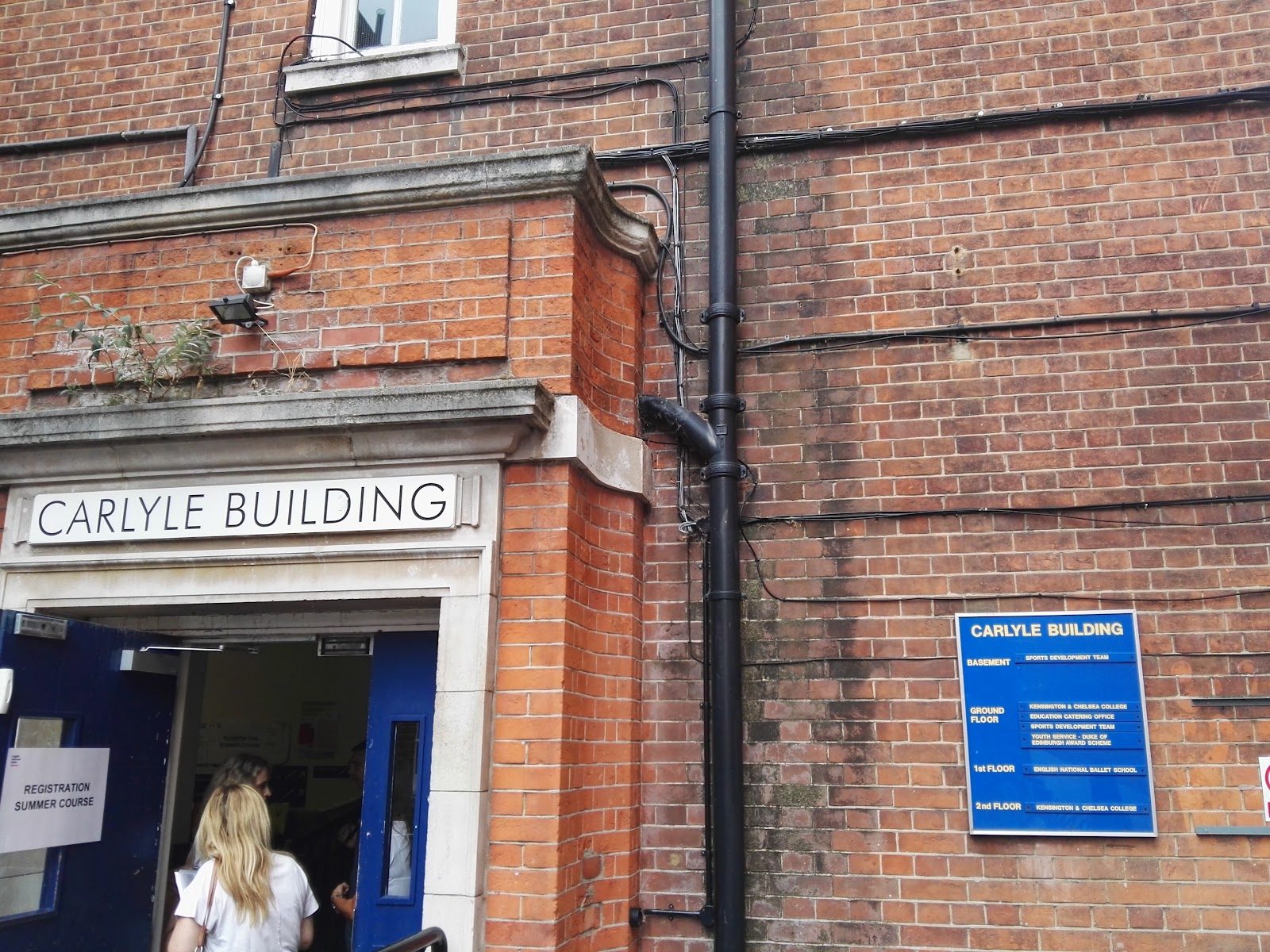
Photo © Stefano Fassetta via Google Maps
Type
Day + Boarding
Ages
16–19
Curriculum
BA (Hons) Professional Dance and Performance
Ratio
—
The Verdict
Editor's commitment
Right for
Serious ballet students aged 16–19 who want a three-year BA validated by Trinity College London and a route into companies.
Wrong for
Anyone wanting a broad sixth-form education: this Fulham school offers 30 first-year places and trains only for professional dance.
Watch out for
Competition is brutal — 300 audition for 30 places each year — and the school does not publish graduate employment figures.
Ranking breakdown
English National Ballet School · #1154 of 1591
Composite score 59.7. 8 weighted criteria.
By criterion
Academic Outcomes
Weight 20%
#1518
of 1529 scored
University Placement
Weight 16%
#1525
of 1529 scored
Prestige & Heritage
Weight 12%
#139
of 1571 scored
Alumni Network
Weight 12%
#544
of 1530 scored
Facilities
Weight 12%
#71
of 1533 scored
Transparency & Communications
Weight 8%
#938
of 1532 scored
Peer & Industry Review
Weight 10%
#9
of 1548 scored
Admissions Selectivity & Demand
Weight 8%
#11
of 1529 scored
Peer & Industry Review
How English National Ballet School is regarded in the sector
88
Strong · medium confidence
Within UK vocational dance training, English National Ballet School is consistently ranked alongside The Royal Ballet School and Elmhurst Ballet School as one of the country's three principal classical ballet conservatoires, a grouping reinforced by its Council for Dance, Drama and Musical Theatre accreditation and its BA (Hons) in Professional Dance and Performance validated by the University of Bath, giving it degree-level academic standing rare among dance schools. Independent education commentary treats it primarily as a specialist post-16 vocational institution rather than a mainstream day school, so it rarely appears in WhichSchoolAdvisor or national newspaper academic league tables, but the Good Schools Guide and dance-press coverage (Dancing Times, The Stage) note its close pipeline into English National Ballet itself plus Birmingham Royal Ballet, Northern Ballet and Scottish Ballet. Its graduate placement record and audition reputation give it credibility with conservatoire peers and university dance departments, though its industry profile is narrower and less publicly benchmarked than academically selective independent schools in the same tier.
Award

Elite Dance 50
World's Top School · The Global Ranking
English National Ballet School is featured on our Global Top 50 ranking at #25. This seal is available for the school's marketing team to use on their website, prospectus and social channels.
- Precious Adams — Principal dancer, English National Ballet
- Fernanda Oliveira — Professional ballet dancer
- Jung ah Choi — Ballet dancer, English National Ballet
Editors' overview
English National Ballet School occupies a narrow, serious niche: pre-professional classical ballet training for students aged 16 to 19 who already know that dance, not school sport or a broad sixth form menu, is the point. This is a specialist institution in Fulham, founded in 1988, with a three-year BA (Hons) Professional Dance and Performance validated by Trinity College London and taught in English. The numbers define the place. Each year, 300 dancers audition for 30 first-year places: a clean 10:1 admissions ratio. That selectivity matters because the school is not selling enrichment or prestige for its own sake; it is training for the stage. For families who want hard-edged vocational focus, a direct route into the profession and serious conservatoire discipline, that is the core attraction.
What distinguishes the school is its proximity to a major company without being swallowed by it. English National Ballet School now operates as a separate entity, yet keeps strong links with English National Ballet. The editorial tagline is the sharpest market signal here: graduates fill a third of English National Ballet’s own ranks. Few ballet schools can point to such a direct relationship between training and employer demand. Add to that the school’s published claim of consistent Outstanding Ofsted inspections and Trinity College London’s description of it as an “exemplary provider”, and the proposition is clear: elite selection, company-facing training and a structure built around employability in classical ballet, not around generalist sixth form life.
Parents should also read the limits clearly. This is not a broad academic environment with many fallback options. It is a specialist dance school for students ready to commit early, tolerate pressure and build technique under constant scrutiny. The boarding and day model widens access for families outside London, but the decisive question is not logistics; it is fit. The right student is intensely self-motivated, technically advanced, resilient under correction and ambitious about a professional ballet career. The wrong student is one who wants to keep several pathways open, needs a softer pace or is still testing whether dance is a consuming vocation or just a strong extracurricular interest.
In the market, English National Ballet School sits in the top tier of UK vocational ballet training for older teenagers: small intake, explicit industry alignment, and a clear destination. It belongs on a shortlist for families seeking stage-ready training rather than school-brand gloss. Its appeal is strongest for dancers who want high-stakes artistic training in London, value the link to English National Ballet, and understand that places are scarce because the school is preparing a tiny cohort for a profession that is even more selective than the admissions process.
A Global Elite 50 Dance school
English National Ballet School sits in Band 21-31 of our Global Elite 50 Dance Schools 2026, with B confidence, because it meets the standard for inclusion within the Global Elite 50 — public evidence supports its elite professional-conversion status, but does not currently allow a definitive one-place distinction against its band peers.
The Global Elite 50 Dance Schools methodology is deliberately aggressive: half of the 100 available points are directly tied to professional conversion between 2016 and 2026 — main-company contracts, elite junior-company positions, apprenticeships and second companies. Beautiful campuses, historic alumni and impressive facilities cannot compensate for weak contemporary professional conversion, and are not scored independently.
Its evidence-confidence grade is deliberately separate from the ranking position: a lower grade reflects less public disclosure, not weaker performance. Where the school moves substantially better cohort data into the public domain in future audit cycles, the position — but not the underlying professional-conversion reality — may be revised.
International openness is a defining feature. Overseas dancers apply on a rolling international audition and video pre-screen basis without residency, federation or citizenship gates, and Student visas are handled by the school. This is one of the internationally-open pipelines on the Global Elite 50 Dance Schools list that a relocating family can consider directly. Prospective families are advised to begin overseas application conversations early in the calendar year, with detailed audition logistics arranged 12-18 months ahead of the intended entry point.
Academic Performance
Academic performance here cannot be read through A levels, IB points or league tables, because the school does not publish those metrics and the programme is not built around them. The external quality markers it does publish are vocational: Trinity College London rates the school an “exemplary provider”, and Ofsted has judged it Outstanding since inspections began, with Outstanding in all areas in the most recent inspection. For a specialist dance school, that carries more weight than a conventional academic scorecard. It speaks to standards in teaching, assessment, student development and outcomes, not to a broad exam factory. Parents need to read that distinction clearly: this is professional formation, not generalist sixth-form attainment.
Against peers in specialist ballet training, the school sits in the serious top bracket. The strongest outcome signal is not a set of public grade distributions but progression into employment, above all its direct pipeline into English National Ballet and other companies. That makes its results profile hard-edged and unusually relevant to the students it serves. The weakness is transparency. The school does not publish aggregate degree classifications, retention figures or company placement data beyond headline claims, so families cannot benchmark it with the same precision they can use for mainstream academic schools. Even so, the combination of Outstanding inspection history, external validation and a profession-facing destination record places it among the stronger UK options for dancers pursuing a high-risk, high-commitment route.
Facilities
The school’s key facility is not a landscaped campus but the studio infrastructure required for serious pre-professional training. Public information points to a specialist ballet environment with performance activity built into school life, and that matters more here than expansive grounds or a long amenities list. Families looking for theatres, science labs, playing fields or a broad co-curricular estate are shopping in the wrong market. A ballet school for students at this stage lives or dies by the quality, availability and intensity of its studio use, and English National Ballet School’s inspection record and company links indicate a hard-working, industry-facing set-up rather than a decorative one. What the school does not do is publish a detailed facilities inventory. We have not seen the kind of room-by-room disclosure, technical specifications or virtual campus presentation that some competitors now provide.
Against peer vocational ballet schools, that creates a mixed picture. The advantage lies in focus: a purpose-built professional culture attached to auditions, performances and direct company relevance, with only 30 places per year shaping a compact training environment. The weakness is transparency. Parents cannot easily benchmark rehearsal space, conditioning provision, medical support, residence quality or performance facilities against rival London conservatoire-style providers because the school does not publish enough detail. In editorial terms, the facilities case is credible but under-evidenced: strong where specialist training culture counts, thinner where concrete public disclosure should do the work.
What makes English National Ballet School distinctive is its single-track seriousness
Prestige
English National Ballet School carries real vocational prestige, but it is a narrow prestige, not a broad social one. In ballet circles, that distinction matters. The school’s status rests on three hard facts: fierce selectivity, a direct institutional link to a major national company, and inspection judgments that back up the rhetoric. An annual audition pool of 300 for 30 places marks it out as a serious gatekeeper rather than an open-access training provider. Trinity College London’s description of the school as an “exemplary provider” and its long run of Outstanding Ofsted verdicts give it external credibility beyond brand association. That combination puts it in the top rank of UK pre-professional ballet training.
The reason for the strong rating is simple: this school is judged by where its dancers land, not by how elegant its prospectus sounds. The link with English National Ballet gives the training unusual labour-market relevance, and the school states that graduates move into that company and others worldwide. That is the kind of outcome that creates prestige inside the profession. The limit is equally clear. Outside specialist dance, the name does not carry the instant recognition of a major academic sixth form or a conservatoire with a wider arts footprint. Prestige here is earned on the studio floor, in auditions, corrections and company recruitment. For families seeking a high-stakes professional route in classical ballet, that is exactly the right kind of prestige.
English National Ballet School now operates as a separate entity, yet keeps strong links with English National Ballet
Communications
English National Ballet School communicates in a compact, functional way. The website covers the essentials: leadership, board, policies, contact details, auditions, performances and annual reports. That gives parents a usable map of the institution and, crucially, a route to formal documents rather than a wall of brand language. The tone is plain-spoken and workmanlike, which suits a school built on selection and professional discipline. Parents do not need glossy storytelling here; they need clarity about standards, safeguarding, leadership and how entry works. On that front, the school does enough. The strongest public communication signals are the hard claims it is willing to make — 300 auditions for 30 places, repeated Outstanding Ofsted judgments, and a named senior team — because those are concrete points a family can test.
The weakness is depth. The school talks confidently about training quality, pastoral care and graduate destinations, but it does not publish enough operational detail to let parents interrogate those claims properly. We have not seen clear public breakdowns on parent communication routines, reporting cycles, residence oversight, health provision, or who handles day-to-day concerns outside the studio. For a school serving teenagers in a high-pressure, body-conscious, intensely specialised environment, that matters. Families can infer a serious internal culture; they cannot see much of the machinery. So the verdict is mixed: communication is credible and direct at the top level, but too thin where careful parents want the detail that turns reassurance into trust.
Uniqueness
What makes English National Ballet School distinctive is its single-track seriousness. Many performing arts schools talk about industry connection; this one is built around a professional ballet company’s standards, repertoire culture and employment logic. Entry is brutally selective — 300 auditioning for 30 places — and that shapes everything students experience once inside. The cohort is small, the talent level is high, and correction is constant because the point is not participation but readiness. The school’s strongest differentiator is the strength of its link with English National Ballet while remaining administratively separate. That gives students access to a company-facing culture without the vagueness that weakens many vocational promises. The school also states that its graduates fill a third of English National Ballet’s own ranks, which is a rare and hard-edged outcome signal.
For students, that uniqueness brings clarity. They are not navigating a diluted sixth-form experience with dance bolted on; they are entering a high-pressure professional pipeline where peers, teachers and expectations all point in the same direction. That can accelerate technical development, stage discipline and employability. It also creates a narrow life. Students who need academic breadth, looser pacing or space to hesitate will find the model unforgiving. Students who already know ballet is the job, not the hobby, get something more valuable than breadth: precision, scrutiny and direct relevance to the profession they want to enter.
English National Ballet School carries real vocational prestige, but it is a narrow prestige, not a broad social one
Student Profile
The student who fits here has already chosen ballet over breadth. This school suits dancers with advanced classical technique, strong physical discipline and the stamina to accept daily correction without drama. It rewards focus, not experimentation. A teenager who still wants the social sprawl of a mainstream sixth form, or who needs multiple academic escape routes, will find the environment narrow, demanding and not for the faint-hearted. A teenager who wants exacting studio culture, close attention from staff and peers operating at the same level will feel at home. The intake logic tells its own story: 300 audition for 30 places, so the cohort starts strong and stays competitive.
The best fit is resilient, self-policing and serious about professional life, not just performance glamour. Body management, repetition, injury setbacks and artistic critique are part of the daily reality, so emotional steadiness matters as much as talent. The school also claims strong pastoral care, which matters because this age group is still adolescent even when the training is hard-edged and adult in its expectations. Families should look for a student who can handle pressure, organise themselves and keep ambition in proportion. Vanity will not last long here; work ethic will. This is a place for career-minded, high-commitment dancers who want their peer group, timetable and standards aligned with one goal: joining the profession.
English National Ballet School communicates in a compact, functional way
Co-curricular strengths
Arts & sport, on a separate axis
Overall 10/10
Scored 0-10 from the school's own published evidence. This axis is editorial-only — it does not feed the main WTS ranking.
Sports
—
Drama
—
Dance
10/10
Music
—
Visual Arts
—
Strengths
- +Its BA (Hons) Professional Dance and Performance is validated by the University of Kent, giving graduates a recognised UK degree alongside vocational training.
- +The school is closely affiliated with English National Ballet, the professional touring company, giving students exposure to professional repertoire, staff and occasional stage opportunities.
- +Purpose-built studios at the Chelsea campus support a full-time vocational training environment.
- +Offers a structured single pathway from associate and junior programmes through to the BA, allowing progression to be tracked over several years for committed young dancers.
- +Small cohort sizes allow close staff attention and individualised coaching, typical of specialist vocational ballet schools.
Considerations
- −Training is narrowly focused on classical ballet and contemporary dance, offering little breadth in general academic subjects compared to a mainstream school.
- −Places on the BA course are highly competitive and audition-based, with a small annual intake, so acceptance rates are low.
- −Full tuition sits around £22,000 per year, a substantial commitment for a single-discipline vocational path.
- −A dance-only vocational path carries inherent career risk: not all graduates secure contracts with English National Ballet or other companies, and injury can end training early.
Gallery
Photo © Yash Senturk via Google Maps
Photo © Anna Wieczorek via Google Maps
Photo © Erick Motta via Google Maps
Photo © Lukas Jankowsky via Google Maps
Photo © Lukas Jankowsky via Google Maps
Parent reviews
Have you sent your child here?
Voice reviews carry the strongest trust badge — we transcribe them for you to tidy up before they go live. Prefer to type? A written review is fine too.
Add your voice
In 60 seconds, tell other parents: what's the best thing about English National Ballet School, and what surprised you when your child joined?
We ask for a Google sign-in so every review has a real face behind it — no anonymous drive-by attacks on schools, and no faked positive reviews. Your email is never shown publicly.
Send this profile to a friend
International parents rely on word-of-mouth. Share this review with someone weighing the same decision.
Schools with places
Similar schools to English National Ballet School with places available now.
Tiffin School
Kingston upon Thames · United Kingdom
- 2026-27
- CLOSEDStandard route
- 2027-28
- PLACES OPENCloses 1 Sept '26, 12pm
University College School
London · United Kingdom
- 2026-27
- CLOSEDStandard route
- 2027-28
- PLACES OPEN11+ (9 Nov); 16+ (28 Sept)
City of London School
London · United Kingdom
- 2026-27
- CLOSEDStandard route
- 2027-28
- PLACES OPEN11+/16+ Active
Latymer Upper School
London · United Kingdom
- 2026-27
- CLOSEDStandard route
- 2027-28
- PLACES OPENCloses Nov
Availability first, then country, area, curriculum, price, co-curricular
Consider also
Also worth looking at alongside English National Ballet School.

The Hammond School
Hoole Bank, Chester · United Kingdom
Britain's oldest vocational dance school pairs morning GCSEs with afternoon ballet studios and a validated musical theatre degree.
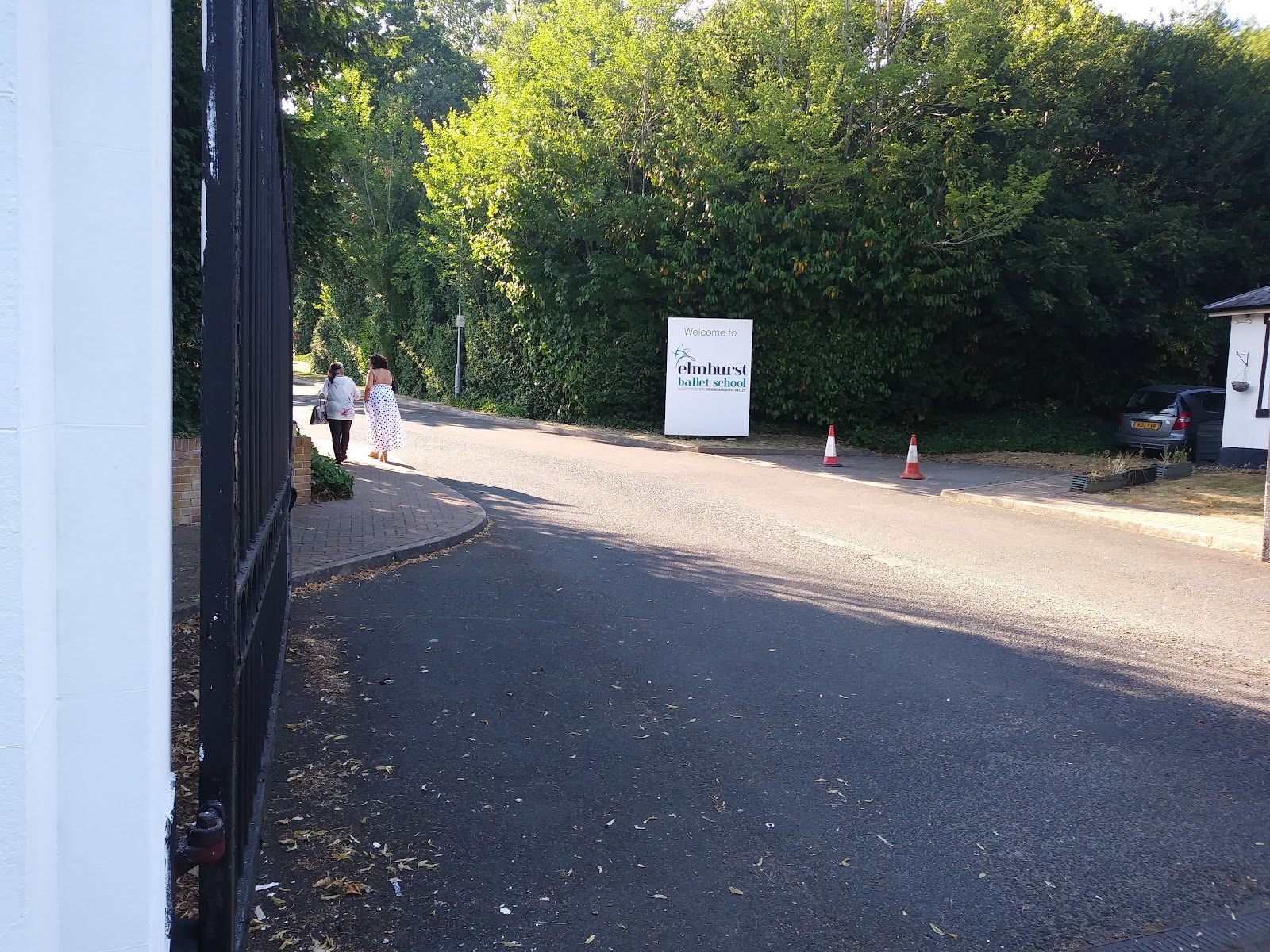
Elmhurst Ballet School
Edgbaston, Birmingham · United Kingdom
Britain's oldest vocational ballet school, timetabling GCSEs around the barre with a direct line into Birmingham Royal Ballet.
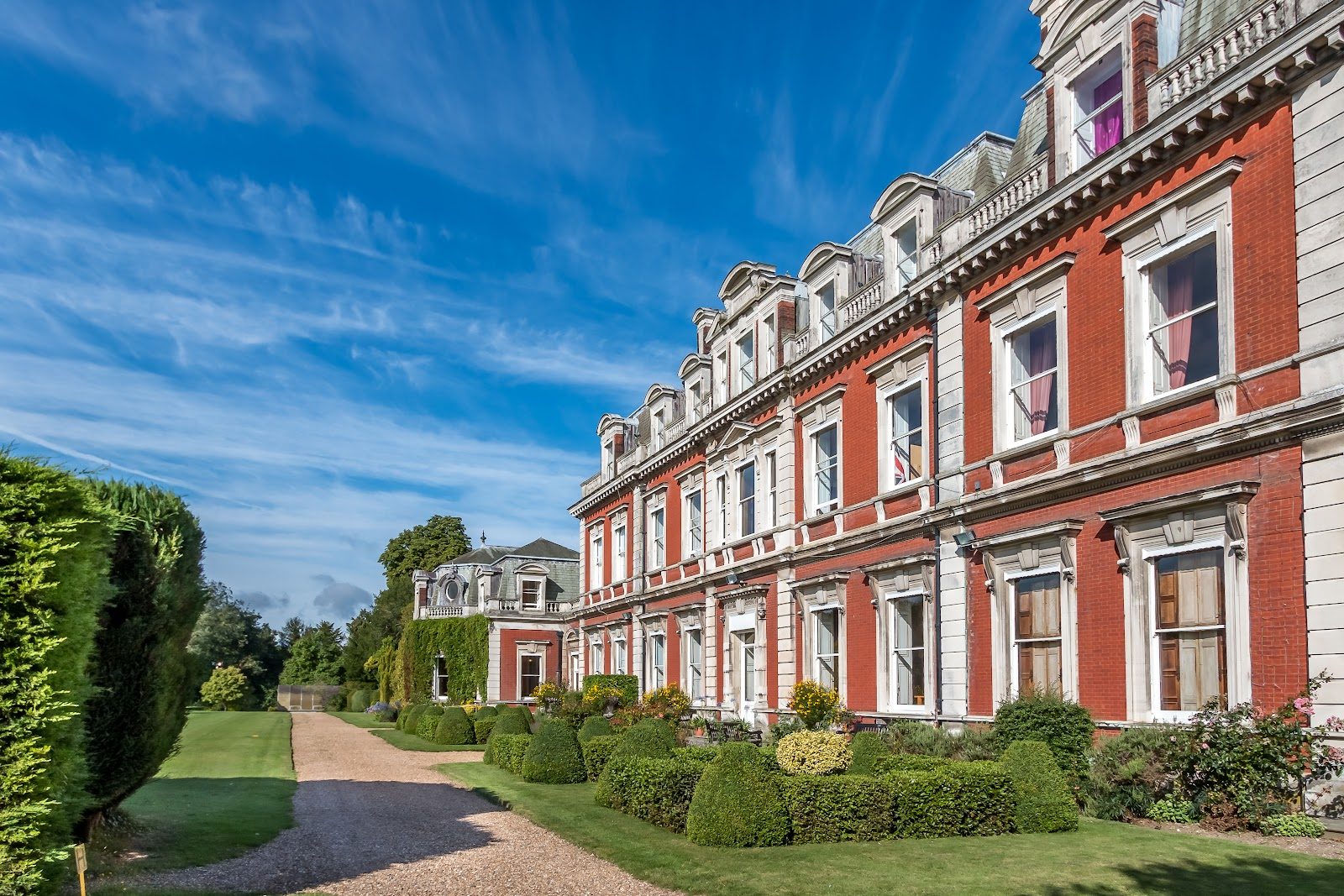
Tring Park School for the Performing Arts
Tring, Hertfordshire · United Kingdom
In a Wren-designed Rothschild mansion, mornings of GCSE and A-Level study give way to afternoons of rigorous, audition-only dance and drama training.
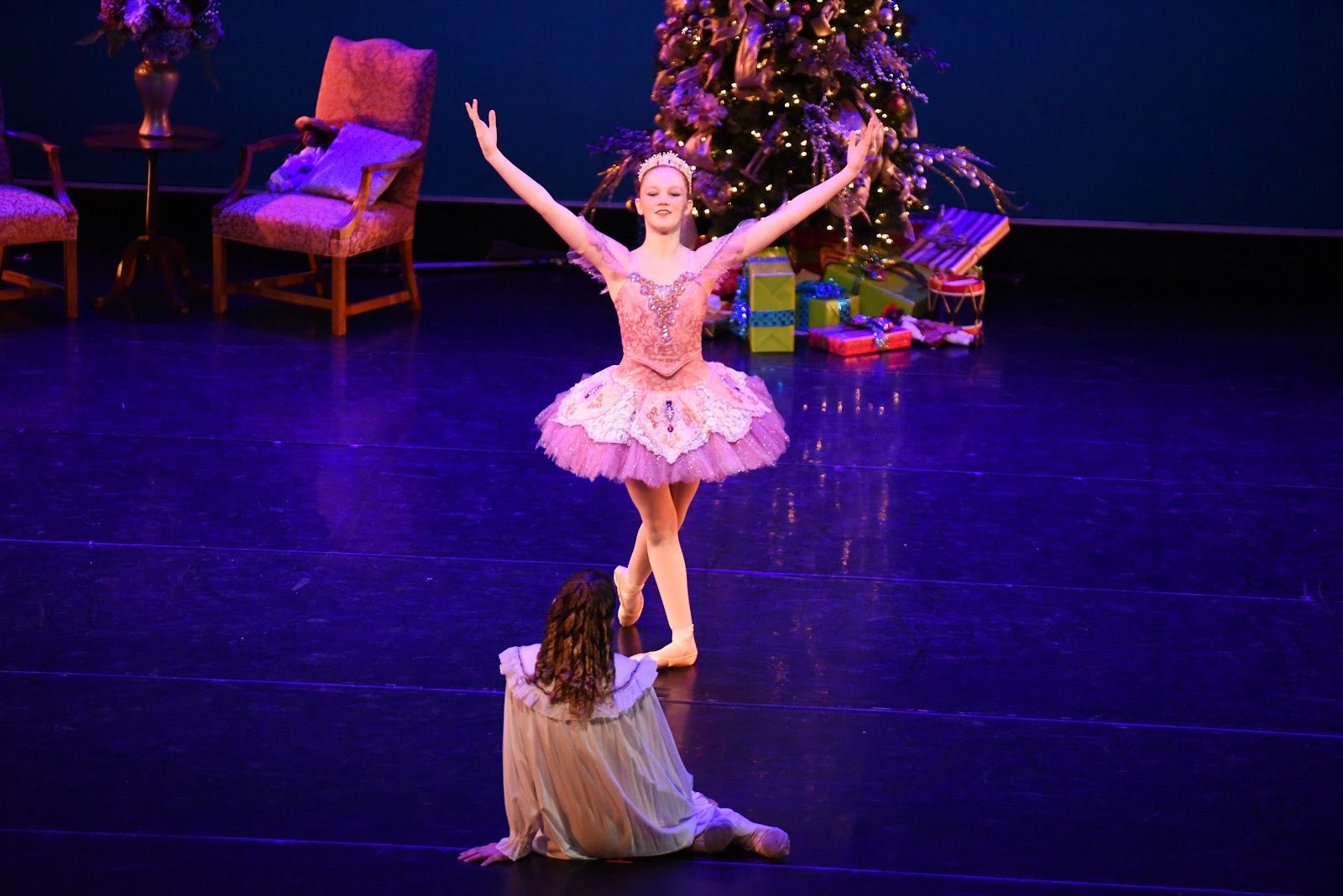
UNCSA School of Dance, High School
Winston-Salem, NC · United States
At the nation's first public arts conservatory, teenage dancers train daily alongside college company members bound for professional stages.
Same specialism, country and curriculum — closest matches within ±10 points either way