
Cheshire
The Hammond School
Britain's oldest vocational dance school pairs morning GCSEs with afternoon ballet studios and a validated musical theatre degree.
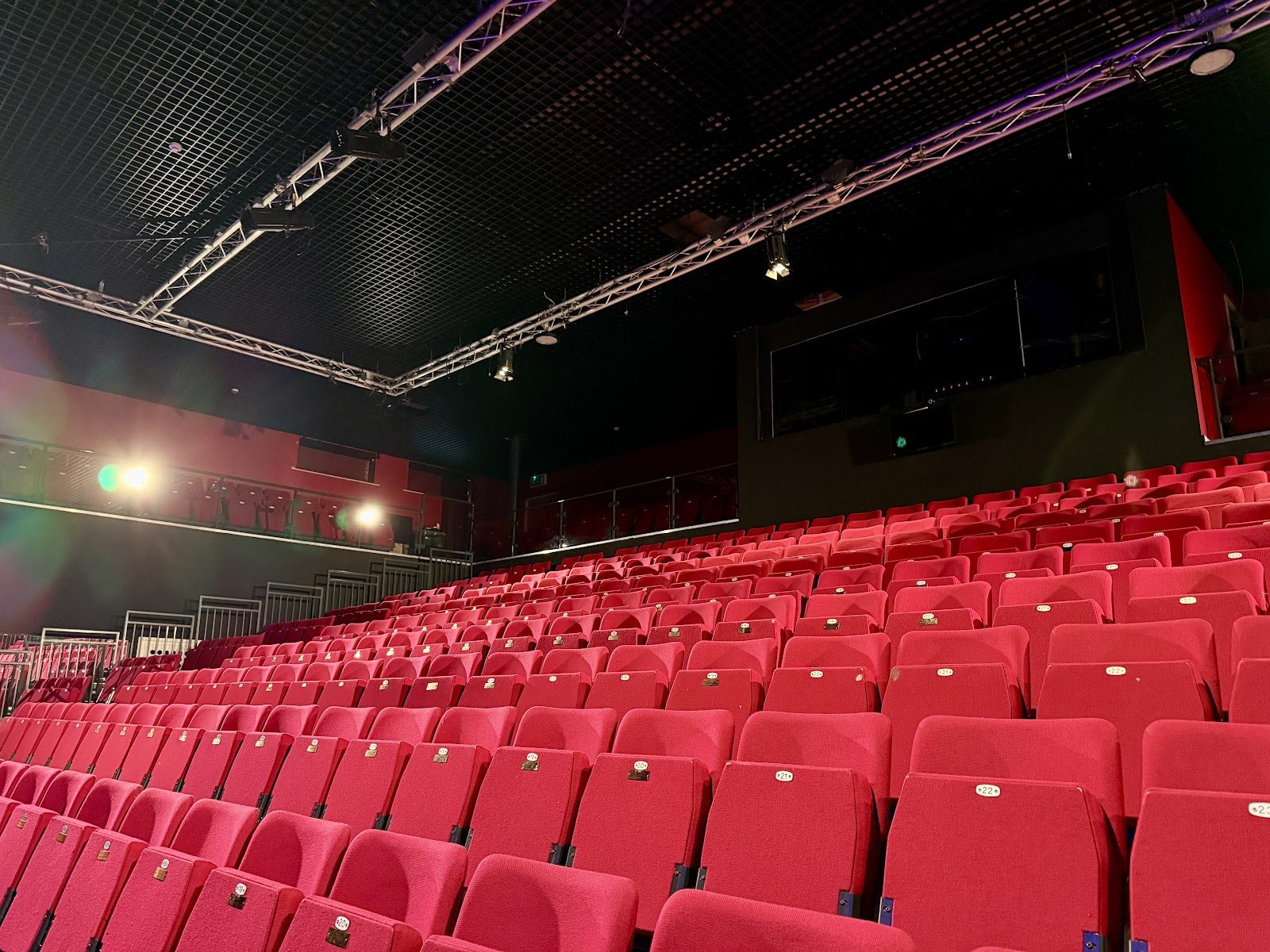
Photo © The Hammond via Google Maps
Type
Day + Boarding
Ages
8–19
Curriculum
GCSE · A-Level · BTEC
Ratio
—
The Verdict
Editor's commitment
Right for
Young performers aged 8–19 who want GCSEs, A-Levels or BTEC alongside serious vocational dance training, with boarding in Chester.
Wrong for
Children who want a broad all-round school; The Hammond is a specialist performing arts school, not a conventional academic campus.
Watch out for
Fees are steep at £15,000 day and £30,000 boarding, and ISI accreditation says nothing about published academic or destination data.
Ranking breakdown
The Hammond School · #1162 of 1591
Composite score 59.4. 8 weighted criteria.
By criterion
Academic Outcomes
Weight 20%
#1382
of 1529 scored
University Placement
Weight 16%
#1488
of 1529 scored
Prestige & Heritage
Weight 12%
#1009
of 1571 scored
Alumni Network
Weight 12%
#785
of 1530 scored
Facilities
Weight 12%
#193
of 1533 scored
Transparency & Communications
Weight 8%
#938
of 1532 scored
Peer & Industry Review
Weight 10%
#38
of 1548 scored
Admissions Selectivity & Demand
Weight 8%
#888
of 1529 scored
Peer & Industry Review
How The Hammond School is regarded in the sector
82
Strong · medium confidence
The Hammond is one of a small cohort of schools within the DfE Music and Dance Scheme, placing it in the same funded-vocational bracket as the Royal Ballet School, Elmhurst Ballet School and Tring Park, a grouping industry insiders treat as the de facto premier league of UK dance training. Council for Dance Education and Training (CDET) accreditation and consistently 'excellent' ISI inspection judgements are cited by the Good Schools Guide as evidence of rigorous vocational standards rather than marketing gloss. Conservatoires such as Trinity Laban, Rambert School and the Royal Ballet School accept its leavers directly into upper-school and vocational programmes, a progression route noted in specialist dance-education press rather than mainstream league tables, since The Hammond does not compete on standard academic rankings. Regional independent-school heads and performing-arts press coverage typically position it as a specialist outlier to be judged against Tring Park and Elmhurst rather than conventional Cheshire day schools, reflecting a niche but well-established reputation among practitioners rather than broad public-facing acclaim.
Award

Elite Dance 50
World's Top School · The Global Ranking
The Hammond School is featured on our Global Top 50 ranking at #40. This seal is available for the school's marketing team to use on their website, prospectus and social channels.
Award

Elite Drama 50
World's Top School · The Global Ranking
The Hammond School is featured on our Global Top 50 ranking at #21. This seal is available for the school's marketing team to use on their website, prospectus and social channels.
- Faye Tozer — Singer/Dancer, Steps - Music/Performing Arts
- Chris Marchant — Dancer, Performing Arts
Editors' overview
The Hammond School occupies a narrow, serious niche: vocational performing arts education for children and teenagers who want technical training built into the school day, not bolted on after lessons. That is the point of the place. It offers GCSE, A-Level and BTEC pathways within a day-and-boarding structure for ages 8–19, with English as the language of instruction and ISI accreditation. The fees — £15,000 a year for day pupils and £30,000 for boarders — put it in the expensive bracket, but this is not a conventional independent school with a strong dance department. It is a specialist school in which performance training drives the timetable and the culture. For the right child, that focus is transformative, demanding and clear-eyed.
What sets Hammond apart is the age at which that specialisation starts. Many schools talk about nurturing talent; Hammond organises school life around it from childhood through sixth form. That matters for families who do not want to choose between academic continuity and sustained vocational training. The attraction is obvious: one institution, one discipline-heavy routine, one peer group of equally committed young performers. The trade-off is just as obvious. This is not the best fit for a child who wants a broad, conventional school experience with sport, societies and the arts in balanced proportion. Hammond is for students who already know that dance or musical theatre sits near the centre of their identity, and who can handle a high-pressure, studio-led environment without romantic illusions about the workload.
Why shortlist it? Because Britain has very few schools with this level of specialism across the full 8–19 age range, and fewer still with boarding attached. For families outside Chester, that boarding offer widens access to a school that functions as a pipeline into professional training. For local families, the day option gives access to the same specialist culture at half the annual fee. The school’s strongest selling point is not polish or prestige language; it is structural commitment. If your child needs daily vocational training, disciplined peers and a timetable built around performance, Hammond deserves close attention. If your child is talented but undecided, socially fragile, or hungry for academic breadth first and specialisation second, there are better options. Hammond suits the single-minded, the resilient, and the young performer who wants school to feel less like a campus and more like a working conservatoire.
A Global Elite 50 Dance school
The Hammond sits in Band 32-50 of our Global Elite 50 Dance Schools 2026 because public evidence supports its elite professional-conversion status but does not currently allow a definitive single-place distinction against its band peers.
The Global Elite 50 Dance Schools methodology is deliberately aggressive: half of the 100 available points are directly tied to professional conversion between 2016 and 2026 — main-company contracts, elite junior-company positions, apprenticeships and second companies. Beautiful campuses, historic alumni and impressive facilities cannot compensate for weak contemporary professional conversion, and are not scored independently. The Hammond's designation as a Music and Dance Scheme centre of excellence, its integrated specialist model spanning classical ballet, tap, jazz, modern, street and contemporary dance, and destination evidence including graduates progressing to the Bolshoi Ballet Academy underpin its placement.
Because the school currently publishes limited cohort-level destination data, no separate evidence-confidence grade is attached to its position at this stage. As with all band-32-50 schools, the exact ordering will be revised when materially better 2016-2026 destination evidence enters the public domain.
International openness is a defining feature. Boarding is standard for ages 11-16, with private-sector lodgings arranged for ages 16-18, and overseas dancers apply on a rolling international audition and video pre-screen basis. Student-visa support is provided by the school. This is one of the internationally-open pipelines on the Global Elite 50 Dance Schools list that a relocating family can consider directly. Prospective families are advised to begin overseas application conversations early in the calendar year, with detailed audition and boarding logistics arranged 12-18 months ahead of the intended entry point.
A Global Elite 50 Drama & Acting school
The Hammond (Acting & Performance) sits at #21 on our Global Elite 50 Drama & Acting Schools 2026, with a 75 Elite Score and a B evidence-confidence grade, because on the 100-point Elite Acting Progression Model it demonstrates the weighted elite conservatoire progression, faculty pedigree, screen-and-stage training breadth and industry integration that separate a true tier institution from a strong regional feeder.
Its operating model is best described as integrated specialist: a structure that shapes both the daily balance of academic and specialist study and the professional trajectory of graduating actors as they move into major drama-school BA degrees or direct casting. Post-16 provision includes a BTEC Level 3 in Performing Arts (Acting) combined with A-Levels.
The Global Elite 50 Drama & Acting Schools methodology is deliberately aggressive: 30 of the 100 available points are directly tied to weighted elite conservatoire and professional-programme conversion between 2016 and 2026 — RADA, Guildhall, LAMDA, Juilliard, NYU Tisch, Yale, WAAPA, NIDA and their peers — with a further 15 points on faculty and industry pedigree and 20 points on training intensity and industry integration. Beautiful campuses, historic alumni and impressive facilities cannot compensate for weak contemporary professional conversion, and are not scored independently.
The evidence-confidence grade is deliberately separate from the ranking position: a lower grade reflects less public disclosure, not weaker performance. Where the school moves substantially better cohort data into the public domain in future audit cycles, the position — but not the underlying professional-conversion reality — may be revised.
International openness is a defining feature. Boarding is standard for ages 11-16, with private-sector lodgings for ages 16-18, and overseas actors apply on a rolling international audition and video pre-screen basis. Student-visa support is provided by the school. This is one of the internationally-open pipelines on the Global Elite 50 Drama & Acting Schools list that a relocating family can consider directly.
Academic Performance
Academic performance is the awkward part of Hammond’s profile, because the school does not publish the kind of aggregate exam data that lets parents benchmark it cleanly against other independent schools. We have not seen school-wide GCSE grade distributions, A-Level summaries, value-added measures, or university destination tables in the public domain. That matters. In a specialist setting with a timetable built around studio training, families need hard evidence that academic teaching holds up under the vocational load. Without it, Hammond sits in an opaque middle ground: not a school with weak academics on the record, but not one making a hard-edged public case for standout attainment either.
Relative to peers, that places Hammond outside the top tier of academically transparent independent schools and closer to the vocational conservatoire model, where progression in dance and musical theatre carries as much weight as headline grades. That is not a flaw in itself; it is the school’s operating logic. But it does mean parents must ask sharper questions than they would at a conventional academic school: cohort entry profile, pass rates across the sixth form pathways, subject availability beyond the core, and destinations after 16 and 18. For the single-minded performer, the academic offer may prove fit for purpose. For families who want published evidence of consistently strong external results, Hammond does not give enough away.
Facilities
The Hammond’s facilities matter only in relation to its purpose, and on that front the school has the right priorities. Parents are not paying for a sprawling all-round campus with grand sports infrastructure and a long list of hobby spaces; they are paying for a place built around daily vocational training. That means dance studios, rehearsal rooms and performance spaces carry more weight than playing fields or a conventional sixth-form centre. Against specialist performing-arts peers, that is the correct hierarchy. The key question is not whether the campus feels expansive, but whether students can train hard, safely and repeatedly without spending half the day waiting for space. On that test, Hammond’s offer reads as purpose-built, workmanlike and professionally aligned.
Where Hammond sits below the best-funded specialist competitors is public detail. The school does not publish a forensic account of its facilities: no studio count, no technical specifications, no clear breakdown of theatre provision, conditioning space or boarding amenities. That weakens comparison with rival vocational schools that itemise sprung floors, black-box theatres, strength and rehabilitation facilities, recording suites and on-site health support. Parents considering Hammond need to ask direct questions about injury prevention, physio access, studio scheduling, accompanist support and the quality of boarding spaces for young performers carrying a demanding timetable. The facilities are central to the school’s value; the published picture remains thinner than it should be.
In broader public terms, the name does not carry the same instant cachet as a major academic boarding school or a top conservatoire-level brand
Prestige
Hammond carries real prestige within a narrow world and limited prestige outside it. That distinction matters. In mainstream independent-school terms, it does not occupy the social or academic status tier of Britain’s best-known all-rounders. It is a specialist vocational school, and its reputation rests on that specialism. Among families, teachers and students who care about dance and musical theatre training delivered inside the school day, Hammond has serious name recognition. In broader public terms, the name does not carry the same instant cachet as a major academic boarding school or a top conservatoire-level brand. This is sector prestige, not universal prestige.
That is still valuable. Specialist schools earn status through concentration, discipline and a clear route into further training, and Hammond has that hard-edged vocational identity. The age span alone makes it unusual: children can enter young and stay in one performance-focused culture through to the end of school, which builds a strong internal ethos and a recognisable profile. The fees — £30,000 for boarders and £15,000 for day pupils — also place it firmly in the independent specialist bracket, not the casual after-school-market end of performing arts. What stops Hammond from commanding a higher prestige rating is the same issue that limits its academic authority: thin public evidence on results and destinations. Prestige in specialist arts can run on reputation for a long time; top-tier prestige needs published proof.
Prestige in specialist arts can run on reputation for a long time; top-tier prestige needs published proof
Communications
Hammond’s parent communication has to do more than announce fixtures and term dates. In a school built around intensive training, families need a clear-eyed, high-frequency picture of workload, rehearsal demands, performance commitments, academic tracking and pastoral issues. The public-facing communication does part of that job and misses part of it. The website explains the school’s specialist identity cleanly enough, so no parent will mistake this for a conventional all-round school. Fees are easy to find, which counts in its favour. What is weaker is depth. We have not seen the level of operational detail that reassures families managing a demanding child at a distance: little public sense of reporting rhythms, parent portal functionality, boarding communication routines, or how swiftly concerns move from tutor or house staff to action.
That matters more here than at an ordinary day school. When pupils are balancing classes, studio training and performance pressure, communication failures turn costly fast: missed injuries, muddled expectations, preventable strain. Hammond does not project chaos, but it does project a tighter-lipped style than the best schools in this niche, which publish clearer lines on student support, wellbeing systems and day-to-day parent contact. Parents considering a bill of £30,000 for boarding or £15,000 for day provision should press hard on practicalities: who replies, how quickly, how progress is reported, and what happens when a child is struggling. At present, the communications picture is serviceable, not exemplary.
Uniqueness
What makes Hammond unusual is not just specialism, but integration. At many schools, performing arts sit beside the timetable; here, they drive it. Children do not spend the day in a conventional academic setting and then head elsewhere for serious training at night. The school collapses that split. For the right student, that creates a rarely coherent life: one routine, one set of expectations, one peer group built around practice, stamina and correction. That matters more than glossy rhetoric. Young performers improve faster when training is daily, standards are shared, and the adults around them treat discipline as normal rather than exceptional. Hammond’s age span sharpens that advantage. A child can enter young and grow up inside a culture that treats performance as work, not pastime. In British schooling, that remains distinctive.
The gain for students is focus, identity and continuity; the cost is breadth. Hammond gives committed dancers and musical-theatre students a serious vocational lane without forcing an immediate leap into post-school conservatoire training. Boarders also gain access to a niche institution that many families could not use as a day school, despite the expensive fees of £30,000 a year. The bigger point, though, is psychological. In a mainstream school, the high-level performer is the exception. At Hammond, that child is the norm. For resilient students, that is liberating and demanding in equal measure: less explaining, less compromise, more pressure, more scrutiny, and a clearer sense of what a life in training actually entails.
Young performers improve faster when training is daily, standards are shared, and the adults around them treat discipline as normal rather than exceptional
Student Profile
The Hammond suits a narrow student type. The best fit is the child who already treats dance or musical theatre as central, not extracurricular: disciplined, physically robust, open to correction and unfazed by repetition. This school rewards stamina, routine and self-command. Students who flourish here tend to like being surrounded by equally driven peers rather than needing to stand out as the sole performer in a conventional classroom. They also need a strong tolerance for scrutiny. In a vocational environment, progress is public, casting is competitive and technical shortcomings do not stay hidden for long. For the right student, that is clarifying, energising and professionally useful. For the wrong one, it is wearing.
Age matters too. Because the school starts at 8, families need to judge temperament early and without fantasy. A child can be talented and still be a poor fit if they need wide subject choice, lots of unstructured time, or a softer pace. Hammond suits young people who can absorb a demanding, correction-heavy day without collapsing into self-doubt, and whose parents accept that specialist training will shape friendships, confidence and daily rhythm. Boarders paying £30,000 need even more resilience: independence, recovery habits and the ability to manage pressure away from home. This is a strong option for the single-minded and the hard-working. It is not for the undecided, the casually keen, or the child whose talents run in many directions at once.
The Hammond School occupies a narrow, serious niche: vocational performing arts education for children and teenagers who want technical training built into the school day, not bolted on after lessons
Co-curricular strengths
Arts & sport, on a separate axis
Overall 10/10
Scored 0-10 from the school's own published evidence. This axis is editorial-only — it does not feed the main WTS ranking.
Sports
—
Drama
10/10
Dance
10/10
Music
—
Visual Arts
—
Strengths
- +Combines academic study through GCSE, A-Level and BTEC with intensive daily dance, drama and musical-theatre training on one campus.
- +Offers both day and boarding places, with dedicated boarding for ages 11-16 and private-sector lodgings arranged for ages 16-18.
- +Designated a centre of excellence under the government's Music and Dance Scheme, giving access to specialist funding and pathways.
- +Purpose-oriented studios and theatre spaces support a training regime tailored to dance and drama pupils rather than bolted onto a generic timetable.
- +Publishes GCE and GCSE results headlines on its own website across recent years.
- +Fees sit below many comparable boarding schools, making specialist training relatively accessible.
Considerations
- −The heavily vocational, dance-led timetable is not suited to families wanting a broad, non-arts-focused academic education.
- −Boarding fees represent a significant financial commitment for families relocating from further afield.
- −Academic subject choice at GCSE and A-Level is narrower than at large all-round independent schools, given the time devoted to daily vocational training.
- −As a niche specialist school, sixth-form cohort size and university-preparation resources are smaller than at large independent colleges.
- −Dedicated on-site boarding runs only to age 16, with 16-18 students housed in private-sector lodgings arranged by the school.
Gallery
Photo © The Hammond via Google Maps
Photo © Paul Chester via Google Maps
Photo © Paul Chester via Google Maps
Photo © Paul Chester via Google Maps
Photo © Di Xotz via Google Maps
Photo © Di Xotz via Google Maps
Photo © The Hammond via Google Maps
Parent reviews
Have you sent your child here?
Voice reviews carry the strongest trust badge — we transcribe them for you to tidy up before they go live. Prefer to type? A written review is fine too.
Add your voice
In 60 seconds, tell other parents: what's the best thing about The Hammond School, and what surprised you when your child joined?
We ask for a Google sign-in so every review has a real face behind it — no anonymous drive-by attacks on schools, and no faked positive reviews. Your email is never shown publicly.
Send this profile to a friend
International parents rely on word-of-mouth. Share this review with someone weighing the same decision.
Schools with places
Similar schools to The Hammond School with places available now.
Thomas's Battersea
London · United Kingdom
- 2026-27
- CLOSEDStandard route closed
- 2027-28
- PLACES OPENRegistration open for Sept 2027 and beyond
Millfield School
Street · United Kingdom
- 2026-27
- CLOSEDStandard route closed
- 2027-28
- PLACES OPEN11+ / 13+ / 16+ active
Badminton School
Bristol · United Kingdom
- 2026-27
- CLOSEDStandard route closed
- 2027-28
- PLACES OPENCloses Oct/Nov '26
Christ's Hospital
Horsham · United Kingdom
- 2026-27
- CLOSEDStandard route closed
- 2027-28
- PLACES OPEN2027 entry assessment timetable active
Availability first, then country, area, curriculum, price, co-curricular
Consider also
Also worth looking at alongside The Hammond School.
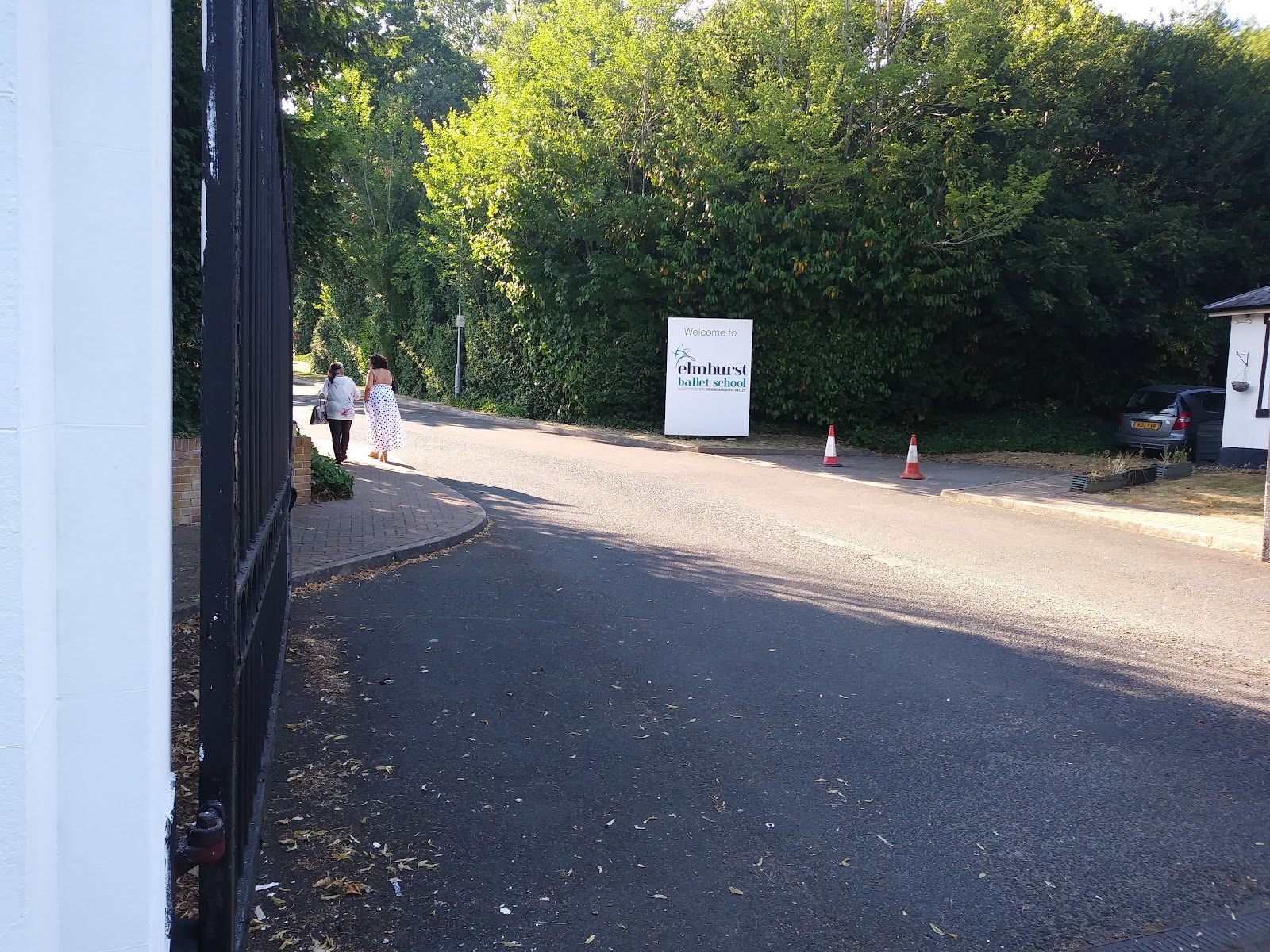
Elmhurst Ballet School
Edgbaston, Birmingham · United Kingdom
Britain's oldest vocational ballet school, timetabling GCSEs around the barre with a direct line into Birmingham Royal Ballet.
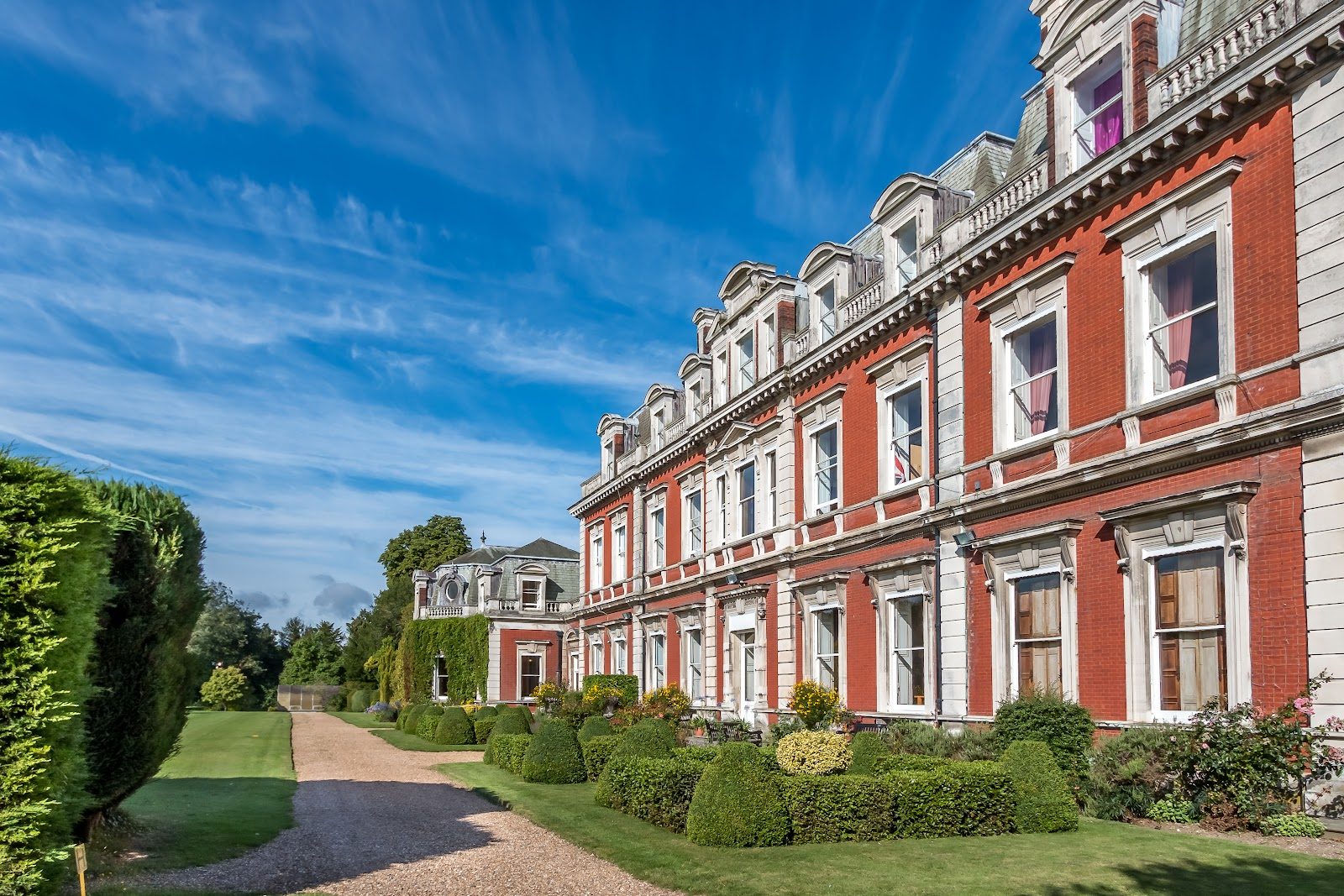
Tring Park School for the Performing Arts
Tring, Hertfordshire · United Kingdom
In a Wren-designed Rothschild mansion, mornings of GCSE and A-Level study give way to afternoons of rigorous, audition-only dance and drama training.
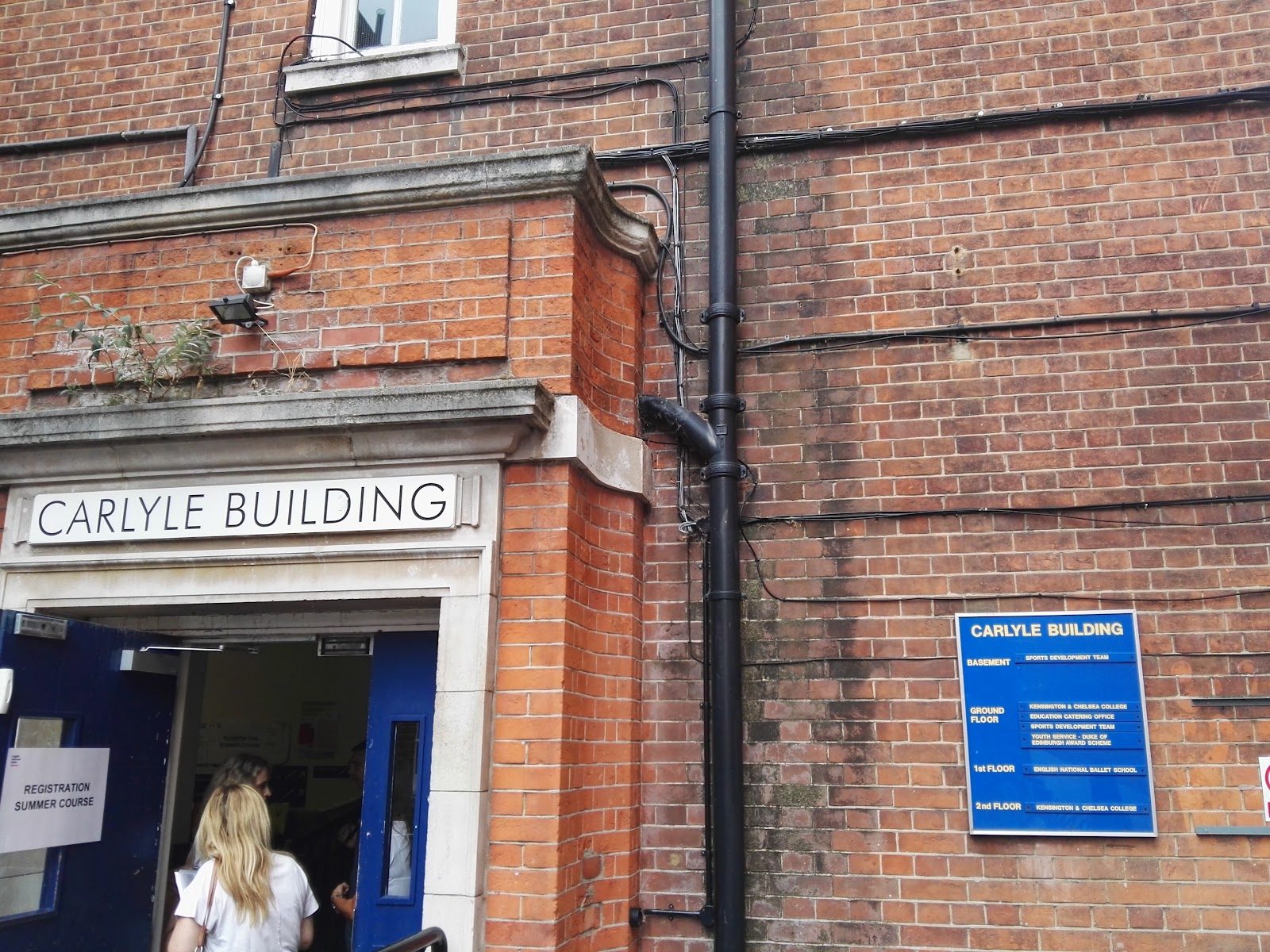
English National Ballet School
Fulham, London · United Kingdom
Only thirty places are offered from three hundred auditions each year, and graduates fill a third of English National Ballet's own ranks.
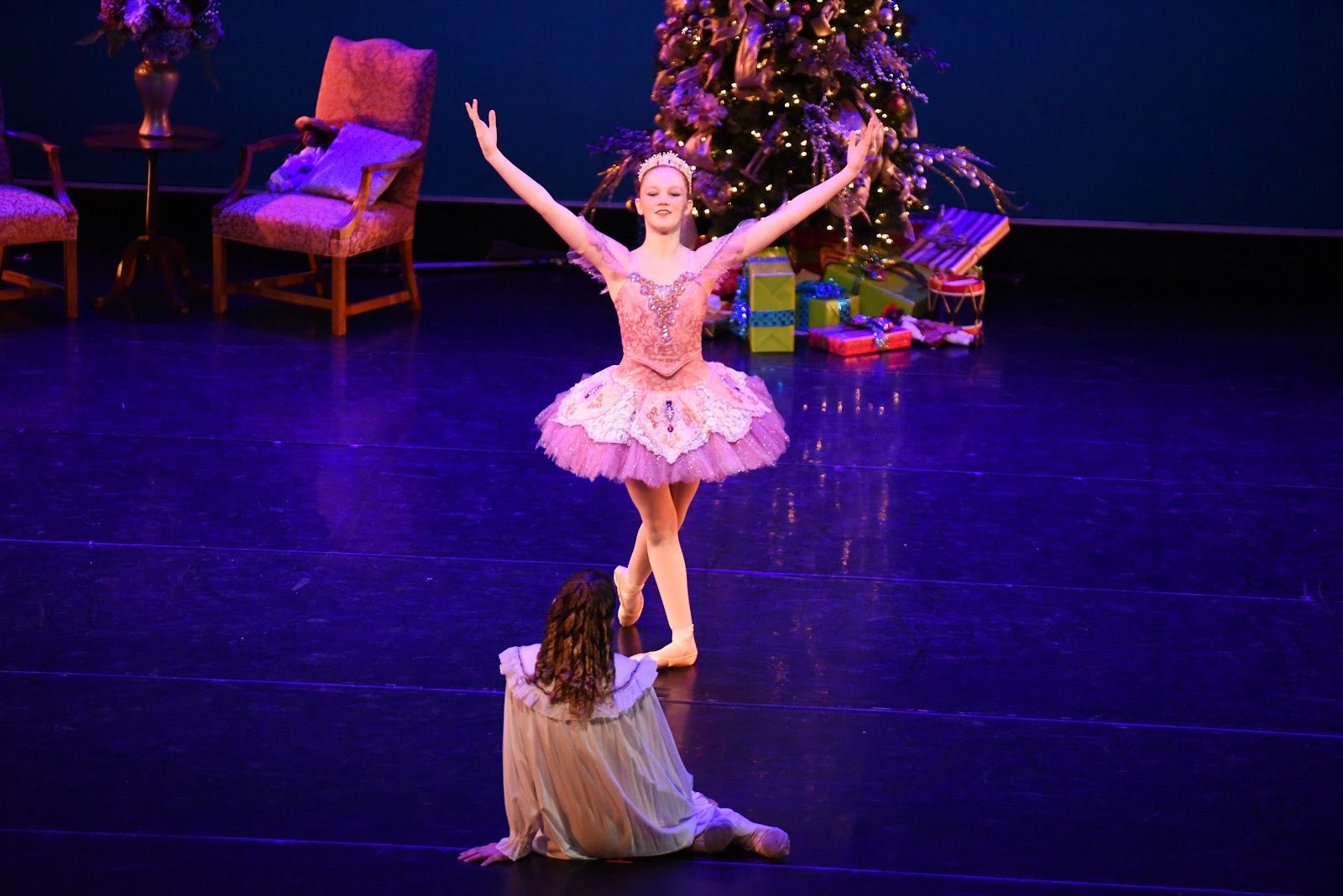
UNCSA School of Dance, High School
Winston-Salem, NC · United States
At the nation's first public arts conservatory, teenage dancers train daily alongside college company members bound for professional stages.
Same specialism, country and curriculum — closest matches within ±10 points either way