
Kent
A six-century-old Kent foundation that dropped A-levels in 1999 to become one of Britain's first all-IB campuses.
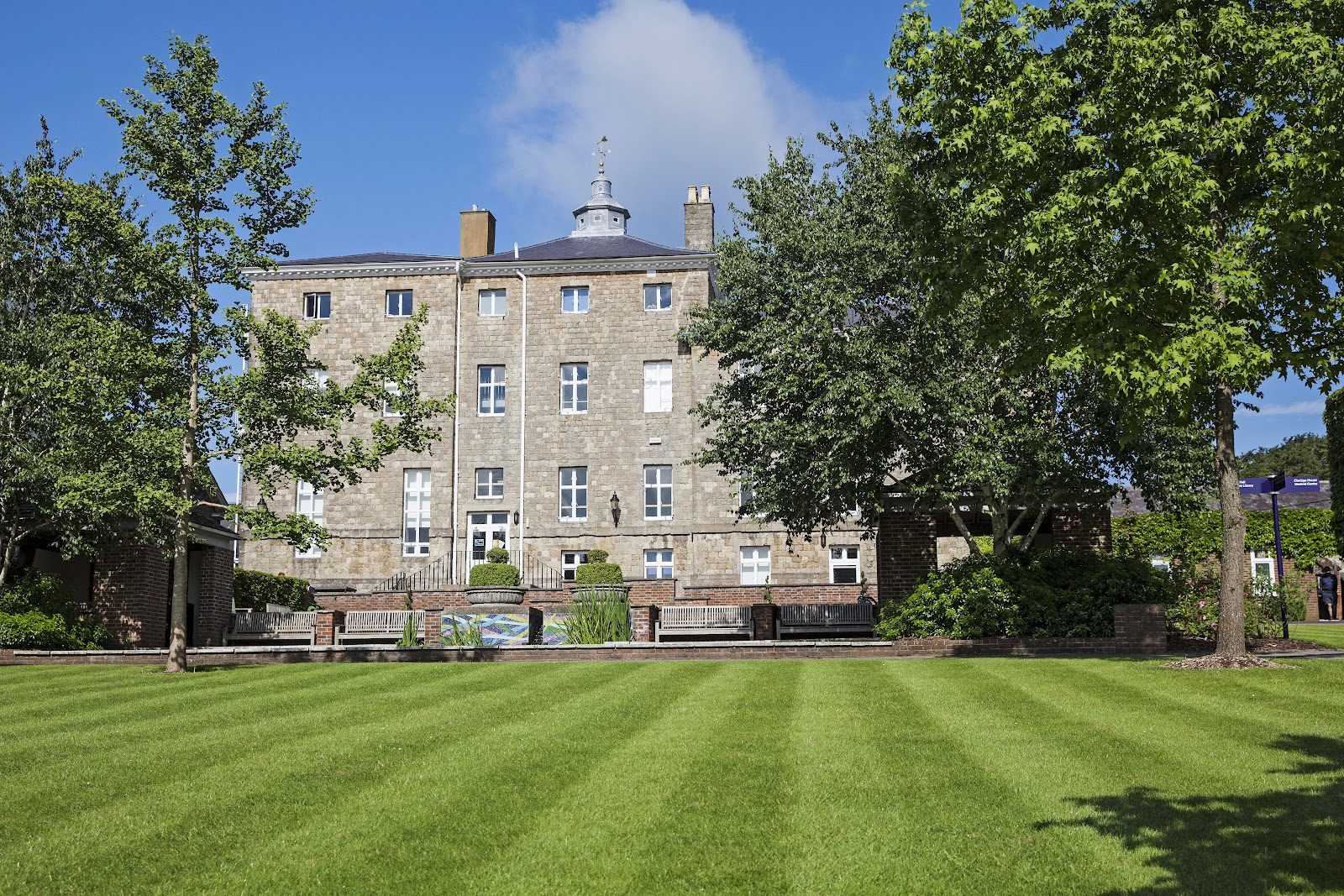
Photo © Sevenoaks School via Google Maps
Type
Both
Ages
11–18
Curriculum
IB
Qualifications
IB Diploma
Ratio
10:1
The Verdict
Editor's commitment
Right for
Ambitious 11–18 pupils who want full-fat IB, a 10:1 ratio, and 26 Oxbridge offers in a 185-strong 2024 cohort.
Wrong for
Families wedded to A-levels, faith framing or low fees: Sevenoaks dropped A-levels in 1999 and day fees average £38,000.
Watch out for
Boarding averages £62,000 and outcomes are intense: 92% of 185 leavers reached top-100 universities, led by Oxford, Cambridge and UCL.
Ranking breakdown
Sevenoaks School · # of 1591
Composite score 79.9. 8 weighted criteria.
By criterion
Academic Outcomes
Weight 20%
#91
of 1529 scored
University Placement
Weight 16%
#59
of 1529 scored
Prestige & Heritage
Weight 12%
#73
of 1571 scored
Alumni Network
Weight 12%
#62
of 1530 scored
Facilities
Weight 12%
#172
of 1534 scored
Transparency & Communications
Weight 8%
#117
of 1532 scored
Peer & Industry Review
Weight 10%
#66
of 1548 scored
Admissions Selectivity & Demand
Weight 8%
#153
of 1529 scored
Score history
Sevenoaks School · 2026
Movement across 2024–2026. Peer average overlaid.
Overall — 2024–2026
79.9/ 100
▲ +13.8 vs 2025
year on year
Peer & Industry Review
How Sevenoaks School is regarded in the sector
90
Top-tier · high confidence
Sevenoaks School is widely regarded as the pioneer and flagship of IB education among Britain's leading independent schools, a distinction WhichSchoolAdvisor traces to its 1978 decision to adopt the Baccalaureate and its 1999 move to drop A Levels entirely. The Sunday Times has repeatedly recognised the school, naming it Independent Co-educational School of the Year in 2023 and ranking it the country's top all-IB independent secondary in its 2026 Parent Power guide, while Tatler's schools guide has called its GCSE results "astonishingly good". The Good Schools Guide notes Oxbridge cohorts of thirty to fifty pupils annually and remarks it would be "tough for any university not to be an anti-climax after Sevenoaks". With alumni including Daniel Day-Lewis and Paul Greengrass, and consistent ISI "Exceptional" ratings, its peer standing is essentially unrivalled among co-educational IB schools nationally.
Award
Elite Entrepreneurship, Economics & Finance 60
World's Top School · The Global Ranking
Sevenoaks School is featured on our Global Top 60 ranking at #8. This seal is available for the school's marketing team to use on their website, prospectus and social channels.
Editors' overview
Sevenoaks did something rare in British private education: it dropped A-levels in 1999 and committed fully to the IB. That decision still defines the school. This is not a hybrid trying to satisfy every market; it is an all-IB school with a clear academic identity, and that matters for families who want breadth, intellectual independence and less of the narrow, exam-drilled sixth-form model found elsewhere. The basics are strong: a 10:1 student-teacher ratio, average class sizes of 18, and inspection and association markers that carry weight in the UK market, including ISI and HMC. Fees place it firmly in the expensive end of the sector: an average annual day fee of £38,000 and boarding at £62,000 across the full 11–18 ladder.
Its market position is straightforward. Sevenoaks sits in the top tier of British co-educational boarding schools for families who want serious academic ambition without the old single-sex public-school mould. The university destinations are concrete and impressive rather than vague: from 185 leavers in 2024, 92% went to top-100 universities, with 26 to Oxbridge, 36 to Russell Group institutions and 9 to the Ivy League; Oxford, Cambridge and UCL were the most common destinations. That record gives the school real academic traction. The alumni footprint adds substance rather than glamour alone: 68 notable alumni catalogued in Wikidata across politics, business, scholarship, writing, the arts and elite sport. This is a school with genuine cultural reach.
What is special about Sevenoaks is not just age, though a foundation dating from 1432 gives it institutional depth. It is the combination of historic English boarding-school structure with an international curriculum that demands writing, inquiry and time management across a broad range of subjects. That creates a distinct type of pupil experience: ambitious, fast-paced and intellectually stretching, but less locked into the conventions of traditional English sixth forms. It will suit students who are self-directed, academically hungry and comfortable juggling multiple demands. It is not for the faint-hearted and not the right place for children who need constant external prodding or a narrow exam track built around specialisation at 16. For the right student, though, Sevenoaks earns a place on any serious shortlist because it offers something few British schools do: a clear, uncompromising model backed by results.
An Elite Entrepreneurship, Economics & Finance 60 school
Sevenoaks School, in Sevenoaks, Kent, sits at rank eight on the Elite Entrepreneurship, Economics & Finance 60 on the strength of an enterprise culture that runs cohort-wide rather than living inside a single option subject. The school's own Internal Business Plan Competition is staged as a Dragons' Den-style final, with five business owners and entrepreneurs sitting as judges, and the winning teams rewarded with a day at the Microsoft Accelerator offices in London — a rare instance of a school pitch competition connecting directly into a working venture-capital environment.
The specialism is built through applied programming rather than a rebadged A-Level. Younger pupils run the Year 8 £10 Challenge, seeding small ventures with real capital and returning profits to charity, while older students compete in the ICAEW Base Competition, a business-game exercise built from real company financial statements that mirrors corporate recruitment assessments, and send delegations to the Enactus National Expo in London. University and careers strategy for this pipeline sits under the Institute for Higher Education and Professional Insight, directed by Wendy Heydorn, who co-authored a 2025 guide to post-18 applications. Guest speakers have included Baroness Karren Brady, brought in to address pupils on business and career-building.
Alumni give the specialism real weight. Brian Ong (OS 2002), founder and CEO of ed-tech venture Bonday International, is significant enough as a donor and entrepreneur that the school's Global Centre now bears his name. Marco Alverà, who studied the IB at Sevenoaks before philosophy at LSE, began his career at Goldman Sachs and went on to become CEO of Snam and is now Group CEO of Tree Energy Solutions and co-founder of the renewable energy venture Zhero. Buky Alakija, another Sevenoaks leaver, started her career at Goldman Sachs International before qualifying as a corporate lawyer specialising in M&A.
International openness is genuine and structural: the school reports more than 70 nationalities on campus, boarding is available from 13+ and 16+, and Sevenoaks can sponsor Child Student visas for overseas boarders, with a £500-plus-VAT visa administration fee. English proficiency around CEFR B2/IELTS 5-6 is recommended though not mandatory. Day fees run roughly £37,500-38,200 a year and boarding roughly £49,000-67,000 depending on year and house. Families targeting 13+ or 16+ boarding entry should apply a full year ahead, since assessment days and visa processing both need lead time.
Academic Performance
Sevenoaks has built its academic reputation on doing a demanding programme at scale and sending leavers to selective universities in serious numbers. The headline destination data place it firmly among the country’s upper-tier academic operators: 92% of leavers moved on to top-100 universities, with 26 to Oxbridge and further strength across the Russell Group and the Ivy League. That is not the profile of a school coasting on heritage or polish. It reflects a sixth form that produces students who can handle breadth, sustained written work and competitive admissions. In a British market still crowded with schools that trade on brand while disclosing little of substance, Sevenoaks offers a harder-edged measure of success.
The missing piece is full public exam disclosure. The school does not publish aggregate IB point averages or a complete score distribution here, so parents cannot benchmark it as cleanly as they can schools that release mean points, top-score rates and subject-level detail every year. That opacity matters, because Sevenoaks competes in a bracket where peers are judged on cold exam data, not reputation alone. Even so, the destinations record is strong enough to place it in the serious academic front rank of UK independent schools: not the cheapest route to top universities, not the narrowest, and not the easiest, but one with clear evidence that the model delivers.
Facilities
Sevenoaks’ facilities need to match a demanding all-through senior school with both day and boarding life, and the essentials here sit in the top independent-school tier. Parents are not paying for a token theatre, a decent sports hall and a library that closes the argument; they are paying for a campus that can sustain serious teaching, evening study, rehearsals, fixtures and residential routines without strain. The low staffing ratio and controlled class sizes matter here because good facilities only count when pupils can actually access them. On that test, Sevenoaks benefits from the depth and scale expected at a school charging an average of £62,000 for boarding and £38,000 for day places across the full ladder. Against leading co-educational boarding peers, that puts it in the bracket where strong labs, well-run arts spaces, proper sports provision and boarding houses are baseline, not bragging rights.
The harder question is distinction. Sevenoaks has a coherent, high-functioning physical environment for ambitious pupils, but this is not a school sold on one piece of architectural theatre or a single headline-grabbing facility in the way that some newer or more lavishly rebuilt competitors market themselves. Its advantage is integration: academic, artistic and residential provision work together for pupils with full timetables and long days. That suits the school’s serious-minded character. Families chasing flash will find flash elsewhere; families who want facilities that support disciplined, high-output school life will find Sevenoaks convincing on substance.
The destinations profile, the depth of its alumni base and the price point all place it in the top bracket
Prestige
Sevenoaks carries real prestige in the British independent-school market, but its status rests on more than age and polish. The school made a hard strategic choice and stuck to it, and that has given it a distinct identity that many old public schools still lack. Among academically ambitious co-educational schools, that matters. It attracts families who want elite university access without the more tribal, single-sex or tradition-drunk culture that still shapes parts of the sector. The destinations profile, the depth of its alumni base and the price point all place it in the top bracket. A school that sends 26 leavers to Oxbridge in one cycle and has at least 68 notable alumni catalogued across public life, the arts, scholarship and sport has standing that travels well beyond Kent.
That said, Sevenoaks’ prestige is not the same as the old-name dominance of Eton or Winchester, nor the London social cachet of Westminster. Its reputation is more modern than mythic: intellectual, international, high-performing, and less tied to the old British ruling-class script. For many families, that is an advantage, not a deficit. It carries serious weight with universities, with globally mobile parents, and with families who want a school that feels formidable rather than ornamental. The average annual fees — £62,000 for boarding and high day fees besides — reinforce its place in the expensive, highly selective end of the market. This is earned prestige, not prestige by costume.
When a school wants to be judged as a top academic operator, it needs to publish the hard numbers in full
Communications
Sevenoaks communicates like a school that expects parents to keep up. The public-facing information is orderly, polished and aligned with the institution’s wider character: serious, high-control and built for families who want clarity rather than charm. There is little of the over-bright pastoral sales language that clutters weaker school websites. That is a strength. Parents can grasp the school’s academic stance, its selective tone and the standard of ambition without wading through fluff. The destinations data are a good example of effective disclosure: concrete, legible and useful. The weak point is exam transparency. For a school charging an average of £62,000 for boarding, and competing at the sharp end of the market, the absence of full aggregate IB outcomes leaves a conspicuous gap. When a school wants to be judged as a top academic operator, it needs to publish the hard numbers in full.
For enrolled families, the communication burden is heavier than at a softer, more hand-holding school because the pupil experience is dense and fast-moving. That makes timeliness and precision more than a courtesy; they are operational necessities. Sevenoaks has the institutional discipline to handle that, and its outward communications project competence and adult confidence. What they do not project is warmth. Some parents will value that brisk, unsentimental tone. Others will read it as aloof. The effect is effective but not intimate: this is communication that informs, directs and sets expectations, not communication designed to reassure every family at every turn.
Uniqueness
What makes Sevenoaks distinctive is not heritage on its own, nor price, nor the generic prestige that many English independents claim. It is the school’s decision to organise itself around one demanding academic model and build the whole senior experience around it. That gives the place a clear internal logic. Students are not pushed early into a narrow set of subjects and then coached through a familiar British sixth-form script; they are trained to read across disciplines, write at length, manage competing deadlines and sustain performance in multiple arenas at once. For the right pupil, that is intellectually liberating. It produces students who are more versatile, more articulate and harder to wrong-foot in interview, university seminars and any environment that rewards range rather than rote.
That structure also shapes the culture. Sevenoaks is less tribal, less convention-bound and more outward-facing than many schools in its bracket, and the destinations record backs that up: 92% of leavers moving on to top-100 universities is the result of a system that prizes independent thought and academic stamina. The benefit to students is not comfort but capacity. They leave with experience of balancing depth with breadth, ambition with organisation, and pressure with self-direction. The cost of that model is obvious: it is demanding, fast-moving and unforgiving of passivity. Children who need constant cajoling or a tightly narrowed route through school will struggle. Students who thrive on intellectual load and autonomy get something genuinely uncommon in British private education.
What makes Sevenoaks distinctive is not heritage on its own, nor price, nor the generic prestige that many English independents claim
Student Profile
Sevenoaks suits students with strong internal drive and a high tolerance for academic load. The school rewards pupils who organise themselves, read beyond the minimum, write fluently and keep several demanding strands in play at once. It is a good fit for adolescents who enjoy discussion, can defend an argument, and do not need constant checking-in from adults to stay on track. The classroom profile is not narrow grind for its own sake; the successful Sevenoaks pupil is intellectually agile, self-propelled and comfortable moving between disciplines without losing depth. With average classes of 18 and a staffing ratio of 10:1, there is room to be known, but there is nowhere to hide. Students who drift, wait to be chased, or work only under pressure will find the pace exposing.
Socially, the school fits families who want an ambitious peer group without the more clubbable, old-boys edge that still defines parts of the English private sector. Pupils who do well here are mature, resilient and able to handle a culture where expectations are clear and indulgence is limited. That does not require flamboyance; quieter students can do well if they bring seriousness and independence. Children who need a heavily sheltered environment, constant emotional cushioning or a narrow, low-complexity academic path will struggle. Sevenoaks works best for teenagers ready to meet high standards head-on and live in a community where capable peers are the norm, not the exception.
Students who thrive on intellectual load and autonomy get something genuinely uncommon in British private education
Co-curricular strengths
Arts & sport, on a separate axis
Overall 8.88/10
Scored 0-10 from the school's own published evidence. This axis is editorial-only — it does not feed the main WTS ranking.
Sports
9.8/10
The school has the Sennocke Centre, a dedicated sports centre with a swimming pool, three tennis courts, two sports halls, climbing wall, squash courts and gym, which is clear named-facility evidence for a notable sports programme.
Drama
8.7/10
Sevenoaks lists Drama in extracurriculars, has the £13 million performing arts centre The Space on campus, and has three verified star-tier drama alumni laureates including Daniel Day-Lewis, Paul Greengrass and Brett Goldstein, which anchors drama at at least 8.
Dance
7.5/10
The Sennocke Centre includes a dedicated dance studio, which is sufficient named-facility evidence for a notable dance offering.
Music
9.6/10
Music is offered, but the provided profile and external evidence give no further music-specific facility, department, staff or award detail.
Visual Arts
8.8/10
Art is explicitly listed in extracurriculars, and the campus includes the £13 million performing arts centre The Space, which provides named specialist arts-facility evidence even though the material does not detail a separate visual arts department or gallery.
Editor-verified · 8/6/2026
Outcomes & destinations
Where students go next
Editorial estimateClass of 2024
185 graduates
IB distribution
99% covered
- A*35%
- A40%
- B20%
- C4%
Top destinations
71 placements
- Oxford· 14
- Cambridge· 12
- Harvard· 4
- Yale· 3
- Princeton· 2
- UCL· 12
- Imperial College London· 10
- Edinburgh· 8
- Bristol· 6
Full-IB curriculum since 2004; strongest Ivy League placement of any UK school.
Editor-approximated from the school's own leavers report. Awaiting school-attested figures.
Notable alumni · Wikidata
68notable alumni
10 historic (born pre-1930) · 20 modern (born post-1970)wikidata:2026-07-28 How we source this
DfE-verified statistics
Official GCSE data · 2024/2025
Progress 8
—
Value-added score. State-schools only; 0 = expected progress, +1 = one grade above.
Attainment 8
14.6
Average grade across 8 GCSEs (score out of 90). National ≈ 46.
EBacc average score
0.34
Avg grade across the 5 EBacc pillars (English, Maths, Sciences, Language, Humanity).
EBacc slots filled
0.5
How many of the 5 EBacc pillars pupils typically enter (max 5).
Read with care. Independent schools frequently sit IGCSEs or Pre-U qualifications instead of standard GCSEs — DfE data only counts standard GCSEs, so these numbers may reflect a partial cohort. For a fuller picture, cross-check with the school's own annually-published results.
URN 118952Verified · DfE 2024/2025
Official inspection
ISI report · 2025
Inspectorate
Independent Schools Inspectorate
The Government-approved inspectorate for English independent schools.
Latest report
9 September 2025
Routine Inspection
Report history
Verified · Independent Schools InspectorateSource-of-truth

WTS 300 badge
2026/27 editionSevenoaks School is one of the World's Top 300 Schools for 2026/27. Claim your listing to add it to your site →
Strengths
- +Sevenoaks was pioneering as the first HMC school to adopt the IBDP in 1978, and has taught only the IB Diploma at post-16 level ever since, giving staff decades of specialist experience with the programme.
- +In 2025, 245 candidates achieved an average IB Diploma score of 39.4 points, around ten points above the global average, placing results among the strongest of any UK IB school by scale and average score.
- +The 2025 ISI inspection reported that the school's ethos of enquiry, knowledge, care and inclusivity is thoroughly embedded in school life... The school is welcoming and friendly, and leaders actively promote pupils' wellbeing alongside high academic expectations.
- +The school draws pupils from over 75 nationalities, giving day and boarding pupils routine exposure to a genuinely international peer group rather than a token international intake.
- +In 1432 William Sevenoke died, bequeathing his London properties to the people of Sevenoaks to establish a free grammar school... making Sevenoaks one of the oldest secular school foundations in England, giving it a long-established local identity rather than a recent commercial founding.
Considerations
- −Fees are substantial: day fees run to roughly £12,514 per term for the Lower and Middle School and £12,734 per term in the Sixth Form (including VAT), roughly £37,500 to £38,200 a year, with boarding costing considerably more.
- −The Sixth Form offers only one exit qualification: the IB Diploma is the only post-16 qualification on offer, so families who prefer the flexibility of A-levels, or a child who may not suit the IB's breadth requirement, have no in-house alternative.
- −Academic scholarships bring prestige but no financial benefit, since Sevenoaks' scholarships are honorary: they carry no reduction in fees, meaning families cannot rely on scholarship success to offset the cost.
- −Boarding is a minority experience rather than the school's core identity: around 40% of pupils board full time on campus, so families seeking an immersive, majority-boarding community should weigh this against schools with a higher boarding proportion.
Availability
Primary entry gate & tests
Written Exams + Interview
Gallery
Photo © Sevenoaks School via Google Maps
Photo © Sevenoaks School via Google Maps
Photo © Sevenoaks School via Google Maps
Photo © Sevenoaks School via Google Maps
Photo © Sevenoaks School via Google Maps
Photo © Sevenoaks School via Google Maps
Photo © Sevenoaks School via Google Maps
Photo © Mark Ridgway via Google Maps
Photo © Aniketh Namen via Google Maps
Recommended reading
Independent write-ups of this school from editorial outlets we trust.
- Sevenoaks SchoolGood Schools Guide
Parent reviews
Have you sent your child here?
Voice reviews carry the strongest trust badge — we transcribe them for you to tidy up before they go live. Prefer to type? A written review is fine too.
Add your voice
In 60 seconds, tell other parents: what's the best thing about Sevenoaks School, and what surprised you when your child joined?
We ask for a Google sign-in so every review has a real face behind it — no anonymous drive-by attacks on schools, and no faked positive reviews. Your email is never shown publicly.
Send this profile to a friend
International parents rely on word-of-mouth. Share this review with someone weighing the same decision.
Schools with places
Similar schools to Sevenoaks School with places available now.
Availability first, then country, area, curriculum, price, co-curricular
Consider also
Also worth looking at alongside Sevenoaks School.
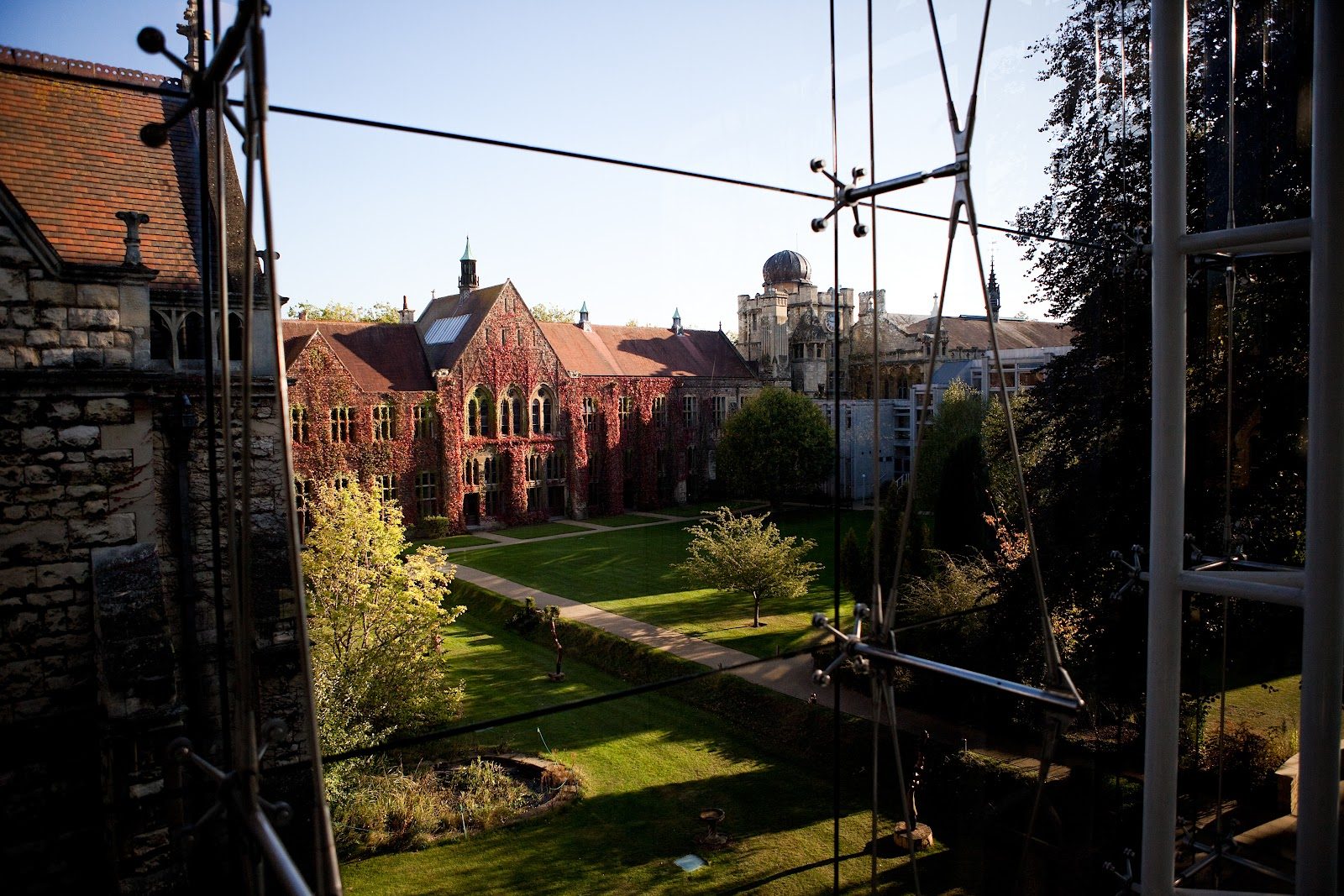
Cheltenham Ladies' College
Cheltenham · United Kingdom
Since 1853, a pioneer of girls' academic education, still topping national IB Diploma tables among UK boarding schools.
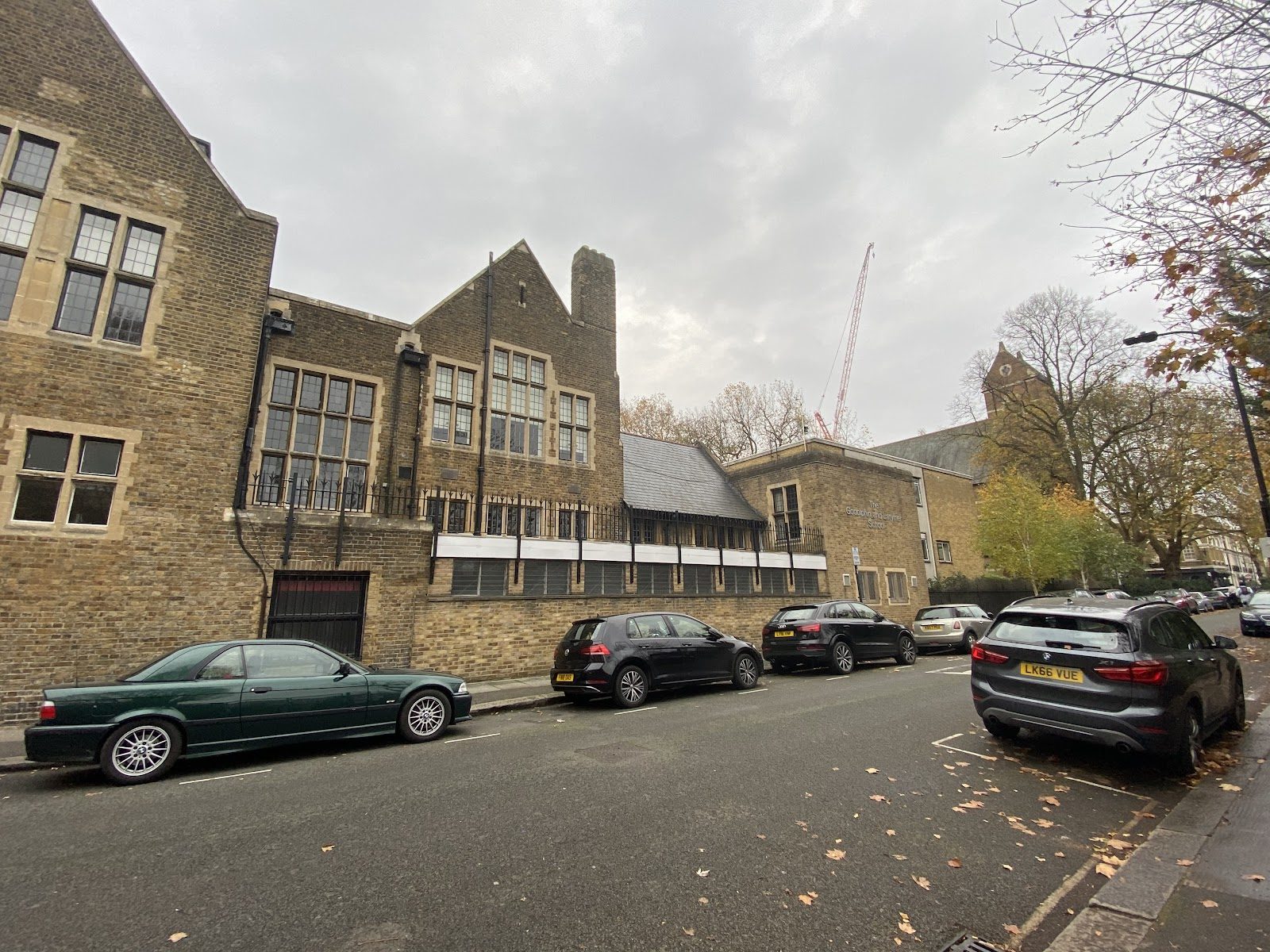
Godolphin and Latymer School
London · United Kingdom
A Thames-side Hammersmith campus where IB scores rank among the world's top ten and six houses bear the names of trailblazing women
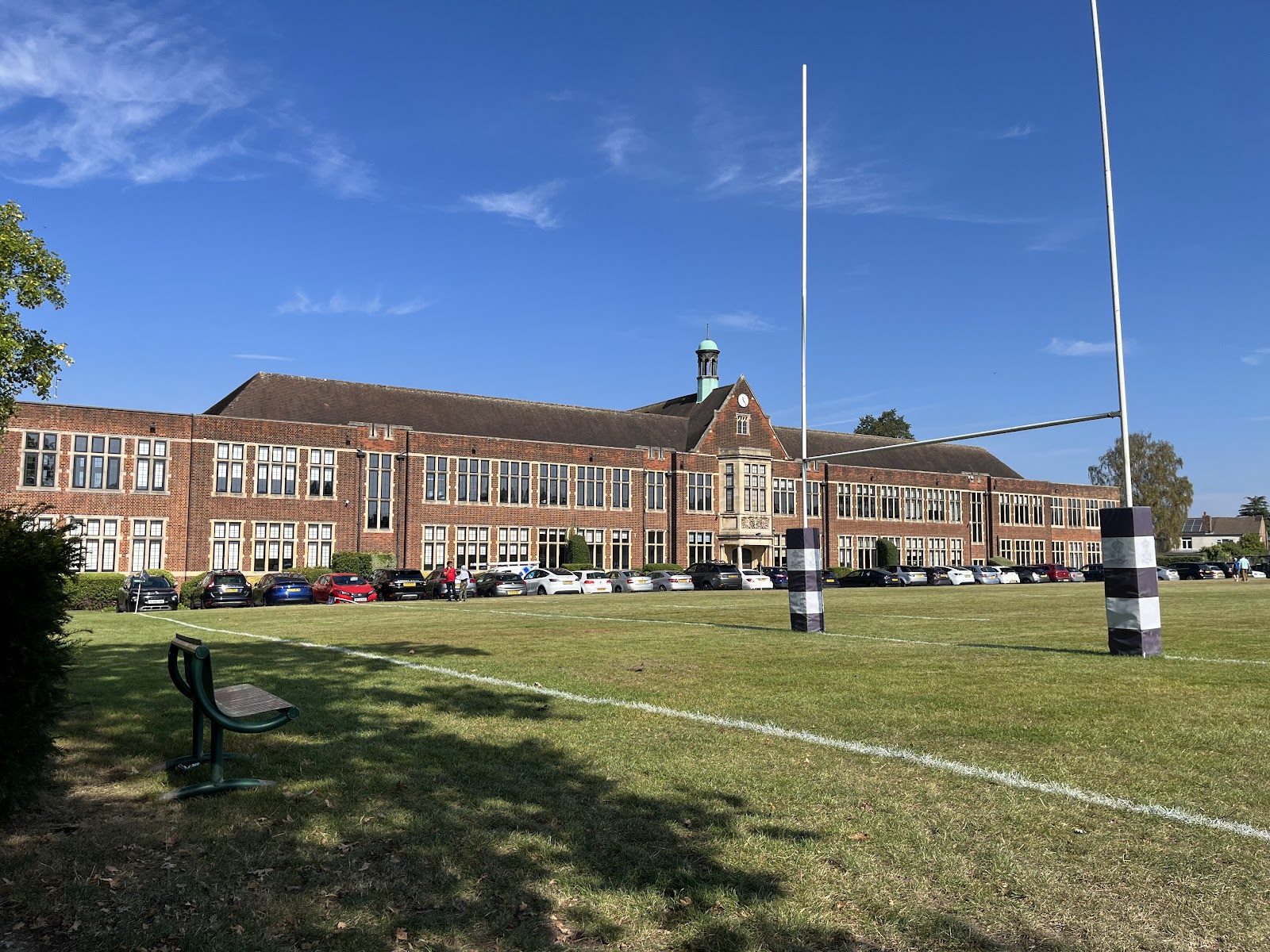
Queen Elizabeth's School, Barnet
Barnet · United Kingdom
A 1573 royal charter grammar school that still tops England's grammar-school A-level tables -- and is now exporting its model to Dubai.
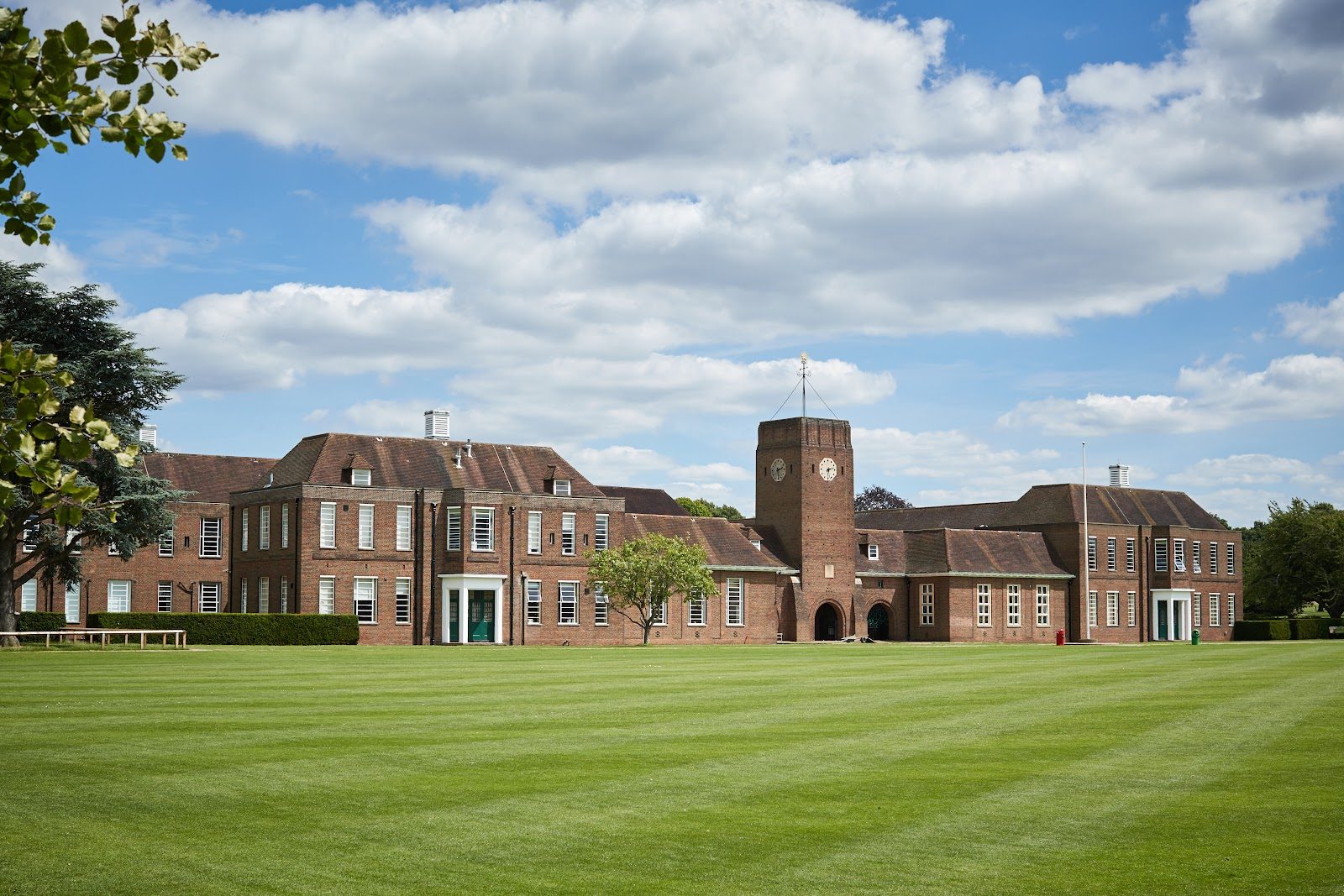
Merchant Taylors' School
Northwood · United Kingdom
A 1561 City livery-company foundation now spans 285 Art Deco acres near Northwood, its GCSE grades among England's top one percent.
Same country and curriculum — closest matches within ±10 points either way