
Hertfordshire
The Purcell School for Young Musicians
Britain's oldest specialist music school, home to the first Fazioli Pianoforti Centre of Excellence and talent-blind admissions.
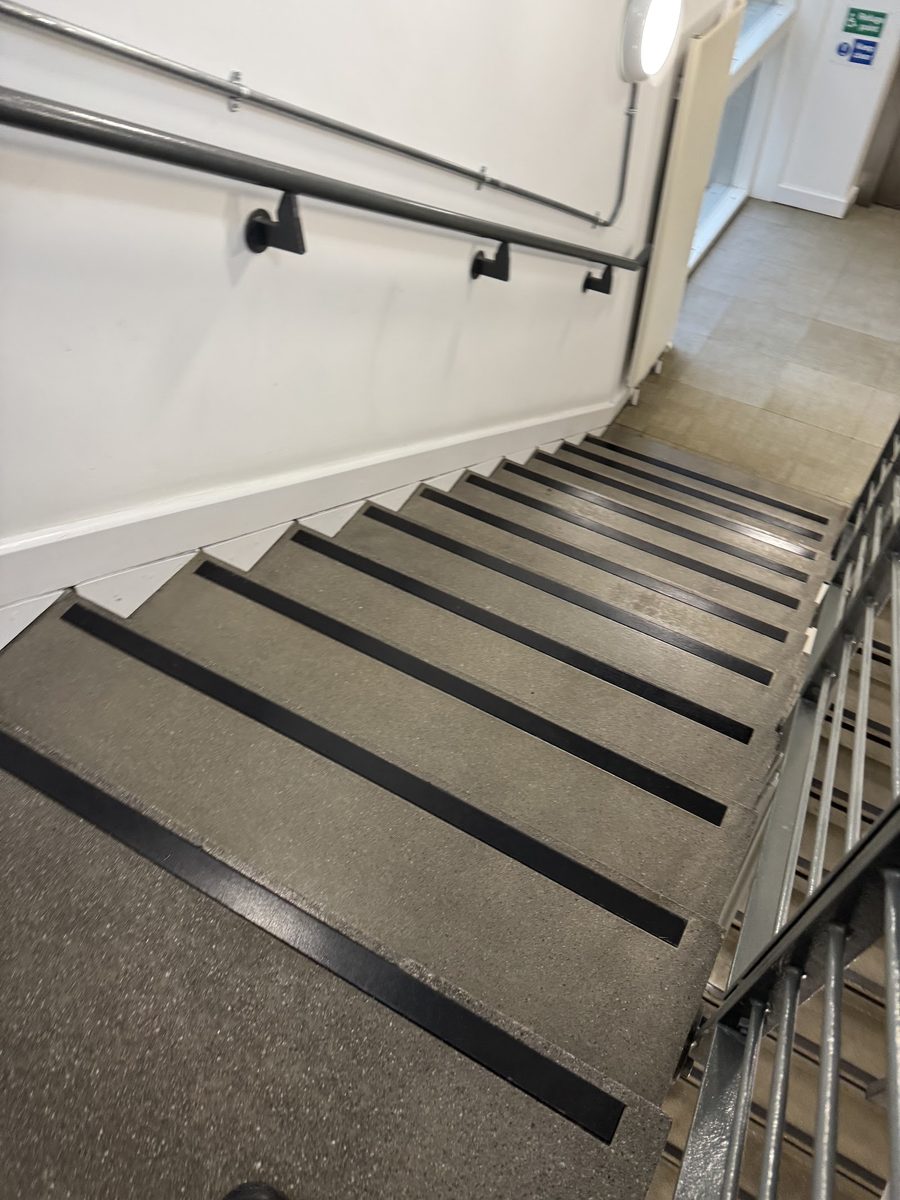
Photo © Mįkké Aer via Google Maps
Type
Day + Boarding
Ages
10–18
Curriculum
GCSE · A-Level
Ratio
—
The Verdict
Editor's commitment
Right for
Young musicians aged 10–18 who want GCSE and A-Level alongside serious conservatoire-level training at a 196-pupil specialist school.
Wrong for
Families wanting a broad all-round school first and music second; at £27,000 day or £42,000 boarding, this is a hard-edged specialist choice.
Watch out for
Talent-blind admissions widen access in principle, but the school does not publish headline academic results in the facts here; interrogate outcomes carefully.
Ranking breakdown
The Purcell School for Young Musicians · # of 1591
Composite score 43.8. 8 weighted criteria.
By criterion
Academic Outcomes
Weight 20%
#1523
of 1533 scored
University Placement
Weight 16%
#1371
of 1529 scored
Prestige & Heritage
Weight 12%
#805
of 1580 scored
Alumni Network
Weight 12%
#1413
of 1530 scored
Facilities
Weight 12%
#1513
of 1540 scored
Transparency & Communications
Weight 8%
#861
of 1547 scored
Peer & Industry Review
Weight 10%
#18
of 1564 scored
Admissions Selectivity & Demand
Weight 8%
#20
of 1529 scored
Peer & Industry Review
How The Purcell School for Young Musicians is regarded in the sector
90
Top-tier · medium confidence
Among UK specialist music schools, Purcell sits alongside Chetham's, Wells Cathedral and the Yehudi Menuhin School as one of the four state-supported Music and Dance Scheme institutions, and is routinely discussed in that peer group rather than against mainstream independents. The Good Schools Guide highlights its intensive, conservatoire-style teaching and strong pastoral care for young musicians, while ISI inspection reports (rated 'excellent') are frequently cited by education journalists covering specialist music education. Its graduates regularly progress to the Royal Academy of Music, Royal College of Music, Guildhall School and Cambridge/Oxford choral scholarships, evidencing strong regard from conservatoire admissions tutors, though public-facing quoted commentary from those officers is limited. National press coverage (Telegraph, Times Educational Supplement) tends to feature Purcell in pieces on young musical talent and BBC Young Musician competitors rather than mainstream league tables, since specialist schools are typically excluded from standard academic rankings. WhichSchoolAdvisor and similar aggregators list it under 'specialist' rather than comparative all-rounder categories, reflecting its niche but internationally respected standing in music education circles.
Award
Elite Music 50
World's Top School · The Global Ranking
The Purcell School for Young Musicians is featured on our Global Top 50 ranking at #5. This seal is available for the school's marketing team to use on their website, prospectus and social channels.
- Freddy Kempf — Concert pianist, classical music
- Guy Barker — Jazz trumpeter and composer
- Emma Johnson — Concert clarinettist, classical music
Editors' overview
The Purcell School occupies a narrow and serious niche: a specialist music school for children aged 10–18 who need conservatoire-level training while still completing GCSEs and A-levels. What sets it apart is not a vague claim to “excellence” but structural commitment: a small cohort of around 196 students, day and boarding provision, and a timetable built around high-level music-making rather than treating music as an extra. It is Britain’s oldest specialist music school, and that history still matters. So does its status as the first Fazioli Pianoforti Centre of Excellence, a detail that carries weight for pianists and for families who know the difference between decent facilities and serious musical infrastructure. The school also states that admissions are talent-blind, which matters in a field too often distorted by money.
This belongs on a shortlist for one type of family above all: parents of a single-minded young musician whose ability already drives family life and whose progress now depends on specialist peers, specialist teachers and constant performance opportunity. Purcell’s value lies in concentration. A gifted violinist, pianist, composer or singer does not need to explain why practice matters here; the whole institution runs on that assumption. The attraction is not only technical development, but immersion among similarly driven children. For the right child, that creates rare artistic intensity. For the wrong child, it will feel narrow, pressured and over-specialised.
Parents should also read the proposition clearly. Fees are expensive at £27,000 a year for day pupils and £42,000 for boarders. This is not a broad independent school with a strong music department; it is a specialist training environment with mainstream academics alongside it. The school offers GCSE and A-level, and that academic route matters, but music is the centre of gravity. Families looking for a conventional all-round campus life with sport at equal billing should look elsewhere. Families looking for disciplined musical immersion, high expectations and a peer group defined by ability rather than enthusiasm will find Purcell hard to ignore.
The ideal student is not merely “keen on music” but already living it: practising daily, performing regularly, responding to expert criticism and wanting more of it. They need resilience, self-direction and a degree of emotional steadiness, because a community of roughly 196 talented young musicians offers both constant stimulus and constant comparison. For that child, Purcell offers something few schools can: an uncompromising musical education inside a school structure, within reach of London, and aimed squarely at young people who do not want music to fit around school, but school to fit around music.
A Global Elite 50 Music school
The Purcell School sits in Tier 1, Band 1-10, of the Global Elite 50 Music Schools — the Pinnacle Candidates group — because, alongside Chetham's, it is one of the two dominant British Integrated Specialist music schools, and — on composition, chamber-music and orchestra output — arguably the most creatively distinctive. Founded in 1962 and now based on a purpose-built campus in Bushey (a short train ride from central London), Purcell teaches around 180 pupils aged 10-18 in a boarding-first environment engineered around music, with roughly three-quarters of pupils boarding.
Its specialisms cover the full classical range: piano, all orchestral strings, brass, woodwind, harp and percussion, plus one of the most respected school composition programmes in the country, a strong chamber-music culture and a jazz stream. Faculty is drawn heavily from the London orchestras, the Royal Opera House and the four London senior conservatoires, and Purcell's chamber and orchestral ensembles regularly perform at Wigmore Hall, the Royal Festival Hall and the BBC Proms.
Progression evidence is dense. Purcell records a high conservatoire matriculation rate, and it publishes its leaver destinations: the Royal Academy of Music, the Royal College of Music, the Guildhall, Juilliard, Curtis, Hanns Eisler Berlin, the Paris Conservatoire and the Colburn Conservatory all appear repeatedly. Alumni include Julian Anderson, Thomas Adès, Nicola Benedetti and Melvyn Tan, alongside a rolling roster of current concert soloists and BBC Young Musician finalists.
International openness is genuine. Purcell is a DfE Music & Dance Scheme school for eligible UK pupils and admits overseas families on a full published fee basis — day fees run to around £27,000 per year and boarding to around £42,000 per year. UK student visas are handled by the school; EAL support is embedded; auditions are conducted in person in Bushey and increasingly by high-quality video for applicants in Asia and North America. Admission is competitive, with auditions held ahead of the September intake.
Academic Performance
Purcell publishes both examination results and leavers’ destinations, which already places it ahead of many specialist arts schools on basic transparency. That matters, because schools built around elite performance training can treat academics as a side note and leave parents to infer the rest. Purcell does not take that route. The school’s own navigation foregrounds results and destinations alongside admissions, boarding and safeguarding, which signals that external outcomes are part of the proposition, not an afterthought. Even so, parents need the aggregate data itself, not institutional confidence. We have not seen the school’s headline GCSE or A-level figures in the public domain here, so no serious comparison with academically selective independent schools can be made on raw attainment. On academics alone, Purcell sits in a different category from conventional results-driven day schools.
Relative to its true peers, the question is narrower and more useful: does the school maintain credible external exam performance while devoting extraordinary time and energy to high-level music study? The answer is yes, and that is the meaningful test. A specialist school of this kind does not need to dominate league tables to justify itself; it needs to prevent academic compromise while serving young musicians whose training load is intense and non-negotiable. Families choosing Purcell are buying musical specialisation with recognised school qualifications attached. That is a serious trade-off, not a defect. But parents who want published top-tier academic metrics, subject-by-subject strength, and clean benchmarking against the strongest independent schools will find the picture too opaque.
Facilities
At a specialist music school, facilities are not a glossy side issue; they are the working machinery of the place. Purcell’s strongest asset is what its own pages make plain: a school organised around practice, performance and musicianship, with dedicated pathways across strings, keyboard, woodwind, brass, percussion, harp, voice, jazz, commercial and popular music, composition, and audio production. The standout resource is the Fazioli Pianoforti Centre of Excellence, which puts Purcell in rare technical territory for pianists. Peer schools with strong general arts provision can offer recital rooms and decent instrument stock; few can match *that level of specialist piano infrastructure*. The same applies to the school’s breadth across both classical disciplines and newer areas such as music technology and audio production. That breadth gives serious young musicians room to deepen a principal study without being trapped in a museum-piece definition of musical training.
What we do not get in public is the hard campus detail that rigorous parents should want: no published overview here of practice-room numbers, recording facilities specifications, performance spaces, instrument loan provision, or boarding-house amenities. That gap matters, because specialist schools live or die by access, acoustics, maintenance and scheduling. Purcell still benchmarks well against peers on the facilities that carry the most weight musically, and its small student body of around 196 means resources are serving a concentrated cohort rather than being spread thinly across a large general school. For music, the provision reads serious and purpose-built. For everything outside music, the public picture is thin.
The other distinctive feature is the combination of specialist intensity with a public commitment to access
Prestige
Purcell carries real prestige, but it is specialist prestige, not the broad social cachet of a grand all-round boarding school. That distinction matters. In music education, the school sits in rare company: Britain’s oldest specialist music school, holder of royal patronage, recipient of the UNESCO Mozart Medal, and home to the first Fazioli Pianoforti Centre of Excellence. Those are not decorative flourishes. They signal long-standing standing in the professional music world, serious recognition from outside the school itself, and infrastructure that speaks directly to expert families. A school of only around 196 students also gains a reputation through concentration: admission to a place this small and this focused carries weight because entry rests on musical merit, not on a family buying access to a prestigious badge.
The rating stays short of blanket elite status because Purcell’s name lands hardest in one sphere. Among musicians, conservatoires, specialist teachers and families already inside that world, it has formidable credibility. Outside that circle, it lacks the instant brand recognition of Britain’s biggest independent schools. That does not weaken its value; it sharpens it. This is earned prestige, tied to training, standards and peer calibre, not to manicured mythology. For a young musician who needs an uncompromising specialist environment, a Purcell education carries more meaning than many pricier or more socially famous schools. For families chasing status alone, there are louder names. For families chasing musical seriousness, Purcell is the real thing.
It is Britain’s oldest specialist music school, and that history still matters
Communications
Purcell communicates like a specialist school that expects informed parents rather than casual browsers. The website navigation is dense but useful: admissions, entry requirements, auditions, fees and finance, international students, safeguarding, policies, reports, examination results, destination of leavers, boarding, wellbeing, term dates, concerts and weekly highlights are all surfaced prominently rather than buried. That breadth matters. Parents at a school built around high-level performance need logistics, welfare, calendar detail and academic accountability in one place, and Purcell gives them a clear operational map of the school. The presence of student handbook access, open mornings, contact routes and a visible events calendar strengthens that picture. This is not elegant communications design in the luxury-brand sense; it is workmanlike and serviceable, which suits a school where families care more about auditions, schedules and support than about polished storytelling.
The limits are also clear. The site carries plenty of institutional confidence and plenty of menu depth, but less hard explanatory synthesis than rigorous parents need. Important pages exist; the public case is not always tightly assembled. Families still need sharper published detail on academic outcomes, campus resources and day-to-day delivery to judge value against annual fees of £27,000 and £42,000. The school talks well about mission, music pathways and pastoral care, and the gold-level mental health award running to 2028 gives a concrete marker of seriousness. Overall, communication is competent rather than exemplary: strong on access points and practical categories, weaker on distilled evidence.
Uniqueness
Purcell’s uniqueness lies in a structural choice that very few schools make and even fewer sustain: it builds the entire week around the needs of gifted young musicians, then fits school around that reality rather than forcing music into the margins. That matters far more than prestige language. A child here studies among only about 196 peers, all admitted for musical promise, across disciplines that extend beyond the standard conservatoire track into jazz, commercial and popular music, composition and audio production. The result is total artistic immersion. Practice is normal, performance is expected, expert criticism is routine, and ambition does not need disguising. For the right student, that creates a high-pressure, high-reward culture that accelerates growth because everyone around them is working to a serious standard.
The other distinctive feature is the combination of specialist intensity with a public commitment to access. The school states that it exists for young people “from all backgrounds” and the editorial context identifies admissions as talent-blind. That is a material point of difference in a field where advanced training and family means often travel together. Add the Fazioli centre and the school’s mental health award at gold level, and the proposition sharpens further: not a romantic arts enclave, but a disciplined specialist institution trying to pair elite training with pastoral seriousness. What students gain is not breadth for its own sake, but clarity of purpose, strong peer calibration and a daily environment built for young musicians who already know that music is the main thing.
The school also states that admissions are talent-blind, which matters in a field too often distorted by money
Student Profile
This school fits a child for whom music already dictates the rhythm of life. The right student practises without parental theatre, takes correction cleanly, and wants to spend each day among peers who are doing the same. They need appetite for repetition, technical scrutiny and public performance. They also need the temperament to live with constant comparison. In a cohort of around 196, anonymity does not exist; standards are visible, progress is audible, and talent alone buys no comfort. A student who enjoys being the only serious musician in a general school will find Purcell claustrophobic. A student who wants expert challenge, specialist friendship and a timetable built around artistic work will find it electrifying.
Fit also depends on breadth of identity. Purcell suits young people who can accept that school life here revolves around a principal discipline and the demands that follow from it. That includes pianists who care about access to serious professional infrastructure, composers who want their work treated as central rather than peripheral, and performers who need frequent opportunity rather than occasional showcase. It also suits families who value the school’s stated commitment to talent from all backgrounds, not just those already fluent in private music networks. Children who need expansive mainstream sport, a loose pace, or protection from high-calibre peers need a different school. Purcell is not for the faint-hearted; it is for young musicians who want immersion and can withstand the pressure that immersion brings.
A gifted violinist, pianist, composer or singer does not need to explain why practice matters here; the whole institution runs on that assumption
Co-curricular strengths
Arts & sport, on a separate axis
Overall 7.26/10
Scored 0-10 from the school's own published evidence. This axis is editorial-only — it does not feed the main WTS ranking.
Sports
5.5/10
Drama
7.5/10
Dance
5.5/10
Music
10/10
Visual Arts
7.8/10
Strengths
- +One of a small number of UK specialist music schools, combining full GCSE and A-Level academics with intensive daily instrumental and vocal tuition.
- +Founded in 1962, giving it a long-established track record as a dedicated pre-conservatoire training environment.
- +Small overall school roll allows high staff-to-pupil ratios and individually tailored instrumental lessons alongside academic subjects.
- +Eligible UK families can apply for Department for Education Music and Dance Scheme funding, which can substantially reduce fees for talented students.
- +Boarding is available and taken up by around three-quarters of pupils, supporting the immersive music-focused schedule.
- +Location in Bushey offers reasonably easy access to London's orchestras, conservatoires and professional performance opportunities.
Considerations
- −The intense musical focus may not suit children whose commitment to music is recreational rather than vocational.
- −Overseas families are not eligible for the Music and Dance Scheme funding, so full fees can be a significant cost without that support.
- −Small student body means narrower extracurricular and sporting provision compared with larger all-round independent schools.
- −Boarding and day places are limited by the size of the single Hertfordshire site, restricting overall capacity.
Gallery
Photo © Mįkké Aer via Google Maps
Photo © Mįkké Aer via Google Maps
Photo © Mįkké Aer via Google Maps
Photo © Mįkké Aer via Google Maps
Photo © Mįkké Aer via Google Maps
Photo © Gaby Muradova via Google Maps
Photo © Gaby Muradova via Google Maps
Parent reviews
Have you sent your child here?
Voice reviews carry the strongest trust badge — we transcribe them for you to tidy up before they go live. Prefer to type? A written review is fine too.
Add your voice
In 60 seconds, tell other parents: what's the best thing about The Purcell School for Young Musicians, and what surprised you when your child joined?
We ask for a Google sign-in so every review has a real face behind it — no anonymous drive-by attacks on schools, and no faked positive reviews. Your email is never shown publicly.
Send this profile to a friend
International parents rely on word-of-mouth. Share this review with someone weighing the same decision.
Schools with places
Similar schools to The Purcell School for Young Musicians with places available now.
Haileybury
Hertford · United Kingdom
- 2026-27
- CLOSEDStandard route
- 2027-28
- PLACES OPEN16+ Active; 13+ Std Closed; 13+ Late enquire
Haberdashers' Boys' School
Elstree · United Kingdom
- 2026-27
- CLOSEDStandard route
- 2027-28
- PLACES OPENCloses Nov
Merchant Taylors' School
Northwood · United Kingdom
- 2026-27
- CLOSEDStandard route
- 2027-28
- PLACES OPEN11+/16+ Active (Closes Oct 31)
Availability first, then country, area, curriculum, price, co-curricular
Consider also
Also worth looking at alongside The Purcell School for Young Musicians.
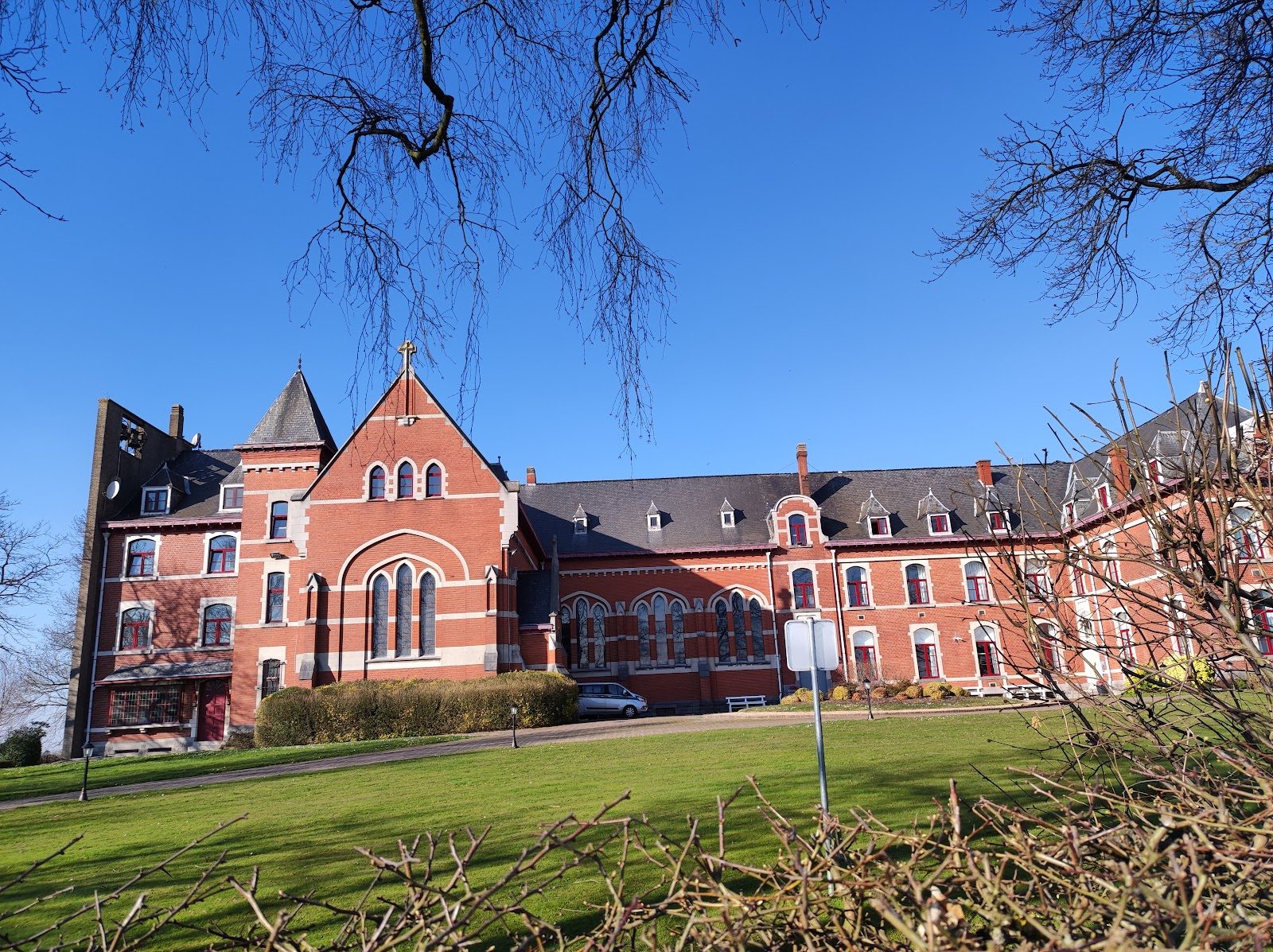
Musica Mundi School
Waterloo · Belgium
Inside a converted monastery near Brussels, Cambridge academics share the daily timetable with professional violin, cello and piano training.
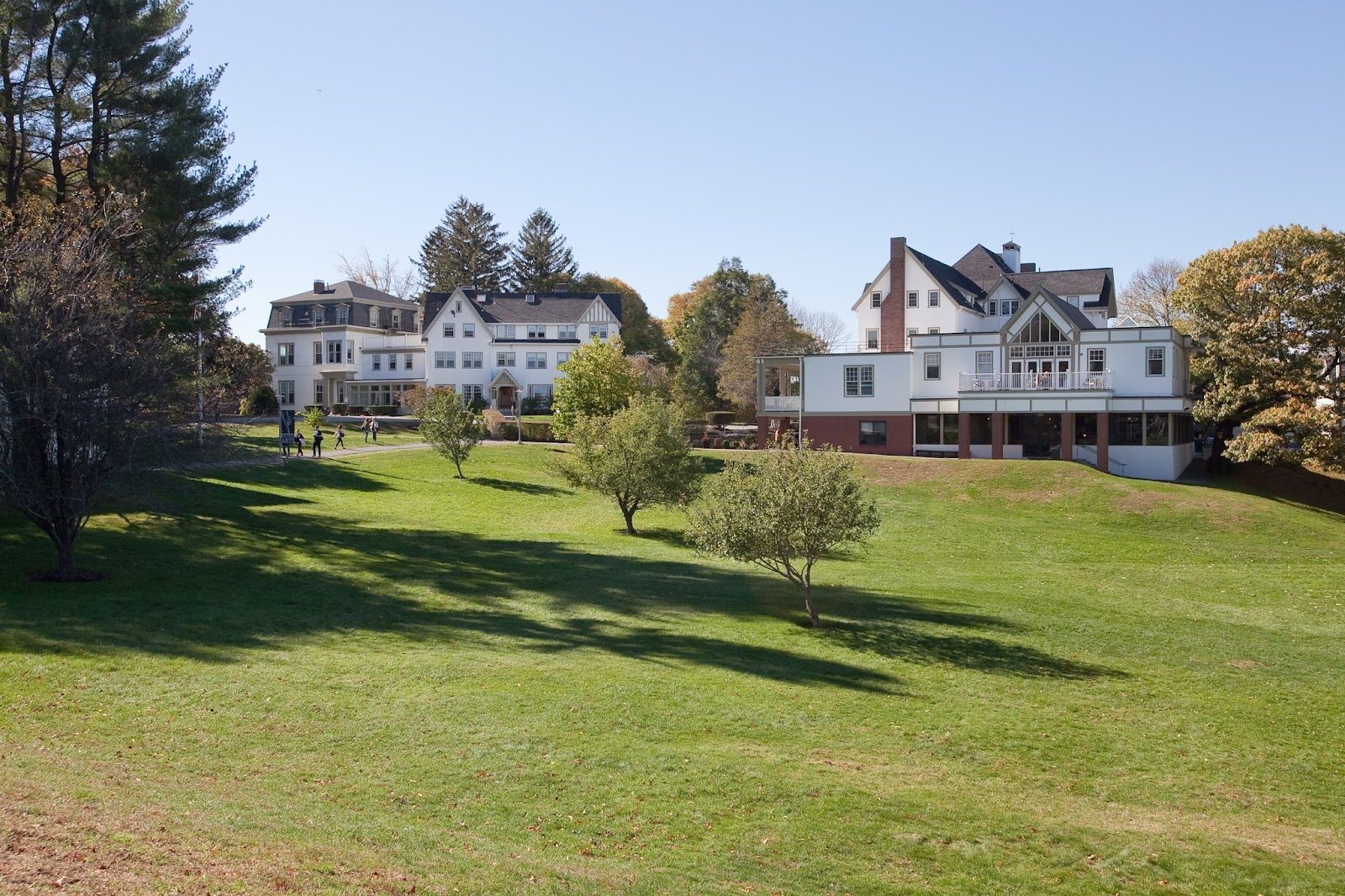
Walnut Hill School for the Arts
Natick, MA · United States
A weekly commute to Boston's Jordan Hall pairs New England Conservatory training with a full college-prep diploma.
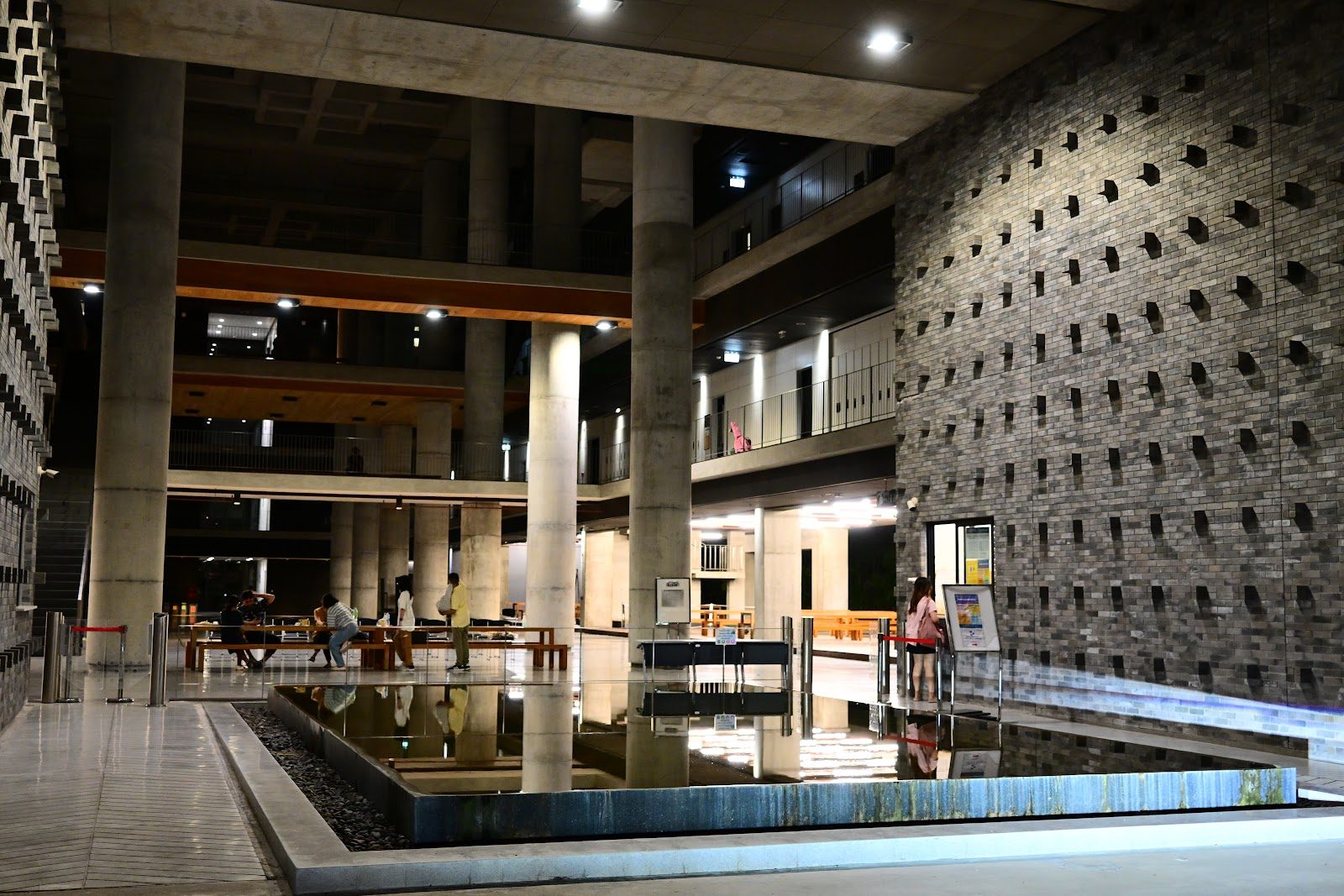
Young Artist Music Program (YAMP), Mahidol University
Salaya, Nakhon Pathom · Thailand
At Thailand's first music school, pre-college students devote 70 percent of class time to private lessons and ensemble performance.
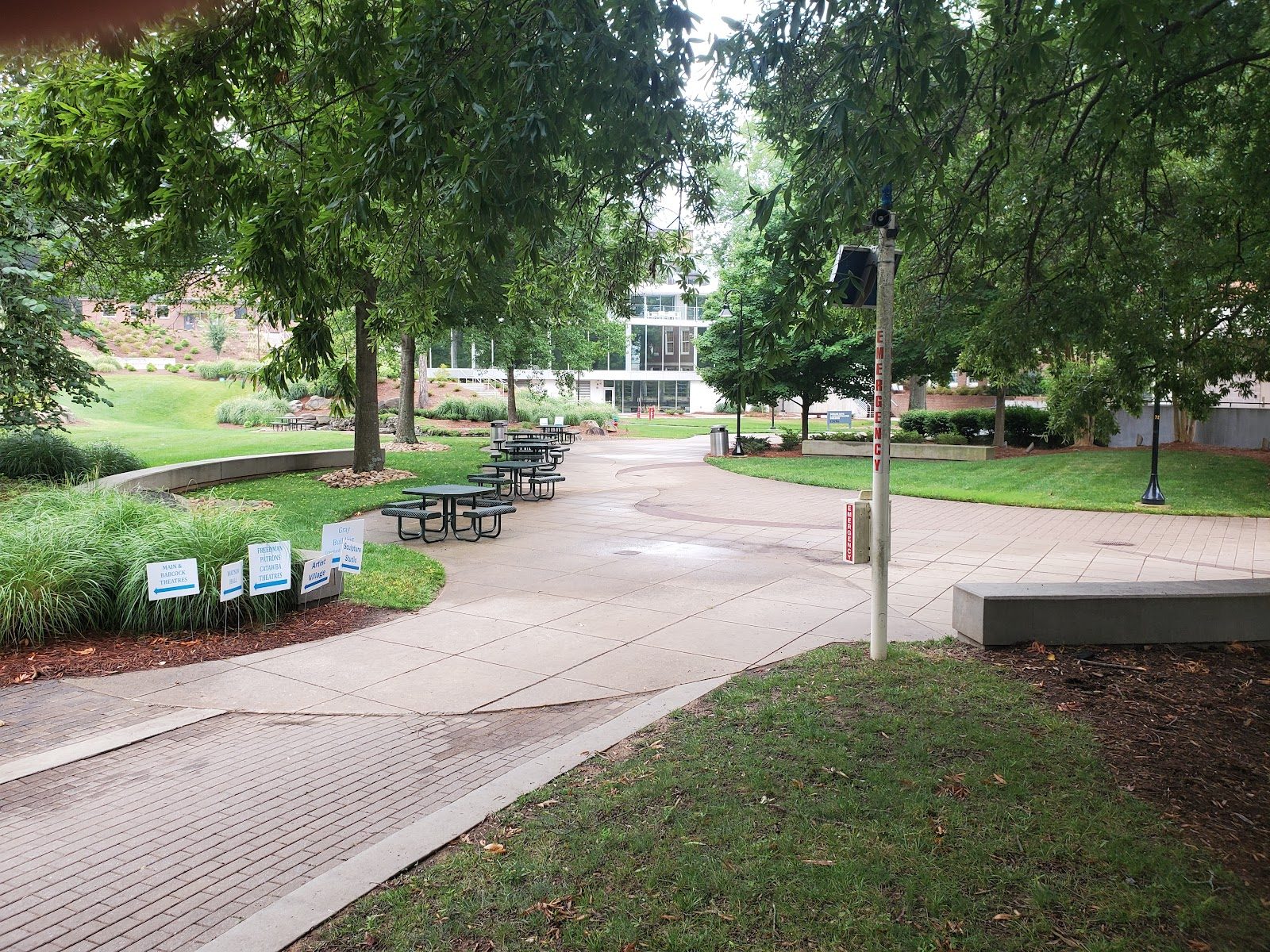
UNCSA High School, School of Music
Winston-Salem, NC · United States
Born from America's first public arts conservatory, pairing pre-professional music training with a rare four-year residential high school track.
Same specialism, country and curriculum — closest matches within ±10 points either way