
Greater London
A 1619 theatre fortune built this Dulwich day school, whose junior houses still bear the names of Edward Alleyn's playhouses.
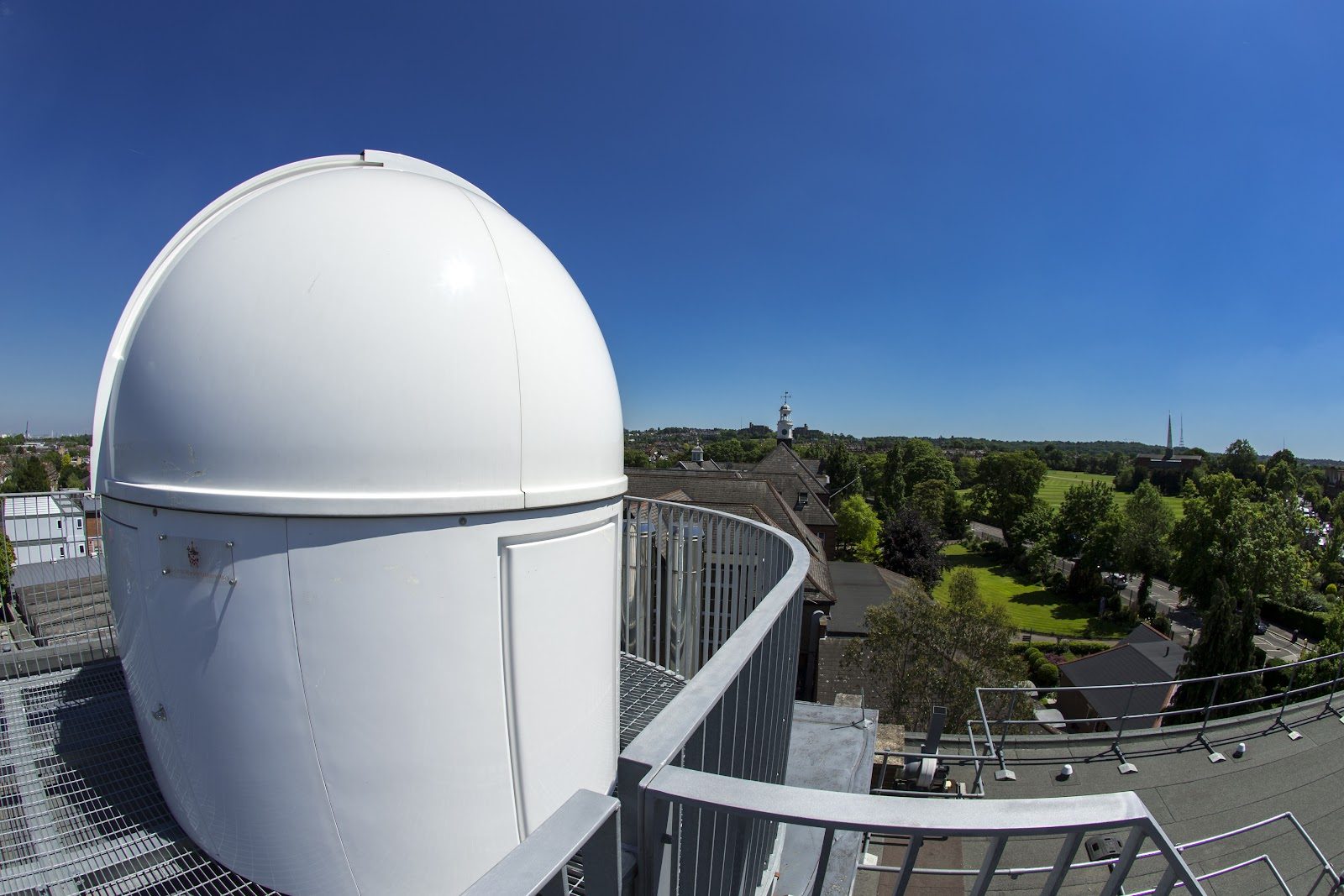
Photo © Alleyns Analytics via Google Maps
Type
Day
Ages
11–18
Curriculum
British
Qualifications
A-Level
Ratio
—
The Verdict
Editor's commitment
Right for
Families buying academic traction at a day-school average of £31,000, with 87% of 155 leavers reaching top-100 universities.
Wrong for
Children who need a small, low-pressure sixth form; Alleyn's sends 18 to Oxbridge and 40 to Russell Group universities.
Watch out for
This Anglican Dulwich school trades on real history: founded in 1619, with a public-facing machine polished enough to feel corporate.
Ranking breakdown
Alleyn's School · # of 1591
Composite score 78.4. 8 weighted criteria.
By criterion
Academic Outcomes
Weight 20%
#119
of 1533 scored
University Placement
Weight 16%
#104
of 1529 scored
Prestige & Heritage
Weight 12%
#121
of 1580 scored
Alumni Network
Weight 12%
#81
of 1530 scored
Facilities
Weight 12%
#266
of 1540 scored
Transparency & Communications
Weight 8%
#154
of 1547 scored
Peer & Industry Review
Weight 10%
#137
of 1564 scored
Admissions Selectivity & Demand
Weight 8%
#153
of 1529 scored
Score history
Alleyn's School · 2026
Movement across 2024–2026. Peer average overlaid.
Overall — 2024–2026
78.4/ 100
▲ +18.6 vs 2025
year on year
Peer & Industry Review
How Alleyn's School is regarded in the sector
85
Strong · high confidence
Alleyn's School sits firmly among London's most respected co-educational day schools, with School Guide naming it its "number one ranked school in Dulwich based on our official School Guide Star Rating", ahead of long-established neighbours such as Dulwich College. The Good Schools Guide calls it "an exciting, forward-thinking 21st-century school with a distinguished history", noting roughly ten applicants for every 11+ place. Head Jane Lunnon has bolstered the school's profile further, having been named Tatler Schools' Best Head of an Independent School, while WhichSchoolAdvisor confirms the school's standing as a leading co-educational institution under her stewardship. The group's confidence in the Alleyn's name is evident in its expansion into new North and Central London sites, deliberately trading on the reputation built at the Dulwich flagship.
Editors' overview
Edward Alleyn’s theatre money still shapes the place in ways that matter: this is a Dulwich school with real institutional memory, not a freshly polished brand exercise. Founded in 1619, Alleyn’s carries that history without becoming archaic. The junior houses still take their names from Alleyn’s playhouses, and the school’s public emphasis on heritage sits alongside a conspicuous push into newer territory through ventures such as AiQ, TEDxAlleyns School Youth and “The Future of Learning”. That combination gives Alleyn’s its character: old-school London confidence with a live interest in what the next decade of schooling demands. As a day school, Anglican in foundation, teaching the British curriculum in English, it sits firmly in the London independent mainstream; what lifts it above the crowded field is the sense that the institution has both depth and range.
For parents, the shortlist case is straightforward. This is an academically serious 11–18 school with outcomes strong enough to stand scrutiny: in the Class of 2024, 87% of 155 leavers went to top-100 universities, with 18 Oxbridge places and 40 Russell Group destinations; Cambridge took 10, Oxford 8 and UCL 12. That is not vague “excellent destinations” language but a clear record of competitive university placement. The school also has cultural weight beyond league-table talk. Wikidata already captures a minimum of 74 notable alumni, including 21 actors and directors, 10 scientists and scholars, and 9 writers and journalists, with five verified star-tier drama award winners. That pattern fits the school’s profile: intellectually ambitious, yes, but also genuinely strong in the performing arts, with enough historic and contemporary ballast to attract students who want serious academic work without a narrow exam-factory atmosphere.
At an average annual day fee of £30,585, Alleyn’s is expensive, but not at the absolute top of the London day-school market. That makes it a compelling proposition for families who want established-name independent education, robust university outcomes and a broad co-curricular life without paying the very highest metropolitan premium. It will suit students who are *energetic, articulate and high-functioning*: children who want to do several things well at once, and who will use the school’s scale, facilities and partnerships rather than hide inside them. It will not suit families looking for a tiny, intensely hand-held environment or a school defined by a single obsession, whether that is raw Oxbridge production or elite sport. Alleyn’s is for pupils who want substance, opportunity and a school culture with real metropolitan breadth.
Academic Performance
Alleyn’s treats exam performance as part of a wider academic picture, but the important point is simpler: the school gives results their own dedicated prominence, and schools do not do that unless the numbers justify inspection. The public framing around “Exam Results” and “Careers and Higher Education” points to a school that expects to be judged on hard outcomes, not pastoral glow or co-curricular fog. In the London independent day-school market, that places Alleyn’s in the serious academic tier: not a niche crammer, not a results-at-all-costs factory, but a school whose attainment holds up against other established senior schools competing for the same universities.
Relative to peers, the pattern is one of high-functioning consistency rather than headline-chasing extremity. The destination profile already tells you the sixth form is producing pupils for selective courses and institutions in substantial numbers; that does not happen without strong external examination performance underneath it. What we have not seen, and what the school should publish more plainly, is a clean set of aggregate public exam statistics in the same crisp form some rivals now provide. That limits precise benchmarking at a glance. Even so, the available picture is clear enough: Alleyn’s sits above the general independent-school field, is robustly competitive with London’s better academic day schools, and offers a more rounded proposition than schools built around a single exam-drilled identity.
Facilities
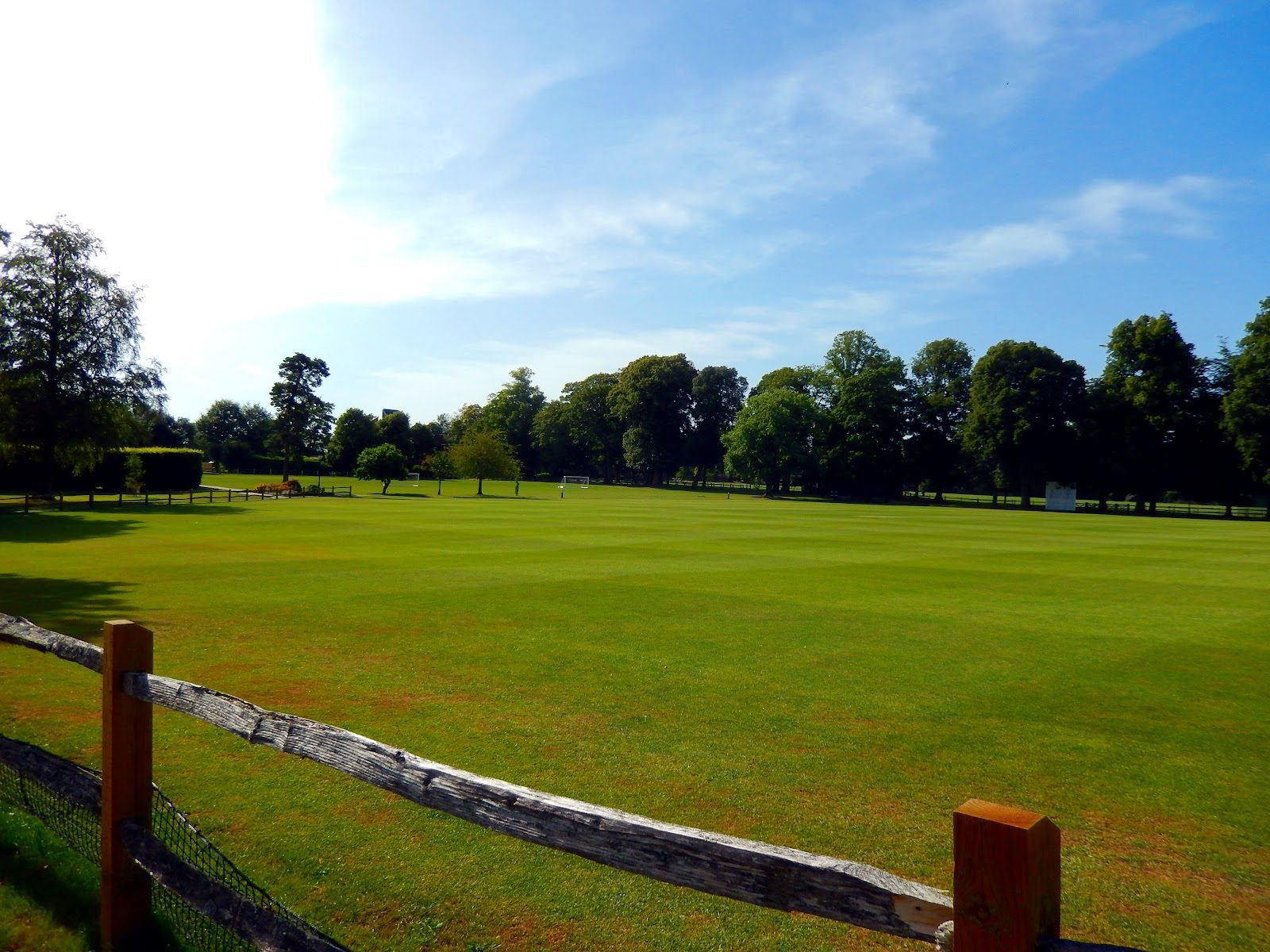
Alleyn’s has the facilities spread of a full-spectrum London day school, and the school advertises that breadth with unusual confidence. The important point is not glossy architecture but range: dedicated performing arts spaces, sports facilities substantial enough to support a serious activity programme, and a visible infrastructure for enrichment that reaches beyond the classroom. The website points parents to “Performing Arts Facilities”, “Sports Facilities”, venue hire, camps, swimming and fitness provision, plus flagship add-ons such as AiQ and TEDxAlleyns School Youth. That mix matters. Among academic London day schools, plenty offer good labs and a decent hall; fewer build a campus ecosystem that supports arts production, events, public-facing programmes and weekend use. Alleyn’s does. It reads as *busy, well-used and institutionally confident*, not a school with one showpiece block and thin provision elsewhere.
The strongest differentiator is the performing arts offer, which fits the school’s deeper cultural identity rather than functioning as brochure garnish. The swimming and wider sports infrastructure also look stronger than the norm for a non-boarding urban school, helped by the presence of an “Alleyn’s Active” operation and the sale of lessons, courses and facility use to the wider public. That commercial edge cuts both ways: it points to serious, revenue-grade assets, but also to a campus that functions as a shared civic resource rather than a secluded enclave. Against peers, Alleyn’s sits above the standard independent day-school baseline for arts and sport, without entering the country-house extravagance of the biggest boarding schools. For London families, that is a persuasive middle ground.
At an average annual day fee of £30,585, Alleyn’s is expensive, but not at the absolute top of the London day-school market
Prestige
Alleyn’s carries real London independent-school prestige, but not the hermetic, grandee polish of the capital’s most socially loaded names. Its standing rests on a stronger foundation: longevity, intellectual credibility and a cultural footprint that extends beyond the school gate. The theatre inheritance still gives the place an identity that is more textured than the standard “historic school” line, and the alumni record reinforces that substance. A verified minimum of 74 notable former pupils, with conspicuous strength in acting, directing, scholarship and the arts, marks Alleyn’s out as a school with genuine national cultural reach. That matters. Plenty of schools produce polished university applicants; fewer produce people who leave a mark on public life.
The prestige rating also comes from the current output. The school is not living off portraits and reputation alone: university destinations keep it in the conversation with London’s stronger day schools, and the co-educational format gives it a broader, more contemporary appeal than some older competitors. Still, this is not the rarefied summit occupied by the tiny handful of British schools whose names function as social currency in their own right. Alleyn’s sits just below that stratum: *high-status, well-connected and plainly respected*, with more cultural breadth than many academic rivals and more academic seriousness than many arts-leaning schools. For families who want a school with earned prestige rather than mere cachet, that is an attractive position.
Founded in 1619, Alleyn’s carries that history without becoming archaic
Communications
Alleyn’s communicates like a large, organised independent school that expects families to self-serve first and ask questions second. The website is dense but purposeful: admissions, term dates, parent hubs, policies, reports, fees, open events and contact routes are all surfaced in the main navigation, with separate pathways for junior, senior and sixth form families. That matters because many schools bury practical information under brand language; Alleyn’s does the reverse. Parents can find the operational basics without a scavenger hunt. The trade-off is obvious. This is not a pared-back site and it is not intimate. It has the feel of a school running multiple divisions, public programmes and external-facing activity at once, which gives communications a busy institutional tone rather than a hand-held one.
In effectiveness terms, the school gets the essentials right and misses a chance to be sharper where discerning parents care most. It publishes routes for tours, enquiries and applications, and it gives academic life, pastoral care and higher education their own visible space, which signals a properly accountable culture. The weakness sits in precision. We have not seen the kind of crisp at-a-glance performance disclosure that the best competitor schools now provide, and the homepage itself is visually heavy, with promotional layers that can slow access to substance. Still, the overall judgement is positive: communications are *competent, information-rich and confident*, built for families who can navigate scale, not for those who need constant simplification. The registration notice for 2027–2028 also indicates a school planning parent communication well ahead of decision points.
Uniqueness
What marks Alleyn’s out is the way its identity still grows from Edward Alleyn’s theatrical inheritance rather than borrowing an arts gloss for admissions copy. The junior houses named after his playhouses are not trivia; they signal a school whose cultural memory has been carried through the institution, not pasted on afterwards. That gives Alleyn’s a rarer texture than many London independents: pupils move through a place where drama, public performance and intellectual life sit inside the same tradition. The school’s newer ventures — AiQ, TEDxAlleyns School Youth and its overt interest in “The Future of Learning” — sharpen that inheritance instead of diluting it. The result is a school that feels historically grounded but not museum-piece traditional.
For students, that combination brings breadth with substance. The academic case is already strong, but Alleyn’s distinctive value lies in producing young people who can speak, perform, organise and think in public without embarrassment. The alumni pattern backs that up: a verified minimum of 74 notable former pupils, with exceptional representation in acting and directing, points to a culture that has long rewarded confidence, articulation and creative ambition. That will suit pupils who want more than quiet classroom success. It gives them permission to be outward-facing, culturally literate and busy across several domains at once. The flip side is clear enough: children who want a small-scale, sheltered school identity may find Alleyn’s too expansive in temperament.
That combination gives Alleyn’s its character: old-school London confidence with a live interest in what the next decade of schooling demands
Student Profile
The pupil who thrives here is bright, energetic and happy operating in public. Alleyn’s suits young people who want to answer back in class, take the stage, join societies, organise events and carry a full week without falling apart. The school’s visible investment in talks, ideas platforms and performance points to a student body that is expected to be verbally confident, busy by instinct and comfortable moving between academic pressure and co-curricular exposure. This is not the right fit for a child who wants to drift anonymously through school life. The social tone reads high-functioning and outward-facing: pupils need initiative, a degree of polish and the stamina to make use of what is on offer.
Intellectually, the sixth-form destinations make clear that the upper end of the cohort includes students aiming high and converting those ambitions into real offers; 18 Oxbridge places and 40 Russell Group destinations do not emerge from a passive culture. The strongest fit, then, is a student with academic ambition but not a single-track exam temperament. Alleyn’s works well for children who want serious university preparation alongside drama, music, sport or public-speaking, and who enjoy a school culture with metropolitan breadth rather than a cloistered feel. It will be less comfortable for the quietly self-contained, the socially hesitant or anyone needing a soft-edged environment with constant adult prompting.
That is not vague “excellent destinations” language but a clear record of competitive university placement
Co-curricular strengths
Arts & sport, on a separate axis
Overall 8.6/10
Scored 0-10 from the school's own published evidence. This axis is editorial-only — it does not feed the main WTS ranking.
Sports
8.7/10
Utilizes extensive South London grounds to field highly competitive regional football, hockey, and netball squads.
Drama
8.8/10
Home to the spectacular, Edward Alleyn-linked theatre facilities; renowned for producing professional-tier contemporary and classical stagings.
Dance
8/10
Offers dedicated, high-end choreography blocks that act as a headline asset for their collaborative musical productions.
Music
9.2/10
Staggering orchestral and choral setup, frequently performing massive symphonic works at major London concert halls.
Visual Arts
8.3/10
Sun-drenched studio spaces running advanced design pipelines, ceramics, and digital media to clear elite university portfolios.
Editor-verified · 8/7/2026
Outcomes & destinations
Where students go next
Editorial estimateClass of 2024
155 graduates
A-Level distribution
99% covered
- A*38%
- A33%
- B24%
- C4%
Top destinations
58 placements
- Cambridge· 10
- Oxford· 8
- UCL· 12
- Imperial College London· 8
- Durham· 6
- Bristol· 5
- Warwick· 5
- LSE· 4
Dulwich co-ed day school with heavy UCL flow.
Editor-approximated from the school's own leavers report. Awaiting school-attested figures.
Notable alumni · Wikidata
74notable alumni
28 historic (born pre-1930) · 20 modern (born post-1970)wikidata:2026-07-28 How we source this
The story in one line
65% achieved ≥ AAB in 2+ facilitating subjects·ISI Routine Inspection 2024
AAB with 2 facilitating subjects is the Department for Education's published predictor of admission to a top-third UK university: the pupil has scored high grades in at least two of the classic Russell-Group subjects (maths, sciences, English, history, geography, or a modern language). Independent schools don't appear in the state-only HE-destinations dataset, so this is the strongest DfE-verified sixth-form signal available. Source: DfE 16-18 school and college performance data · 2023/24. Value-added +0.31
DfE-verified statistics
Official GCSE data · 2024/2025
Progress 8
—
Value-added score. State-schools only; 0 = expected progress, +1 = one grade above.
Attainment 8
48.7
Average grade across 8 GCSEs (score out of 90). National ≈ 46.
EBacc average score
4.68
Avg grade across the 5 EBacc pillars (English, Maths, Sciences, Language, Humanity).
EBacc slots filled
3
How many of the 5 EBacc pillars pupils typically enter (max 5).
A-Level attainment
Cohort · 2023/24
Avg A-Level grade
A
APS per entry: 51.33
Best 3 grade
A
Best-3 APS: 51.61
≥ AAB + 2 fac.
64.6%
Russell-Group predictor.
Progress (value-added)
+0.31
Above average
Read with care. Independent schools frequently sit IGCSEs or Pre-U qualifications instead of standard GCSEs — DfE data only counts standard GCSEs, so these numbers may reflect a partial cohort. For a fuller picture, cross-check with the school's own annually-published results.
URN 100864Verified · DfE 2024/2025
Official inspection
ISI report · 2024
Inspectorate
Independent Schools Inspectorate
The Government-approved inspectorate for English independent schools.
Latest report
15 October 2024
Routine Inspection
Report history
Verified · Independent Schools InspectorateSource-of-truth
WTS 300 badge
2026/27 editionAlleyn's School is one of the World's Top 300 Schools for 2026/27. Claim your listing to add it to your site →
Strengths
- +Founded in 1619 by the Elizabethan actor Edward Alleyn, giving the school over four centuries of continuous history and a long-established co-educational ethos in Dulwich.
- +Strong 2024 A-Level results, with 38 per cent of grades at A* and 71 per cent at A*-A, and 87 per cent of leavers progressing to top-100 universities.
- +Extensive bursary programme offering means-tested financial assistance to widen access at the Senior School.
- +World-class music and elite drama provision, backed by a broad co-curricular programme including Combined Cadet Force and the Duke of Edinburgh's Award.
- +Rated Excellent by ISI and a member of HMC, placing it firmly within the established British independent sector.
- +Substantial south London campus with strong sport and performing-arts facilities, publicly documented on the school website.
Considerations
- −Fees are a significant commitment at £30,000 a year for day pupils.
- −Entry is academically selective and competitive, particularly at 11+, where candidates sit written papers followed by a group activity and interview, with in-year vacancies rare.
- −It is a large all-through school, which may not suit families seeking a smaller, more intimate day-school setting.
- −Day-only provision means it will not suit families needing boarding or a residential campus.
- −As an Anglican foundation with a conventional British academic identity, it is less suited to families wanting an explicitly international or markedly progressive ethos.
Availability
Primary entry gate & tests
11+ Written Exams
Gallery
Photo © Alleyns Analytics via Google Maps
Photo © Alleyns Analytics via Google Maps
Photo © Alleyns Analytics via Google Maps
Photo © Alleyns Analytics via Google Maps
Photo © Alleyns Analytics via Google Maps
Photo © Alleyns Analytics via Google Maps
Recommended reading
Independent write-ups of this school from editorial outlets we trust.
- Alleyn's SchoolGood Schools Guide
Parent reviews
Have you sent your child here?
Voice reviews carry the strongest trust badge — we transcribe them for you to tidy up before they go live. Prefer to type? A written review is fine too.
Add your voice
In 60 seconds, tell other parents: what's the best thing about Alleyn's School, and what surprised you when your child joined?
We ask for a Google sign-in so every review has a real face behind it — no anonymous drive-by attacks on schools, and no faked positive reviews. Your email is never shown publicly.
Send this profile to a friend
International parents rely on word-of-mouth. Share this review with someone weighing the same decision.
Schools with places
Similar schools to Alleyn's School with places available now.
Highgate School
London · United Kingdom
- 2026-27
- CLOSEDStandard route
- 2027-28
- PLACES OPEN11+ (Closes 4 Nov); 16+ (16 Oct)
Harrow School
London · United Kingdom
- 2026-27
- CLOSEDStandard route
- 2027-28
- PLACES OPEN16+ Active; 13+ Closed
City of London School for Girls
London · United Kingdom
- 2026-27
- CLOSEDStandard route
- 2027-28
- PLACES OPENCloses Nov
Godolphin and Latymer School
London · United Kingdom
- 2026-27
- CLOSEDStandard route
- 2027-28
- PLACES OPENCloses Nov
Availability first, then country, area, curriculum, price, co-curricular
Consider also
Also worth looking at alongside Alleyn's School.
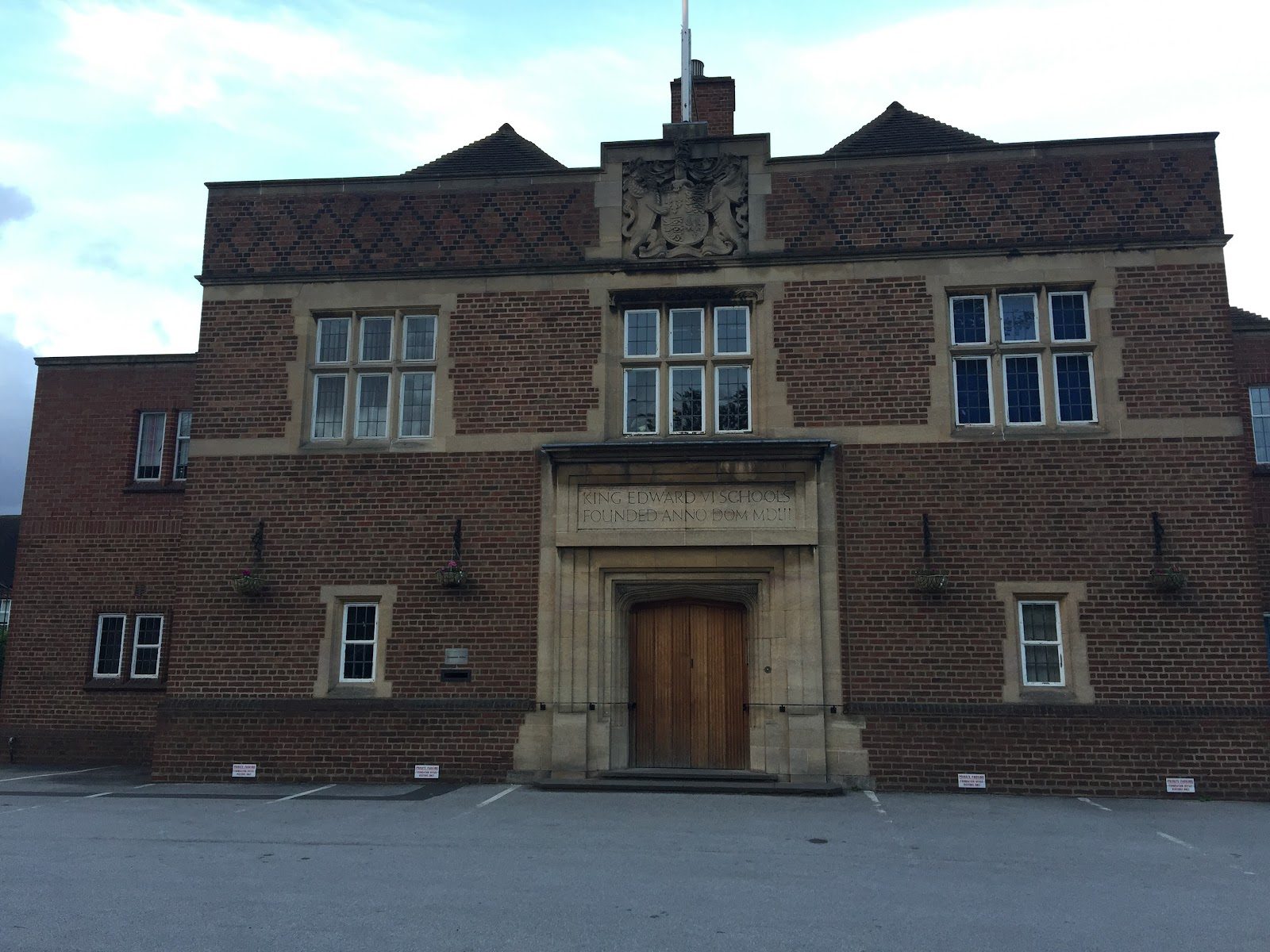
King Edward's School, Birmingham
Birmingham · United Kingdom
A royal charter from 1552 anchors this Edgbaston day school, where a third of new boys receive means-tested fee support.
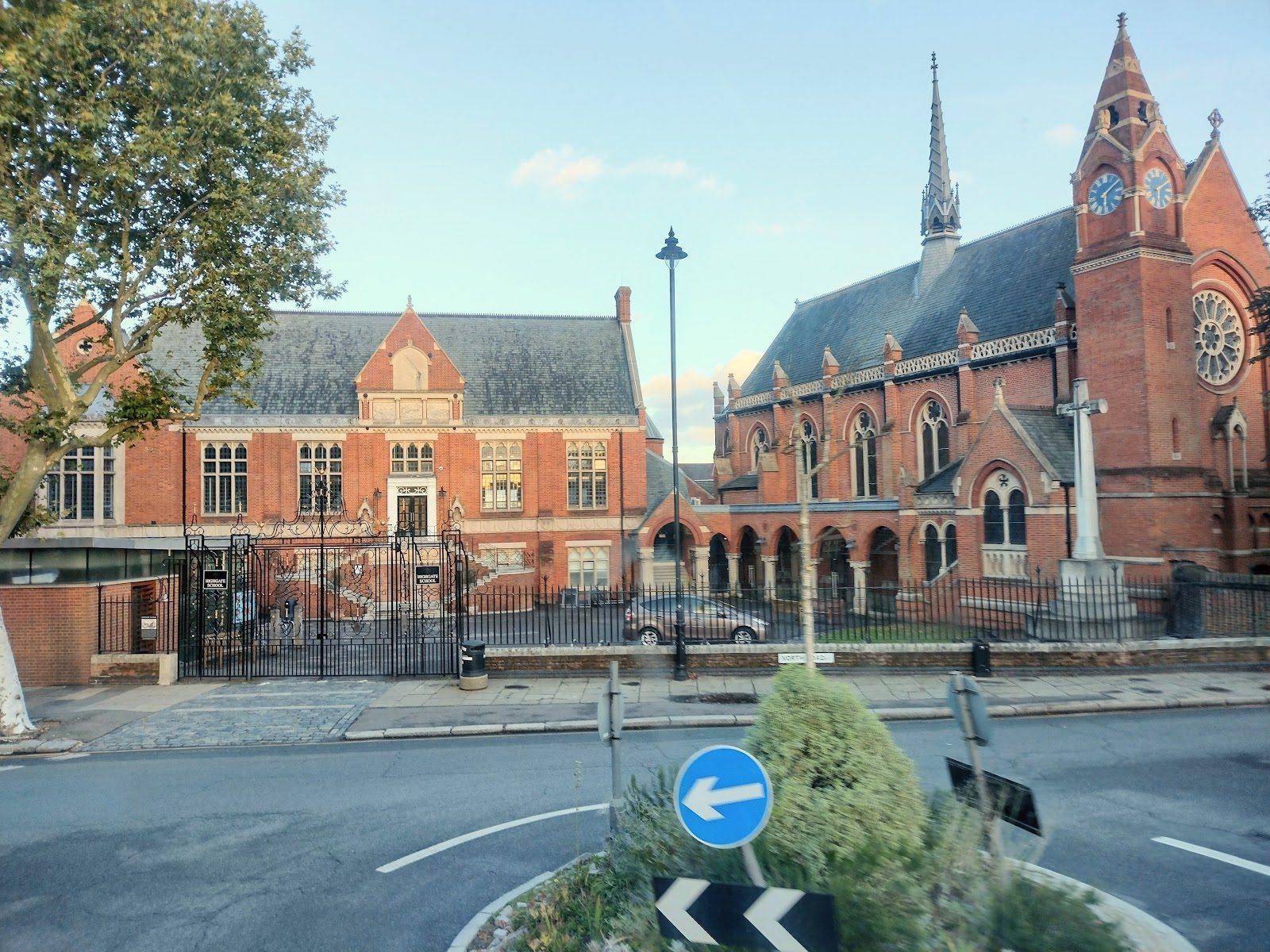
Highgate School
London · United Kingdom
Chartered by Elizabeth I in 1565, this Highgate grammar school now founds access academies alongside its Oxbridge-bound sixth form.
Charterhouse
Godalming · United Kingdom
One of England's Nine Great Public Schools, now fully coeducational, set on a 250-acre Surrey campus with IB scores averaging 37 points.
Reading School
Reading · United Kingdom
Founded within Reading Abbey in 1125, this selective state grammar for boys still sends the bulk of its leavers to Russell Group and Oxbridge places.
Same country and curriculum — closest matches within ±10 points either way