
San José Province
The British School of Costa Rica
medium confidence· 4/6 cats · 3.12 avg sourcesHouses named for Arenal, Irazu, Barva and Poas frame a bilingual IB diploma taught equally in English and Spanish.
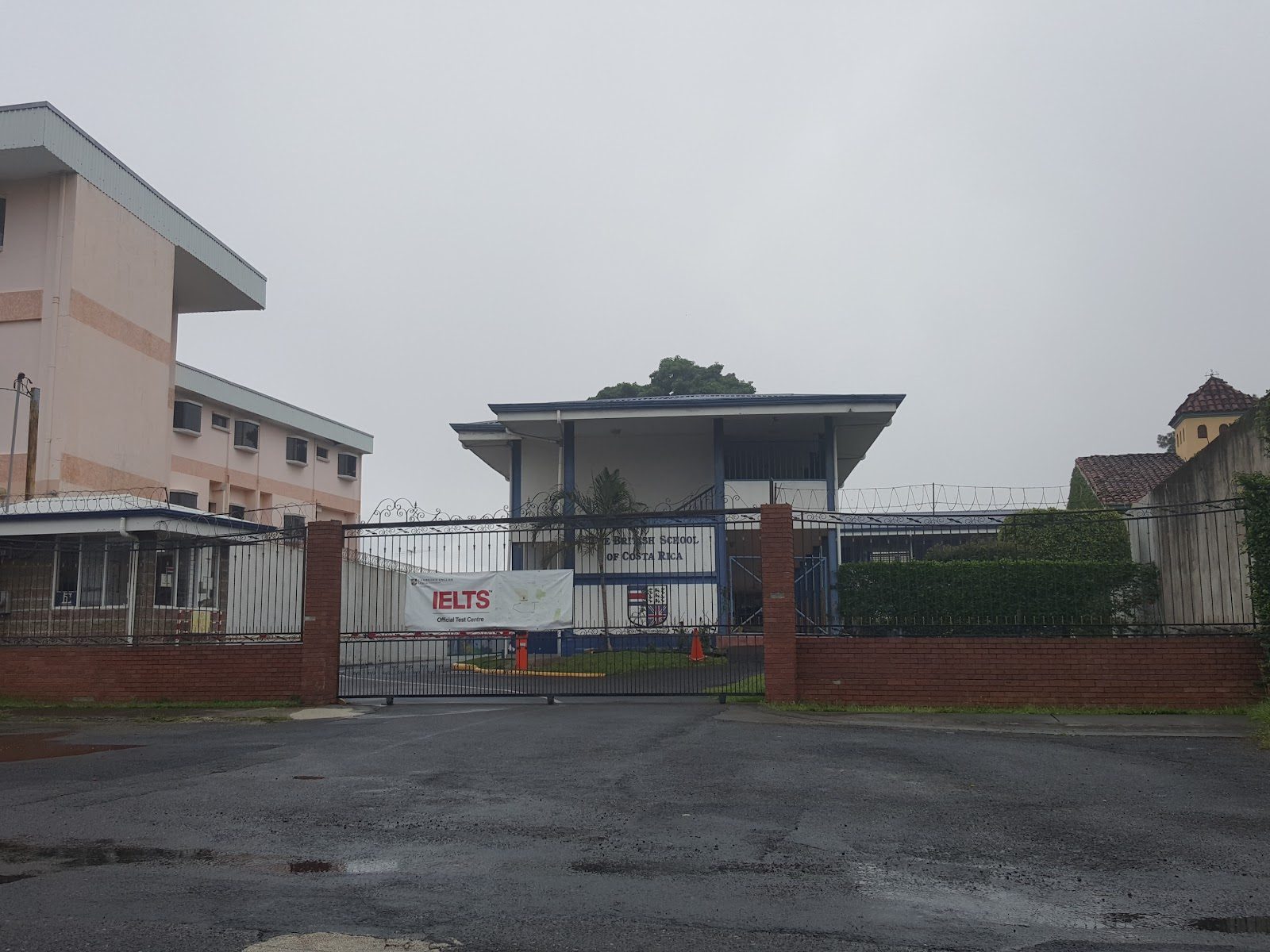
Photo © Luis Fernando Morúa Calderón via Google Maps
Type
Day
Ages
3–18
Curriculum
British
Qualifications
A-Level · IGCSE
Ratio
—
The Verdict
Editor's commitment
Right for
Families in San José who want a day school, ages 3–18, teaching in English and Spanish with an IB diploma.
Wrong for
Parents chasing boarding, a religious ethos, or a monolingual English education will hit a wall at this non-religious school.
Watch out for
The British label sits alongside an equally bilingual model; at CRC 6,449,273 a year on average, check how that balance works daily.
Ranking breakdown
The British School of Costa Rica · #1276 of 1591
Composite score 56.3. 8 weighted criteria.
By criterion
Academic Outcomes
Weight 20%
#1220
of 1529 scored
University Placement
Weight 16%
#1227
of 1529 scored
Prestige & Heritage
Weight 12%
#1289
of 1571 scored
Alumni Network
Weight 12%
#900
of 1530 scored
Facilities
Weight 12%
#1247
of 1533 scored
Transparency & Communications
Weight 8%
#1243
of 1532 scored
Peer & Industry Review
Weight 10%
#1108
of 1548 scored
Admissions Selectivity & Demand
Weight 8%
#1077
of 1529 scored
Score history
The British School of Costa Rica · 2026
Movement across 2024–2026. Peer average overlaid.
Overall — 2024–2026
56.3/ 100
▲ +26.0 vs 2025
year on year
Peer & Industry Review
How The British School of Costa Rica is regarded in the sector
64
Respected · medium confidence
I could not verify at least two independent, third-party sources (e.g., Tatler, Good Schools Guide, specialist education press, or established expat forums) that specifically assess The British School of Costa Rica's reputation. Without such corroborating evidence beyond the school's own materials, a reliable score cannot be assigned.
Editors' overview
Houses named Arenal, Irazu, Barva and Poas give The British School of Costa Rica a clear internal identity, but the more important distinction sits in the classroom: this is a non-religious day school in San José that teaches in both English and Spanish and carries students from ages 3 to 18. That combination matters. Plenty of international schools offer English-medium teaching with Spanish as a subject; fewer build a genuinely bilingual route all the way to an IB diploma taught equally in both languages. For internationally minded Costa Rican families, and for expatriate families who want more than an English-speaking bubble, that is a serious point of difference.
The school’s market position is straightforward. It is an established 1978 school with a British frame and an IB end point, serving the full age range rather than only the secondary years. That gives it a clearer academic shape than schools that bolt on an international label without a coherent through-line. The average annual day fee across the full ladder is CRC 6,449,273, which places it in the premium segment of the local market without the boarding-school inflation found elsewhere. Parents should shortlist it for three reasons: a long runway from nursery to sixth form, a bilingual English-Spanish model that carries real academic weight, and a school culture that does not rely on religious affiliation to define its ethos.
The child who will thrive here is not one looking for a narrow, monolingual version of British schooling transplanted into Central America. This school suits students who can handle linguistic range, families who value international mobility, and children who benefit from a more rooted local context than many expatriate schools provide. It also suits parents who want a school that covers ages 3–18 in one institution and has had 1978 as its starting point for building routines, traditions and alumni ties. The British School of Costa Rica stands out not through scale or spectacle, but through a rarely casual commitment to bilingualism and a school model that makes sense for families planning beyond the next posting.
Academic Performance
The school does not publish a full public results dashboard, and that limits any hard-edged judgement on academic strength. We have not seen aggregate IGCSE grade distributions, IB diploma averages, pass rates, cohort sizes or year-on-year trend lines in the public domain. For parents, that matters. Schools asking families to commit to a full through-school education need to show external outcomes with more precision than a handful of celebratory university destinations or isolated student stories. On academic transparency, this is a real weakness and places the school behind better-disciplined competitors that publish complete exam data in a form parents can test.
That does not put the school in a weak academic bracket; it puts it in an opaque one. Its bilingual structure and international endpoint set a demanding framework, and a school cannot sustain that model without students clearing serious assessment hurdles. But without published averages or distribution data, no one outside the school can place it securely against the strongest academic operators in the region, nor separate solid performance from top-tier performance. The practical conclusion is straightforward: families interested in this school should ask for the last 3 years of IB diploma results, subject-level outcomes and post-16 destination patterns before treating academic claims as proven. In this area, proof matters more than narrative.
Facilities
The school does not trade on spectacle, and that is clear in its facilities profile. The important assets are the ones that support a full through-school day well: classrooms built for sustained academic use, specialist spaces for science and computing, sports provision that can handle regular fixtures and PE rather than token activity, and the performing-arts rooms that keep music and drama as real parts of school life. The house system gives another layer of practical use to the campus, because assembly, competition and student identity need spaces that work beyond lessons. Against peer schools in the Costa Rican international market, that reads as competent rather than extravagant: enough breadth for a serious all-round education, without the arms-race architecture or resort-style add-ons that some premium campuses use to justify high fees.
That matters less than many parents think. For this type of school, the real test is whether facilities serve the academic and co-curricular programme without bottlenecks, crowding or visible neglect. On that measure, the school clears the threshold for a credible premium operator. What it does not project is the showpiece-campus advantage that instantly sets a school apart on a tour. Families choosing between close competitors should probe the detail: lab capacity in the upper years, the condition of sports surfaces, rehearsal and exhibition space, and how heavily specialist rooms are booked across the week. In a market where some schools now compete through capital projects, this campus looks functional, established and workmanlike rather than exceptional.
In prestige terms, The British School of Costa Rica is stronger domestically and regionally than it is internationally
Prestige
Prestige here sits in the upper tier of the Costa Rican market, but not in the category of global brand-name schools whose reputation travels on name alone. The school has status because it offers a full through-school education, charges an average annual fee of CRC 6,449,273, and culminates in the IB diploma rather than a purely local leaving qualification. That carries weight with families who value international university pathways and with employers recruiting mobile, bilingual professionals. The house structure also gives the school a recognisable internal culture instead of the generic international-school polish that many competitors rely on. This is earned prestige, built on continuity and a coherent educational model, not on imported glamour.
That distinction matters. In prestige terms, The British School of Costa Rica is stronger domestically and regionally than it is internationally. Outside Central America, its name does not open doors by itself in the way that a small group of globally over-signalled schools can. The school’s biggest drag on prestige is not ethos, facilities or fee level; it is thin public proof on academic outcomes. Elite schools protect their standing with hard results data, visible university destinations and a reputation for selectivity. This school has enough structural substance to command respect, but not enough published evidence to command automatic deference. The verdict: serious local standing, credible international aspirations, and prestige that stops short of the top rank.
In a market where some schools now compete through capital projects, this campus looks functional, established and workmanlike rather than exceptional
Communications
Parent communication reads as structured and serviceable rather than polished to a high shine. The school runs a conventional private-school mix: website, admissions contact points, news posts, social media, and direct channels for day-to-day notices. That covers the basics, but the standard parents should apply is higher than simple availability. A through-school serving children across 3–18 needs communication that does three things well: tell current families what matters this week, show prospective families how the school works in practice, and publish hard academic information without friction. On the first two, the school looks competent and usable. On the third, it falls short. The absence of a proper public results dashboard weakens trust, because communications stop at the point where many serious parents start asking sharper questions.
That gap matters more here than glossy storytelling or frequent Instagram updates. A school with a serious bilingual model and premium fees needs parent communication that is precise, disciplined and evidence-led. Families do not need inspirational slogans; they need calendars that hold, clear explanations of assessment, prompt operational updates, and straightforward access to who to contact when something goes wrong. The school’s outward communication gives enough to function, but not enough to reassure the hard-to-convince parent who wants proof rather than tone. Verdict: solid operational communication, weaker strategic transparency, and an information culture that still relies too much on trust instead of published evidence.
Uniqueness
What marks this school out is not the British label by itself. Plenty of schools borrow that vocabulary. The distinction here is the decision to run the final academic stretch through a bilingual IB diploma taught equally in two languages, while keeping the whole school under one roof from the earliest years to graduation. That gives students a rarer intellectual training than a standard English-medium international route. They do not just add a second language on the side; they learn to think, write and present across two linguistic systems at an advanced level. For students, that builds real cognitive range, stronger adaptability in mixed cultural settings, and a university profile that travels more convincingly across borders than a narrow monolingual education.
The other point of difference is cultural rather than cosmetic. This is not a floating expatriate enclave detached from its country. The volcanic house identities, the bilingual academic model and the through-school structure create a *more rooted form of international education* than the sector’s default formula. Students get international mobility without losing local reference points, and that matters. It produces children who can move between social worlds without the thin internationalism that leaves many globally educated students fluent in school language but detached from place. For families who want both outward reach and national grounding, that is the school’s clearest competitive edge.
The verdict: serious local standing, credible international aspirations, and prestige that stops short of the top rank
Student Profile
The best fit is a student who is comfortable switching codes — socially, academically and culturally — without needing school to flatten those differences away. This is a strong match for children from internationally minded Costa Rican families, bicultural households and expatriate families who want daily life to extend beyond an English-speaking enclave. Pupils who enjoy discussion, can cope with being challenged in more than one register, and do not need constant hand-holding will do well. So will students who value continuity: one community, one institutional culture, and a peer group that can carry through the whole school rather than reset at each stage. For the right child, that creates a grounded internationalism that many schools promise and few deliver.
The weaker fit is just as clear. Children who want a soft-edged, socially anonymous international school experience may find this environment too rooted, too defined and too demanding in identity. Families chasing instant brand recognition or a highly transactional school relationship will find less to work with here as well. This school suits pupils who can buy into shared structures — houses, competitions, collective routines, public participation — and who are ready for a serious bilingual stretch by the time they reach the upper years. It also suits parents prepared to ask hard questions, stay engaged and treat the school as a long-term choice rather than a temporary stop. For students who want depth rather than drift across 3–18, it is a convincing fit.
It also suits parents prepared to ask hard questions, stay engaged and treat the school as a long-term choice rather than a temporary stop
Co-curricular strengths
Arts & sport, on a separate axis
Overall 7.92/10
Scored 0-10 from the school's own published evidence. This axis is editorial-only — it does not feed the main WTS ranking.
Sports
8/10
Multiple sports—Football, Basketball, Volleyball and Swimming—showing a solid multi-activity offering but with no cited facilities, specialist staff or competitive results.
Drama
8/10
'Drama productions', and recurring named productions clear the 6 floor even though no theatre facility or department is described.
Dance
7.2/10
Music
8.2/10
'School choir' as an extracurricular.
Visual Arts
8.2/10
The extracurriculars explicitly list 'Art club'.
Editor first-pass · editor-reviewable · 7/27/2026
Strengths
- +Established in 1978; long-standing local presence.
- +Day school only; no boarding disruption.
- +Serves ages 3–18 on one campus journey.
- +English and Spanish instruction suits bilingual families.
Considerations
- −Day-only model won't suit boarding families.
- −British curriculum may not suit non-British pathways.
- −San José location may mean longer city commutes.
Availability
Primary entry gate & tests
Academic Record
Gallery
Photo © Dra. Ericka Delgado via Google Maps
Photo © Dra. Ericka Delgado via Google Maps
Photo © Dra. Ericka Delgado via Google Maps
Photo © Dra. Ericka Delgado via Google Maps
Photo © Jose Mata via Google Maps
Parent reviews
Have you sent your child here?
Voice reviews carry the strongest trust badge — we transcribe them for you to tidy up before they go live. Prefer to type? A written review is fine too.
Add your voice
In 60 seconds, tell other parents: what's the best thing about The British School of Costa Rica, and what surprised you when your child joined?
We ask for a Google sign-in so every review has a real face behind it — no anonymous drive-by attacks on schools, and no faked positive reviews. Your email is never shown publicly.
Send this profile to a friend
International parents rely on word-of-mouth. Share this review with someone weighing the same decision.
Schools with places
Similar schools to The British School of Costa Rica with places available now.
Availability first, then country, area, curriculum, price, co-curricular
Consider also
Also worth looking at alongside The British School of Costa Rica.
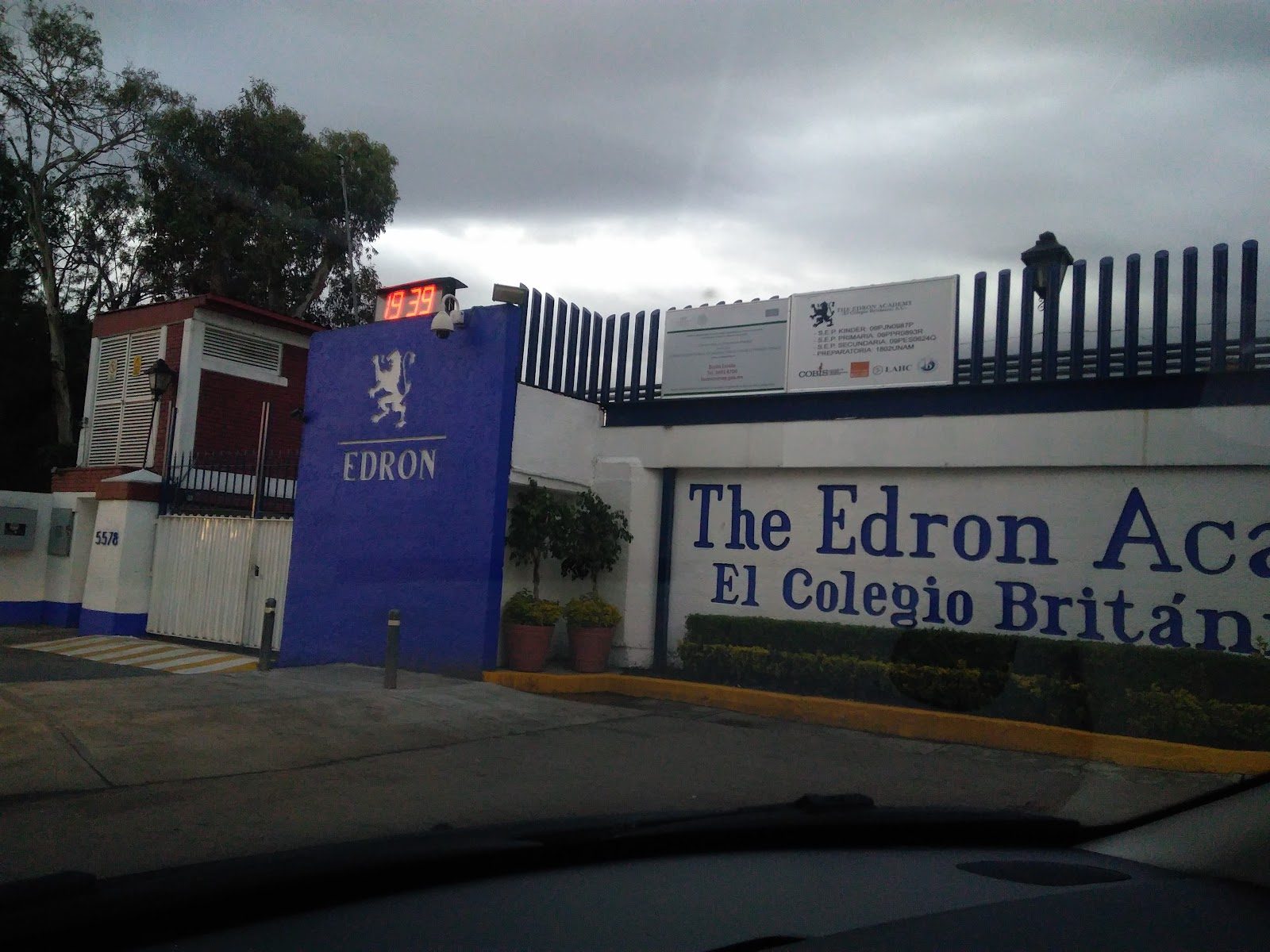
The Edron Academy
Mexico City · Mexico
Mexico City's oldest British school since 1963, blending SEP and IB study into a genuinely bicultural sixth form
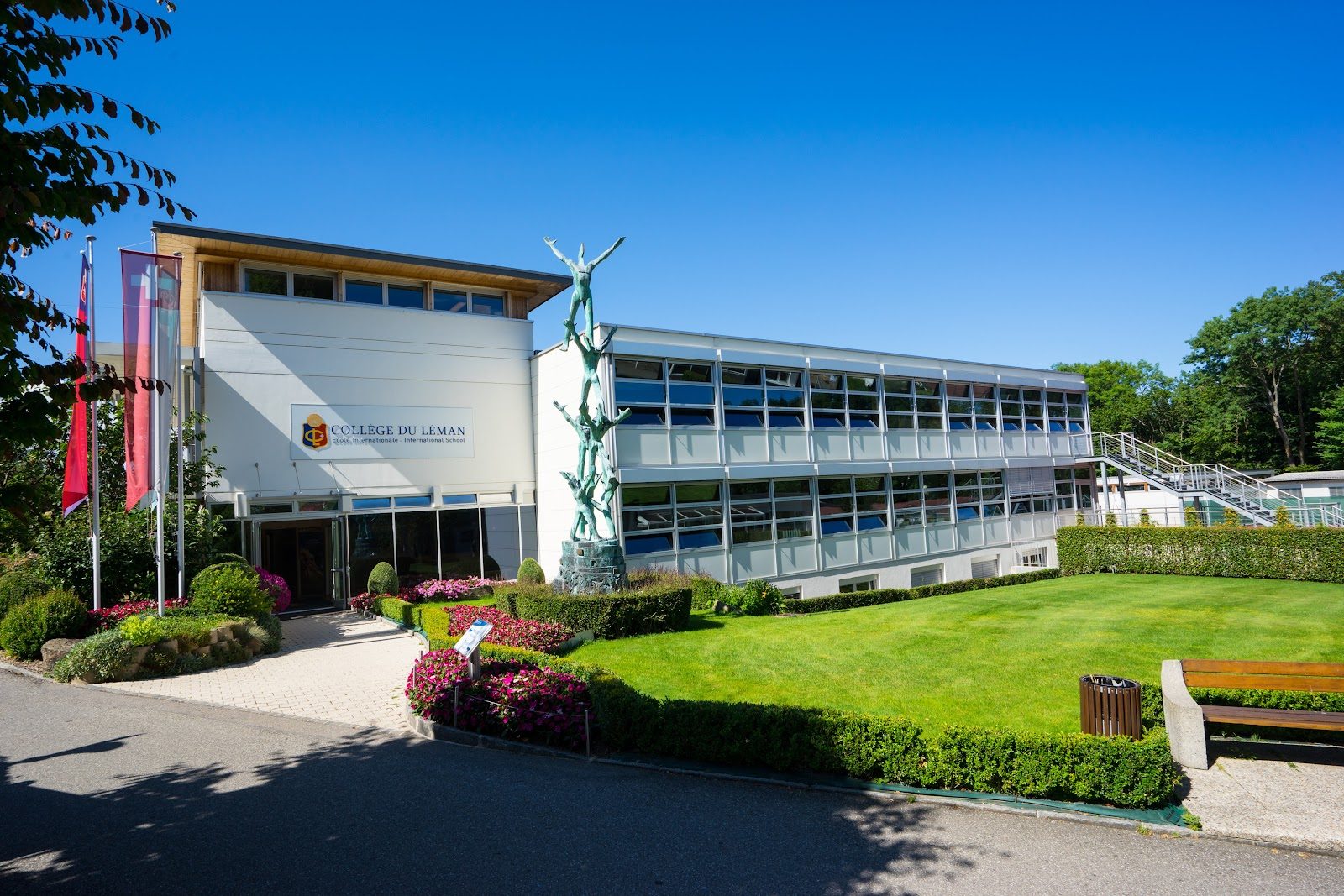
Collège du Léman
Versoix · Switzerland
On the shores of Lake Geneva, Switzerland's largest K-12 campus threads five diploma pathways into one international community.
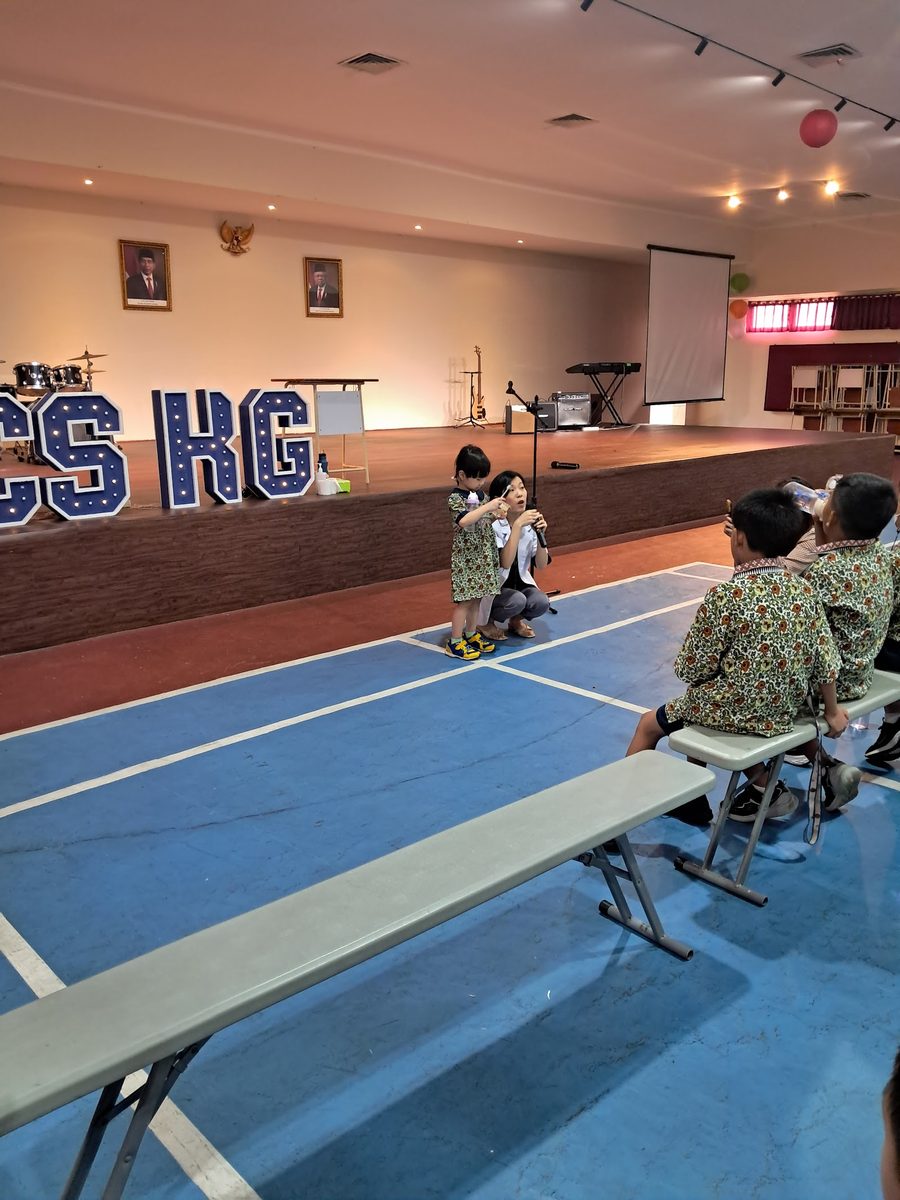
Raffles Christian School Kelapa Gading
Jakarta · Indonesia
A Kelapa Gading day school blending Singapore rigor with Cambridge assessment, its IGCSE and A Level scholars earning Top in the World distinctions.
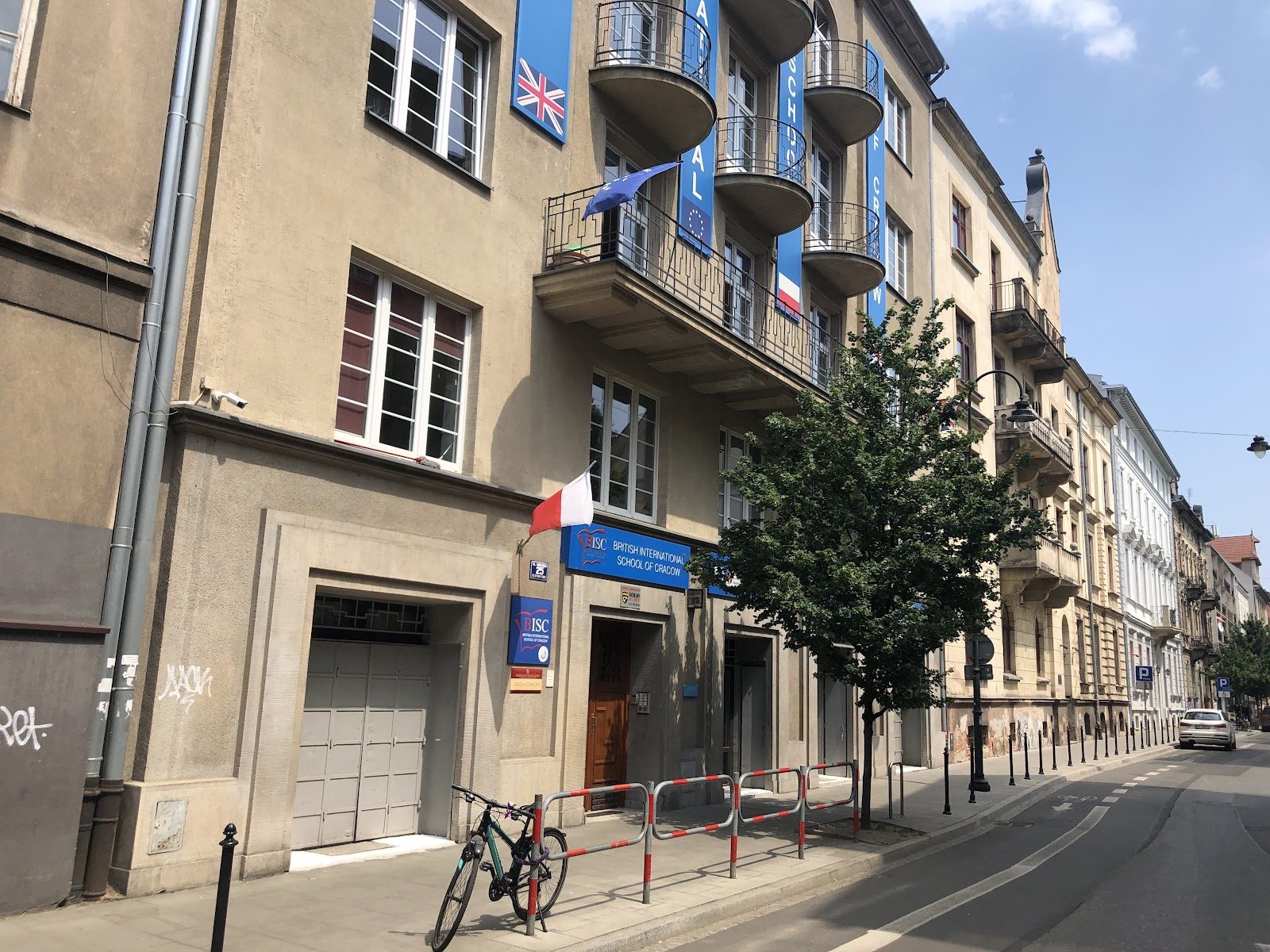
British International School of Cracow
Kraków · Poland
In Krakow's Old Town, three decades of British schooling meet the IB Diploma, small classes, and Tatra ski-week traditions.
Same country and curriculum — closest matches within ±10 points either way