
Queensland
Anglican Church Grammar School
low confidence· 6/6 cats · 0 avg sourcesOn Norman Creek in East Brisbane, this century-old GPS boys' school pairs IB Diploma rigor with Queensland's QCE pathway.
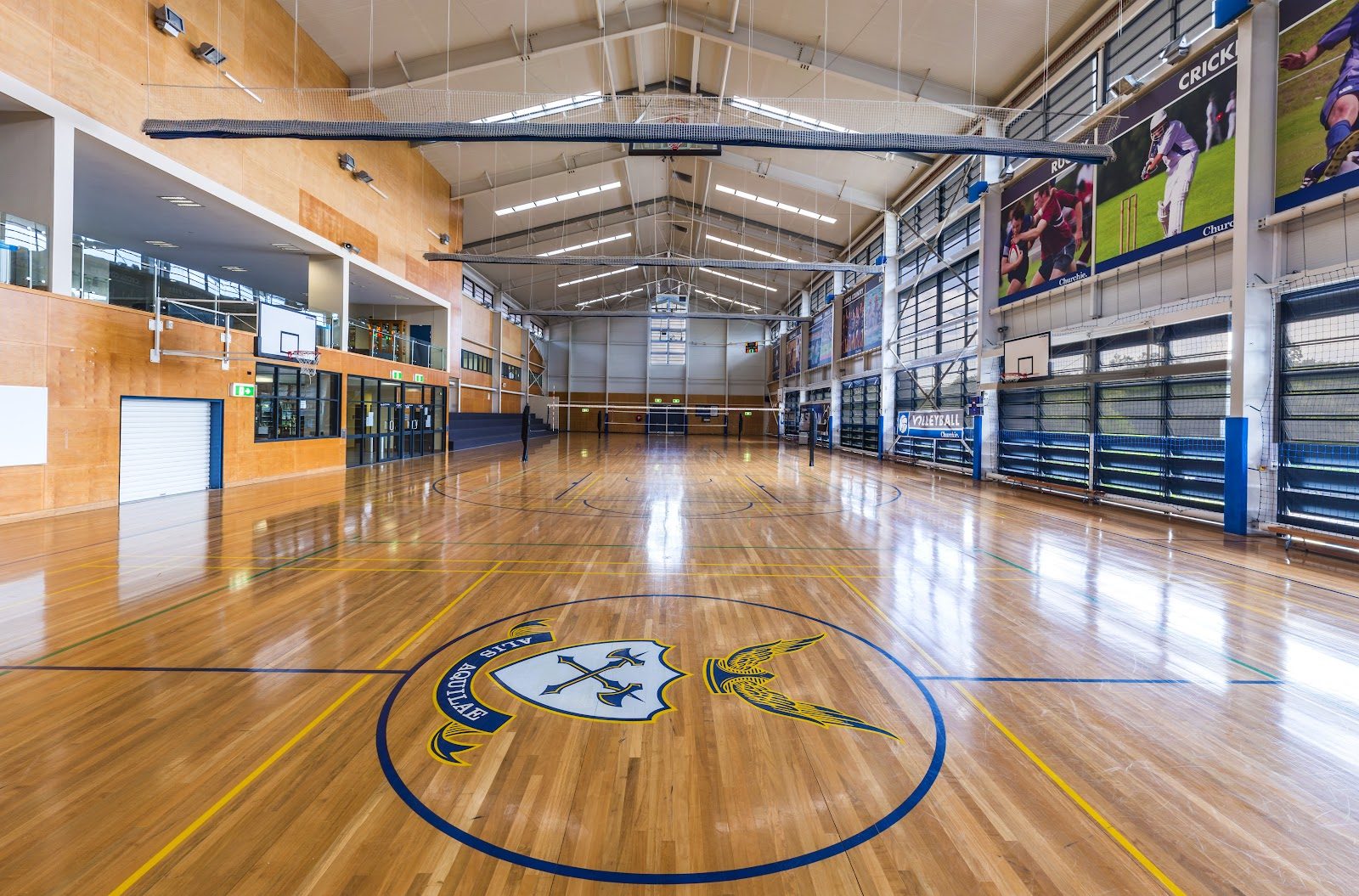
Photo © Anglican Church Grammar School (Churchie) via Google Maps
Type
Both
Ages
11–18
Curriculum
Queensland Certificate of Education · IB (Diploma)
Ratio
11:1
The Verdict
Editor's commitment
Right for
Boys 11–18 who want a serious Brisbane school with both QCE and IB Diploma, plus boarding, on a 1,890-student campus.
Wrong for
Families wanting coeducation or a secular culture in practice; Churchie is an Anglican boys' school, founded in 1912, with classes averaging 22.
Watch out for
An average annual day fee of AUD 31,200 buys scale and options, not intimacy; at 1,890 students, boys need to make themselves known.
Ranking breakdown
Anglican Church Grammar School · #385 of 1591
Composite score 72.0. 8 weighted criteria.
By criterion
Academic Outcomes
Weight 20%
#385
of 1529 scored
University Placement
Weight 16%
#398
of 1529 scored
Prestige & Heritage
Weight 12%
#393
of 1529 scored
Alumni Network
Weight 12%
#306
of 1529 scored
Facilities
Weight 12%
#419
of 1529 scored
Transparency & Communications
Weight 8%
#519
of 1529 scored
Peer & Industry Review
Weight 10%
#523
of 1529 scored
Admissions Selectivity & Demand
Weight 8%
#334
of 1529 scored
Peer & Industry Review
How Anglican Church Grammar School is regarded in the sector
68
Respected · medium confidence
Anglican Church Grammar School (Churchie) is consistently listed among Brisbane's leading GPS (Great Public Schools) associate institutions, regularly featured in Australian media rankings (e.g., The Australian's school performance tables, Courier-Mail 'best schools' coverage) for academic and rowing/rugby achievement, and has a notable alumni network including business and sports figures. It lacks the international profile of Sydney/Melbourne's top-tier GPS/AAGPS schools or Tatler-level global recognition, placing it as a respected regional player rather than a nationally unanimous top-tier institution.
Evidence sources
Editors' overview
On Norman Creek in East Brisbane, Anglican Church Grammar School has a setting and scale that matter: a long-established boys’ day and boarding school founded in 1912, with about 1,890 students and a serious senior academic offer. The point of difference is clear. Churchie does not force families into a single post-16 route; it runs both the Queensland Certificate of Education and the IB Diploma. In Brisbane, that dual pathway gives it a distinctive academic shape. Boys who want the structure and external breadth of the IB sit alongside those better served by the state senior certificate, and that widens the school’s appeal beyond the standard Queensland grammar-school template.
The mechanics underneath that offer are strong. A student-teacher ratio of 11:1 and average class size of 22 put teaching contact on solid ground for a school of this size. The school also has the infrastructure of a fully developed independent campus: boarding, outdoor education, house structure, leadership development, learning support, gifted and talented provision, libraries and a research centre all sit in plain view of parents, rather than being treated as decorative extras. That breadth matters because Churchie is not a niche academic hothouse. It is a large, fully-loaded institution built for boys who want a complete school life: classroom ambition, organised pastoral systems, cocurricular range and the identity that comes with a substantial old-school community.
Parents should shortlist it if they want an established Brisbane boys’ school with genuine depth rather than a narrower specialist proposition. The average annual day fee is AUD 31,200, which places it in the expensive end of the local day-school market, but the school’s size, boarding provision and dual senior pathways give that price some substance. The best fit is a boy aged 11 to 18 who will use the scale rather than get lost in it: academically motivated, comfortable in a structured environment, and keen on the all-in rhythm of houses, leadership, outdoor education and a big senior school. Boys who need a small, intimate setting or who resist institutional culture at every turn will find Churchie too formal and too encompassing. Boys who want a substantial, tradition-minded school with real academic choice will find a strong case here.
Academic Performance
Churchie gives parents an “Academic results” entry point and a clearly structured senior academic offer, but the key weakness in public reporting is plain: the school does not publish headline aggregate outcomes in the extracts we have seen. No cohort-level IB average, no top-score distribution, no QCE summary, no ATAR profile. For a school with a serious academic brief and a place in a hard-edged Brisbane peer set, that omission matters. It leaves parents to infer quality from the breadth of provision, the scale of academic infrastructure and the school’s participation in competitive academic life, rather than from hard external benchmarks. In editorial terms, that makes Churchie less transparent than the best operators in this part of the market.
Relative to peers, the picture is therefore mixed. The school sits in a boys’ independent segment where families expect clean disclosure of exam performance, university destinations and top-end attainment. Churchie has the institutional heft, the senior pathways and the academic support architecture to belong in that conversation; what is missing is the published evidence that would place it securely near the front of the field. That does not weaken the school’s educational substance, but it does weaken external accountability. Parents comparing selective or academically ambitious schools need more than reassuring structure. They need results tables, score distributions and year-on-year context. Churchie does not put that data plainly into the public domain.
Facilities
Facilities are one of Churchie’s strongest practical assets. This is not a cramped urban school making do with a few specialist rooms. It runs as a fully built-out senior campus, with boarding woven into daily life rather than bolted on at the edges, and the school gives parents direct sight of the pieces that matter: libraries, a research centre, learning support, gifted and talented provision, outdoor education, house structure and leadership development. For a boys’ school with about 170 boarders and a total roll near 1,890, that breadth is not decorative. It supports the central promise of the school: a large-scale, all-day institution where academic work, pastoral organisation and cocurricular activity sit on the same platform.
Against Brisbane peers, that puts Churchie in the upper tier for range and operational depth. The strongest comparison is with other old-line independents that have the land, the enrolment base and the staffing to sustain serious sports, cultural activity and student support without thin provision. Churchie belongs in that bracket. The research centre is a useful differentiator, because it signals academic infrastructure beyond standard classroom delivery, while boarding facilities, outdoor education and coeducational learning widen the experience beyond the narrower, single-track school day many competitors still offer. What the school has not done in the extracts we have seen is spell out the exact standard of labs, theatres, music spaces or sporting venues. That leaves one gap in an otherwise formidable facilities picture.
In Brisbane, that dual pathway gives it a distinctive academic shape
Prestige
Churchie carries real prestige in Brisbane’s established boys’ school market because it sits inside the old independent-school architecture that still shapes status there: the GPS association, a large old boys’ network, a substantial campus and a scale of operations that few schools can match. That matters in practical terms, not just social ones. Families buy into a school whose name is immediately recognised, whose fixtures and competitions place it in a visible peer group, and whose community extends well beyond the school gate. With about 1,890 pupils and more than 170 boarders, Churchie has the reach of a major institutional player, not a boutique operator. Prestige here rests on endurance, visibility and social capital, and Churchie has all three in abundance.
The rating stops short of the very top tier for one reason: prestige without public academic clarity has limits. The school plainly has old-school standing and a weighty civic presence, but the strongest schools convert reputation into trust by publishing hard outcomes cleanly and consistently. Churchie does not do that in the extracts we have seen. So the school’s prestige remains anchored more in history, network, competition culture and institutional breadth than in publicly evidenced academic dominance. That still makes a Churchie education high-status and socially legible across Brisbane and beyond, especially for families who value tradition and community as much as examination metrics. It does not make it untouchable.
No cohort-level IB average, no top-score distribution, no QCE summary, no ATAR profile
Communications
Churchie’s parent communication has the footprint of a large institutional operation rather than a small school running on ad hoc updates. The public-facing structure is extensive: parents get direct navigation to term dates, news, newsletters, events, careers, policies and reporting, fee information, campus maps, enrolments, a payment portal and a dedicated myChurchie login. That matters. It tells families where routine business sits and treats communication as infrastructure, not decoration. The range also reflects the school’s scale: a community of about 1,890 students and more than 170 boarders needs organised channels, and Churchie has built them. The presence of governance pages and policy reporting is another strength. Schools with confidence in their internal systems publish the machinery, not just the smiling photographs.
The limit is clarity on substance. Churchie communicates plenty, but not all of it answers the hard questions parents ask once a child is enrolled or shortlisted. The site gives strong signposting and a disciplined administrative spine; it gives less public precision on outcomes and comparative performance. That weakens trust at the sharper end, because effective communication is not just frequency or menu depth. It is disclosure. On day-to-day practicalities, Churchie looks well organised and parent-serviceable. On academic accountability, it is too guarded. The result is competent institutional communication with one important blind spot: it tells parents how the school runs, but not enough about how well it performs.
Uniqueness
What sets Churchie apart is not one headline feature but the way several old-line elements are fused into a single institutional model: a boys’ school with a strongly codified culture, a serious boarding presence, membership of the GPS competition circuit, and a senior academic structure that does not trap families in one route. That combination gives the school a distinctive operating rhythm. Life here is organised, collective and identity-heavy. Houses matter. Leadership is built into the architecture rather than treated as an optional extra. Outdoor education, coeducational learning and boarding all push boys beyond a narrow classroom existence. For the right student, that produces a full-blooded school experience with more texture, pressure and opportunity than a conventional day school offers.
The benefit is breadth with coherence. At many large schools, scale fragments the student experience; here, the scale is used to create a recognisable Churchie pattern of competition, pastoral oversight and institutional belonging. A community of about 1,890 boys, including more than 170 boarders, gives the place critical mass in sport, culture and student leadership, while the school’s academic and support structures stop it becoming a mere prestige machine. The trade-off is clear. This is not a light-touch environment and not a school for boys who want anonymity. It suits those who thrive inside a high-structure, tradition-conscious institution that asks for participation, resilience and a measure of loyalty in return for access to a very large platform.
The school sits in a boys’ independent segment where families expect clean disclosure of exam performance, university destinations and top-end attainment
Student Profile
The best fit is a boy who wants structure, pace and a clear place inside a large institution. Churchie suits students who are comfortable being known through houses, teams, routines and expectations rather than left to drift. The school’s scale and systems favour boys who will lean in hard: those happy with organised days, visible standards and a community where participation carries weight. Boarders and day boys both feed that culture, so the social life has an all-encompassing, school-first character. Boys who enjoy competition, accept adult direction and have enough confidence to navigate a busy peer environment will do well. The low staffing ratio of 11:1 helps, but this is still a school where a boy needs the maturity to use a very big platform.
It is a weaker fit for the child who needs softness, anonymity or a genuinely loose atmosphere. Churchie’s identity is tradition-heavy and its social world has the pressure that comes with an established boys’ school of this size. That can be energising; it can also be hard-edged. Families who want a small-circle environment, a less coded version of masculinity, or a setting with lighter institutional expectations will find the culture too strong. The boys who thrive here are resilient, coachable and ready to join in across academic life, cocurricular commitments and pastoral structures. Those who resist collective culture at every turn will find it claustrophobic rather than formative.
The rating stops short of the very top tier for one reason: prestige without public academic clarity has limits
Co-curricular strengths
Arts & sport, on a separate axis
Overall 8.22/10
Scored 0-10 from the school's own published evidence. This axis is editorial-only — it does not feed the main WTS ranking.
Sports
9.5/10
Drama
8.8/10
Dance
5.5/10
Music
9.3/10
Visual Arts
8/10
Strengths
- +Authorised as an IB World School since 2017, offering both the Primary Years Programme and Diploma Programme alongside the Queensland Certificate of Education, giving families a genuine choice of senior pathway.
- +2025 leavers posted a median ATAR of 90.85 with 55% of the QCE cohort above 90, and the top IB score was 44/45 against a world average of 29.
- +Boarding is available from Year 7 to Year 12 on a large inner-city campus, with a housemaster, resident tutors and a staffed health centre supporting boarders.
- +Member of the Great Public Schools (GPS) Association, giving students a long-established weekly fixture of academic, sporting and cultural competition against peer Brisbane schools.
- +Offers a Vocational Education and Training pathway, including a Certificate II in Rural Operations with the University of Queensland's Gatton campus, alongside academic tracks.
Considerations
- −Boys-only school; families wanting a co-educational environment through to Year 12 will need to look elsewhere.
- −Fees sit at the premium end of the Brisbane market, with tuition reported at roughly AUD 24,820 to 47,579 a year and boarding adding a further sum on top of tuition and levies.
- −The school's long history includes a historical child sexual abuse case from the 1940s-50s that was only publicly revealed decades later, a fact due-diligence families should be aware of when researching any century-old boarding institution.
- −Academic results, while solid, place Churchie mid-table among Brisbane's traditional GPS boys' schools on median ATAR, behind several close competitors.
Availability
Primary entry gate & tests
Academic Record + Interview (Boys)
Gallery
Photo © yamin shah via Google Maps
Photo © Anglican Church Grammar School (Churchie) via Google Maps
Photo © Anglican Church Grammar School (Churchie) via Google Maps
Photo © Rainbow via Google Maps
Photo © Rainbow via Google Maps
Photo © Rainbow via Google Maps
Photo © Anglican Church Grammar School (Churchie) via Google Maps
Photo © Anglican Church Grammar School (Churchie) via Google Maps
Photo © Anglican Church Grammar School (Churchie) via Google Maps
Parent reviews
Have you sent your child here?
Voice reviews carry the strongest trust badge — we transcribe them for you to tidy up before they go live. Prefer to type? A written review is fine too.
Add your voice
In 60 seconds, tell other parents: what's the best thing about Anglican Church Grammar School, and what surprised you when your child joined?
We ask for a Google sign-in so every review has a real face behind it — no anonymous drive-by attacks on schools, and no faked positive reviews. Your email is never shown publicly.
Send this profile to a friend
International parents rely on word-of-mouth. Share this review with someone weighing the same decision.
Schools with places
Similar schools to Anglican Church Grammar School with places available now.
Wesley College
Melbourne · Australia
- 2026-27
- WAITPOOLVacancy-dependent
- 2027-28
- PLACES OPEN
The King's School (Parramatta)
Parramatta · Australia
- 2026-27
- WAITPOOLVacancy-dependent
- 2027-28
- PLACES OPEN
Methodist Ladies' College
Melbourne · Australia
- 2026-27
- WAITPOOLVacancy-dependent
- 2027-28
- PLACES OPEN
Pymble Ladies' College
Sydney · Australia
- 2026-27
- WAITPOOLVacancy-dependent
- 2027-28
- PLACES OPEN
Availability first, then country, area, curriculum, price, co-curricular
Consider also
Also worth looking at alongside Anglican Church Grammar School.
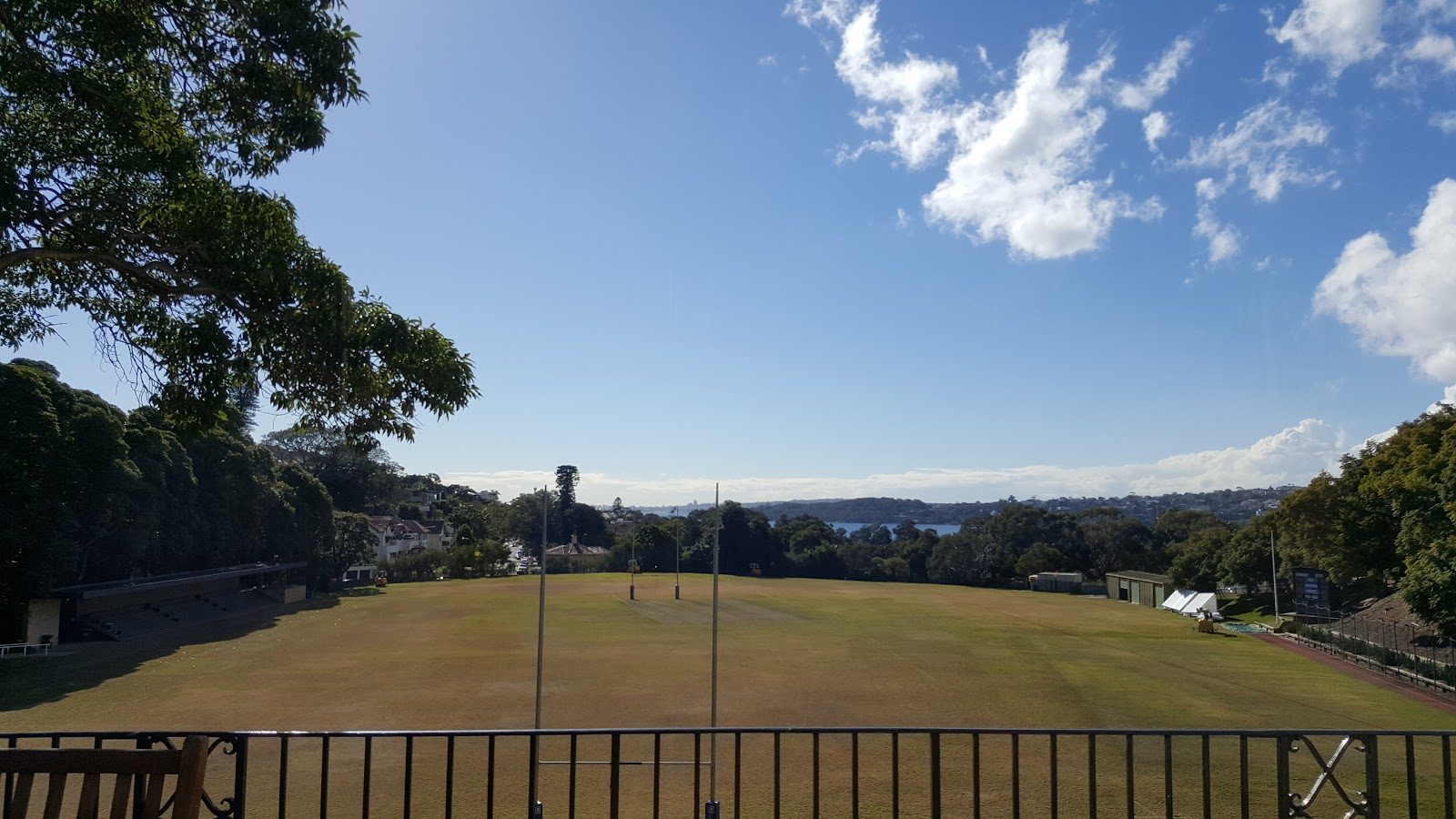
Cranbrook School
Sydney · Australia
Sydney's first IB Continuum School, pairing Bellevue Hill harbour views with a Blue Mountains bush campus for experiential learning.
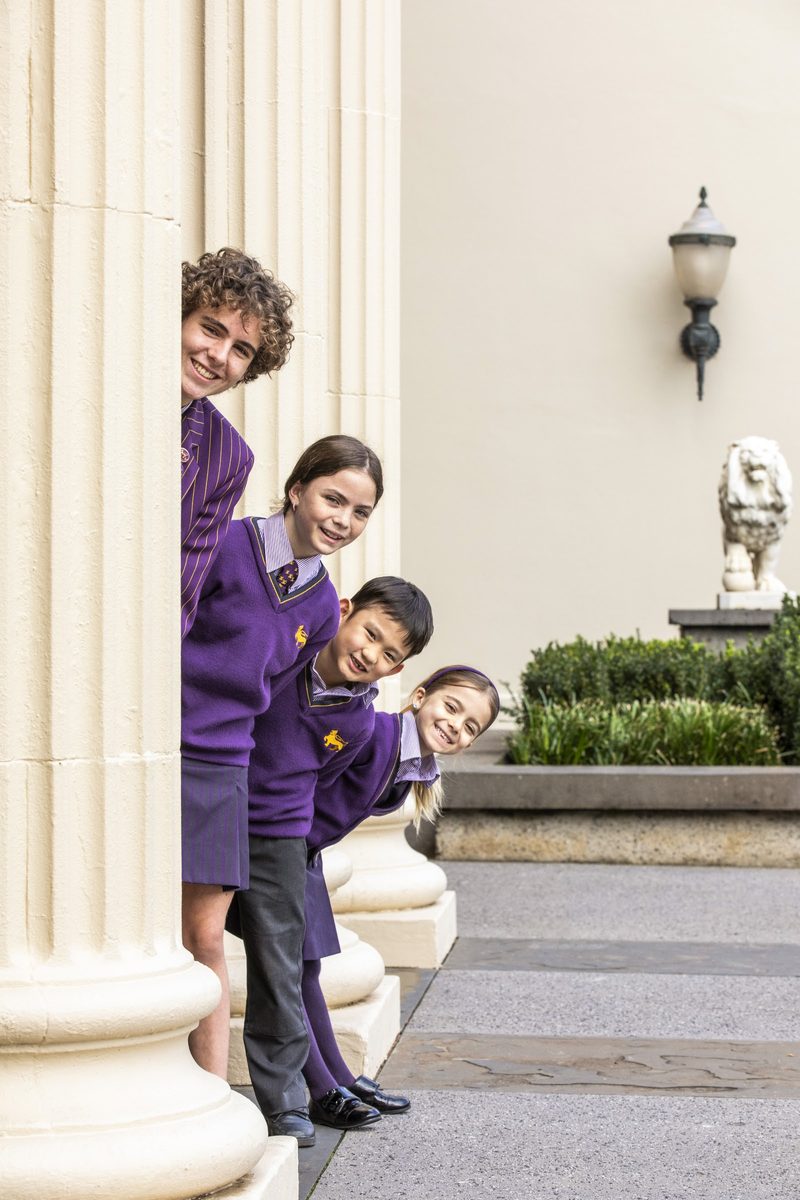
Wesley College
Melbourne · Australia
Runs the full IB continuum alongside VCE across three Melbourne campuses, reaching all the way to a studio school in the Kimberley outback.
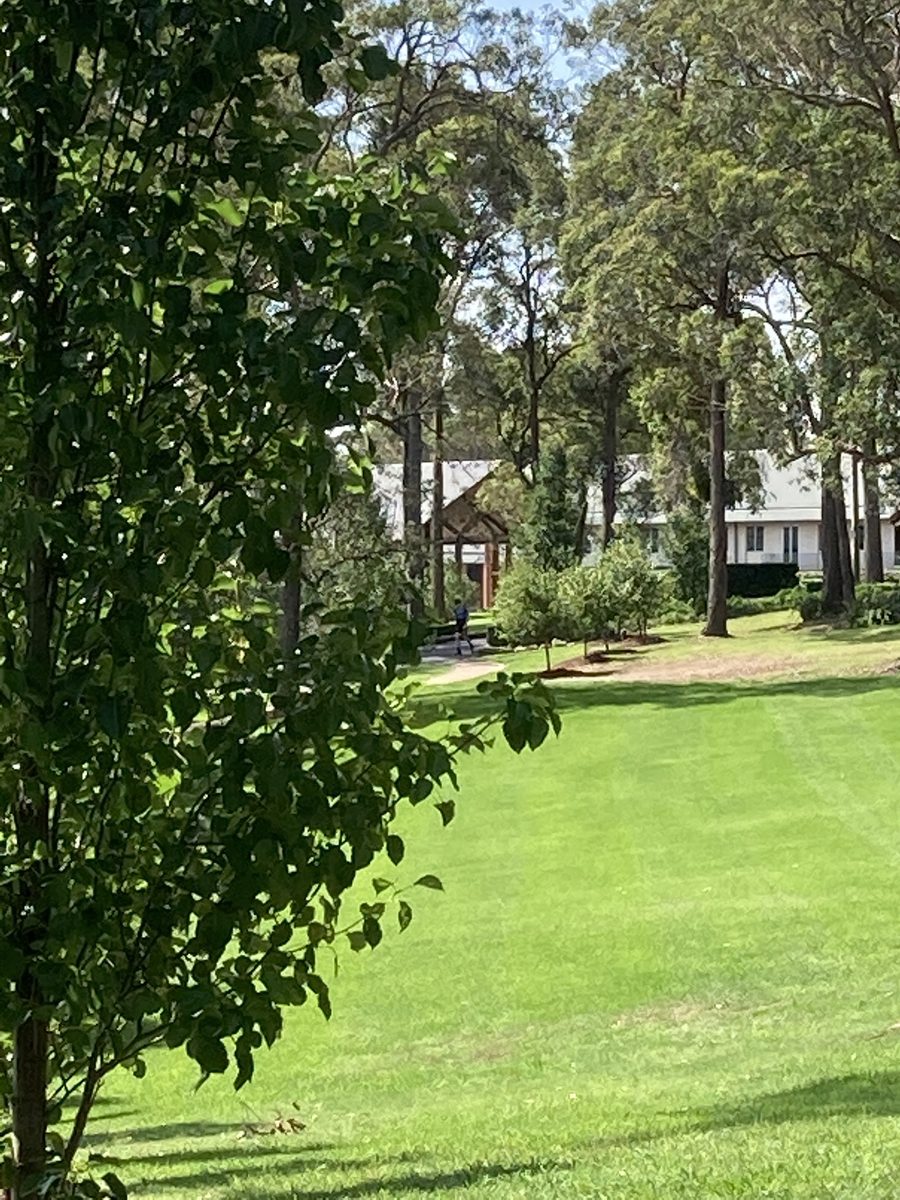
The King's School (Parramatta)
Parramatta · Australia
Australia's oldest independent school, where an 1831 foundation still marches in the country's oldest surviving military uniform and cadet corps.
Methodist Ladies' College
Melbourne · Australia
First school worldwide to put laptops in every student's hands in 1990, now pairing deep VCE-IB choice with an eight-week Marshmead wilderness term.
Same country and curriculum — closest matches within ±10 points either way