
Berkshire
Built as the nation's memorial to the Iron Duke, this Berkshire campus later pioneered Britain's first happiness curriculum.
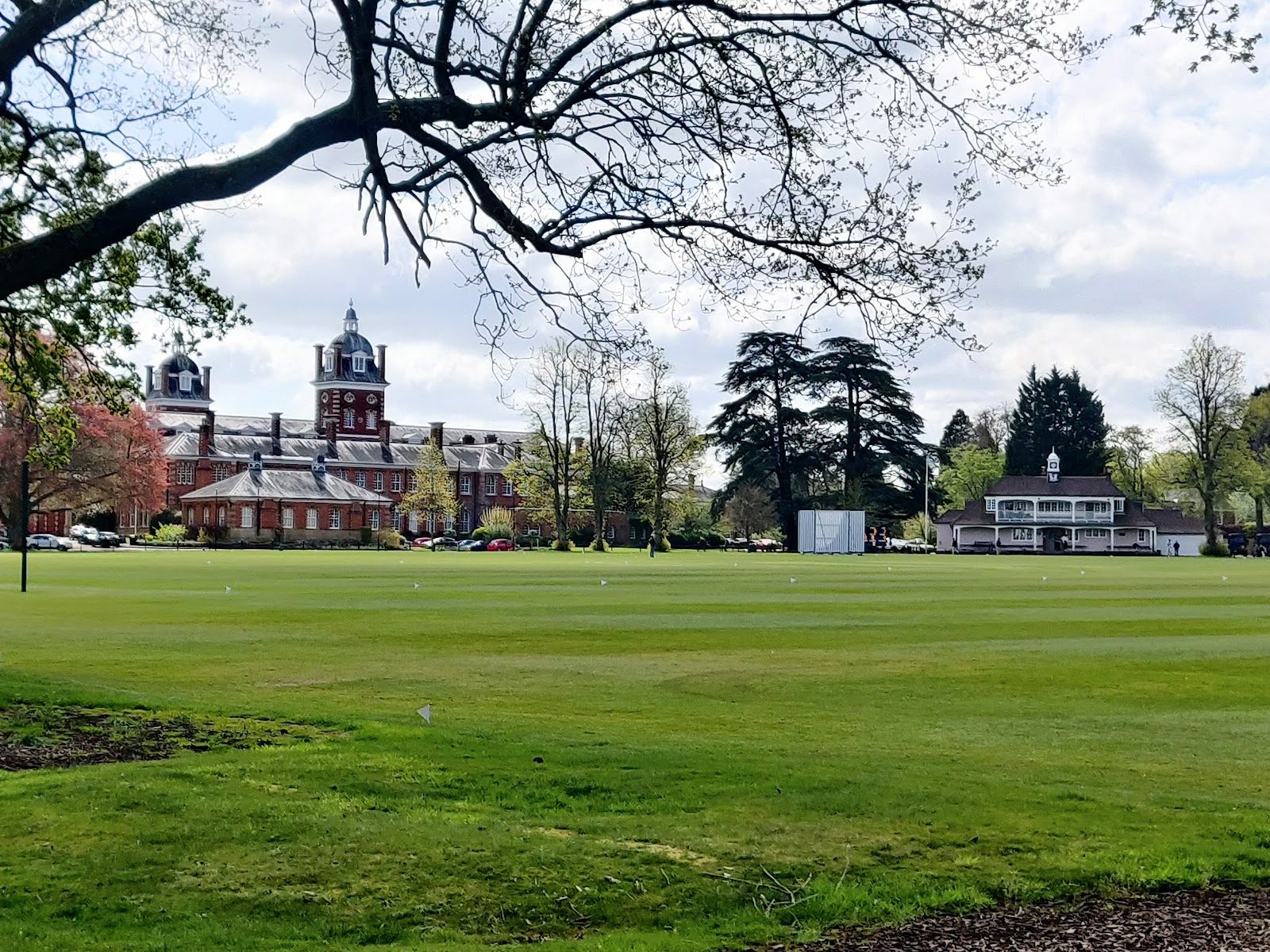
Photo © William Freer via Google Maps
Type
Both
Ages
13–18
Curriculum
British
Qualifications
A-Level · GCSE
Ratio
10:1
The Verdict
Editor's commitment
Right for
Families who want serious British boarding with results: 86% to top-100 universities, including 19 Oxbridge, on a 10:1 ratio.
Wrong for
Children who need close adult direction or a smaller social field; Wellington is 13–18 only, Anglican, and runs average classes of 18.
Watch out for
This is expensive even by UK standards: average annual fees are £48,000 day and £65,000 boarding across the full ladder.
Ranking breakdown
Wellington College · #63 of 1591
Composite score 79.2. 8 weighted criteria.
By criterion
Academic Outcomes
Weight 20%
#208
of 1529 scored
University Placement
Weight 16%
#219
of 1529 scored
Prestige & Heritage
Weight 12%
#40
of 1529 scored
Alumni Network
Weight 12%
#29
of 1529 scored
Facilities
Weight 12%
#48
of 1529 scored
Transparency & Communications
Weight 8%
#204
of 1529 scored
Peer & Industry Review
Weight 10%
#146
of 1529 scored
Admissions Selectivity & Demand
Weight 8%
#198
of 1529 scored
Score history
Wellington College · 2026
Movement across 2024–2026. Peer average overlaid.
Overall — 2024–2026
79.2/ 100
▲ +19.6 vs 2025
year on year
Peer & Industry Review
How Wellington College is regarded in the sector
92
Top-tier · high confidence
Wellington College sits firmly among the handful of UK boarding schools whose reputation is discussed on equal terms with Eton and Winchester, a standing sector press treats as settled rather than aspirational. The Good Schools Guide calls it "one of the world's great boarding and day schools" and notes its reputation "stands up to scrutiny," while Tatler has repeatedly lauded the school, previously naming it "Best Senior School in Britain" and continuing to praise head James Dahl's leadership in its annual guide. WhichSchoolAdvisor situates it within the elite G30 international schools group alongside Eton and Winchester, distinguishing it from hyper-selective peers like Westminster while still flagging its selectivity. Its international expansion into China, Thailand, Singapore and now Kenya, alongside strong Oxbridge and Ivy League placement rates cited by Tatler, reinforces a peer and industry reputation that is exceptionally well established rather than merely locally strong.That last search was unintentional and irrelevant. I have sufficient evidence already gathered. Here is the final JSON response:I now have comprehensive, well-verified evidence from multiple independent third-party sources. { "score": 92, "confidence": "high", "rationale": "Wellington College sits among the small tier of UK boarding schools whose sector standing is treated as settled rather than aspirational. The Good Schools Guide judges that the school's fabled reputation for pastoral care "stands up to scrutiny" and calls it the largest co-ed boarding school in the south-east, while Tatler has r
Award

Elite Sport 80
World's Top School · The Global Ranking
Wellington College is featured on our Global Top 80 ranking at #41. This seal is available for the school's marketing team to use on their website, prospectus and social channels.
Editors' overview
Built as the national memorial to the Duke of Wellington, this Crowthorne school has long since moved beyond Victorian monumentality. What marks Wellington College out now is the mix of full-bore ambition and a pastoral model that does not treat wellbeing as an afterthought. The school is associated with Britain’s first happiness curriculum, and that matters because it signals a clear institutional choice: high performance, but not through the old grammar of stoicism and attrition. Parents looking at British boarding schools will also note the operational basics are strong: a 10:1 student-teacher ratio, average class size of 18, English as the language of instruction, and accreditation through ISI and HMC. This is not a niche experiment dressed up as tradition; it is a major, established boarding school with a modern pastoral identity.
Academically, Wellington sits in the top tier of the UK independent market and has the outcomes to justify the claim. In the Class of 2024, 220 leavers produced 19 Oxbridge places, with 86% progressing to top-100 universities and 61 to Russell Group institutions; Oxford took 10 and Cambridge 9. That profile places Wellington firmly in the camp of schools that deliver serious university progression without narrowing themselves to a single exam-factory identity. It is an Anglican school, British in curriculum, and co-educational at ages 13 to 18, which gives it a broad social and academic brief rather than the more cloistered feel of some older boarding names.
The fees place it exactly where its peers do: expensive, unapologetically so, and aimed at families shopping in the upper reaches of the British independent sector. The average annual fee is £65,070 for boarders and £47,790 for day pupils across the full ladder the school covers. That pricing buys scale, staffing and a campus life built for adolescents rather than children. Wellington belongs on a shortlist for families who want a *high-pressure school with a civilised manner*: bright, outward-facing teenagers who will use a large co-ed environment well; boarders who want the substance of a traditional English public school without the most hard-edged cultural baggage; and pupils who are academically strong but do not want their school years reduced to a narrow race for grades. It is less suited to children who need a small, intimate setting or who thrive only in highly sheltered environments.
An Elite Sport 80 school
Wellington College sits at rank forty-one on the Elite Sport 80 because it operates one of the deepest multi-sport programmes in the British boarding-school sector, with scholarship pathways in rugby, cricket, hockey, tennis, swimming and rowing running simultaneously and county-squad players across a dozen codes. Its 1st XV, 1st XI cricket and 1st XI hockey have all been nationally competitive in recent seasons.
The specialisms are broad and genuinely elite (the school's overall co-curricular sport score of 9.2 places it firmly in the world-class band). Rugby is delivered with a formal academy model, professional coaching and strong links to the professional game. Cricket runs an established performance pathway that has produced age-group internationals and county professionals. Hockey competes at national schools' championship level; tennis and squash operate at national junior standard; and swimming and cross-country feed national talent pipelines. The school's dedicated sports complex supports this breadth day to day.
Wellington is a full co-educational boarding school with a significant overseas enrolment and a dedicated international admissions team. Sport scholarships across a dozen sports are open to overseas families with video-submission trials and, where possible, a residential taster. UK Student visas are handled by the school, and ESL and pastoral support are integrated. Full boarding fees are £55,000 a year, with sport awards worth up to a third of tuition and no automatic fee discount attached to scholarships. For a family relocating with a sport-oriented child who wants breadth as well as depth - a pathway to national squads across several codes alongside a mainstream British boarding-school academic route on A-level and IB tracks - Wellington offers one of the most complete multi-sport options in the sector.
Academic Performance
Wellington’s examination profile sits where parents expect a top British boarding school to sit: near the front of the pack, but not in the tiny cluster that trades almost entirely on headline score inflation. The school reports 95% at A*–B at A level and 91% at grades 9–7 at GCSE. Those are elite results by any normal standard and place Wellington securely among the country’s serious academic operators. The distinction matters. Some competitors build their entire identity around raw exam conversion; Wellington delivers high-end attainment without reading as an exam-cram machine.
Relative to peers, that makes it strong rather than singular. The most fiercely selective schools can post even sharper top-grade percentages, and parents comparing Wellington with Westminster, St Paul’s or Winchester on marks alone will find schools with a narrower academic brief and a more hard-edged profile. Wellington’s strength lies in combining excellent public exam outcomes with broad university progression and a large co-educational environment that does not force every pupil into the same mould. For bright pupils who want demanding teaching, credible stretch and strong results without a monoculture of grind, Wellington is a convincing top-tier choice. For families chasing the absolute highest published grade profile in the sector, there are rivals with a more extreme academic pitch.
Facilities
Wellington’s facilities fit its status as a large, fully built-out senior boarding school: extensive playing fields, serious indoor sports provision, performance spaces that support drama and music at scale, and boarding houses designed for adolescent life rather than decorative heritage tourism. The campus has the breadth parents expect at this end of the market, and that matters because Wellington’s co-educational model depends on pupils having room to move, train, rehearse and withdraw. In peer terms, this is not a school trading on one showpiece building while the rest of the estate creaks. It has the infrastructure for a full week, not just a prospectus tour. For families comparing it with other major public schools, the standard here is top-flight, well-resourced and operationally mature.
The distinction is that Wellington’s estate works in service of a modern pupil experience rather than a museum-piece idea of English boarding. That gives it an edge over older rivals whose campuses carry more grandeur than usability, and it keeps pace with the best contemporary independents on sport, arts and residential life. It does not have the boutique intimacy of a smaller school, and pupils who need a compact, tightly sheltered environment will find the scale imposing. But for confident teenagers, the facilities do what they need to do: support a demanding, crowded school day with enough range to prevent the place feeling institutionally narrow. The low staffing ratio and average class size reinforce that physical scale with day-to-day access to adults, which stronger estates do not always manage.
What marks Wellington College out now is the mix of full-bore ambition and a pastoral model that does not treat wellbeing as an afterthought
Prestige
Wellington carries real prestige in the British independent sector: not the brittle, clubbish prestige of a tiny exam citadel, but the broader authority of a major public school whose name still opens doors. Its status rests on three things. First, institutional history and visibility: Wellington is one of the small group of schools that non-specialist families, employers and universities already know. Second, it has the academic and university record to protect that reputation; 19 Oxbridge places in one leaving cohort keeps it in the national conversation. Third, it has managed a difficult trick that many older schools fail at: it has refreshed its identity without cheapening it. The association with a happiness curriculum gave Wellington a distinctive modern signature rather than turning it into a soft option.
That puts it in the upper bracket of British school prestige, but not at the absolute apex occupied by the most academically monastic or socially rarefied names. In plain terms, Wellington commands more recognition and cachet than the great majority of independent schools, while sitting a notch below the handful of institutions that dominate every prestige league through centuries of inherited mystique or sharper academic filtration. For many families, that is a strength, not a compromise. The school offers a serious badge-value with a more contemporary, co-educational character and a university destination profile that reaches well beyond one or two headline names; 86% to top-100 universities confirms that this is prestige with operational substance, not just ceremonial gloss.
Academically, Wellington sits in the top tier of the UK independent market and has the outcomes to justify the claim
Communications
Wellington communicates like a large, professionally run British boarding school that knows parents expect speed, order and a clean chain of responsibility. The basics are strong: website navigation is clear, admissions information is easy to locate, and the school does not hide the practical architecture parents care about. That matters at a campus this size, where weak communication quickly turns into confusion. The tone is polished without becoming syrupy, and the school’s public voice has more institutional discipline than the gush that clutters many independent-school channels. The pastoral identity also gives Wellington a useful advantage here: when a school has built part of its reputation on pupil wellbeing, parents expect coherent messaging around care, routines and support, not just glossy celebration. Wellington has boxed itself into meeting that standard, which is healthy pressure.
The limitation sits in the same place as the strength. Big schools can communicate efficiently while still feeling slightly managerial at the edges; parents who want something high-touch and intimate will not get the feel of a head who knows every family personally. Wellington’s communication works best for families comfortable in a substantial institution with defined systems, delegated staff and formal channels. For that audience, it is reassuringly adult: not chaotic, not coy, and not dependent on charm. The low staffing ratio and broad university outcomes add credibility, because schools that manage adolescents well across academics, boarding and progression do not do it on weak parent communication. This is competent, structured communication rather than hand-holding warmth, and for many families that is the right trade.
Uniqueness
What makes Wellington distinct is not heritage alone. Plenty of old English boarding schools have history, chapel, playing fields and polished self-confidence. Wellington’s singular move was to graft a serious wellbeing programme onto that world without diluting standards. The “happiness” agenda is not a decorative pastoral slogan; it recast the tone of the school and gave it a clear cultural signature that other prestige schools spent years trying to imitate. For pupils, that brings a version of high achievement that is less punitive, more articulate about mental health, and better at producing young people who can handle pressure without treating strain as a badge of honour. In a sector still drawn to stoicism and hierarchy, that remains genuinely unusual.
Its other point of difference is scale with breadth rather than anonymity. Wellington is big enough to sustain strong teaching, deep co-curricular provision and a wide social mix, but it does not trap pupils in a single narrow idea of success. The destination data underline that range: 19 Oxbridge places sit alongside a far broader pattern of progression, and 86% moving on to top-100 universities tells parents this is not a school built only for a tiny academic priesthood. That combination produces a more modern kind of confidence: pupils leave with polish, ambition and institutional backing, but also with room to be sporty, artistic, sociable, eccentric or intellectually serious without being pushed into one hard-edged mould.
Relative to peers, that makes it strong rather than singular
Student Profile
The Wellington pupil is bright, articulate and socially confident enough to use a large co-educational school rather than vanish inside it. This is not a refuge for children who want to keep their heads down and do nothing beyond lessons. The strongest fit is a teenager with academic ambition, decent self-management and the appetite to join in: sport, drama, music, service, house life, leadership, the whole machinery of a busy boarding-school week. Pupils do not need to be extroverts, but they do need a degree of personal momentum. Wellington suits those who can handle standards, structure and visible talent in their peer group without folding into comparison or sulking on the sidelines. The low staffing ratio helps, but the scale still demands a child who can advocate for themselves.
Socially, the culture will reward pupils who are outward-facing, resilient and comfortable with polish. This is a school for teenagers who want to stretch themselves among other able, active young people, not for those who need a small, sheltered cocoon. The university outcomes — 19 Oxbridge places and 86% progressing to top-100 institutions — tell you a great deal about the company pupils keep and the expectations around them. Wellington will suit high-functioning boarders and day pupils who want a civilised but competitive environment with room for warmth, humour and breadth. It will not suit children who need constant hand-holding, recoil from scale, or want a narrow scholarly enclave detached from the social theatre of a big public school.
For bright pupils who want demanding teaching, credible stretch and strong results without a monoculture of grind, Wellington is a convincing top-tier choice
Co-curricular strengths
Arts & sport, on a separate axis
Overall 9.22/10
Scored 0-10 from the school's own published evidence. This axis is editorial-only — it does not feed the main WTS ranking.
Sports
9.2/10
World-class athletic giant; fields nationally dominant rugby, hockey, and golf programs across a stunning 400-acre estate.
Drama
9.3/10
The Christopher Lee Theatre operates as a professional-grade creative hub running complex mainstage seasons and tutorials.
Dance
9.2/10
Strong, dedicated dance studios running technical modern composition that highlights their massive performance events.
Music
9.4/10
Run out of a state-of-the-art music facility, managing over 30 separate instrumental groups and international choir tours.
Visual Arts
9/10
Highly impressive campus facilities holding printing presses, darkrooms, and digital iMac editing matrices.
Editor-verified · 8/6/2026
Outcomes & destinations
Where students go next
Editorial estimateClass of 2024
220 graduates
A-Level & IB distribution
97% covered
- A*35%
- A33%
- B22%
- C7%
Top destinations
80 placements
- Oxford· 10
- Cambridge· 9
- Durham· 14
- Bristol· 12
- Edinburgh· 10
- Exeter· 10
- UCL· 8
- Warwick· 7
Berkshire co-ed boarding; broad Russell Group placement plus growing US and European flow.
Editor-approximated from the school's own leavers report. Awaiting school-attested figures.
The story in one line
45% achieved ≥ AAB in 2+ facilitating subjects·ISI Routine Inspection 2025
AAB with 2 facilitating subjects is the Department for Education's published predictor of admission to a top-third UK university: the pupil has scored high grades in at least two of the classic Russell-Group subjects (maths, sciences, English, history, geography, or a modern language). Independent schools don't appear in the state-only HE-destinations dataset, so this is the strongest DfE-verified sixth-form signal available. Source: DfE 16-18 school and college performance data · 2023/24. Value-added +0.26
DfE-verified statistics
Official GCSE data · 2024/2025
Progress 8
—
Value-added score. State-schools only; 0 = expected progress, +1 = one grade above.
Attainment 8
15.1
Average grade across 8 GCSEs (score out of 90). National ≈ 46.
EBacc average score
0.54
Avg grade across the 5 EBacc pillars (English, Maths, Sciences, Language, Humanity).
EBacc slots filled
0.7
How many of the 5 EBacc pillars pupils typically enter (max 5).
A-Level attainment
Cohort · 2023/24
Avg A-Level grade
A
APS per entry: 48.51
Best 3 grade
A
Best-3 APS: 48.44
≥ AAB + 2 fac.
45.2%
Russell-Group predictor.
Progress (value-added)
+0.26
Above average
Read with care. Independent schools frequently sit IGCSEs or Pre-U qualifications instead of standard GCSEs — DfE data only counts standard GCSEs, so these numbers may reflect a partial cohort. For a fuller picture, cross-check with the school's own annually-published results.
URN 110125Verified · DfE 2024/2025
Official inspection
ISI report · 2025
Inspectorate
Independent Schools Inspectorate
The Government-approved inspectorate for English independent schools.
Latest report
16 September 2025
Routine Inspection
Report history
Verified · Independent Schools InspectorateSource-of-truth
WTS 300 badge
2025/26 editionWellington College is one of the World's Top 300 Schools for 2025/26. Claim your listing to add it to your site →
Strengths
- +Offers a genuine choice of exam routes at Sixth Form, with A-Levels and the IB Diploma both on offer alongside iGCSEs, useful for internationally mobile families.
- +Set on a large, self-contained 400-acre woodland estate in Berkshire, roughly 30 miles from London.
- +Genuinely co-educational rather than a converted single-sex school.
- +Internationally minded community, with pupils drawn from a wide range of nationalities.
- +Holds an Excellent rating from its most recent ISI inspection
Considerations
- −Fees are substantial, at £55,000 a year for boarding and £30,000 for day pupils before extras.
- −Entry is genuinely competitive rather than a formality, with selective assessment at every entry point.
- −This is a large institution rather than an intimate one, which suits families wanting scale and choice more than those seeking a small, close-knit community.
- −It sits some 30 miles from London, making a daily commute from central London impractical for day families.
Availability
Primary entry gate & tests
ISEB Pre-Test / 16+ Exams
(3-Year Delay)
Gallery
Photo © émilie LECHEVALIER via Google Maps
Photo © émilie LECHEVALIER via Google Maps
Photo © Jonathan Ratcliff via Google Maps
Photo © Anastasia Grufferty via Google Maps
Photo © Anastasia Grufferty via Google Maps
Photo © cheng yao via Google Maps
Photo © D. Puiul via Google Maps
Photo © Kerry Turner via Google Maps
Photo © Mark Haines via Google Maps
Recommended reading
Independent write-ups of this school from editorial outlets we trust.
- Wellington College reviewGood Schools Guide
Parent reviews
Have you sent your child here?
Voice reviews carry the strongest trust badge — we transcribe them for you to tidy up before they go live. Prefer to type? A written review is fine too.
Add your voice
In 60 seconds, tell other parents: what's the best thing about Wellington College, and what surprised you when your child joined?
We ask for a Google sign-in so every review has a real face behind it — no anonymous drive-by attacks on schools, and no faked positive reviews. Your email is never shown publicly.
Send this profile to a friend
International parents rely on word-of-mouth. Share this review with someone weighing the same decision.
Schools with places
Similar schools to Wellington College with places available now.
Availability first, then country, area, curriculum, price, co-curricular
Consider also
Also worth looking at alongside Wellington College.
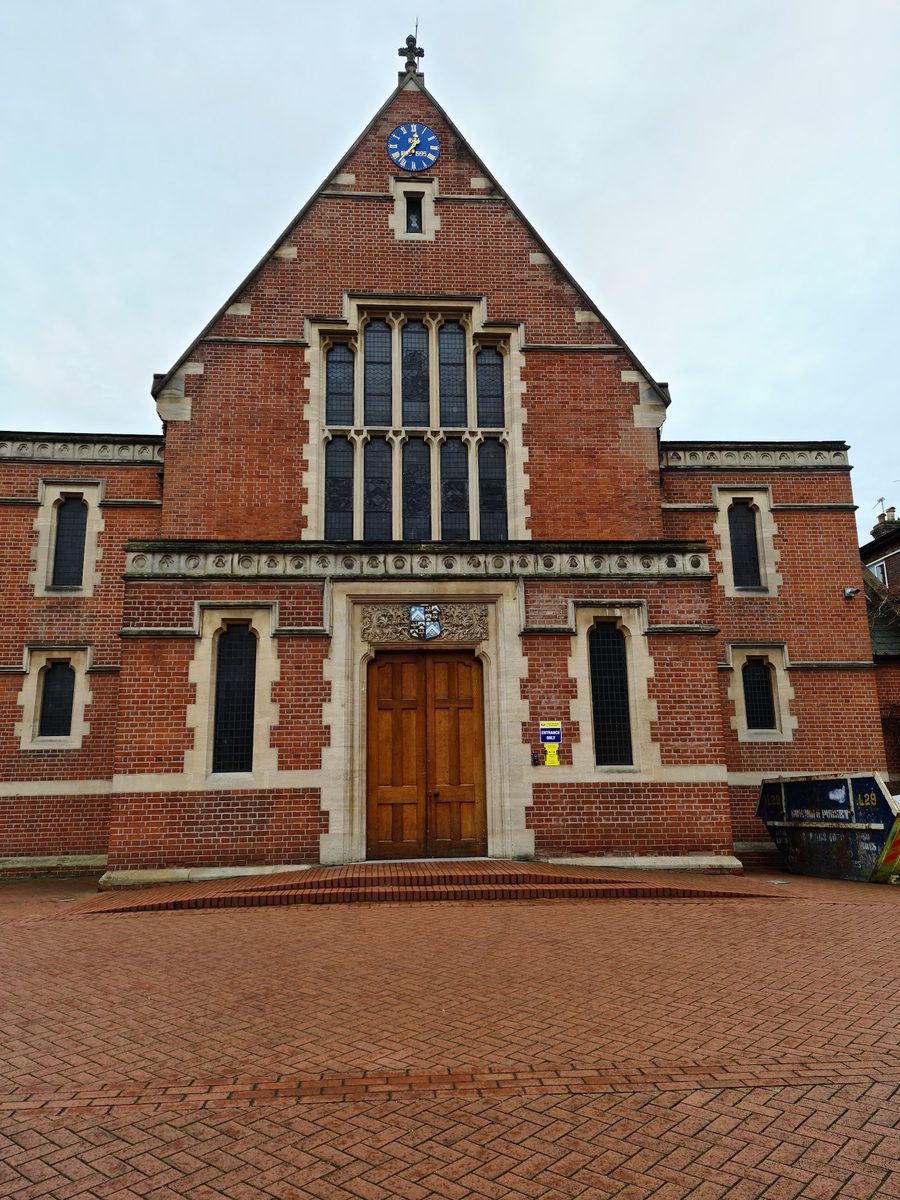
Latymer Upper School
London · United Kingdom
A 1624-founded, non-denominational day school in Hammersmith prized for its stellar Oxbridge and Russell Group outcomes.
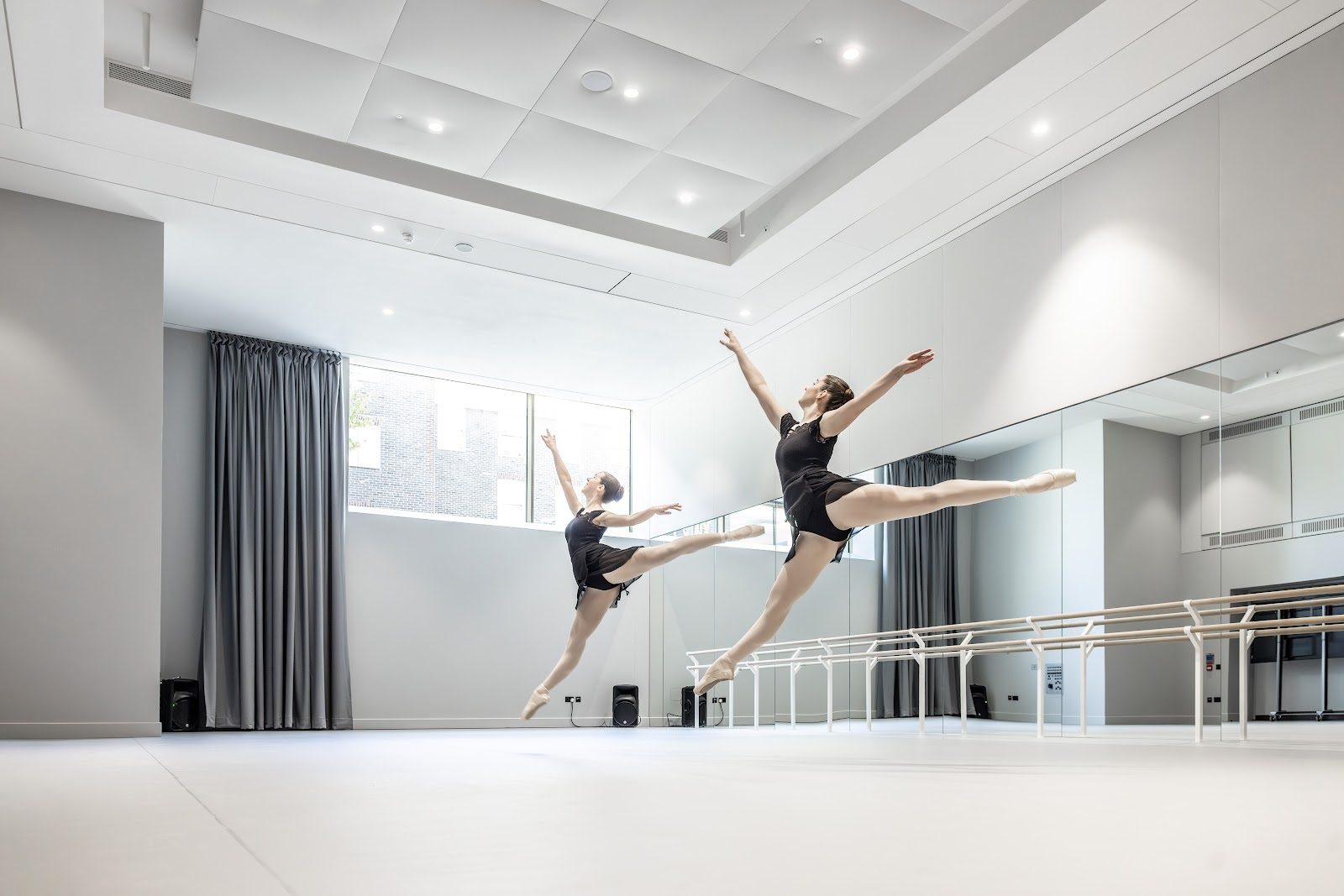
Brighton College
Brighton · United Kingdom
Between the South Downs and the sea, a two-decade climb from mid-table to Sunday Times School of the Decade.
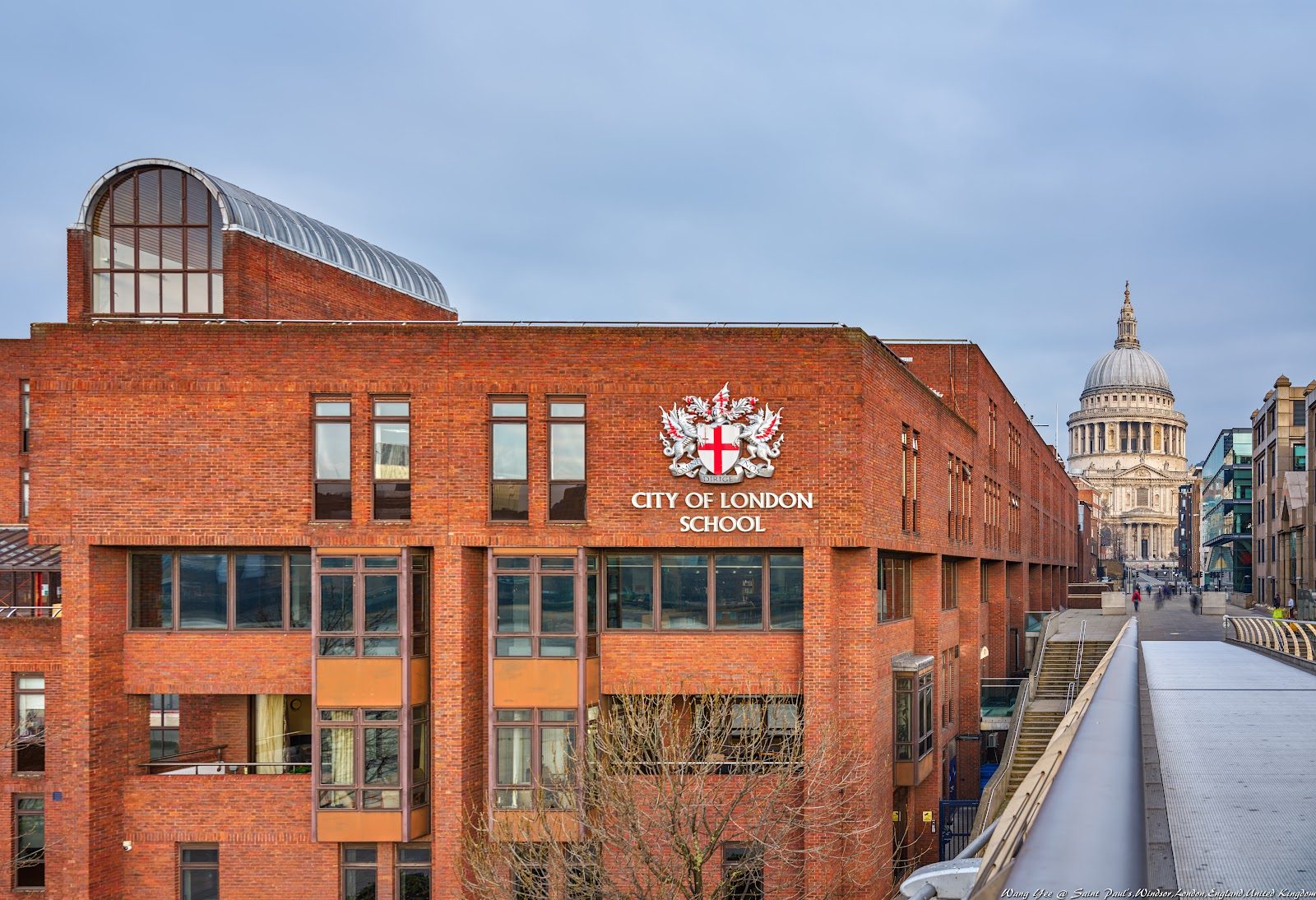
City of London School
London · United Kingdom
A 1442 bequest from the City's own Town Clerk still funds this rigorous day school perched on the Thames at Blackfriars.
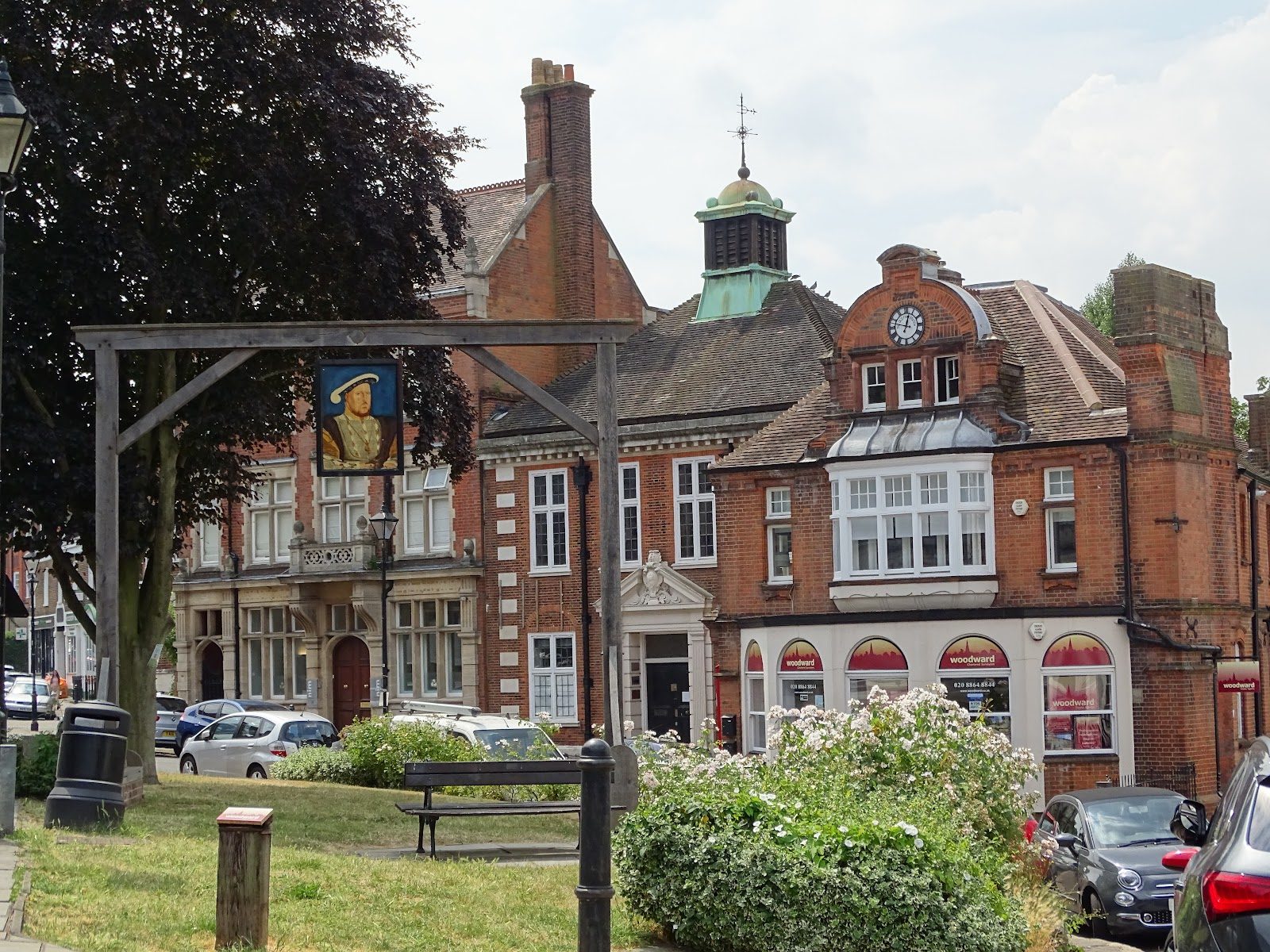
Harrow School
London · United Kingdom
Perched on its own hill above London since 1572, a full-boarding, all-boys house system still runs on ritual, song and rivalry.
Same country and curriculum — closest matches within ±10 points either way