
Queensland
Ipswich Grammar School
Queensland's oldest grammar school, its Gothic Revival Great Hall still anchoring lessons atop Grammar School Hill.
Type
Day + Boarding
Ages
5–18
Curriculum
QCE
Ratio
—
The Verdict
Editor's commitment
Right for
Boys aged 5–18 who want a day-and-boarding school in Ipswich with QCE and an unapologetically male, explicit-teaching model.
Wrong for
Families wanting co-education in the main school, an IB or British pathway, or a softer culture than 'Made for Boys'.
Watch out for
Queensland's oldest grammar school trades hard on tradition; the website publishes no aggregate QCE outcomes, so academic proof needs probing.
Ranking breakdown
Ipswich Grammar School · #804 of 1591
Composite score 46.8. 8 weighted criteria.
By criterion
Academic Outcomes
Weight 20%
#1085
of 1529 scored
University Placement
Weight 16%
#1089
of 1529 scored
Prestige & Heritage
Weight 12%
#1392
of 1571 scored
Alumni Network
Weight 12%
#1403
of 1530 scored
Facilities
Weight 12%
#1162
of 1533 scored
Transparency & Communications
Weight 8%
#865
of 1532 scored
Peer & Industry Review
Weight 10%
#1213
of 1548 scored
Admissions Selectivity & Demand
Weight 8%
#1232
of 1529 scored
Peer & Industry Review
How Ipswich Grammar School is regarded in the sector
78
Strong · medium confidence
Ipswich Grammar School is regarded within Queensland's Great Public Schools (GPS) network as a solid, historically significant boys' school rather than a top academic powerhouse. Founded in 1863, it is Queensland's oldest boarding and grammar school, giving it standing among peer institutions such as Brisbane Grammar and Toowoomba Grammar, though it is typically ranked below these in QCE/ATAR outcome tables published annually by the Queensland Department of Education and reported in the Courier-Mail's school performance data. University pathways commentary and QTAC destination data show consistent placement of graduates into University of Queensland and QUT, though without the elite Group of Eight concentration seen at Brisbane's very top GPS schools. Independent education commentary (Good Schools Guide-style regional coverage, local Queensland media) frames Ipswich Grammar as a respected, traditional single-sex school strong in rowing, rugby and cadets, with steady rather than standout ATAR results. It lacks significant profile in national league tables (e.g., The Australian's Top schools lists) compared to Brisbane's leading GPS schools, positioning it as a solid regional performer rather than a nationally benchmarked academic leader.
Award

Elite Sport 80
World's Top School · The Global Ranking
Ipswich Grammar School is featured on our Global Top 80 ranking at #77. This seal is available for the school's marketing team to use on their website, prospectus and social channels.
- Robert Philp — Premier of Queensland, businessman
- Littleton Groom — Federal politician, Speaker of the House of Representatives
- William Henry Groom — politician, businessman
Editors' overview
Ipswich Grammar School trades on two assets that many Queensland schools cannot match: history and clarity of purpose. Founded in 1863, it is Queensland’s oldest grammar school, and the setting still matters. The Great Hall on Grammar School Hill gives the school a physical centre of gravity that newer campuses cannot manufacture; this is a school with institutional memory, ceremonial heft and a strong sense of continuity. The proposition is plain: boys-only, non-denominational, day and boarding, Prep to Year 12, with English as the language of instruction and the QCE curriculum. That focus gives Ipswich Grammar a clean market position. Parents who want a co-educational, progressive, loosely structured environment should look elsewhere. Parents who want a traditional boys’ school with a defined code, visible heritage and a serious boarding identity should put it on the shortlist.
What marks Ipswich Grammar out is not novelty but discipline of method. The school states that Explicit Teaching is its instructional framework, with lessons broken into sequenced blocks, clear goals and weekly parent feedback. That is a concrete academic model, not empty rhetoric. It suits boys who benefit from structure, repetition and direct instruction, and it gives parents a clear idea of how teaching works day to day. The school also advertises more than 40 co-curricular activities, with sport given real prominence through its connection to the GPS tradition. That mix creates a competitive edge, old-school rigour and a culture that prizes performance, routine and participation over self-expression for its own sake.
Boarding is central to the school’s identity, not a side offering. The public emphasis on “Building the Future of Boarding” and the dedicated IGS Connect programme for boys in rural and remote Australia tell parents exactly where the school sees growth and purpose. That strengthens its appeal for country families who want a metropolitan education without losing a recognisable pastoral and community framework. It also sharpens the school’s type: this is a good fit for boys who thrive in a structured community, who enjoy sport and house-style belonging, and who respond to clear expectations. Boys who dislike hierarchy, ceremonial culture or single-sex schooling will not enjoy it. Boys who want clear standards, strong routines and a robust sense of belonging will.
An Elite Sport 80 school
Ipswich Grammar School in Queensland is at rank seventy-seven on the Elite Sport 80 because it is one of the state's most productive Great Public Schools boarding institutions across rugby, rowing and cricket, with a sustained Wallabies pipeline and consistent Queensland Bulls representative output. The 1st XV rugby squad competes at the top of the GPS Queensland competition, and the 1st VIII rowing crew is a Head of the River finalist.
The specialisms are rugby union (with a formal academy model, professional coaching and links to the Queensland Reds and Australian Rugby), rowing (with a full boathouse and integrated training programme), cricket (a Queensland Bulls pipeline through Cricket Queensland), athletics and swimming. Basketball, football, tennis and water polo run at high schoolboy standard.
Notable alumni across codes include several Wallabies and Super Rugby regulars from the past two decades, multiple Olympic rowers across recent Games, and — in cricket — a rolling roster of Queensland Bulls squad members. In athletics, several Australian representative sprinters have come through, and the school's swimming programme has produced multiple national age-group representatives.
International openness is genuine. Ipswich Grammar is a full boys' boarding school with an established overseas cohort — particularly from Papua New Guinea, the Pacific islands, southern Africa, the UK and mainland Europe — and integrated ESL and pastoral support. Fees for full boarding sit around A$48,000-54,000 per year, positioning it in the mid-tier of Australian boarding costs and well below equivalent US boarding schools with comparable sporting output. Admissions is a standard application process plus a sport-specific reference or trial where relevant. Australian student visas are straightforward for full-time enrolment. For a family relocating from a rugby-, rowing- or cricket-strong nation to Queensland and targeting a genuine Wallabies, Olympic rowing or Test cricket pathway alongside HSC and NCAA D1 recruiting options, Ipswich Grammar is one of the top five GPS boarding schools in the state and one of the best-value elite-sport options in Australia.
Academic Performance
Ipswich Grammar gives parents a clear account of how it teaches; it does not give them a clear account of what that teaching produces in public examinations. We have not seen aggregate QCE outcomes, ATAR distribution, subject-level distinctions or state-ranking data published in the public domain. That is a real weakness in the school’s academic case. For a school that stresses explicit instruction, weekly parent feedback and high expectations, the absence of headline attainment data leaves parents to infer quality from method, culture and reputation rather than test it against results. In a competitive Queensland market, that is too opaque.
Relative to peers, Ipswich Grammar sits in the camp of established independent schools with a strong academic structure but without the level of public results disclosure that the strongest performers use to sharpen their case. The school’s public story leans harder on boys’ education, co-curricular breadth and boarding development than on measurable examination success. That does not indict standards; it does limit scrutiny. Parents comparing it with academically results-forward rivals should ask for recent QCE and ATAR profiles, subject-by-subject performance and the spread at the top end before drawing conclusions. Until that data is published, Ipswich Grammar’s academic performance remains credible but unproven in public, which places it short of the most transparent schools in its bracket.
Facilities
The campus’s defining facility is the Great Hall on Grammar School Hill. That heritage core gives Ipswich Grammar a physical identity that many suburban independents lack: ceremonial, visible and rooted. It matters less as a postcard feature than as an organising centre for school life. The hilltop setting and heritage buildings create a campus with real presence, but parents should not confuse that with cutting-edge infrastructure across every department. The school’s public case puts more weight on tradition, boarding development and activity breadth than on specialist laboratories, performing arts venues or elite maker spaces. Against top-fee metropolitan rivals that market science centres, black-box theatres and indoor aquatic complexes as standard, Ipswich Grammar is more institutional than flash.
Where the facilities case strengthens is breadth of use rather than trophy architecture. The school advertises more than 40 co-curricular activities, and its place in the GPS sporting world points to serious playing fields, training areas and the practical infrastructure needed to sustain a busy boys’ programme. Boarding also sits near the centre of the estate, not at the margins, with current emphasis on future boarding provision signalling active investment rather than complacency. There is also the IGS Connect offer for rural and remote families, which expands access beyond the physical campus. Still, the school does not publish the kind of detailed facilities inventory that stronger peers use to prove depth. That leaves Ipswich Grammar with a compelling historic campus, a credible sporting base and an under-explained specialist facilities story.
Ipswich Grammar School trades on two assets that many Queensland schools cannot match: history and clarity of purpose
Prestige
Ipswich Grammar carries real prestige in Queensland because its status rests on durable institutional markers, not on fashionable branding. It holds the distinction of being the state’s oldest grammar school, occupies a heritage-registered site, and still has a Great Hall that gives the place ceremonial weight few schools can match. That matters. Prestige in Australian independent schooling still draws heavily from continuity, architecture, old-boy networks and recognised sporting associations, and Ipswich Grammar has all of that in working order. Its standing is strengthened by its place in the GPS orbit and by a public identity that is unapologetically traditional, hierarchical and boys-focused. For families who value lineage, ritual and a school with a strong social signal, an Ipswich Grammar education carries clear cachet.
That prestige has limits. It is not the same thing as top-tier national academic lustre, because the school does not publish the exam data that would convert heritage into hard contemporary proof. Nor does its public case trade on global branding or selective-scholar glamour. Its reputation is strongest in the old Queensland independent-school world: boarding families, regional networks, competitive sport and established professional circles. The school advertises more than 40 co-curricular activities and puts heavy emphasis on performance and belonging; that reinforces a serious, old-guard profile. In short, Ipswich Grammar is prestigious because it is entrenched, recognisable and socially legible. It is less powerful as a prestige brand for parents who prize measurable academic dominance above all else.
The hilltop Great Hall, the boys-only structure, the motto, the boarding emphasis and the GPS lineage all pull in the same direction
Communications
Ipswich Grammar communicates with parents in a way that mirrors the school itself: direct, structured and tightly managed. The clearest proof is the promise of weekly feedback alongside formal reports through the year. That cadence matters. It gives families a regular line of sight into classroom expectations rather than confining communication to termly paperwork or crisis moments. The site also puts obvious entry points front and centre — Enrol Now, Book a Tour, Download Prospectus, Meet our Headmaster — which tells you the school understands that parents want quick routes to action, not a maze. The message discipline is strong: boys, standards, effort, honour, boarding, activity, explicit teaching. Parents will not struggle to work out what the school values.
The weakness is depth. The school communicates identity better than evidence. It tells parents how boys are taught and that there are more than 40 activities, but it gives less public detail on outcomes, specialist provision and the practical texture of daily school life than the best communicators in the sector. The prose also carries a hard institutional line: confident, old-school and at points unbending. For families who want certainty, that works. For families who want searching disclosure, comparative data and a fuller view behind the slogans, it falls short. In short, parent communication is clear and regular in format, but selective in substance.
Uniqueness
Ipswich Grammar is unusual because its identity is so tightly assembled. Many old schools carry history as decoration; here it governs the whole proposition. The hilltop Great Hall, the boys-only structure, the motto, the boarding emphasis and the GPS lineage all pull in the same direction. There is no attempt to dilute that with trend-driven language about personalised pathways for every temperament. The school knows what it is: a tradition-bound, performance-centred institution built around shared ritual, visible standards and a male peer culture. Even its academic method fits that frame. Explicit Teaching, weekly parent feedback and a broad co-curricular menu of more than 40 activities create a school day with tight structure and very little ambiguity about expectations.
For students, that brings advantages and costs. Boys who work best with routine, direct instruction and collective identity get a clear runway: they know where they stand, what is required and how success is recognised. Boarders and rural families also get a school whose pastoral and social life sits at the core rather than the fringe, reinforced by IGS Connect for remote students. The result is a cohesive, old-school environment with strong tribal loyalty and plenty of chances to compete, lead and belong. The trade-off is plain. Boys who want a looser culture, co-educational social life or room to resist hierarchy will find Ipswich Grammar constraining. Its uniqueness lies in that refusal to blur its edges.
Founded in 1863, it is Queensland’s oldest grammar school, and the setting still matters
Student Profile
The boys who fit best here are those who do well with structure, pace and public expectations. Ipswich Grammar is built for students who can live inside a school culture that values effort, routine and collective standards over self-invention. A sporty, competitive boy will have plenty of ways to plug in, but the school is not only for athletes. It also suits boys who respond to direct instruction, clear rules and adult oversight, and who do better when school life has a firm shape from classroom to co-curricular timetable. Boarders and boys from rural and remote families have an obvious place in that picture, with boarding and IGS Connect treated as core parts of the school rather than peripheral add-ons. The best fit is a boy who wants a defined role, a strong peer tribe and a school that keeps him busy, visible and accountable.
The weaker fit is just as clear. A boy who dislikes single-sex settings, resists hierarchy or wants broad freedom to negotiate expectations will chafe here. So will a student who needs a softer, less competitive social atmosphere or who wants school identity to sit lightly in the background. Ipswich Grammar asks boys to buy into a disciplined, old-guard culture with a conspicuous code of conduct and a heavy emphasis on participation. For the right student, that creates belonging and momentum. For the wrong one, it feels confining and unforgiving. The breadth of activities — more than 40 — widens the entry points, but it does not alter the core type.
The proposition is plain: boys-only, non-denominational, day and boarding, Prep to Year 12, with English as the language of instruction and the QCE curriculum
Co-curricular strengths
Arts & sport, on a separate axis
Overall 7.8/10
Scored 0-10 from the school's own published evidence. This axis is editorial-only — it does not feed the main WTS ranking.
Strengths
- +One of Queensland's oldest schools, founded in 1863, with a well-established heritage campus in Ipswich.
- +Member of the GPS (Greater Public Schools) Queensland association, giving boys a long-standing competitive sporting pathway.
- +Offers both day and boarding places, providing an option for regional and international families needing residential care.
- +Delivers the QCE curriculum with an ATAR pathway, giving graduates a recognised route into Queensland and interstate universities.
- +Located around 40km from Brisbane, making it a more affordable alternative to inner-city GPS schools for families willing to commute or board.
Considerations
- −All-boys school, so it will not suit families wanting a co-educational environment for their son or a place for daughters.
- −Distance from Brisbane CBD means day families outside Ipswich face a longer commute than at city-based GPS schools.
- −Boarding adds a further layer of fees on top of tuition, which should be budgeted for separately.
- −As a single-sex, mid-sized regional school, subject and elective breadth in senior years may be narrower than at larger metropolitan campuses.
Parent reviews
Have you sent your child here?
Voice reviews carry the strongest trust badge — we transcribe them for you to tidy up before they go live. Prefer to type? A written review is fine too.
Add your voice
In 60 seconds, tell other parents: what's the best thing about Ipswich Grammar School, and what surprised you when your child joined?
We ask for a Google sign-in so every review has a real face behind it — no anonymous drive-by attacks on schools, and no faked positive reviews. Your email is never shown publicly.
Send this profile to a friend
International parents rely on word-of-mouth. Share this review with someone weighing the same decision.
Schools with places
Similar schools to Ipswich Grammar School with places available now.
Pymble Ladies' College
Sydney · Australia
- 2026-27
- WAITPOOLVacancy-dependent
- 2027-28
- PLACES OPEN
Ivanhoe Grammar School
Melbourne · Australia
- 2026-27
- WAITPOOLVacancy-dependent
- 2027-28
- PLACES OPEN
Ascham School
Sydney · Australia
- 2026-27
- WAITPOOLVacancy-dependent
- 2027-28
- PLACES OPEN
Wesley College
Melbourne · Australia
- 2026-27
- WAITPOOLVacancy-dependent
- 2027-28
- PLACES OPEN
Availability first, then country, area, curriculum, price, co-curricular
Consider also
Also worth looking at alongside Ipswich Grammar School.
Maribyrnong Sports Academy
Maribyrnong, VIC · Australia
Where VCE study and elite training share a timetable, inside Victoria's only state-funded sports school program.
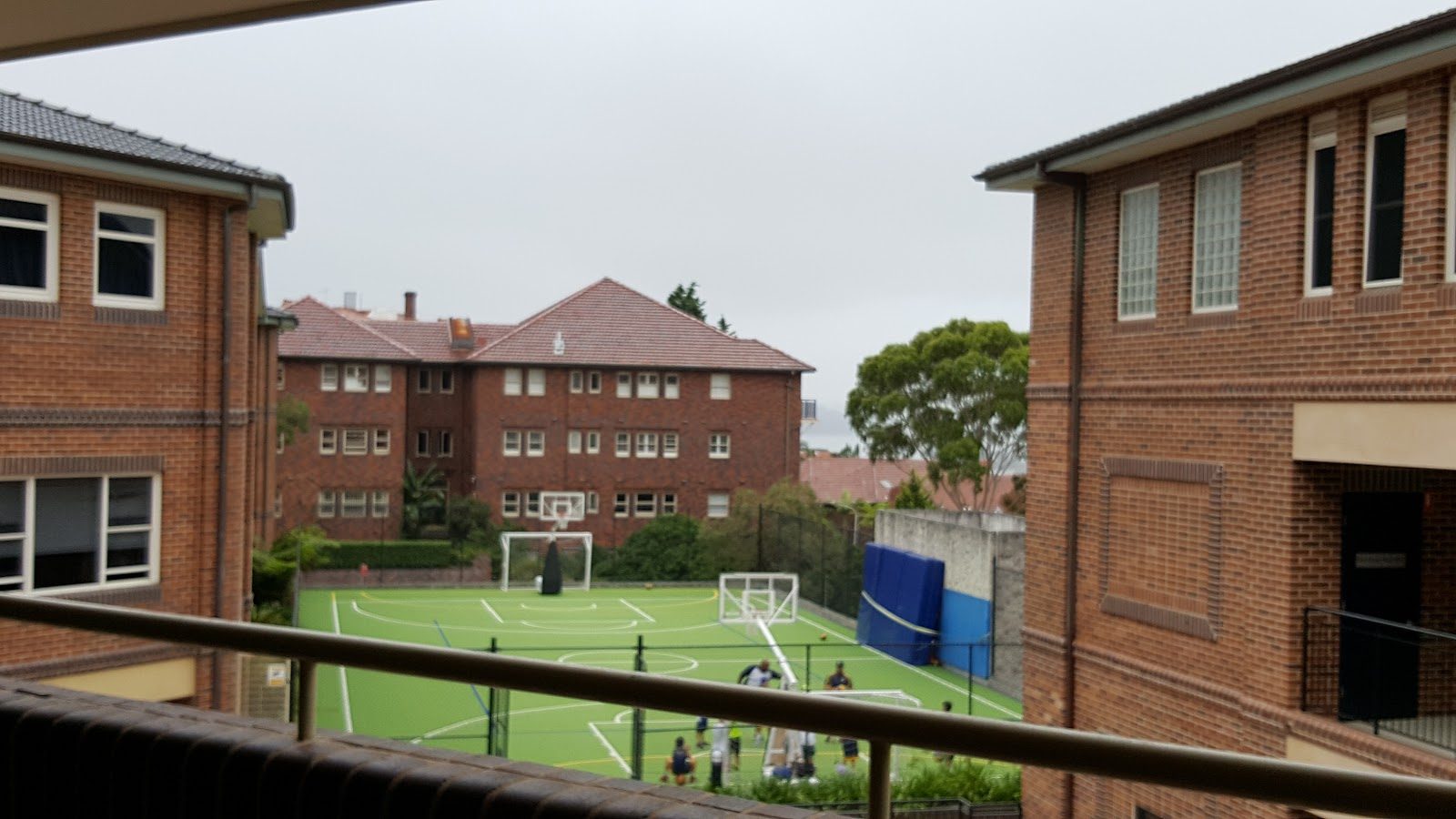
The Scots College
Bellevue Hill, NSW · Australia
Presbyterian boys' school since 1893, blending IB and HSC study with a Kangaroo Valley outdoor campus and five heritage boarding houses.
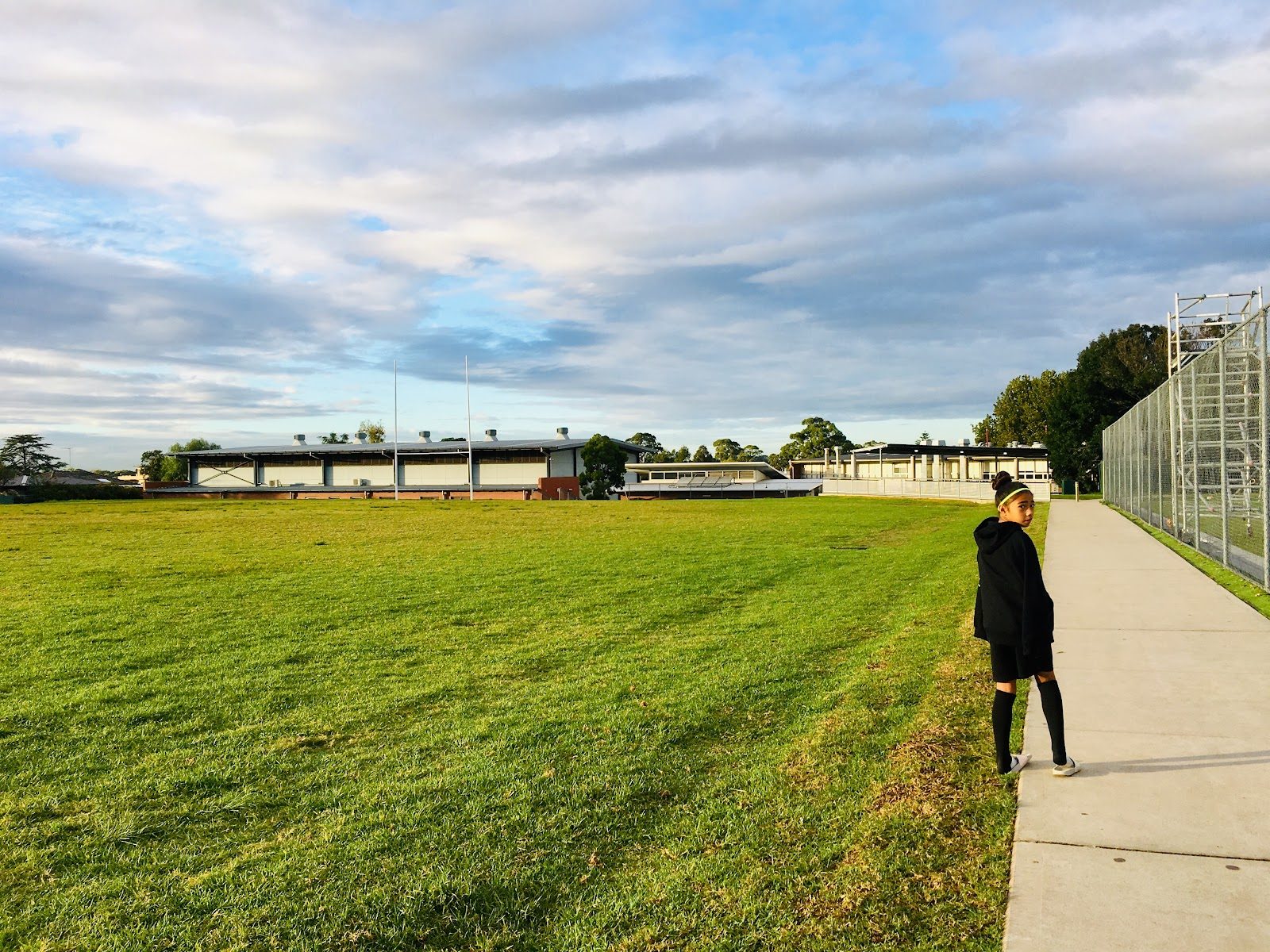
Westfields Sports High School
Fairfield West, NSW · Australia
Australia's first dedicated sports high school, pairing HSC study with pathways to NRL squads and Olympic teams in western Sydney.
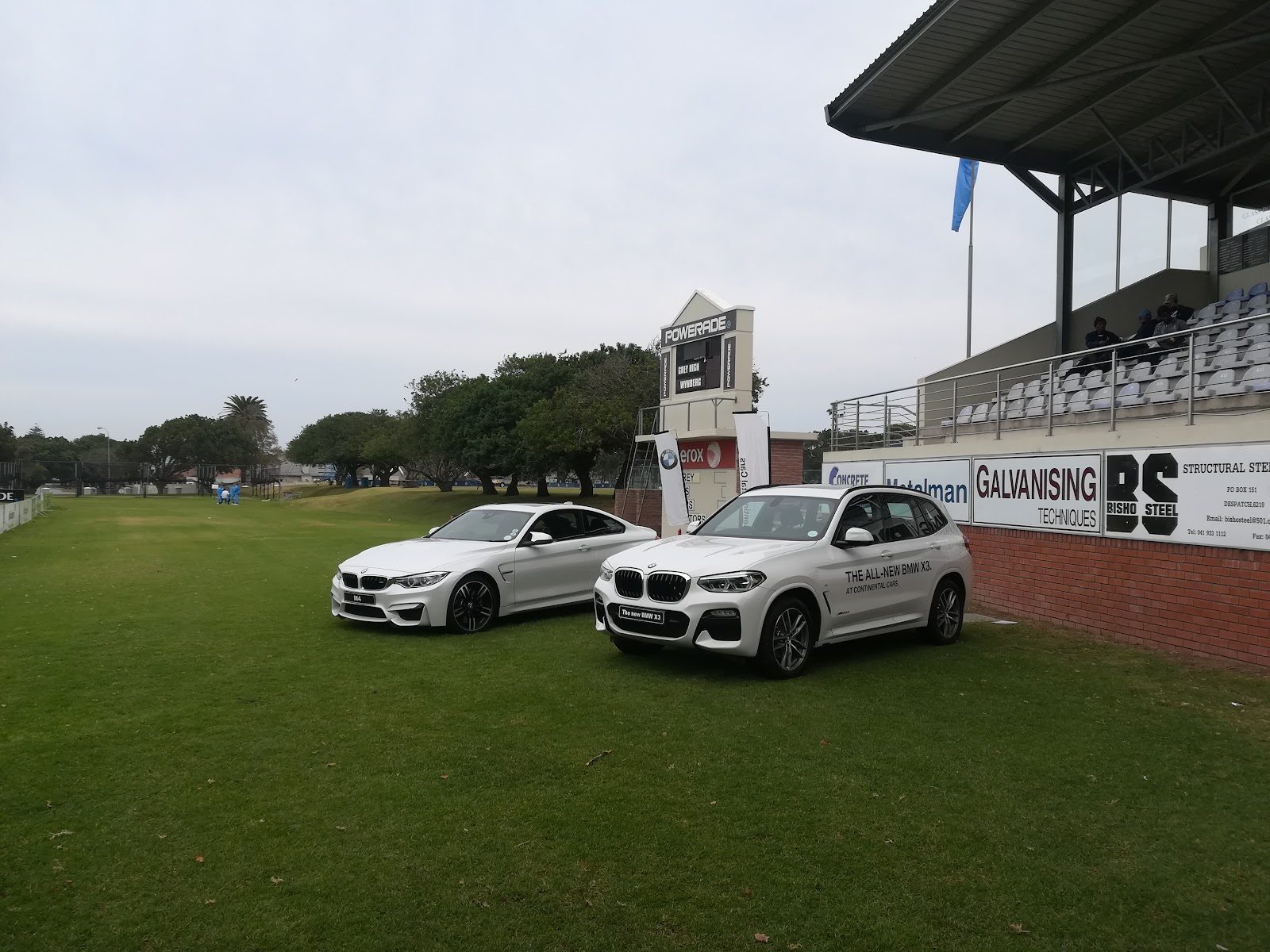
Grey High School Gqeberha
Gqeberha (Port Elizabeth) · South Africa
Founded in 1856 on the Eastern Cape coast, a storied rugby stronghold still built on mind, body and spirit.
Same specialism, country and curriculum — closest matches within ±10 points either way