
Victoria
Maribyrnong Sports Academy
Where VCE study and elite training share a timetable, inside Victoria's only state-funded sports school program.
Type
Day
Ages
12–18
Curriculum
VCE
Ratio
—
The Verdict
Editor's commitment
Right for
Athletes aged 12–18 who want VCE in English without leaving Victoria's only state-funded sports school program.
Wrong for
Families wanting a conventional day school in Maribyrnong, VIC, where sport sits after classes rather than inside the timetable.
Watch out for
This is a secular day school for ages 12–18 with a VCE track; if elite sport is not the point, the model is.
Ranking breakdown
Maribyrnong Sports Academy · #1544 of 1591
Composite score 45.4. 8 weighted criteria.
By criterion
Academic Outcomes
Weight 20%
#1496
of 1529 scored
University Placement
Weight 16%
#1509
of 1529 scored
Prestige & Heritage
Weight 12%
#1471
of 1571 scored
Alumni Network
Weight 12%
#1247
of 1530 scored
Facilities
Weight 12%
#1247
of 1533 scored
Transparency & Communications
Weight 8%
#938
of 1532 scored
Peer & Industry Review
Weight 10%
#1373
of 1548 scored
Admissions Selectivity & Demand
Weight 8%
#1497
of 1529 scored
Peer & Industry Review
How Maribyrnong Sports Academy is regarded in the sector
60
Respected · medium confidence
Maribyrnong Sports Academy sits outside the traditional independent-school peer circuit that generates WhichSchoolAdvisor or Good Schools Guide commentary, so verifiable third-party review is limited. As a specialist government secondary college, it is not featured in the Age/Herald Sun or Better Education academic league tables that dominate elite-school comparison in Victoria, and no rival heads' public statements about it could be located. Its reputation instead circulates within Australian talent-pathway networks: recognition comes from sporting bodies and program partners (state sport academies, AFL and cricket talent pathways) rather than university admissions offices, and no specific university admissions officer commentary on its graduates is publicly documented. Independent education press coverage is sparse and largely limited to local Maribyrnong/Melbourne western-suburbs news reporting on facility openings or elite athlete alumni in sport-specific contexts, not broader schooling quality assessments. Given this, its standing is best characterized as a respected regional sports-development institution known within talent-identification and coaching circles, rather than a school benchmarked against academically elite peers or tracked by mainstream league-table journalism.
Award

Elite Sport 80
World's Top School · The Global Ranking
Maribyrnong Sports Academy is featured on our Global Top 80 ranking at #24. This seal is available for the school's marketing team to use on their website, prospectus and social channels.
Editors' overview
Maribyrnong Sports Academy occupies a niche no ordinary secondary school can match: it is Victoria’s only state-funded sports school program, built for teenagers who want VCE study and high-performance training on the same timetable. That matters. Most schools ask talented athletes to squeeze serious training around a conventional academic day; Maribyrnong makes sport part of the structure. For the right student, that is a decisive advantage. For the wrong one, it is a poor fit. This is not a broad, all-purpose independent school with sport bolted on. It is a focused state day school for ages 12–18, in English, with VCE at its academic core.
What puts it on a shortlist is the clarity of the offer. Parents who have a child already competing seriously — and whose week is shaped by coaching, conditioning, fixtures and recovery — will recognise the attraction at once. The school’s value lies in timetable design, peer group and institutional priorities. A young athlete studies among other committed athletes, not as an outlier asking for constant concessions. That creates a hard-driving culture and, at its best, a rare sense of alignment between academic expectations and sporting ambition. It also strips away a common source of friction in mainstream schools: the endless negotiation between training demands and classroom attendance.
The market position is equally clear. Maribyrnong is not selling polished campus luxury or the social cachet of an expensive private school. Its draw is function, specialisation and access: a state-funded route into an education model that many families elsewhere would need to pay heavily to approximate. That makes it an unusually practical proposition in the Australian market. Parents who want a conventional school experience with sport as one strong department among many have better options elsewhere. Parents who want a school day engineered around athletic development, without abandoning VCE, have very few.
The students who thrive here are disciplined, competitive and already deep into their sport, or ready to be. They need stamina for dual demands, comfort with routine, and the temperament to live in a performance-led environment. A child who loves sport but does not want it to define school life will find the academy too narrow. A young athlete with real commitment, and a family that wants education and elite training to reinforce each other rather than collide, will find Maribyrnong a serious answer to a serious problem.
An Elite Sport 80 school
Maribyrnong Sports Academy is Victoria's flagship state-funded specialist sports college and sits at rank twenty-four on the Elite Sport 80 because it operates the largest single-site talent-identification and dual-career sport programme in Australia. Roughly 550 athlete-students across roughly twenty sports train and study on the western Melbourne campus, with five alumni competing at the Tokyo Olympics and Paralympics, and a steady flow of AFL, cricket, athletics and swimming professionals.
The specialisms are athletics, football (soccer), Australian Rules football, netball, swimming, gymnastics, rowing, basketball, cycling, hockey, water polo, tennis, softball, table tennis, taekwondo, triathlon and volleyball. Each operates as a formal academy programme in partnership with the relevant state sporting organisation and Victorian Institute of Sport, with training scheduled into the school day around dedicated academic classes.
Notable alumni across codes include Cate Campbell (Olympic gold medallist swimmer), Bronte Campbell, Cadel Evans-era cyclists, several Matildas and current AFL professionals, plus a rolling roster of national-junior champions. In athletics, multiple Olympians have used the school as their teenage development environment.
International openness is limited by design. Maribyrnong is a Victorian public school, admits primarily on a sport-selective basis for local pupils, and does not run a boarding house. Overseas admissions go through the Victorian Department of Education's international-student pathway with a formal fee schedule around A$16,000-18,000, plus a sport-specific selection trial. Language of instruction is English. Australian student visas are straightforward. For a family already relocating to Melbourne with a sport-selective child in one of the flagship sports, this is one of Australia's most efficient dual-career environments; families without a Melbourne relocation plan and without a genuine national junior track record will find the entry threshold high and the accommodation logistics harder than at the residential boarding academies elsewhere on the Elite Sport 80. Boarding accommodation and the Australian student visa process should be started 9-12 months in advance for overseas families targeting an entry into the school.
Academic Performance
External exam performance is hard to judge because the school does not publish a clear public record of aggregate VCE outcomes. We have not seen median study scores, the share of students above key ATAR thresholds, or subject-by-subject VCE results. That matters. In a school built around elite sport, parents need to know whether the academic side produces consistently strong results or merely keeps pace. On that central question, public transparency is thin. The absence of headline data does not prove weak performance, but it does block any serious comparison with selective schools, high-performing independent colleges, or strong state peers that publish more.
That leaves Maribyrnong in an awkward position academically: specialised, distinctive, but opaque. Its peer set is also unusual. The right comparison is not a conventional academic hothouse, but schools serving serious young athletes while still preparing students for university pathways. In that market, the academy’s integrated model is the main attraction; exam results need to do more than ride on the strength of the sporting offer. Until the school publishes a fuller outcomes picture, it sits outside the ranks of academically data-rich schools and cannot claim a place among Victoria’s proven VCE leaders. For parents, that means trust in the model rather than confidence built on published results.
Facilities
The facilities question here is simple: are they built for serious training, or are they the standard add-ons of a conventional secondary school? Maribyrnong’s value rests on the first category. The academy’s core assets are its sport-specific training spaces and access to performance infrastructure that supports daily practice, conditioning and competition preparation. That matters more than campus gloss. Families choosing this school are not buying a theatre foyer or landscaped quadrangle; they are buying working athletic infrastructure. Against mainstream state schools, that gives Maribyrnong a clear edge. Against high-fee independent schools with expansive aquatic centres, boathouses, showpiece arenas and deep capital budgets, the comparison tightens. Those schools often win on scale and polish. Maribyrnong wins on fit for purpose.
The key test is whether facilities serve the timetable and the athlete cohort, not whether they impress on an open day. On that measure, the school stands in a specialist bracket with very few local peers. Parents should still ask hard questions about sport-by-sport provision: which squads have dedicated spaces, what strength and conditioning support is on site, how recovery is handled, and where students train when facilities sit off campus. Those details matter because “sports academy” can cover anything from serious performance infrastructure to a loose branding exercise. Maribyrnong is not a luxury campus play. It is a focused training environment, and that is the right benchmark.
In a crowded schools market, that makes Maribyrnong genuinely singular — a specialist pathway with 1 central promise, executed with unusual clarity
Prestige
Maribyrnong’s prestige is specialist, not universal. In mainstream school hierarchies, it does not carry the social cachet of an old independent college, nor the academic prestige that flows from published top-tier exam outcomes. Its reputation rests somewhere else: among coaches, sporting networks and families who understand what it takes to train seriously through the secondary years. In that circle, the school has real standing because the offer is rare and operationally hard to copy. A state school that organises education around elite sport sits in a category of 1. That exclusivity gives it genuine distinction, but also narrows the audience. Outside sport, the name does not command automatic admiration in the way a high-fee brand or a selective academic powerhouse does.
That is why the prestige rating lands in the middle rather than at the top. The school offers credible sporting prestige and a clear identity, but prestige in education also depends on transparent academic outcomes, broad cultural status and influence beyond a niche. Maribyrnong does not dominate on those measures. It has a hard-edged institutional purpose and attracts students with ambition in sport, which gives it seriousness. It does not offer the rounded, high-status sheen some parents chase. For families who value performance sport above polish, that is no weakness at all. For families buying status as much as schooling, it is a narrow badge.
That makes it an unusually practical proposition in the Australian market
Communications
Maribyrnong’s parent communication has to carry more operational weight than it does in an ordinary secondary school, because families are managing training loads, fixtures, travel, recovery and academic deadlines at once. That raises the standard. Parents need clear calendars, fast changes to schedules, unambiguous attendance processes and direct contact points when sport collides with school. On that test, the school’s communications need to be tight, practical and current; anything vague or slow creates immediate strain. We have not seen a strong public communications architecture that sets this out in detail. The website does the basic institutional job, but it does not project the kind of high-functioning operational clarity that specialist families will want before enrolment.
That does not make communication weak; it makes it under-explained. A school built around high-performance routines should publish the mechanics plainly: how parents receive timetable changes, how coaches and teachers coordinate, what happens during competition periods, and who resolves conflicts. Those are not minor administrative questions here; they sit near the centre of the offer. Maribyrnong’s message is clear at the level of mission, but thinner at the level of process. For parents, that means more due diligence in person. Ask to see the weekly flow, sample parent updates, response expectations and escalation routes. In a model this specialised, communication is not a soft extra. It is part of the machinery.
Uniqueness
Maribyrnong’s uniqueness lies in structure, not branding. Other schools accommodate talented athletes; this one organises the week around them. That changes the social and academic experience in ways families feel immediately. Students are not the odd one out missing class for training, managing injury around a rigid timetable, or negotiating every absence as an exception. They study inside a peer group where performance sport is normal, ambition is shared and discipline carries social weight. In practical terms, that brings rare institutional alignment: coaches, teachers and classmates are working from the same premise. For a teenager already living by training blocks, fixtures and recovery, that removes friction and creates a cleaner, tougher routine than mainstream schools can offer.
The gain is not only logistical. It is cultural. Young athletes spend their secondary years among others who understand selection pressure, form slumps, physical fatigue and the monotony of repetition. That can build resilience, focus and an unusually mature work ethic. It also narrows the school experience. Students who want broad extracurricular variety or a less defining relationship with sport will find the model single-minded. For the right child, though, the benefits are substantial: fewer compromises, stronger sporting identity, and a school life built for pursuit of excellence rather than periodic accommodation. In a crowded schools market, that makes Maribyrnong genuinely singular — a specialist pathway with 1 central promise, executed with unusual clarity.
That leaves Maribyrnong in an awkward position academically: specialised, distinctive, but opaque
Student Profile
The student who fits here has already chosen a lane. This is for teenagers whose week revolves around training, selection, competition and recovery, and who do not resent that fact. They are organised, physically resilient and comfortable with repetition. They can absorb a long day that asks for concentration in class and discipline in training, then do it again tomorrow. The social fit matters as much as the athletic one. Students who thrive here tend to enjoy being surrounded by other driven athletes, where ambition is normal and excuses carry little weight. That creates a high-pressure peer culture, but also a clear sense of belonging for young people who feel out of place in mainstream schools built around broader interests.
The weaker fit is easy to identify. A child who likes sport but wants school to offer equal space to music, drama, casual extracurriculars or a loose, exploratory adolescence will find this environment too narrow. So will students who need constant external prompting to manage workload, sleep and recovery. This school suits those with serious athletic intent and the temperament to handle scrutiny, routine and competition without drama. It also suits families who can live with a school identity shaped by performance rather than polish. For the right student, that focus is liberating. For the wrong one, it becomes confining fast.
That is why the prestige rating lands in the middle rather than at the top
Co-curricular strengths
Arts & sport, on a separate axis
Overall 6.96/10
Scored 0-10 from the school's own published evidence. This axis is editorial-only — it does not feed the main WTS ranking.
Strengths
- +Operates as a Victorian government secondary college, meaning fees are substantially lower than most independent day schools in Melbourne.
- +Delivers a dedicated Sports Academy program that integrates elite athlete training and development alongside standard VCE studies.
- +Offers the full VCE curriculum, a nationally recognised senior secondary qualification accepted for university entry across Australia.
- +Located in Maribyrnong, an inner-western Melbourne suburb with reasonable public transport access to the CBD.
- +As a public school, admission is not fee-selective for general enrolment, widening access beyond families able to afford private tuition.
Considerations
- −Specialist sports focus may narrow co-curricular breadth for students not pursuing an athletic pathway.
- −As a government school, facilities and per-student funding are generally more modest than comparable elite private day schools.
- −Entry to the Sports Academy stream is understood to involve selection or trials, which can add pressure for families relocating mid-year.
- −Public verification of academic performance data, alumni outcomes, or specific fee schedules is limited compared to well-documented independent schools.
Parent reviews
Have you sent your child here?
Voice reviews carry the strongest trust badge — we transcribe them for you to tidy up before they go live. Prefer to type? A written review is fine too.
Add your voice
In 60 seconds, tell other parents: what's the best thing about Maribyrnong Sports Academy, and what surprised you when your child joined?
We ask for a Google sign-in so every review has a real face behind it — no anonymous drive-by attacks on schools, and no faked positive reviews. Your email is never shown publicly.
Send this profile to a friend
International parents rely on word-of-mouth. Share this review with someone weighing the same decision.
Schools with places
Similar schools to Maribyrnong Sports Academy with places available now.
Wesley College
Melbourne · Australia
- 2026-27
- WAITPOOLVacancy-dependent
- 2027-28
- PLACES OPEN
Methodist Ladies' College
Melbourne · Australia
- 2026-27
- WAITPOOLVacancy-dependent
- 2027-28
- PLACES OPEN
Geelong Grammar School
Corio, Victoria · Australia
- 2026-27
- WAITPOOLSpace-dependent
- 2027-28
- PLACES OPEN
Melbourne Grammar School
Melbourne · Australia
- 2026-27
- WAITPOOLVacancy-dependent
- 2027-28
- PLACES OPENBoarding open; Day waitpool
Availability first, then country, area, curriculum, price, co-curricular
Consider also
Also worth looking at alongside Maribyrnong Sports Academy.
Ipswich Grammar School
Ipswich, QLD · Australia
Queensland's oldest grammar school, its Gothic Revival Great Hall still anchoring lessons atop Grammar School Hill.
The Scots College
Bellevue Hill, NSW · Australia
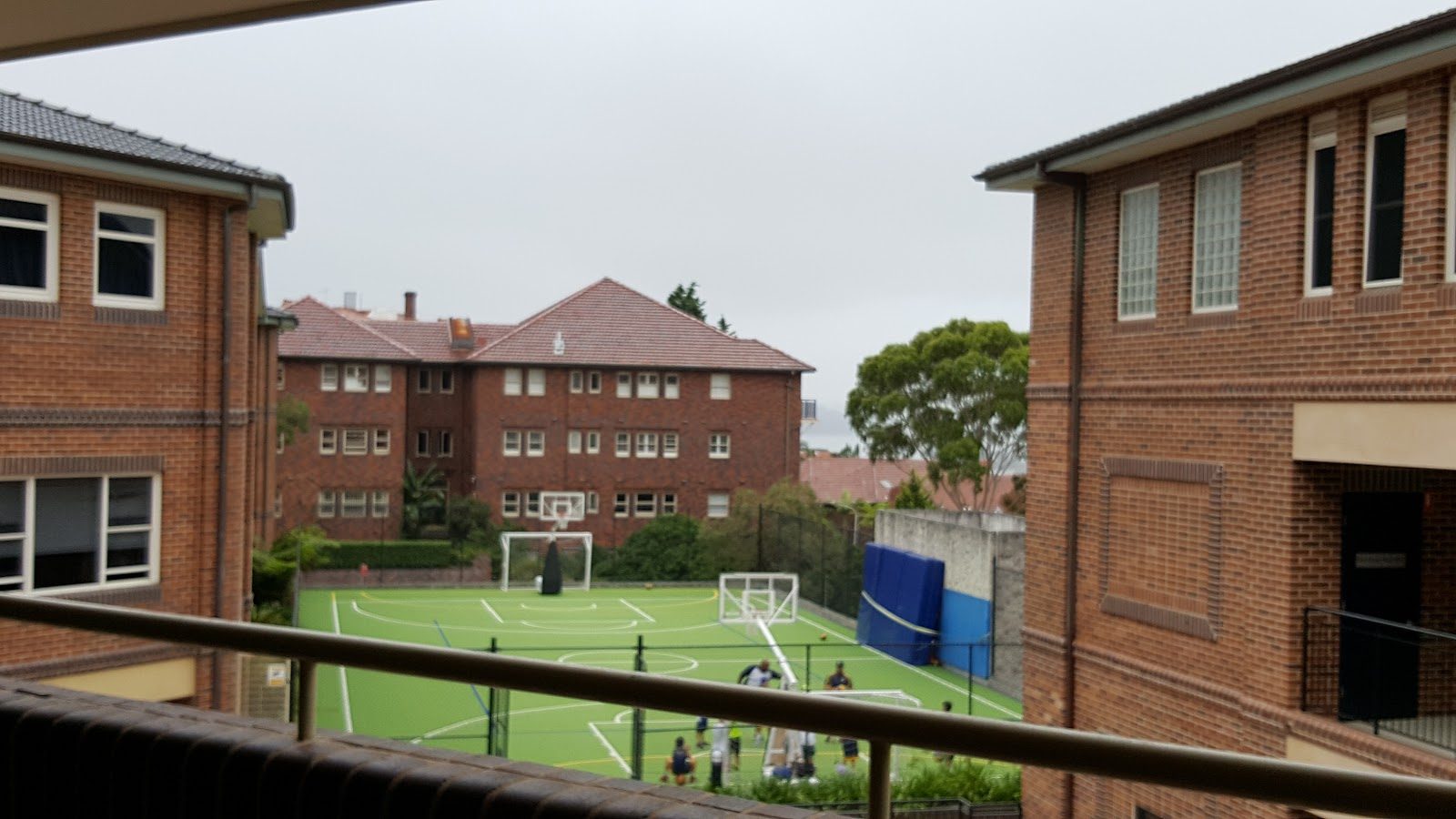
Presbyterian boys' school since 1893, blending IB and HSC study with a Kangaroo Valley outdoor campus and five heritage boarding houses.
Westfields Sports High School
Fairfield West, NSW · Australia
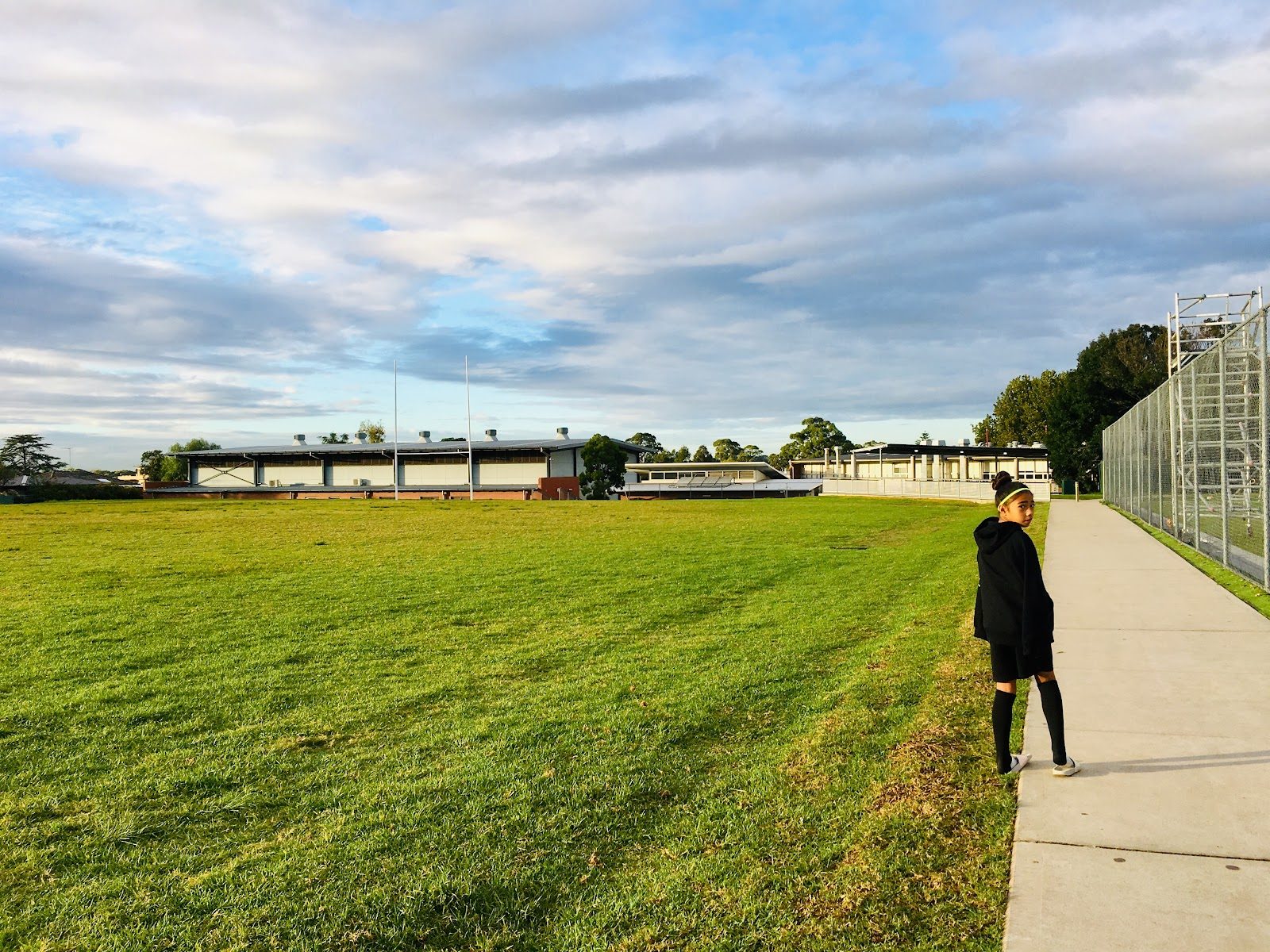
Australia's first dedicated sports high school, pairing HSC study with pathways to NRL squads and Olympic teams in western Sydney.
Grey High School Gqeberha
Gqeberha (Port Elizabeth) · South Africa
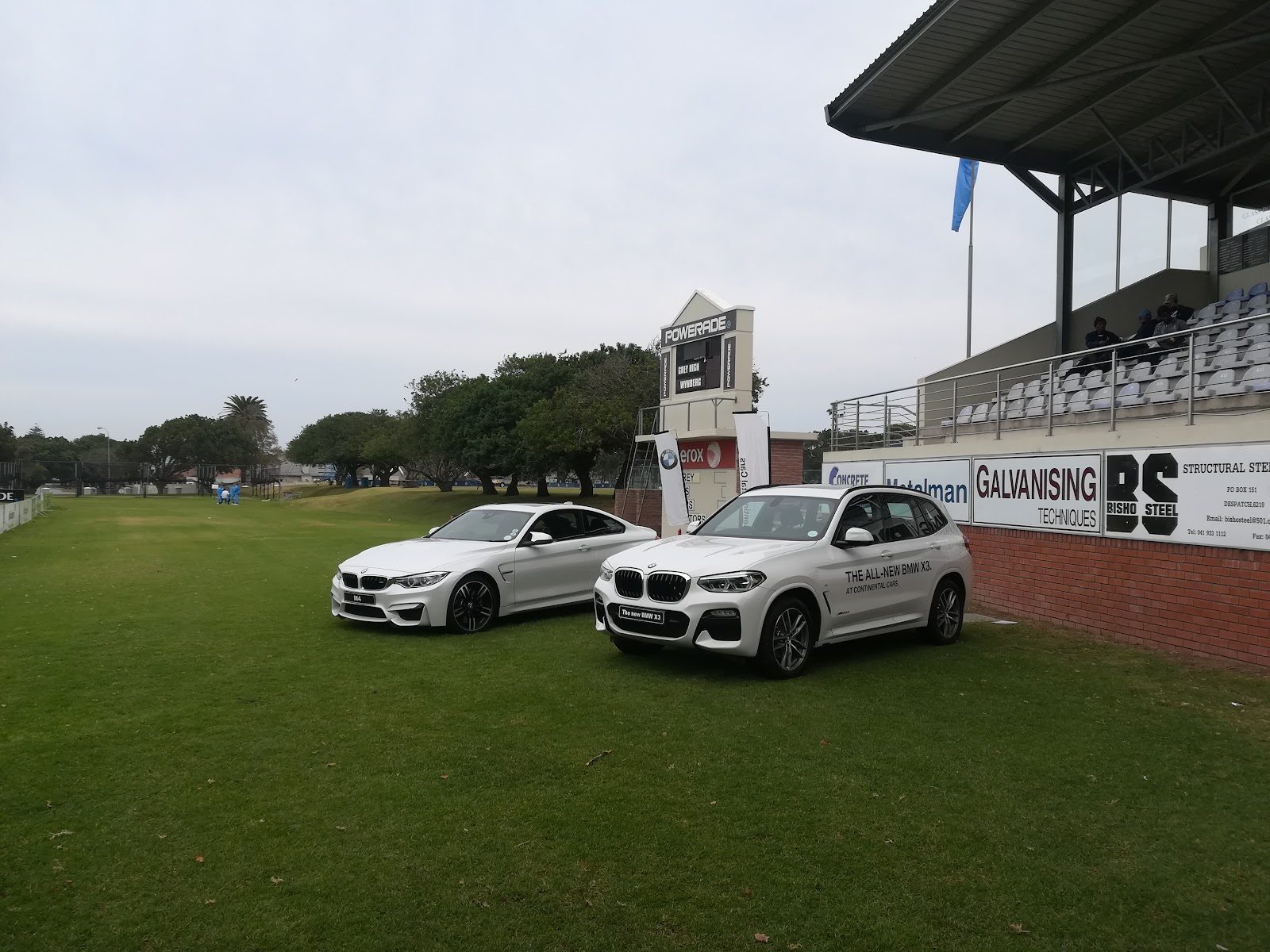
Founded in 1856 on the Eastern Cape coast, a storied rugby stronghold still built on mind, body and spirit.
Same specialism, country and curriculum — closest matches within ±10 points either way