
Massachusetts
Founded in 1778 as the nation's oldest incorporated boarding school, its Harkness tables still turn lectures into conversation.

Photo © Lior Hirschfeld via Google Maps
Type
Both
Ages
14–18
Curriculum
American
Ratio
7:1
The Verdict
Editor's commitment
Right for
Ambitious 14–18-year-olds who want American liberal education, 13-pupil classes, a 7:1 ratio and Oxford or Cambridge in the frame.
Wrong for
Families balking at $79,800 boarding or $63,840 day fees, or wanting a smaller-name school than one founded in 1778.
Watch out for
The cult of Andover is real: 711 notable alumni and 72% to top-100 universities create pressure, however polished the Harkness talk.
Ranking breakdown
Phillips Academy · #3 of 1591
Composite score 82.8. 8 weighted criteria.
By criterion
Academic Outcomes
Weight 20%
#119
of 1529 scored
University Placement
Weight 16%
#104
of 1529 scored
Prestige & Heritage
Weight 12%
#9
of 1571 scored
Alumni Network
Weight 12%
#6
of 1530 scored
Facilities
Weight 12%
#38
of 1534 scored
Transparency & Communications
Weight 8%
#16
of 1532 scored
Peer & Industry Review
Weight 10%
#24
of 1548 scored
Admissions Selectivity & Demand
Weight 8%
#153
of 1529 scored
Score history
Phillips Academy · 2026
Movement across 2024–2026. Peer average overlaid.
Overall — 2024–2026
82.8/ 100
▲ +7.6 vs 2025
year on year
Peer & Industry Review
How Phillips Academy is regarded in the sector
97
Top-tier · high confidence · editor-reviewed
Phillips Academy Andover is consistently cited as one of the most prestigious prep schools in the US, frequently referenced alongside Exeter as the benchmark 'elite boarding school' in Chronicle of Higher Education coverage, college counseling guides, and admissions press. Its alumni network includes multiple US Presidents (Bush 41 and 43), and it is a perennial subject of feature coverage in outlets like The New York Times and The Atlantic regarding elite education and admissions competitiveness. Peer institutions and specialist boarding-school directories (e.g., Enrollment Management Association, TABS) routinely list it among the top handful of American independent schools.
Editors' overview
Phillips Academy sits at the apex of the American boarding-school market. Founded in 1778, it has age, money, scale and academic seriousness in one package. The defining academic feature remains the Harkness method: students around a table, expected to speak, argue, listen and think in public. That matters. This is not a school for children who want to hide at the back and absorb information in silence. It is a school for the intellectually ambitious, the verbally agile and the self-directed. The numbers reinforce the point: a 7:1 student-teacher ratio, average class size of 13, 300 courses and 150 electives. Add an endowment of $1.47 billion and parents are looking at an institution with the means to sustain serious intellectual pressure and unusual breadth.
What sets Andover apart is not only prestige but density: talent, expectation, opportunity, competition. The school draws from 41 states and 53 countries; 18% of students are international and 47% receive financial aid. That combination gives it more range than the polished East Coast caricature. Its public language around “non sibi” and service is not decorative either; the school has built a culture that ties academic performance to public purpose, leadership and contribution. Parents who want a narrow exam factory should look elsewhere. Andover offers a liberal American education in the full sense: broad, discussion-led and loaded with choices across arts, languages and extracurricular life. The trade-off is obvious. Large, high-powered schools offer freedom, but they also demand judgement. A teenager who needs constant shepherding can get lost in all that option-rich independence.
It belongs on a shortlist because very few schools match its combination of history, resources, selectivity and reach. The campus offer is substantial without lapsing into empty spectacle: art gallery, archaeology museum, observatory, extensive faculty, and financial aid at a scale that many rivals cannot match. Fees are high — $79,800 for boarding and $63,840 for day students — but this is an expensive school with a correspondingly deep infrastructure. The alumni footprint is vast, and the school’s institutional confidence is grounded in real substance rather than branding. Old-school gravitas, restless curiosity, high expectations and social range all sit together here.
The right student for Phillips Academy is bright, articulate, resilient and ready to be tested by peers who are equally able. They need academic stamina, a taste for discussion, and the confidence to navigate a large, busy community. They do not need polish on arrival, but they do need appetite: for ideas, for responsibility and for full participation. For a teenager who wants conversation instead of passive learning, a demanding peer group and a school that treats adolescence as preparation for public life, Andover earns its reputation.
Academic Performance
Phillips Academy does not publish a neat grid of AP or SAT averages for parents to compare at a glance, and that opacity matters. In a school of this status, headline outcome data ought to be easy to find. What Andover does publish, and what carries more weight than a stack of standardised-test boasts, is the scale and seriousness of the academic programme: 300 courses, 150 electives, and a liberal model that rewards discussion, argument and breadth rather than narrow score-chasing. That places it in the top tier of American independent schools for academic ambition, but parents who want forensic public reporting on external examination performance will find the picture less transparent than at some rivals.
University destinations give a partial answer. The latest leavers’ data point to formidable onward placement, with 72.0% going to top-100 universities. That does not function as a direct exam-results table, but it does indicate a cohort performing at a very high level in a fiercely competitive admissions market. Relative to peers, Andover sits with the small group of US boarding schools whose academic reputation is already banked; it does not need to market itself through gaudy score statistics. That confidence cuts both ways. For families comfortable reading institutional strength through selectivity, course depth and destinations, the academic case is exceptionally strong. For families who insist on publicly disclosed, school-wide exam metrics, the reporting is too guarded.
Facilities
Facilities are one of Andover’s clearest advantages. The school has the money and scale to offer things that many rivals cannot: a renowned art gallery, an archaeology museum and an observatory on campus, alongside the academic buildings needed to sustain a programme of unusual breadth. Samuel Phillips Hall houses history and social science as well as world languages, which signals a campus organised around subject depth rather than generic classroom blocks. The school also advertises high-tech, low-tech and multidisciplinary learning, plus experiential work off campus and abroad. That mix matters. Plenty of elite schools have polished sports centres and handsome grounds; fewer can point to built-in academic resources that extend daily teaching beyond the timetable. For parents comparing top US boarding schools, this is substantial intellectual infrastructure, not decorative real estate.
Against peers, Andover sits in the top rank for breadth of provision, backed by a faculty of 244 and an endowment of $1.47B. That financial muscle supports specialist spaces, maintenance and programme continuity in a way smaller independents struggle to match. The campus master plan, framed around sustainability and long-term development, also indicates disciplined estate management rather than ad hoc expansion. The limitation is one of atmosphere, not hardware. A campus with this many moving parts can feel institutional and demanding, and some families will prefer a school with a tighter physical footprint and less high-octane ambition. If you want museum-grade resources and genuine academic facilities, Andover is hard to beat.
Phillips Academy sits at the apex of the American boarding-school market
Prestige
Prestige here sits in the top bracket of global school education, and not on inherited name alone. Andover has the institutional markers that parents recognise instantly: admission into the Eight Schools Association, enduring university pull, and an alumni network with real public weight across politics, finance, scholarship, journalism and the arts. The verified alumni record is vast — 711 notable figures catalogued, with deep representation in public life and intellectual fields — and that matters because prestige in education is cumulative. It builds through generations of graduates placing the school inside elite universities, major professions and national institutions. Add an endowment of $1.47B, and this is an institution with the means to protect standards, recruit serious staff and keep opportunities broad. That combination of history, money and results gives Andover genuine international status.
The prestige rating also rests on cultural capital, which is harder to fake and easier for experienced parents to spot. Harkness teaching carries cachet because it asks for more than compliance: students must think aloud, defend a position and withstand scrutiny from equally able peers. That creates a high-pressure intellectual culture that universities and employers understand. The school’s reach beyond the classroom strengthens the picture: recognised campus resources in the arts and sciences, a substantial service ethic under “non sibi”, and a student body drawn from 53 countries. Prestige here is earned, entrenched and exportable. The downside is obvious: the same reputation brings intense competition and a social environment that can punish passivity.
The right student for Phillips Academy is bright, articulate, resilient and ready to be tested by peers who are equally able
Communications
Parent communication is stronger than at many American boarding schools because the school has built clear institutional channels rather than treating updates as an afterthought. The site itself is densely structured: family engagement sits as a distinct function, the academic calendar and course information are easy to locate, and senior leadership is named rather than hidden behind generic offices. That matters. Parents can work out who runs what, where decisions sit, and how the school wants families to engage. The governance language is also unusually explicit. “Non sibi”, diversity commitments and the academic mission are all stated in full, not reduced to slogan fragments. Combined with visible leadership profiles and direct contact points, that gives communication a serious, adult tone. It reads like an institution speaking plainly about purpose and responsibility, not a school chasing clicks.
The weakness is data transparency. For a school with this level of status and a financial aid budget of $29.9M, parents have a right to expect cleaner public reporting on outcomes and student life. Communication about ethos, structure and opportunity is disciplined and confident; communication about measurable performance is too controlled. The school tells families a great deal about what it values and how it is organised, but less than it should about how results distribute across the whole cohort. That does not make communication poor. It makes it selective. If you want mission, leadership access and operational clarity, Andover does this well. If you want the full dashboard, it withholds too much.
Uniqueness
What makes Andover distinct is the way old institutional confidence is fused to a very specific teaching culture. The Harkness table is not a decorative tradition; it changes the social contract of the classroom. Students must speak, listen, revise their thinking in real time and tolerate challenge from peers who are every bit as prepared. That creates a school where intellectual performance is public. For the right teenager, that is electrifying. It builds fluency, nerve and the habit of treating ideas as things to test rather than absorb. For the wrong teenager, it is exposing and exhausting. Add a course catalogue running to 300 options, including 8 world languages and 150 electives, and the experience becomes one of unusual freedom paired with real pressure. Andover does not spoon-feed; it expects judgement.
The second point of difference is range with moral ambition. Many elite schools talk about service. Andover has built “non sibi” into the school’s core language and linked it to community engagement, leadership and a broad idea of education that extends beyond professional success. The student body spans 53 countries, with substantial domestic diversity as well, so discussion does not happen inside a narrow social bubble. That gives students more than polish. It gives them exposure to disagreement, difference and responsibility inside a serious civic culture. The payoff is strong for adolescents who want high-level debate, institutional depth and a school that treats education as training for public life, not just university entry.
Phillips Academy does not publish a neat grid of AP or SAT averages for parents to compare at a glance, and that opacity matters
Student Profile
The right student for Andover is intellectually hungry, verbally confident and comfortable being measured against a very strong peer group. This is a school for teenagers who want to argue a point, defend it under pressure and then revise it without bruised ego. A child who enjoys classroom discussion, reads beyond the assignment and treats teachers as intellectual sparring partners will thrive. So will students with genuine range: the timetable runs to 300 courses, with 150 electives, and the school expects pupils to use that freedom well. The international mix also matters. With 53 countries represented, Andover suits students who gain energy from difference rather than retreating from it. It is fiercely academic, socially mixed by elite-school standards, and not built for anonymity.
The less suitable profile is just as clear. A passive learner, a child who dislikes speaking in class, or anyone who needs constant adult prompting will struggle. The school’s moral language around service and responsibility is not window dressing; students who fit best have some instinct for contribution, not just self-advancement. Nor is this the place for families seeking a cocoon. The community is large, busy and full of highly capable adolescents, which creates freedom but also comparison, competition and noise. Students who flourish here have resilience, self-command and the nerve to take intellectual risks in public. For the right teenager, that mix is energising, demanding and formative.
The latest leavers’ data point to formidable onward placement, with 72.0% going to top-100 universities
Co-curricular strengths
Arts & sport, on a separate axis
Overall 9.06/10
Scored 0-10 from the school's own published evidence. This axis is editorial-only — it does not feed the main WTS ranking.
Sports
9.3/10
Colossal New England athletic powerhouse; dominates the historic Andover-Exeter rivalry across swimming, cycling, and lacrosse.
Drama
8.8/10
Highly active student-run theater labs alongside major faculty-directed productions inside the Tang Theatre complex.
Dance
9/10
Strong afternoon performance track offering technical modern jazz and classical ballet choreography modules.
Music
9.2/10
Home to the prestigious Addison Gallery networks and Graves Hall, holding an exceptional array of performance groups.
Visual Arts
9/10
Unrivaled visual arts integration; the on-campus Addison Gallery of American Art exposes students to world-class curatorial work.
Editor-verified · 8/6/2026
Outcomes & destinations
Where students go next
Verified by schoolClass of 2025
100 graduates
A-Level distribution
35% covered
- A*35%
Top destinations
50 placements
- Oxford· 22
- Cambridge· 18
- UCL· 10
Attested by the school. Confirm with admissions.
Notable alumni · Wikidata
711notable alumni
Includes
- Francis L. Broderick(1923)
408 historic (born pre-1930) · 63 modern (born post-1970)wikidata:2026-07-28 How we source this

WTS 300 badge
2025/26 editionPhillips Academy is one of the World's Top 300 Schools for 2025/26. Add it to your site →
Strengths
- +Founded in 1778, Phillips Academy is the oldest incorporated boarding school in the United States, giving it deep institutional history and a large alumni network.
- +Need-blind admissions policy meets 100% of demonstrated financial need, with roughly 47% of students receiving aid averaging about $45,000 per year.
- +Low student-teacher ratio of approximately 7:1 supports small, discussion-based classes across a broad curriculum of around 300 courses and 150-plus electives.
- +Substantial endowment of roughly $1.41 billion (as of September 2024) underwrites facilities, financial aid and faculty resources well beyond typical secondary schools.
- +Strong record of matriculation to highly selective universities, including regular placement at Ivy League and other top-ranked US colleges.
Considerations
- −Acceptance rate of around 13% makes entry highly competitive, with academic strength alone insufficient to secure a place.
- −Boarding tuition for 2026-27 is $79,800 and day tuition $63,840, before additional fees for books, activities and travel, placing it well beyond many middle-class family budgets even with aid.
- −Located in Andover, Massachusetts, roughly 20 miles from Boston, meaning international and out-of-state families face significant travel logistics for visits and school breaks.
- −As a large campus with around 1,150 students across grades 9-12 plus a postgraduate year, some families may find the environment less intimate than smaller boarding schools.
Availability
Not accepting applications for the near-term intake.
Primary entry gate & tests
SSAT/ISEE + Interview
Gallery
Photo © Lior Hirschfeld via Google Maps
Photo © Zee via Google Maps
Photo © Larisa Fay via Google Maps
Photo © Larisa Fay via Google Maps
Photo © Larisa Fay via Google Maps
Photo © Dani Chahine via Google Maps
Photo © Chiuying Lu via Google Maps
Photo © J G Kwan via Google Maps
Photo © Lucas Basso via Google Maps
Parent reviews
Have you sent your child here?
Voice reviews carry the strongest trust badge — we transcribe them for you to tidy up before they go live. Prefer to type? A written review is fine too.
Add your voice
In 60 seconds, tell other parents: what's the best thing about Phillips Academy, and what surprised you when your child joined?
We ask for a Google sign-in so every review has a real face behind it — no anonymous drive-by attacks on schools, and no faked positive reviews. Your email is never shown publicly.
Send this profile to a friend
International parents rely on word-of-mouth. Share this review with someone weighing the same decision.
Schools with places
Similar schools to Phillips Academy with places available now.
Deerfield Academy
Deerfield · United States
- 2026-27
- CLOSEDRegular cycle
- 2027-28
- PLACES OPENTours/interviews underway
Groton School
Groton · United States
- 2026-27
- CLOSEDRegular cycle
- 2027-28
- PLACES OPENProfile live
The Roxbury Latin School
Boston · United States
- 2026-27
- CLOSEDRegular cycle
- 2027-28
- OPENS SOONOpens 1 Sept '26
Boston Latin School
Boston · United States
- 2026-27
- CLOSEDStandard route
- 2027-28
- OPENS SOONOpens Sept '26
Availability first, then country, area, curriculum, price, co-curricular
Consider also
Also worth looking at alongside Phillips Academy.
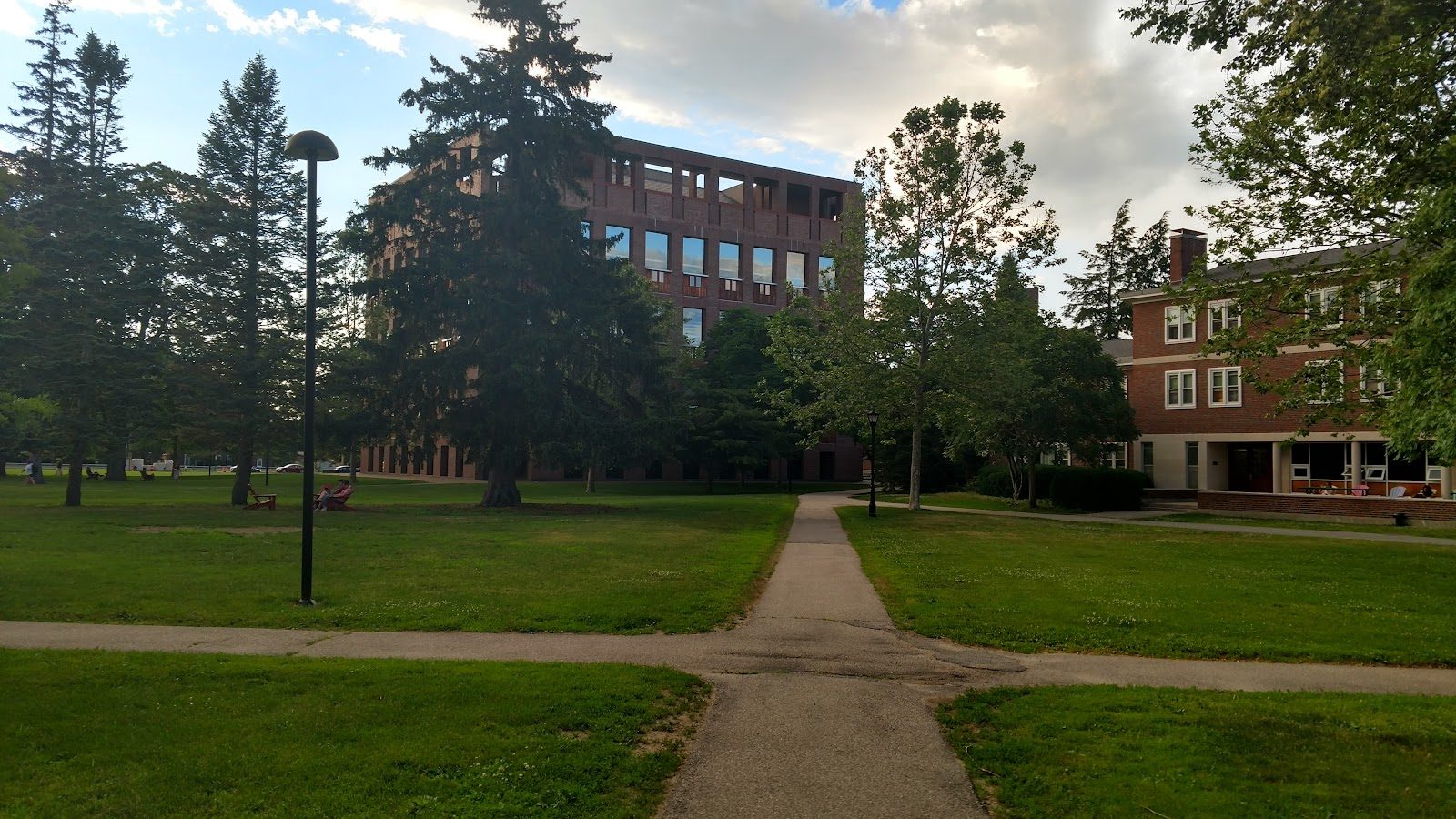
Phillips Exeter Academy
Exeter · United States
Every class gathers around the same oval table Edward Harkness endowed in 1930, still central to Exeter's discussion-driven classrooms.
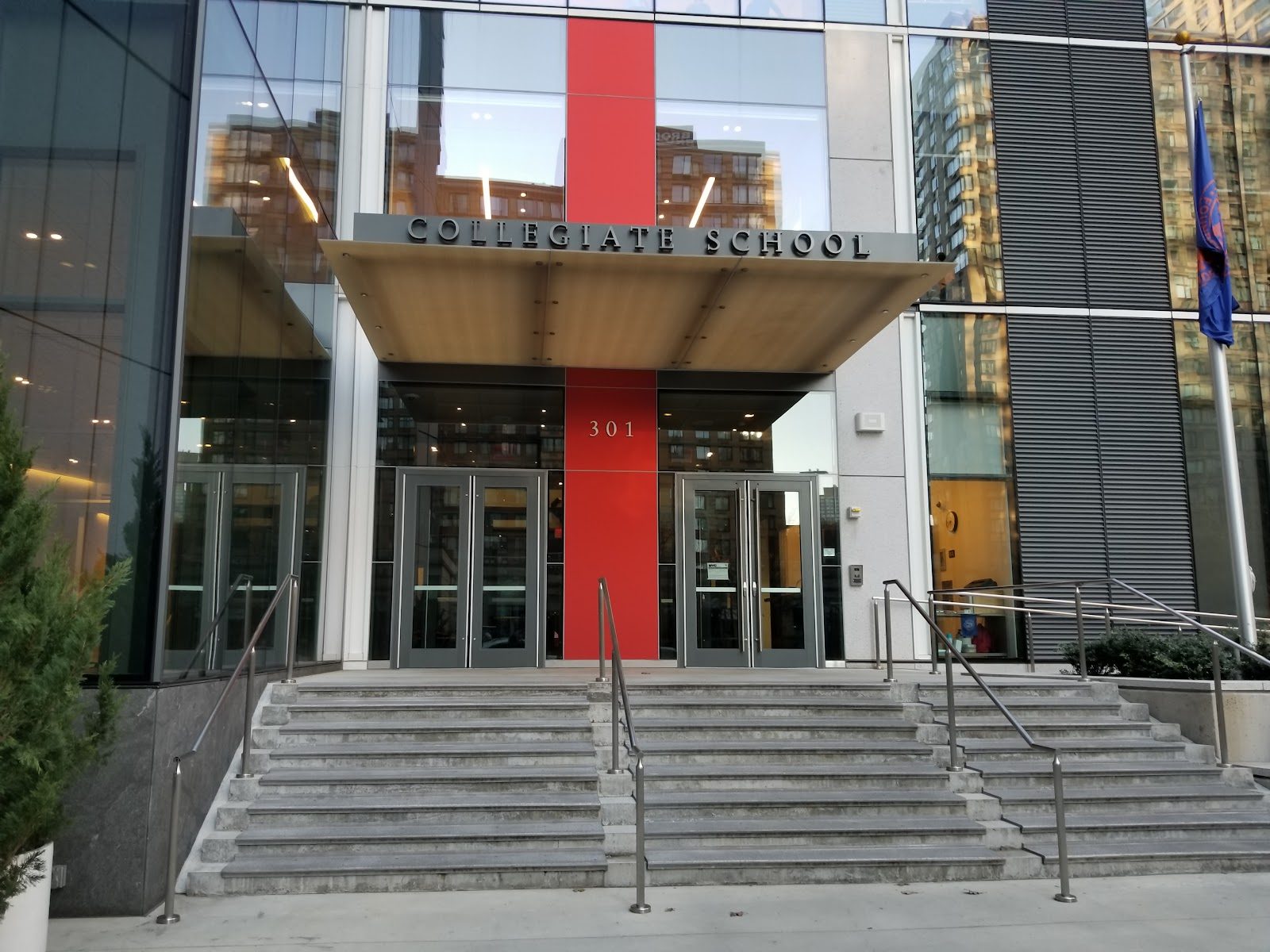
Collegiate School
New York City · United States
Tracing its roots to 1628 in New Amsterdam, this Upper West Side all-boys day school claims the title of America's oldest independent school.
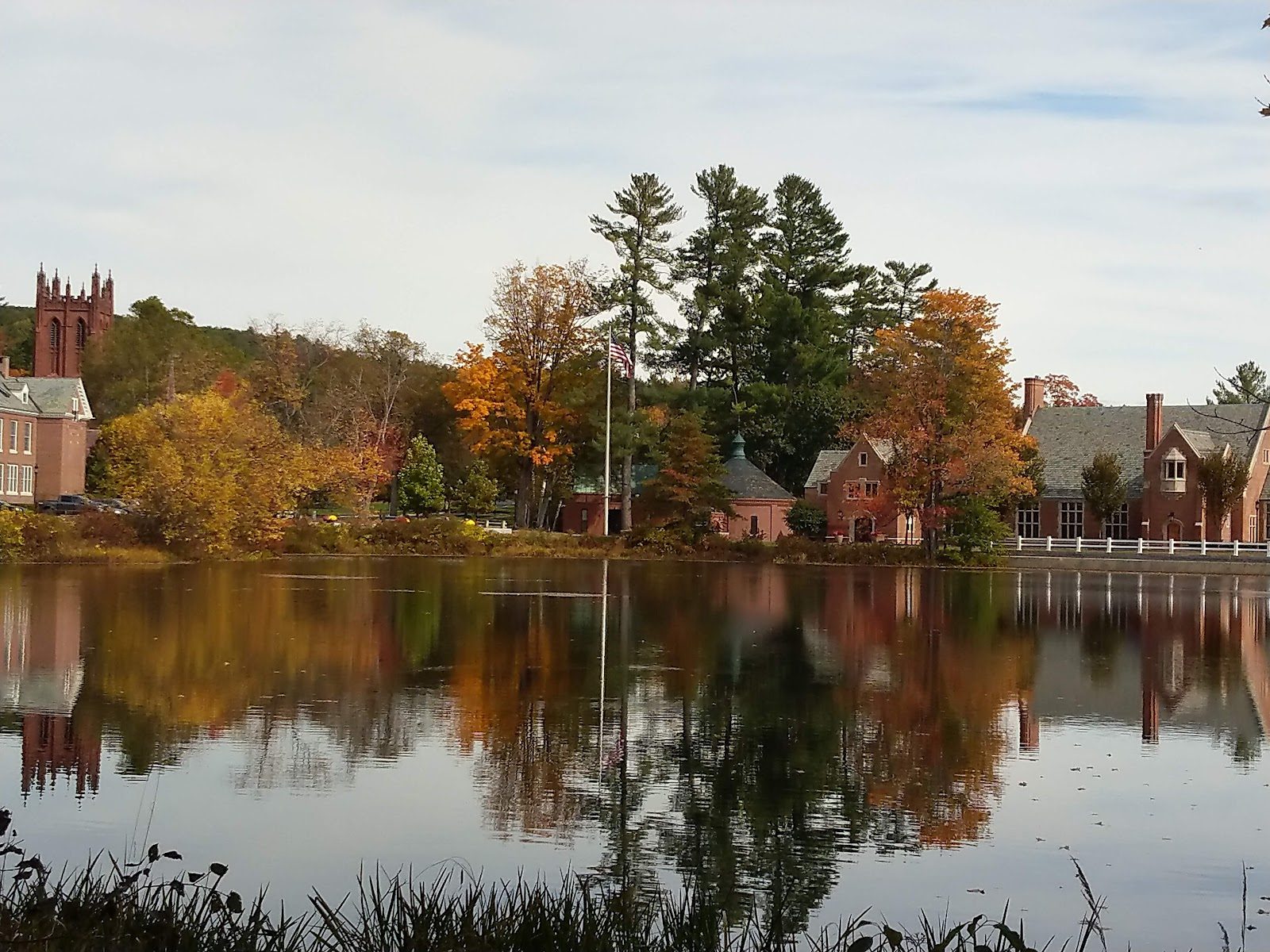
St. Paul's School
Concord · United States
On a 2,000-acre Concord campus where American ice hockey was born in 1883, boarding life still shapes every house and classroom.

The Lawrenceville School
Lawrenceville · United States
Since 1936, oval Harkness tables replace lectures with discussion, while a century-old House system anchors campus life
Same country and curriculum — closest matches within ±10 points either way