
New Hampshire
On a 2,000-acre Concord campus where American ice hockey was born in 1883, boarding life still shapes every house and classroom.
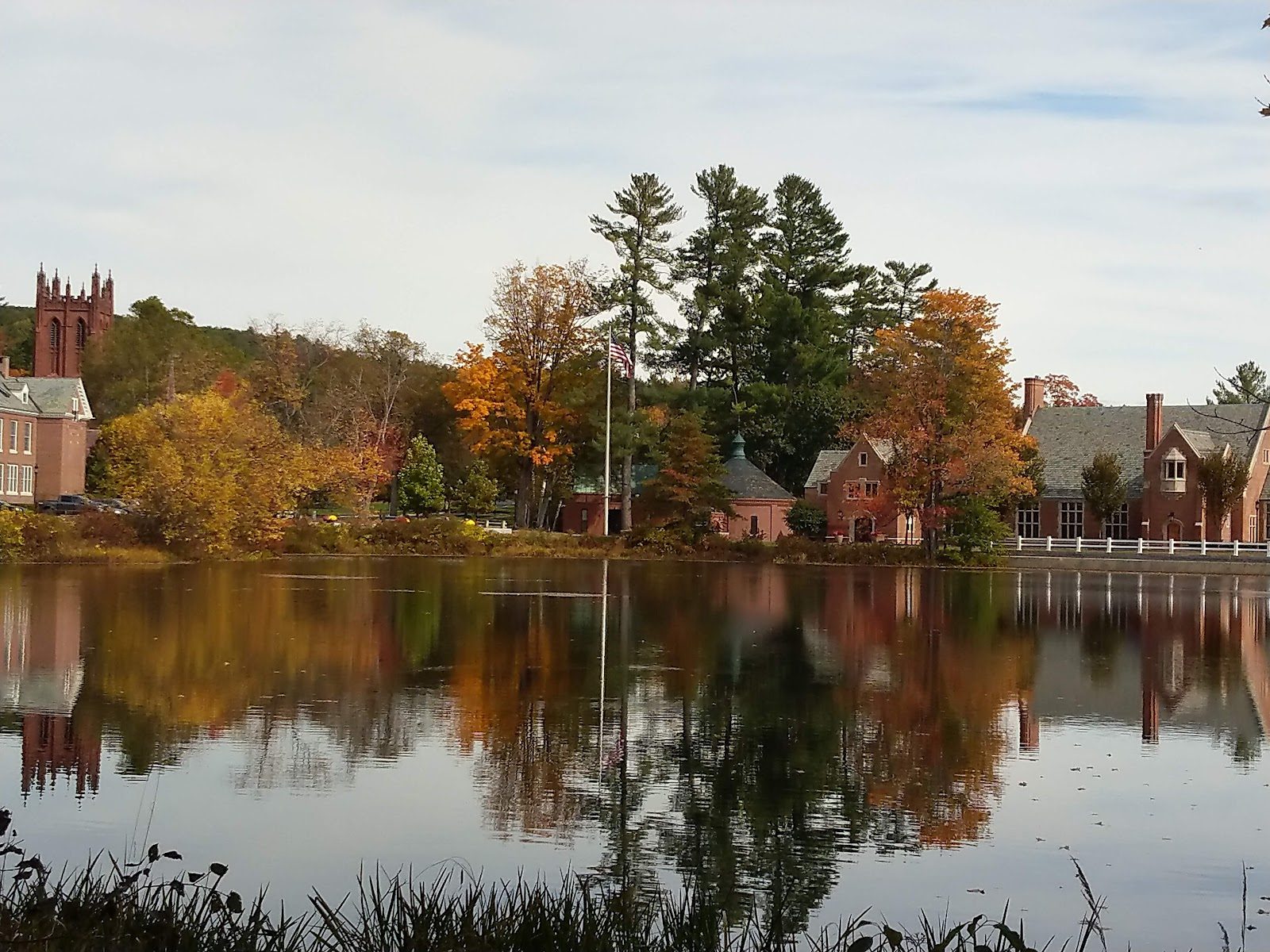
Photo © Rahman Culver via Google Maps
Type
Both
Ages
14–18
Curriculum
American
Ratio
6:1
The Verdict
Editor's commitment
Right for
Boarders aged 14–18 who want an American education on a 2,000-acre Concord campus, with Episcopal roots and NEASC accreditation.
Wrong for
Families wanting a cheaper route, younger entry than 14, or a non-boarding culture; boarding averages $73,150 and dominates school life.
Watch out for
This is a 1856 Episcopal school in Concord, not a casual day option; even day places average $57,985 a year.
Ranking breakdown
St. Paul's School · #5 of 1591
Composite score 82.4. 8 weighted criteria.
By criterion
Academic Outcomes
Weight 20%
#148
of 1529 scored
University Placement
Weight 16%
#104
of 1529 scored
Prestige & Heritage
Weight 12%
#18
of 1571 scored
Alumni Network
Weight 12%
#6
of 1530 scored
Facilities
Weight 12%
#12
of 1533 scored
Transparency & Communications
Weight 8%
#56
of 1532 scored
Peer & Industry Review
Weight 10%
#38
of 1548 scored
Admissions Selectivity & Demand
Weight 8%
#180
of 1529 scored
Score history
St. Paul's School · 2026
Movement across 2024–2026. Peer average overlaid.
Overall — 2024–2026
82.4/ 100
▲ +20.7 vs 2025
year on year
Peer & Industry Review
How St. Paul's School is regarded in the sector
96
Top-tier · high confidence
St. Paul's School is one of the most prestigious 'Old Ten' New England boarding schools, consistently referenced alongside Groton, Exeter, and Andover in elite prep school coverage from outlets like The New York Times, Boston Globe, and Town & Country. Its alumni network includes numerous US Secretaries of State, senators, and business leaders, and it is a perennial benchmark institution discussed in Chronicle of Higher Education pieces on elite boarding school-to-Ivy League pipelines. It regularly appears in specialist boarding school guides and rankings as a top-tier institution with an endowment and selectivity rivaling any school in the country.
Evidence sources
Editors' overview
A 2,000-acre campus in Concord is not a decorative detail at St. Paul’s School; it defines the place. This is a US boarding school in the old mould, where the school day and the life around it are meant to blur into one another. Founded in 1856, Episcopal in foundation and teaching in English, St. Paul’s sells a full-residential ideal more than a flexible modern package. That matters. Teenagers who want a clean split between school and home, or families who want a lightly managed day-school experience, will find the culture too total. Students who thrive on immersion, routine and a strong house identity will find it formative.
Its market position is clear: this is an elite American boarding school with the price tag to match. The average annual boarding fee is $73,150 and the average annual day fee is $57,985, which places it in the top tier of the US independent market. The school covers ages 14 to 18 and offers an American curriculum, so this is not the choice for families who want the IB or British exam structure. It is the choice for parents who want a deeply residential sixth-form equivalent in the US, on a campus with real scale and institutional weight. Accreditation from NEASC and NAIS gives the school proper external standing, but accreditation is the baseline at this level, not the selling point.
What is special here is the combination of age, setting and boarding seriousness. The line about American ice hockey being born on campus in 1883 captures something true about St. Paul’s: it has a strong sense of its own mythology, and the school uses that history to shape identity and tradition. For the right child, that creates a powerful community and a high-pressure one. St. Paul’s belongs on a shortlist for bright, self-propelling teenagers who want a contained, old-established American boarding environment and have the stamina for a school where communal life is not an extra but the point. It is not for the faint-hearted, and that is part of its appeal.
Academic Performance
St. Paul’s does not publish the kind of headline-grabbing exam table that some US independents use to market themselves, and that limits any hard comparison on external results. There is no public aggregate AP score profile, no IB data, and no standardised school-wide outcomes dashboard that lets parents rank it cleanly against Andover, Exeter or Choate. That opacity cuts both ways: it denies bragging rights, but it also reflects the fact that the school sits in a part of the American boarding market where university placement, course rigour and internal transcript strength matter more than a single exam suite. For families who want clean metrics, this is a frustration. For families who understand the US system, it is standard enough.
Relative to peers, St. Paul’s belongs in the top academic tier of traditional New England boarding schools, but not in the subset that leans heavily on published external-exam statistics to prove the point. The important read-across is selectivity, the level of competition inside the classroom, and the expectation that students will handle a demanding workload without hand-holding. That usually produces strong college outcomes, but the school does not disclose a public, year-by-year destination grid here either. The verdict is straightforward: academically, this is a serious school with elite-peer standing; evidentially, it is less transparent than parents who want school-wide exam averages and published destination data might prefer.
Facilities
Facilities are one of St Paul’s clearest advantages. The campus gives the school room to do boarding-school life properly, not symbolically: houses, teaching spaces, playing fields and arts provision sit inside a setting built for full-day use rather than a timetable that empties at mid-afternoon. The athletic offer carries unusual historical weight, but the real point is functional breadth. A school with this kind of land can sustain serious outdoor sport, training space and internal circulation without the cramped compromises common at urban day schools. Against peer boarding schools, that puts St Paul’s in the top bracket for space and for the all-day usability that matters to teenagers living on site. Parents paying these fees should expect more than handsome buildings; here they get a campus that supports a fully residential rhythm.
The question is not whether St Paul’s has strong facilities. It does. The sharper question is where they stand against direct rivals. On pure acreage, 2,000 is a commanding asset, and it gives the school a grand, old-establishment physical confidence that many peers cannot match. The trade-off is familiar: schools built around tradition and space do not always advertise the kind of flashy specialist centre that newer, better-packaged competitors push hard. If a family wants a boarding campus with scale, athletic depth and room for communal life to dominate, St Paul’s delivers. If they want a school distinguished by conspicuously branded innovation labs or hyper-publicised design spaces, the case is less clear.
The average annual boarding fee is $73,150 and the average annual day fee is $57,985, which places it in the top tier of the US independent market
Prestige
St Paul’s carries real prestige in the American boarding-school world because its name sits inside a narrow band of institutions that admissions officers, counsellors and affluent US families recognise instantly. This is not mass-market brand recognition; it is insider prestige, rooted in selectivity, old-network confidence and the social weight that attaches to a small, highly resourced school with average annual fees of $73,150 for boarders and $57,985 for day pupils. The Episcopal foundation adds another layer of establishment identity. So does the school’s place in the New England boarding circuit, where peer comparison matters more than glossy marketing. Parents are not buying novelty here. They are buying entry into a long-entrenched educational class marker.
I rate that prestige highly because it extends beyond campus aesthetics or heritage storytelling. St Paul’s has the kind of status that shapes who applies, who enrols and how the school is read by universities and by rival schools. That does not make it socially broad, and families should be clear-eyed about that. The prestige here is elite and traditional, not democratic, entrepreneurial or globally mixed in the way some newer international flagships are. For the right student, that cachet opens doors. For others, it reads as old-guard and culturally narrow. Either way, this is a school with serious standing at the top end of US independent education.
Against peer boarding schools, that puts St Paul’s in the top bracket for space and for the all-day usability that matters to teenagers living on site
Communications
Communication at St Paul’s has to do more than circulate notices. In a school where students live under one institutional roof for most of the year, parents need a clear line not only to academic information but to pastoral judgment, routines, expectations and any shift in a child’s day-to-day footing. The school’s public-facing communication gives a strong sense of identity and institutional confidence; that part is polished. The harder test is whether families get plain, timely answers once the child is inside the system. At schools of this type, communication can slide into controlled opacity: plenty of tone, less candour. St Paul’s does not publish much broad outcome data, and that matters because it signals a culture that values internal trust over external disclosure.
For the right family, that works. Parents who buy into the school’s authority and communal code will read the communication style as measured and adult, not needy or over-engineered. Parents who want granular dashboards, constant app-level updates and a running stream of quantifiable reassurance will find it spare and at times old-school. My view: communication here is effective for families comfortable with institutional discretion and direct staff relationships; it is less effective for parents who want everything documented, benchmarked and pushed out in real time. In other words, St Paul’s communicates like a place that expects confidence in its judgment. Some families will value that. Others will read it as too closed.
Uniqueness
What sets St Paul’s apart is not a single programme or signature building but the way the whole institution is organised around total community. Many schools talk about belonging; this one runs on it. The house system, chapel tradition, formal routines and heavy expectation of participation create a school that does not switch off when lessons end. That gives students more than supervision. It gives them a lived education in coexistence: sharing space, handling friction, managing time, and learning how to contribute when privacy is limited and standards are high. For adolescents with stamina and self-command, that is powerfully formative. For those who need looseness, anonymity or frequent escape, it is claustrophobic.
The other point of difference is cultural tone. St Paul’s is old-order even by elite US boarding-school standards, and that has real consequences. The school offers continuity, ritual and institutional confidence rather than trend-chasing reinvention. Students absorb a strong sense that they are joining something established and expected to uphold it. That can build seriousness, loyalty and poise; it can also harden social codes and make the place feel tradition-bound. In practical terms, pupils gain an education shaped as much by peers, conversation, sport, music, meals and evening obligations as by classes. At its best, that produces unusually mature young adults who know how to live with others and work within a demanding common culture.
The prestige here is elite and traditional, not democratic, entrepreneurial or globally mixed in the way some newer international flagships are
Student Profile
The student who fits St Paul’s is academically strong, self-directed and socially durable. This school does not cater to teenagers who need constant affirmation, loose boundaries or a broad menu of opt-in involvement. It suits pupils who can live inside a high-demand communal culture without resisting it: students happy with shared routines, adult authority and peers who will notice whether they pull their weight. Because the school serves ages 14–18, there is no gentler lower-school runway. New students enter a serious adolescent environment from the start. The best fit is a teenager with stamina, emotional control and enough confidence to join house life, meals, sport, music, chapel or other collective rituals without treating every obligation as an intrusion.
Socially, St Paul’s works for young people who can handle intensity without turning brittle. Reserved students can thrive here, but only if they are internally sturdy and willing to participate; chronic detachment will read badly fast. This is also not the right place for families who want to negotiate every institutional expectation. The school asks for buy-in. Day pupils need the same mindset as boarders, because the culture still revolves around the life of the whole school rather than a simple in-and-out day. With average annual fees of $57,985 for day pupils and $73,150 for boarders, it also draws families prepared to pay for a full-immersion education and students ready to use it. The strongest candidates will be serious-minded, resilient and comfortable in a setting with old-order social codes.
Either way, this is a school with serious standing at the top end of US independent education
Co-curricular strengths
Arts & sport, on a separate axis
Overall 8.54/10
Scored 0-10 from the school's own published evidence. This axis is editorial-only — it does not feed the main WTS ranking.
Sports
9/10
Expansive 2,000-acre New Hampshire campus fields elite New England boarding teams; internationally renowned for its historic crew and ice hockey programs.
Drama
9.2/10
High-quality seasonal theater tracker utilizing the comprehensive venues inside the Oates Performing Arts Center.
Dance
6.5/10
Home to the highly selective and intensive St. Paul's School Dance Company, running serious classical ballet and contemporary tracks.
Music
9.3/10
Stunning sacred choral tradition anchored by the Chapel of St. Peter and St. Paul, paired with advanced instrumental ensembles.
Visual Arts
8.7/10
Large, dedicated studio networks specializing in ceramics, fine painting, and architecture, culminating in major public campus exhibitions.
Editor-verified · 8/7/2026
WTS 300 badge
2025/26 editionSt. Paul's School is one of the World's Top 300 Schools for 2025/26. Claim your listing to add it to your site →
Strengths
- +Founded in 1856, St. Paul's is a fully residential (100% boarding) school on a 2,000-acre campus in Concord, New Hampshire, about an hour from Boston.
- +The school's financial aid packages meet full demonstrated need, and families with U.S. household income up to $150,000 generally qualify for full tuition support.
- +A low student-teacher ratio (reported between 5:1 and 8:1 depending on source) and small average class sizes support close faculty contact.
- +The endowment stood at $759.3 million as of June 2024, among the largest of any New England boarding school, underpinning facilities and financial aid.
- +Notable alumni include John Kerry, Robert Mueller, Garry Trudeau and Hobey Baker, reflecting a long history of graduates in public life, law and sport.
Considerations
- −Admissions are highly selective, with acceptance rates reported between roughly 13% and 16% of applicants in recent cycles.
- −Total cost is substantial: tuition inclusive of room and board is listed at $75,400 for the 2026-27 academic year, before any aid.
- −As a fully boarding school with no day option, it is not suited to families wanting a day-school or partial-boarding arrangement.
- −The rural Concord, New Hampshire setting means limited immediate access to a major city compared with urban day-school alternatives.
Availability
Primary entry gate & tests
SSAT/ISEE + Interview
Gallery
Photo © Rahman Culver via Google Maps
Photo © Anna P via Google Maps
Photo © St. Paul's School via Google Maps
Photo © JB The Milker via Google Maps
Photo © JB The Milker via Google Maps
Photo © JB The Milker via Google Maps
Photo © JB The Milker via Google Maps
Photo © JB The Milker via Google Maps
Photo © St. Paul's School via Google Maps
Parent reviews
Have you sent your child here?
Voice reviews carry the strongest trust badge — we transcribe them for you to tidy up before they go live. Prefer to type? A written review is fine too.
Add your voice
In 60 seconds, tell other parents: what's the best thing about St. Paul's School, and what surprised you when your child joined?
We ask for a Google sign-in so every review has a real face behind it — no anonymous drive-by attacks on schools, and no faked positive reviews. Your email is never shown publicly.
Send this profile to a friend
International parents rely on word-of-mouth. Share this review with someone weighing the same decision.
Schools with places
Similar schools to St. Paul's School with places available now.
Phillips Exeter Academy
Exeter · United States
- 2026-27
- CLOSEDRegular cycle
- 2027-28
- PLACES OPENCycle underway
Middlesex School
Concord · United States
- 2026-27
- CLOSEDRegular cycle
- 2027-28
- OPENS SOONOpens 1 Sept '26
Concord Academy
Concord · United States
- 2026-27
- CLOSEDFull / No offers
- 2027-28
- OPENS SOONInstructions Avail 17 Aug '26
Availability first, then country, area, curriculum, price, co-curricular
Consider also
Also worth looking at alongside St. Paul's School.
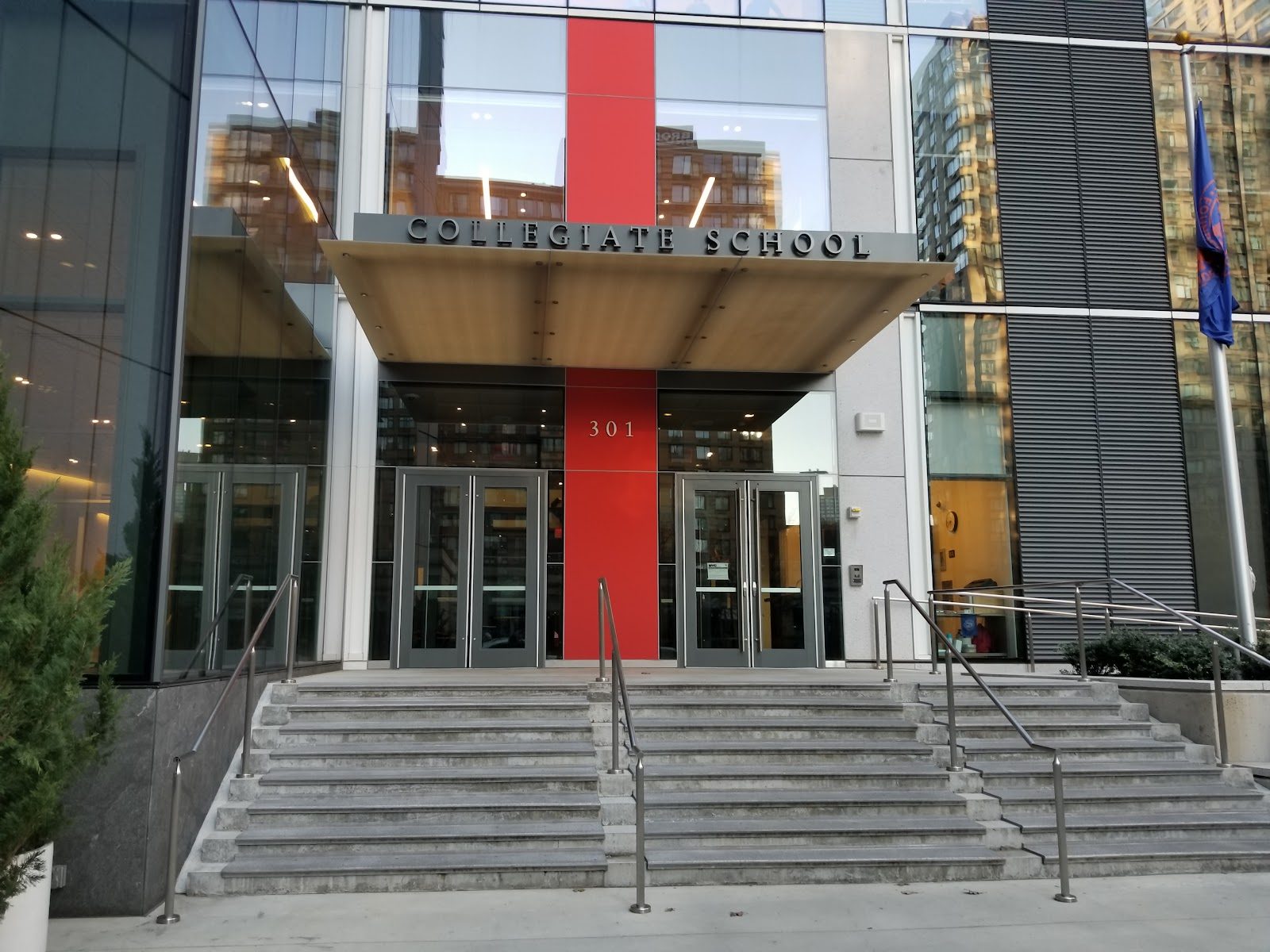
Collegiate School
New York City · United States
Tracing its roots to 1628 in New Amsterdam, this Upper West Side all-boys day school claims the title of America's oldest independent school.
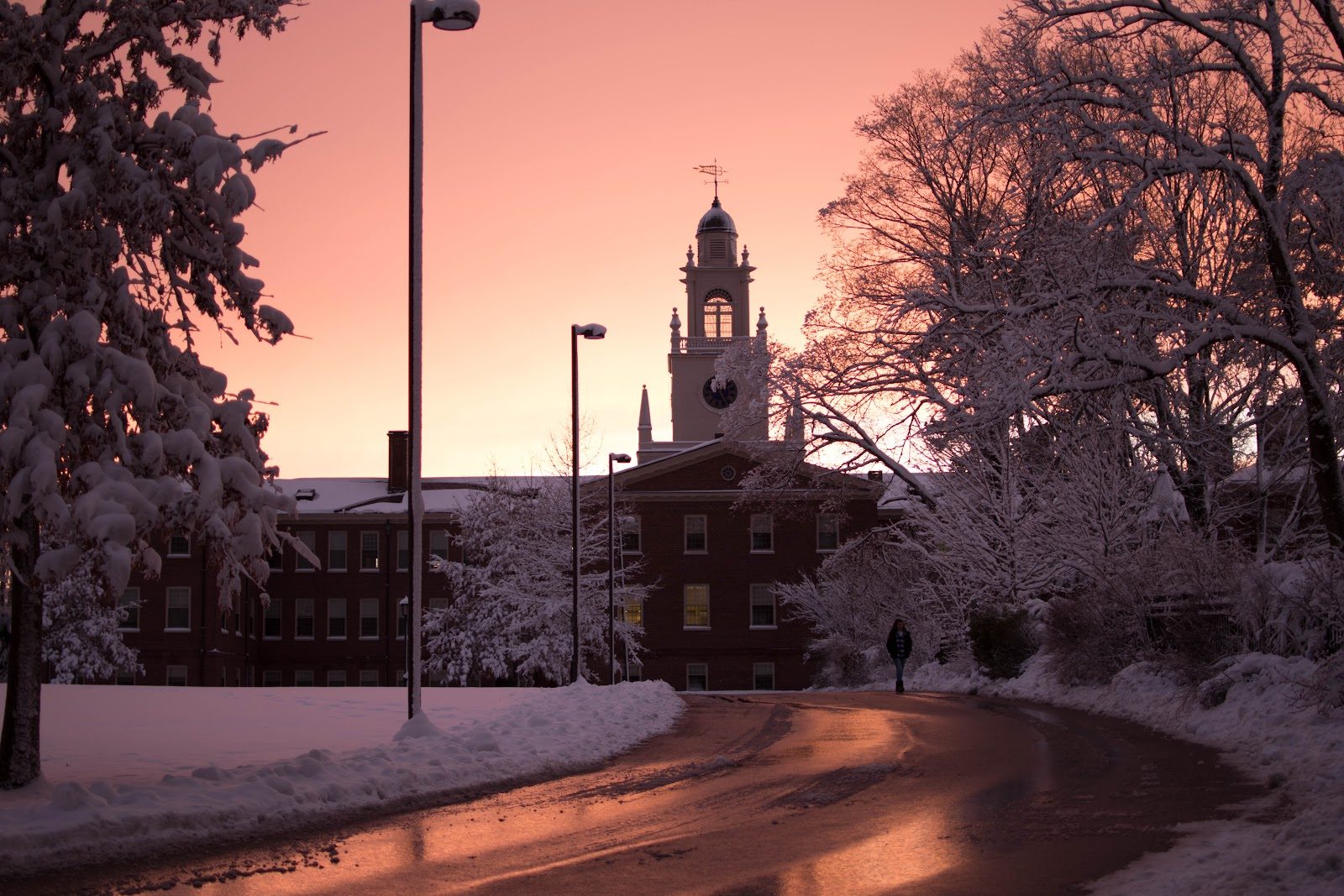
Phillips Academy
Andover · United States
Founded in 1778 as the nation's oldest incorporated boarding school, its Harkness tables still turn lectures into conversation.
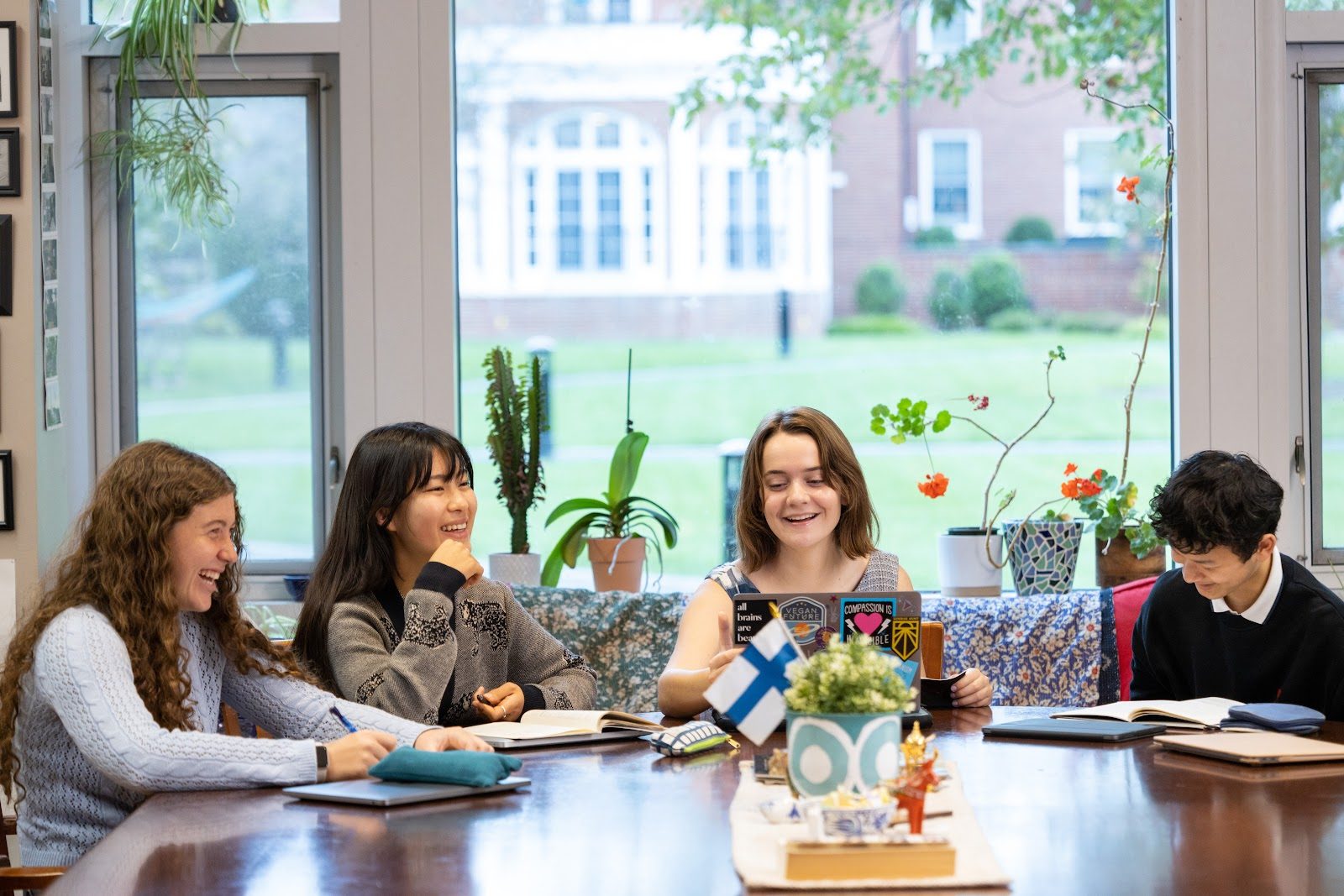
The Lawrenceville School
Lawrenceville · United States
Since 1936, oval Harkness tables replace lectures with discussion, while a century-old House system anchors campus life
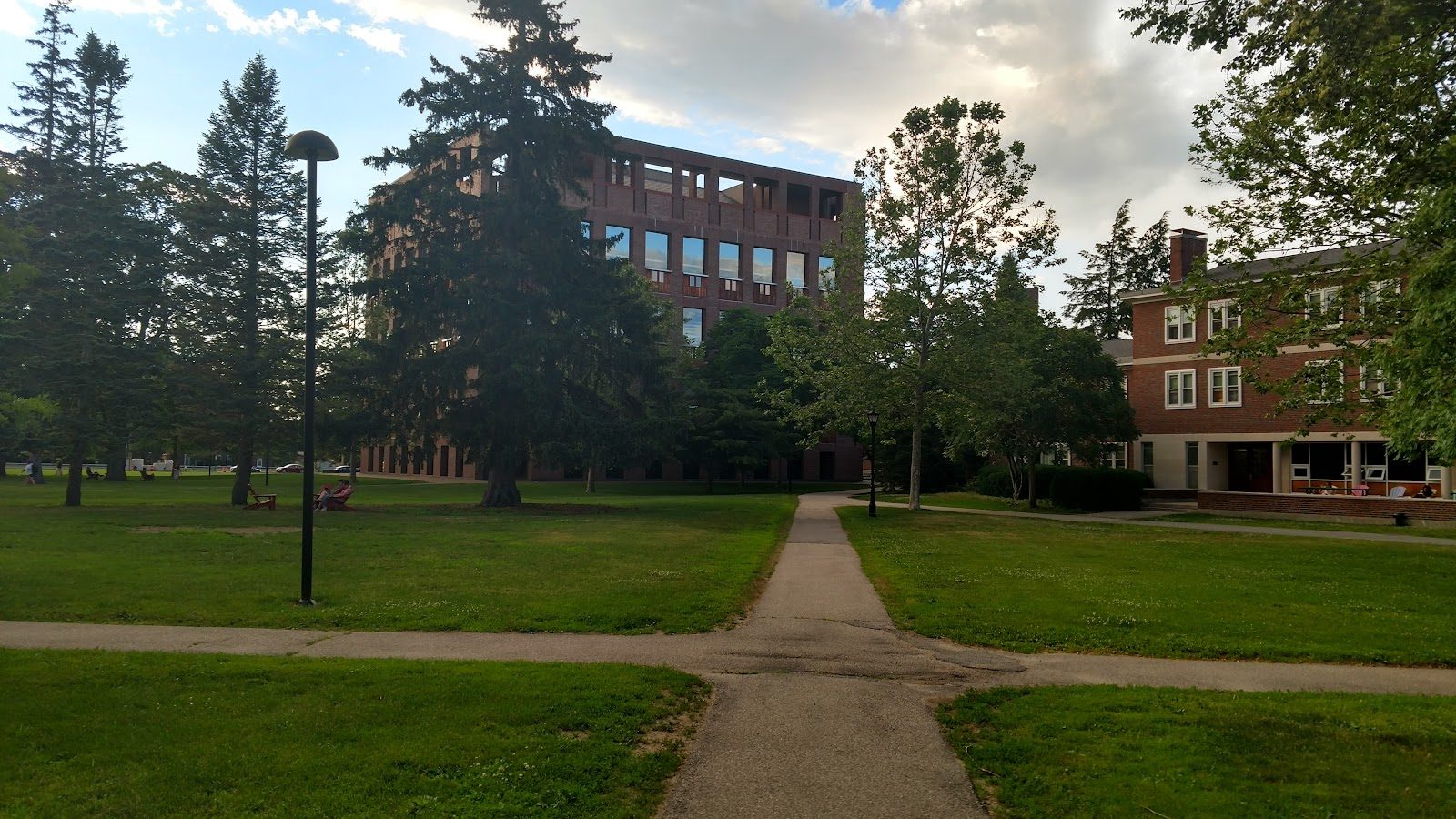
Phillips Exeter Academy
Exeter · United States
Every class gathers around the same oval table Edward Harkness endowed in 1930, still central to Exeter's discussion-driven classrooms.
Same country and curriculum — closest matches within ±10 points either way