
New York
Tracing its roots to 1628 in New Amsterdam, this Upper West Side all-boys day school claims the title of America's oldest independent school.
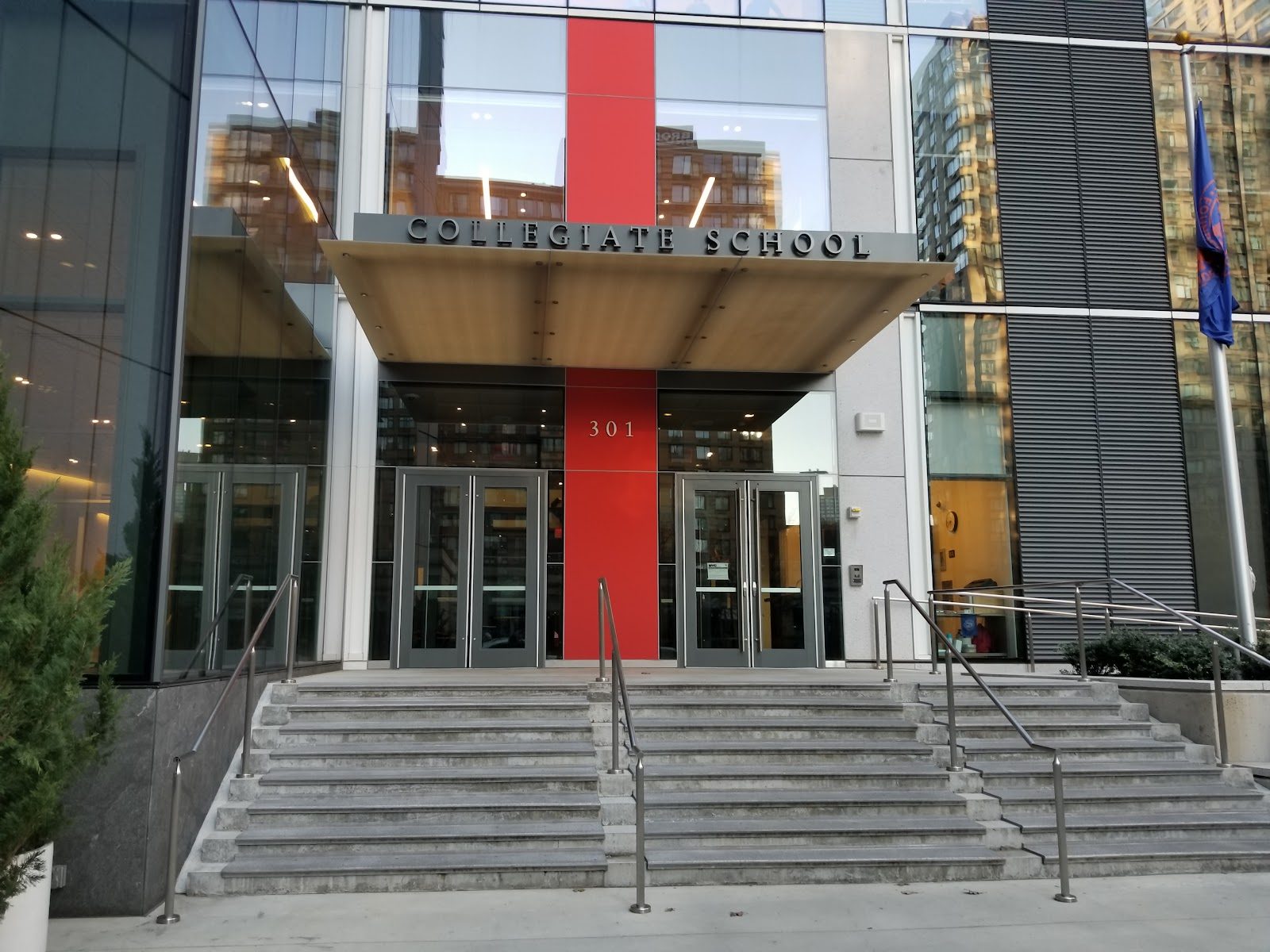
Photo © Christopher Kelly via Google Maps
Type
Day
Ages
5–18
Curriculum
American
Qualifications
AP
Ratio
10:1
The Verdict
Editor's commitment
Right for
Boys aged 5–18 who want a rigorous American education in English, 10:1 staffing, and an Upper West Side all-boys day school.
Wrong for
Families wanting co-education, boarding, or a school priced below the $68,900 average annual day fee across the full ladder.
Watch out for
Collegiate trades hard on 1628 history and NAIS, NEASC status; recent destinations list American University, Amherst and Bates, not headline-chasing numbers.
Ranking breakdown
Collegiate School · #4 of 1591
Composite score 82.5. 8 weighted criteria.
By criterion
Academic Outcomes
Weight 20%
#13
of 1529 scored
University Placement
Weight 16%
#18
of 1529 scored
Prestige & Heritage
Weight 12%
#9
of 1571 scored
Alumni Network
Weight 12%
#14
of 1530 scored
Facilities
Weight 12%
#489
of 1533 scored
Transparency & Communications
Weight 8%
#93
of 1532 scored
Peer & Industry Review
Weight 10%
#38
of 1548 scored
Admissions Selectivity & Demand
Weight 8%
#113
of 1529 scored
Score history
Collegiate School · 2026
Movement across 2024–2026. Peer average overlaid.
Overall — 2024–2026
82.5/ 100
▲ +23.9 vs 2025
year on year
Peer & Industry Review
How Collegiate School is regarded in the sector
92
Top-tier · high confidence
Collegiate School, founded in 1628, is widely recognized as the oldest school in the United States and consistently ranks among the most prestigious all-boys K-12 schools in New York City, frequently appearing in Niche, Forbes, and Town & Country coverage of elite private schools alongside Trinity, Horace Mann, and Dalton. Its alumni network includes prominent figures in finance, law, and politics, and it is a consistent benchmark reference in NYC private school admissions guides and expat parent forums (e.g., Urban Baby, Manhattan private school consultants). Peer institutions and education press regularly cite it as one of the most selective and academically rigorous schools in the country.
Evidence sources
Editors' overview
Collegiate trades on two things at once: age and edge. Its roots stretch back to 1628 in New Amsterdam, and the school leans hard into that inheritance, framing itself as old but not old-fashioned. That pitch has substance. This is an Upper West Side boys’ day school with an American curriculum for ages 5 to 18, a 10:1 student-teacher ratio and 18 pupils in the average class: intimate by New York standards, but not indulgently tiny. The school’s own language is steeped in brotherhood, tradition and the explicit business of educating boys as boys. Parents who dislike single-sex education will not be persuaded here. Parents who want a school with a clear institutional identity will find one.
What marks Collegiate out is the combination of historic self-confidence and academic seriousness. The school states its case plainly: rigorous scholarship, purposeful work and high standards. It also puts unusual weight on belonging and character, with a pastoral vocabulary that is more emotionally direct than many old-line independents. “Known, valued, and loved” is not standard patrician boilerplate. That matters, because schools with deep traditions can lapse into hardness or complacency; Collegiate is trying to hold onto the force of tradition without turning stale. The all-boys setting is central to the offer, not a decorative legacy. The school argues that it gives boys room to develop, test themselves and form durable bonds. For the right child, that is distinctive; for the wrong one, it is a non-starter.
This is an expensive school at an average annual fee of $68,900, and families are paying for a high-conviction proposition rather than a broad church. Collegiate suits boys who will thrive in a structured, academically ambitious environment with strong peer culture and a pronounced sense of institutional continuity. It will appeal to families who want seriousness without social chaos, and tradition without piety; it is non-religious, accredited by NEASC and NAIS, and sends leavers to selective US colleges, with recent destinations including Bates, Amherst and American University. Boys who want a co-ed atmosphere, a looser culture or a school still working out what it stands for should look elsewhere. Boys who want intellectual rigour, a strong male cohort and a school that knows exactly what it is should have Collegiate on the shortlist.
Academic Performance
Collegiate does not publish the hard outcome data that would let parents judge academic performance cleanly against New York’s strongest independents. We have not seen aggregate SAT or ACT averages, AP participation rates, AP score distributions, National Merit figures, or a full college matriculation list. That is a real gap. For a school with a serious academic reputation, opacity on external results weakens scrutiny. The available signals point to a demanding academic culture: the school talks in the language of scholarship, risk-taking and intellectual independence, and recent destinations include selective liberal arts colleges and universities rather than a scattergun list padded for effect. That reads as credible, but it is not the same thing as published performance data.
Relative to peers, Collegiate sits in the bracket where families expect excellent outcomes, deep preparation and admissions into highly selective US colleges as routine rather than exceptional. On public evidence, it clears the threshold for high-expectation schooling but does not disclose enough to prove where it lands within that top tier. Some rival Manhattan independents are more transparent about university destinations and testing profiles. Collegiate asks parents to trust the institution’s academic standing and long-established reputation. Many will. Hard-nosed families, at an average annual fee of $68,900, have grounds to ask for more than reputation.
Facilities
Collegiate’s public case does not lean on a trophy campus, and that restraint matters. The school foregrounds teaching, student life and athletics, but gives little granular detail about specialist spaces, labs, studios, theatres or sports provision. That leaves parents without the clean inventory many competitor schools now publish as standard. What is clear is that the school operates from a modern Upper West Side site and uses it to support a tight-knit, high-control day-school experience rather than a sprawling, all-things-to-all-families model. For some families, that focus is a strength. For others, especially those comparing Manhattan independents with showpiece arts or athletics complexes, the lack of public detail is a weakness.
Against peers, Collegiate does not win the facilities argument on transparency. Schools at this level usually make their science, arts and sports assets legible because those spaces shape daily life as much as teaching does. Collegiate instead asks parents to buy into culture, academic tone and boys’ education first, with campus hardware left in the background. That does not mean the site is thin; it means the school does not publish enough to prove breadth or distinction. The practical reading is straightforward: if your son needs serious facilities in the performing arts, design, maker spaces or elite athletic training, inspect closely and ask hard questions. If you value a contained, purposeful environment over spectacle, Collegiate’s approach will suit.
For the right child, that is distinctive; for the wrong one, it is a non-starter
Prestige
Collegiate carries serious old-school prestige, and not the synthetic kind built by aggressive branding. Its standing rests on three hard assets: extreme longevity, a place in New York’s top independent-school ecosystem, and an admissions profile that is selective enough to confer status before a boy has set foot in a classroom. In Manhattan, that combination matters. Collegiate has the social recognition that travels: among employers, universities, private clubs, old family networks and competitive peer schools, the name already means something. The school’s membership of New York Interschool and the Ivy Preparatory School League reinforces that elite metropolitan positioning. This is not prestige borrowed from flashy facilities or global expansion. It is institutional prestige built over generations and sustained by continuity.
The prestige rating also holds because the school has not diluted its identity to chase everyone. An all-boys education with a pronounced culture of brotherhood, discipline and scholarship narrows the market; it also sharpens the brand. Families paying an average annual fee of $68,900 are buying entry into a high-status, high-conviction institution with a strong internal culture and a name that carries weight well beyond the school gate. There is, however, one limit to the claim. Collegiate does not publish the full body of outcome data that would let parents test reputation against transparent academic results. That gap does not erase the prestige. It does mean some of the school’s authority still rests on inheritance, networks and long memory as much as on public proof.
On public evidence, it clears the threshold for high-expectation schooling but does not disclose enough to prove where it lands within that top tier
Communications
Collegiate communicates with the same discipline it applies to the rest of the school: clear navigation, direct contact points and a tidy separation between academics, student life, athletics, admissions and support. The public-facing site does the essentials well. Key routes are easy to find, there is a named address and telephone line, and the school does not bury basic access behind layers of brand theatre. That matters for parents. Too many prestige schools mistake mood-setting for communication. Collegiate does not. The tone is controlled, institutionally confident and message-led: history, brotherhood, care and scholarship. You know the school’s priorities quickly. You also know this is a high-conviction place, not a school trying to sound all things to all families.
The weakness is depth. Collegiate is strong on institutional voice and weak on operational detail. We have not seen the kind of granular parent information that helps families judge day-to-day communication quality: published calendars in context, examples of routine parent updates, clear breakdowns of academic reporting, or much specificity on facilities and outcomes. That leaves an opaque patch beneath a polished surface. For current families, communication may be excellent inside the portal and inbox; for prospective parents, the school gives a strong sense of ethos but less evidence of how information flows in practice. In short: persuasive on identity, thinner on proof. At an average annual fee of $68,900, parents can ask for both.
Uniqueness
What sets Collegiate apart is not age alone but the way it turns age into operating culture. Many old schools keep their history in the prospectus and move on. Collegiate threads it through daily life: brotherhood, inherited standards, civility, self-command and a clear idea of what boys owe one another. The result is a school with unusually hard edges for families who want ambiguity, and real force for families who want a boy to grow up inside a high-conviction institution. The all-boys model is central, not residual. Collegiate’s own account of boys’ education is explicit: it wants boys to test themselves, build strong male friendships, handle emotion with confidence and develop a grounded idea of manhood. In a market full of schools softening their distinctiveness, that is strikingly unapologetic.
What this brings to students is cohesion. A boy here gets a more unified message than he will in many prestige independents: scholarship matters, conduct matters, belonging matters, and none of those sits apart from the others. The pastoral language is also distinctive. “Known, valued, and loved” is a disarmingly direct phrase for a school of this lineage, and it points to something more than polished manners. Paired with a low staffing ratio and average classes of 18, it indicates a school built for close adult oversight rather than benign neglect. That will suit boys who thrive on structure, accountability and strong peer identity. It will jar for boys who want a looser, less codified adolescence.
In a market full of schools softening their distinctiveness, that is strikingly unapologetic
Student Profile
The best fit is a boy who wants to belong to something defined, not something fluid. Collegiate is built for students who can live comfortably inside a strong institutional culture: boys who respond to clear expectations, take pride in membership, and do not bridle at language about brotherhood, character and responsibility. This is not the place for a child who wants anonymity, a casual peer culture or a school still negotiating its values in real time. The average class size of 18 points to a setting where boys are known closely and where disengagement is harder to hide. Students who thrive here will tolerate scrutiny, accept correction and gain energy from a cohort that is tight rather than loose.
Temperament matters as much as ability. Collegiate suits boys with academic drive, social confidence and enough maturity to handle a culture that links scholarship with conduct. It will work well for boys who like structure, enjoy being held to account and want strong same-sex friendships without the social theatre of co-ed adolescence. It will be a poor fit for boys who need a highly eclectic environment, resist institutional codes or find single-sex settings constricting. The school’s own language is unusually emotionally explicit for such an old institution, which points to a student body expected to engage not just intellectually but personally. In blunt terms: boys who want serious standards and a strongly shaped school community fit here; boys who want looseness do not.
Its roots stretch back to 1628 in New Amsterdam, and the school leans hard into that inheritance, framing itself as old but not old-fashioned
Co-curricular strengths
Arts & sport, on a separate axis
Overall 8.2/10
Scored 0-10 from the school's own published evidence. This axis is editorial-only — it does not feed the main WTS ranking.
Sports
8.5/10
Maximizes its modern vertical Manhattan campus with rooftop athletic spaces, running hyper-competitive basketball and track teams.
Drama
8.5/10
Excellent black-box and mainstage spaces producing high-intensity, intellectually complex plays and student-written works.
Dance
6.5/10
Treated as a targeted movement asset within theater staging rather than an independent standalone conservatory track.
Music
9/10
Highly sophisticated jazz combos and chamber ensembles that perform regularly across elite New York cultural venues.
Visual Arts
8.5/10
Advanced digital art suites, print labs, and fine painting studios designed to match high-end college portfolio requirements.
Editor-verified · 8/6/2026
Outcomes & destinations
Where students go next
Class of 2024
Top destinations
261 placements
- American University· 2
- Amherst College· 2
- Bates College· 3
- Boston College· 4
- Bowdoin College· 4
- Brandeis University· 1
- Brown University· 8
- Carleton College· 2
- Claremont McKenna College· 1
- Colby College· 3
- Colgate University· 6
- Colorado College· 1
- Columbia University - Sciences Po - Dual BA· 1
- Columbia University· 11
- Connecticut College· 2
- Cornell University· 13
- Dalhousie University· 1
- Dartmouth College· 3
- DePaul University· 1
- Duke University· 10
- Dutchess Community College· 1
- Emory University· 5
- Emory University-Oxford College· 1
- Fordham University· 2
- Georgetown University· 10
- Georgia Institute of Technology· 1
- Hamilton College· 1
- Harvard University· 14
- Haverford College· 1
- Hobart and William Smith Colleges· 1
- Ithaca College· 1
- Kenyon College· 3
- Lafayette College· 4
- Lehigh University· 1
- McGill University· 1
- Middlebury College· 3
- New York University· 4
- Northfield Mount Hermon· 1
- Northwestern University· 9
- Oberlin College· 1
- Princeton University· 3
- Rice University· 2
- Rochester Institute of Technology· 1
- Santa Clara University· 1
- Sarah Lawrence College· 1
- Skidmore College· 3
- Southern Methodist University· 3
- Stanford University· 5
- Swarthmore College· 1
- Syracuse University· 1
- The University of Texas at Austin· 2
- Trinity College· 2
- Tufts University· 2
- Tulane University of Louisiana· 3
- Union College· 2
- United States Air Force Academy· 1
- United States Military Academy· 1
- University of California, Berkeley· 1
- University of California, Irvine· 1
- University of California, Los Angeles· 1
- University of California, San Diego· 1
- University of Chicago· 26
- University of Connecticut· 1
- University of Michigan-Ann Arbor· 3
- University of Oregon· 1
- University of Pennsylvania· 10
- University of St Andrews· 5
- University of Toronto· 1
- University of Vermont· 1
- University of Virginia· 1
- University of Wisconsin-Madison· 2
- Vanderbilt University· 4
- Wake Forest University· 3
- Wesleyan University· 4
- William & Mary· 1
- Williams College· 7
- Yale University· 9
Reported by the school. Confirm with admissions.
WTS 300 badge
2025/26 editionCollegiate School is one of the World's Top 300 Schools for 2025/26. Claim your listing to add it to your site →
Strengths
- +Founded in 1628, Collegiate is widely recognized as the oldest continuously operating school in the United States, predating Harvard University.
- +In 2018 the school consolidated into a single purpose-built ten-story campus at 301 Freedom Place South, replacing a century-old multi-building site with modern classrooms, three gymnasiums, a 40,000-book library and a full theatre with blackbox space.
- +Maintains a low student-teacher ratio, cited by the school itself as roughly 6:1 and by third-party trackers as 5:1 to 8:1, within an enrollment of only about 660-670 boys.
- +Belongs to established professional networks including the Ivy Preparatory School League, New York Interschool consortium, and membership bodies such as NAIS, NYSAIS and the International Boys' Schools Coalition.
- +Notable alumni network spans generations, from John F. Kennedy Jr. and actor David Duchovny to publishing and business figures such as Edgar Bronfman Jr., reflecting long-standing ties to New York's professional and cultural establishment.
Considerations
- −All-boys only from Kindergarten through Grade 12, which rules out families seeking coeducational schooling at any stage.
- −Tuition runs to roughly $65,900 a year according to recent private-school trackers, before fees, placing it among the most expensive day schools in the city.
- −Admissions are heavily weighted toward Kindergarten entry; independent estimates place acceptance rates near 10 percent, and mid-grade openings are rare once a class is established.
- −The entire school operates out of one Manhattan building, so families wanting sprawling campuses, extensive outdoor playing fields, or a suburban setting will not find that here.
Availability
Primary entry gate & tests
ISEE + Group Visit (Boys)
Gallery
Photo © Collegiate School via Google Maps
Photo © Daniel Tasman via Google Maps
Photo © Daniel Tasman via Google Maps
Parent reviews
Have you sent your child here?
Voice reviews carry the strongest trust badge — we transcribe them for you to tidy up before they go live. Prefer to type? A written review is fine too.
Add your voice
In 60 seconds, tell other parents: what's the best thing about Collegiate School, and what surprised you when your child joined?
We ask for a Google sign-in so every review has a real face behind it — no anonymous drive-by attacks on schools, and no faked positive reviews. Your email is never shown publicly.
Send this profile to a friend
International parents rely on word-of-mouth. Share this review with someone weighing the same decision.
Schools with places
Similar schools to Collegiate School with places available now.
Stuyvesant High School
New York City · United States
- 2026-27
- CLOSEDStandard route
- 2027-28
- OPENS SOONOpens 6 Oct '26
The Brearley School
New York City · United States
- 2026-27
- CLOSEDConfirmed full
- 2027-28
- OPENS SOONOpens mid-Aug '26
Horace Mann School
New York City · United States
- 2026-27
- CLOSEDRegular cycle
- 2027-28
- PLACES OPENActive now; Interviews begin 14 Sept
Regis High School
New York City · United States
- 2026-27
- CLOSEDStandard route
- 2027-28
- PLACES OPENNov 2 Deadline, HSPT 14 Nov
Availability first, then country, area, curriculum, price, co-curricular
Consider also
Also worth looking at alongside Collegiate School.
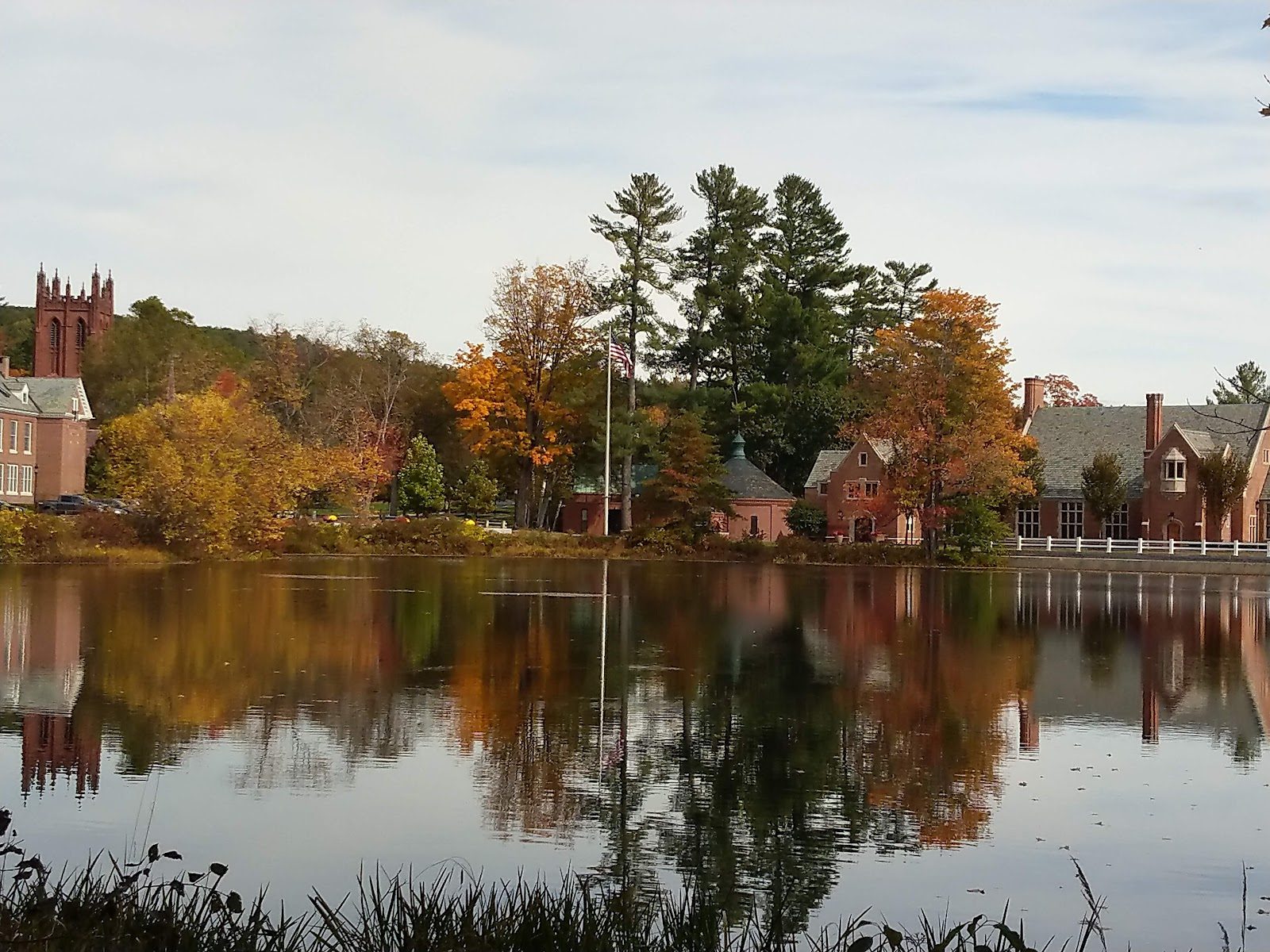
St. Paul's School
Concord · United States
On a 2,000-acre Concord campus where American ice hockey was born in 1883, boarding life still shapes every house and classroom.
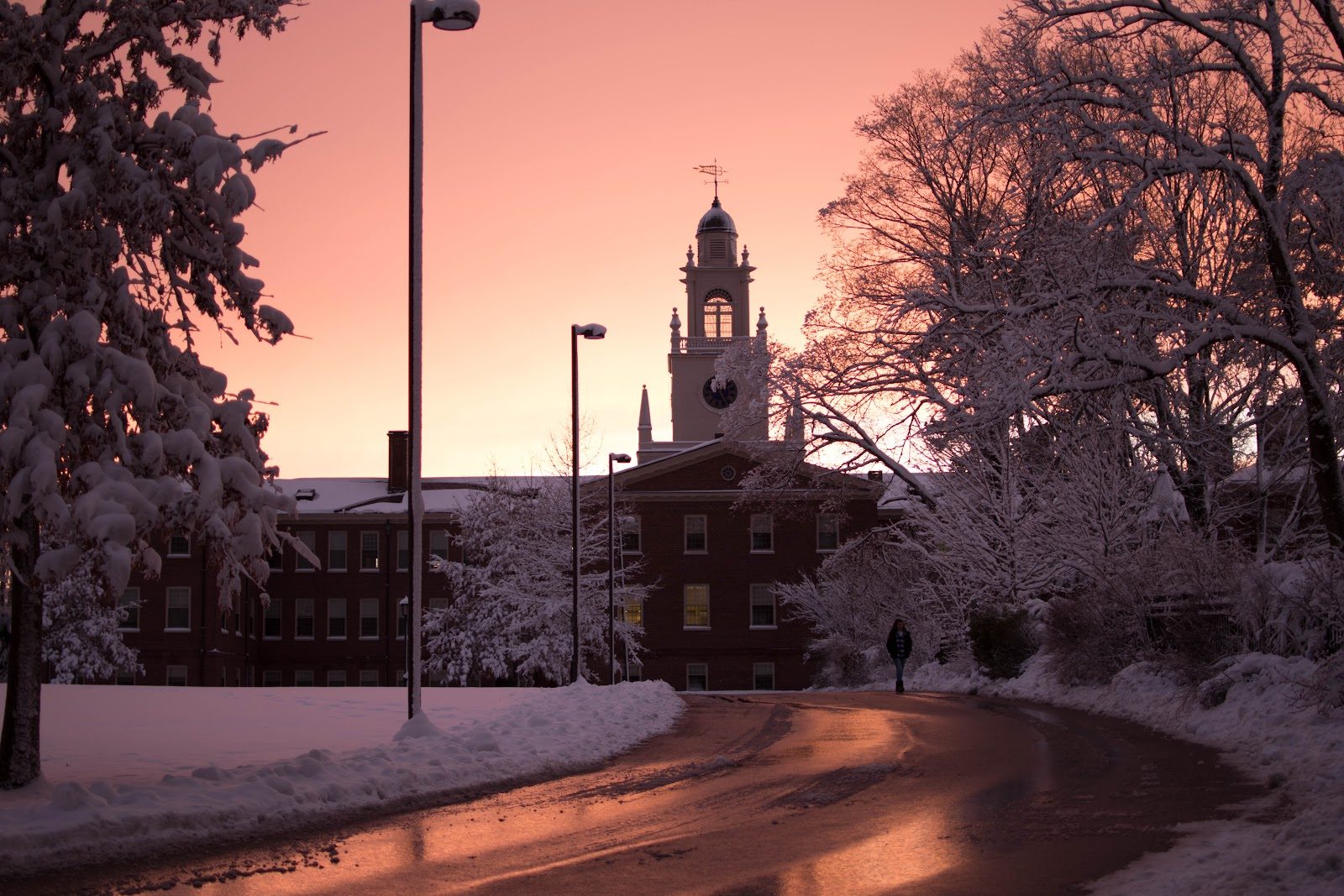
Phillips Academy
Andover · United States
Founded in 1778 as the nation's oldest incorporated boarding school, its Harkness tables still turn lectures into conversation.
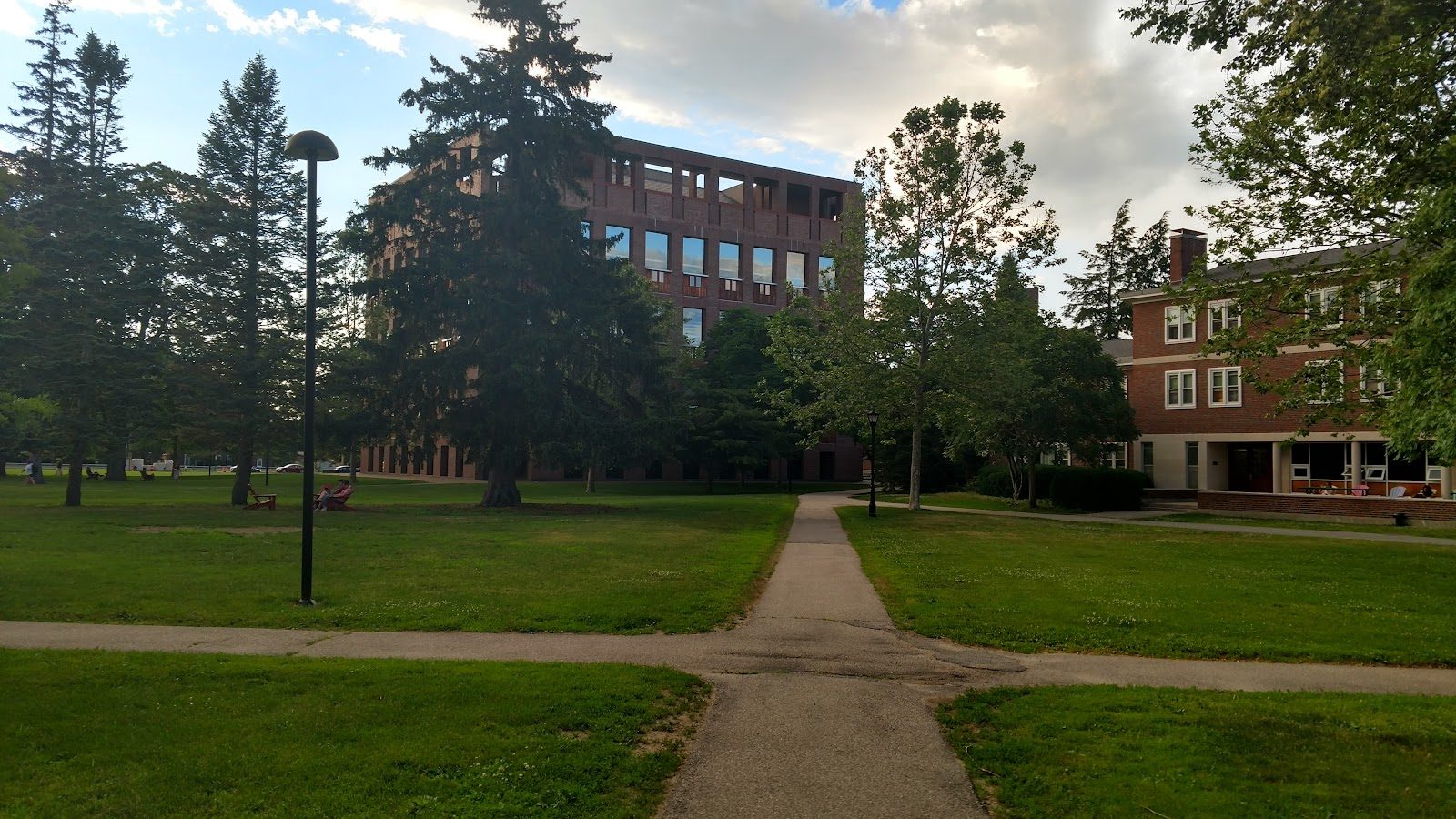
Phillips Exeter Academy
Exeter · United States
Every class gathers around the same oval table Edward Harkness endowed in 1930, still central to Exeter's discussion-driven classrooms.
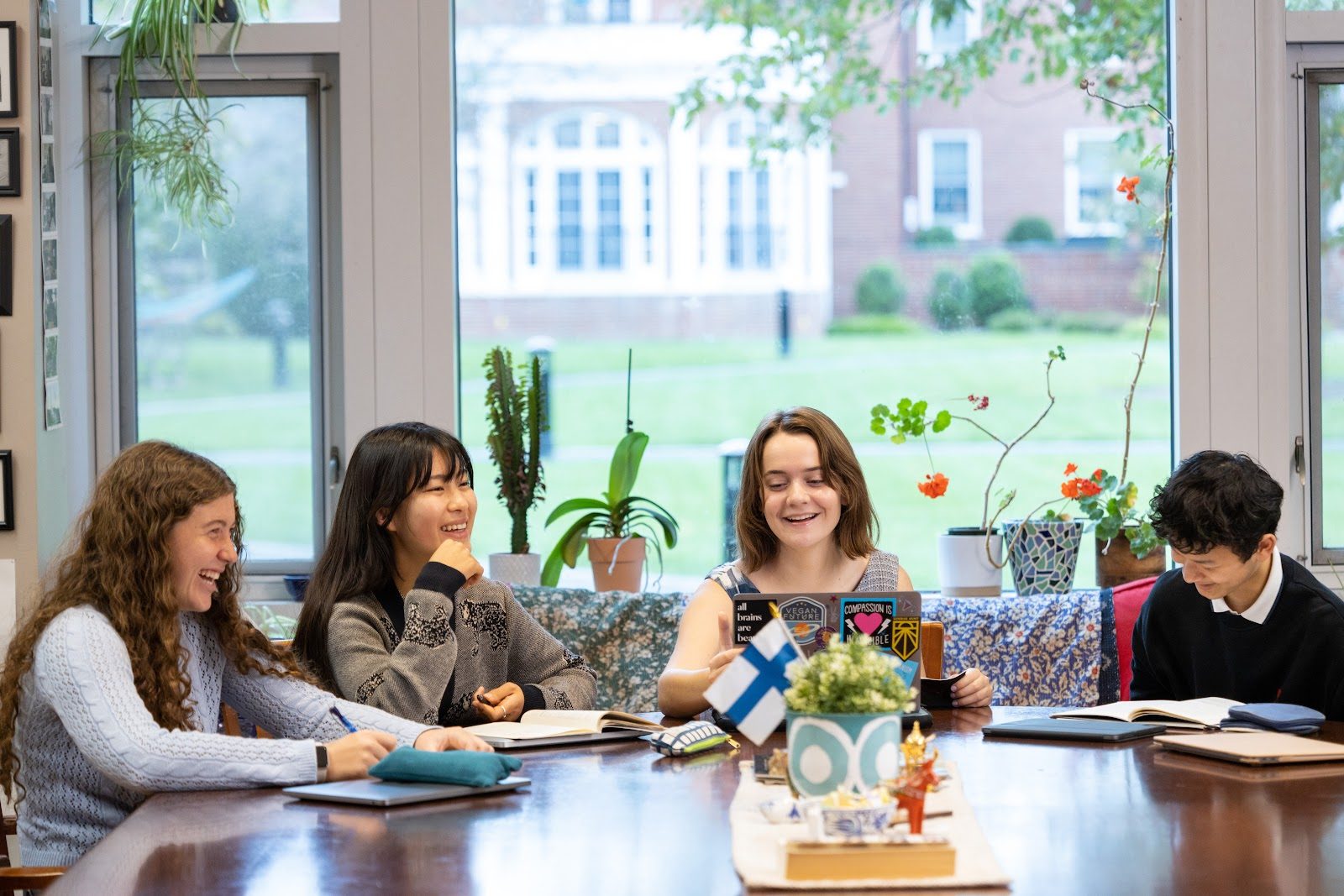
The Lawrenceville School
Lawrenceville · United States
Since 1936, oval Harkness tables replace lectures with discussion, while a century-old House system anchors campus life
Same country and curriculum — closest matches within ±10 points either way