
Old Airport
International Community School of Addis Ababa
low confidence· 4/6 cats · 1 avg sourcesOn land gifted by an emperor in Africa's diplomatic capital, its running track bears the name of Haile Gebrselassie
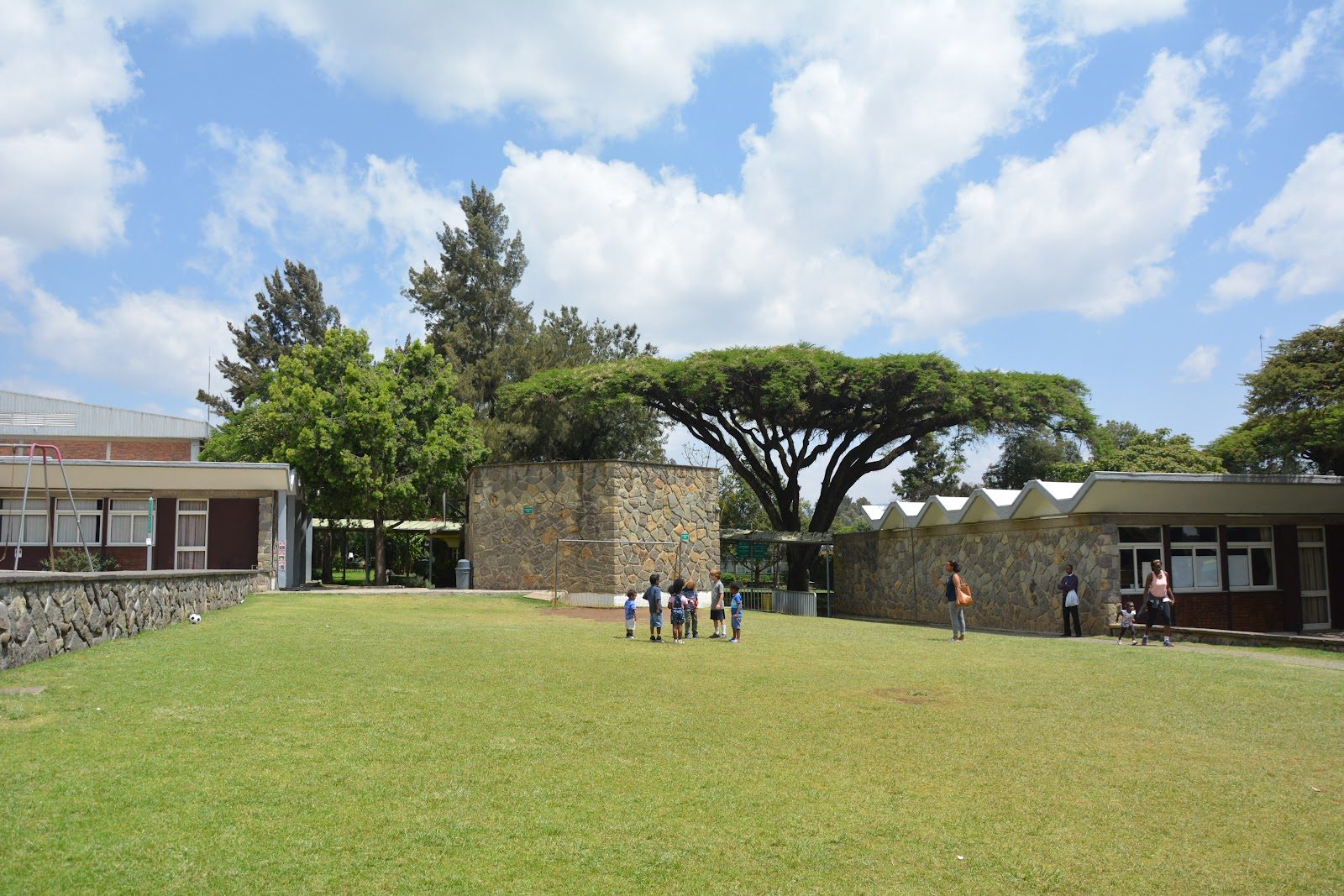
Photo © Markos Kidane via Google Maps
Type
Day
Ages
3–18
Curriculum
American · IB
Qualifications
AP · IB Diploma · US High School Diploma
Ratio
—
The Verdict
Editor's commitment
Right for
Families wanting a non-profit, English-medium day school founded in 1964, with 80+ nationalities and the full IB continuum on 15 acres.
Wrong for
Parents seeking a British curriculum, boarding, or religious framing: ICS Addis is non-religious, day-only, and school-declared American and IB.
Watch out for
At 900+ students and 200+ activities, scale is a selling point; the school does not publish aggregate IB results or university destinations.
Ranking breakdown
International Community School of Addis Ababa · #1254 of 1591
Composite score 56.9. 8 weighted criteria.
By criterion
Academic Outcomes
Weight 20%
#1220
of 1529 scored
University Placement
Weight 16%
#1227
of 1529 scored
Prestige & Heritage
Weight 12%
#1259
of 1571 scored
Alumni Network
Weight 12%
#860
of 1530 scored
Facilities
Weight 12%
#1194
of 1534 scored
Transparency & Communications
Weight 8%
#1197
of 1532 scored
Peer & Industry Review
Weight 10%
#1108
of 1548 scored
Admissions Selectivity & Demand
Weight 8%
#1077
of 1529 scored
Peer & Industry Review
How International Community School of Addis Ababa is regarded in the sector
64
Respected · medium confidence
I could not identify at least two independent, third-party sources (e.g., Tatler, Good Schools Guide, specialist education press, or established expat forums) that substantively assess ICS Addis Ababa's reputation. Available information is largely limited to the school's own materials or general directory listings without independent editorial evaluation.
Editors' overview
International Community School of Addis Ababa sits in the top tier of the city’s market: a long-established, non-profit, English-medium international school with the full IB continuum, a large campus and a student body that reaches well beyond any single embassy or corporate enclave. Founded in 1964, it has the institutional depth that newer schools cannot manufacture. The numbers matter. ICS serves 900+ students, draws families from 80+ nationalities and runs at an 8:1 student-teacher ratio. In Addis, that combination of scale, continuity and international mix is rare. The school’s strongest selling point is not branding but infrastructure: a 15-acre campus in the capital, two natural grass fields including a FIFA-certified pitch, a 25-metre pool, indoor and outdoor performance spaces, specialist arts facilities and room for children to move. This is a school with serious physical presence, not a rented-city-campus compromise.
What makes ICS special is the blend of diplomatic-capital history and unusually expansive grounds. The site itself carries weight: land gifted by Emperor Haile Selassie, with a running track named after Haile Gebrselassie. That matters because it gives the school a local story that many international schools lack. It is not a generic global export dropped into Addis; it has roots in the city. The school also pushes a broad student experience hard: 200+ activities, 17 student-led service clubs, international travel for competition, and visible investment in sport, arts and service. Parents who want an international school that delivers a full life beyond lessons will take this seriously. The caveat is equally clear: the school publishes plenty about facilities, activities and community, but no aggregate IB outcomes in the public domain. For a school at this price point and status level, that is a gap.
This school belongs on a shortlist for families who want an academically credible, socially mixed, high-participation environment rather than a narrow exam factory. It will suit internationally mobile children, confident joiners, sporty students, arts-minded students and pupils who benefit from space, structure and range. It will also suit families who value an inclusive culture and a community school model over social exclusivity. Children who thrive in a busy, outward-facing setting, with real access to clubs, teams, performances and service, will do well here. Those who want a tiny school, a highly traditional academic culture, or published headline results as the first proof point may look harder at alternatives. For many expatriate and internationally minded local families in Addis, though, ICS is the obvious reference school: *well-resourced, globally mixed and hard to ignore*.
Academic Performance
Academic performance is the weak point in ICS Addis’s public case. The school offers the full IB pathway through to the Diploma and Career-related programmes, but it does not publish aggregate diploma averages, pass rates, subject breakdowns or university destination data in the public domain. For parents trying to judge academic returns against other premium international schools, that is a real deficit. Strong facilities, a broad activities menu and a high-functioning community model do not answer the central results question. The school plainly has the scale, staffing and programme breadth to produce serious outcomes, but it has chosen not to show them in headline form.
That leaves ICS in an awkward position relative to peers. Among top-rank international schools, especially those charging at the upper end of their local market, standard practice is to publish at least core IB diploma data. ICS does not. That does not mean weak results; it means opaque results. In Addis, the school’s long-established status and breadth still keep it near the front of the market, and families will read academic quality through student culture, teacher quality and post-school pathways as much as through exam tables. Even so, on external examination transparency, ICS falls short of the best comparator schools. Parents who want hard proof of academic performance, not institutional confidence, will need to press the school directly for recent IB outcomes and destination lists.
Facilities
Facilities are a central reason to consider ICS. The campus has the breadth that many city schools cannot match, and the school uses that space for more than ornamental landscaping. The strongest assets are the sports estate and specialist learning spaces: two natural grass fields, one of them FIFA-certified; a new 25-metre pool; indoor and outdoor performance venues; dedicated studios and art rooms; flexible classroom hubs in the younger and middle years; and a campus garden that functions as teaching space rather than decorative afterthought. For Addis, this is a serious operational advantage. Children have room to train, rehearse, gather and move between different modes of learning without the cramped, vertical feel common in urban international schools. The grounds also carry a rare sense of ease for a capital-city school.
Against peer schools, the benchmark is strong. Plenty of international schools can offer a decent hall, a small pitch and competent classrooms; fewer can offer a sports setup with genuine competitive credibility plus specialist arts and outdoor learning in one place. The athletics provision stands above the local norm, and the pool adds depth that many rivals lack. The academic spaces also matter: the hub model points to a school investing in collaboration and workshop-style teaching, not rows of fixed desks. The caveat is straightforward. “State-of-the-art” is school language, not a standard. ICS shows the right categories of facility and the right scale, which places it in the top bracket locally, but it does not publish the kind of technical detail that would let parents judge maintenance cycles, lab specification or theatre capacity with forensic precision.
What makes ICS special is the blend of diplomatic-capital history and unusually expansive grounds
Prestige
ICS Addis has real prestige, but it is the prestige of institutional weight and network position, not the prestige of published academic dominance. In Addis, that matters. This is the city’s reference-point international school for diplomatic, NGO and globally mobile families: non-profit, long-established, internationally mixed and large enough to sustain a serious programme beyond the classroom. The community profile carries status of its own. A school drawing 80+ nationalities and offering 200+ activities projects reach, confidence and permanence. The site deepens that standing. Land gifted by Haile Selassie and a track named after Haile Gebrselassie give ICS a local legitimacy that imported brands cannot replicate. It has roots, memory and recognition.
The limit on that prestige is clear. ICS does not publish the exam data and destination outcomes that turn reputation into hard currency for exacting parents. So the school ranks as high-status, but not fully evidenced. Its standing rests on history, campus quality, community breadth and visibility in Addis’s international circles, rather than on openly demonstrated academic superiority. That still places it near the top of its market: families know the name, employers know the name, and the school has the kind of social credibility that newer competitors spend years trying to build. But prestige at the highest level demands transparent outcomes as well as profile. ICS has the profile already; on proof, it still leaves a gap.
Founded in 1964, it has the institutional depth that newer schools cannot manufacture
Communications
ICS communicates with parents in a busy, public-facing way. The website is frequently updated, and not with token notices: it carries dated news items on staffing, student trips, music partnerships, alumni appointments and the rhythms of the school year. That gives parents a clear sense that the school treats communication as an operating function, not a compliance task. The social and community emphasis is also explicit. Parents are invited into school life through the PTO, events, volunteering and facility use, which points to a culture of contact rather than a fortress mentality. For a school serving 80+ nationalities, that matters. International families need systems that explain the life of the school plainly and repeatedly. ICS does that in a confident, high-visibility way.
The limit is depth. ICS is strong on atmosphere, activity and community messaging, but weaker on the information that hard-nosed parents scrutinise most closely. We have not seen public aggregate exam outcomes, destination summaries or much in the way of forensic academic reporting. That leaves the communications model warm and expansive, but not fully accountable on results. Parents will learn a lot about what children do each week and how the community functions; they will learn less, in public, about what academic performance adds up to. So the verdict is clear: day-to-day and culture-building communication looks well-drilled and energetic, while performance communication remains the school’s obvious blind spot.
Uniqueness
What sets ICS apart is not a single flagship programme but a rare combination: a true community-school model with the scale to deliver it, anchored in a campus that feels woven into Addis rather than sealed off from it. Many international schools talk about belonging; ICS gives it practical form. Parents can use facilities, volunteer through the PTO, attend events and move through a school that treats community participation as part of its operating model, not as an occasional extra. The campus itself adds character that newer schools struggle to invent: tortoises roaming the grounds, a student-run garden, an Office of Learning set within green space, and sports facilities certified to external standards. That mix gives the school a distinct local texture inside an overtly international setting. For students, the result is a school life that feels less transactional and more properly inhabited.
The second point of difference is range with coherence. ICS runs 200+ activities and 17 student-led service clubs, and it starts this breadth young rather than reserving it for older pupils polishing university applications. Add in musical collaboration with local organisations, international competition travel, aquatics, arts, service and team sport, and the school’s version of international education becomes conspicuously full-spectrum. Children do not just attend lessons and go home; they build routines, allegiances and competence across multiple arenas. That brings clear gains for confident, curious students who want a high-participation school and for families who value social integration as much as academics. The trade-off is plain: pupils who prefer a quieter, narrower, more academically monastic environment may find the culture busy by design.
ICS serves 900+ students, draws families from 80+ nationalities and runs at an 8:1 student-teacher ratio
Student Profile
This is a school for children who want to join in. The student who fits best at ICS is outward-facing, socially adaptable and comfortable in a community with 80+ nationalities moving through the same campus. New arrivals, third-culture children and pupils from internationally mobile families have strong odds here because the school’s social fabric is built around turnover, diversity and participation rather than one fixed local clique. It also suits children who like their week to extend beyond lessons: sport, music, service, trips, clubs and community events are not side dishes here but part of the school’s core rhythm. The student who thrives is energetic, curious and willing to be visible.
It is also a good match for families who want a child’s education to feel broad rather than narrow. Creative pupils, sporty pupils and students who need space, movement and varied routines will get more traction here than they would in a tighter, exam-drilled environment. The low staffing ratio supports pupils who benefit from adult attention without needing a therapeutic or highly protected setting. The weaker fit is clear. A child who wants a small, quiet, intensely academic atmosphere, or who dislikes communal expectations and high activity levels, may find ICS too busy, too public and too full-spectrum. This is not a school for hiding at the back. It rewards students who are ready to participate in earnest.
In Addis, that combination of scale, continuity and international mix is rare
Co-curricular strengths
Arts & sport, on a separate axis
Overall 8.24/10
Scored 0-10 from the school's own published evidence. This axis is editorial-only — it does not feed the main WTS ranking.
Sports
9.2/10
Drama
8.5/10
Dance
6.5/10
Music
8.5/10
Visual Arts
8.5/10
Editor first-pass · editor-reviewable · 7/30/2026
Strengths
- +One of the oldest international schools in Ethiopia, founded in 1965, giving it a long-established presence in the Addis Ababa expatriate community.
- +Holds dual accreditation from both NEASC and the Council of International Schools (CIS), a marker of external quality review.
- +Offers a dual-track curriculum, combining an American college-preparatory program with the IB Diploma Programme in the final two years.
- +Serves the large diplomatic, NGO and African Union community in Addis Ababa, giving it a genuinely international, transient student mix.
- +Single day campus with continuous PreK-12 provision, avoiding the need for families to change schools as children age up.
Considerations
- −As a small-market international school, IB and AP subject choices are narrower than at larger hubs such as Nairobi or Johannesburg.
- −Addis Ababa's infrastructure (power supply, traffic, altitude) can affect day-to-day school logistics and extracurricular travel.
- −Landlocked, non-coastal location with limited direct international flight connections compared to other African diplomatic capitals.
- −Fee levels are not publicly itemised on the school website, making cost comparison difficult for prospective families before contact.
Availability
Primary entry gate & tests
Academic Record
Gallery
Photo © Markos Kidane via Google Maps
Photo © Markos Kidane via Google Maps
Photo © Markos Kidane via Google Maps
Photo © Markos Kidane via Google Maps
Photo © Markos Kidane via Google Maps
Parent reviews
Have you sent your child here?
Voice reviews carry the strongest trust badge — we transcribe them for you to tidy up before they go live. Prefer to type? A written review is fine too.
Add your voice
In 60 seconds, tell other parents: what's the best thing about International Community School of Addis Ababa, and what surprised you when your child joined?
We ask for a Google sign-in so every review has a real face behind it — no anonymous drive-by attacks on schools, and no faked positive reviews. Your email is never shown publicly.
Send this profile to a friend
International parents rely on word-of-mouth. Share this review with someone weighing the same decision.
Schools with places
Similar schools to International Community School of Addis Ababa with places available now.
Al Hekma International School
Manama · Bahrain
- 2026-27
- PLACES OPENApps open / space-dependent
- 2027-28
- WAITPOOL2027/28 timetable TBC
Yew Chung International School of Chongqing
Chongqing · China
- 2026-27
- WAITPOOLSpace-dependent
- 2027-28
- WAITPOOLRolling / space-dependent
Bishop Cotton School
Shimla · India
- 2026-27
- WAITPOOLSpace-dependent
- 2027-28
- PLACES OPENRolling
Collège du Léman
Versoix · Switzerland
- 2026-27
- WAITPOOLSpace-dependent
- 2027-28
- PLACES OPENRolling
Availability first, then country, area, curriculum, price, co-curricular
Consider also
Also worth looking at alongside International Community School of Addis Ababa.
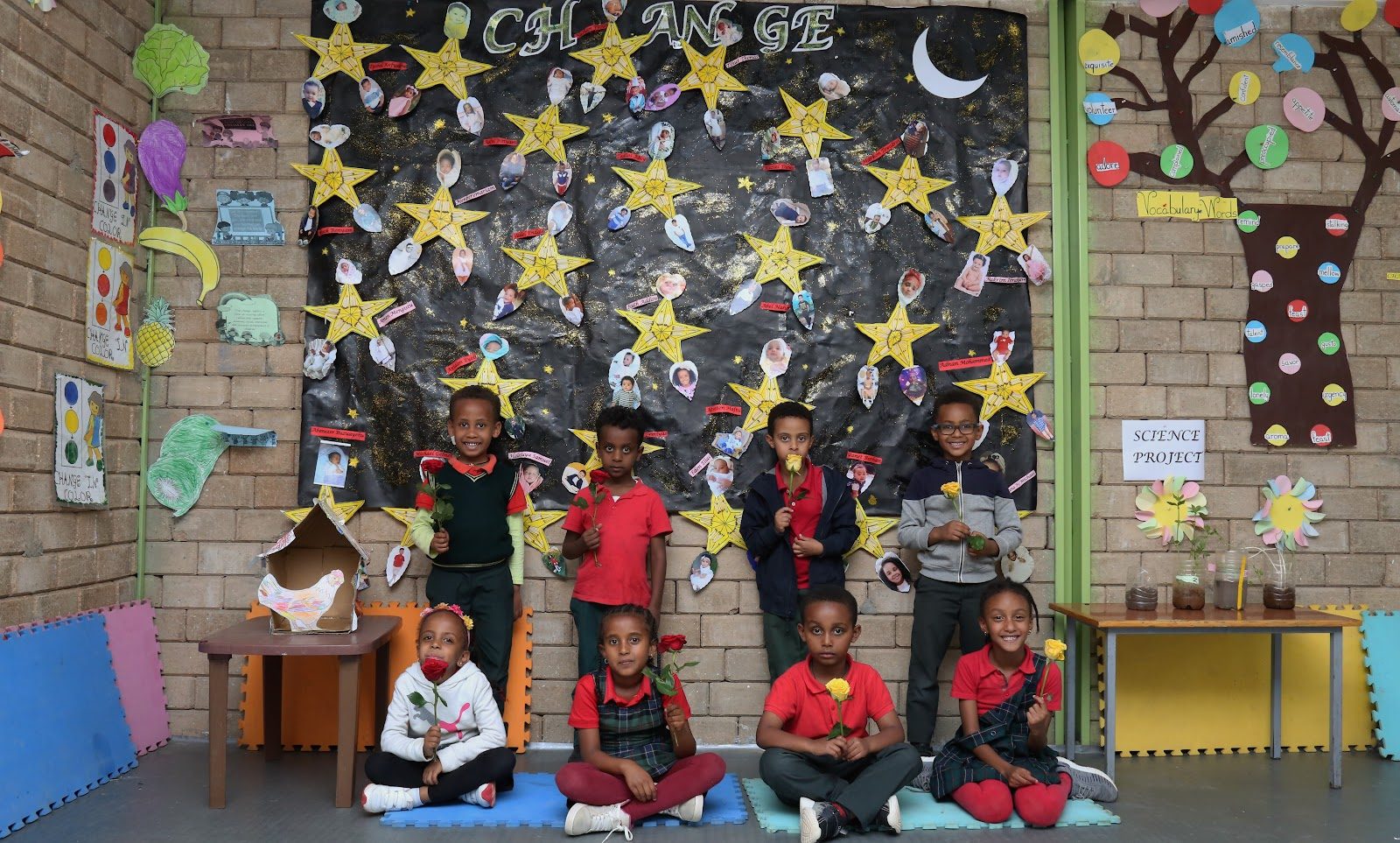
Andinet International School
Addis Ababa · Ethiopia
Beside Ethiopia's Athletics Federation, a Gurd Shola campus tracks pupils from inquiry-led IPC into Pearson Edexcel's global exam ladder.
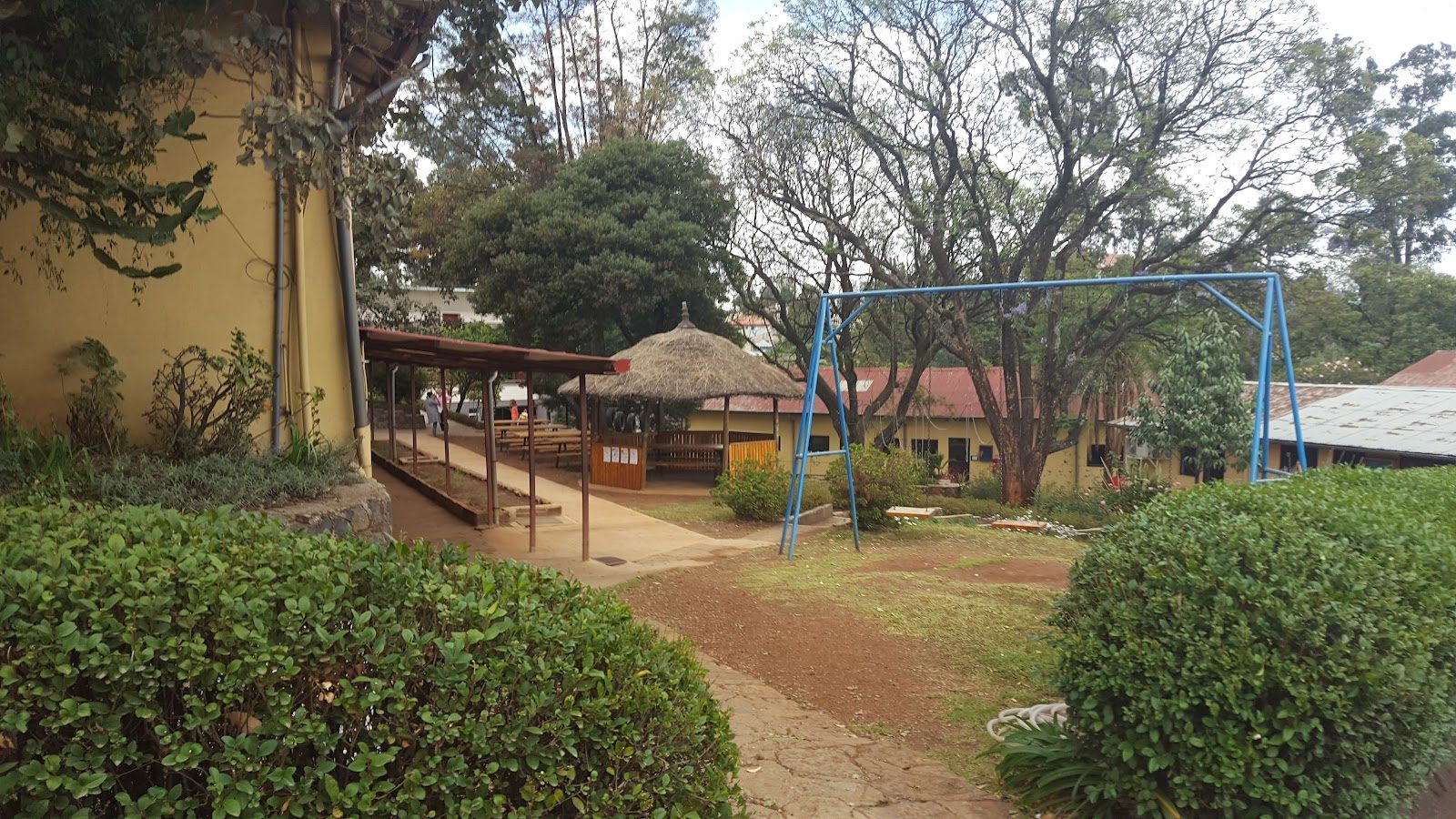
Bingham Academy
Addis Ababa · Ethiopia
Born in 1946 to educate missionary children, this Addis Ababa campus now gathers students from nearly thirty nations under one faith-rooted roof.
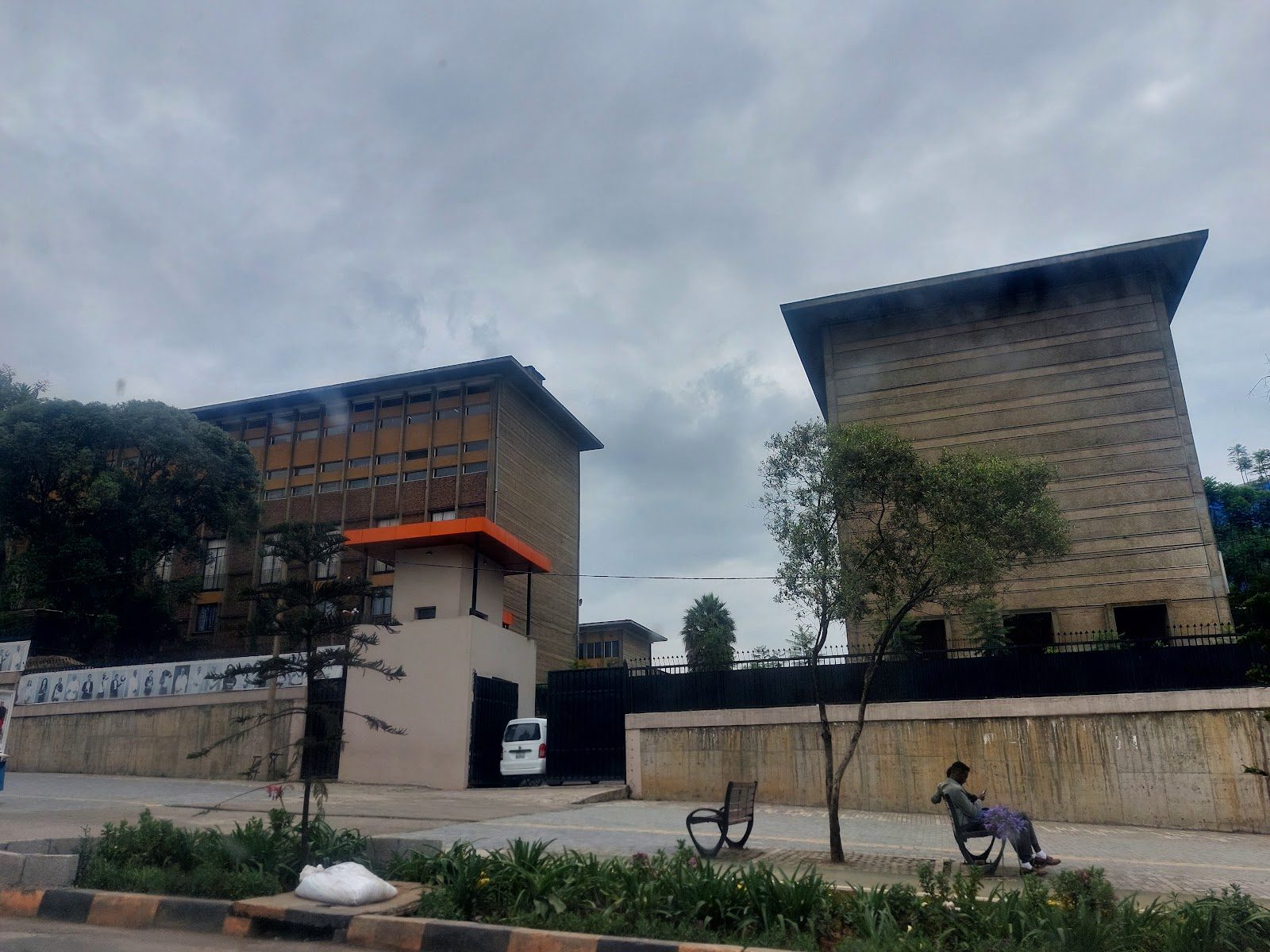
Lycée Guebre-Mariam
Addis Ababa · Ethiopia
Seeded by a 1947 Franco-Ethiopian accord on Churchill Avenue, its Baccalaureate runs on French, English and Amharic alike.
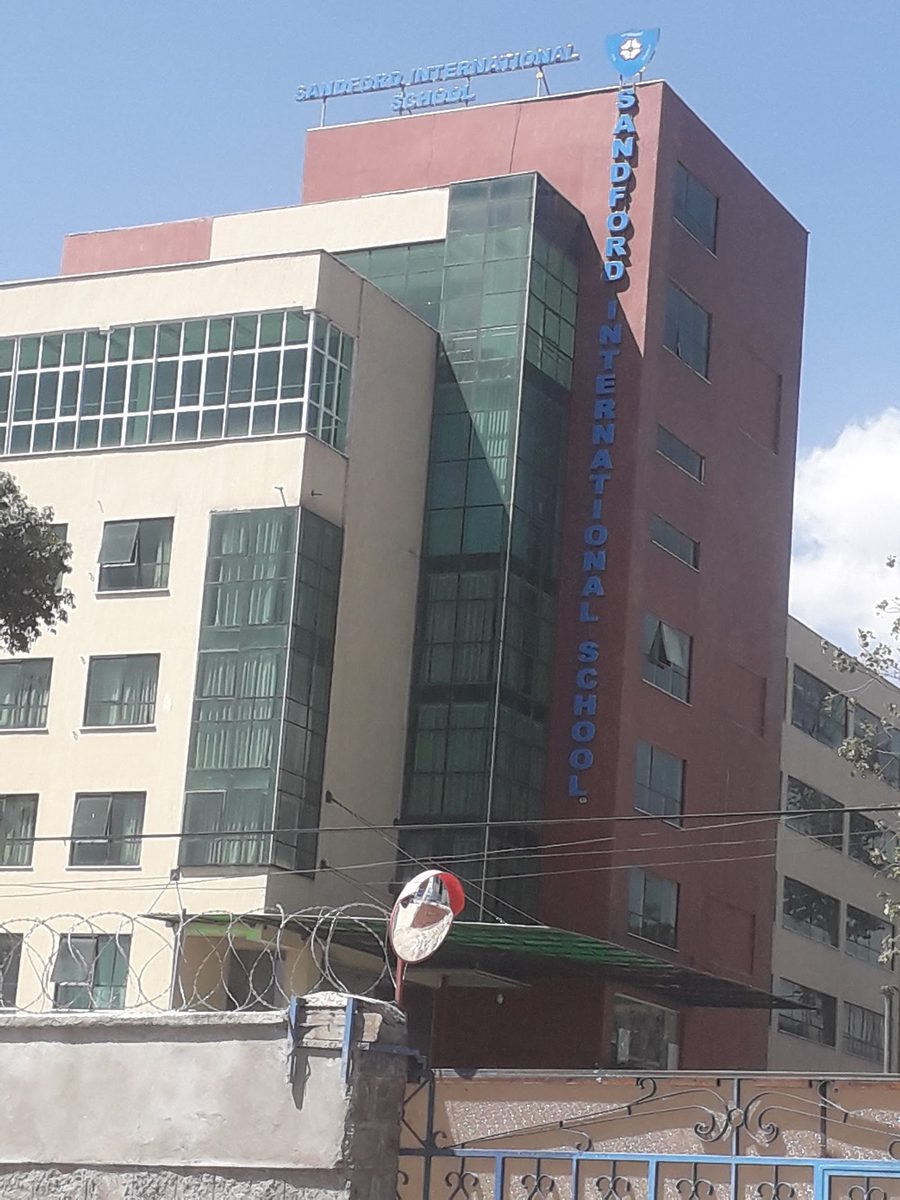
Sandford International School
Addis Ababa · Ethiopia
Founded by the family that helped restore Haile Selassie's throne, this Addis Ababa day school now runs Ethiopia's oldest Cambridge exam centre.
Same country and curriculum — closest matches within ±10 points either way