
Ain Diab
Casablanca American School
low confidence· 4/6 cats · 1 avg sourcesNorth Africa's first full IB Diploma programme, paired since 1986 with an American university-prep track in Casablanca.
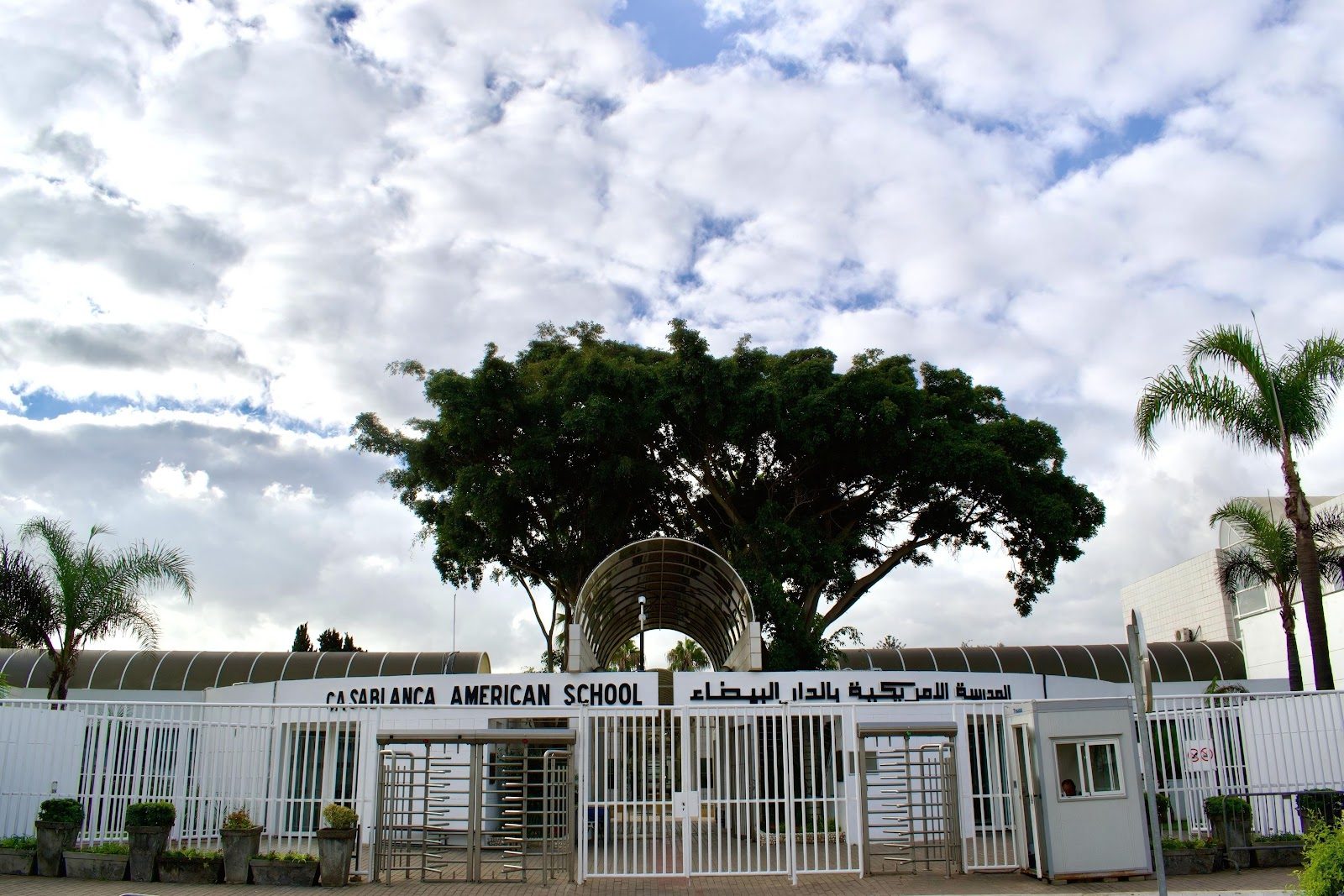
Photo © Casablanca American School via Google Maps
Type
Day
Ages
3–18
Curriculum
American
Qualifications
AP · US High School Diploma
Ratio
—
The Verdict
Editor's commitment
Right for
Families wanting an English-medium American curriculum with the full IB Diploma in Grades 11–12, at a Casablanca school founded in 1973.
Wrong for
Parents wanting boarding, a religious ethos, or a British curriculum; this is a non-religious day school for ages 3–18.
Watch out for
CAS trades on real credentials — Middle States, AASSA and US State Dept OSA — but publishes no aggregate IB results.
Ranking breakdown
Casablanca American School · #1255 of 1591
Composite score 56.9. 8 weighted criteria.
By criterion
Academic Outcomes
Weight 20%
#1220
of 1529 scored
University Placement
Weight 16%
#1227
of 1529 scored
Prestige & Heritage
Weight 12%
#1259
of 1571 scored
Alumni Network
Weight 12%
#860
of 1530 scored
Facilities
Weight 12%
#1193
of 1533 scored
Transparency & Communications
Weight 8%
#1197
of 1532 scored
Peer & Industry Review
Weight 10%
#1108
of 1548 scored
Admissions Selectivity & Demand
Weight 8%
#1077
of 1529 scored
Peer & Industry Review
How Casablanca American School is regarded in the sector
64
Respected · medium confidence
I could not identify at least two independent, third-party sources (e.g., Tatler, Good Schools Guide, specialist education press, government inspectorate reports, or established expat forums) that substantively assess Casablanca American School's reputation. Available information is limited to accreditation listings and the school's own materials, which do not meet the sourcing threshold required for scoring.
Editors' overview
Casablanca American School occupies a distinct niche in Morocco: an English-medium, non-religious, day school with an American base curriculum and the full IB Diploma in the sixth form. The headline fact is simple and important. CAS was founded in 1973 and has offered the full IB Diploma since 1987, making it North Africa’s first full IB Diploma programme. That matters because the school is not improvising its academic identity. It has had decades to weld an American university-prep structure to the IB’s demands in Grades 11 and 12. For parents who want a route that keeps US admissions in view without abandoning an internationally portable leaving qualification, CAS merits serious attention. In a Casablanca market where many schools lean French, bilingual, or national, CAS offers a different proposition: clear academic direction, international portability, and a long-established English-speaking environment.
What is special here is not novelty but institutional shape. CAS covers ages 3–18, remains fully day-based, and draws a multinational community of more than 45 nationalities. That gives it breadth without the social choreography of boarding. The school also states a strong child-protection framework, with staff training and formal reporting procedures tied to the UN Convention on the Rights of the Child; parents relocating across borders notice that. Accreditation also carries weight: Middle States, AASSA, and the US State Department’s Office of Overseas Schools place CAS inside a recognisable American international-school network. The weak point is the one common to many established private schools in the region: public academic data are thin. The school does not publish aggregate IB score profiles in the source extracts here, so parents who care about outcomes at cohort level need to ask harder questions.
CAS belongs on a shortlist for students who thrive in structured, university-preparatory schools and want the option of the full IB Diploma without losing the cadence of an American education. It will suit internationally mobile families, embassy and corporate relocators, and Moroccan families who want English as the working language from the earliest years. It also suits students who want a school life that includes academics, arts, and athletics rather than a narrow exam factory. The best fit is a child who values high academic ambition, a global peer group, and a settled all-through campus culture. The poor fit is a family seeking boarding, a faith-based education, or a school built around French-medium pathways. CAS’s appeal is straightforward: historical first-mover status, a durable American-IB combination, and a scale that gives it credibility without turning it into an anonymous megaschool.
Academic Performance
CAS does not publish the data that serious parents want here: no aggregate IB score profile, no average point score, no subject breakdown, no year-by-year trend line, and no university destinations list in the source extracts. That leaves academic performance insufficiently transparent. For a school with a long-established senior programme and more than 912 graduates worldwide, that gap matters. Parents cannot place CAS cleanly against other American international schools or against stronger IB operators in the region without asking directly for cohort size, diploma pass rates, mean scores, higher-level subject outcomes, and the spread between top performers and the middle of the class. In editorial terms, that makes CAS harder to verify than the best-run peers.
What can be said with confidence is narrower. CAS runs a university-preparatory model and has sustained the full diploma pathway for decades, which gives it institutional credibility. Schools do not keep a demanding senior programme in place year after year without a stable academic core. But credibility is not the same as disclosed performance. Among peer schools, the strongest publish headline diploma results and university placements as a matter of course. CAS does not do that in the extracts here, so it sits in the category of schools with a serious academic proposition but opaque outcomes. For outcome-driven families, that is the central academic question, not a minor footnote.
Facilities
CAS frames school life around academics, the arts and athletics, but it does not publish a serious facilities inventory. There is no public breakdown of laboratories, specialist arts spaces, libraries, theatres, maker spaces or sports provision in the source extracts. For parents, that leaves the physical offer under-documented. In this market, that matters. Peer international schools with strong operational discipline publish campus maps, venue lists, photographs with context, and enough detail to show what daily use looks like by age group. CAS does not clear that bar here. What is visible is a school of enough scale to support a broad all-through operation and a community spanning 45 nationalities, which points to a campus built for more than a token set of classrooms. The child-protection language also implies structured supervision and formal operating standards, not an improvised site.
Against peer American and IB schools, the verdict is mixed. CAS carries the footprint of an established institution, and families can expect the core spaces needed for a university-preparatory school that runs from the early years to graduation. But expectation is not evidence. The absence of published detail turns facilities into a due-diligence issue rather than a selling point. Stronger peers make their science rooms, arts venues and sports surfaces easy to inspect before a visit. CAS leaves too much unstated. Parents should ask for a campus tour with direct access to classrooms, libraries, performance space and changing facilities, and test whether the site feels well-equipped, age-appropriate and well maintained rather than merely serviceable.
The best fit at CAS is a student who is comfortable in an unusually cosmopolitan peer group and does not need a school organised around one national identity
Prestige
CAS has real standing, but it is niche prestige, not blanket dominance. In Morocco, an established American international school with the full IB Diploma carries weight because there are few direct substitutes. The school’s claim to historical importance in the region strengthens that standing, and the multinational mix — more than 45 nationalities — adds social credibility for internationally mobile families. This is the kind of school that signals a family wants an outward-facing education rather than a French-system default. That gives CAS a distinct market position in Casablanca. It also helps that the school is old enough, broad enough in age range, and established enough in graduate output to read as an institution rather than a start-up operation.
That said, prestige here rests more on institutional longevity, international orientation, and academic architecture than on publicly demonstrated elite outcomes. The school cites more than 912 graduates worldwide, which indicates reach and continuity, but it does not publish the sort of hard performance data that convert reputation into unambiguous academic prestige. Top-tier schools make results visible. CAS does not. So the prestige is credible but bounded: strong among families who value the American-international track and the school’s regional first-mover status, weaker among parents who rank schools by disclosed exam outcomes and university destinations. In plain terms, CAS has serious name recognition in its lane, but not the data transparency that marks the most formidable schools.
Casablanca American School occupies a distinct niche in Morocco: an English-medium, non-religious, day school with an American base curriculum and the full IB Diploma in the sixth form
Communications
CAS communicates its core identity clearly enough. The public-facing message is consistent: a university-preparatory school, a broad co-curricular life, a multinational community and a serious child-protection framework. Parents can grasp the school’s priorities fast, which counts for a lot in an international market crowded with vague claims and decorative language. The child-protection section is the strongest part of the communication mix because it moves past slogans into policy, staff training and reporting duties. That reads as operationally serious rather than cosmetic. The headline community figures — more than 45 nationalities and more than 912 graduates worldwide — also give parents a quick sense of scale and reach.
Where CAS is weaker is depth. The communication does the top layer well, then stops. It does not publish the academic data, facilities detail or destination evidence that disciplined parents use to test a school’s claims. That makes the overall picture clear but incomplete. In practical terms, CAS communicates values and institutional shape better than performance and provision. For families at first-enquiry stage, that is reassuring enough to justify a visit. For families making a final decision, it is not enough. Effective school communication answers the hard questions before parents ask them. CAS still leaves too many of those questions on the table, which makes its parent communication *competent, controlled and frustratingly thin*.
Uniqueness
CAS’s uniqueness rests on an academic combination that remains rare in its market: a school that keeps an American university-preparatory structure in place, then carries students through the full IB Diploma rather than diverting into a separate local or French-medium route. That gives families a cleaner academic through-line than many competitors offer. Students grow up inside one institutional culture, one set of expectations and one university-facing logic, instead of switching educational systems in the final years. The school’s claim to being the first IB school in North Africa is not a decorative historical footnote; it marks CAS as a regional pioneer with a long record of running a demanding senior programme. For students, that brings familiarity with an internationally recognised leaving qualification inside a school whose identity is not split between multiple, competing pathways.
The other point of difference is community composition. CAS states that it brings together more than 45 nationalities, which gives the school an unusually international social fabric in a city where many schools draw from narrower linguistic or national circles. That matters in daily life, not just in prospectus language. Students learn to work across cultures as a routine part of class discussion, group projects, friendships and team sport. The school also points to more than 912 graduates worldwide, which gives current pupils access to a globally dispersed alumni footprint rather than a purely local network. The result is a school that offers international portability without the impersonality of a vast chain campus.
CAS was founded in 1973 and has offered the full IB Diploma since 1987, making it North Africa’s first full IB Diploma programme
Student Profile
The best fit at CAS is a student who is comfortable in an unusually cosmopolitan peer group and does not need a school organised around one national identity. With more than 45 nationalities on site, friendships, group work and classroom discussion will cross cultural lines as a matter of routine. That suits children who are adaptable, socially confident and interested in people beyond their own orbit. It also suits families who move between countries and want a school community that already understands transition. Pupils who want a narrow local social world, or a school built around a single linguistic or cultural default, will find the mix less natural.
Temperament matters as much as background. CAS fits students who can handle a structured, university-oriented school culture without needing the relentless intensity of an exam factory. The school talks about growth across academics, arts and athletics, so the strongest fit is a child who wants a rounded school life rather than one confined to the classroom. The explicit child-protection framework also makes it a better fit for parents who care about clear adult boundaries and formal safeguarding practice, not just warmth and goodwill. The weaker fit is a student who needs heavy hand-holding, craves a highly traditional or religious environment, or wants the social theatre of boarding. CAS suits internationally minded pupils who value seriousness, breadth and a settled all-through community.
That matters because the school is not improvising its academic identity
Co-curricular strengths
Arts & sport, on a separate axis
Overall 7.7/10
Scored 0-10 from the school's own published evidence. This axis is editorial-only — it does not feed the main WTS ranking.
Sports
8.5/10
Drama
8/10
Dance
6/10
Music
8/10
Visual Arts
8/10
Editor first-pass · editor-reviewable · 7/30/2026
Strengths
- +Offers a full American curriculum from early years through Grade 12, giving continuity for expatriate families relocating mid-career.
- +Located in Casablanca, Morocco's commercial capital, making it a practical choice for families posted to multinational or diplomatic roles there.
- +As a long-established American-system day school in the city, it has an institutional track record rather than being a recent start-up.
- +Day-school structure keeps students within the local community rather than a boarding environment, easing cultural integration for shorter postings.
- +American diploma pathway supports onward applications to universities in the US and other English-medium systems.
Considerations
- −Editorial rank of 1225 and candidate-tier status indicate it sits well outside the small group of globally benchmarked international schools.
- −Public information on accreditation status, examination results, and university placement outcomes is limited, making outcomes hard to verify independently.
- −As a day school only, it offers no boarding option for families based outside Casablanca or seeking full-time residential care.
- −Being a single-curriculum (American) school narrows options for families who may want IB or a bilingual French/Moroccan track for local integration.
Availability
Primary entry gate & tests
Academic Record
Gallery
Photo © Salma Layoussifi via Google Maps
Photo © Salma Layoussifi via Google Maps
Photo © ahmed bentaleb via Google Maps
Photo © Miftah Rachid via Google Maps
Photo © Miftah Rachid via Google Maps
Parent reviews
Have you sent your child here?
Voice reviews carry the strongest trust badge — we transcribe them for you to tidy up before they go live. Prefer to type? A written review is fine too.
Add your voice
In 60 seconds, tell other parents: what's the best thing about Casablanca American School, and what surprised you when your child joined?
We ask for a Google sign-in so every review has a real face behind it — no anonymous drive-by attacks on schools, and no faked positive reviews. Your email is never shown publicly.
Send this profile to a friend
International parents rely on word-of-mouth. Share this review with someone weighing the same decision.
Schools with places
Similar schools to Casablanca American School with places available now.
Al Hekma International School
Manama · Bahrain
- 2026-27
- PLACES OPENApps open / space-dependent
- 2027-28
- WAITPOOL2027/28 timetable TBC
Marymount International School Rome
Rome · Italy
- 2026-27
- WAITPOOLSpace-dependent
- 2027-28
- PLACES OPENRolling
Germantown Friends School
Philadelphia · United States
- 2026-27
- CLOSEDRegular cycle closed
- 2027-28
- OPENS SOONOpens Sept '26
Poly Prep Country Day School
Brooklyn · United States
- 2026-27
- CLOSEDRegular cycle closed
- 2027-28
- OPENS SOONOpens Sept '26
Availability first, then country, area, curriculum, price, co-curricular
Consider also
Also worth looking at alongside Casablanca American School.
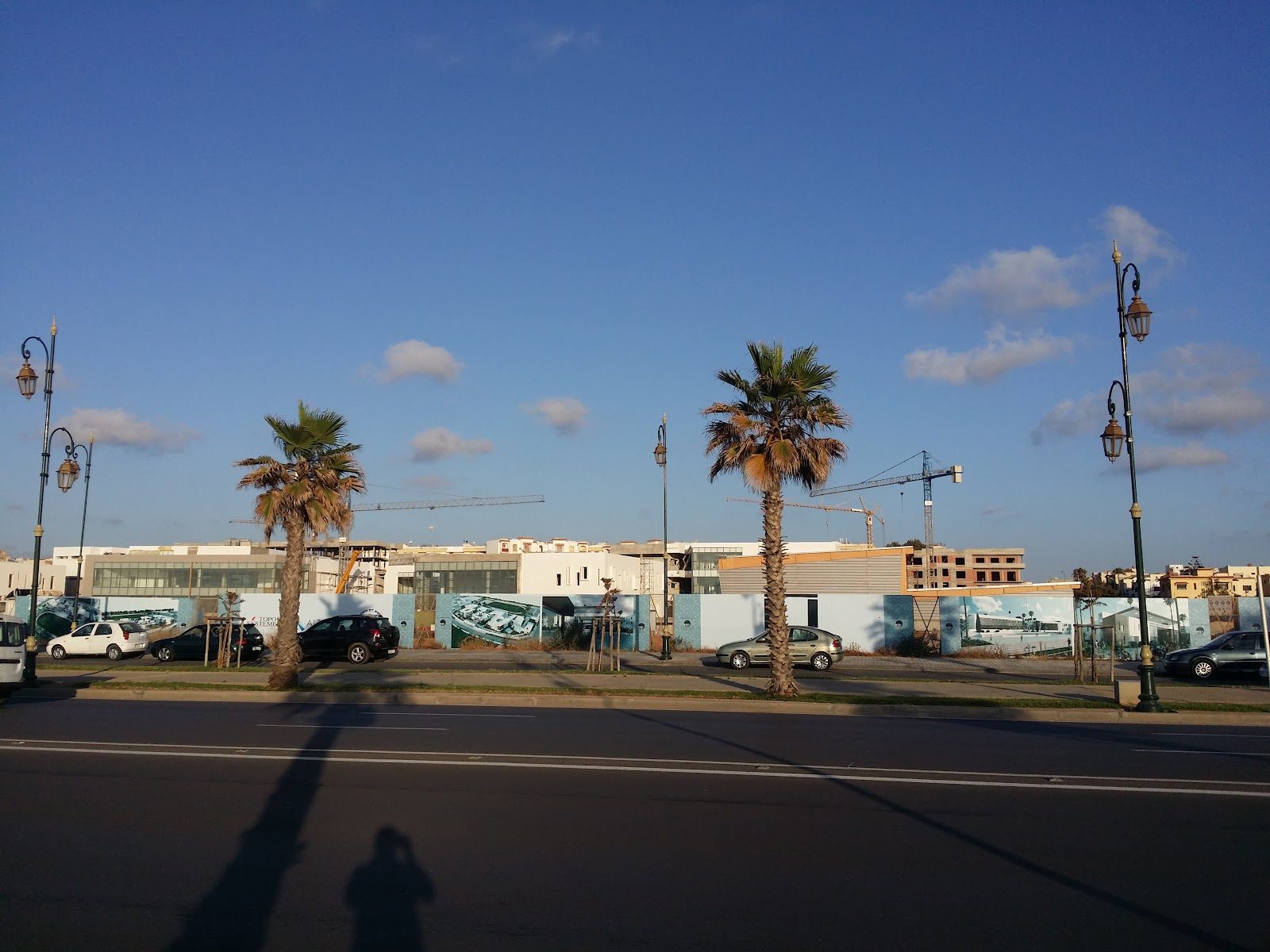
Rabat American School
Rabat · Morocco
On Rabat's Atlantic corniche, a 1962 embassy school built one of the region's earliest IB Diploma programmes.
American School of Marrakesh
Marrakesh · Morocco
Outside Marrakesh, a dual-diploma campus pairs American college prep with the IB in English, French and Arabic classrooms.
George Washington Academy
Casablanca · Morocco
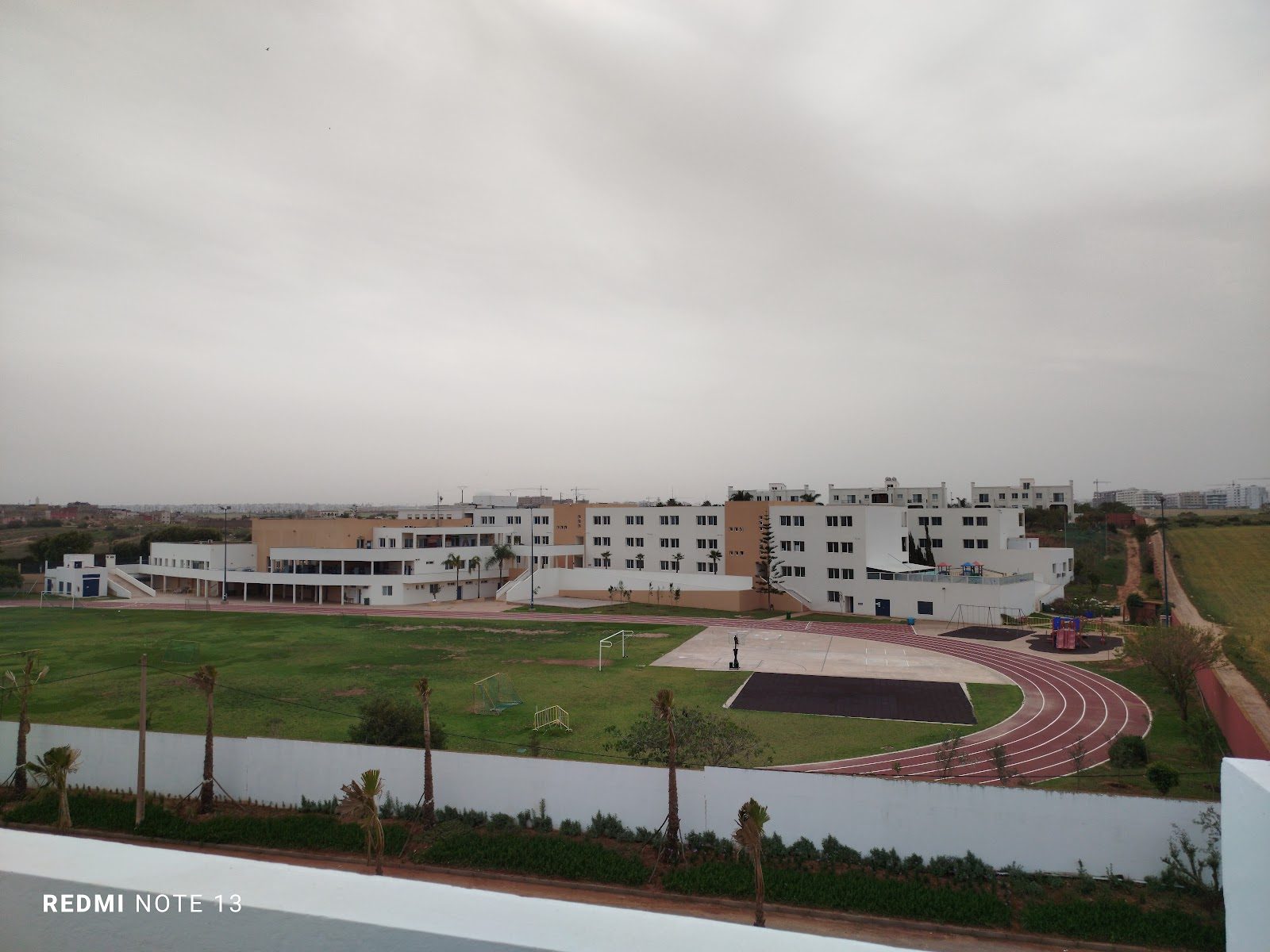
American diploma meets IB rigor in trilingual Casablanca, anchored by Morocco's only LEGO Innovation Center.
Lycée Descartes
Rabat · Morocco
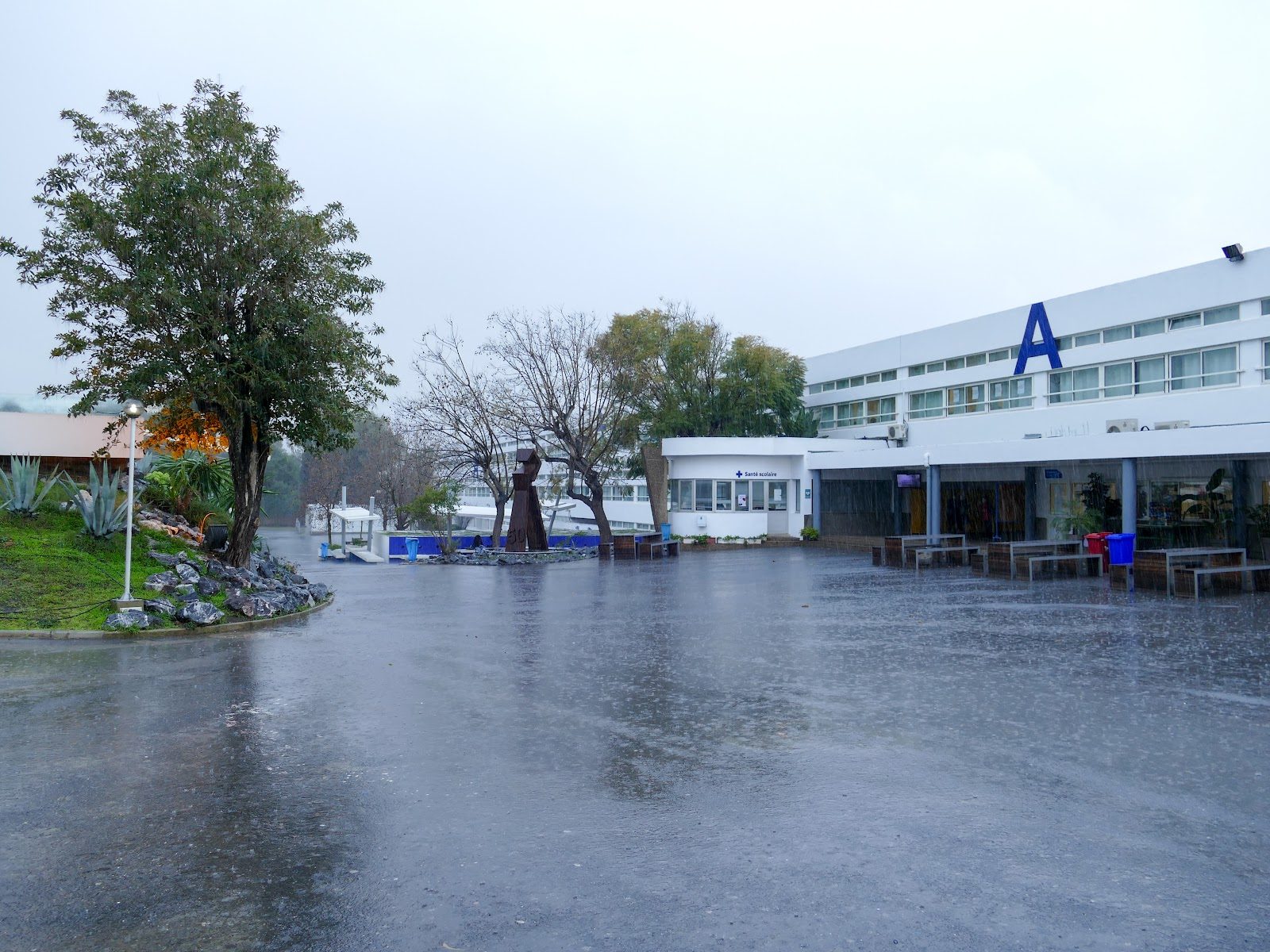
In Agdal, graduates trade mortarboards for embroidered tarbouches, crowning a Baccalaureate pipeline that runs clear through to classes preparatoires.
Same country and curriculum — closest matches within ±10 points either way