
County Dublin
A 1950s refugee-aid charity's legacy now runs a dual-track Abitur and Leaving Cert campus shared with a French lycee in Clonskeagh.
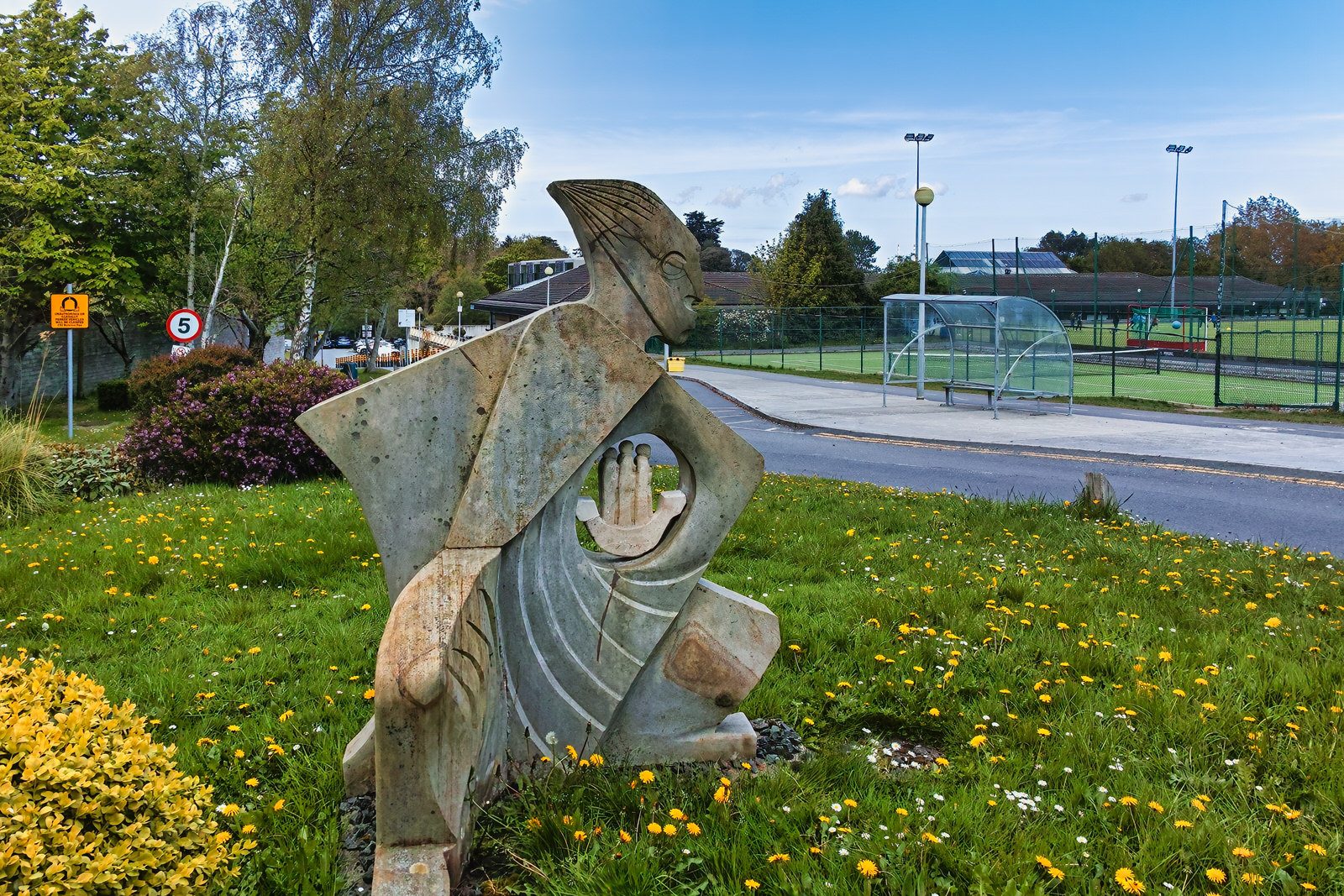
Photo © William Murphy via Google Maps
Type
Day
Ages
3–18
Curriculum
German Abitur
Qualifications
Abitur
Ratio
—
The Verdict
Editor's commitment
Right for
Families in Dublin who want a day school, founded in 1952, teaching in German and English and delivering the German Abitur.
Wrong for
Parents wanting a broad curriculum menu, secular ethos or boarding: St. Kilian's is Catholic, day-only, and school-declared Abitur.
Watch out for
The average annual day fee is €7,910, but public information is thin; beyond Clonskeagh and ages 3–18, the school publishes little.
Ranking breakdown
St. Kilian's Deutsche Schule Dublin · #202 of 1591
Composite score 74.4. 8 weighted criteria.
By criterion
Academic Outcomes
Weight 20%
#43
of 1529 scored
University Placement
Weight 16%
#305
of 1529 scored
Prestige & Heritage
Weight 12%
#446
of 1571 scored
Alumni Network
Weight 12%
#432
of 1530 scored
Facilities
Weight 12%
#406
of 1533 scored
Transparency & Communications
Weight 8%
#9
of 1532 scored
Peer & Industry Review
Weight 10%
#164
of 1548 scored
Admissions Selectivity & Demand
Weight 8%
#1232
of 1529 scored
Score history
St. Kilian's Deutsche Schule Dublin · 2026
Movement across 2024–2026. Peer average overlaid.
Overall — 2024–2026
74.4/ 100
▲ +44.2 vs 2025
year on year
Peer & Industry Review
How St. Kilian's Deutsche Schule Dublin is regarded in the sector
58
Credible · low confidence
St. Kilian's Deutsche Schule Dublin is consistently cited in expat-parent forums (e.g., InterNations, Internachi Dublin expat groups) as the go-to choice for German-speaking families in Ireland, and Irish Department of Education inspection reports note satisfactory to good standards of teaching and learning. However, it receives little to no coverage in mainstream 'best schools' rankings (Tatler, Sunday Times School of the Year) or broader Irish specialist education press, reflecting its niche, community-specific role rather than broad peer prominence.
Evidence sources
Editors' overview
St. Kilian’s is not a generic international school with a token language offer. It is a Dublin day school for ages 3 to 18, founded in 1952, with English and German as languages of instruction and the German Abitur at the centre of its academic identity. The distinctive point is the dual-track proposition flagged in the school’s own positioning: this is a campus where a German-school tradition operates in Ireland, and where the school’s history reaches back to a refugee-aid charity rather than a corporate education brand. That gives it a specific cultural purpose and a clearer academic identity than many schools chasing the broadest possible international market.
For parents, the shortlist case rests on fit, not scale or polish. St. Kilian’s offers something unusually hard to replicate in Dublin: a German educational environment in a local day-school format, with the possibility of pursuing the Abitur while remaining in Ireland. The school also sits in Clonskeagh on a Eurocampus shared with a French lycée, which reinforces the cross-European character of the place. At an average annual day fee of €7,910, it occupies a strikingly modest price point for a school with this linguistic and curricular profile. That alone sets it apart from the higher-fee international sector. The trade-off is that families looking for the expansive facilities, glossy extracurricular machine and published outcome data of larger premium schools will not find the same public-facing depth here. The website itself is sparse, and the school does not publish the kind of aggregate results data that serious comparison-shopping parents now expect.
The right child for St. Kilian’s is academically resilient, linguistically open and comfortable in a school with a defined mission rather than a broad, all-things-to-all-families brief. It suits German-speaking families, internationally mobile European families, and Irish-based parents who want their child educated in a bilingual environment with a direct route to the Abitur. It also suits pupils who value a more grounded and less commercial school culture. It will not suit families who want a conventional Irish private-school experience, a heavily branded global chain, or a school that publishes every metric and destination figure. St. Kilian’s belongs on a shortlist because it offers a rare educational niche in Dublin: 3–18 continuity, a German academic route, and a European campus identity at a fee level that undercuts much of the market.
Academic Performance
Academic performance is the section where St. Kilian’s leaves parents short of the evidence they need. The school does not publish aggregate Abitur results, grade distributions, cohort averages, university destination lists, or any year-on-year summary that would place its leavers against German schools abroad, Irish fee-paying schools, or the stronger academic names in Dublin. That opacity matters. A school asking families to commit to a long academic route needs to show how that route ends in practice. Here, the public record is thin, and the website gives no serious external-results picture beyond navigation references to exam-related areas such as JCPA and Sprachdiplom.
That does not mean weak outcomes; it means unproven outcomes in public. In a niche bilingual school, exam cohorts can be small, and small cohorts can produce volatile year-to-year results. That makes transparent reporting more important, not less. Relative to peers, St. Kilian’s sits in a hard-to-benchmark position: it offers a distinctive academic pathway, but without the published score data that top international and selective local competitors now treat as standard. Parents who need hard proof of academic traction should press for recent Abitur performance, subject-level results, pass rates, and destinations over at least 3 to 5 years. Until those figures are disclosed, the school’s academic case rests more on mission and fit than on demonstrable exam strength.
Facilities
Facilities are not the reason to choose St. Kilian’s, and the school does not pretend otherwise. The public picture is thin. The website navigation points to practical school-life elements — book lists, sports uniform, subject pages, parent portals, newsletter archive, student council, parents’ association and policy documents — but it offers almost nothing that helps a parent judge the physical plant itself. We have not seen a serious published account of specialist science provision, performing-arts spaces, sports infrastructure, libraries, maker facilities or sixth-form study areas. That leaves St. Kilian’s behind stronger peers in the international and Irish fee-paying market, where schools now publish detailed campus photography, room inventories and clear explanations of how pupils use space day to day. Here, the facilities case rests on function, not campus theatre.
The one concrete point of distinction is the shared Eurocampus setting with a French lycée. That gives the site a genuinely continental cast and adds a layer of daily cultural seriousness that many schools cannot manufacture. It matters more than a glossy brochure gym. Still, parents comparing St. Kilian’s with larger Dublin independents or premium international schools should expect a more modest facilities offer and far less public transparency about it. At an average annual fee of €7,910, that trade-off is unsurprising. The school’s value lies in educational purpose and affordability, not in showpiece infrastructure or a long list of premium amenities.
Kilian’s has a strong story and a distinctive purpose, but it does not publish enough hard evidence to convert that into top-tier institutional clout
Prestige
St. Kilian’s carries niche prestige, not mass-market cachet. In Dublin, that distinction matters. This is not the school families pick for social signalling, vast estates or an old-boy network; it is the school they pick for a specific educational identity that few local rivals can match. The German-school character, the Eurocampus setting shared with a French lycée, and the school’s roots in a refugee-aid initiative give it a serious European stamp that feels earned rather than manufactured. That confers credibility with families who value substance, cultural continuity and academic direction over polish. The fee level — an average of €7,910 a year — also changes the prestige equation: this is low-cost distinctiveness, not luxury schooling.
That is why the school’s standing rates as specialist rather than elite. Among German-speaking and internationally minded families, it holds clear appeal because the offer is rare and the mission is coherent. In the wider hierarchy of Irish private education, its prestige is capped by limited public performance data, a sparse public-facing profile and none of the social mythology that attaches to the best-known domestic names. Prestige in schools rests on outcomes, selectivity, history, networks and visibility. St. Kilian’s has a strong story and a distinctive purpose, but it does not publish enough hard evidence to convert that into top-tier institutional clout. The result is a school with authentic standing in its lane, and modest wider prestige beyond it.
That gives the site a genuinely continental cast and adds a layer of daily cultural seriousness that many schools cannot manufacture
Communications
Parent communication looks serviceable rather than strong. The clearest public evidence sits in the navigation itself: there are dedicated parent log-ins for school information, Compass School Manager access for different phases, a newsletter and newsletter archive, notice-of-absence channels, policy documents, book lists, uniform information, and contact routes. That tells parents two useful things. First, the school runs on established administrative systems rather than ad hoc email chains. Second, routine information is channelled into practical hubs that parents can return to. The presence of a Parents’ Association and Student Council also points to a school that recognises formal lines of community communication. For day-to-day operations, that is competent, structured and functional.
Where communication falls short is clarity, depth and public confidence. The website is thin on the questions serious parents ask before and during enrolment: academic outcomes, facilities, leadership messaging and a fuller sense of school life. Even the “About Us” page offers little substance in the extract we have seen beyond menu architecture. That matters because good communication is not just about sending reminders; it is about explaining the school clearly, consistently and in enough detail that families can judge standards. St. Kilian’s gives parents portals and processes, but not a rich public narrative or much institutional transparency. For existing families, the internal systems may work perfectly well. For prospective families, the communication standard feels underpowered and leaves too much unanswered.
Uniqueness
What sets St. Kilian’s apart is not novelty for its own sake but a clear institutional inheritance. This school grew out of a refugee-support effort and still carries that continental social purpose in a way most international schools do not. The result is a place with sharper edges and a more defined centre than the usual all-purpose expatriate campus. The shared Eurocampus with a French lycée deepens that distinction. Students are not just taught in a bilingual setting; they grow up inside a lived European environment where cross-border identity is normal, not staged for marketing. In Dublin, that is genuinely rare. The average annual fee of €7,910 makes that access more unusual still: this is not a premium-priced simulation of European schooling, but the real thing at a price that undercuts much of the market.
What students gain from that model is cultural fluency with substance behind it. They learn to move between educational traditions, expectations and languages without treating internationalism as a lifestyle accessory. That can produce pupils who are *adaptable, self-possessed and outward-facing*. It also gives children from German-speaking or mixed-nationality families something many schools cannot offer: continuity between home culture and school culture, without retreating into an enclave. The limitation is built into the same uniqueness. A school with this much identity asks families to buy into it. For the right child, that is formative and grounding. For families wanting a neutral, broad-market school designed to offend nobody and resemble everything else, it is the wrong fit.
The fee level — an average of €7,910 a year — also changes the prestige equation: this is low-cost distinctiveness, not luxury schooling
Student Profile
The pupils who fit best here are children who do not need school to feel glossy, sprawling or socially performative. They need to be comfortable in a community with a defined cultural centre and a serious European cast, where identity is built into daily school life rather than added as enrichment. This suits German-speaking families, mixed-nationality households, returnees from continental systems, and Irish families who want something more exacting and more distinctive than the mainstream local private-school pattern. It also suits children who can handle moving between expectations, social codes and classroom registers without fuss. The all-through age range of 3–18 gives families continuity, but it also means pupils grow up in a school with a clear internal culture; children who thrive on that continuity will settle well.
The less suitable pupil is easy to picture too. A child who wants a big-brand school identity, heavy public celebration of results, lavish facilities or a broad social scene built around status will find this a narrower, more purposeful proposition. Equally, pupils who resist language learning, dislike being part of a mission-driven community, or need constant external stimulation may chafe. The school’s average annual fee of €7,910 opens the door to families priced out of much of the fee-paying market, but affordability is not the main point. The main point is fit. This is a school for families who value substance over theatre, cultural fluency over polish, and a child’s place in a coherent educational world rather than a generic international package.
Kilian’s is not a generic international school with a token language offer
Co-curricular strengths
Arts & sport, on a separate axis
Overall 7.8/10
Scored 0-10 from the school's own published evidence. This axis is editorial-only — it does not feed the main WTS ranking.
Sports
8/10
Multiple sports—football, basketball, volleyball, athletics and swimming—showing a solid multi-activity offering.
Drama
8/10
Drama appears explicitly as 'Drama club' in the extracurricular list.
Dance
7/10
Music
8/10
Names both 'School choir' and 'Orchestra', indicating more than a bare mention through multiple structured music activities, but no facility, department or honours are cited.
Visual Arts
8/10
Editor first-pass · editor-reviewable · 7/27/2026
WTS 300 badge
2025/26 editionSt. Kilian's Deutsche Schule Dublin is one of the World's Top 300 Schools for 2025/26. Claim your listing to add it to your site →
Strengths
- +One of Dublin's longest-established international schools, tracing its roots to a Sunday school founded in 1952 for German children under the Save the German Children Society.
- +Offers a distinctive bilingual pathway combining the Irish Junior and Leaving Certificate with the German Sprachdiplom and Sek-I examinations, plus an optional German Curriculum Stream from 5th class.
- +Shares its Clonskeagh 'Eurocampus' with the Lycee Francais d'Irlande, giving pupils a genuinely trilingual, multicultural Junior Cycle experience.
- +Recent Leaving Certificate results have been strong, with average points above 500 in both 2023 and 2024 and roughly nine in ten candidates scoring over 400 points.
- +Received the German government's 'Excellent German School Abroad' quality seal after completing the Bund-Lander-Inspektion 3.0 in 2023.
Considerations
- −The school does not itself confer the German Abitur on site; pupils wishing for the full Abitur must transfer to a school in Germany after the Sek-I stage, since the Sek-I certificate alone does not qualify for German university entry.
- −In 2020 a sharp reduction in teacher-assigned grades (with some native German speakers marked down) led the school and nine pupils to pursue High Court action, and third-level progression fell to 63% that year against a typical 90-100%.
- −As a fee-paying day school with a non-refundable application/waitlist charge, published fee schedules are not transparent on the school's own site and must be requested directly from the office.
- −Entry to later secondary years is not guaranteed year to year; applications for 7th year in a recent admissions cycle were closed outright, underlining constrained capacity.
Availability
Primary entry gate & tests
Academic Record
Gallery
Photo © William Murphy via Google Maps
Photo © Alexandru Maioru via Google Maps
Photo © St. Kilian's German School via Google Maps
Parent reviews
Have you sent your child here?
Voice reviews carry the strongest trust badge — we transcribe them for you to tidy up before they go live. Prefer to type? A written review is fine too.
Add your voice
In 60 seconds, tell other parents: what's the best thing about St. Kilian's Deutsche Schule Dublin, and what surprised you when your child joined?
We ask for a Google sign-in so every review has a real face behind it — no anonymous drive-by attacks on schools, and no faked positive reviews. Your email is never shown publicly.
Send this profile to a friend
International parents rely on word-of-mouth. Share this review with someone weighing the same decision.
Schools with places
Similar schools to St. Kilian's Deutsche Schule Dublin with places available now.
Availability first, then country, area, curriculum, price, co-curricular
Consider also
Also worth looking at alongside St. Kilian's Deutsche Schule Dublin.
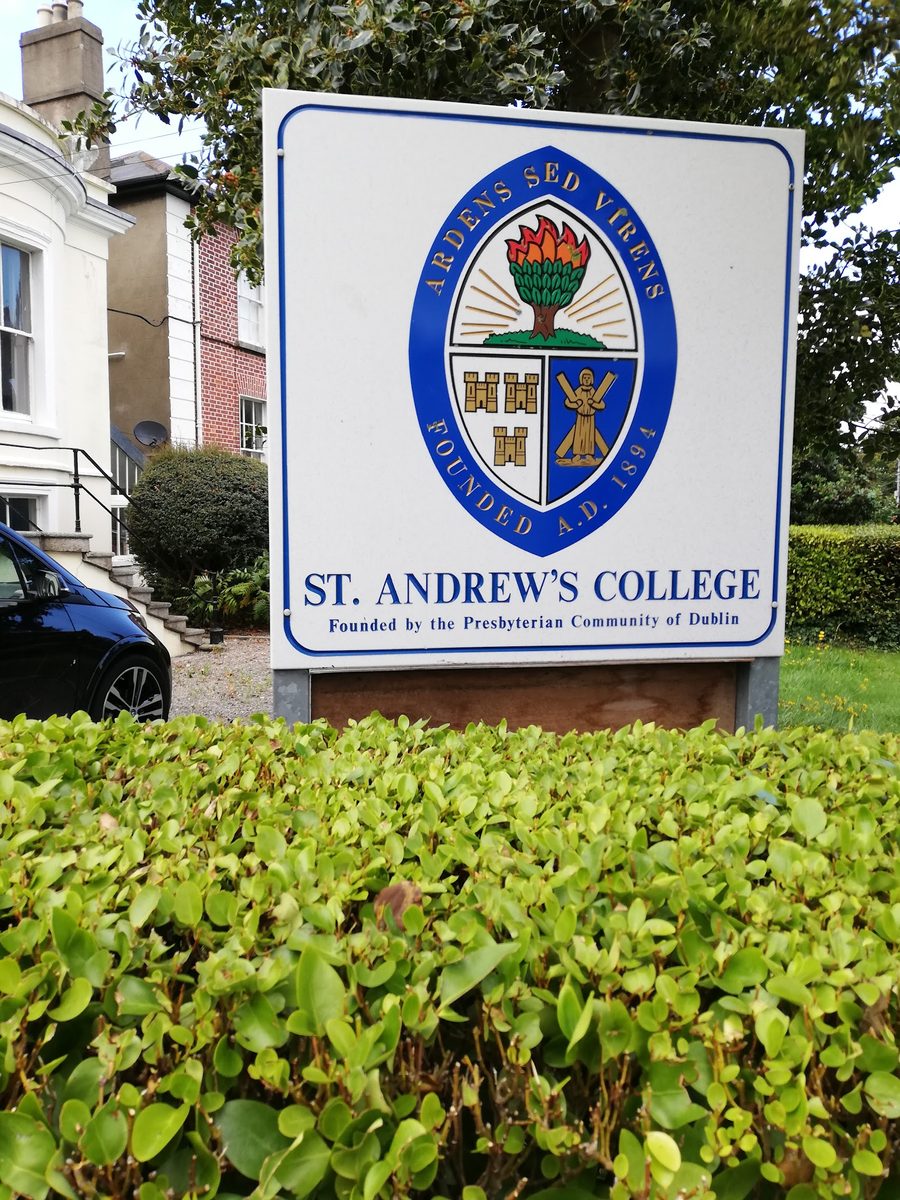
St. Andrew's College Dublin
Dublin · Ireland
First in Ireland to gain IB Diploma authorisation, this interdenominational Booterstown day school still hosts its own Model UN each Easter.
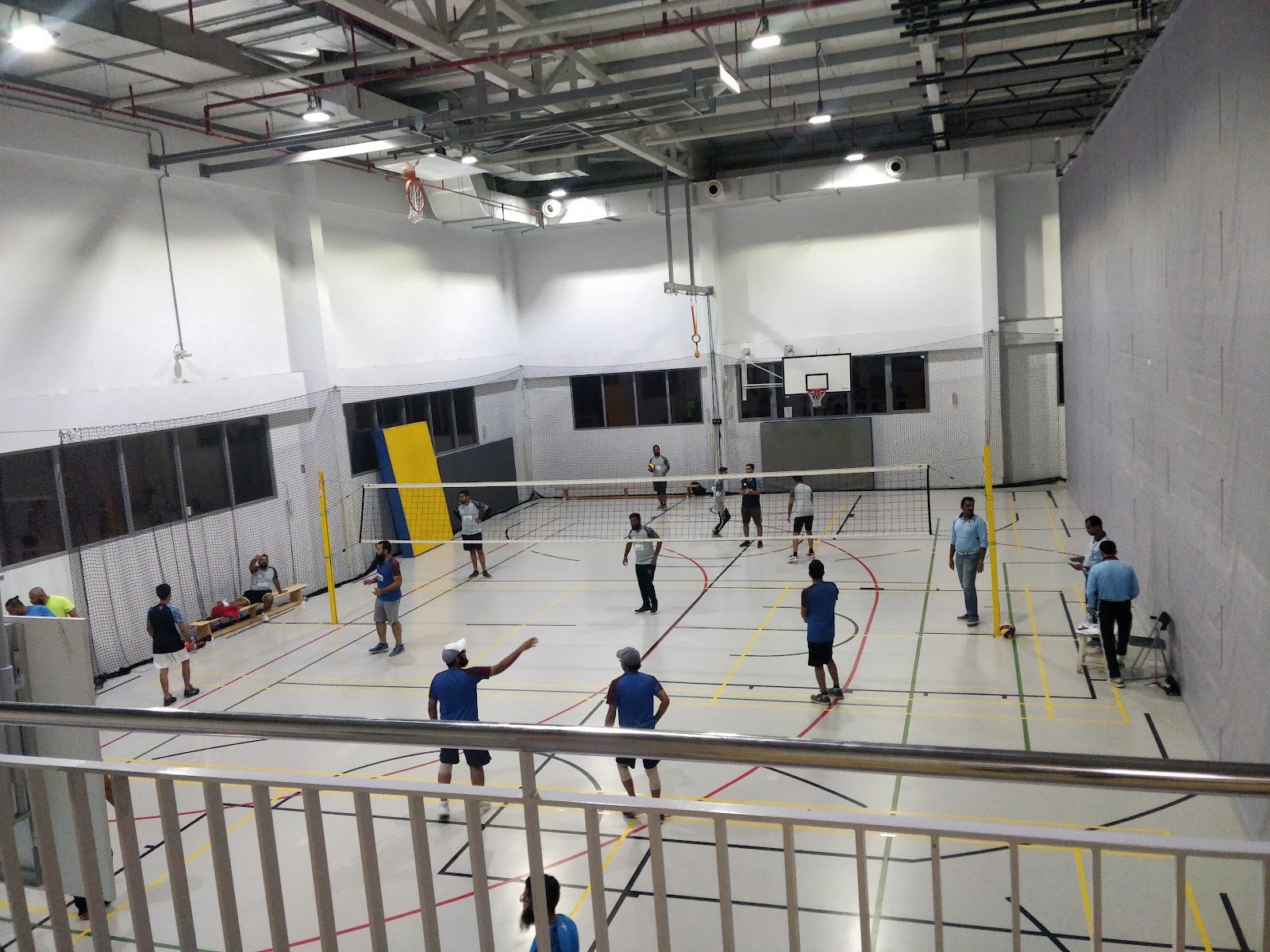
German International School Dubai
Dubai · United Arab Emirates
In Dubai's Academic City, a Thuringia-curriculum campus channels German engineering spirit into STEM excellence en route to the Abitur.
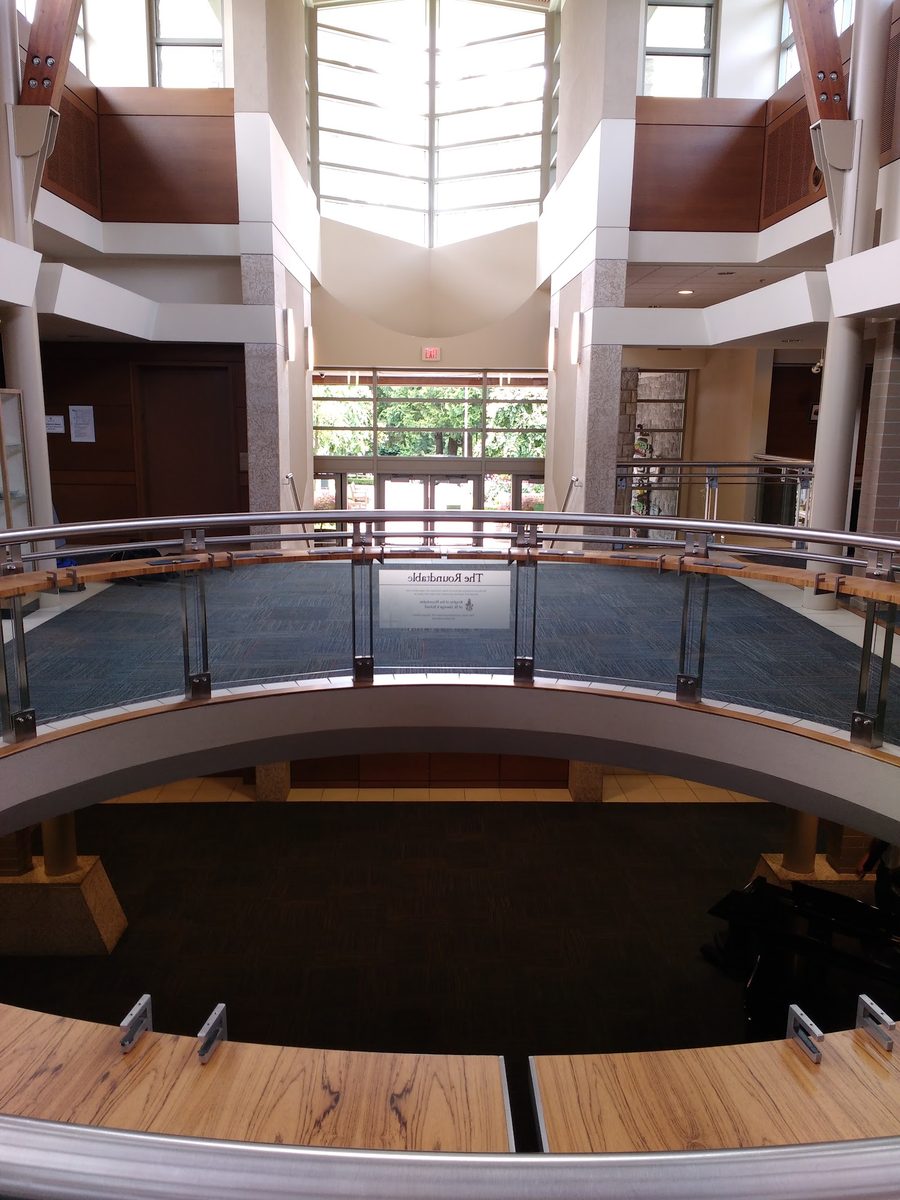
St. George's School
Vancouver · Canada
Vancouver's only boys' boarding house pairs BC's diploma with IB and AP courses, then swaps desks for weeks in the backcountry.
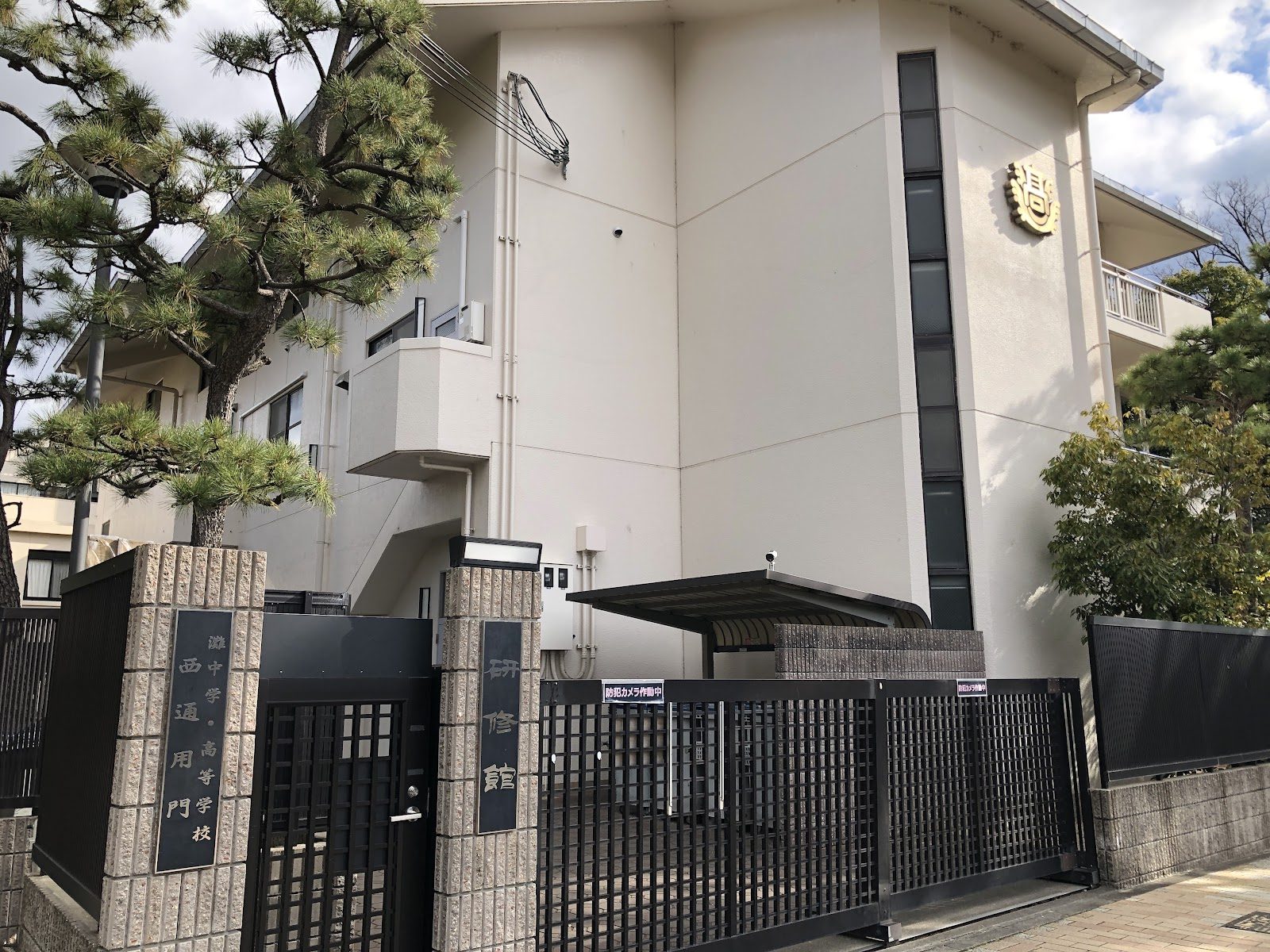
Nada High School
Kobe · Japan
Founded by Kobe sake brewers with judo's creator as an advisor, this uniform-free campus channels students straight into Tokyo and Kyoto University.
Same country and curriculum — closest matches within ±10 points either way