
London
A 1557 grammar-school foundation on the Thames, where Molesey boathouse silverware rivals A-level success rates.
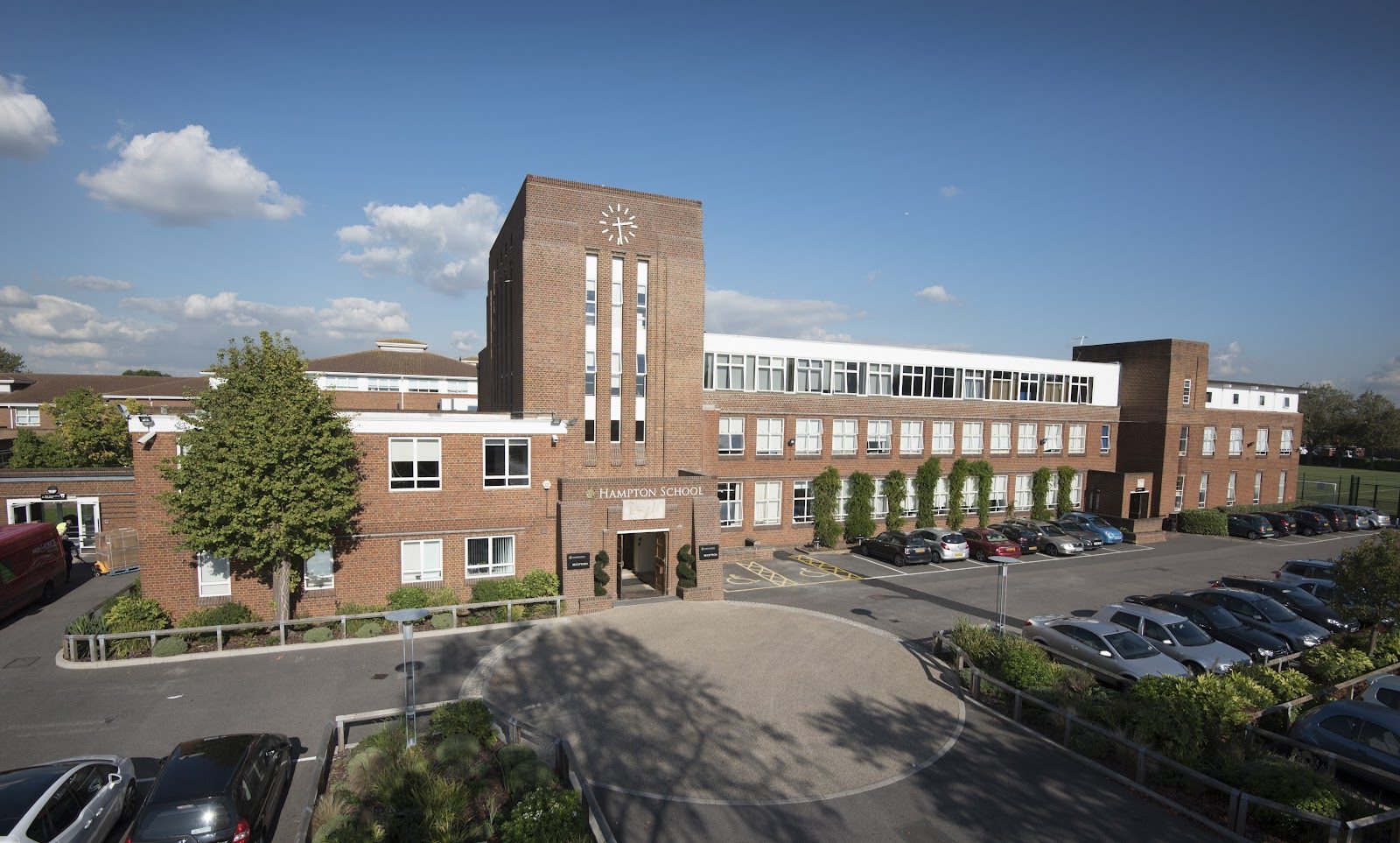
Photo © Hampton School via Google Maps
Type
Day
Ages
11–18
Curriculum
British
Qualifications
A-Level · IGCSE
Ratio
—
The Verdict
Editor's commitment
Right for
Boys 11–18 who want a boys-only British day school with HMC and ISI badges, founded in 1557 and still selective.
Wrong for
Families wanting co-education, boarding or a softer pace; Hampton is boys-only, day-only, and charges an average £29,916 a year.
Watch out for
The 1557 foundation carries prestige, but the proposition is narrow: one sex, ages 11–18, English-only teaching, and no religious frame.
Ranking breakdown
Hampton School · #105 of 1591
Composite score 77.4. 8 weighted criteria.
By criterion
Academic Outcomes
Weight 20%
#119
of 1529 scored
University Placement
Weight 16%
#136
of 1529 scored
Prestige & Heritage
Weight 12%
#139
of 1571 scored
Alumni Network
Weight 12%
#104
of 1530 scored
Facilities
Weight 12%
#406
of 1533 scored
Transparency & Communications
Weight 8%
#254
of 1532 scored
Peer & Industry Review
Weight 10%
#221
of 1548 scored
Admissions Selectivity & Demand
Weight 8%
#180
of 1529 scored
Score history
Hampton School · 2026
Movement across 2024–2026. Peer average overlaid.
Overall — 2024–2026
77.4/ 100
▲ +6.6 vs 2025
year on year
Peer & Industry Review
How Hampton School is regarded in the sector
79
Strong · high confidence
Hampton School enjoys a well-established reputation among London's competitive boys' day schools, underpinned by an ISI inspection that judged it "excellent" across every category and a Good Schools Guide verdict praising its "really good teaching" and pastoral care that parents rate "second to none". WhichSchoolAdvisor's review highlights Hampton as one of the country's top rowing schools alongside consistently strong GCSE and A Level results, with 91% of grades at A*-B in recent years. Its inclusion in the Tatler Schools Guide 2026 and a genuine alumni network spanning musicians, Premier League footballers and Forbes 30 Under 30 entrepreneurs reinforce a reputation that extends beyond local parent chatter into wider sector recognition. It sits just below the handful of nationally pre-eminent day schools, reflecting strong regional rather than unanimous top-tier standing.
Editors' overview
The hook at Hampton is the combination of age and appetite: a school founded in 1557 that still trades on hard-edged academic ambition rather than heritage theatre. It is a boys-only day school in Hampton for ages 11 to 18, teaching the British curriculum in English, and its market position is clear. This is not a soft, lifestyle-driven London day school; it is a serious academic institution with the cultural memory of a grammar school and the fee structure of a full independent. The average annual day fee across the school is £29,916, which places Hampton in the upper tier of the UK day-school market without pushing into the most extravagant London pricing. Parents paying that sum are buying an established academic culture, not acres of branding.
What makes Hampton worth a shortlist is the density of signal around intellectual and extracurricular calibre. The school remained a voluntary aided grammar school until 1975, and that selective inheritance still matters. Its alumni record is not thin anecdote but broad evidence: 42 notable alumni are catalogued in Wikidata, spanning politics, scholarship, writing, music and 11 elite athletes. That spread fits the editorial tagline neatly. Hampton’s identity is not only examination-led; it also carries real weight in sport, with rowing central enough to define the school’s public image. The old foundation on the Thames is not decorative history. It shapes the offer.
The right student for Hampton is a boy who wants pace, competition and a peer group that treats effort as normal. It will suit the self-propelled, the bright, the sporty and the boy who thrives in a culture where standards are explicit. It will not suit families looking for a co-ed environment, a progressive educational philosophy, or a school built around therapeutic softness. Hampton is not for the faint-hearted and does not need to be. For the right child, that is the point: a high-pressure, high-reward school with deep roots, a strong alumni footprint and a clear sense of what it is.
Academic Performance
Hampton’s academic reputation is strong, but the public case is thinner than it should be. We have not seen published aggregate A-level or GCSE headline tables in the source set here, so parents cannot test the school’s examination strength against close academic competitors from official figures in this review. That matters because Hampton sits in a ruthlessly competitive part of the boys’ day-school market, where families compare not only university destinations and subject breadth but clean, year-on-year external results data. A school with Hampton’s hard-driving academic identity invites that scrutiny and should meet it with precision.
Even without published headline percentages here, the direction of travel is clear. Hampton belongs in the conversation with the top-flight academically selective London day schools rather than with softer all-round independents whose selling point is atmosphere first, attainment second. Its grammar-school inheritance, selective intake and durable reputation point to a results-first culture with high expectations across the sixth form and down the school. That does not make it distinctive on academics alone; in this bracket, strong outcomes are the entry ticket. The distinction lies in the combination of exam ambition with serious competitive sport and a peer culture that prizes performance. For able boys who want pressure, pace and external benchmarks, Hampton is a demanding proposition with clear academic weight.
Facilities
Hampton’s facilities matter most where the school’s culture bites hardest: sport, rowing and the day-to-day machinery needed for an academically selective boys’ school to run at speed. The standout asset is the Thames connection and the Molesey boathouse operation flagged in the school’s own editorial framing; that places Hampton in the company of London schools with serious rowing infrastructure rather than schools that merely field crews. For the right boy, that is not a decorative extra but a defining advantage. In the day-school market, dedicated rowing provision still marks a school out. Many London competitors offer strong games programmes; fewer can anchor them in a sport with this level of institutional identity. That gives Hampton a clear competitive edge for families who value rowing as more than a seasonal option.
What remains less clear is the wider campus inventory. We have not seen a full public account of theatres, science provision, design technology spaces, specialist arts rooms or sixth-form centres, and that absence matters because peer schools at this level now spell such things out in detail. Against that benchmark, Hampton’s facilities profile reads strong in its signature lane but less transparent elsewhere. That does not signal weakness; it signals incomplete disclosure. Parents comparing it with the most polished London independents should ask direct questions about indoor sport, music, drama and lab provision, because top-tier schools do not rely on reputation alone when the bricks, boats and specialist spaces are part of the sales argument.
That does not make it distinctive on academics alone; in this bracket, strong outcomes are the entry ticket
Prestige
Hampton carries real London day-school prestige, but it is a specific kind of prestige: earned, selective and academically coded, not lacquered with boarding-school mystique or social-display theatre. Its standing rests on three things. First, longevity and continuity of reputation: this is an old school that has remained part of the serious conversation for generations. Second, market position: a boys-only selective day school at this level draws families who want hard results, hard competition and a peer group that treats achievement as standard. Third, alumni proof. Wikidata alone captures 42 notable former pupils across politics, scholarship, the arts and sport, with 11 elite athletes. That breadth gives Hampton more than exam prestige; it gives it institutional reach.
The rating stops short of the absolute summit because the school’s public evidence is incomplete where top-tier buyers expect precision. In British independent-school terms, Hampton has name recognition, old-boy network value and strong social signalling in the capital’s professional classes. It carries substantial cachet. But the most rarefied schools combine that with relentless public trumpet-blowing on outcomes, admissions and destination pipelines. Hampton’s prestige feels grammar-school in temperament, sharpened by fee-paying selectivity, rather than aristocratic or brand-luxury. For many families, that is a strength, not a deficit: serious rather than showy, ambitious without velvet-rope affectation, and respected by people who know the market well.
The rating stops short of the absolute summit because the school’s public evidence is incomplete where top-tier buyers expect precision
Communications
Hampton communicates like a school that expects parents to keep up. The public face is spare, old-school and functional rather than glossy: you get the essential facts, but not the over-explained hand-holding that weaker schools use to manufacture warmth. That has virtues. A demanding boys’ day school does not need lifestyle copy; it needs clear notices, a reliable calendar, direct instructions and prompt operational messaging. Hampton’s longstanding market strength also reduces the pressure to oversell itself. The weakness sits in the same place as the strength: the school does not publish enough hard public detail in key areas, and that institutional reserve spills into communications. Parents shopping at this level expect sharper disclosure on outcomes, facilities and comparative strengths than Hampton currently gives.
That makes parent communication effective on confidence and tone, less effective on transparency. Families already aligned with the school’s high-expectation culture will read the brevity as discipline and competence. New buyers, especially those making expensive decisions on a day fee averaging £29,916, need more than confidence cues; they need evidence. Hampton communicates with the assurance of a school that knows its audience and does not chase attention. That is reassuring for established families and frustrating for forensic ones. The verdict: strong on authority, weaker on disclosure, and still more reliant on reputation than the best-run communicators in the London day-school market.
Uniqueness
Hampton’s distinctiveness lies in the tension between origin and present reality. This is a school with a grammar-school core that now operates in the independent sector, and that mix shapes everything from ambition to atmosphere. You get the competitive edge, subject seriousness and meritocratic self-image of an academically selective state-school tradition, but delivered with the resources and polish of a fee-paying institution. That produces a culture less interested in pastoral fashion or lifestyle branding than in measurable performance. For students, the gain is a peer group that treats effort as normal, not exceptional, and a school identity that rewards earned standing rather than easy charm.
The other point of difference is the breadth of achievement Hampton converts into adult outcomes. The alumni record catalogued in Wikidata — 42 notable former pupils, including 11 elite athletes — gives the school more than exam credibility. It points to a place where high attainment does not funnel boys into one narrow professional script. Add the boathouse-centred sporting tradition and the result is a school with real institutional character: intellectually driven, physically competitive and unapologetically demanding. For the right student, that brings momentum, confidence and strong preparation for selective universities and high-performance environments beyond school. For the wrong one, it brings pressure. That divide is exactly what makes Hampton so distinctive.
Hampton’s distinctiveness lies in the tension between origin and present reality
Student Profile
The boys who fit Hampton best are bright, competitive and comfortable in a room full of other able students. This is not a school for children who want to drift. It suits boys who enjoy being measured, who respond to pace, and who do not wilt when teachers and peers set a high bar. Academic appetite matters, but so does temperament: the right student has self-discipline, can absorb correction without melodrama, and finds energy in a culture that treats effort as routine. A boy with a genuine sporting streak, especially one drawn to rowing or hard training, will find an obvious route into the life of the school. The boys-only setting will suit families who want a focused, tradition-minded, results-driven environment without the social choreography of a co-educational scene.
The weaker fit is just as clear. A child who needs constant reassurance, a soft landing after every setback, or a school built around therapeutic language will struggle. So will boys who resist structure, dislike competition, or want broad acceptance for low engagement. Hampton works for families prepared to buy into standards, not negotiate them. At an average annual fee of £29,916, parents are not paying for a cosseting experience; they are paying for access to a high-pressure peer group and a school culture with sharp elbows. For the right boy, that produces confidence, resilience and strong adult habits. For the wrong one, it produces drag, friction and unhappiness.
For students, the gain is a peer group that treats effort as normal, not exceptional, and a school identity that rewards earned standing rather than easy charm
Co-curricular strengths
Arts & sport, on a separate axis
Overall 8.3/10
Scored 0-10 from the school's own published evidence. This axis is editorial-only — it does not feed the main WTS ranking.
Sports
9/10
National athletic giant; varsity soccer, rugby, and rowing teams routinely sweep independent school cup titles across the UK.
Drama
9/10
Housed in the modern, professional 380-seat Hammond Theatre, running complex mainstage seasons and industry stagecraft tutorials.
Dance
6.5/10
Operates primarily as an ensemble component to support their massive, high-production musical theater shows.
Music
9/10
Run out of the dedicated Garrick music facility, managing over 30 separate instrumental groups and international choir tours.
Visual Arts
8/10
Highly impressive 28-acre day campus facilities holding printing presses, darkrooms, and digital iMac editing matrices.
Editor-verified · 8/6/2026
Notable alumni · Wikidata
42notable alumni
5 historic (born pre-1930) · 14 modern (born post-1970)wikidata:2026-07-28 How we source this

WTS 300 badge
2025/26 editionHampton School is one of the World's Top 300 Schools for 2025/26. Claim your listing to add it to your site →
Strengths
- +The school was inspected by the ISI in May 2023 and judged Excellent, the highest available outcome, across all categories.
- +Sport, music and drama are all rated world-class, with visual arts outstanding, giving an exceptional co-curricular breadth alongside academics.
- +Hampton is high-performing for both GCSEs and A Levels, and it is recognised as one of the top rowing schools in the country.
- +In the most recent cycle the school secured 17 Oxbridge offers from 86 applications, with all 13 Oxford offers accepted and four further offers from Cambridge.
- +Close links with the neighbouring Lady Eleanor Holles School give boys regular social and co-curricular contact despite the single-sex setting.
- +There are around 96 pupils on completely free places, funded partly through the linked Fitzwygram Foundation, alongside further means-tested bursaries.
Considerations
- −Hampton is a fee-charging, boys-only private day school, so it is not an option for families seeking coeducation.
- −Day fees stand at £29,916 per full academic year, plus additional charges, a significant financial commitment.
- −No IB is offered and there are no plans to introduce it, so families wanting an International Baccalaureate route will need to look elsewhere.
- −Boys may only sit for 11+ or 13+ entry and not both, meaning the main entrance routes are effectively single-shot and highly competitive.
Availability
Primary entry gate & tests
11+/13+ Hampton written/pre-test; 16+ subject assessment
Gallery
Photo © Hampton School via Google Maps
Photo © Leeton via Google Maps
Photo © Leeton via Google Maps
Photo © Leeton via Google Maps
Photo © Leeton via Google Maps
Recommended reading
Independent write-ups of this school from editorial outlets we trust.
- Hampton SchoolGood Schools Guide
- Hampton School — review on WhichSchoolAdvisorWhichSchoolAdvisor
Parent reviews
Have you sent your child here?
Voice reviews carry the strongest trust badge — we transcribe them for you to tidy up before they go live. Prefer to type? A written review is fine too.
Add your voice
In 60 seconds, tell other parents: what's the best thing about Hampton School, and what surprised you when your child joined?
We ask for a Google sign-in so every review has a real face behind it — no anonymous drive-by attacks on schools, and no faked positive reviews. Your email is never shown publicly.
The best thing about this school is the pastoral care. What surprised us most was how quickly our child settled in.
Parent of Y10 pupil, 2026 · Jul 2026
The best thing about this school is the pastoral care. What surprised us most was how quickly our child settled in — the teachers really know each child.
Parent of Y7 pupil, 2026 · Jul 2026
Send this profile to a friend
International parents rely on word-of-mouth. Share this review with someone weighing the same decision.
Schools with places
Similar schools to Hampton School with places available now.
Wimbledon High School
London · United Kingdom
- 2026-27
- CLOSED
- 2027-28
- PLACES OPEN11+ (Closes 3 Nov); 16+ (Closes Oct)
Whitgift School
Croydon · United Kingdom
- 2026-27
- CLOSEDStandard route
- 2027-28
- PLACES OPENCloses Nov '26
James Allen's Girls' School
London · United Kingdom
- 2026-27
- CLOSEDStandard route
- 2027-28
- PLACES OPENCloses Oct/Nov '26
Emanuel School
London · United Kingdom
- 2026-27
- CLOSEDStandard route closed
- 2027-28
- PLACES OPEN11+ / 16+ active
Availability first, then country, area, curriculum, price, co-curricular
Consider also
Also worth looking at alongside Hampton School.
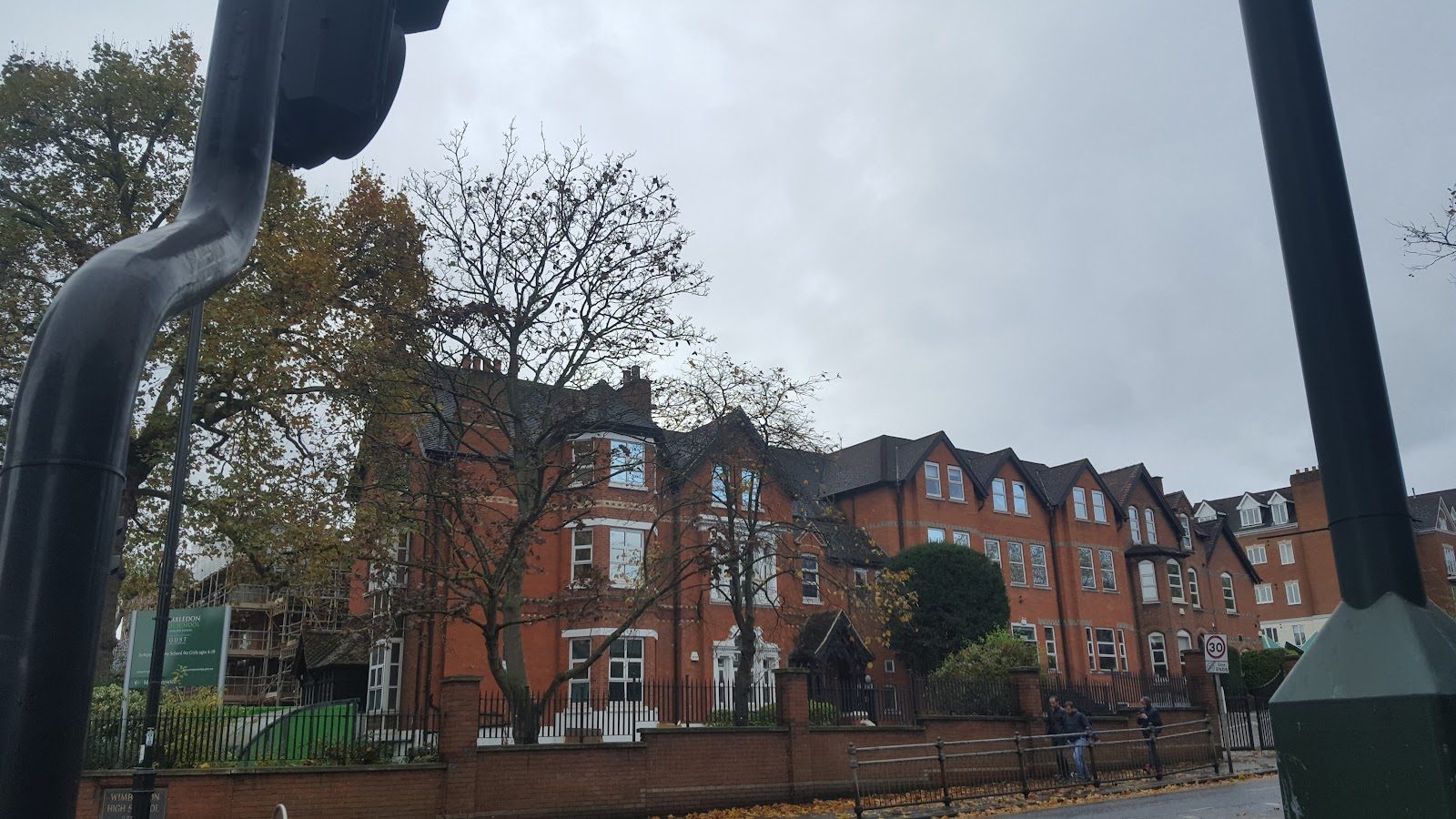
Wimbledon High School
London · United Kingdom
In central SW19, girls debate weekly in Civil Discourse class, embracing a distinctive ethos of 'Playful Scholarship'.
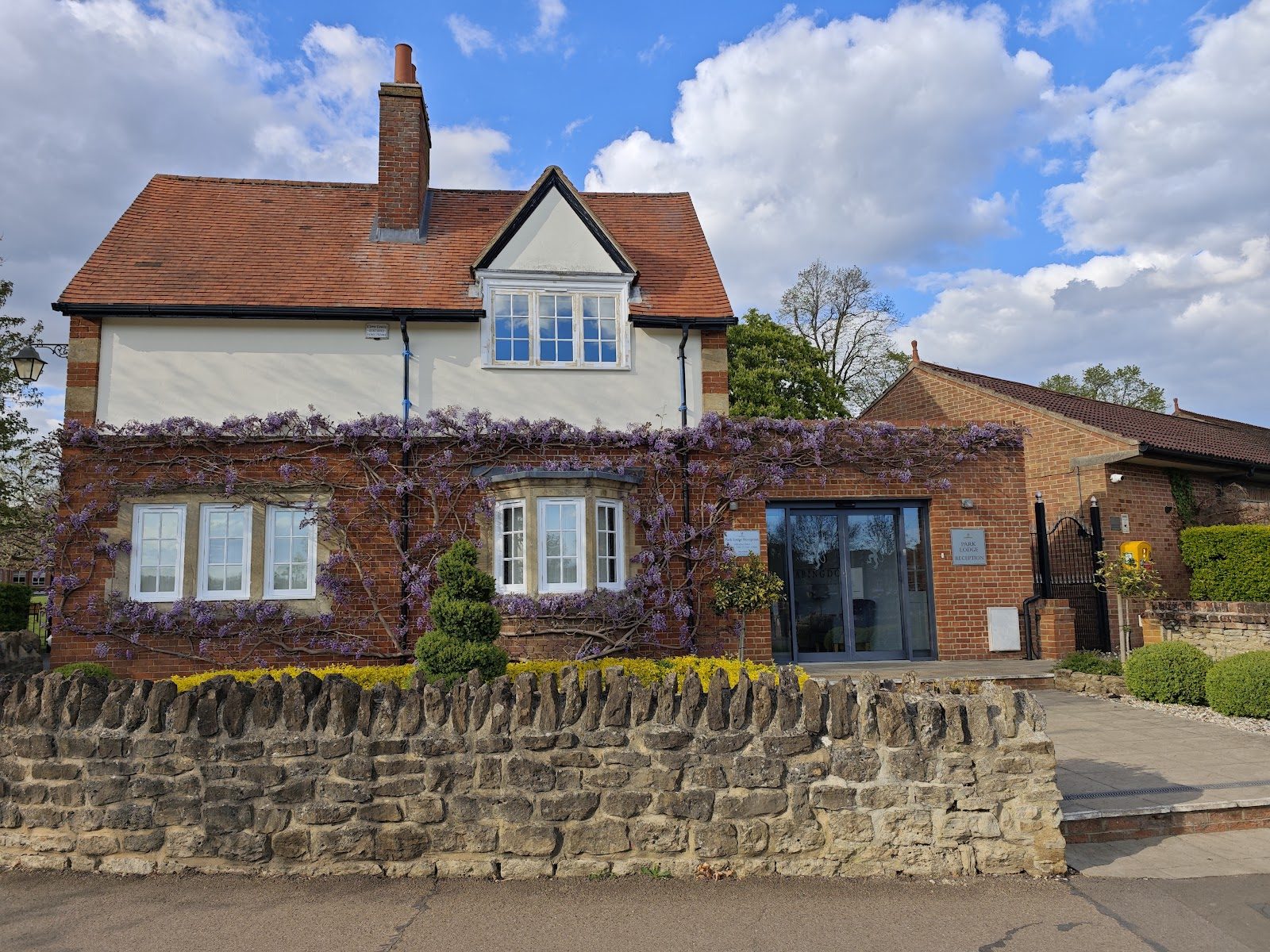
Abingdon School
Abingdon · United Kingdom
On the banks of the Thames just south of Oxford, a nine-century foundation whose boathouse has long fed Oxbridge rowing crews.

Alleyn's School
London · United Kingdom
A 1619 theatre fortune built this Dulwich day school, whose junior houses still bear the names of Edward Alleyn's playhouses.
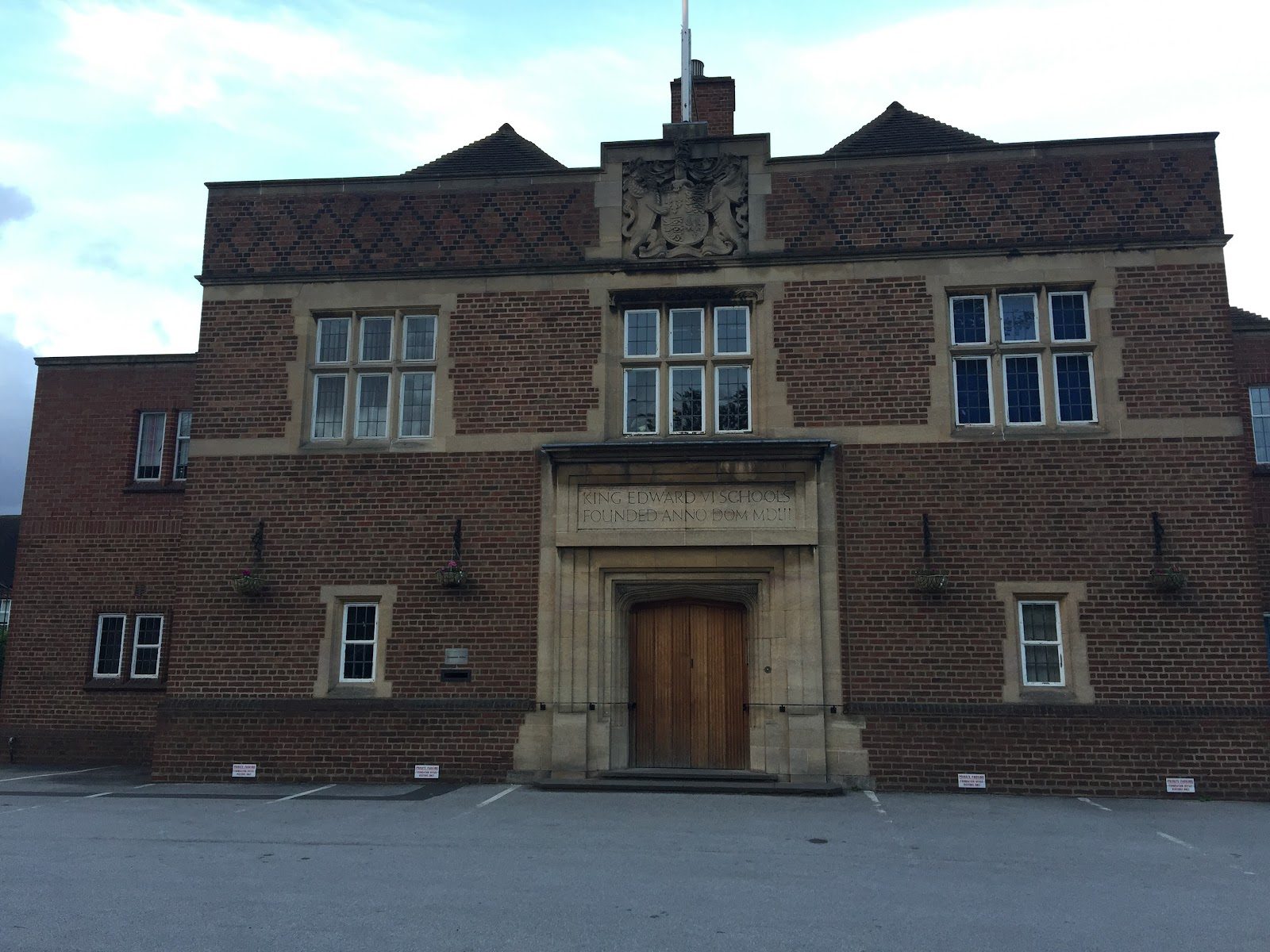
King Edward's School, Birmingham
Birmingham · United Kingdom
A royal charter from 1552 anchors this Edgbaston day school, where a third of new boys receive means-tested fee support.
Same country and curriculum — closest matches within ±10 points either way