Normandy
École des Roches
low confidence· 3/6 cats · 2.92 avg sourcesA 1899 Norman chateau where France's first 'new education' experiment still shapes house-based IB and Baccalaureate scholars
Photo © Ecole Des Roches via Google Maps
Type
Day
Ages
3–18
Curriculum
French Baccalaureate · IB
Ratio
6:1
The Verdict
Editor's commitment
Right for
Families wanting a French Baccalaureate or IB route on a 50-hectare campus, with bilingual teaching and a 6:1 student-teacher ratio.
Wrong for
Parents who want a conventional day school. École des Roches trades on six boarding houses, 50+ nationalities and a residential culture.
Watch out for
The average annual day fee is €47,520, and the school publishes no aggregate exam outcomes despite its 1899 pedigree and IBO accreditation.
Ranking breakdown
École des Roches · #1520 of 1591
Composite score 47.6. 8 weighted criteria.
By criterion
Academic Outcomes
Weight 20%
#1474
of 1529 scored
University Placement
Weight 16%
#1455
of 1529 scored
Prestige & Heritage
Weight 12%
#1437
of 1571 scored
Alumni Network
Weight 12%
#1082
of 1530 scored
Facilities
Weight 12%
#1422
of 1533 scored
Transparency & Communications
Weight 8%
#1437
of 1532 scored
Peer & Industry Review
Weight 10%
#1482
of 1548 scored
Admissions Selectivity & Demand
Weight 8%
#1471
of 1529 scored
Score history
École des Roches · 2026
Movement across 2024–2026. Peer average overlaid.
Overall — 2024–2026
47.6/ 100
▼ -0.2 vs 2025
year on year
Peer & Industry Review
How École des Roches is regarded in the sector
78
Strong · medium confidence
École des Roches is one of France's oldest and best-known boarding schools, historically referenced alongside institutions like Le Rosey and Institut Le Rosey in comparative pieces on elite European boarding schools, and it appears in specialist expat/boarding-school directories such as Gabbitas and IB World School listings as a long-established, prestigious option. It has a notable alumni network including French political and business figures, and is frequently cited in French-language education press (Le Figaro, L'Express) as one of the country's historic grandes écoles-adjacent boarding institutions, though it receives less English-language specialist press coverage (e.g., Tatler, Good Schools Guide) than UK-based peers.
Evidence sources
- Antoine Riboud — Founder/CEO, Danone - business
- Franck Riboud — CEO/Chairman, Danone - business
- Marcel Bleustein-Blanchet — Founder, Publicis - business
Editors' overview
A 50-hectare Norman campus, six historic houses and a train time of one hour from Paris give École des Roches a profile that is unusual even by French boarding-school standards; add the fact that it dates to 1899 and still trades on a “new education” inheritance, and this is not a generic international school in the countryside. It is a French school with real architectural and cultural weight, but also one that teaches in French and English and runs both the French Baccalaureate and the IB. That dual track matters. It widens the academic brief beyond a single national system and puts the school in a useful position for families who want France without locking themselves into France alone. The published 6:1 student-teacher ratio points to a high-attention environment, and the school’s own emphasis on very small classes fits that. At an average annual day fee of €47,520, it sits in the premium tier.
What puts it on a shortlist is not raw glamour but combination: heritage, a large residential-style campus, more than 50+ nationalities, and a structure built around houses rather than a flat day-school routine. Even though this listing is for a day school, the school’s identity is tied to boarding life; parents need to understand that culture because it shapes the rhythm, expectations and social life. This is a place for children who will use a campus, not commute in, leave at four o’clock and treat school as a service. The pitch is strong for internationally minded families who want a cosmopolitan French education with visible pastoral structure and a broad co-curricular menu: the school cites more than 30 sports, arts and cultural activities, from tennis and theatre to robotics and golf. That breadth is attractive, but the stronger point is the community model behind it.
The right student for École des Roches is independent, socially adaptable and comfortable in a mixed linguistic environment. A child who wants close teacher contact, values house belonging and thrives in a campus setting will get more from it than a narrowly exam-driven pupil hunting only for league-table proof. The school does not publish aggregate IB or French Baccalaureate results in the information we have seen, so parents looking for hard outcome data will find real opacity there. That is the main reservation. If you can live with that gap, École des Roches offers something more distinctive than many polished international schools: a deep-rooted, residentially minded education in Normandy with genuine international range and a clear sense of place.
Academic Performance
Academic performance is the weak point in the public case for École des Roches. The school offers two externally examined routes, which in principle gives families useful flexibility, but it does not publish aggregate pass rates, score averages, subject breakdowns, university destination lists or year-on-year trend data for either route. That leaves parents without the basic comparative tools they need. In a market where serious competitors put out mean IB scores, top-grade profiles and destination detail, this level of disclosure is thin and frustrating. The school talks about very small classes and individual support, and that staffing model ought to translate into strong attainment; without published outcomes, that claim remains unproven.
Relative to peers, École des Roches sits in an awkward middle ground: more academically ambitious than a lifestyle-first boarding proposition, but less transparent than the strongest international and bilingual schools competing for the same globally mobile families. The partnership with École Jeannine Manuel raises expectations, not lowers them. Parents will read that association as a marker of academic intent and will expect evidence. Until the school publishes consolidated IB results and French Baccalaureate performance, its exam profile stays opaque. That does not mean results are weak; it means outsiders cannot verify strength. For a school charging an average annual day fee of €47,520, that is a material gap in accountability.
Facilities
The physical proposition is the clearest strength. A 50-hectare rural campus gives École des Roches something many international schools cannot offer: room for a real school life rather than a compact academic block with add-on sports space. The six historic houses matter as facilities in their own right because they organise pastoral life, social identity and after-hours routine; this is not decorative heritage, it is operating structure. Parents also get a broad activity base, with more than 30 sports, arts and cultural options named publicly, including robotics, theatre, golf and tennis. Against peers, that mix puts the school in the serious full-campus bracket: stronger than urban bilingual schools on land, outdoor life and residential atmosphere, if less obviously lavish in the way some Swiss and British boarding estates advertise specialist centres.
What is less clear is the academic infrastructure behind the sales line about excellence. The school talks confidently about support, small classes and an international future, but it does not give parents much hard detail on libraries, laboratories, maker spaces, performance venues or specialist teaching suites. That absence matters because competitors at this price point publish those specifics as routine. So the verdict on facilities is two-part: the estate, house system and activity range are distinctive and high-value; the visibility on core teaching spaces is patchy. If your priority is campus life, École des Roches competes well. If your benchmark is fully documented academic plant, the public picture is less convincing.
The right student for École des Roches is independent, socially adaptable and comfortable in a mixed linguistic environment
Prestige
Prestige at École des Roches rests first on pedigree and setting. This is one of those schools whose name carries weight in France because it belongs to an older educational tradition rather than a new international-schools sales culture. The Norman estate, the château atmosphere and the six-house structure give it real social texture and a recognisable old-school identity that many bilingual schools cannot match. The pupil body also matters to prestige: an environment drawing families from 50+ nationalities signals reach beyond a local catchment and gives the school a genuinely international social mix. The link with École Jeannine Manuel adds a further layer of standing. Parents know that association raises the school above a pretty campus with polished messaging.
That said, prestige here is selective rather than absolute. It is strongest with families who value heritage, residential community and cultural capital; it is weaker with parents who define status through published academic outcomes and university placements. On that front, the school withholds the data that top-tier institutions now publish as routine. That limits its authority. The fee level — an average annual day fee of €47,520 — puts it in expensive company, and the low staffing ratio reinforces the sense of individual attention, but price and atmosphere do not by themselves secure top-rank academic prestige. The school has cachet, history and a distinctive identity. It does not yet have the public-results transparency that would move it into the most convincing upper tier.
Academic performance is the weak point in the public case for École des Roches
Communications
École des Roches communicates in the way many old institutions do when they are trying to modernise: the broad picture is easy to grasp, but the detail is uneven. The website gives parents the essentials cleanly — contact routes, admissions prompts, FAQs, programme pages and a clear fee table. That fee disclosure is better than average: families can see the headline annual charge for each pathway, plus extras such as registration, laundry and optional activities, rather than being pushed into an enquiry form first. The school also states practical facts that parents care about, including pupil numbers, distance from Paris and the breadth of the activity offer. That makes the front-end communication usable, direct and *more transparent on cost than on outcomes*.
Where the school falls short is depth. Much of the public-facing copy leans on heritage, atmosphere and community, with repeated emphasis on house life and international spirit, but less hard operational information on academic reporting, day-to-day parent communication, leadership visibility or what parents can expect once a child is enrolled. The FAQ helps, and the published phone number and email matter, but this is still a school that asks families to buy into an identity before it gives them forensic detail. The Instagram presence — 6,134 followers and 1,368 posts — shows activity and regular output, yet social media is not the same thing as serious parent communication. The result is confident but incomplete: good at presenting the school, weaker at documenting it.
Uniqueness
What marks École des Roches out is the way its identity grows from a lived residential culture rather than an international-school template. The house system is not branding; it is the engine of daily life, giving pupils a fixed social unit, older-younger contact, and a stronger sense of belonging than many day schools manage. That matters because the school’s social mix is wide — more than 50 nationalities — and a structure like this turns diversity from a brochure line into something workable. Add the partnership with École Jeannine Manuel and you get a school that combines old French educational DNA with a more outward-facing, internationally literate frame. For students, that brings a community with rules, rituals and continuity, not a transient expat crowd.
The second point of difference is scale and rhythm. This is a school built around sustained campus life, with a large activity menu that runs from robotics to golf and a timetable that extends beyond lessons into shared routines and supervised independence. That gives pupils more than academic instruction: it trains self-management, sociability and confidence in a mixed-age environment. The low staffing ratio supports that model, because adults can know pupils properly rather than administrate them at distance. For the right child, the result is formative and deeply immersive. For the wrong child — one who wants anonymity, a narrow exam factory or a simple in-and-out day school — it will feel too enclosed and too communal.
If your priority is campus life, École des Roches competes well
Student Profile
The best fit here is a child who wants to belong to a community rather than just attend lessons. With pupils drawn from more than 50 nationalities and daily life organised around houses, École des Roches suits students who are socially confident, adaptable and willing to live by a shared code. New arrivals who need structure, routine and close adult oversight will benefit from that framework. So will pupils who like having younger and older students around them, not just a narrow year-group bubble. This is a good school for internationally mobile families, bicultural households and children who enjoy switching between social worlds. It is a weaker fit for pupils who want distance, privacy or a low-engagement school life. The culture is communal, supervised and identity-shaping.
It also suits students who gain from small classes and direct teacher access rather than competitive classroom theatre. The school’s published 6:1 ratio points to a setting where adults know pupils well and weak organisation gets noticed quickly. Children with wide extracurricular appetites will have more room here than at a compact urban school: sport, arts, debate and specialist options all feed the profile. That breadth helps the energetic, curious and self-starting. The less comfortable match is the pupil who wants a pure exam machine with public scoreboards and little else. École des Roches asks for buy-in to a full-campus way of life. For the right child, that is formative; for the wrong one, it is confining.
Prestige at École des Roches rests first on pedigree and setting
Co-curricular strengths
Arts & sport, on a separate axis
Overall 8.1/10
Scored 0-10 from the school's own published evidence. This axis is editorial-only — it does not feed the main WTS ranking.
Sports
9/10
Horse riding, football, basketball, tennis and swimming, and sports areas and a sizeable rural campus, indicating a solid multi-sport offering but no named specialist centre, staff or competitive results.
Drama
8/10
Drama appears explicitly only as 'Drama club' in the extracurricular list, with no further detail on productions, facilities or specialist staff.
Dance
7.5/10
Music
8/10
Names both a school orchestra and choir, showing structured music participation beyond a bare mention, but there is no evidence of a dedicated music facility, department or notable distinctions.
Visual Arts
8/10
Visual arts is offered.
Editor first-pass · editor-reviewable · 7/27/2026
Strengths
- +Founded in 1899
- +Offers French Baccalaureate and IB
- +French and English instruction
- +10:1 student-teacher ratio
Considerations
- −Day school only
- −Boarding fees are high
- −Average class size is 18
Availability
Primary entry gate & tests
Academic Record
Gallery
Photo © Ecole des Roches via Google Maps
Photo © Yulia K via Google Maps
Photo © Yulia K via Google Maps
Photo © Xanda Wane via Google Maps
Photo © Ecole des Roches via Google Maps
Photo © Ecole des Roches via Google Maps
Photo © Ecole Des Roches via Google Maps
Photo © Tobenna Offodile via Google Maps
Photo © Ecole Des Roches via Google Maps
Parent reviews
Have you sent your child here?
Voice reviews carry the strongest trust badge — we transcribe them for you to tidy up before they go live. Prefer to type? A written review is fine too.
Add your voice
In 60 seconds, tell other parents: what's the best thing about École des Roches, and what surprised you when your child joined?
We ask for a Google sign-in so every review has a real face behind it — no anonymous drive-by attacks on schools, and no faked positive reviews. Your email is never shown publicly.
Send this profile to a friend
International parents rely on word-of-mouth. Share this review with someone weighing the same decision.
Schools with places
Similar schools to École des Roches with places available now.
École Alsacienne
Paris · France
- 2026-27
- CLOSEDStandard route
- 2027-28
- OPENS SOONOpens Sept/Oct '26
The British School of Paris
Paris · France
- 2026-27
- WAITPOOLSpace-dependent
- 2027-28
- PLACES OPENRolling
International School of Paris
Paris · France
- 2026-27
- WAITPOOLSpace-dependent
- 2027-28
- PLACES OPENRolling
École Saint-Louis de Gonzague
Paris · France
- 2026-27
- CLOSEDStandard route
- 2027-28
- OPENS SOONOpens Oct/Nov '26
Availability first, then country, area, curriculum, price, co-curricular
Consider also
Also worth looking at alongside École des Roches.
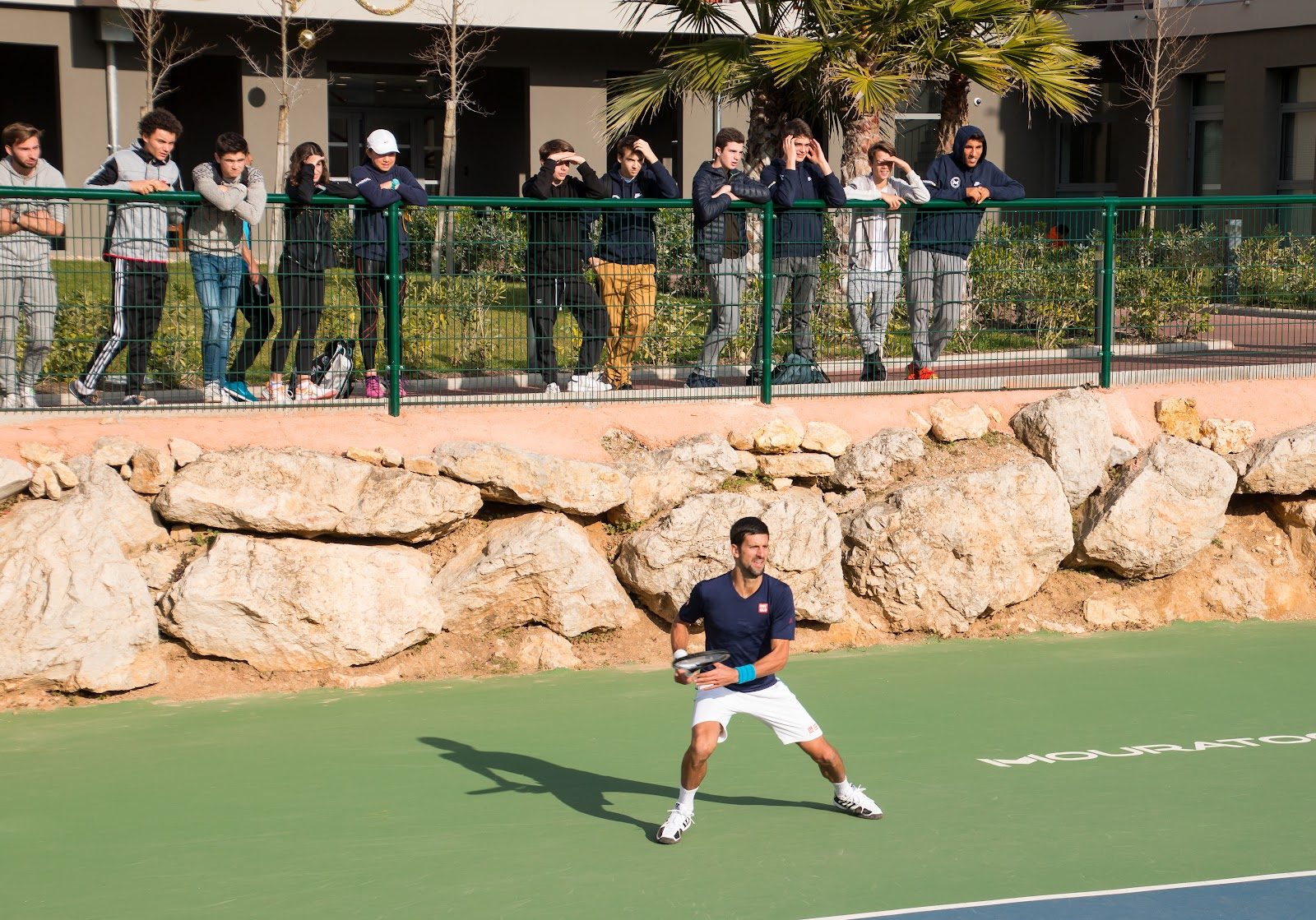
Mouratoglou Academy & School
Sophia Antipolis · France
Elite tennis training and the French Baccalaureate share equal billing across 33 courts on the Cote d'Azur.
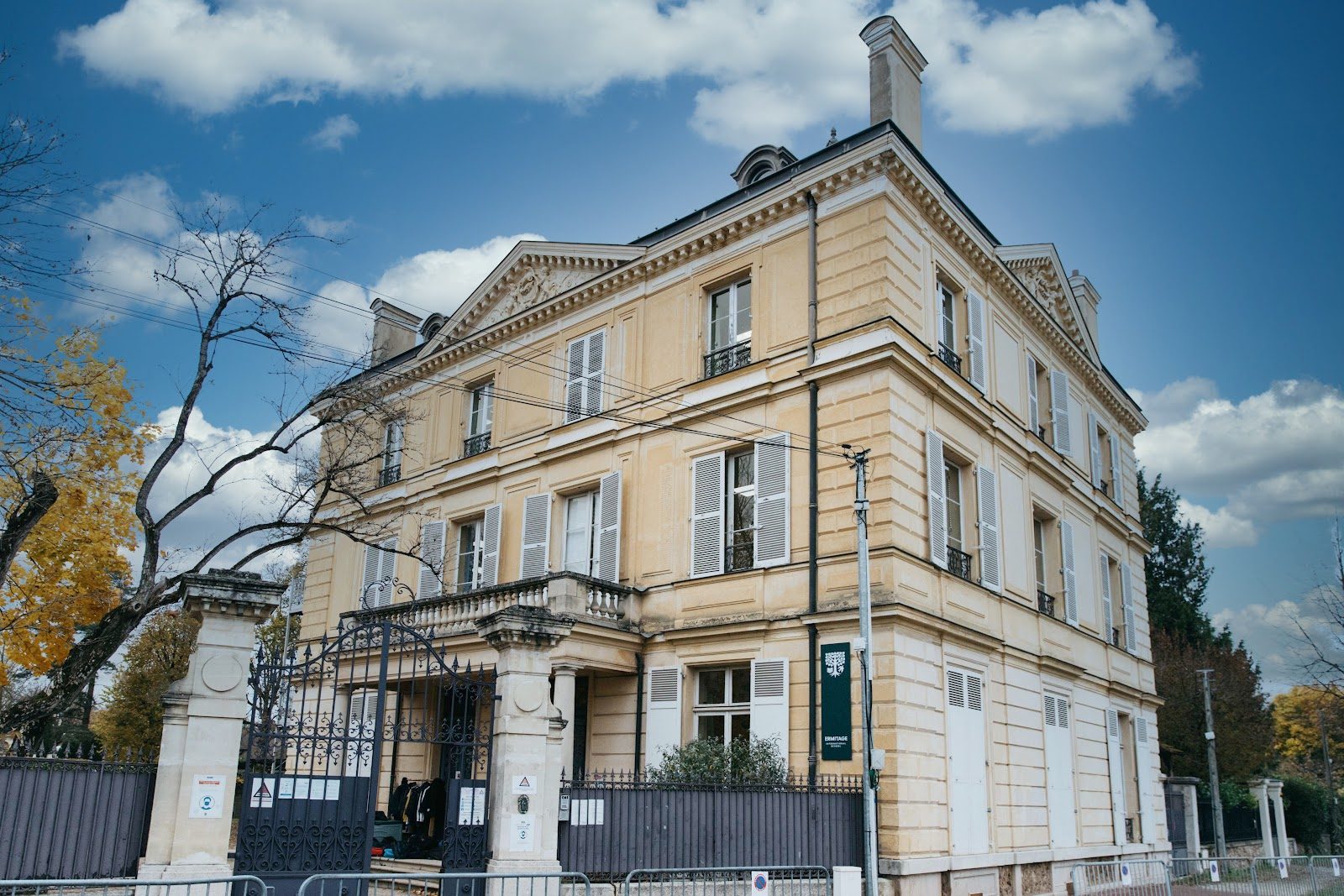
Ermitage International School
Maisons-Laffitte · France
Founded in 1941 amid wartime Paris, this Maisons-Laffitte day school runs IB and French Bac side by side, with equestrian classes in the racehorse capital.
Marymount International School Paris
Neuilly-sur-Seine · France
Running since 1923, France's oldest international school pairs American schooling with a bilingual track in leafy Neuilly.
Yew Wah International Education School of Beijing
Beijing · China
Chinese-English co-teaching in every classroom, threading a through-train path from early years to the IB in Yizhuang's tech park
Same country and curriculum — closest matches within ±10 points either way