
Western Australia
Guildford Grammar School
medium confidence· 4/6 cats · 2.14 avg sourcesBeside the Swan River since 1896, a heritage boarding school that has produced more Rhodes Scholars than any other in WA.
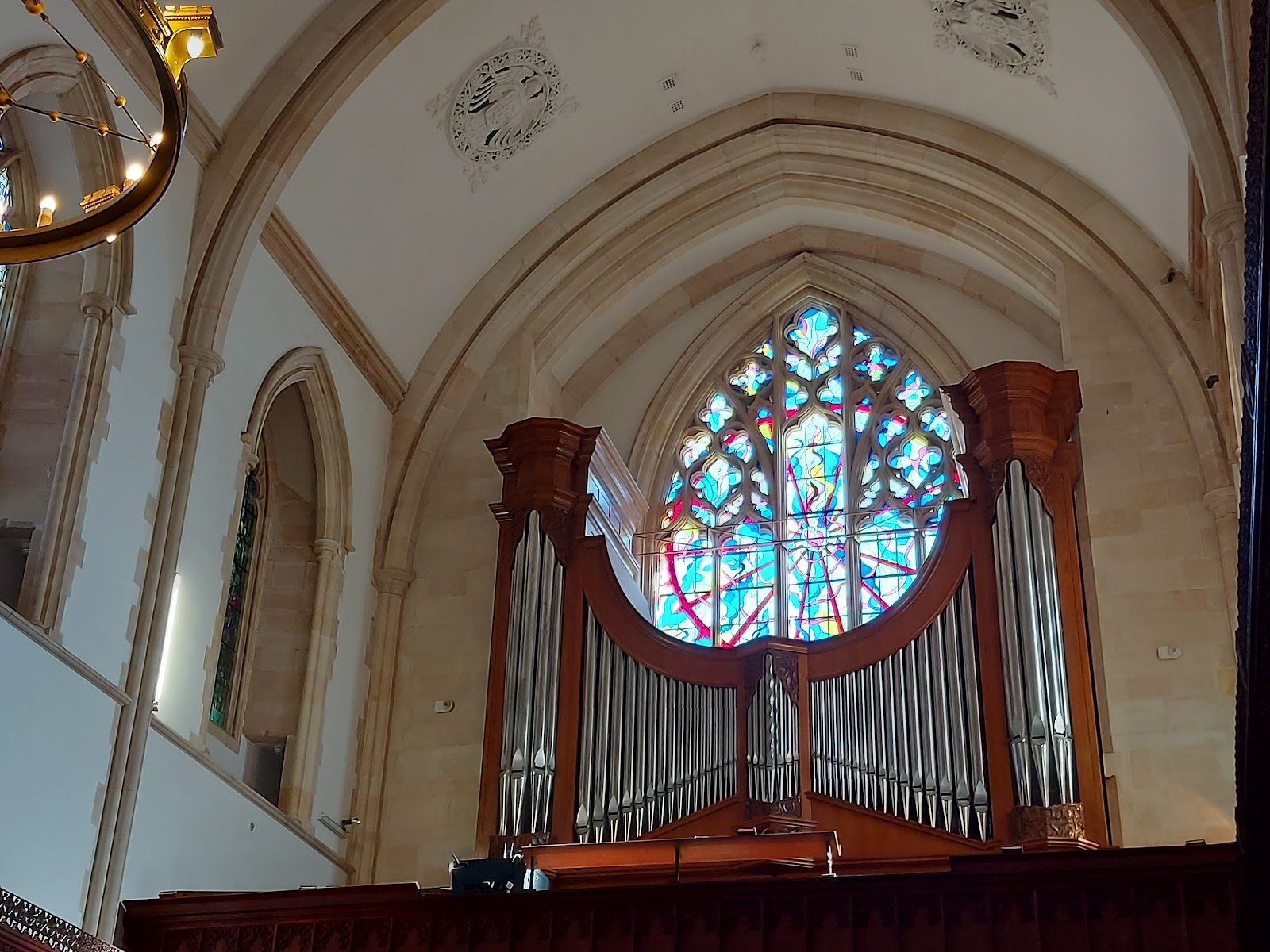
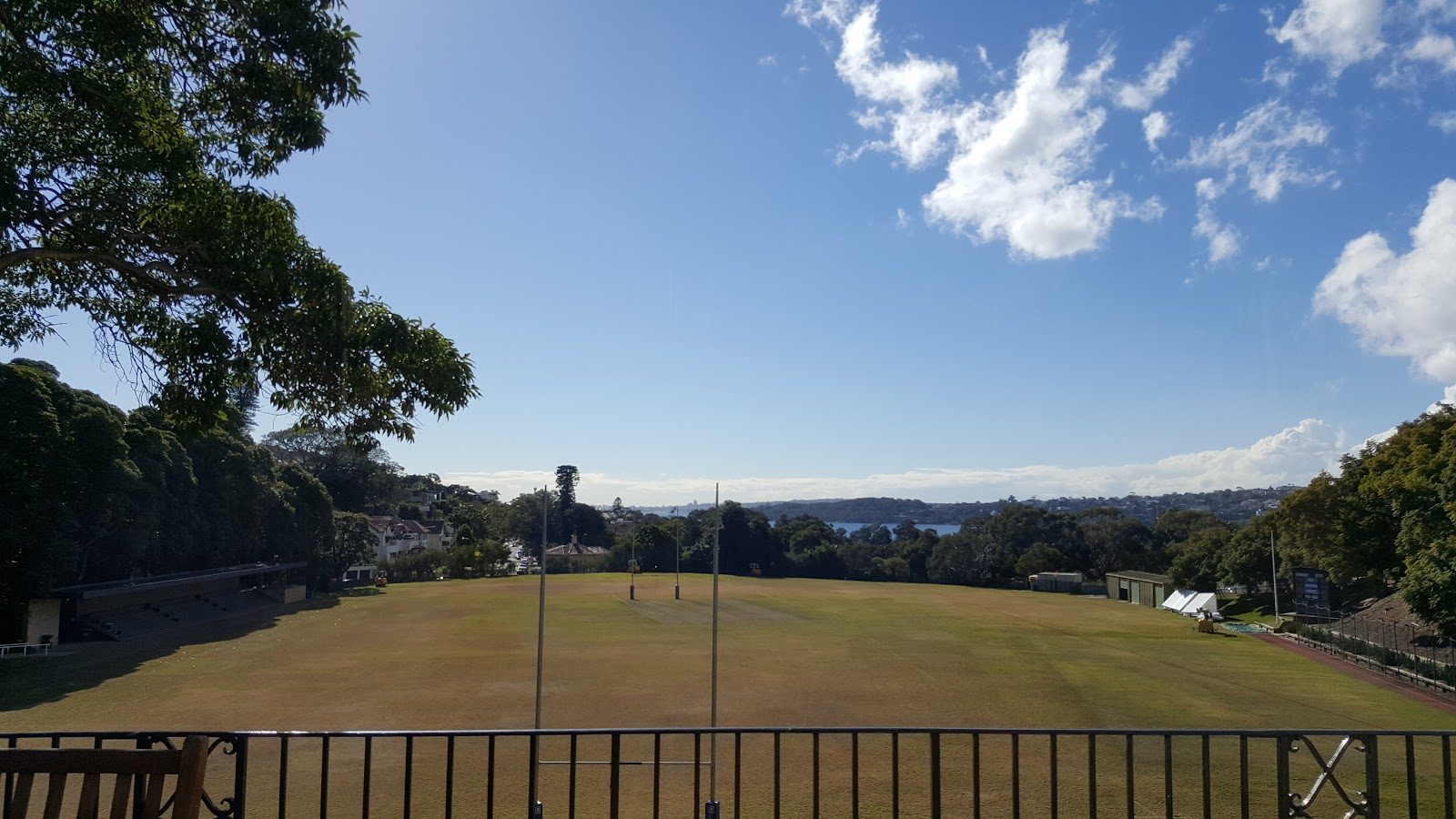
Photo © David and Jenny via Google Maps
Type
Both
Ages
4–18
Curriculum
Australian
Qualifications
WACE
Ratio
—
The Verdict
Editor's commitment
Right for
Families wanting a 4–18 Anglican co-educational school with boarding, on one Guildford campus and accredited by AHISA, HMC and PSA.
Wrong for
Parents seeking a secular school, a non-Australian curriculum, or a city-centre address; this is an English-medium Anglican school in Guildford.
Watch out for
Average annual fees run to AUD 21,183 for day pupils and AUD 43,217 for boarders; heritage and riverfront setting do not make it cheap.
Ranking breakdown
Guildford Grammar School · #561 of 1591
Composite score 68.2. 8 weighted criteria.
By criterion
Academic Outcomes
Weight 20%
#746
of 1529 scored
University Placement
Weight 16%
#736
of 1529 scored
Prestige & Heritage
Weight 12%
#537
of 1571 scored
Alumni Network
Weight 12%
#338
of 1530 scored
Facilities
Weight 12%
#569
of 1533 scored
Transparency & Communications
Weight 8%
#821
of 1532 scored
Peer & Industry Review
Weight 10%
#793
of 1548 scored
Admissions Selectivity & Demand
Weight 8%
#547
of 1529 scored
Peer & Industry Review
How Guildford Grammar School is regarded in the sector
55
Credible · low confidence
Guildford Grammar School is a well-established Western Australian independent school (founded 1896) with a respected local reputation and notable alumni including Rolf Harris and various WA business/political figures, but it receives limited coverage in major national or international 'best schools' rankings compared to top-tier Perth peers like Christ Church Grammar or Scotch College. It appears occasionally in regional education directories and WA-specific school guides but lacks the frequent third-party specialist press mentions (Tatler, Good Schools Guide equivalents) that would indicate a top-tier national reputation.
Editors' overview
The Swan River setting and the 1896 foundation do real work here. Guildford Grammar is not trading on borrowed grandeur; it is an Anglican school with deep roots in Western Australia and a full 4–18 span, with both day and boarding provision on one campus. That combination still carries weight in the local market. Parents looking for a school with continuity, ritual and a stronger-than-average sense of institutional identity will find it here. The school itself leans hard into heritage, leadership and student agency; the more useful point is that Guildford offers a rare blend of old-school boarding culture and a co-educational, contemporary Australian curriculum. Its accreditations — AHISA, HMC and PSA — place it firmly in the established independent-school tier. Fees match that position: an average annual day fee of AUD 21,183 and an average annual boarding fee of AUD 43,217.
What puts Guildford on a shortlist is not novelty but enduring substance. There are plenty of schools that promise future-ready learning; far fewer can pair that language with a campus, community and boarding tradition that have held together for more than a century. The editorial tagline matters too: this is a heritage boarding school beside the river that has produced more Rhodes Scholars than any other school in Western Australia. That does not tell you everything about the current classroom, but it does tell you the school has long operated as a serious pathway for ambitious students. The age range, from 4–18, also matters. Families who want one school through the whole journey, rather than a prep-to-senior transition at 11 or 13, get that continuity here.
The right student for Guildford is not hard to identify. This is a strong fit for children who thrive in structured communities, who value sport, house identity, tradition and the rhythm of a big all-through school, and for boarders who want a settled, full-service campus rather than a purely academic commuter model. It also suits families who want Anglican grounding without sacrificing co-education or the Australian curriculum. It is less persuasive for parents chasing a radically progressive school, a tiny boutique environment, or a place that publishes a sharply differentiated academic sales pitch. Guildford’s attraction lies elsewhere: institutional confidence, breadth, and a campus life that has been doing the same fundamental job since 1896 — taking children through to adulthood in a school with history, scale and real permanence.
Academic Performance
Guildford Grammar does not publish the kind of hard public exam data that lets parents place it cleanly against the top academic independents. We have not seen aggregate ATAR outcomes, median scores, subject-by-subject results, or a clear run of university-entry data in the public domain. That matters. In this market, schools with serious academic bragging rights tend to publish them. Guildford’s public case leans instead on leadership, agency, heritage and the broader student experience. That does not equal weak academics; it does leave the academic picture less transparent than at peers that put results front and centre.
So where does that place it? Not in the results-obsessed bracket on published evidence. It sits more comfortably among established all-rounder schools where sport, boarding, co-curricular life and institutional culture carry as much weight as raw league-table positioning. The school’s long-standing reputation and Rhodes Scholar claim point to intellectual depth in its history, but history is not a substitute for current published outcomes. For families who want a school judged by cold exam numbers, Guildford asks for more trust than the strongest academic operators do. For families who care about a broader definition of success, that trade-off will not trouble them.
Facilities
The campus is one of Guildford Grammar’s strongest assets. A school that spans the whole age range, runs day and boarding provision, and trades on a substantial sense of place needs more than functional classrooms; it needs grounds and shared spaces that can carry a full school community. Guildford’s own language around a “world-class campus” and a live masterplan points to active investment rather than complacent heritage management. That matters. Too many established schools rely on atmosphere to mask tired infrastructure. Here, the combination of scale, riverside setting and long institutional use gives the school a properly immersive physical environment, not a stitched-together suburban site. For boarders and heavily involved day pupils, that makes daily life richer and more self-contained than at commuter schools with weaker estates.
Against Australian independent-school peers, the picture is strong but not fully evidenced in public detail. We have not seen the kind of precise, area-by-area facilities inventory that lets parents compare science, arts, sport and boarding spaces line by line. That lack of specificity is a weakness. Top schools with nothing to hide publish it. Still, the broad proposition is clear: this is not a compact academic day school with minimal co-curricular provision, but a full-service campus built for breadth, community and permanence. In that sense it sits comfortably with the better-established all-through schools in the market. The estate itself is part of the offer, and for some families that counts as much as a marginal gain in exam-room intensity.
Guildford Grammar does not publish the kind of hard public exam data that lets parents place it cleanly against the top academic independents
Prestige
Guildford Grammar carries real old-school prestige in Western Australia. The source of that prestige is not glossy reinvention; it is endurance, social recognition and the kind of institutional memory that only a handful of schools in the state possess. A long-running Anglican boarding school with both day and residential life on one campus occupies a distinct place in the market, and parents know it. The Rhodes Scholar line in the tagline matters because it signals a school with a serious historical record of producing high-achieving graduates, not just a polished present-day brand story. Add the riverside setting, the established house-and-community culture and the school’s place in recognised independent-school circles, and you get a name with genuine cachet.
That said, this is prestige of the established, networked, all-rounder kind rather than the hard-edged academic prestige attached to schools that publish relentless public results. Guildford’s status rests on history, culture, boarding tradition and social standing as much as classroom metrics. For many families, that mix is exactly the point: they are buying entry into a school community with deep roots and a durable reputation, at an average annual cost of AUD 21,183 for day pupils and AUD 43,217 for boarders. We rate it as high-prestige, but not because it dominates the public academic conversation. Its authority is institutional, cultural and long-settled.
Guildford Grammar’s parent communication reads as organised, institutional and top-down
Communications
Guildford Grammar’s parent communication reads as organised, institutional and top-down. The public site gives parents the expected signposts — leadership, council, policies, annual reports, strategic plan, foundation and heritage — which matters because schools with a complex all-through structure need clear lines of authority and a visible paper trail. On that front, Guildford does the job. The navigation is not cryptic, and the school does not bury governance behind a haze of feel-good slogans. Annual reports in particular are a mark of adult seriousness: they signal a school willing to put formal information into the public domain rather than relying on open-day charm. The strategic language is polished, but it is still recognisable as school-leadership prose, with a heavy dose of vision-setting and institutional aspiration.
What is less convincing is immediacy. We have not seen much that points to exceptionally direct day-to-day communication in the public-facing parent experience: no strong public evidence of granular academic reporting, no unusually transparent outcomes culture, and no especially detailed explanation of how families are kept close to teaching and pupil progress. That leaves the impression of a school that communicates competently at the institutional level but with more force on mission, planning and community than on hard operational detail. For many parents, that will be enough, especially in a school where identity and continuity matter. For sharper-elbowed families who want constant, forensic visibility into results, systems and performance, Guildford gives less away than the best communicators do.
Uniqueness
What sets Guildford apart is the combination of a heritage-heavy Anglican culture with a genuinely all-through, co-educational community that includes both day pupils and boarders on one site. Plenty of schools offer one or two of those elements. Far fewer hold all of them together in a way that shapes daily life from the early years to the sixth form. That creates something more cohesive than a standard commuter school and less fragmented than schools split across separate junior and senior identities. The result for students is continuity: the older pupils carry visible responsibility, school traditions have real force, and boarders are not a side operation bolted onto a day-school model. The river setting and established campus add to that strong sense of enclosure and belonging.
The other distinctive point is the school’s idea of ambition. Guildford does not sell itself as a narrow exam factory. Its public language leans towards leadership, agency and character, and that fits the school’s long record of producing high-level scholars and public figures. For students, that brings breadth as well as expectation. A child who wants a full-spectrum school life — classrooms, sport, houses, chapel, service, boarding, leadership — gets exactly that. A child who wants a stripped-back, purely academic environment gets less traction. At an average of AUD 21,183 a year for day pupils and AUD 43,217 for boarders, families are paying for a deeply rooted institutional world, not just lessons.
The other distinctive point is the school’s idea of ambition
Student Profile
The students who thrive here are the ones who want more than a classroom timetable. Guildford suits children who are comfortable inside a high-structure school culture: houses matter, organised sport matters, chapel and community rituals matter, and older pupils are expected to carry themselves with a degree of responsibility. Boarders, in particular, need enough self-possession to live productively inside a close communal routine at an average annual cost of AUD 43,217. Day pupils also need to buy into that culture. This is not the right environment for a child who wants anonymity, light-touch expectations or a purely transactional school life. It is a better fit for students who enjoy belonging to something bigger than themselves and who do not bristle at tradition, hierarchy or institutional habits with real staying power.
Temperament counts as much as raw ability. A student who wants every decision personalised around them will find the school less indulgent than smaller, more progressive outfits. A student who likes breadth — sport, leadership, service, community life, friendships across a wide age range — will find room to grow. The co-educational setting softens the harder edges of old boarding-school culture, but it does not erase them. This remains a school for families who value steadiness, social confidence and participation over niche self-expression. For the right child, that can be formative in the best sense. For the wrong one, it can feel *too settled, too inherited, too prescribed*.
The Swan River setting and the 1896 foundation do real work here
Co-curricular strengths
Arts & sport, on a separate axis
Overall 8.7/10
Scored 0-10 from the school's own published evidence. This axis is editorial-only — it does not feed the main WTS ranking.
Sports
9.2/10
Drama
8.5/10
Dance
8.3/10
Music
9/10
Visual Arts
8.5/10
Editor first-pass · editor-reviewable · 7/30/2026
Strengths
- +Founded 1896; long-established institutional continuity.
- +Pre-K–12 pathway avoids mid-school transitions.
- +Boarding and day options widen family choice.
- +HMC, AHISA and PSA memberships add external networks.
Considerations
- −Anglican identity will not suit every family.
- −English-only instruction may limit bilingual families.
- −Guildford location may feel removed from central Perth.
Availability
Primary entry gate & tests
Academic Record + Interview
Gallery
Photo © Guildford Grammar School via Google Maps
Photo © Guildford Grammar School via Google Maps
Photo © Luke BeachCouch via Google Maps
Photo © Luke BeachCouch via Google Maps
Photo © Shaoping Sun via Google Maps
Parent reviews
Have you sent your child here?
Voice reviews carry the strongest trust badge — we transcribe them for you to tidy up before they go live. Prefer to type? A written review is fine too.
Add your voice
In 60 seconds, tell other parents: what's the best thing about Guildford Grammar School, and what surprised you when your child joined?
We ask for a Google sign-in so every review has a real face behind it — no anonymous drive-by attacks on schools, and no faked positive reviews. Your email is never shown publicly.
Send this profile to a friend
International parents rely on word-of-mouth. Share this review with someone weighing the same decision.
Schools with places
Similar schools to Guildford Grammar School with places available now.
Ascham School
Sydney · Australia
- 2026-27
- WAITPOOLVacancy-dependent
- 2027-28
- PLACES OPEN
Ivanhoe Grammar School
Melbourne · Australia
- 2026-27
- WAITPOOLVacancy-dependent
- 2027-28
- PLACES OPEN
Pymble Ladies' College
Sydney · Australia
- 2026-27
- WAITPOOLVacancy-dependent
- 2027-28
- PLACES OPEN
Wesley College
Melbourne · Australia
- 2026-27
- WAITPOOLVacancy-dependent
- 2027-28
- PLACES OPEN
Availability first, then country, area, curriculum, price, co-curricular
Consider also
Also worth looking at alongside Guildford Grammar School.
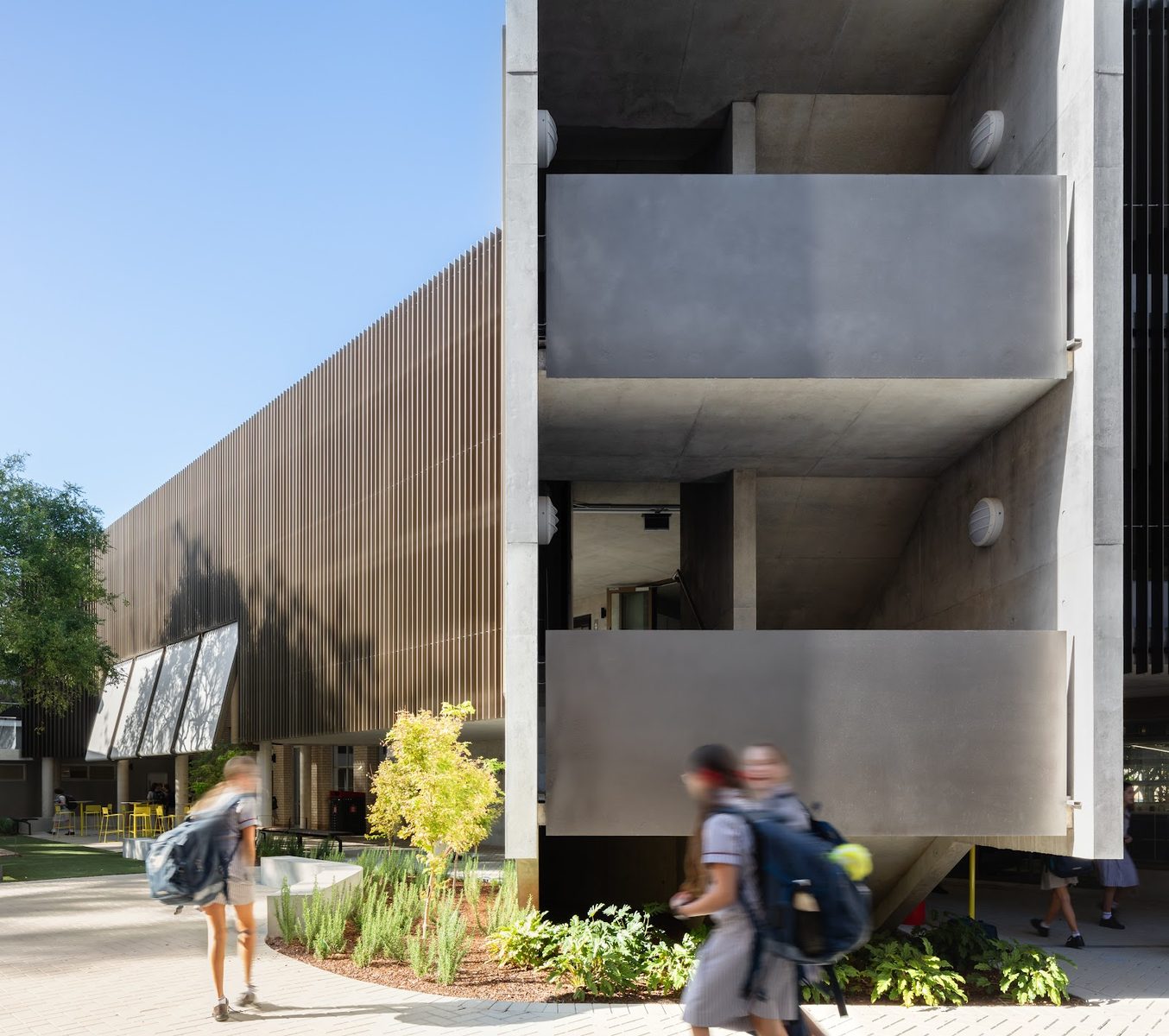
Ascham School
Sydney · Australia
Sydney's storied girls' boarding school, pairing the Dalton Plan with a rigorous HSC pathway.
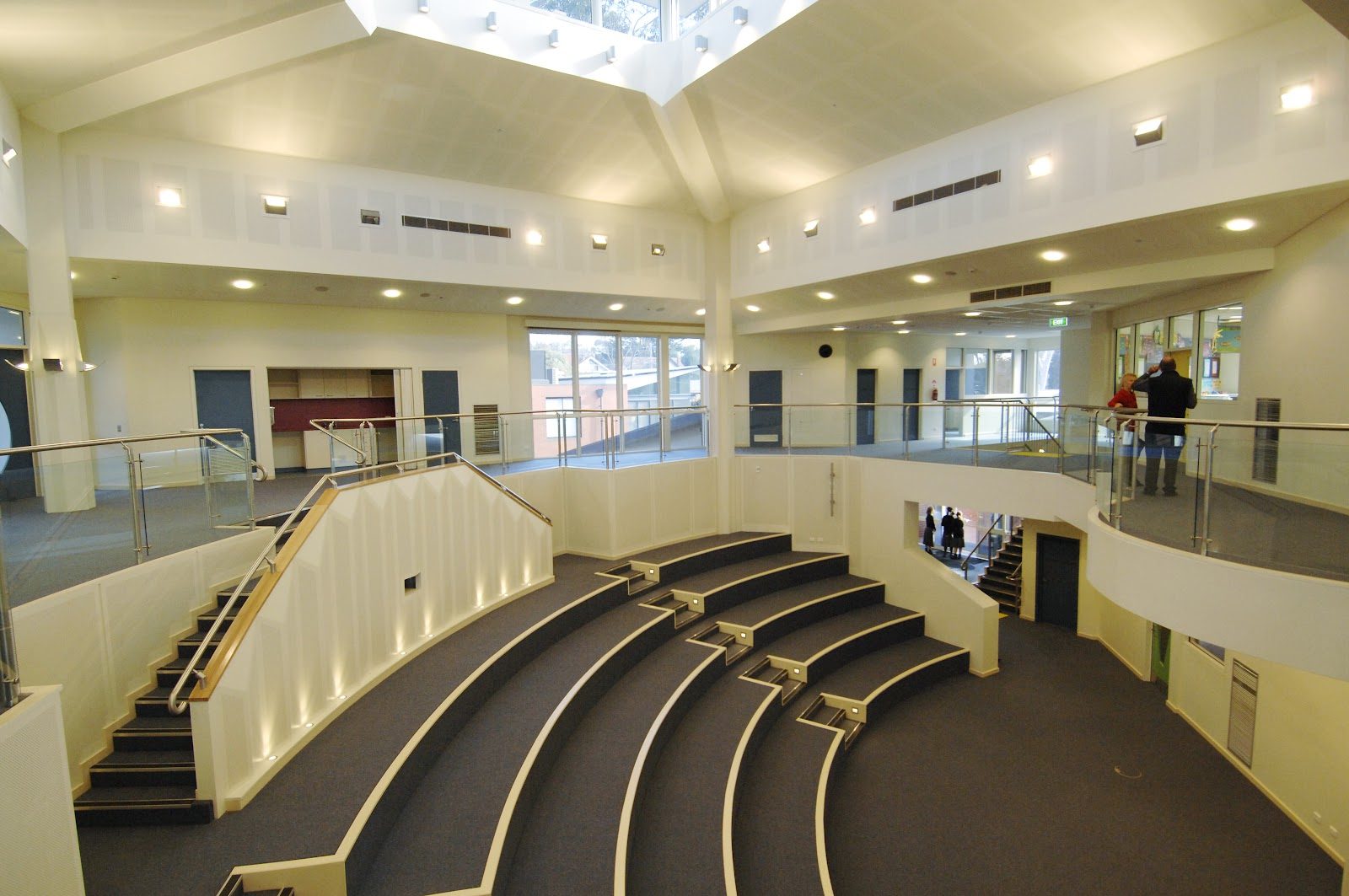
Ivanhoe Grammar School
Melbourne · Australia
A Year 9 campus embedded at La Trobe University anchors a Round Square network across Melbourne's north, offering both VCE and IB pathways.
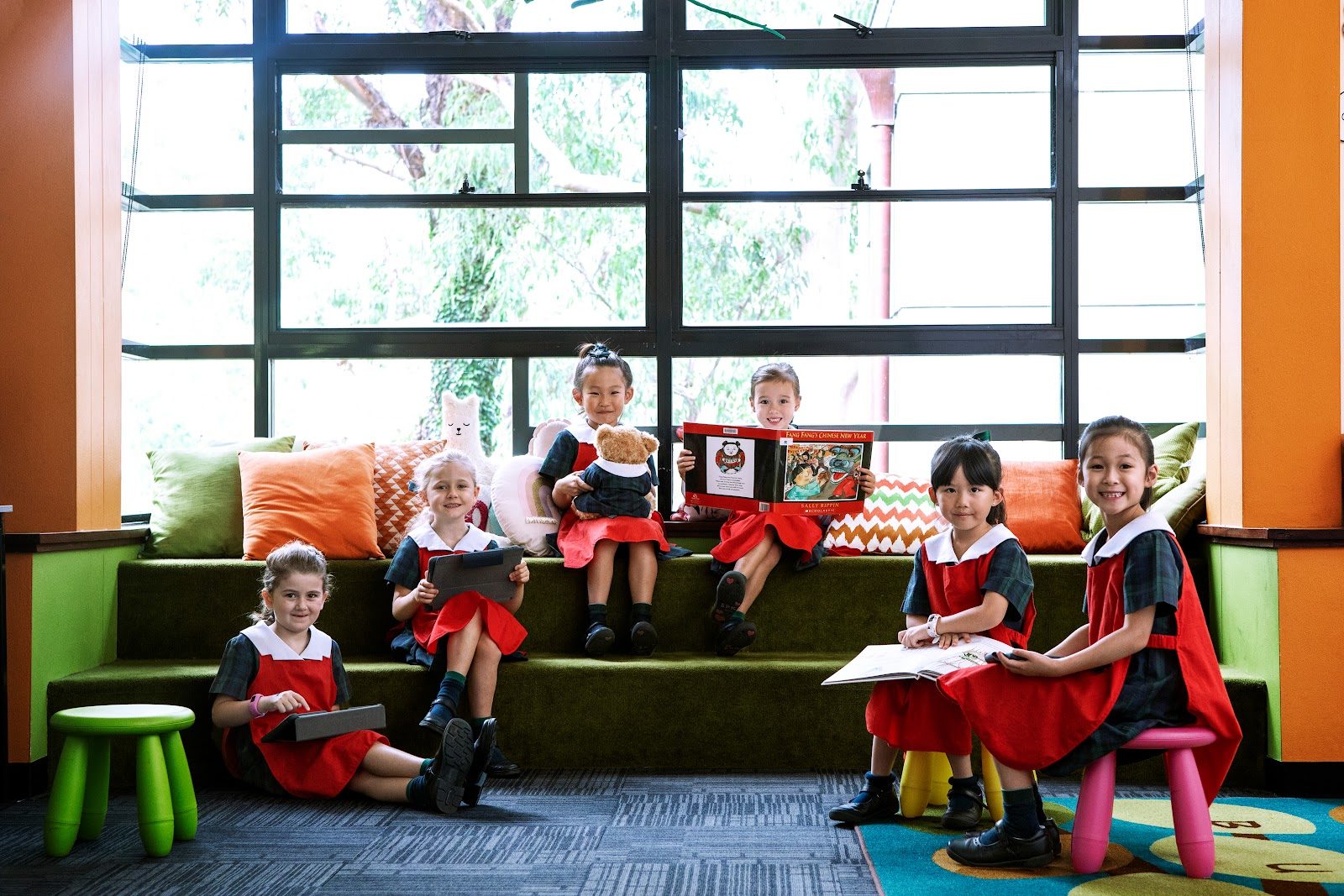
Pymble Ladies' College
Sydney · Australia
On Sydney's Upper North Shore, a non-selective campus of five schools lets girls choose between the IB and HSC pathways.
Cranbrook School
Sydney · Australia
Sydney's first IB Continuum School, pairing Bellevue Hill harbour views with a Blue Mountains bush campus for experiential learning.
Same country and curriculum — closest matches within ±10 points either way