
Cundinamarca
Since 1914, this Bogota pioneer of South America's Escuela Nueva movement still runs its IB classrooms on Montessori and Decroly roots.
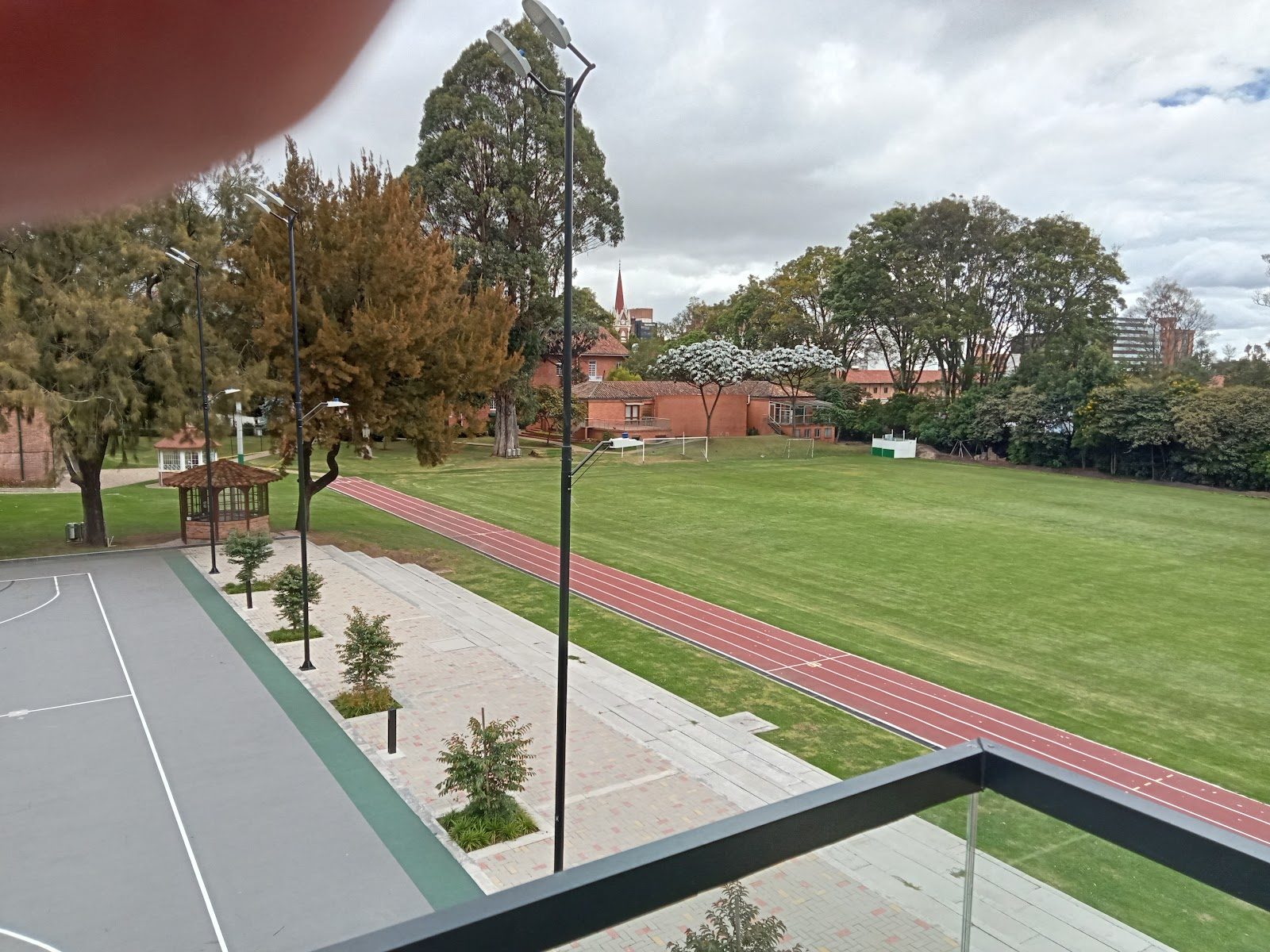
Photo © Otto Nassar Montoya. via Google Maps
Type
Day
Ages
3–18
Curriculum
IB
Qualifications
IB Diploma
Ratio
—
The Verdict
Editor's commitment
Right for
Families in Bogotá wanting a 1914 day school with IB World School status and teaching in both Spanish and English.
Wrong for
Parents seeking boarding, a religious ethos or a simple mainstream model; Gimnasio Moderno is non-religious and built on Escuela Nueva roots.
Watch out for
The school foregrounds philosophy and pedagogy, but publishes no aggregate IB results; for ages 3–18, that opacity matters.
Ranking breakdown
Gimnasio Moderno · #147 of 1591
Composite score 76.0. 8 weighted criteria.
By criterion
Academic Outcomes
Weight 20%
#512
of 1529 scored
University Placement
Weight 16%
#649
of 1529 scored
Prestige & Heritage
Weight 12%
#18
of 1571 scored
Alumni Network
Weight 12%
#14
of 1530 scored
Facilities
Weight 12%
#279
of 1533 scored
Transparency & Communications
Weight 8%
#62
of 1532 scored
Peer & Industry Review
Weight 10%
#24
of 1548 scored
Admissions Selectivity & Demand
Weight 8%
#760
of 1529 scored
Peer & Industry Review
How Gimnasio Moderno is regarded in the sector
90
Top-tier · high confidence
Gimnasio Moderno is consistently cited as one of Colombia's most prestigious and historic schools, founded in 1914, with an alumni network including numerous Colombian presidents, business leaders and cultural figures, frequently referenced in Colombian press (El Tiempo, Semana) as a benchmark elite institution alongside Colegio San Carlos and Anglo Colombiano. It is widely regarded within Bogotá's private-school hierarchy as a top-tier all-boys school with strong peer-institution recognition, though it receives less international specialist press coverage (e.g., Tatler, Good Schools Guide) than UK/US-oriented international schools.
Evidence sources
Editors' overview
Gimnasio Moderno matters because it is not another late-entry Bogotá private school borrowing progressive language for effect. It has been in the city’s educational bloodstream since 1914, and that age counts for something when it is tied to a defined pedagogical lineage rather than empty prestige. The school’s own admissions language still points parents to its philosophy and project before process, and that order is revealing. This is a non-religious day school for ages 3–18, teaching in Spanish and English, with the IB in place inside an institution rooted in the Escuela Nueva tradition and, as your context notes, Montessori and Decroly thinking. That mix gives the school its distinction: *intellectual inheritance with modern structure*, not a generic bilingual-IB formula.
What puts it on a shortlist is the combination of historical weight and educational seriousness. Bogotá has no shortage of expensive schools; fewer carry a coherent idea of schooling across a full age range. Gimnasio Moderno does. The school’s public face still gives space to philosophy, ethics and public conversation — the homepage podcast on artificial intelligence and bias is a small but telling example — which points to a culture that treats ideas as part of daily school life, not decorative extras. Parents looking for old-school civic confidence and a real pedagogical backbone will find more substance here than at schools built around facilities first and mission second. It also has the advantage of being an IB World School without reading like an IB franchise.
The trade-off is clear. This is not the school for families who want a glossy, hyper-managed international product with every outcome packaged into digestible metrics. The school does not flood the public domain with aggregate exam data or performance dashboards, so parents who demand constant quantification will want more disclosure. Nor is it the place for children who need a narrowly coached, transactional route through school. Gimnasio Moderno suits students who enjoy discussion, can work within a culture with deep traditions, and respond to freedom with intellectual discipline. The best fit is a child who is curious, articulate, culturally grounded and comfortable in a school with institutional memory — one that values thought, conversation and formation as much as credentials.
Academic Performance
Academic performance is the point where Gimnasio Moderno turns frustratingly opaque. The school does not publish aggregate IB results, subject averages, pass rates, bilingual diploma take-up, or university destination breakdowns in the public domain. That absence matters. In Bogotá’s upper tier, schools competing for internationally mobile families now treat external results as table stakes; when a school withholds them, parents lose the simplest benchmark for judging academic consistency against direct peers. The public-facing emphasis falls elsewhere: philosophy, admissions process, institutional life, podcasts, news, and governance channels. That gives a clear sense of culture. It does not give a clear sense of exam performance.
That does not place Gimnasio Moderno in a weak academic bracket; it places it in a school of high intellectual self-confidence that asks families to trust its seriousness without offering the usual scorecard. For some parents, that is acceptable, even refreshingly anti-transactional. For others, it is a problem. Relative to peers that publish mean diploma scores, top subject grades, or selective university outcomes, Gimnasio Moderno is at a disclosure disadvantage. The school’s long-standing reputation and its continued attachment to ideas and public conversation point to serious academic intent, but intent is not the same as evidence. If results matter to your decision, ask for recent IB cohort data, distribution of scores, and destination lists before treating the school as an academic front-runner.
Facilities
The school’s public admissions language puts unusual weight on philosophy, pedagogy and process, and that tells you something about facilities too: this is not a campus sold through spectacle. The school invites families to review its installations as part of admissions, but it does not publish the kind of detailed facility inventory that peer schools now treat as standard. There is no public-facing roll call of specialist labs, theatres, maker spaces, aquatic centres or performance venues. That leaves parents with a conspicuous information gap. Against Bogotá competitors that use campus photography, virtual tours and building-by-building breakdowns to prove where the money goes, Gimnasio Moderno is disarmingly unshowy and, at points, needlessly opaque.
That does not mean weak provision; it means weak disclosure. The homepage points to an active institutional life, a functioning communications infrastructure and an admissions process that includes the physical environment, which at least confirms that facilities matter inside the school’s own presentation. But without published specifics, Gimnasio Moderno cannot claim the facilities advantage over peers with visible science suites, arts centres and sports complexes. Parents comparing upper-tier schools on estate alone will find stronger evidence elsewhere. The more persuasive reading is that this is a school where the campus serves the educational project, not the other way round. For some families that is a mark of seriousness. For others, it is an expensive school asking for trust on an area where trust is not enough.
Relative to peers that publish mean diploma scores, top subject grades, or selective university outcomes, Gimnasio Moderno is at a disclosure disadvantage
Prestige
Gimnasio Moderno carries real prestige in the old Latin American sense: not branding, but lineage, social recognition and intellectual inheritance. This is a school with a settled place in Colombia’s educational elite, and that matters. The Wikipedia extract calls it a private mixed-gender elite-traditional and liberal school, a useful pairing because it captures the institution’s standing better than any admissions slogan could. Prestige here rests on durability, name recognition and association with a serious national educational tradition, not on imported international polish. That gives the school established authority with families who value Colombian institutional history and civic cachet over a globally standardised luxury-school finish.
The rating stops short of the very top global-prestige bracket for one reason: public proof. International prestige now depends not just on history and social standing, but on visible academic outcomes, university destinations and a polished outward-facing narrative for mobile families. Gimnasio Moderno does not publish that evidence with enough force. Its homepage gives more space to podcasts, internal news and institutional channels than to measurable outcomes. That choice reinforces a self-confident old-guard identity; it also narrows the school’s reach with parents comparing it against more data-driven competitors. So the prestige is substantial, but it is also locally rooted and culture-heavy: powerful inside Colombia’s upper educational circles, less convertible into the borderless prestige currency that many international schools now trade on.
Gimnasio Moderno matters because it is not another late-entry Bogotá private school borrowing progressive language for effect
Communications
Parent communication is functional, formal and more institutional than warm. The homepage carries clear contact routes: a main switchboard, a general communications email, a dedicated anti-corruption line, a channel for judicial and administrative notifications, a PQRS contact route, and published in-person office hours of 7:00 a.m.–4:00 p.m. on weekdays. That is a serious administrative spine. It tells parents the school has defined routes for routine queries, complaints and compliance matters, rather than folding everything into a generic admissions inbox. The admissions section also states plainly that families can obtain information on philosophy, pedagogy, facilities and process for different stages. For a school with deep traditions, that level of signposting is reassuringly orderly.
The weakness is tone and accessibility. The public face reads like an institution talking to its community on its own terms, not like a school working hard to court busy international parents. News, podcasts and notices are active, but they do not add up to a high-transparency parent dashboard. There is no public evidence of a rich parent portal experience, detailed calendar visibility, published leadership letters, or the kind of real-time academic and pastoral communication systems that top competitors now foreground. So communication here looks competent but old-guard: strong on official channels, weaker on packaging, visibility and ease. Parents who value clear lines of authority will cope well. Parents who want polished, instant, app-driven communication will find stronger execution elsewhere.
Uniqueness
What sets Gimnasio Moderno apart is that its progressive inheritance is not a recent branding exercise bolted onto an expensive private school. The school sits in the lineage of Colombia’s Escuela Nueva movement, tied in your context to Montessori and Decroly thinking, and that gives it a different centre of gravity from the standard bilingual-IB formula. The public admissions invitation directs families first to philosophy, pedagogical project and installations, in that order. That ordering matters. It tells parents that the school treats education as a formed idea, not a package of credentials and campus assets. Even the homepage’s intellectual life — a podcast episode on artificial intelligence, algorithmic bias and ethical responsibility — reinforces a culture with real civic ambition and serious intellectual texture.
For students, that distinctiveness brings clear benefits. Children who thrive here get more than examination preparation: they get a school culture built around conversation, judgement and public-minded thought. In practice, that can produce independent-minded pupils who are more at ease with complexity, ambiguity and debate than peers trained in narrower, score-driven environments. It also gives the school a rare institutional coherence across the age range of 3–18. The downside is plain. This is not an easy fit for families who want a tightly managed, data-heavy, globally interchangeable school experience. Gimnasio Moderno offers something harder to replicate and harder to quantify: educational character with backbone.
Gimnasio Moderno suits students who enjoy discussion, can work within a culture with deep traditions, and respond to freedom with intellectual discipline
Student Profile
The right student for Gimnasio Moderno is not a checklist-driven high achiever hunting a frictionless route to credentials. This school suits children who enjoy ideas, tolerate ambiguity and can hold their own in discussion. The public face gives unusual prominence to philosophy, ethics and public conversation, and that points to a student culture that rewards verbal confidence, curiosity and intellectual seriousness. A child who wants every task tightly structured, every outcome quantified and every step externally managed will chafe. A child who likes asking why, not just what, has a stronger chance of thriving. Across the full age span of 3–18, the fit stays consistent: pupils need enough self-possession to work within a school with deep habits, high expectations of conduct and a clear sense of institutional identity.
Social fit matters here as much as academic fit. This is a private school with an old-guard social code and a settled internal culture, so newcomers need resilience and ease in established environments. Families looking for a glossy international bubble will find the atmosphere less curated and more rooted. The strongest match is a student who is articulate in both classroom and community life, comfortable with tradition without being cowed by it, and open to a school that values formation as much as attainment. The weaker match is the child who needs constant hand-holding, heavy motivational packaging or a relentlessly transactional school experience. Gimnasio Moderno suits the self-starting, the verbally agile and the civically minded.
Academic performance is the point where Gimnasio Moderno turns frustratingly opaque
Co-curricular strengths
Arts & sport, on a separate axis
Overall 8.3/10
Scored 0-10 from the school's own published evidence. This axis is editorial-only — it does not feed the main WTS ranking.
Sports
8/10
Drama
9/10
Dance
7.5/10
Music
8.5/10
Visual Arts
8.5/10
Editor first-pass · editor-reviewable · 7/30/2026
WTS 300 badge
Gimnasio Moderno is one of the World's Top 300 Schools. Claim your listing to add it to your site →
Strengths
- +Founded in 1914 by Colombians following the initiative of Agustin Nieto Caballero, and awarded national monument status due to its longevity and historical stature, making it one of Colombia's oldest and most historically significant schools.
- +From age 4 through Preschool and Primary, the school offers 75% of its subjects entirely in English, including Math, History, Arts, and Science, and has established agreements with the University of Cambridge and the University of Michigan to conduct international certifications.
- +The school's pedagogy centers on the 'Discipline of Trust,' a principle following Maria Montessori's active discipline that seeks to instill self-confidence and inner discipline in students, as well as a deeper sense of responsibility, honesty, loyalty, and friendship.
- +Its marching band, one of the oldest school marching bands in Bogota at more than 50 years old, has won the national Batuta de Plata competition five times between 1999 and 2017.
- +The school has managed Gimnasio Sabio Caldas for over 20 years, a public school providing quality education to approximately 1,200 children and young people from the Ciudad Bolivar locality, a notable community outreach commitment.
Considerations
- −The school is a boys' school that is in the process of implementing a gradual mixture toward coeducation, so full mixed-gender schooling is a recent transition rather than an established norm.
- −The school is transitioning to the B Calendar, a shift away from Colombia's standard national academic year, which can complicate mid-year transfers to or from other local schools.
- −Gimnasio Moderno is still in the process of accreditation with the Council of International Schools, with the goal of establishing connections with institutions worldwide, rather than operating as a long-established IB World School.
- −The school does not run admissions processes for grades eight through eleven, nor for repeating students, which excludes families relocating with older teenagers.
Availability
Primary entry gate & tests
Academic Record + Interview (Boys)
Gallery
Photo © Otto Nassar Montoya. via Google Maps
Photo © Juan Esteban Vásquez Ramos via Google Maps
Photo © Juan Esteban Vásquez Ramos via Google Maps
Photo © Juan Esteban Vásquez Ramos via Google Maps
Photo © Juan Esteban Vásquez Ramos via Google Maps
Parent reviews
Have you sent your child here?
Voice reviews carry the strongest trust badge — we transcribe them for you to tidy up before they go live. Prefer to type? A written review is fine too.
Add your voice
In 60 seconds, tell other parents: what's the best thing about Gimnasio Moderno, and what surprised you when your child joined?
We ask for a Google sign-in so every review has a real face behind it — no anonymous drive-by attacks on schools, and no faked positive reviews. Your email is never shown publicly.
Send this profile to a friend
International parents rely on word-of-mouth. Share this review with someone weighing the same decision.
Schools with places
Similar schools to Gimnasio Moderno with places available now.
Availability first, then country, area, curriculum, price, co-curricular
Consider also
Also worth looking at alongside Gimnasio Moderno.
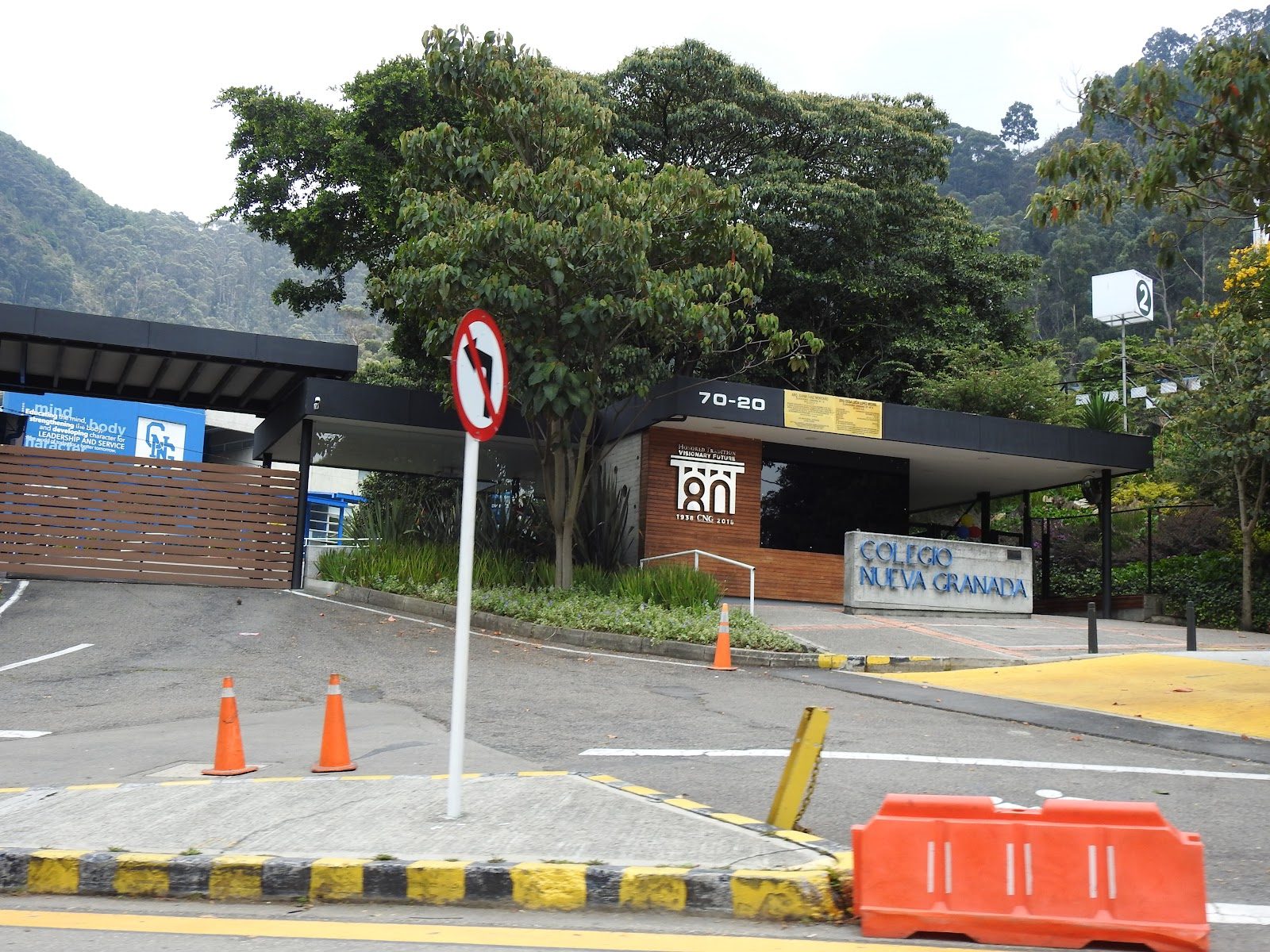
Colegio Nueva Granada
Bogotá · Colombia
A 1938 foothills campus in Bogota pairing dual US-Colombian diplomas, 32 AP courses and a four-house tradition.
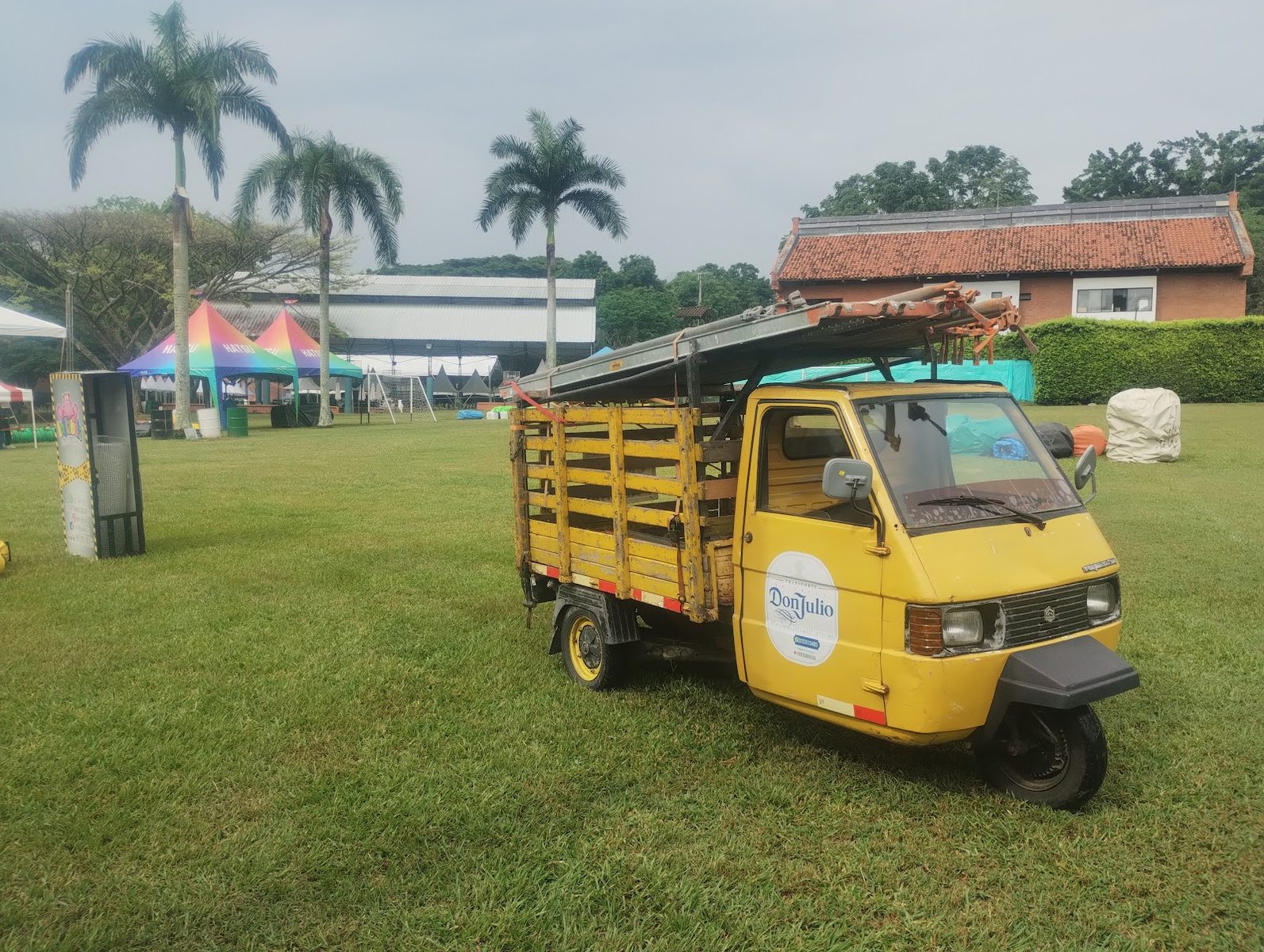
Colegio Bolívar
Cali · Colombia
Founded in 1947 at the foothills of the Andes, where three-walled, open-air classrooms meet a bilingual, dual-diploma American curriculum.
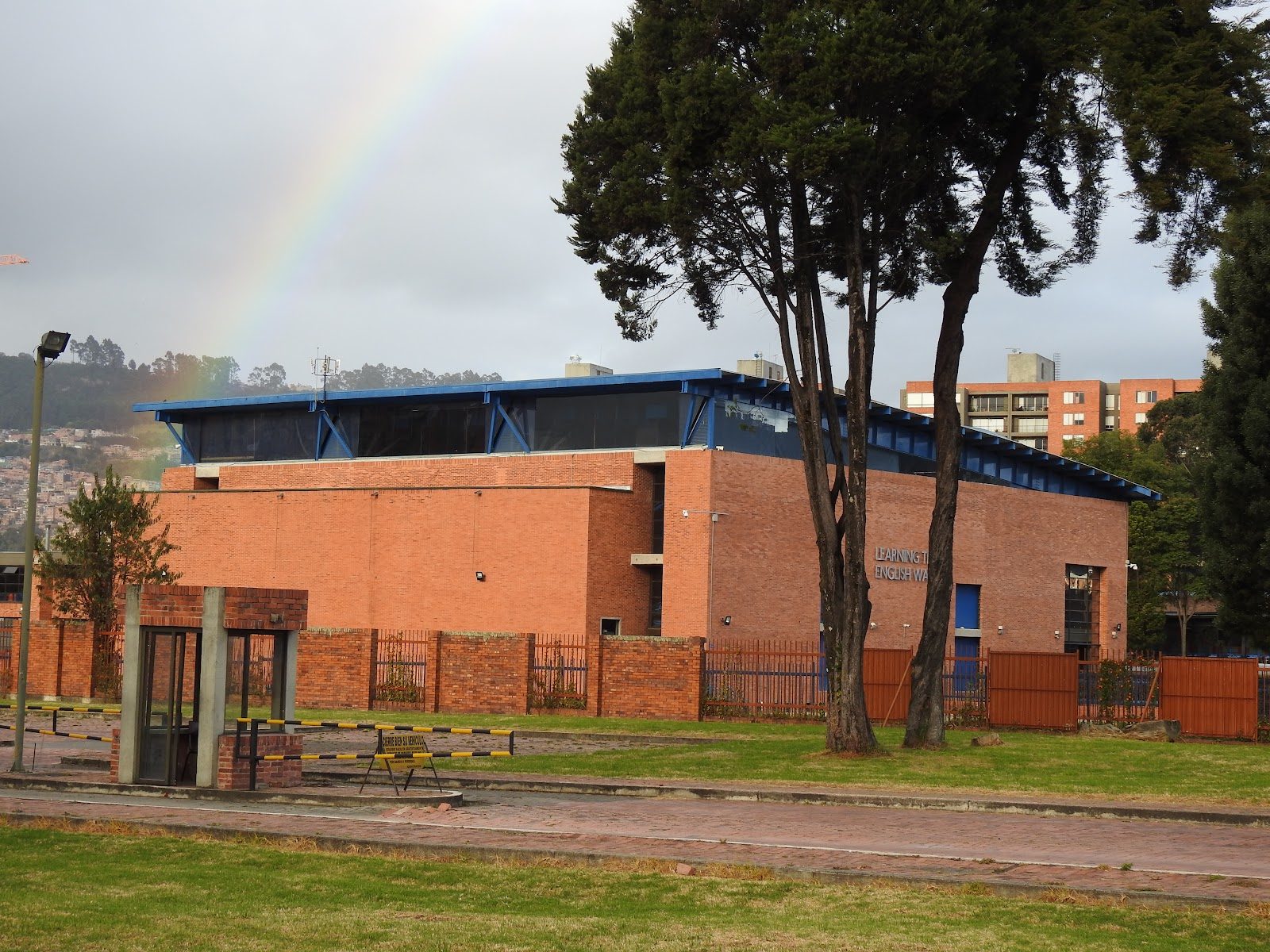
The English School
Bogotá · Colombia
Founded in 1961 as a bilingual British-style day school, now the first in Colombia authorized for all four IB programmes
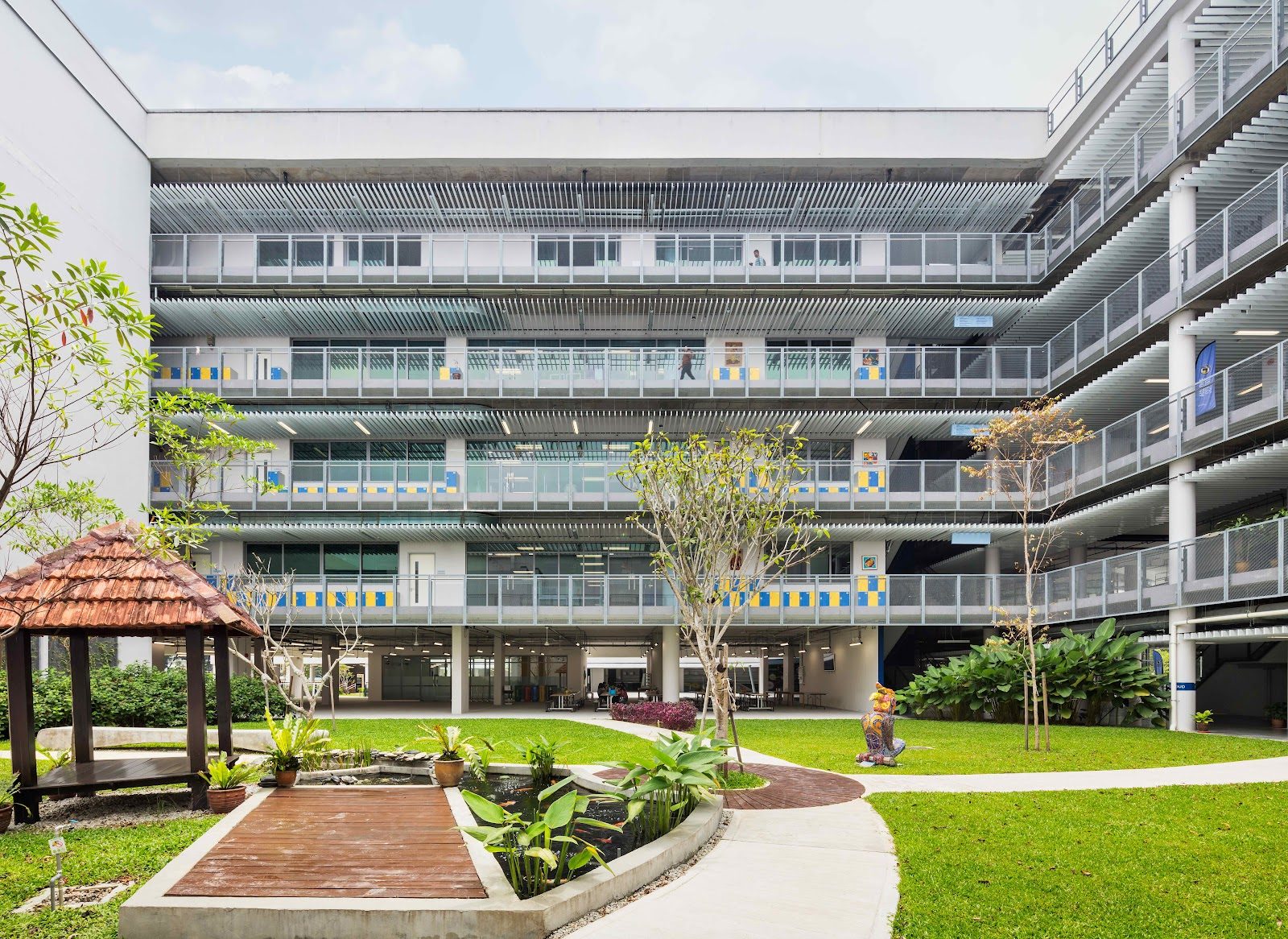
International School of Kuala Lumpur
Kuala Lumpur · Malaysia
Malaysia's longest-running IB World School, pairing a 25-acre Ampang Hilir campus with mandatory Asia-wide service expeditions.
Same country and curriculum — closest matches within ±10 points either way