
Russian Federation
B. V. Ioganson St Petersburg State Academic Art Lyceum
Type
Ages
—
Curriculum
—
Ratio
—
Ranking breakdown
B. V. Ioganson St Petersburg State Academic Art Lyceum · #1403 of 1591
Composite score 51.9. 8 weighted criteria.
By criterion
Academic Outcomes
Weight 20%
No data yet
1529 of 1591 scored
University Placement
Weight 16%
No data yet
1529 of 1591 scored
Prestige & Heritage
Weight 12%
#1392
of 1571 scored
Alumni Network
Weight 12%
No data yet
1530 of 1591 scored
Facilities
Weight 12%
No data yet
1533 of 1591 scored
Transparency & Communications
Weight 8%
No data yet
1532 of 1591 scored
Peer & Industry Review
Weight 10%
#997
of 1548 scored
Admissions Selectivity & Demand
Weight 8%
No data yet
1529 of 1591 scored
Peer & Industry Review
How B. V. Ioganson St Petersburg State Academic Art Lyceum is regarded in the sector
66
Respected · medium confidence
Within Russia's small circle of specialist art schools, the Lyceum is consistently placed alongside the Moscow Academic Art Lyceum (Surikov school) as one of the two most rigorous pre-professional fine-art tracks in the country, a status reinforced by its formal affiliation with the Repin Institute of the Russian Academy of Arts, which draws heavily from its graduating cohorts each year. Russian education commentary and academy publications describe it as the principal feeder for painting, sculpture and graphics faculties at Repin and, to a lesser extent, Stroganov and Surikov institutes, rather than as a broad international name. Because it operates under the Ministry of Culture rather than the Ministry of Education, it rarely appears in mainstream Western league tables, WhichSchoolAdvisor or Good Schools Guide reviews, which focus on international curricula; its reputation is instead carried through Russian art-education circles, academy admissions committees and specialist secondary-art-school conferences, where it is regarded as a serious, tradition-bound classical training ground rather than a globally marketed institution.
Award
Elite Visual & Fine Arts 76
World's Top School · The Global Ranking
B. V. Ioganson St Petersburg State Academic Art Lyceum is featured on our Global Top 76 ranking at #2. This seal is available for the school's marketing team to use on their website, prospectus and social channels.
Editors' overview
Full editorial coverage forthcoming. This institution has been included in the 2026 Visual Arts & Fine Art audit on the strength of its specialist Fine Art pathway. A long-form editorial review — covering curriculum, faculty, graduate conversion, portfolio provision and international accessibility — will be published as editorial capacity allows. The rank position, country and international-access classification shown on the ranking page have been verified against the methodology.
An Elite Visual & Fine Arts 76 school
The B. V. Ioganson St Petersburg State Academic Art Lyceum, based in St Petersburg, Russian Federation, sits at rank two on the Elite Visual & Fine Arts 76 because it is the country's founding institution for pre-professional art training, tracing its lineage to 1934 and operating today under the direct patronage of the Russian Academy of Arts. Its diploma in secondary art education is a recognised gateway into Russia's most demanding art institutes, and the school itself states that its graduates may enroll directly in the I. Repin St. Petersburg State Academy Institute of Painting, Sculpture and Architecture, the country's premier academic fine art institute.
The specialism is classical academic training delivered across three formal divisions: painting, sculpture and architecture. Entry runs through a staged process of portfolio submission, an art-history interview and on-site practical entrance examinations, and the free eight-year programme selects gifted children after four years of primary schooling. The teaching model is unusually self-reinforcing: in the 1960s-1980s, graduates of the Art School formed the core of the teaching staff of the Repin Institute of Arts, and current faculty are drawn almost entirely from its own alumni who trained at Repin, preserving an unbroken chain of academic drawing, painting and composition instruction rather than a generic art-elective curriculum.
Notable alumni give the lyceum genuine weight beyond Russia. The school itself lists alumni of international reputation as M. Anikushin, M. Shemyakin, E. Neizvestny, D. Shagin and Y. Krestovski, a roster spanning Soviet monumental sculpture to internationally exhibited nonconformist art. Shemyakin, expelled from the affiliated Repin Institute for breaking with Socialist Realism, went on to become one of the most recognized Russian artists internationally, with sculptures placed in cities including Venice and San Francisco.
International openness is limited and should be assessed honestly. Instruction is in Russian, the programme is fundamentally designed for Russian nationals entering after primary school, and the lyceum reports only ten boarding places available for out-of-town students in the 2026/27 academic year. Tuition on the core state programme is free, funded federally, though supplementary paid courses exist. There is no dedicated international admissions office, ESL track or published visa pathway for overseas families. Families genuinely committed to Russian academic art training should treat this as an aspirational benchmark requiring Russian-language fluency and early, direct contact with the admissions office well over a year ahead of entry, rather than a turnkey international placement.
Academic Performance
The lyceum runs a dual-track curriculum: the standard Russian secondary syllabus, including preparation for the Unified State Exam, alongside an intensive academic art program of drawing, painting, composition, sculpture and art history modeled on classical academy training. Practical studio assessments and portfolio reviews carry as much weight internally as written exams, since the school's stated purpose is to prepare pupils for entry into higher art institutes, chiefly the Russian Academy of Fine Arts (the Repin institution) and comparable academies. Subject depth in the arts is unusually intensive for a secondary school, with graded progression through cast drawing, still life, figure study and eventually independent composition. General academic subjects are taught to state standard but are secondary in emphasis to the studio curriculum, and success is measured less by conventional league-table metrics than by admission rates into competitive art higher education.
Facilities
As a specialized art institution, the lyceum's plant is organized around studio space rather than conventional extracurricular infrastructure: dedicated halls for drawing and painting, sculpture workshops, a collection of plaster casts used for academic study, and exhibition areas for student work. Facilities for general science teaching exist but are modest and secondary to the art studios. Sporting provision is limited compared with mainstream schools, reflecting the institution's narrow specialization. The building itself, in keeping with many Russian academic art institutions, is older and functional rather than architecturally showcase, with layout designed around long-session life drawing and painting classes. There is no evidence of extensive modern science laboratories, performance theatres or sports complexes; resources are concentrated on materials, models and instructional staff needed to sustain a rigorous, academy-style fine art training regime for adolescents.
This institution has been included in the 2026 Visual Arts & Fine Art audit on the strength of its specialist Fine Art pathway
Prestige
The lyceum takes its name from Boris Ioganson, a prominent Soviet realist painter and academician, situating the school within the lineage of Russian academic art pedagogy. It belongs to a small category of specialized secondary art lyceums operating under or alongside the Russian Academy of Arts system, a model that also produced the well-known Moscow Academic Art Lyceum. Its standing rests on this institutional affiliation and on a long-standing role as a feeder school into Russia's most selective art academies rather than on wide public name recognition or media prominence. Within Russian art-education circles it is regarded as a serious, historically rooted training ground for future painters and sculptors, carrying the cultural weight of the academic realist tradition it was built to perpetuate, even though it remains largely unknown outside specialist and academic art circles.
The rank position, country and international-access classification shown on the ranking page have been verified against the methodology
Communications
Public-facing communication appears limited and consistent with a state-run specialized institution rather than a marketed private school. Information reaches families primarily through official admissions notices, entrance examination announcements, and channels associated with its parent academic art institution, rather than through a developed independent web or media presence. Prospective families and students typically learn of application requirements, portfolio submission rules and examination dates through these official state channels. Exhibitions of student work and open review sessions likely serve as informal communication with the wider public and academic art community, showcasing pupils' progress. There is little indication of a sophisticated newsletter, social media or press operation, which is typical of Russian state specialized art schools that rely on established academy networks and word of mouth within art-education circles rather than promotional outreach.
Uniqueness
What sets the lyceum apart is its structural rarity: a full state secondary school built entirely around academy-style fine art training from an early age, combining general education with the disciplined, cast-and-life-drawing based curriculum usually reserved for post-secondary art institutes. Its naming after Boris Ioganson signals explicit continuity with Soviet-era academic realism, and its links to the broader Russian Academy of Arts network place it in direct lineage with the country's most selective painting and sculpture training. Few schools anywhere maintain adolescents through a multi-year, studio-intensive academic art pathway alongside standard schooling, making this a genuinely specialized pipeline rather than a general school with an arts option. This narrow, vocationally serious focus on producing future professional painters and sculptors, rather than broad-based arts appreciation, is its defining distinguishing feature.
Facilities for general science teaching exist but are modest and secondary to the art studios
Student Profile
Pupils are selected through competitive entrance examinations and portfolio review that test drawing ability and artistic aptitude, drawing applicants who are already committed to pursuing visual art as a profession rather than a hobby. Given the specialized nature of the curriculum, students tend to come from families or backgrounds with prior exposure to art instruction, and the school likely draws applicants from St Petersburg and beyond within Russia, given the scarcity of comparable institutions. The character of the student body is generally serious and vocationally focused, with pupils accepting a demanding schedule that layers full general schooling atop intensive daily studio practice from a young age. Many enter with the explicit goal of progressing to the Repin Academy or similar higher art institutes, giving the student population a notably concentrated, self-selected orientation toward professional artistic training.
Sporting provision is limited compared with mainstream schools, reflecting the institution's narrow specialization
Co-curricular strengths
Arts & sport, on a separate axis
Overall 5.72/10
Scored 0-10 from the school's own published evidence. This axis is editorial-only — it does not feed the main WTS ranking.
Sports
4.5/10
Drama
5/10
Dance
4.5/10
Music
5/10
Visual Arts
9.6/10
Parent reviews
Have you sent your child here?
Voice reviews carry the strongest trust badge — we transcribe them for you to tidy up before they go live. Prefer to type? A written review is fine too.
Add your voice
In 60 seconds, tell other parents: what's the best thing about B. V. Ioganson St Petersburg State Academic Art Lyceum, and what surprised you when your child joined?
We ask for a Google sign-in so every review has a real face behind it — no anonymous drive-by attacks on schools, and no faked positive reviews. Your email is never shown publicly.
Send this profile to a friend
International parents rely on word-of-mouth. Share this review with someone weighing the same decision.
Schools with places
Similar schools to B. V. Ioganson St Petersburg State Academic Art Lyceum with places available now.
Collège du Léman
Versoix · Switzerland
- 2026-27
- WAITPOOLSpace-dependent
- 2027-28
- PLACES OPENRolling
Muscat International School
Muscat · Oman
- 2026-27
- PLACES OPENApps open / space-dependent
- 2027-28
- WAITPOOL2027/28 timetable TBC
Al Hekma International School
Manama · Bahrain
- 2026-27
- PLACES OPENApps open / space-dependent
- 2027-28
- WAITPOOL2027/28 timetable TBC
Yew Chung International School of Chongqing
Chongqing · China
- 2026-27
- WAITPOOLSpace-dependent
- 2027-28
- WAITPOOLRolling / space-dependent
Availability first, then country, area, curriculum, price, co-curricular
Consider also
Also worth looking at alongside B. V. Ioganson St Petersburg State Academic Art Lyceum.
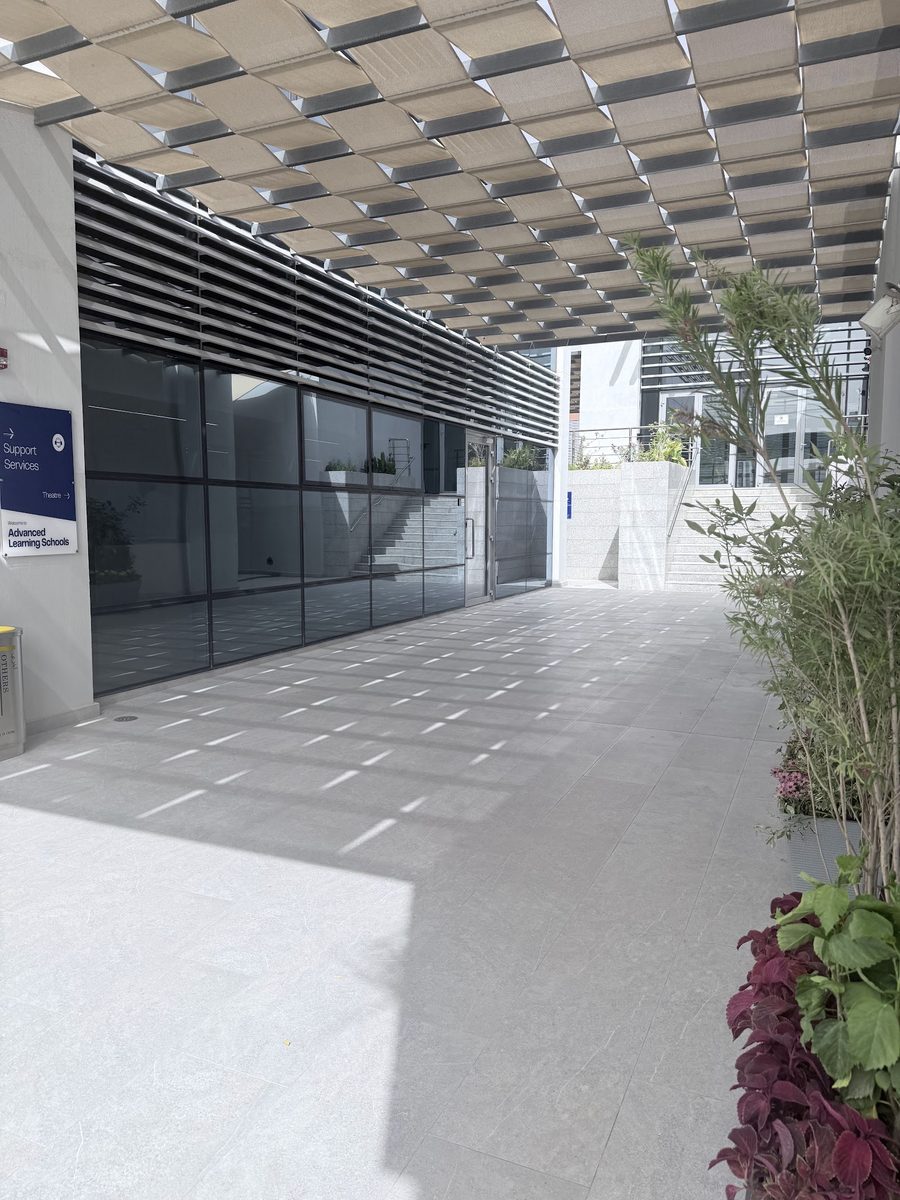
Advanced Learning Schools
Riyadh · Saudi Arabia
In central Riyadh, a full IB continuum meets American college prep for a student body that is majority Al Saud.
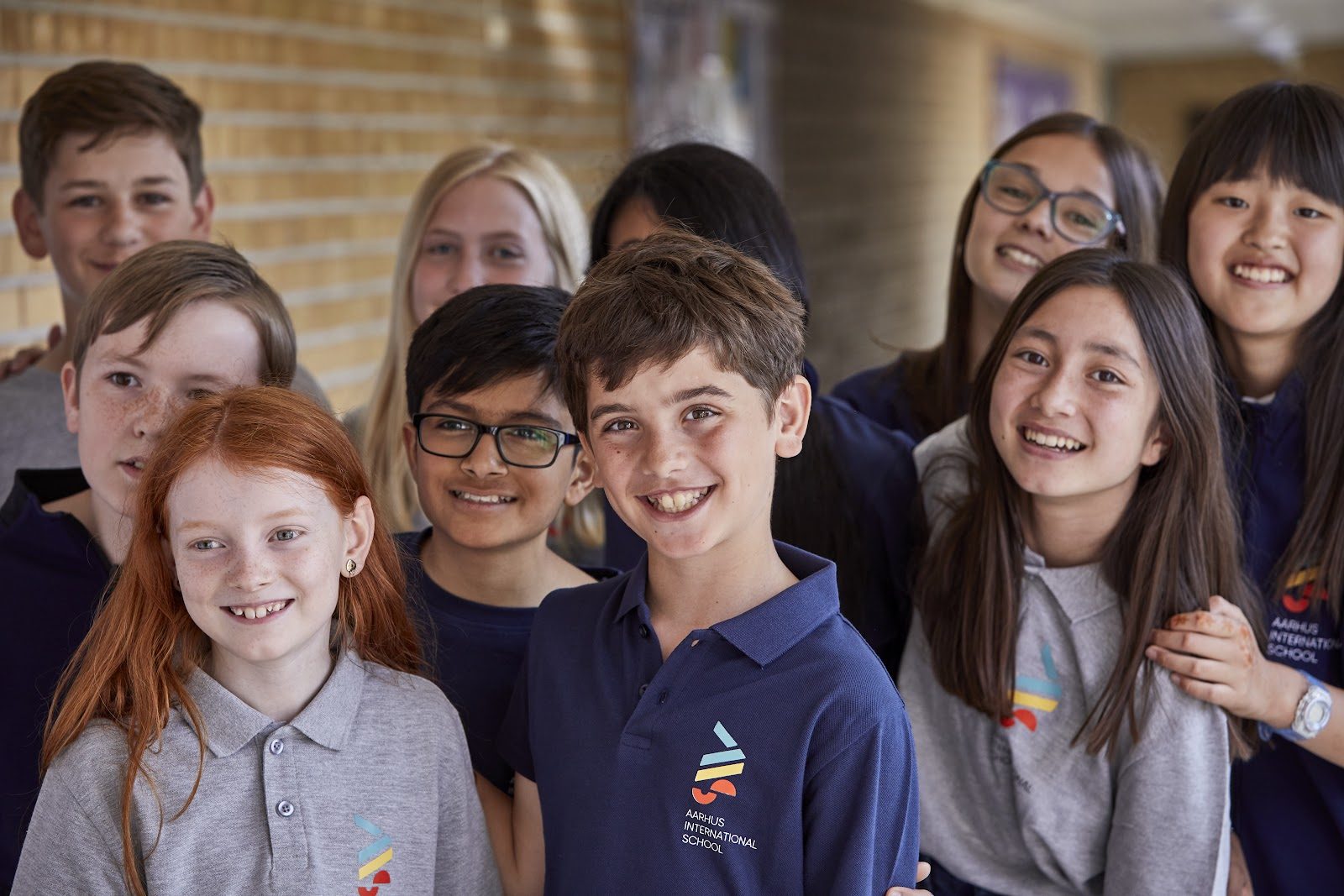
Aarhus International School
Aarhus · Denmark
PYP through MYP under one Aarhus roof, where 34 nationalities share a single Dalgas Avenue campus built for inquiry-based learning
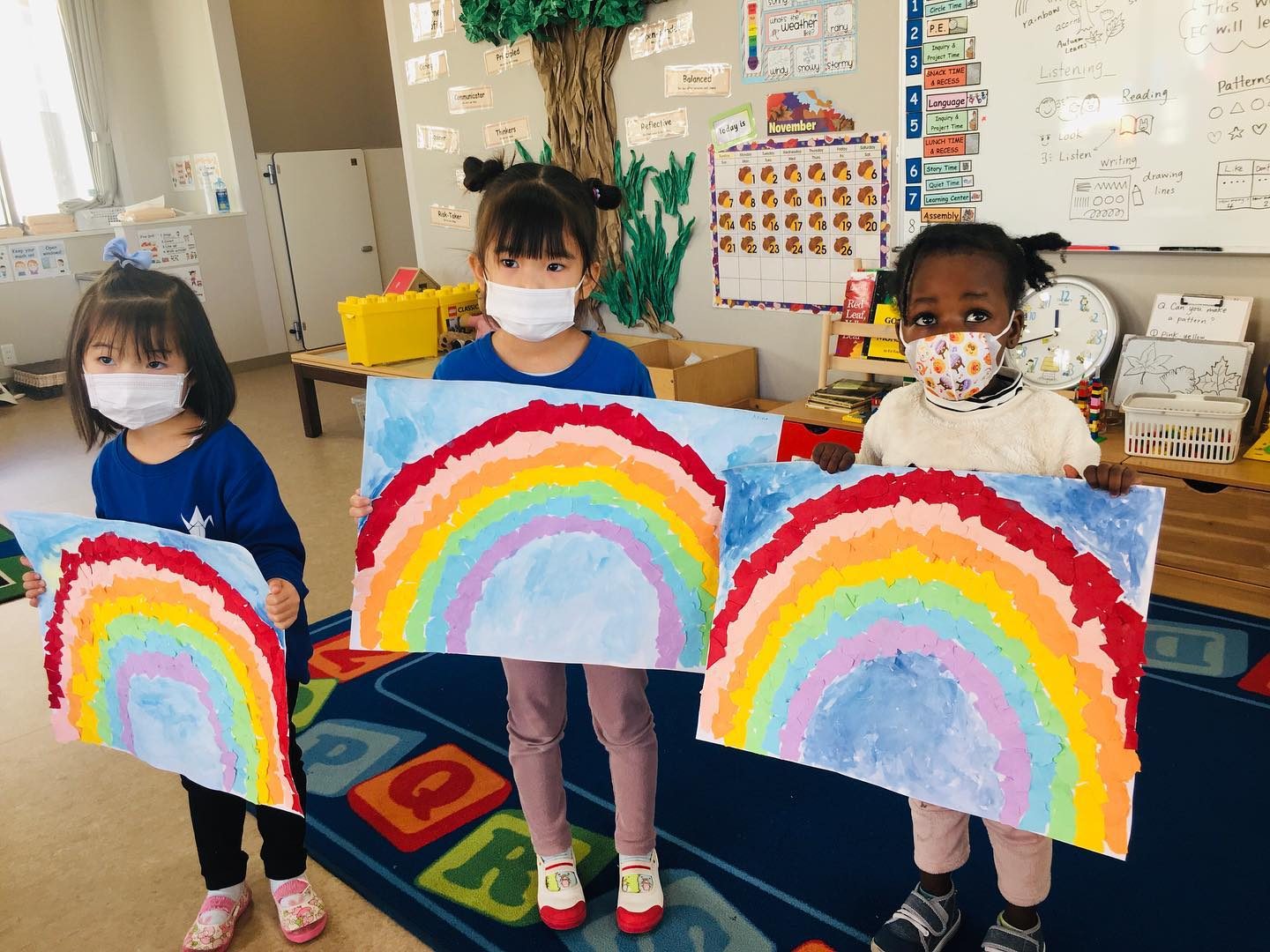
Hiroshima International School
Hiroshima · Japan
One of Japan's oldest IB schools, where students carry origami cranes to Hiroshima's Sadako Peace Monument each year.
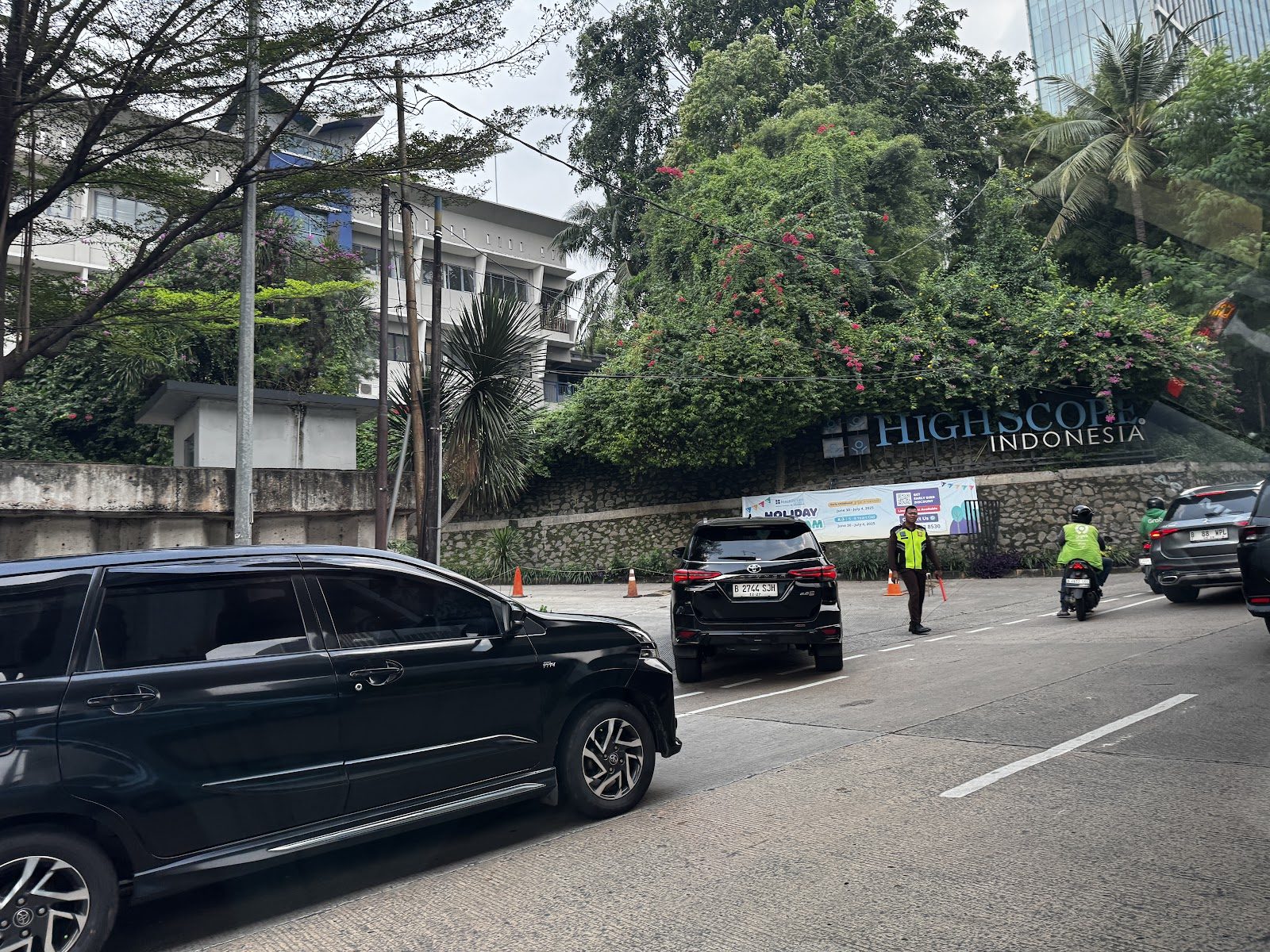
HighScope Indonesia TB Simatupang
Jakarta · Indonesia
Rooted in the 1962 Perry Preschool research, this Cilandak school pairs dual-language learning with three specialized high school majors.
Same country and curriculum — closest matches within ±10 points either way