
Buenos Aires Province
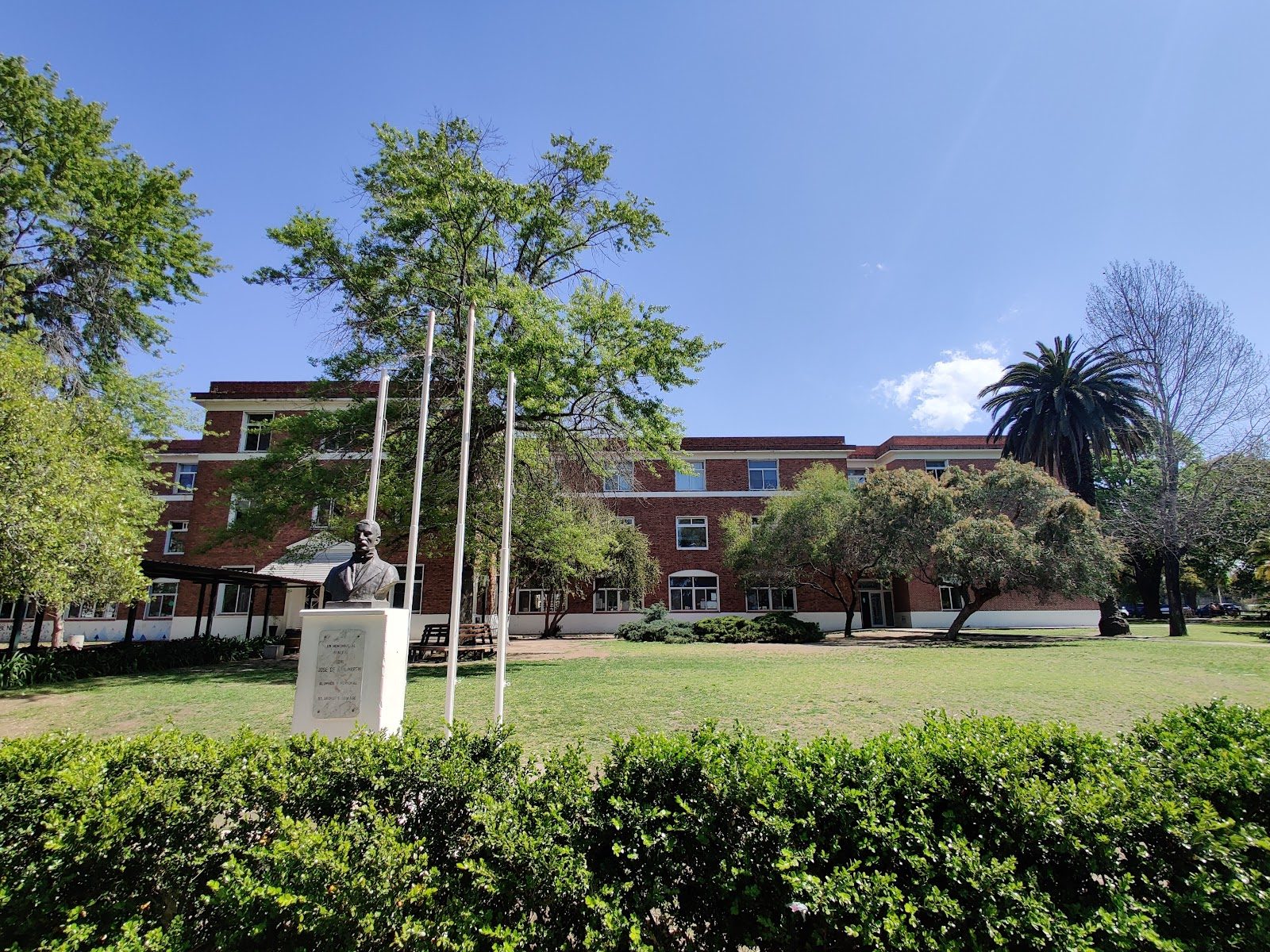
A Methodist-founded campus whose 13 wooded hectares serve as the green lung of Ramos Mejia's western suburbs
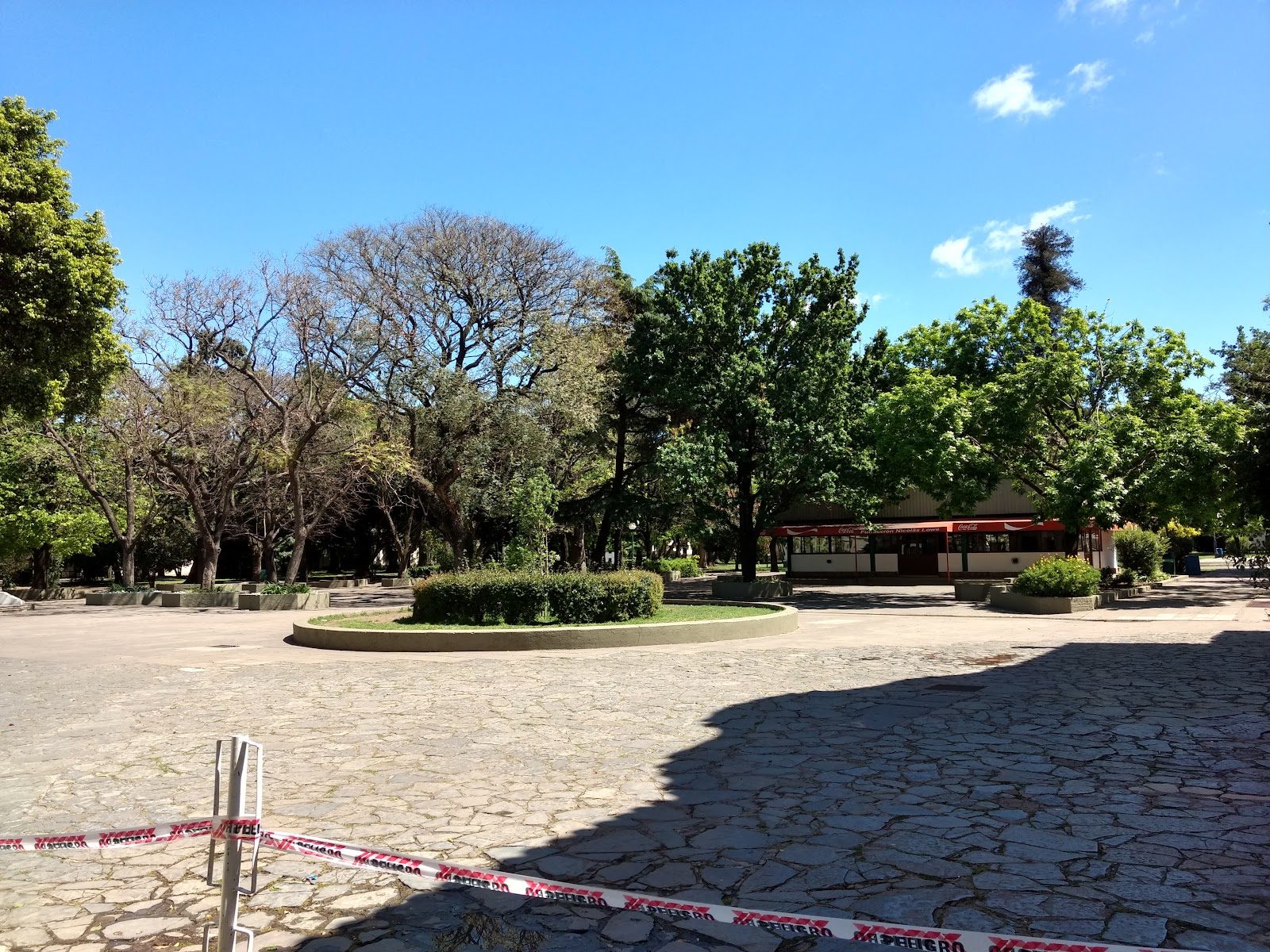
Photo © Osvaldo Amiebas via Google Maps
Type
Day
Ages
3–18
Curriculum
Argentinian
Qualifications
Argentinian national curriculum · IGCSE
Ratio
—
The Verdict
Editor's commitment
Right for
Families in Ramos Mejía who want a 3–18 day school with Spanish and English teaching on a 13-hectare campus.
Wrong for
Parents seeking boarding, secular schooling or a non-Argentinian curriculum; Colegio Ward is a Methodist-founded day school established in 1913.
Watch out for
The 13 wooded hectares are the headline; the school does not publish external benchmarking or international-curriculum claims beyond Argentinian provision.
Ranking breakdown
Colegio Ward · #1404 of 1591
Composite score 51.8. 8 weighted criteria.
By criterion
Academic Outcomes
Weight 20%
#1299
of 1529 scored
University Placement
Weight 16%
#1371
of 1529 scored
Prestige & Heritage
Weight 12%
#1150
of 1571 scored
Alumni Network
Weight 12%
#1210
of 1530 scored
Facilities
Weight 12%
#1333
of 1533 scored
Transparency & Communications
Weight 8%
#1326
of 1532 scored
Peer & Industry Review
Weight 10%
#1463
of 1548 scored
Admissions Selectivity & Demand
Weight 8%
#1370
of 1529 scored
Peer & Industry Review
How Colegio Ward is regarded in the sector
54
Credible · medium confidence
Colegio Ward's standing is mostly regional rather than internationally benchmarked. Within Argentina's network of historic Protestant/bilingual schools (alongside institutions like Colegio Ward's sister Methodist schools and the broader ACEIB bilingual-school association), it is regarded as a solid, long-established name dating to 1913, valued for its bicultural Spanish-English curriculum and community ethos rather than for elite exclusivity. It does not appear in international audit-style guides such as WhichSchoolAdvisor or the Good Schools Guide, which focus on UK/Gulf/Asia markets, nor does it feature in Clarin or La Nacion's occasional 'best schools' features the way Buenos Aires's flagship British and American schools do. Local university admissions staff at UBA, UCA and Di Tella recognize Ward graduates as competent bilingual applicants, consistent with other Cambridge/bilingual-accredited La Matanza-area schools, but there is no documented distinct admissions preference or public admissions-officer commentary specific to Ward. Overall, its reputation rests on steady regional trust among Methodist-affiliated and bilingual-education peer networks rather than on measurable placement into globally ranked universities or coverage in independent international education press.
Editors' overview
Colegio Ward occupies a rare niche in Greater Buenos Aires: a long-established Methodist day school with a 1913 founding date, a 3–18 age span, and a 13-hectare campus in Ramos Mejía that gives it unusual physical scale for the western suburbs. That land is not a decorative extra. It is the school’s main strategic asset. In a market crowded with urban campuses, Ward offers room to breathe, a strong sense of place and the kind of daily environment that changes the texture of school life for children and teenagers alike. For parents weighing city convenience against campus space, Ward puts both in reach.
What puts it on a shortlist is this combination of continuity, size and bilingual ambition. The school teaches through Spanish and English within an Argentinian curriculum, which gives it a local academic base with an international tilt. Its Christian Methodist foundation adds another layer: this is not a secular premium school dressed up as values-led, but an institution with a declared tradition and a century of institutional memory. That will suit families who want moral seriousness and an ordered school culture, not a fashionably vague ethos. The flip side is clear. Parents hunting for a fully international curriculum, aggressive global branding or a cosmopolitan finishing-school identity will find stronger fits elsewhere.
The students who thrive here are those who want breadth, stability and community over polish and prestige theatre. Ward suits children who benefit from space, routine and a campus that supports a full school day rather than a compressed urban timetable. It also suits families who want bilingual education without leaving the Argentinian system. The strongest fit is the student who values grounded confidence, long-term belonging and a school that feels substantial rather than performative. For western suburban families, that is Ward’s market position: not the flashiest name, but a serious, established option with quiet institutional weight.
Academic Performance
Colegio Ward does not publish the core data that would let parents judge academic performance against serious peers. We have not seen aggregate results for national examinations, university placement by destination, subject-level attainment distributions, or any consistent year-on-year performance tables. That is a material weakness in a market where stronger schools disclose at least headline outcomes. A school asking families to trust its academic programme needs to show where pupils finish, not just how school life feels. On this front, Ward is opaque.
That does not mean weak results; it means unverified results. Those are different things, and parents should treat them differently. Within the Argentinian day-school market, that places Ward behind institutions that publish hard attainment data and let families benchmark academic traction with confidence. The school’s case rests more on institutional stability and breadth of educational experience than on publicly evidenced exam dominance. For families who prioritise measurable academic edge, that is a clear limitation. For families content with a more community-centred proposition, the absence of published outcomes will matter less, but it still leaves Ward without the forensic clarity that top-performing schools use to separate themselves from the field.
Facilities
The decisive facility here is the campus itself. In the western suburbs, schools of this type and age often work within tight urban plots; Ward has the opposite advantage. Its 13-hectare site gives pupils access to a properly expansive daily environment with tree cover, playing fields and the circulation space that stops a school day feeling compressed. That matters more than glossy architecture. Space changes break times, sports provision, movement between sections and the school’s capacity to run parallel activities without everything competing for the same square metres. Against local peers, this is a serious physical asset and a genuine point of difference, not a brochure flourish.
What we have not seen is a clear public inventory of specialist facilities at the level strong comparator schools now provide. There is no detailed published account of laboratories, performing arts spaces, design or technology workshops, libraries, indoor sports infrastructure or sixth-form study provision. That absence matters. Schools with first-rate facilities name them, photograph them and explain how pupils use them. Ward’s public case rests on scale and grounds rather than on a sharply evidenced portfolio of specialist spaces. For families prioritising outdoor room, sport and a campus-led school experience, that will carry weight. For families scrutinising science, arts or senior study resources with forensic care, the picture is less convincing than it needs to be.
Colegio Ward does not publish the core data that would let parents judge academic performance against serious peers
Prestige
Ward carries local standing more than elite cachet. Its name has weight in the western suburbs because it is entrenched, recognisable and tied to a campus footprint that few urban day schools can match. That gives it social presence and a degree of inherited trust among families who value continuity, religious foundation and a school community that extends across generations. Prestige here rests on institutional rootedness, not on national academic dominance, selective mystique or international glamour. In plain terms, this is a respected school in its catchment, not a status trophy for the whole city.
That rating also reflects what Ward does not put into the public domain. Schools with top-tier prestige publish the hard proof: examination outcomes, university destinations, selective admissions data, and the kind of measurable academic record that turns reputation into authority. Ward does not. Without that evidence, its standing remains solid but bounded. The breadth of its age range and the sheer scale of the site strengthen its profile, and the long-running Methodist identity gives it a distinct moral and cultural frame. Those are real assets. They do not, by themselves, elevate the school into the first rank. Parents choosing Ward are buying substance over sheen: community reputation, physical space and durability, rather than the sharper prestige that comes from transparent academic results or an unmistakably elite peer group.
For parents weighing city convenience against campus space, Ward puts both in reach
Communications
Ward’s parent communication is serviceable, but it lacks the crisp public-facing discipline that strong schools now treat as basic. The website gives families the school’s broad identity and contact routes, yet it does not do enough of the harder work: setting out decision-making, publishing concrete academic evidence, or offering a transparent window into how the school holds itself accountable. That matters because communication is not only about warmth or responsiveness; it is also about what a school chooses to disclose before a parent has to ask. On that test, Ward is underpowered. A school with this level of local standing needs clearer institutional communication, not just a functional front door.
The same pattern shapes parents’ ability to judge day-to-day effectiveness. We have not seen a strong public archive of newsletters, leadership updates, policy explanations, or performance reporting that would show a well-drilled culture of regular communication. Nor have we seen the kind of detailed admissions, senior-school, or outcomes information that helps families navigate the school with confidence from entry to graduation. That does not make communication poor in the operational sense; many schools communicate competently inside closed parent channels. But from the outside, Ward reads as selectively informative rather than consistently transparent. For current parents, that may work well enough if direct channels are prompt and personal. For prospective parents doing serious due diligence, the communication standard is less exacting than the strongest competitors.
Uniqueness
What marks Ward out is not a boutique educational gimmick but a rare combination of scale, continuity and social function. Many schools promise community; Ward operates more like a small civic ecosystem. It runs education from the earliest years to school leaving on one site, within a Christian frame that has lasted across generations, and on grounds of 13 hectares that shape the daily rhythm of the place. That gives pupils something many metropolitan schools cannot: continuity without claustrophobia. Children grow up in one institution without feeling trapped in a cramped urban box, and families build long ties with a school that has real local depth. The result is a culture that prizes belonging, routine and institutional memory over churn, reinvention and status display.
For students, that brings clear gains. Younger children get a gentler introduction to school life in a campus that does not force every activity indoors; older pupils gain space for sport, movement and a less compressed school day. The Methodist inheritance also gives Ward a defined moral centre. Parents do not need to decode a fog of generic “values” language; the school has an established ethical tradition and a recognisable communal character. That will suit children who do well with steadiness, structure and rootedness. It will suit them less if they want a hard-edged, globally mobile school identity or the social theatre of a high-gloss elite brand.
What puts it on a shortlist is this combination of continuity, size and bilingual ambition
Student Profile
Ward suits families who want a student culture built around continuity, routine and a clear communal frame, not restless reinvention. The best fit is the child who benefits from staying in one institution across phases, forming long friendships and growing up in a school where the social world has depth and memory. This is a strong match for pupils who enjoy sport, outdoor time and the freedom that a 13-hectare campus gives them between lessons and after school. It also suits students who do not need constant novelty or metropolitan edge to stay engaged. Children who value grounded confidence over performance, and who respond well to expectations that are steady rather than fashionable, will find traction here.
The weaker fit is easy to identify. Pupils chasing a high-pressure academic pecking order, a sharply international peer culture or the status competition that drives some top-tier private schools will find Ward too rooted in its own community. The same goes for families who want a school identity detached from religion: the Methodist inheritance is part of the place, and students need some comfort with that moral vocabulary even if they are not devout. Ward also fits children who like institutions with real local character and a less theatrical social atmosphere. It will suit them less if they want constant external validation, heavy prestige signalling or a school experience built around polish first and substance second.
The school teaches through Spanish and English within an Argentinian curriculum, which gives it a local academic base with an international tilt
Co-curricular strengths
Arts & sport, on a separate axis
Overall 7.3/10
Scored 0-10 from the school's own published evidence. This axis is editorial-only — it does not feed the main WTS ranking.
Sports
8/10
Drama
6/10
Dance
5/10
Music
9/10
Visual Arts
8.5/10
Strengths
- +Long-established day school in Ramos Mejia offering bilingual Spanish-English instruction alongside the Argentine national curriculum.
- +Located in a residential suburb of western Greater Buenos Aires, making it accessible for families settled in that corridor without requiring a city-centre commute.
- +Coeducational and structured across the standard Argentine primary and secondary levels, giving continuity from early years through to bachillerato.
- +Day-only format keeps the school embedded in the local community rather than operating as an isolated boarding campus.
Considerations
- −As a day school with a local commuter catchment, it lacks the international boarding infrastructure that some relocating families specifically seek.
- −Editorial rank and rising-star tier indicate a smaller, less internationally documented profile compared to Argentina's most established bilingual schools in Buenos Aires proper.
- −Independent verification of academic results, university placement data, and fee levels is limited in public English-language sources, making pre-enrolment due diligence harder for overseas families.
- −Location in Ramos Mejia, outside the capital, means fewer nearby international schools or expat community infrastructure than districts like Belgrano or Nunez.
Availability
Primary entry gate & tests
Academic Record
Gallery
Photo © Valentin Robledo via Google Maps
Photo © Marcelo Adrián Nocella via Google Maps
Photo © Colegio Ward via Google Maps
Photo © Colegio Ward via Google Maps
Photo © Enrique Ariel Martin via Google Maps
Photo © Alfredo Coelho via Google Maps
Photo © Omar Antonio Fin via Google Maps
Parent reviews
Have you sent your child here?
Voice reviews carry the strongest trust badge — we transcribe them for you to tidy up before they go live. Prefer to type? A written review is fine too.
Add your voice
In 60 seconds, tell other parents: what's the best thing about Colegio Ward, and what surprised you when your child joined?
We ask for a Google sign-in so every review has a real face behind it — no anonymous drive-by attacks on schools, and no faked positive reviews. Your email is never shown publicly.
Send this profile to a friend
International parents rely on word-of-mouth. Share this review with someone weighing the same decision.
Schools with places
Similar schools to Colegio Ward with places available now.
Availability first, then country, area, curriculum, price, co-curricular
Consider also
Also worth looking at alongside Colegio Ward.
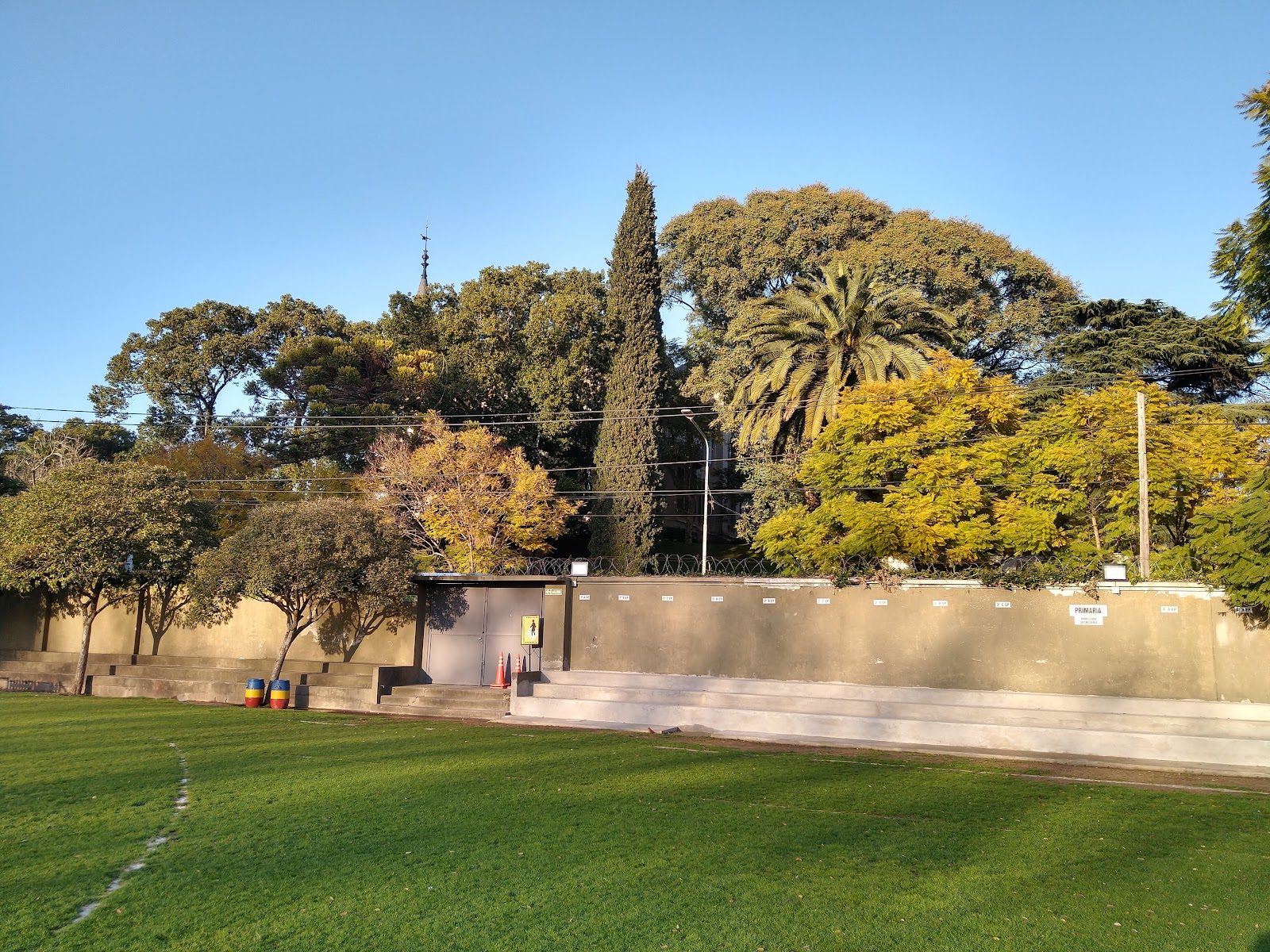
Colegio Michael Ham
Buenos Aires · Argentina
Inside a neo-Gothic castle on the Vicente Lopez barranca, nearly a century of girls-only schooling has just given way to coeducation.
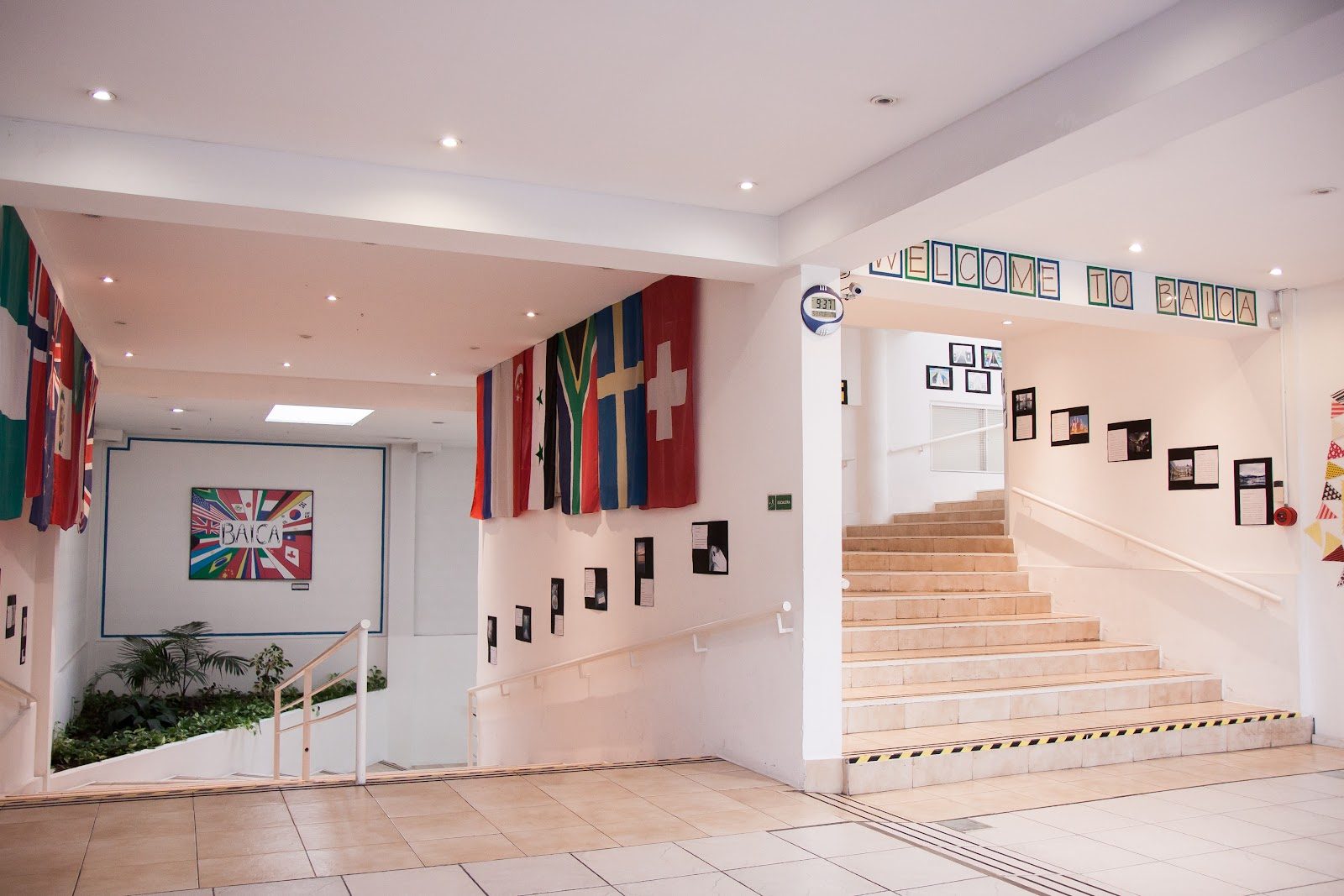
Buenos Aires International Christian Academy
Buenos Aires · Argentina
Buenos Aires' only Christian international school pairs a US college-prep track with a dual Argentine diploma.
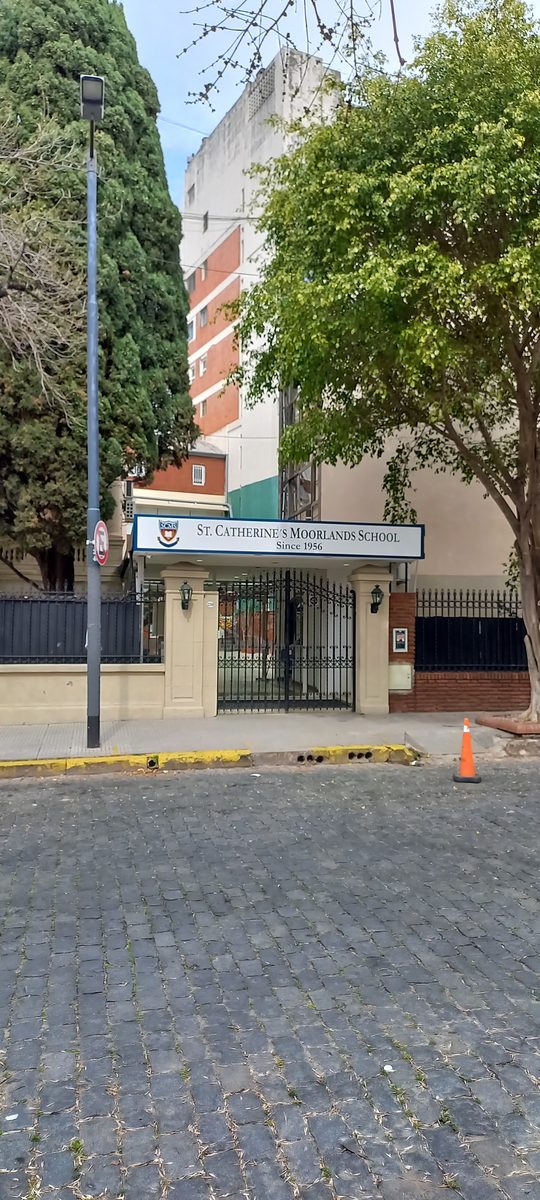
St. Catherine's Moorlands School
Buenos Aires · Argentina
Argentina's IB pioneer since 1973, pairing a British-rooted curriculum with a storied Buenos Aires hockey tradition
St George's College (Quilmes)
Quilmes · Argentina
Since 1898, English house culture and rugby heritage anchor Argentina's only school combining full-day study with mixed boarding life.
Same country and curriculum — closest matches within ±10 points either way