
California
In the La Canada foothills, a compact 530-student campus runs a 7-to-1 ratio and an honor code signed anew each fall.

Photo © Flintridge Preparatory School via Google Maps
Type
Day
Ages
11–18
Curriculum
American
Qualifications
AP
Ratio
8:1
The Verdict
Editor's commitment
Right for
Families wanting a compact 530-student American day school, founded in 1933, with an 8:1 ratio and an honour code renewed yearly.
Wrong for
Parents seeking boarding, religious formation or a sprawling campus; Flintridge Prep is non-religious, day-only, ages 11–18, in La Cañada Flintridge.
Watch out for
US$53,750 a year buys intimacy, not scale; NAIS accreditation is standard, and the school publishes values loudly but no public exam outcomes here.
Ranking breakdown
Flintridge Preparatory School · #210 of 1591
Composite score 74.2. 8 weighted criteria.
By criterion
Academic Outcomes
Weight 20%
#261
of 1529 scored
University Placement
Weight 16%
#263
of 1529 scored
Prestige & Heritage
Weight 12%
#377
of 1571 scored
Alumni Network
Weight 12%
#195
of 1530 scored
Facilities
Weight 12%
#339
of 1533 scored
Transparency & Communications
Weight 8%
#354
of 1532 scored
Peer & Industry Review
Weight 10%
#335
of 1548 scored
Admissions Selectivity & Demand
Weight 8%
#308
of 1529 scored
Peer & Industry Review
How Flintridge Preparatory School is regarded in the sector
74
Respected · medium confidence
Among Southern California independent day schools, Flintridge Prep is regarded as a serious academic competitor to Polytechnic School and Westridge, sitting a tier below regional flagships such as Harvard-Westlake and Marlborough in national profile and endowment size. Heads of rival Pasadena-San Gabriel Valley schools generally cite its academic rigor and stable retention as evidence of a well-run, if regionally scoped, program rather than a feeder or stepping-stone institution. University admissions readers from UC campuses and selective private universities tend to treat its transcript and grading as consistent with other CAIS-member schools, though it does not generate the volume of elite-university matriculation commentary attached to larger LA prep schools. Independent education press coverage is comparatively thin: Flintridge rarely features in national league tables or in outlets such as the Good Schools Guide, which concentrate more heavily on UK and boarding institutions, leaving its standing largely regional and word-of-mouth rather than nationally documented.
Editors' overview
In the La Cañada foothills, Flintridge Prep runs on a scale that many larger American independents no longer manage: about 530 students on a compact day-school campus, with an 8:1 student-teacher ratio and an honour code that students sign again each autumn. That combination matters. Small schools can feel either cramped or close-knit; Flintridge Prep has built its identity around the second. The school’s own language leans heavily on integrity, belonging and perspective-taking, but the sharper point is this: it wants adolescents who will participate, question and take responsibility for the tone of the community. Founded in 1933, boys-only at the start and co-educational since 1979, it has the age and stability parents expect from an established California independent without the sprawl or institutional anonymity of a very large campus.
What puts it on a shortlist is not scale for its own sake but the kind of student experience that scale permits. An 11–18 American day school with NAIS accreditation and English as the language of instruction, it is set up for families who want rigorous secondary schooling in a community that keeps a close eye on character as well as performance. The stated values — leave no question unasked, seek new perspectives, lead with integrity — are not unusual school rhetoric; the notable detail is the repeated emphasis on ambiguity, discussion and self-knowledge. This reads as a school for articulate, reflective students rather than grinders who want to disappear into the crowd. The average annual day fee is $53,750, which places Flintridge Prep firmly in the expensive end of the Los Angeles independent market. Parents should expect a high-attention, relationship-driven education and judge it against that price.
The pupil who will want Flintridge Prep is bright, engaged and ready for a school that asks for more than compliance. This suits students who like seminar-style exchange, who respond to adult attention, and who value a culture with clear behavioural expectations. The honour code — kindness, honesty, generosity and respect — gives the place a deliberately civilised frame, and students who find that constraining or overly earnest will not enjoy it. Nor is this the right fit for families seeking the anonymity, breadth and social churn of a giant high school. Flintridge Prep is for those who want a compact, serious community where being known is part of the bargain, and where leadership is treated less as résumé-building than as conduct.
Academic Performance
Flintridge Prep does not publish aggregate AP, SAT, ACT or university-destination data in the public domain. That is a real limitation. In a US independent-school market where many competitors advertise score profiles and college lists with forensic care, this school asks parents to trust the programme without the usual public scorecard. The academic philosophy points in a clear direction — questioning, ambiguity, discussion, intellectual stretch — and that suits students who thrive in seminar-driven, self-aware classrooms rather than test-prep factories. But for an expensive school, the absence of headline attainment data leaves academic performance more opaque than it should be.
Relative to peers, that places Flintridge Prep in an awkward middle ground. Schools with comparable selectivity and fee levels often publish enough external benchmarks to let families judge whether the rhetoric is matched by outcomes. Flintridge Prep does not. That does not mean weak results; it means parents cannot verify strength directly. The school’s compact scale and close adult attention support serious academic work, and an 8:1 ratio gives teachers room to know who is coasting and who is flying. Still, in editorial terms, this is a school with a strong intellectual identity and an unclear public results profile. For families comfortable judging fit through teaching culture and student experience, that will suffice. For data-driven parents, it will not.
Facilities
The school does not publish a facilities inventory with the granularity many parents will want. Publicly, the concrete historical markers are modest: expansion brought new classrooms, a chemistry lab and a gym, and the campus remains a compact secondary-school site rather than a vast multi-zone estate. That matters when benchmarking against Los Angeles independents. Flintridge Prep does not trade on spectacle. Families will not find the public drumbeat of aquatics centres, professional-grade theatres, innovation hubs or acres of athletic plant that larger and richer peer schools use to signal heft. What the school offers instead is a setting built for a close daily rhythm, where movement between classes, arts, sport and advising stays tight-knit and manageable.
For the right student, that is an asset, not a deficit. A smaller campus with an 8:1 ratio can support high adult visibility and efficient use of ordinary teaching spaces better than a grand campus that runs on distance and logistics. Still, against top-fee peers, the facilities story is underpowered. The school’s values language gives weight to discussion, belonging and personal growth; the physical plant in public view gives far less detail. Parents comparing it with competitors should ask direct questions about science provision, arts spaces, athletic breadth and specialist rooms. At this price, facility opacity is a weakness, and schools in the same bracket often document their hardware with much more confidence.
Still, against top-fee peers, the facilities story is underpowered
Prestige
Flintridge Prep carries real local prestige, but it is not the loud, global-brand kind. Its standing rests on selectivity, parent demand and the durable cachet of a small independent in the foothill belt above Los Angeles. For families in that market, the name has weight. The attraction is clear: a compact secondary school with close adult oversight, a declared moral code and a culture that treats discussion, judgement and conduct as part of the education rather than decorative extras. That combination gives it social credibility with parents who want polish without the scale and theatre of a much larger institution. The fee level — an average of $53,750 a year — reinforces that status. This is an expensive, self-conscious independent school, and families read price as a signal whether schools admit it or not.
Why not rate its prestige even higher? Because the public case stops short of full top-tier proof. The school does not publish the usual aggregate exam and destinations data that would turn reputation into hard evidence. That matters. Prestige in this bracket depends on two things: who knows the name, and what outcomes the school can demonstrate. Flintridge Prep has the first in its home market. It has not supplied the second in public with enough force. So the verdict is strong but contained: well-regarded, locally influential, and credible with discerning families, but not a school that dominates the conversation through published results or international renown.
Pair that with values such as “leave no question unasked” and “seek new perspectives”, and the distinctive offer becomes clear
Communications
Flintridge Prep communicates with parents in the same register it uses for students: values first, tone-conscious, and carefully curated. The public-facing message is coherent. The school states its priorities plainly — questioning, perspective, belonging, integrity — and that gives families a clear read on what day-to-day adult communication will reward and reinforce. The presence of named senior leaders and trustees, plus a published whistleblower policy, adds a measure of institutional seriousness that many schools neglect. That matters. Parents can identify who runs the place and whether governance has any visible spine. The weakness is different: the school is *more articulate about ethos than operations*. It tells families what it believes. It tells them less, in public, about measurable outcomes, practical rhythms, or the hard evidence behind the pitch. For an expensive school charging an average of $53,750 a year, that is a real communications gap.
Effectiveness, then, depends on what a parent wants from school communication. Families who value clear cultural signalling and a high-trust, relationship-led partnership will find plenty to work with. Families who want dashboards, benchmark data and procedural detail will find the public communication controlled to the point of frustration. The school’s small scale and low staffing ratio strengthen the case for direct, personal parent contact in daily life, but the published picture remains selective rather than comprehensive. In editorial terms, Flintridge Prep communicates its character well; it communicates its proof less well.
Uniqueness
What marks Flintridge Prep off from many American independents is not a novel programme or a grand physical proposition, but a deliberately intimate moral and intellectual culture. The school puts unusual weight on conduct: students sign the honour code each autumn, and the language around kindness, honesty, generosity and respect sits at the centre of school life rather than on a wall. Pair that with values such as “leave no question unasked” and “seek new perspectives”, and the distinctive offer becomes clear. This is a school that wants adolescents to test ideas, tolerate ambiguity and take responsibility for how a community feels. The low staffing ratio — 8:1 — strengthens that model, because adults have the capacity to notice lapses in effort, judgement or tone rather than letting students drift.
For students, that brings real advantages and clear constraints. The advantage is a high-accountability, conversation-driven education in which being articulate, reflective and decent carries institutional weight. Pupils who like to be known, challenged and held to account will get more than classroom instruction; they get a daily culture that treats character as part of achievement. The constraint is just as obvious: this is not a hideaway. Students who prefer anonymity, looser behavioural norms or a more transactional school experience will feel overexposed. Flintridge Prep’s uniqueness lies in that compact bargain — serious attention, serious expectations, and a community ethos that asks students to grow up in public.
Small schools can feel either cramped or close-knit; Flintridge Prep has built its identity around the second
Student Profile
The best fit here is a student who wants to be known and is willing to be answerable. Flintridge Prep suits adolescents who can handle scrutiny without dramatising it: pupils who will speak in class, ask difficult questions, listen to other people’s arguments and accept that behaviour is part of the school’s judgement of them. The values language is not decorative. A child who treats kindness, honesty, generosity and respect as optional will clash with the place quickly. The low staffing ratio — 8:1 — strengthens that culture in practical terms. Adults have the time to notice effort, evasiveness, courtesy and lapses in judgement. For the right student, that creates a serious, civilised environment. For the wrong one, it feels claustrophobic.
This school will reward the thoughtful extrovert more than the detached high-achiever. Students who enjoy seminar-style exchange, who can tolerate ambiguity and who gain energy from a close community will do well. So will children who want leadership to mean service and conduct rather than badge-collecting. The weaker fit is easy to identify: teenagers who want to disappear into a larger crowd, keep adults at arm’s length or treat school as a purely transactional route to university. Flintridge Prep asks for visible engagement and a high-accountability presence every day. Families who want a school that combines academic seriousness with moral expectations will find that bargain attractive. Families who want distance, anonymity or social looseness will not.
What puts it on a shortlist is not scale for its own sake but the kind of student experience that scale permits
Co-curricular strengths
Arts & sport, on a separate axis
Overall 8.9/10
Scored 0-10 from the school's own published evidence. This axis is editorial-only — it does not feed the main WTS ranking.
Sports
8.5/10
Drama
9/10
Dance
9/10
Music
9/10
Visual Arts
9/10

WTS 300 badge
Flintridge Preparatory School is one of the World's Top 300 Schools. Claim your listing to add it to your site →
Strengths
- +Founded in 1933 and now serving grades 7-12 with roughly 530 students, giving a student-to-teacher ratio of about 7:1 to 8:1 and average class sizes in the mid-teens.
- +Financial aid awards range from 10% to 100% of tuition and school costs for families who qualify on need, per the school's own admissions policy.
- +Offers Advanced Placement courses across every core department (English, History, Mathematics, Science, Visual Arts, Performing Arts) alongside numerous honors sections.
- +Notable alumni include actors Haley Joel Osment and Emily Osment, and eight-time Academy Award-winning visual effects artist Dennis Muren.
- +Campus facilities include a two-story library renovated in 2025, a performing arts center, a 400-seat auditorium, and a Makerspace fabrication lab.
Considerations
- −Day tuition was listed at $50,750 for 2024, placing it among the pricier independent day schools in the Los Angeles area, with a separate application fee.
- −Small total enrollment of about 530 students across grades 7-12 means a narrower range of course electives, club variety, and athletic program depth than larger prep schools offer.
- −The school covers only grades 7-12, so relocating families with younger children must secure separate primary schooling before Prep becomes an option.
- −Financial aid demand exceeds the budget in many years, and the school states it will generally not consider aid applications from families who initially enroll as full-pay.
Availability
Primary entry gate & tests
ISEE/SSAT + Interview
Gallery
Photo © Flintridge Preparatory School via Google Maps
Photo © Flintridge Preparatory School via Google Maps
Photo © Flintridge Preparatory School via Google Maps
Photo © Flintridge Preparatory School via Google Maps
Photo © Flintridge Preparatory School via Google Maps
Parent reviews
Have you sent your child here?
Voice reviews carry the strongest trust badge — we transcribe them for you to tidy up before they go live. Prefer to type? A written review is fine too.
Add your voice
In 60 seconds, tell other parents: what's the best thing about Flintridge Preparatory School, and what surprised you when your child joined?
We ask for a Google sign-in so every review has a real face behind it — no anonymous drive-by attacks on schools, and no faked positive reviews. Your email is never shown publicly.
Send this profile to a friend
International parents rely on word-of-mouth. Share this review with someone weighing the same decision.
Schools with places
Similar schools to Flintridge Preparatory School with places available now.
Lick-Wilmerding High School
San Francisco · United States
- 2026-27
- CLOSEDRegular cycle
- 2027-28
- OPENS SOONOpens early Sept '26
Crystal Springs Uplands School
Hillsborough · United States
- 2026-27
- CLOSEDRegular cycle
- 2027-28
- OPENS SOONOpens Sept '26
San Francisco University High School
San Francisco · United States
- 2026-27
- CLOSEDRegular cycle
- 2027-28
- OPENS SOONOpens 28 Aug '26
The Branson School
Ross · United States
- 2026-27
- CLOSEDRegular cycle
- 2027-28
- OPENS SOONOpens Sept '26
Availability first, then country, area, curriculum, price, co-curricular
Consider also
Also worth looking at alongside Flintridge Preparatory School.
Saint Ann's School
Brooklyn · United States
In Brooklyn Heights, narrative reports replace letter grades while nationally recognized arts programs anchor the curriculum.
Lick-Wilmerding High School
San Francisco · United States
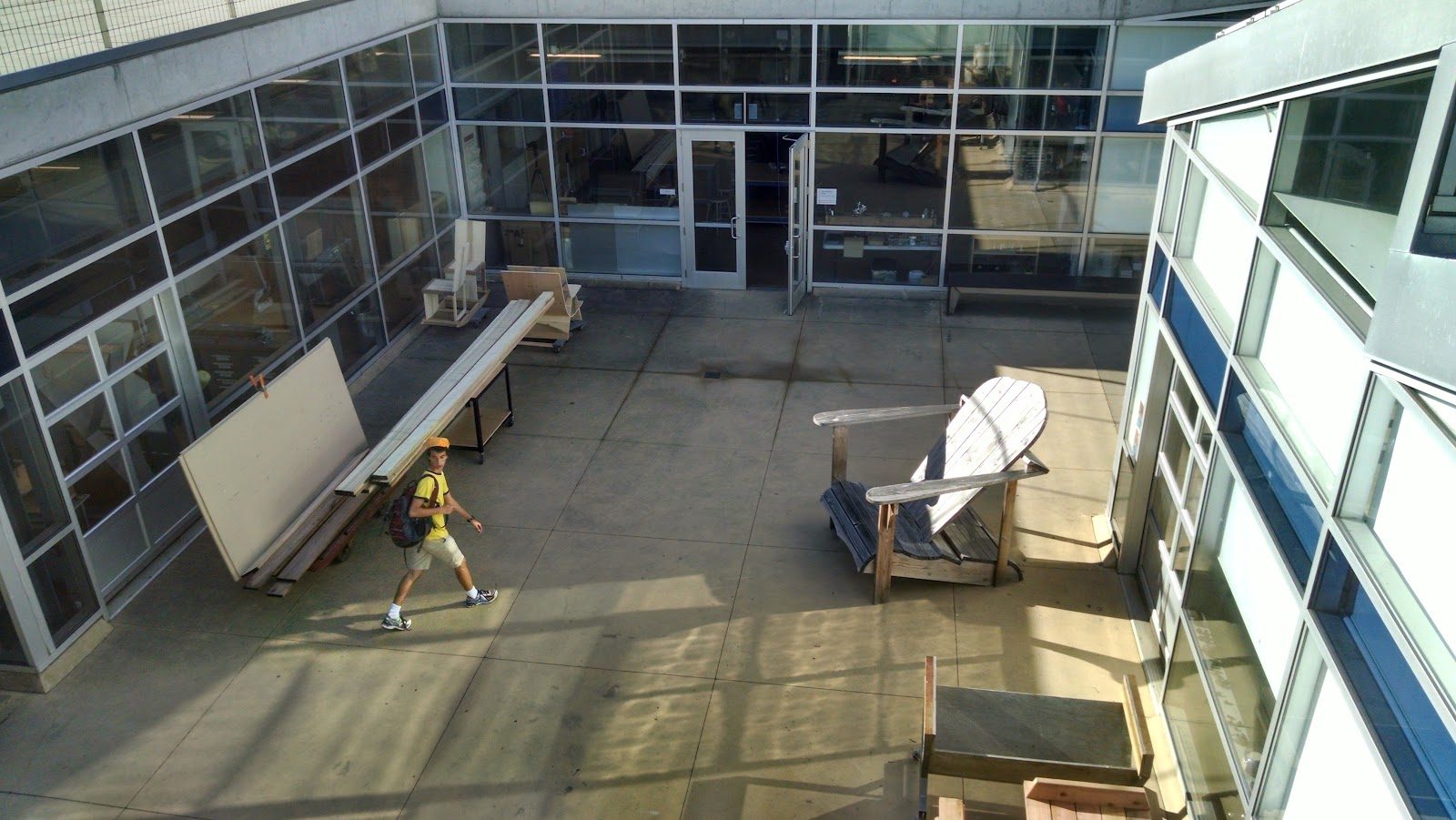
Founded as an 1895 mechanical-arts school, it still requires wood, metal, jewelry, or electronics credits alongside AP coursework.
Crystal Springs Uplands School
Hillsborough · United States
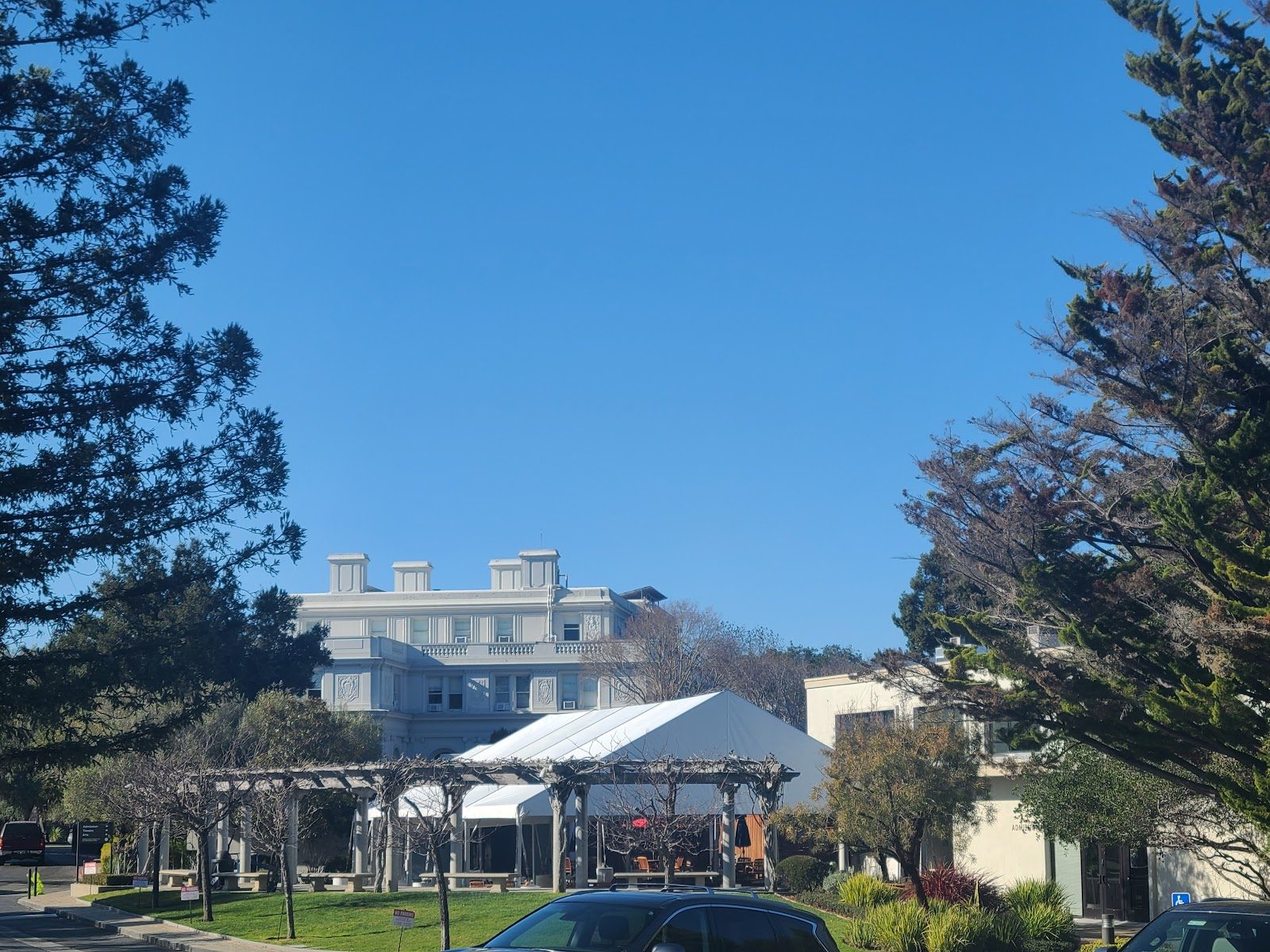
On a Peninsula estate once built by railroad money, this day school ditched AP courses for honors-level, student-driven research.
Packer Collegiate Institute
Brooklyn · United States
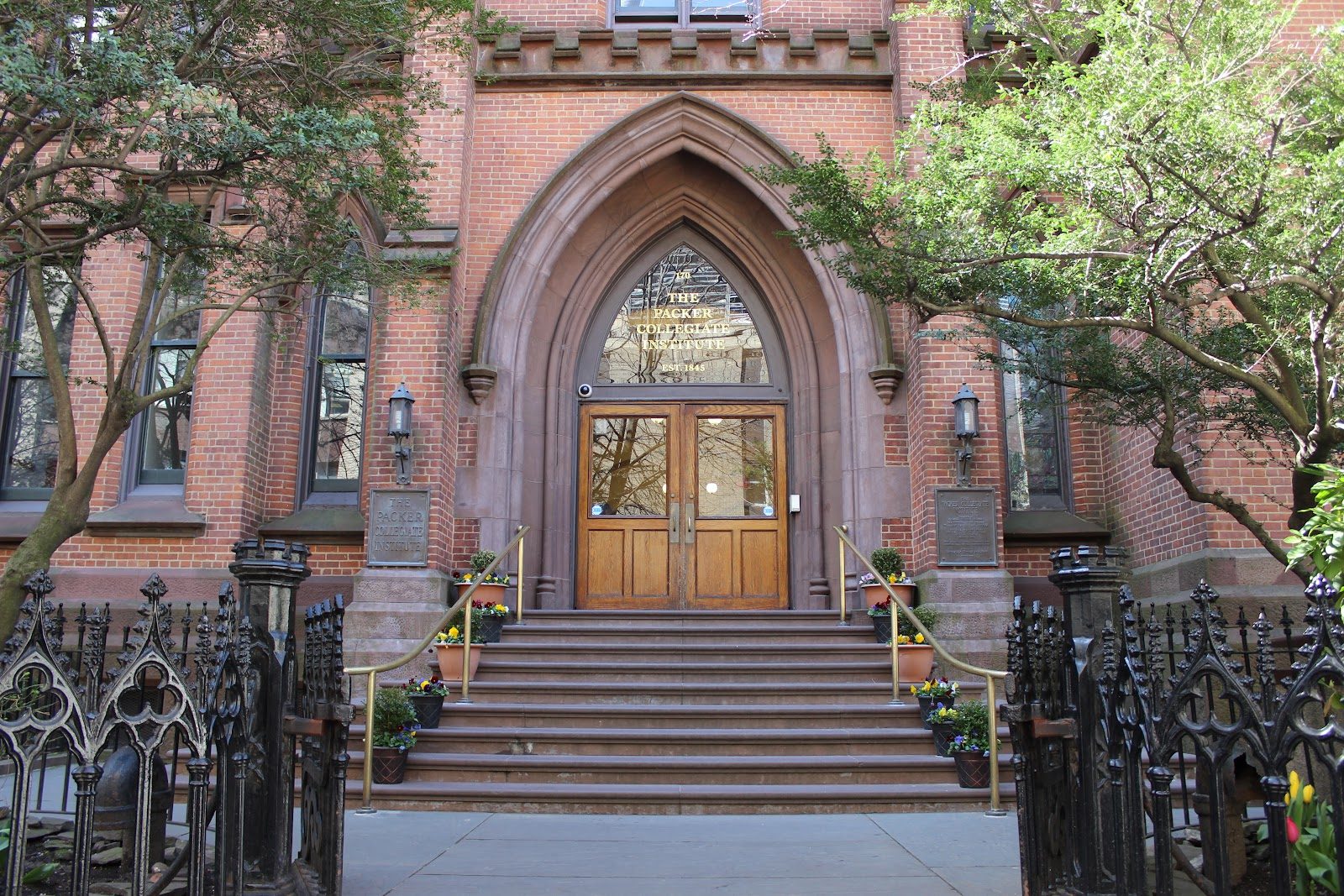
Brooklyn Heights' oldest independent school, its 1854 Gothic Revival chapel still glowing with Tiffany glass a single subway stop from Manhattan.
Same country and curriculum — closest matches within ±10 points either way