
Missouri
The Pembroke Hill School
low confidence· 2/6 cats · 3 avg sourcesA 1984 merger of two century-old single-sex academies, this Kansas City day school pairs Country Club Plaza roots with hands-on STEM rigor.
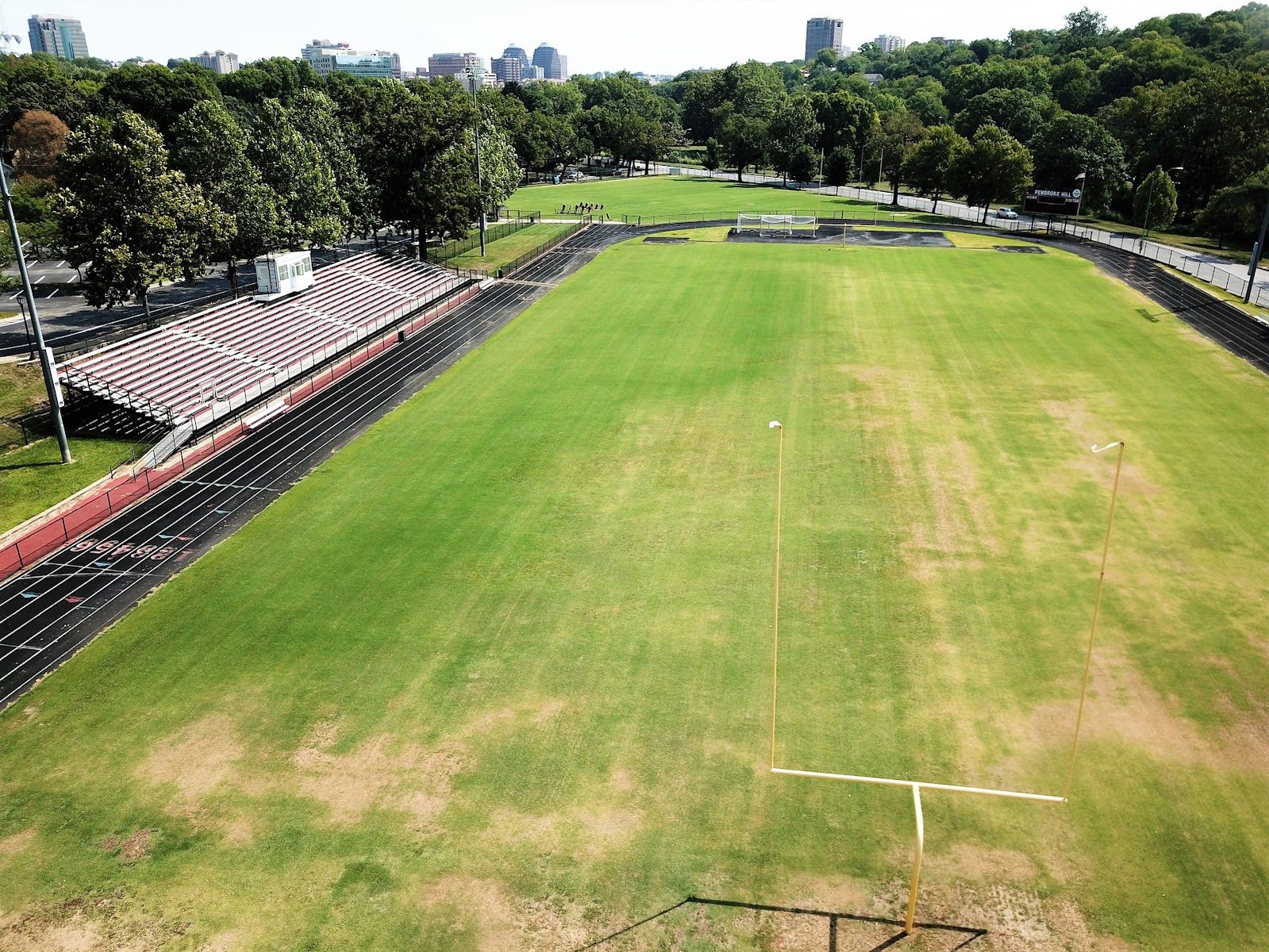
Photo © James FitzSimmons via Google Maps
Type
Day
Ages
3–18
Curriculum
American
Qualifications
AP
Ratio
1:8
The Verdict
Editor's commitment
Right for
Families wanting a secular American day school in Kansas City, ages 3–18, with a 1:8 ratio and serious extracurricular breadth.
Wrong for
Parents seeking boarding, religious formation, or an international curriculum; Pembroke Hill is day-only, non-religious, English-medium and explicitly American.
Watch out for
The 1984 merger gives pedigree, but NAIS accreditation and a 1:8 ratio do not answer the big question: the school publishes no aggregate outcomes here.
Ranking breakdown
The Pembroke Hill School · #342 of 1591
Composite score 71.5. 8 weighted criteria.
By criterion
Academic Outcomes
Weight 20%
#450
of 1529 scored
University Placement
Weight 16%
#459
of 1529 scored
Prestige & Heritage
Weight 12%
#446
of 1571 scored
Alumni Network
Weight 12%
#293
of 1530 scored
Facilities
Weight 12%
#407
of 1534 scored
Transparency & Communications
Weight 8%
#388
of 1532 scored
Peer & Industry Review
Weight 10%
#424
of 1548 scored
Admissions Selectivity & Demand
Weight 8%
#489
of 1529 scored
Peer & Industry Review
How The Pembroke Hill School is regarded in the sector
72
Respected · medium confidence
Within Kansas City's own independent-school tier, Pembroke Hill is generally regarded as a top peer alongside schools such as Barstow and Rockhurst, competing for the same college-bound families rather than for national boarding-school prestige. Its graduates matriculate predominantly to strong Midwestern flagships (University of Kansas, University of Missouri, Washington University in St. Louis) with a smaller annual stream to selective national universities, a pattern consistent with a solid but not nationally dominant placement profile. US-facing rating sites such as Niche and Private School Review rank it highly within Missouri, but it receives little coverage from internationally oriented outlets like the Good Schools Guide or WhichSchoolAdvisor, whose focus is UK and Gulf-region markets rather than Midwestern US day schools. It holds NAIS and ISACS accreditation and occasional presence at regional independent-school conferences, but does not feature in global league tables or international admissions-officer discourse, reflecting its identity as a respected regional institution rather than a globally benchmarked one.
Editors' overview
The Pembroke Hill School occupies a strong niche at the top end of Kansas City’s independent day-school market: a secular, American-curriculum school for ages 3–18, with the scale to offer depth and the structure to keep standards high. Formed in 1984 through the merger of Pembroke Country-Day School for boys and Sunset Hill School for girls, it carries the weight of two older institutions without feeling trapped by nostalgia. The setting matters. Two campuses a mile apart near the Country Club Plaza give it a rooted, metropolitan identity rather than a remote enclave. The student-teacher ratio of 1:8 points to serious adult attention, and the school’s own motto, “Freedom With Responsibility”, tells parents exactly what kind of culture it wants: *high trust, clear expectations, and no appetite for drift*.
What marks Pembroke Hill out is the combination of breadth and academic intent. This is not a small boutique school trading on intimacy alone. With about 1,200 students across four divisions, it has the critical mass for substantial extracurricular life — debate, Science Olympiad, robotics, chess, choir, athletics, student government and community service all sit in plain view. The school talks a great deal about inquiry, experimentation and discovery; that language can turn vague at weaker schools, but here it is anchored by visible STEM activity and a large enough platform to sustain serious participation beyond the classroom. For parents, the attraction is *intellectual energy with institutional ballast*: a school big enough to offer range, yet still organised around the promise that each child is known.
It belongs on a shortlist for families who want a non-religious, academically ambitious day school with a full school-life ecosystem rather than a narrow exam factory. Pembroke Hill’s public statement of values — respect, compassion, scholarship and integrity — is standard independent-school language, but its sharper line is the emphasis on constructive dialogue, discomfort as part of learning, and responsibility alongside freedom. That gives the school a more exacting profile than its polished setting first implies. *This is a place for engaged children, not passengers.* The right student is curious, prepared to join in, and willing to stretch across academics and activities. A child who wants only anonymity or a minimal workload will find Pembroke Hill demanding. A child who thrives on *busy days, strong mentoring, and the chance to test themselves in multiple arenas* will find plenty to work with.
Academic Performance
Pembroke Hill does not publish aggregate AP, SAT or ACT outcomes in the public domain, and that matters. In a market where top independent schools use hard attainment data to prove academic strength, this absence leaves parents without the cleanest external benchmark. The school’s academic case therefore rests less on disclosed score tables than on institutional signals: a college-preparatory structure, a substantial upper school, and a culture that ties scholarship to visible intellectual life in robotics, debate, Science Olympiad and other high-commitment activities. That points to a school with serious academic intent, but not one that offers the forensic transparency some families now expect.
Relative to peers, Pembroke Hill fits the group of established American independent schools whose reputation is built on selective admissions, broad opportunity and college preparation rather than published exam statistics. That places it above ordinary local private schools in ambition and academic range, but short of the data-rich candour seen at the most results-forward competitors. Parents who want a high-pressure score factory will not find clear evidence for that model here. Parents who value strong teaching, close supervision and a full intellectual programme will find a more convincing proposition. The school’s standing is strong; its public reporting on outcomes is restrained.
Facilities
Pembroke Hill’s facility picture is defined less by spectacle than by usable breadth. The clearest strength is the two-campus arrangement in the Country Club District, with divisions split across sites rather than crammed into a single all-through plant. That gives the school room to organise age groups sensibly and supports a more coherent daily life for younger children and older pupils. The extracurricular list also tells you where space and investment sit: robotics, Science Olympiad, debate, chess, choir, athletics, student government and community service do not run well without dedicated teaching areas, performance space, playing provision and staff infrastructure to match. The school also mentions gardening, which hints at grounds used for more than ornamental effect. Against peer independents, this reads as well-resourced, deliberately programmed and built for a full working school life, not a bare academic core.
What is missing is just as important. The school does not publish the kind of detailed facilities breakdown that top fee-charging competitors now use to make their case: no public inventory of specialist labs, theatre specifications, art studios, libraries, athletic complexes or design spaces, and no visual or technical detail that lets parents judge scale against rival campuses. That does not make the estate weak. It does make it less transparent than the strongest operators in the market. The low 1:8 ratio supports close use of space and serious supervision, but parents looking for a showpiece campus with exhaustive public detail will get a more restrained picture here.
Because prestige at the top end now depends on more than history, setting and selectivity
Prestige
Pembroke Hill carries real prestige within its market, but it is the prestige of an established American independent school rather than a global trophy brand. The ingredients are clear: a large, full-range pupil body, a low 1:8 staffing ratio, a long institutional inheritance from two older schools, and a location in one of Kansas City’s most affluent and socially visible districts. That combination gives the school social weight, local cachet and the confidence of an institution that has educated the city’s professional class for generations. The secular setting also matters. For families who want a non-religious private education without sacrificing status, Pembroke Hill sits in a commanding position.
Why not rate it even higher? Because prestige at the top end now depends on more than history, setting and selectivity. The school does not publish the kind of headline academic outcome data that turns reputation into hard proof, and that limits how far its standing travels beyond its home city and region. Its name carries force in local circles; it does not carry the automatic international recognition of a Phillips Exeter, Andover or Choate. Still, for parents choosing within Kansas City’s independent-school hierarchy, Pembroke Hill is plainly elite: broad in offering, culturally established, and expensive in the way serious American day schools are expensive. The prestige is real, but it is regional prestige with substance, not empty gloss.
Pembroke Hill’s distinctiveness lies in its blend of old-line social confidence and an educational culture that pushes students to do more than coast on polish
Communications
Pembroke Hill communicates in the idiom of an established independent school: confident, value-led and carefully controlled. The public-facing message is clear enough. Parents get a consistent account of what the school expects from family life and student conduct — constructive dialogue, grace around mistakes, responsibility, belonging, and a high view of teaching and learning. The motto does real work here, because “Freedom With Responsibility” gives the school a usable shorthand for decisions, discipline and day-to-day expectations. That kind of communications frame helps. It tells parents that this is not a loose, permissive culture dressed up as progressive education. With roughly 1,200 pupils across multiple sections, that clarity matters, and the school provides it in a disciplined, institutionally coherent way.
Where Pembroke Hill is less strong is detail. The school communicates ethos better than evidence. It states principles crisply, but publishes little hard public information on academic outcomes, facilities specifics or the mechanics of school performance. For parents, that creates a polished but guarded impression: strong on mission, weaker on measurable proof. The invitation to enquire is prominent, which puts the burden on direct contact rather than public disclosure. That strategy works for a school with an established local reputation and a confident admissions pipeline, but it is not the most parent-friendly model for families comparing options from a distance. Effective? Yes, in tone and consistency. Fully transparent? No. The communications are purposeful, reassuring and selectively opaque.
Uniqueness
Pembroke Hill’s distinctiveness lies in its blend of old-line social confidence and an educational culture that pushes students to do more than coast on polish. Plenty of independent schools talk about inquiry, creativity and character. Pembroke Hill ties those claims to a school life where debate, robotics, Science Olympiad, chess, choir, athletics, student government and community service all sit within the mainstream rather than at the margins. That matters. Students do not enter a narrow academic machine or a country-club school with lessons attached; they enter a high-expectation, full-spectrum environment where intellectual work, public participation and personal responsibility reinforce each other. The motto, “Freedom With Responsibility”, is not decorative. It signals a school that grants room to act, then expects judgement, self-command and follow-through.
The other differentiator is structural. With about 1,200 pupils spread across clearly separated phases, Pembroke Hill has the scale to offer range without collapsing into anonymity. The school promises that every child is known, cared for and valued; in a setting of this size, that is an ambitious promise, and one worth making. For students, the benefit is breadth with continuity: younger children start in a school that already contains serious older role models, while older pupils grow up in a culture where participation is normal and passivity stands out. The result is socially fluent, well-exercised students who are used to balancing freedom, workload and contribution.
Two campuses a mile apart near the Country Club Plaza give it a rooted, metropolitan identity rather than a remote enclave
Student Profile
The student who fits best here is bright, busy and prepared to participate. Pembroke Hill does not read as a school for children who want to hide in the middle of the pack or drift through the day untouched. Its culture prizes contribution: in class, in discussion, in clubs, in teams, in service, in the ordinary business of school citizenship. The school’s own language around constructive dialogue, courage in discomfort and learning from mistakes points to a pupil body expected to speak up, take feedback and recover quickly when work gets hard. That makes it a strong match for children with intellectual appetite, sound self-management and enough confidence to use freedom well. The low 1:8 ratio also tells parents that disengagement will be noticed.
Socially, this suits families who want an upward-driving, well-supervised peer group rather than a loose or anonymous environment. Students with multiple interests will have more room here than single-lane specialists, because the school treats academic effort and wider participation as part of the same contract. Artists, athletes, coders, debaters and community-minded joiners all have a place, but the common requirement is willingness. A child who enjoys being known by adults, can handle expectation, and wants a full, demanding school life will fit. A child who resists structure, dislikes being stretched, or wants the privacy to do the minimum will not.
What marks Pembroke Hill out is the combination of breadth and academic intent
Co-curricular strengths
Arts & sport, on a separate axis
Overall 9.06/10
Scored 0-10 from the school's own published evidence. This axis is editorial-only — it does not feed the main WTS ranking.
Sports
9/10
Drama
9.3/10
Dance
9/10
Music
9/10
Visual Arts
9/10
Strengths
- +Deep institutional heritage combining two long-established single-sex schools, Pembroke-Country Day (1910) and Sunset Hill (1913), merged into a coeducational day school in 1984.
- +Small classes and favorable staffing ratios, with an 11:1 student-faculty ratio in lower school and 16:1 in middle and upper school.
- +Broad Advanced Placement program of 22 courses; roughly 90 percent of graduates take at least one AP exam, with 85 percent scoring 3 or higher.
- +100 percent of graduates matriculate to four-year colleges, with recent classes admitted across dozens of US universities nationwide.
- +Accredited by the Independent Schools Association of the Central States and a member of NAIS, with need-based aid extended to about 25 percent of new families.
Considerations
- −Day school only, with no boarding option, which limits its usefulness for relocating expat families who lack immediate local housing.
- −No school-provided transportation, meaning families must independently manage the commute across two campuses roughly a mile apart in Kansas City.
- −Upper-grade tuition runs into the low $30,000s per year, a significant cost even before accounting for supplies or optional fees.
- −Editorial ranking and challenger-tier status reflect a solid regional reputation rather than the international brand recognition of flagship global prep schools.
Availability
Primary entry gate & tests
ISEE/SSAT + Interview
Gallery
Photo © James FitzSimmons via Google Maps
Photo © James FitzSimmons via Google Maps
Photo © James FitzSimmons via Google Maps
Photo © Sophia Lee via Google Maps
Parent reviews
Have you sent your child here?
Voice reviews carry the strongest trust badge — we transcribe them for you to tidy up before they go live. Prefer to type? A written review is fine too.
Add your voice
In 60 seconds, tell other parents: what's the best thing about The Pembroke Hill School, and what surprised you when your child joined?
We ask for a Google sign-in so every review has a real face behind it — no anonymous drive-by attacks on schools, and no faked positive reviews. Your email is never shown publicly.
Send this profile to a friend
International parents rely on word-of-mouth. Share this review with someone weighing the same decision.
Schools with places
Similar schools to The Pembroke Hill School with places available now.
Availability first, then country, area, curriculum, price, co-curricular
Consider also
Also worth looking at alongside The Pembroke Hill School.
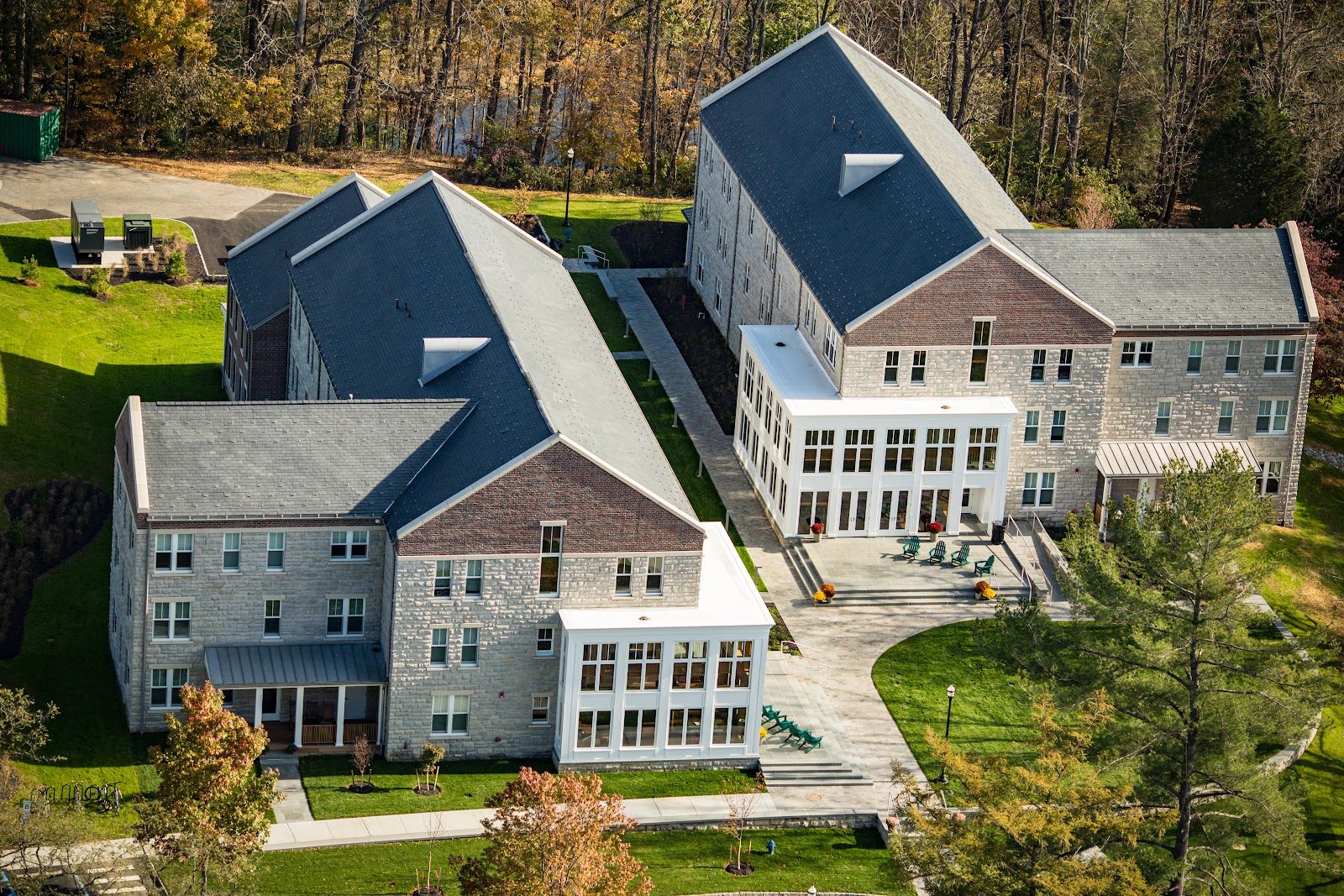
Blair Academy
Blairstown · United States
A hilltop New Jersey campus, founded 1848, where the weekly Society of Skeptics turns global debate into a signature course of study

Newark Academy
Livingston · United States
Founded in 1774, this Livingston day school remains New Jersey's only private IB Diploma provider
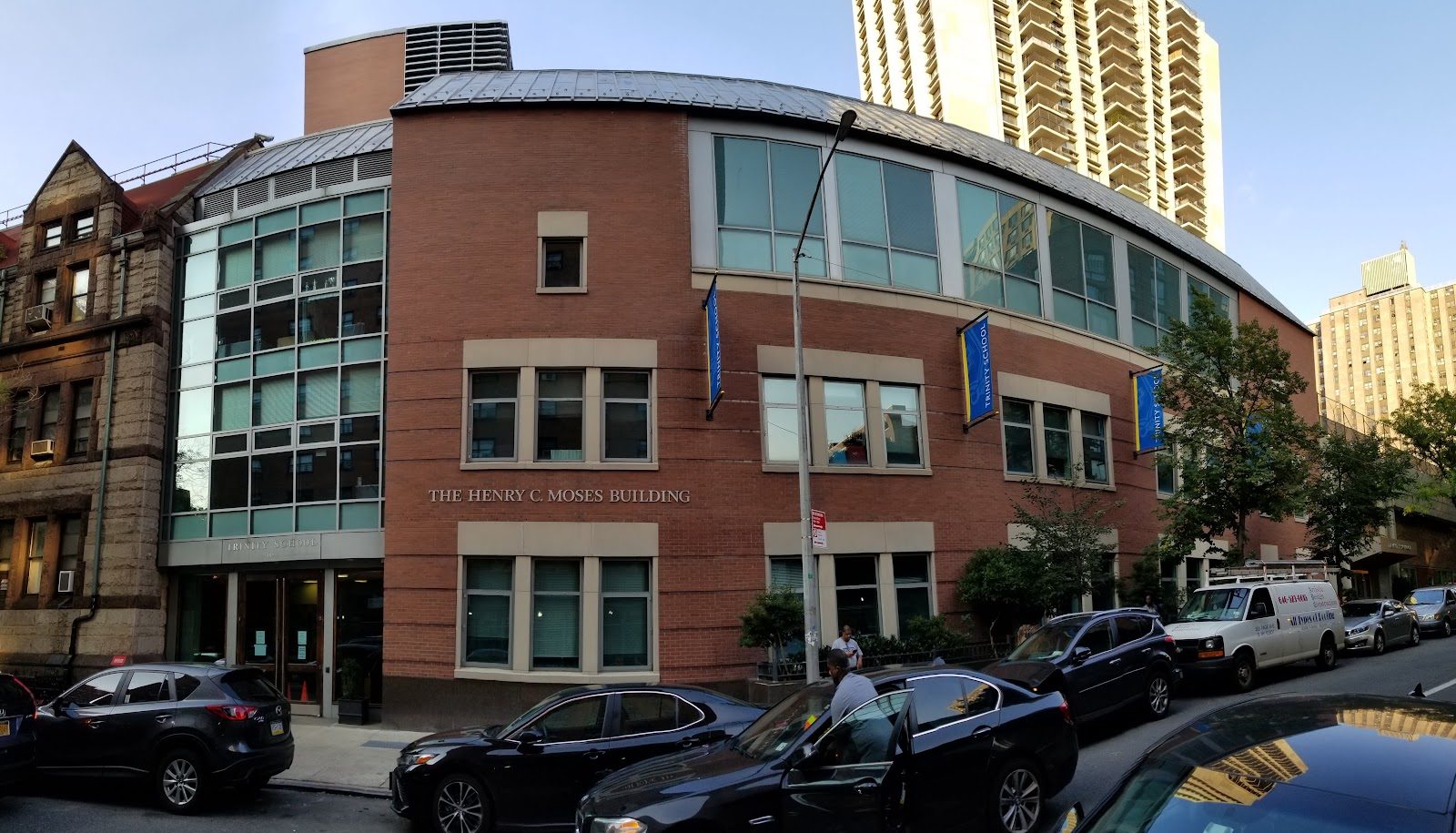
Trinity School
New York City · United States
Founded in 1709 as a charity school, now the oldest continuously operating school in New York City, still built on a rare full Classics department
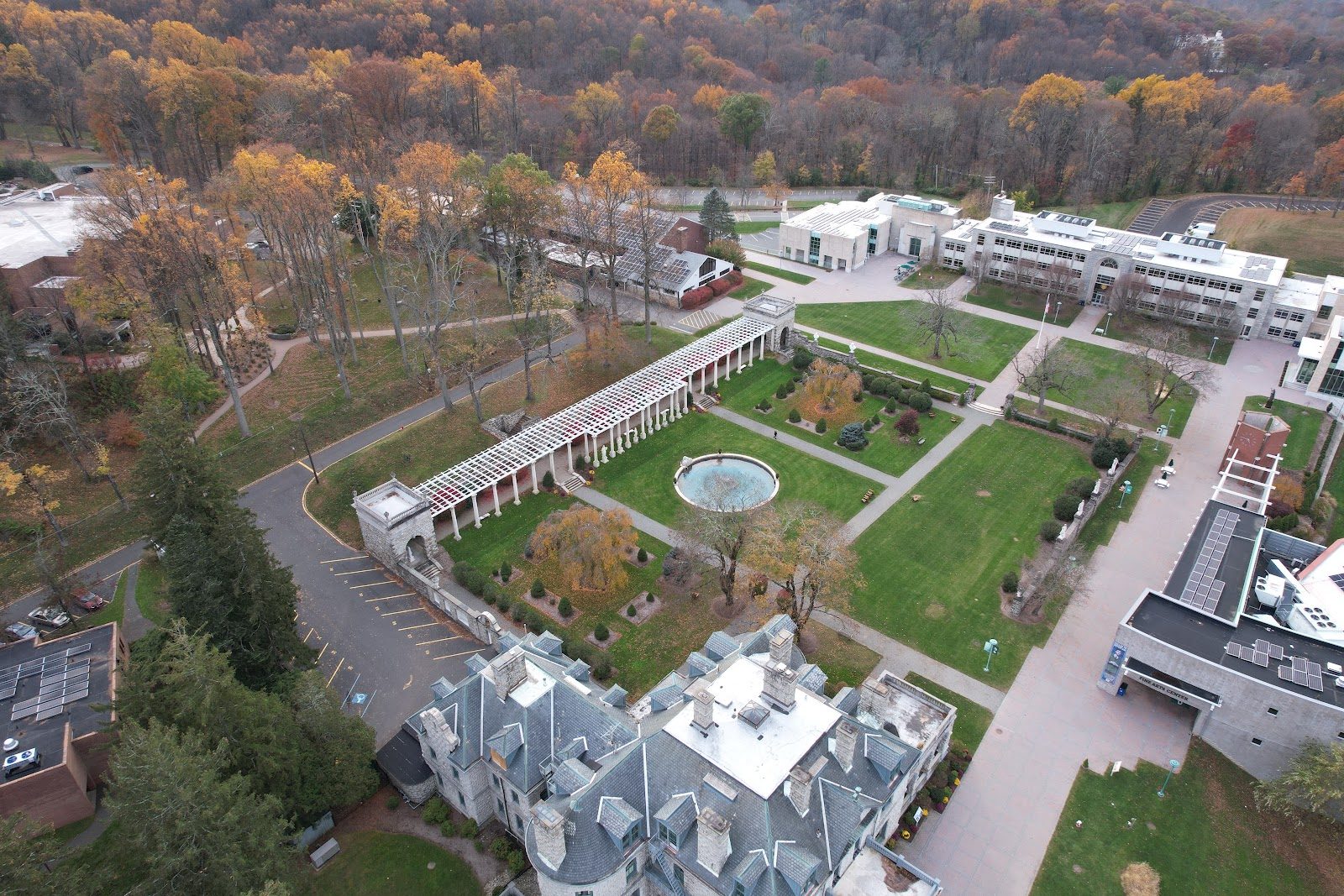
Delbarton School
Morristown · United States
On a 187-acre abbey campus outside Morristown, Benedictine monks still guide a rigorous, near-1,500-year-old liberal arts tradition.
Same country and curriculum — closest matches within ±10 points either way