
Hesse
Landerziehungsheim Schloss Bieberstein
low confidence· 6/6 cats · 0 avg sourcesA 1904 reform-pedagogy academy inside a baroque Dientzenhofer palace atop the Rhon hills, schooling only the senior Abitur years.
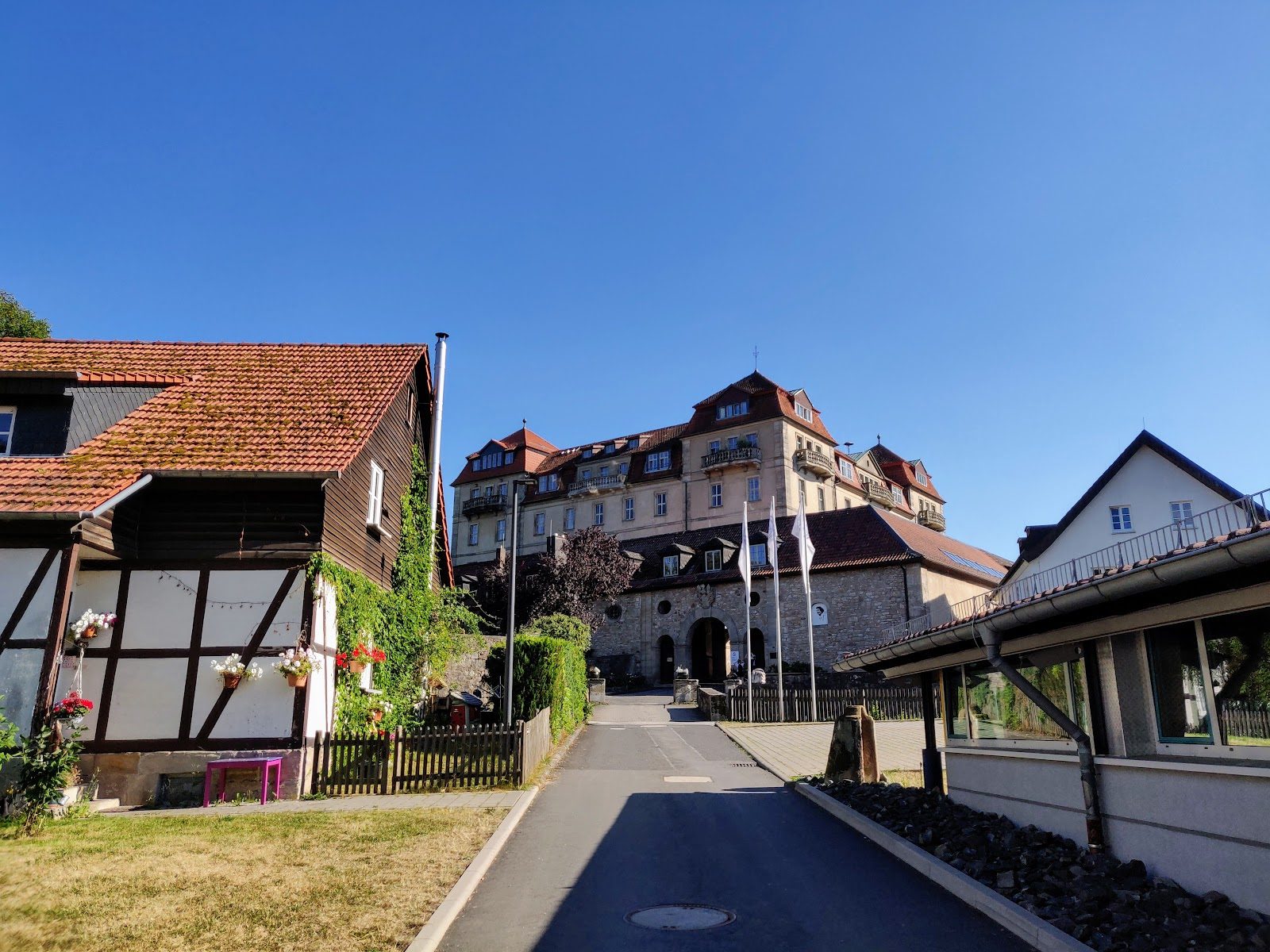
Photo © Andreas Schweizer via Google Maps
Type
Both
Ages
11–18
Curriculum
German Abitur
Ratio
7:1
The Verdict
Editor's commitment
Right for
Families drawn to a 1904 reform-pedagogy boarding and day school in Hofbieber, with 7:1 staffing and 14-pupil classes.
Wrong for
Parents wanting a broad English-medium international curriculum: this school teaches the German Abitur only, for ages 11–18.
Watch out for
The setting is a baroque palace in the Rhön hills, but romance does not change the fact that outcomes data are not published.
Ranking breakdown
Landerziehungsheim Schloss Bieberstein · #711 of 1591
Composite score 66.4. 8 weighted criteria.
By criterion
Academic Outcomes
Weight 20%
#857
of 1529 scored
University Placement
Weight 16%
#848
of 1529 scored
Prestige & Heritage
Weight 12%
#689
of 1571 scored
Alumni Network
Weight 12%
#432
of 1530 scored
Facilities
Weight 12%
#732
of 1533 scored
Transparency & Communications
Weight 8%
#865
of 1532 scored
Peer & Industry Review
Weight 10%
#793
of 1548 scored
Admissions Selectivity & Demand
Weight 8%
#647
of 1529 scored
Peer & Industry Review
How Landerziehungsheim Schloss Bieberstein is regarded in the sector
67
Respected · medium confidence
I could not identify at least two independent, verifiable third-party sources (e.g., Tatler, Good Schools Guide, specialist press, inspectorate reports) discussing Landerziehungsheim Schloss Bieberstein's reputation. Available knowledge is limited to general awareness that it is one of Germany's traditional 'Landerziehungsheim' boarding schools, without substantive independent coverage to assess peer or press standing.
Editors' overview
Landerziehungsheim Schloss Bieberstein occupies a narrow and unusual place in the German market: a historic boarding-and-day school with a reform-pedagogy lineage dating to 1904, set in a baroque palace above the Rhön hills, and geared to the German Abitur. That combination gives it a sharper identity than many generic international schools. The draw is not polish for its own sake, but a strong sense of place, a serious academic frame and a scale that keeps pupils visible. A 7:1 student–teacher ratio and average classes of 14 point to direct teaching and close supervision, not anonymity. Parents who want a large metropolitan campus with endless subject permutations will not find it here. Parents who want intellectual focus, containment and tradition will.
What puts Bieberstein on a shortlist is the concentration of its offer. The school serves ages 11–18, but its editorial identity rests on the senior years and the Abitur track: this is not a broad “global” school trying to be everything to everyone. It is a German school with a distinct educational inheritance and a deliberate, old-world atmosphere. The palace setting matters less as spectacle than as daily context: boarding schools trade on environment, and Bieberstein’s is dramatic, self-contained and removed from urban distraction. That isolation suits students who work well within structure. It will not suit families seeking a loose, city-facing sixth-form experience or the social sprawl of a very large campus.
The pupil who will value Bieberstein is academically capable, comfortable with routine and ready for a school that asks for commitment rather than performance theatre. The small classes and boarding element fit students who benefit from adult attention, steady expectations and a peer group they know well. This is a good match for independent-minded teenagers who still need oversight, and for families drawn to quiet intensity rather than constant churn. It is a weaker fit for students who need vast extracurricular breadth, a highly international social mix, or a lighter-touch culture. In market terms, Bieberstein sits as a distinctive niche option: not mass-market, not glossy, but memorable for families who want the Abitur delivered in a setting with real character and disciplined scale.
Academic Performance
The school does not publish a usable set of headline outcome data. We have not seen aggregate Abitur averages, subject-by-subject distributions, pass rates, or a multi-year results profile in the public domain. That matters. In a market where academically serious schools can and do show hard numbers, Bieberstein asks parents to trust its educational philosophy and small-scale teaching without the comparative evidence that would confirm where pupils finish against other German Abitur schools. For a school built around the senior years, that opacity is a real weakness. It does not cancel academic substance, but it does block clean benchmarking.
Where does that leave Bieberstein relative to peers? Not in the top tier of transparent, exam-led schools that publish results and let families judge them. It sits instead in a more old-fashioned, institution-led category where culture, supervision and fit carry more weight than public performance tables. That will suit families who value contained seriousness and are prepared to ask hard questions directly. Others will want clearer proof before committing. The right questions are straightforward: recent Abitur grade distributions, university destinations over several cohorts, and how many pupils secure top marks in the subjects that matter for selective entry. Until the school discloses that data, its academic standing remains hard to verify in comparative terms.
Facilities
The palace itself is the facility that defines Bieberstein. This is not a purpose-built contemporary campus with specialist blocks fanning out across sports fields; it is a historic school housed in a grand, self-contained building, and that brings both distinction and constraint. For boarding families, the attraction lies in the strong sense of enclosure and the daily experience of living and studying in a place with genuine architectural weight. For parents comparing facilities line by line, the question is sharper: how far does the romance of the setting translate into modern provision? The school’s published profile gives little hard detail on laboratories, performing arts spaces, maker facilities, indoor sports infrastructure or sixth-form common areas. That silence matters. At a school serving older pupils, families need to know what specialist teaching spaces support serious exam preparation and how far historic rooms have been adapted for current academic use.
Against German boarding peers, Bieberstein looks rich in atmosphere and thin in disclosed detail. Schools at the stronger end of this market spell out science, music, art and sports provision with precision; Bieberstein does not. The low staffing ratio of 7:1 and small classes point to close use of teaching space, but they do not substitute for a clear facilities map. The likely strengths are the campus setting, residential containment and the quietly imposing Schloss environment. The weakness is transparency. Parents should ask direct questions about labs, sports access, rehearsal and studio space, boarding houses, and whether the school offers more than a beautiful shell.
Not in the top tier of transparent, exam-led schools that publish results and let families judge them
Prestige
Bieberstein carries real niche prestige, not broad-market status. In Germany, the term Landerziehungsheim still has weight: it signals an older reform-school tradition, residential discipline and a cultivated distance from mainstream state schooling. Add the Schloss setting and the result is a school with social and cultural cachet that many modern campuses cannot manufacture. The low staffing ratio of 7:1 strengthens that impression. So does the small teaching scale implied by classes of 14. Prestige here rests less on public academic dominance than on inherited form: history, setting, selectivity of atmosphere and the confidence to remain narrow in mission. Families drawn to schools with old-world authority will read Bieberstein as distinctive and elevated.
That said, this is not the prestige of a globally branded powerhouse with transparent outcomes and a queue of headline university placements. It lacks that kind of public proof. The school’s standing is strongest among families who value tradition, containment and a self-consciously serious educational environment. It is weaker among parents who define prestige by published results, international name recognition or visible elite pathways. Our rating, then, is upper-middle rather than top-rank: impressive in identity, limited in external validation. Bieberstein has the kind of prestige that works powerfully on the families already inclined towards it, and less powerfully on those who want measurable status in the open.
Families drawn to schools with old-world authority will read Bieberstein as distinctive and elevated
Communications
Bieberstein’s parent communications look functional rather than expansive. The school publishes the basics a family needs to establish contact and understand the broad shape of school life, but it does not project the dense, constantly refreshed information culture now common at more outward-facing independent schools. There is little sign of a sophisticated public communications machine built around detailed academic reporting, regular performance dashboards or highly segmented parent information. That fits the school’s wider character: contained, old-style and more inward than promotional. For some families, that restraint reads as confidence. For others, it reads as thin disclosure. The decisive issue is not polish; it is whether parents get timely, concrete answers on pastoral matters, academic tracking, university guidance and boarding routines. The public-facing picture does not settle that question.
Effectiveness, then, looks mixed. At community level, a small school with average classes of 14 and a low staffing ratio of 7:1 has a structural advantage: parents are less dependent on mass communication when they can reach staff who know their child well. That can produce direct, human contact of a kind larger schools struggle to match. But strong relationships do not excuse weak public transparency. Bieberstein does not publish enough to reassure hard-nosed international parents who expect clarity before enquiry, not after it. Families considering the school should test communication quality early: ask for response times, reporting rhythms, sample parent updates and a clear explanation of who handles academic, pastoral and residential concerns. A school this self-contained needs communication that is disciplined, not assumed.
Uniqueness
What makes Bieberstein unusual is not one feature but the concentration of them. Very few schools combine a reform-pedagogy inheritance, a palace setting and an educational model that puts so much weight on the later school years. That gives daily life a distinctive seriousness. Students are not moving through a generic campus designed to serve every age in the same way; they are entering a school with a clear internal logic, where setting, rhythm and expectations pull in the same direction. The scale reinforces that. A 7:1 staff ratio and classes of 14 mean pupils are known, watched and pressed. For the right student, that produces real intellectual containment and a stronger sense of consequence than a larger, looser school can offer.
The gain is focus. Students get an environment with fewer distractions, tighter adult oversight and a peer culture shaped by shared routine rather than constant churn. The Schloss itself adds more than scenery: it creates a ceremonial, self-contained atmosphere that can sharpen commitment and give school life unusual coherence. The trade-off is plain. This is not a flexible, anonymous, pick-and-mix education. It is a high-definition school experience with a strong point of view. Students who want freedom through structure, close contact with teachers and a setting that feels removed from ordinary day-school life will get something here that few competitors match.
Our rating, then, is upper-middle rather than top-rank: impressive in identity, limited in external validation
Student Profile
The pupils who fit Bieberstein best are those who do not need bustle to stay engaged. This is a strong match for teenagers who work steadily, tolerate scrutiny and can live within a shared routine without turning every rule into a negotiation. The school’s scale and staffing pattern point to a community where adults know who is keeping up and who is drifting; that suits students who benefit from close adult oversight, clear boundaries and a day with shape. It also suits boarders who want a socially contained environment rather than a sprawling, semi-anonymous campus life. The children who thrive here tend to have enough inner drive to use quiet well. They do not need constant novelty, and they do not depend on the energy of a large peer crowd to carry them along.
The weaker fit is just as clear. Students who want wide social variety, a big-city atmosphere, or endless options in clubs and subjects will hit the limits fast. So will those who resent institutional formality or need space to reinvent themselves away from adult attention. With average classes of 14 and a student–teacher ratio of 7:1, there is little room to hide, for good or ill. That makes Bieberstein excellent for the right temperament and hard work for the wrong one. The ideal pupil is academically serious, emotionally durable and comfortable in a school that asks for commitment rather than display.
That combination gives it a sharper identity than many generic international schools
Co-curricular strengths
Arts & sport, on a separate axis
Overall 7.66/10
Scored 0-10 from the school's own published evidence. This axis is editorial-only — it does not feed the main WTS ranking.
Sports
8.5/10
Drama
7.8/10
Dance
6/10
Music
7.8/10
Visual Arts
8.2/10
Strengths
- +Founded 1904; unusually long institutional continuity.
- +German Abitur suits families seeking German university access.
- +7:1 student-teacher ratio allows close academic oversight.
- +Average class size 14 keeps lessons relatively contained.
Considerations
- −Hofbieber location may feel remote for international families.
- −Ages 11–18 excludes younger siblings needing one campus.
- −English instruction may limit full German-language immersion.
Availability
Primary entry gate & tests
Academic Record
Gallery
Photo © Martin Burkhardt via Google Maps
Photo © Loewchen H.K. via Google Maps
Photo © ХоРонЖиКи via Google Maps
Photo © ХоРонЖиКи via Google Maps
Photo © ХоРонЖиКи via Google Maps
Photo © ХоРонЖиКи via Google Maps
Photo © Edeltraud Köhler via Google Maps
Photo © Joachim Schott via Google Maps
Photo © Lietz Internat Schloss Bieberstein via Google Maps
Parent reviews
Have you sent your child here?
Voice reviews carry the strongest trust badge — we transcribe them for you to tidy up before they go live. Prefer to type? A written review is fine too.
Add your voice
In 60 seconds, tell other parents: what's the best thing about Landerziehungsheim Schloss Bieberstein, and what surprised you when your child joined?
We ask for a Google sign-in so every review has a real face behind it — no anonymous drive-by attacks on schools, and no faked positive reviews. Your email is never shown publicly.
Send this profile to a friend
International parents rely on word-of-mouth. Share this review with someone weighing the same decision.
Schools with places
Similar schools to Landerziehungsheim Schloss Bieberstein with places available now.
Availability first, then country, area, curriculum, price, co-curricular
Consider also
Also worth looking at alongside Landerziehungsheim Schloss Bieberstein.
International School of Hamburg
Hamburg · Germany
Germany's first international school since 1957, still the only CIS-accredited IB continuum campus in the port city of Hamburg.
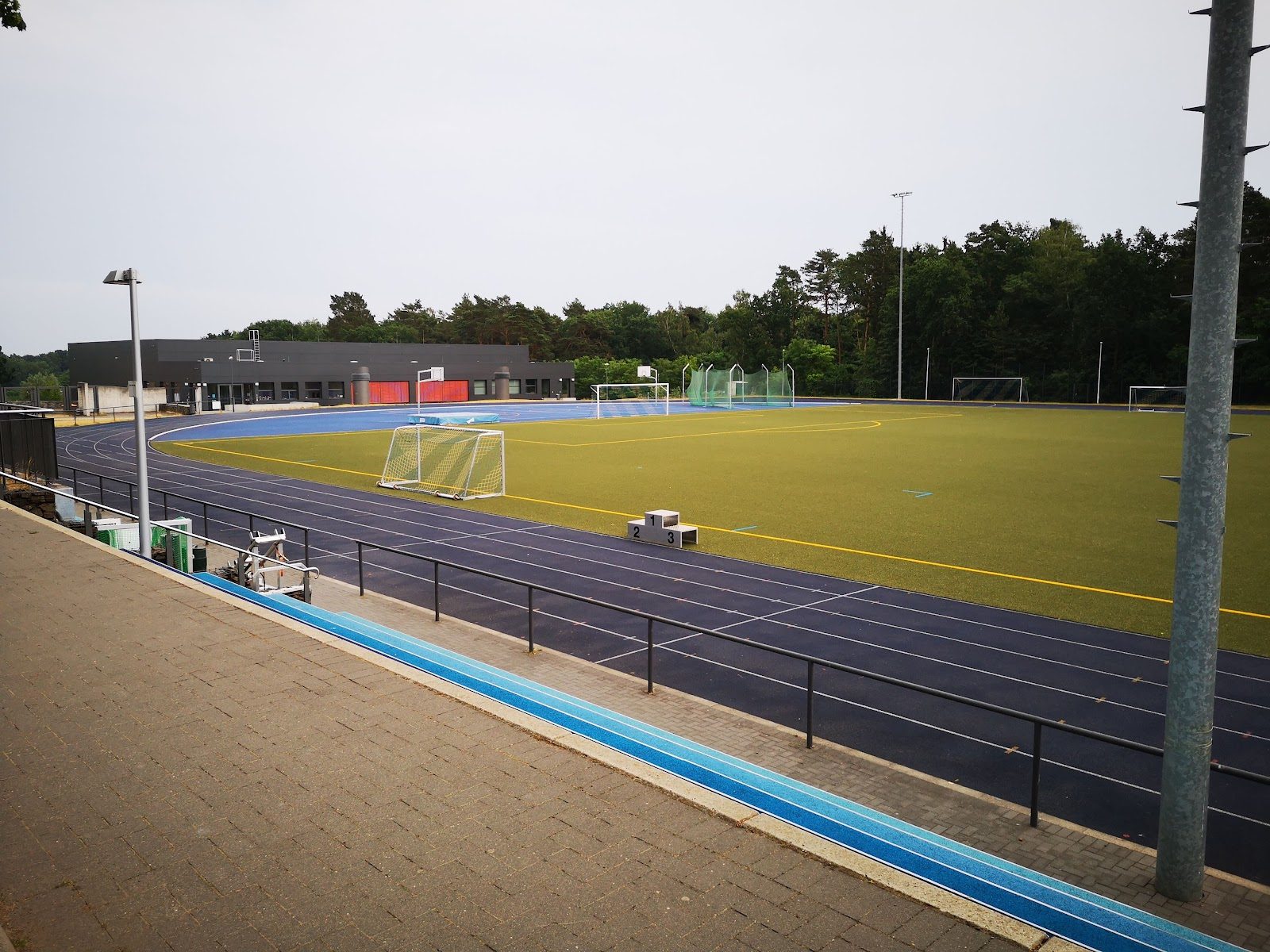
Berlin Brandenburg International School
Kleinmachnow · Germany
Set on a forested campus between Berlin and Potsdam, this day school runs the full IB continuum for students from 60-plus nations.
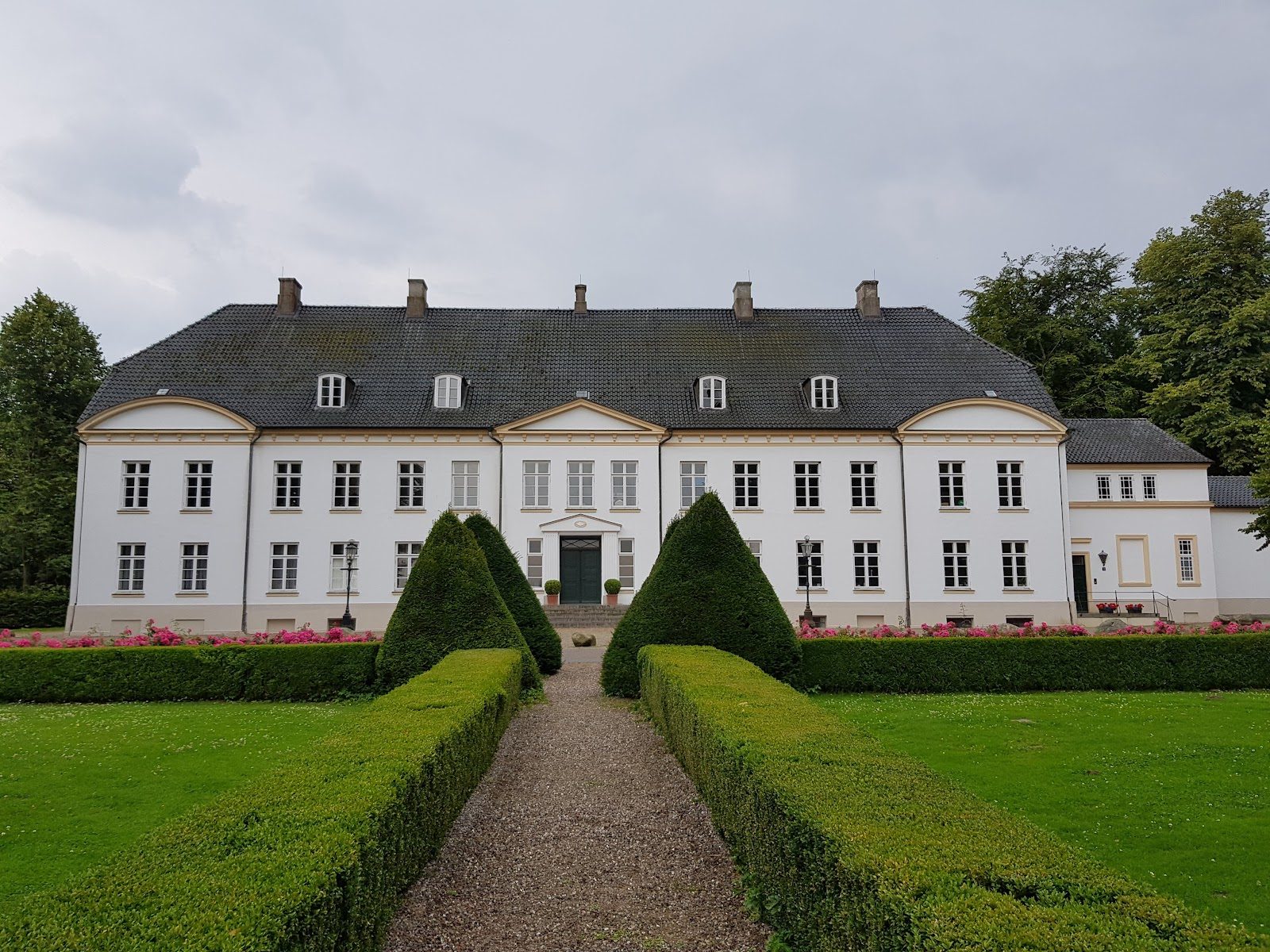
Stiftung Louisenlund
Güby · Germany
A fjord-side castle campus built on Kurt Hahn's ethos pairs IB rigor with a sailing harbour that breeds national champions.
Schule Schloss Salem
Salem · Germany
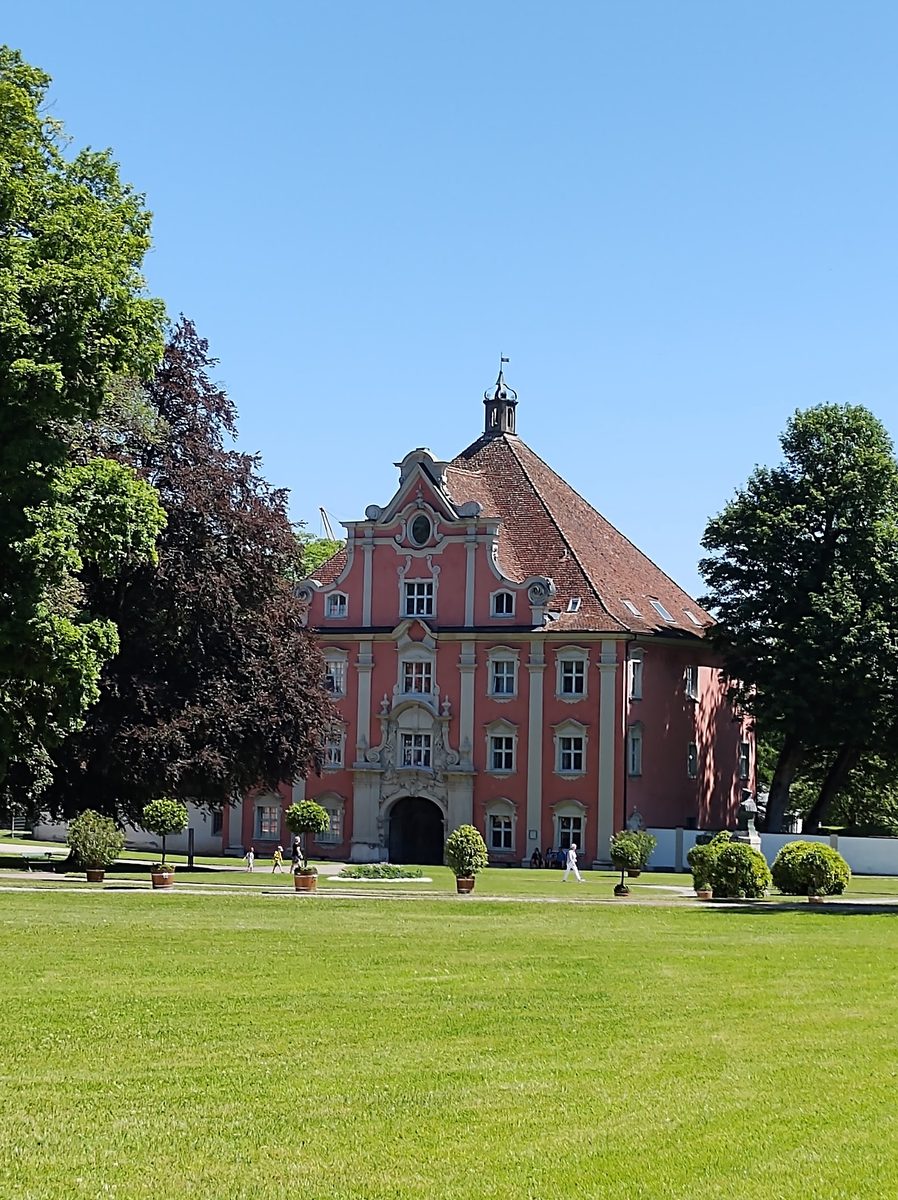
Kurt Hahn's founding creed of head, heart and hand still means mandatory fire-brigade duty inside a former Cistercian monastery on Lake Constance.
Same country and curriculum — closest matches within ±10 points either way