
Victoria
Caulfield Grammar School
low confidence· 6/6 cats · 0 avg sourcesWhere Melbourne classrooms, a Yarra Junction farm, and a Nanjing campus shape an IB-VCE education built on outdoor and overseas immersion.
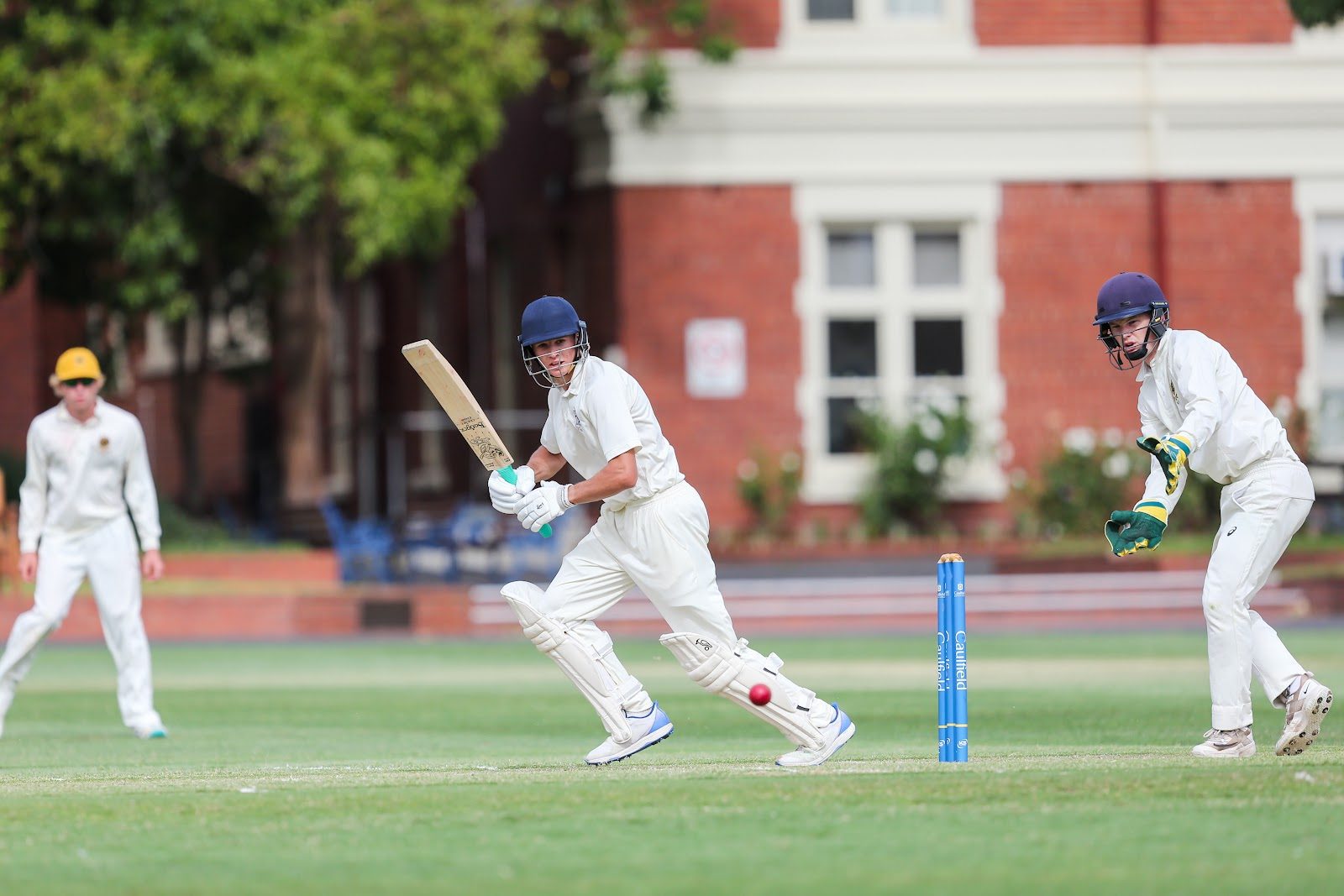
Photo © Caulfield Grammar School via Google Maps
Type
Both
Ages
11–18
Curriculum
Victorian Certificate of Education · IB (Diploma)
Ratio
11:1
The Verdict
Editor's commitment
Right for
Families wanting real range: Melbourne day schooling, boarding, and a VCE-or-IB Diploma choice at a school founded in 1881.
Wrong for
Anyone seeking a secular identity; despite the non-religious listing here, the school states Anglican roots and began as a boys' school in 1881.
Watch out for
This is expensive: average annual fees run to AUD 33,680 for day pupils and AUD 75,171 for boarders.
Ranking breakdown
Caulfield Grammar School · #515 of 1591
Composite score 68.9. 8 weighted criteria.
By criterion
Academic Outcomes
Weight 20%
#585
of 1529 scored
University Placement
Weight 16%
#584
of 1529 scored
Prestige & Heritage
Weight 12%
#723
of 1571 scored
Alumni Network
Weight 12%
#427
of 1530 scored
Facilities
Weight 12%
#188
of 1534 scored
Transparency & Communications
Weight 8%
#389
of 1532 scored
Peer & Industry Review
Weight 10%
#640
of 1548 scored
Admissions Selectivity & Demand
Weight 8%
#1156
of 1529 scored
Peer & Industry Review
How Caulfield Grammar School is regarded in the sector
68
Respected · medium confidence
Caulfield Grammar is consistently referenced in Australian independent-schools coverage (e.g., The Age/Sydney Morning Herald 'Good Schools Guide' style rankings, and Australian Financial Review's private schools rankings) as a well-established, respected Melbourne private school, particularly noted for its Malaysian and China campuses and outdoor education programs. It lacks the elite 'top-tier' status of schools like Melbourne Grammar, Scotch College, or Geelong Grammar in peer benchmarking or expat forums, but is regularly cited as a solid, credible large independent school with a strong local reputation and visible alumni network in business and media circles.
Evidence sources
Editors' overview
Caulfield Grammar’s shape is the story: a Melbourne school for ages 11 to 18, founded in 1881, with both day and boarding places, and an educational footprint that extends beyond the standard suburban campus model. The draw is not mystery; it is range. Parents looking at senior years in Victoria often face a binary choice between a school that does VCE well and one that pushes an international route. Caulfield offers both the Victorian Certificate of Education and the IB Diploma, which puts it in a select bracket of schools able to serve families who want optionality at the sharp end of secondary education. The average annual day fee is AUD 33,680 across the full ladder; boarding averages AUD 75,171. That places it firmly in the upper tier of the Melbourne market, but not as a school trading on cachet alone. The proposition is breadth, infrastructure and a program with real geographic reach.
What marks Caulfield out is the school’s appetite for education beyond a single campus. Your tagline captures the point neatly: Melbourne classrooms, a Yarra Junction farm and a Nanjing campus create a model built around outdoor education and overseas immersion, not merely a few annual trips bolted on for brochure copy. That matters because it changes the type of pupil who thrives here. This is a school for students who want movement, scale and opportunity, and who are energised by a timetable that reaches beyond conventional classroom routines. It also suits families who want a co-educational environment with serious academic choice rather than a narrow house style. Founded as a boys’ school and co-educational since 1981, Caulfield has had time to absorb that transition into its institutional identity.
There is, however, a point parents should register clearly. This is not a small, intimate school built around constant hand-holding. A school with multiple campuses, boarding, VCE and IB pathways, and an immersion-heavy culture suits students who are ready to use what is on offer. Self-direction matters here. So does resilience. For the right child, that scale is liberating: room to try, travel, specialise and grow without being boxed into a single mould. For a child who needs a tightly sheltered environment or a very narrow academic rhythm, other schools will fit better. Caulfield belongs on a shortlist because it offers a distinctive, hard-edged mix of academic choice, outdoor learning and international exposure that few Melbourne schools match with this level of institutional heft.
Academic Performance
Caulfield offers senior academic choice, but its public results profile is less transparent than that of Melbourne’s most results-forward competitors. We have not seen a published run of school-wide VCE outcomes in the public domain here: no median study score, no share of scores above key thresholds, no clear ATAR distribution. The same problem applies to the IB side. For families trying to benchmark hard academic performance, that is a real omission. In this part of the market, strong schools publish headline numbers cleanly and consistently. When a school does not, parents have less basis for comparing it with the city’s more exacting academic operators.
That does not place Caulfield in a weak bracket; it places it in a school where the academic story rests more on programme breadth and pupil fit than on publicly evidenced examination dominance. Offering both senior pathways gives students genuine route choice, and that matters for mixed cohorts with different academic styles. But choice is not the same thing as proof of top-tier outcomes. Without published aggregate results, Caulfield sits outside the small group of schools that can point to headline exam data as a decisive selling point. The school still belongs in the conversation for families who value a broad-gauge education and multiple senior exits. For parents pursuing the sharpest academic comparison, the absence of disclosed results is a constraint.
Facilities
Caulfield’s facilities matter because they extend the school beyond a standard senior-campus model. The standout asset is not one hall or one lab block; it is the multi-site educational estate. The Yarra Junction school farm gives outdoor education a permanent base rather than a token excursion setting, and the Nanjing campus turns international exposure into something structurally embedded. Among Melbourne peers, that is genuinely uncommon. Plenty of high-fee schools offer strong sports grounds, theatres and science spaces. Far fewer can point to dedicated off-site infrastructure that changes how students learn over time. For boarders, that breadth also counts in practical terms: a school with day and boarding provision at this price point needs more than polished core facilities, and Caulfield’s wider footprint supplies a more ambitious proposition than the usual suburban package.
Against its competitors, the strength here is range, not public detail. We have not seen the school publish the kind of crisp facilities inventory that top schools sometimes use to show every specialist centre, performance venue or athletic asset campus by campus. That leaves parents with a clear impression of scale but a weaker sense of exact specification. The judgement is still straightforward. Caulfield sits above schools whose facilities begin and end at the main campus, and it stands in a small upper-tier group whose physical resources support immersion, travel and residential life in a serious way. What it does not do, at least publicly, is itemise that estate with the forensic clarity some rival schools manage.
But choice is not the same thing as proof of top-tier outcomes
Prestige
Caulfield carries real standing in Melbourne, but its prestige is not built on the single metric that drives the city’s most exam-fixated hierarchies. It comes from longevity, scale, fee level and reach. A school charging an average of AUD 33,680 for day pupils and AUD 75,171 for boarding sits in an unmistakably elite bracket, and families read that price against expectation: facilities, programme breadth, networks and polish. Caulfield clears that threshold. Its name has weight, its co-educational model is established, and its footprint extends beyond one campus in a way few schools can match. That creates a form of prestige rooted in institutional confidence rather than narrow academic theatre.
There is, however, a limit to the claim. The strongest prestige schools combine social reputation with hard public proof of academic outcomes. Caulfield does not publish the kind of aggregate senior-results data that settles that argument cleanly. That matters. It keeps the school out of the top stratum occupied by institutions whose status is reinforced every year by visible examination numbers. So the correct rating is high prestige, not untouchable prestige: a school with a powerful brand, serious family appeal and a broad, affluent constituency, but not one that dominates on publicly evidenced academic performance. For parents, that distinction is useful. Caulfield offers established upper-tier status; it does not command the automatic deference reserved for the city’s most results-proven names.
It keeps the school out of the top stratum occupied by institutions whose status is reinforced every year by visible examination numbers
Communications
Caulfield communicates like a large, established independent school that expects parents to navigate a lot of moving parts. The public-facing website handles the essentials well: admissions, campus structure, school life and broad programme architecture are easy to locate, and the school does not hide the fact that it operates at scale. That matters. Families need clarity when a school runs both day and boarding provision and asks pupils to move through experiences beyond the main campus. On that front, Caulfield gives a coherent first impression rather than a muddled one. The weakness sits elsewhere. The school’s communications are less exacting when parents want hard evidence, not narrative. We have not seen aggregate senior-results data published cleanly, and that leaves a material gap in the information chain.
That gap affects trust, because strong school communication is not only about tone, photography or neatly arranged menus; it is about what a school is willing to disclose when families are making expensive decisions. At an average annual fee of AUD 33,680 for day pupils and AUD 75,171 for boarders, parents are buying into a substantial institution and can expect direct, adult communication. Caulfield clears the organisational hurdle, but not the transparency hurdle. The result is effective operational communication paired with a guarded academic story. For families who prioritise pastoral breadth, logistics and opportunity, that will suffice. For families who want the school to communicate performance with the same precision it uses to communicate experience, it falls short.
Uniqueness
What sets Caulfield apart is not a single prestige marker but an educational design that pushes students out of one-setting schooling. Most established independents talk about breadth; Caulfield has built it into the structure. A school farm at Yarra Junction and a campus in Nanjing turn outdoor learning and international immersion into recurring parts of school life rather than brochure-grade add-ons. That creates a student experience with more movement, more context and more exposure to unfamiliar settings than the standard metropolitan model. The result is less insulated, more demanding and, for the right pupil, far more formative. Students do not just study in classrooms and compete on sports fields; they learn to adjust, travel, collaborate and cope when the setting changes.
That matters because adolescence is not only an academic sorting exercise. Caulfield gives students multiple arenas in which to test themselves: residential programmes, cross-campus transitions, outdoor education and overseas experience tied to the life of the school. For boarders paying an average of AUD 75,171 a year, that wider estate carries real value; for day families paying AUD 33,680, it gives access to opportunities that many urban schools cannot reproduce. The school’s distinctive strength lies in this combination of scale and extension. It suits students who gain energy from variety and responsibility. It suits them less well if they want a tightly bounded, highly sheltered school life with every experience delivered in one place.
The school’s distinctive strength lies in this combination of scale and extension
Student Profile
The students who fit Caulfield best are the ones who want a school life with momentum. This is not a place built for children who need every day to feel predictable, local and tightly managed. It suits adolescents who can handle a large-scale environment, move between different settings without fuss, and make active use of what the school puts in front of them. A pupil who enjoys outdoor programmes, residential experiences and time away from the usual classroom rhythm will get more from this school than one whose happiness depends on a narrow routine. Boarders paying an average of AUD 75,171 a year also need enough independence to live well within a substantial institution rather than expect constant personal buffering.
Socially, Caulfield will work best for students who are comfortable mixing across a broad cohort and do not need the intimacy of a tiny school to feel known. The right student is self-starting, resilient and open to a varied peer group, with enough maturity to navigate both academic choice and the school’s wider opportunities without being pushed at every step. Day pupils face a lower financial bar than boarders, at an average of AUD 33,680, but the expectation is similar: engagement, adaptability and a willingness to stretch. This school will reward students who are energised by range. It will frustrate those who want a small, cocooned environment or a purely exam-drilled culture.
Parents looking at senior years in Victoria often face a binary choice between a school that does VCE well and one that pushes an international route
Co-curricular strengths
Arts & sport, on a separate axis
Overall 9.02/10
Scored 0-10 from the school's own published evidence. This axis is editorial-only — it does not feed the main WTS ranking.
Sports
9.3/10
Fields highly competitive rugby, athletics, and swimming squads utilizing an expansive, multi-campus Victorian ecosystem across the APS.
Drama
9/10
The specialized performing arts complexes provide a pre-professional training model for acting, set construction, and design.
Dance
8.8/10
Maintained as a core artistic pillar within the creative education curriculum, running regular modern workshops and house dance spectacles.
Music
9.2/10
Highly advanced recording hubs and acoustic studios support large symphonic wind bands and big bands.
Visual Arts
8.8/10
Massive industrial art hubs specialized for fine oil painting, darkroom photography, and multimedia graphic production.
Editor-verified · 8/7/2026
Strengths
- +Offers both VCE and IB Diploma pathways.
- +Boarding available from Year 9 at Caulfield Campus.
- +11:1 student-teacher ratio allows closer attention.
- +Average class size of 22 is manageable.
Considerations
- −Boarding starts only from Year 9.
- −Senior entry begins at age 11, not younger.
- −English-only instruction may limit some families.
Availability
Primary entry gate & tests
Academic Record + Interview
Gallery
Photo © Caulfield Grammar School via Google Maps
Photo © Zoran Desovski via Google Maps
Photo © Caulfield Grammar School via Google Maps
Photo © Caulfield Grammar School via Google Maps
Photo © Caulfield Grammar School via Google Maps
Photo © Caulfield Grammar School via Google Maps
Photo © Caulfield Grammar School via Google Maps
Photo © Caulfield Grammar School via Google Maps
Photo © Caulfield Grammar School via Google Maps
Parent reviews
Have you sent your child here?
Voice reviews carry the strongest trust badge — we transcribe them for you to tidy up before they go live. Prefer to type? A written review is fine too.
Add your voice
In 60 seconds, tell other parents: what's the best thing about Caulfield Grammar School, and what surprised you when your child joined?
We ask for a Google sign-in so every review has a real face behind it — no anonymous drive-by attacks on schools, and no faked positive reviews. Your email is never shown publicly.
Send this profile to a friend
International parents rely on word-of-mouth. Share this review with someone weighing the same decision.
Schools with places
Similar schools to Caulfield Grammar School with places available now.
Ivanhoe Grammar School
Melbourne · Australia
- 2026-27
- WAITPOOLVacancy-dependent
- 2027-28
- PLACES OPEN
Wesley College
Melbourne · Australia
- 2026-27
- WAITPOOLVacancy-dependent
- 2027-28
- PLACES OPEN
Methodist Ladies' College
Melbourne · Australia
- 2026-27
- WAITPOOLVacancy-dependent
- 2027-28
- PLACES OPEN
Geelong Grammar School
Corio, Victoria · Australia
- 2026-27
- WAITPOOLSpace-dependent
- 2027-28
- PLACES OPEN
Availability first, then country, area, curriculum, price, co-curricular
Consider also
Also worth looking at alongside Caulfield Grammar School.
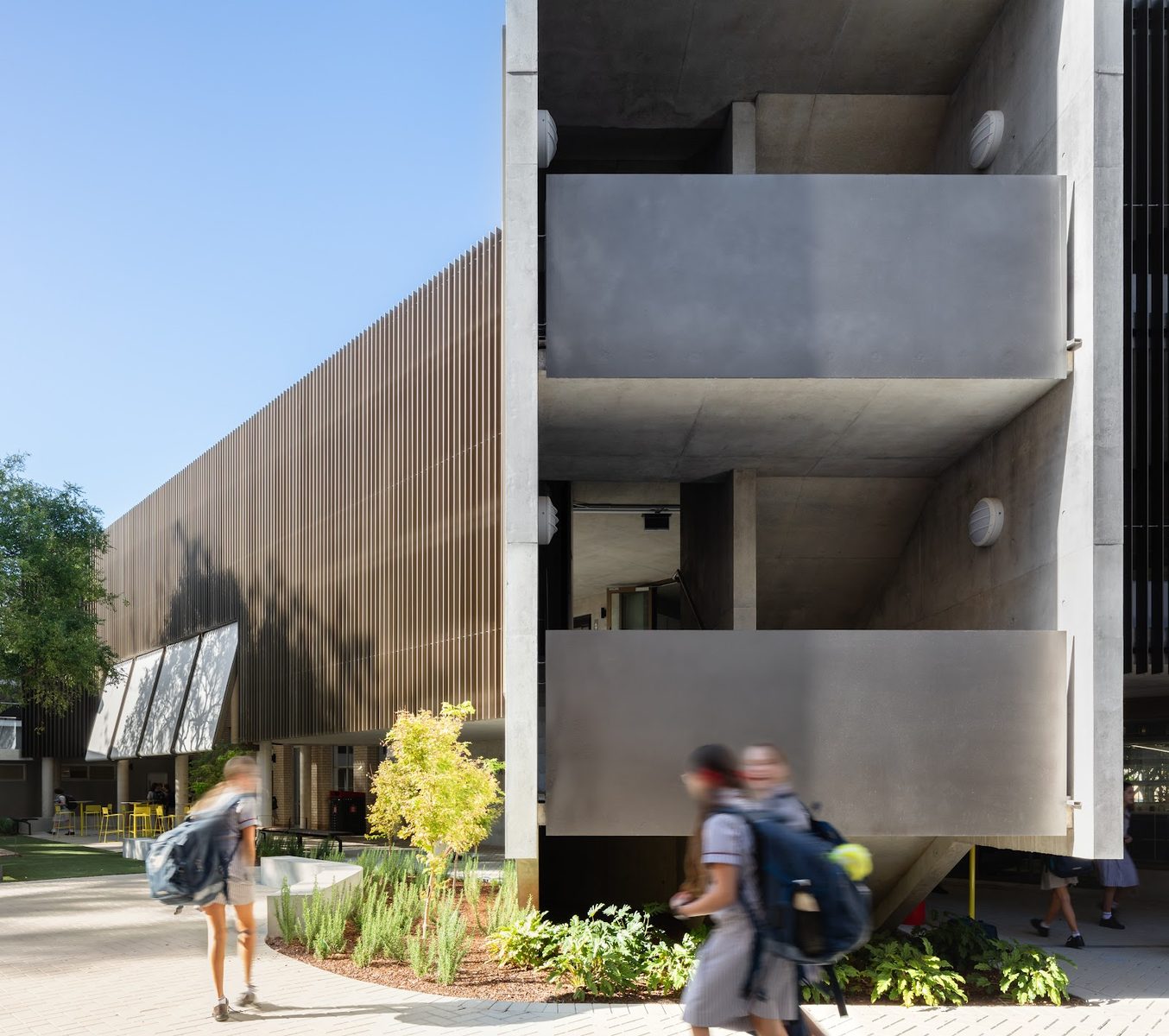
Ascham School
Sydney · Australia
Sydney's storied girls' boarding school, pairing the Dalton Plan with a rigorous HSC pathway.
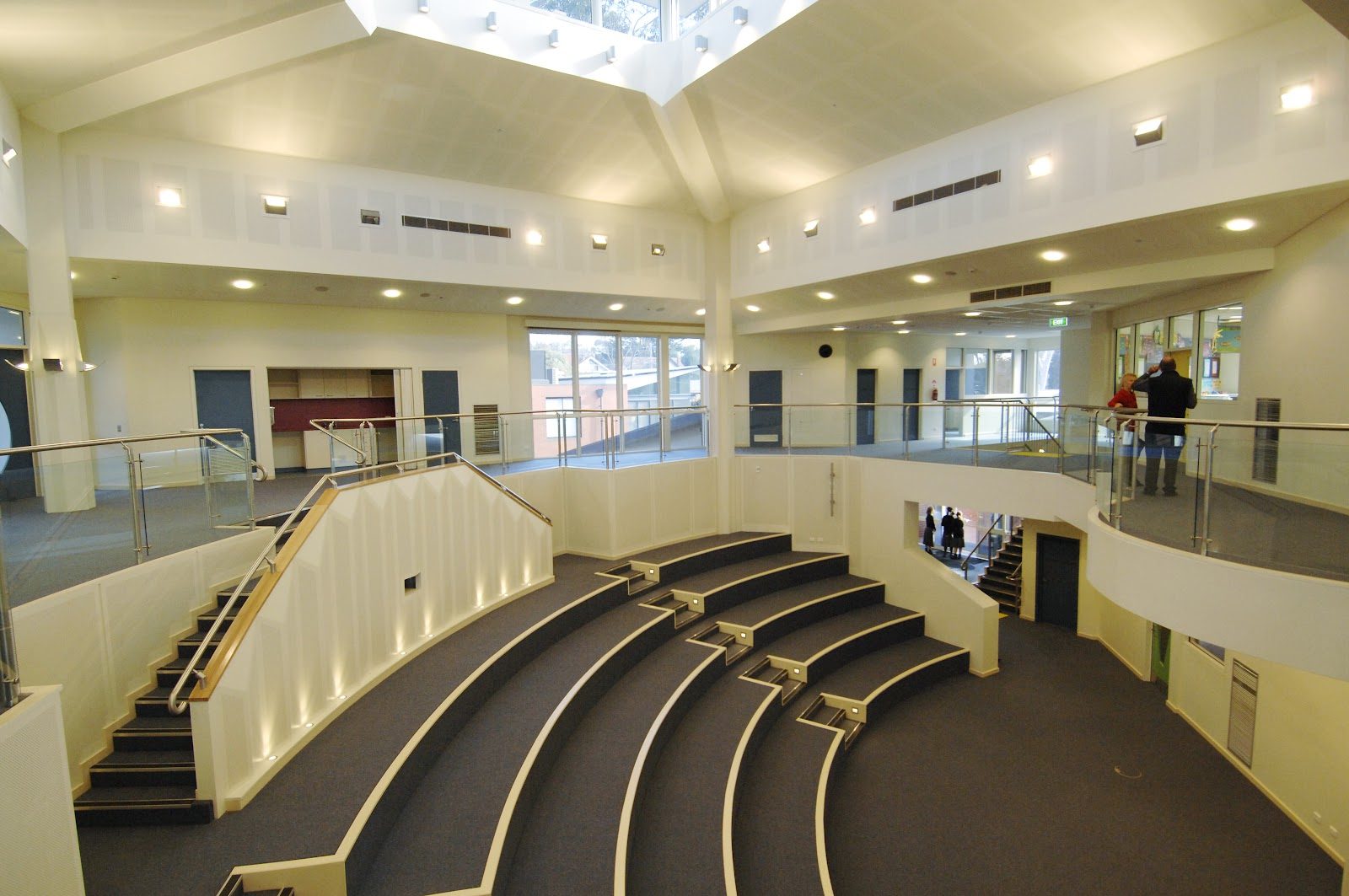
Ivanhoe Grammar School
Melbourne · Australia
A Year 9 campus embedded at La Trobe University anchors a Round Square network across Melbourne's north, offering both VCE and IB pathways.
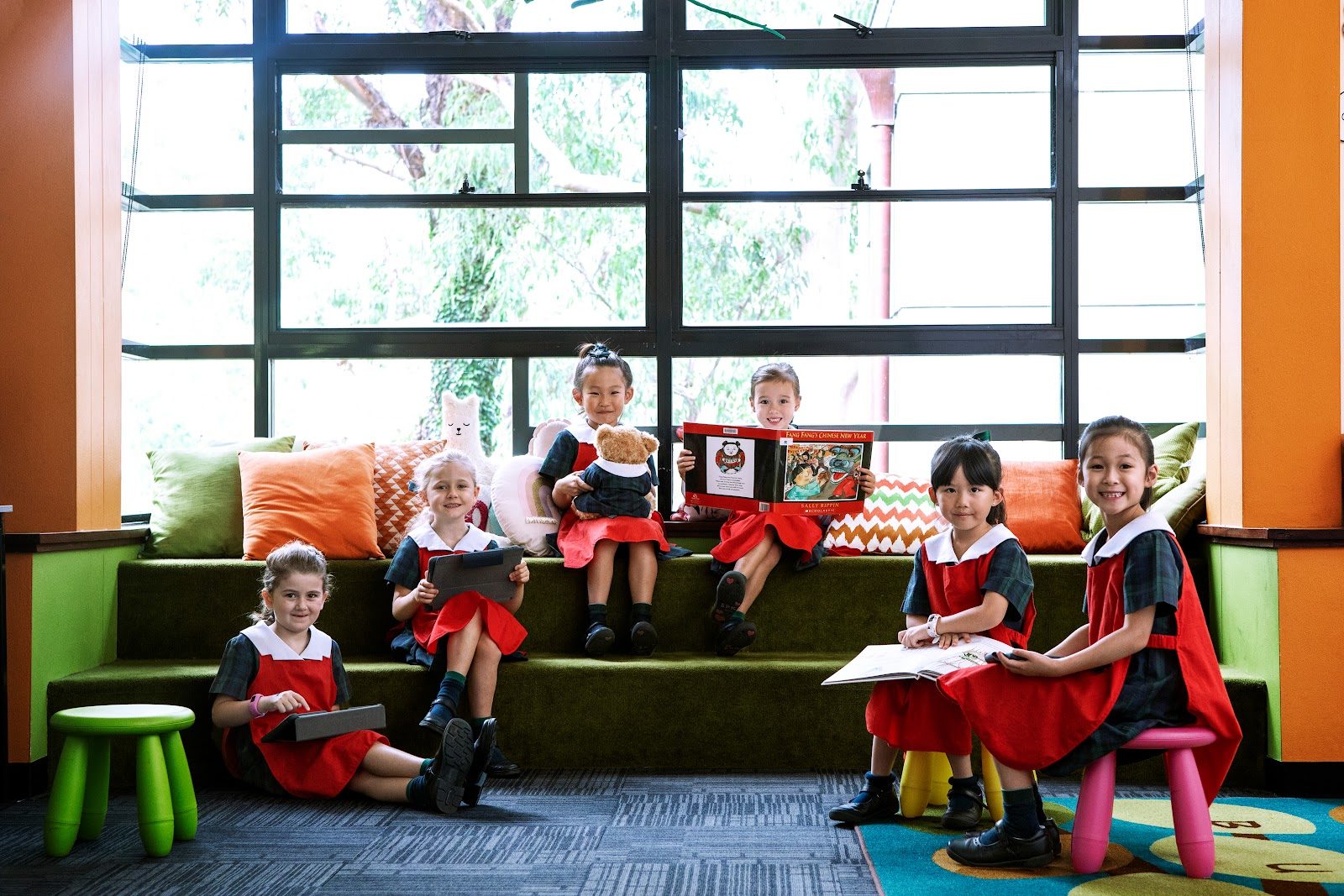
Pymble Ladies' College
Sydney · Australia
On Sydney's Upper North Shore, a non-selective campus of five schools lets girls choose between the IB and HSC pathways.
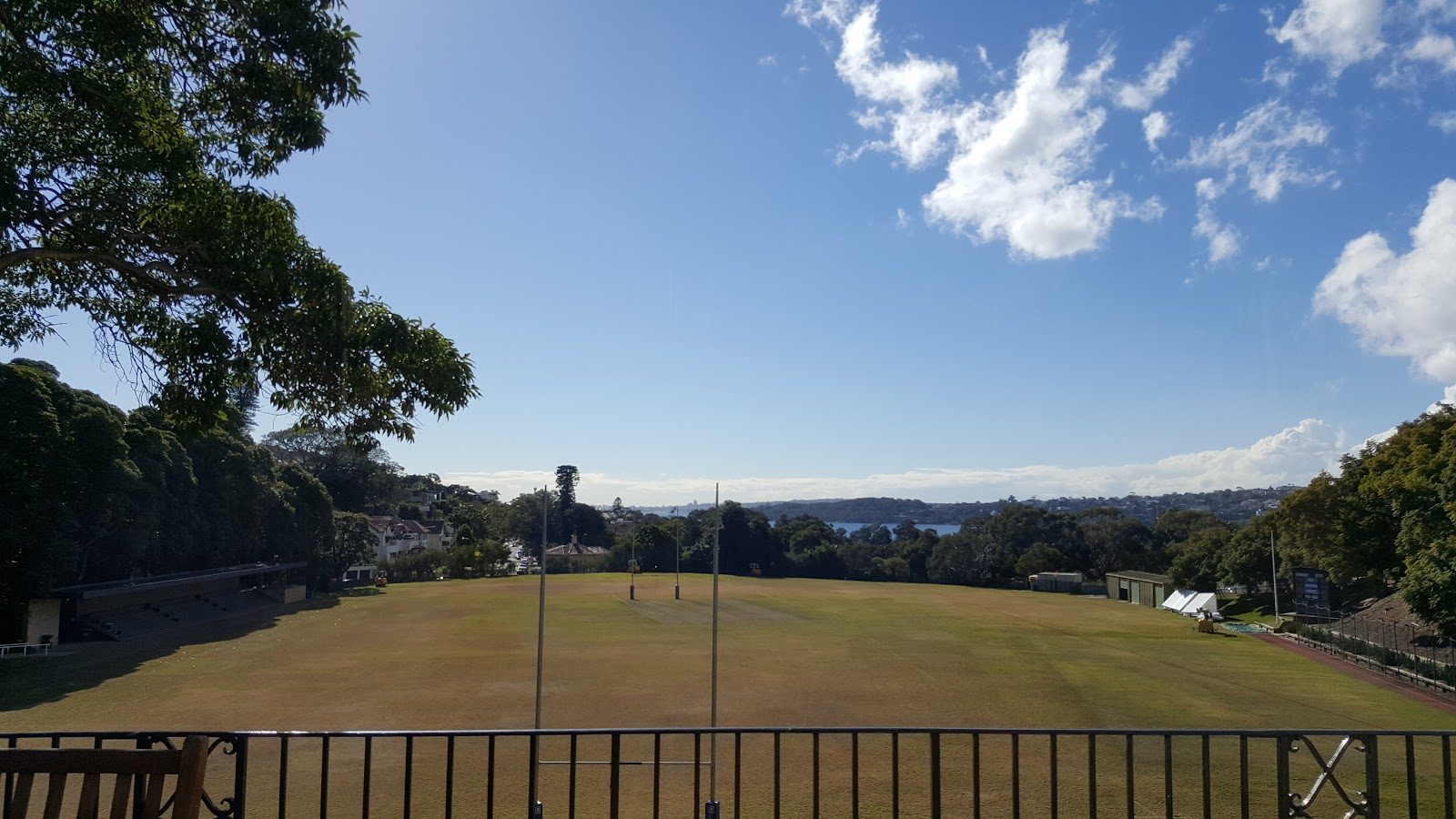
Cranbrook School
Sydney · Australia
Sydney's first IB Continuum School, pairing Bellevue Hill harbour views with a Blue Mountains bush campus for experiential learning.
Same country and curriculum — closest matches within ±10 points either way