
Ontario
St. Clement's School
low confidence· 1/6 cats · 2 avg sourcesCentury-old Anglican girls’ school under one Toronto roof
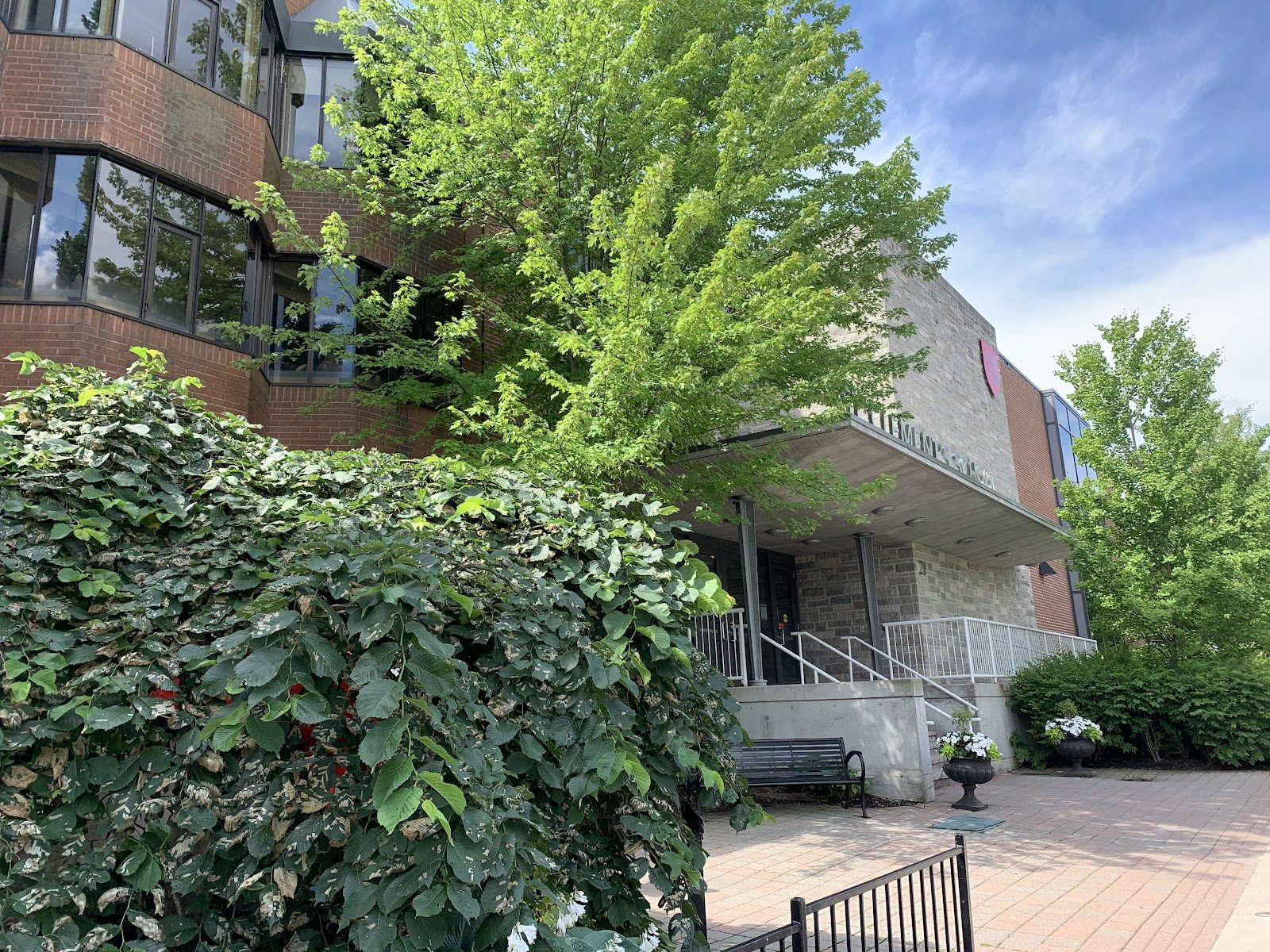
Type
Day
Ages
6–18
Curriculum
Ontario
Qualifications
OSSD · AP
Ratio
—
The Verdict
Editor's commitment
Right for
Girls aged 6–18 who want a small Anglican day school founded in 1901, with Ontario academics and CAIS accreditation.
Wrong for
Families wanting co-education, boarding, or a broader curriculum menu than Ontario will hit a wall at this girls-only Toronto school.
Watch out for
The average annual day fee is CAD 41,900; one-roof Grades 1–12 brings cohesion, but less anonymity than bigger Toronto independents.
Ranking breakdown
St. Clement's School · #514 of 1591
Composite score 68.9. 8 weighted criteria.
By criterion
Academic Outcomes
Weight 20%
#586
of 1529 scored
University Placement
Weight 16%
#516
of 1529 scored
Prestige & Heritage
Weight 12%
#689
of 1571 scored
Alumni Network
Weight 12%
#432
of 1530 scored
Facilities
Weight 12%
#808
of 1533 scored
Transparency & Communications
Weight 8%
#515
of 1532 scored
Peer & Industry Review
Weight 10%
#604
of 1548 scored
Admissions Selectivity & Demand
Weight 8%
#607
of 1529 scored
Peer & Industry Review
How St. Clement's School is regarded in the sector
69
Respected · medium confidence
Within Toronto's independent-school sector, St. Clement's sits a tier below the city's best-known girls' schools -- Bishop Strachan, Havergal and Branksome Hall -- which hold larger endowments, boarding programmes and longer competitive track records. Its CAIS and CIS accreditation gives it standing among peer heads as a legitimate, quality-assured member of the sector, and it is occasionally referenced in Ontario school-choice comparisons and Fraser Institute-style academic report cards rather than in glossy national league tables. Its graduates matriculate primarily to Canadian universities, with no widely publicised, distinctive Ivy League or Oxbridge pipeline setting it apart from comparable Toronto day schools. Independent education outlets such as the Good Schools Guide or WhichSchoolAdvisor give it comparatively limited standalone coverage next to the city's larger institutions, reflecting its smaller size and shorter modern profile rather than any negative assessment. In short, it is respected as a solid, well-run niche school rather than discussed as a headline competitor at national or international peer conferences.
Editors' overview
St. Clement’s School occupies a clear niche in Toronto: a century-old Anglican girls’ day school with a small-scale, academically ambitious model and a single-site campus for Grades 1 to 12. That combination matters. In a market crowded with large co-educational independents and faith schools with weaker academic definition, SCS offers an Ontario programme in an all-girls setting that keeps its identity tight. The school traces its roots to 1901, moved to girls-only education in 1932, and still trades on that long institutional continuity. Parents looking for a focused girls’ education, a close-knit community and a school where younger and older pupils share one roof will find a proposition with real coherence.
What sets St. Clement’s apart is not scale or spectacle but intellectual seriousness in a compact environment. The school states that every graduate secures university admission and that virtually all gain entry to their first-choice institution, with many receiving scholarships. It also claims a leadership role in Advanced Placement in Canada; your own editorial line notes its distinction as the first school in Canada to earn the AP Capstone Diploma. That gives SCS stronger academic definition than many Toronto girls’ schools that rely on heritage and polish but publish little that distinguishes the classroom experience. Facilities also exceed what the school’s footprint might imply: a performance and lecture hall, second gymnasium, arts wing, science wing and library were added in the 2006 expansion. The average annual day fee is C$41,900, which places SCS in the expensive bracket, but not at the outer edge of Toronto independent-school pricing. For families who want *serious academics without a sprawling campus and high expectations in a contained setting*, that fee has a clear rationale.
The school will suit a girl who wants structure, visibility and a culture that values scholarship without apology. This is not the right choice for a student who wants anonymity, a huge campus, or the social breadth of a large co-ed school. It is for the pupil who benefits from being known, who will use leadership openings rather than hide from them, and who can thrive in a community where academic performance sits near the centre of school life. The Anglican foundation remains part of the school’s character, but the public case for SCS rests less on doctrine than on values, continuity and standards. Put plainly: this is one for families seeking *academic rigour with pastoral containment, an all-girls environment with backbone, and a school that knows exactly what it is*.
Academic Performance
St. Clement’s makes a strong academic claim, but it does not publish the hard aggregate data that would let parents test it properly against Toronto’s top independents. The school states that all graduates secure university admission and that virtually all win a place at their first-choice institution, with many scholarships. It also says pupils “consistently achieve excellent results” in Advanced Placement and that staff train other teachers in AP curriculum development. Those points matter, and the school’s editorial distinction as the first in Canada to earn the AP Capstone Diploma gives the AP offer real weight. What is missing is the crucial proof: no school-wide AP score profile, no average AP grade, no subject breakdown, and no destination list detailed enough to judge selectivity.
That leaves St. Clement’s in an unusual position relative to peers. It has a clear academic identity and a sharper examination story than many small girls’ schools that trade on heritage and pastoral care while saying little about outcomes. At the same time, families comparing it with the city’s most results-conscious independents will hit an opacity problem. Without published aggregate results, SCS cannot claim the same level of external transparency as schools that put 5 scores, averages and university destinations into the public domain. The verdict is straightforward: this is a school with a serious scholarly reputation and credible AP strength, but not one that gives parents the full data set needed for a forensic comparison.
Facilities
For a school on a constrained urban site, St. Clement’s has a stronger facilities hand than many parents will expect. The decisive upgrade was the expansion completed in the mid-2000s, which added a performance and lecture hall, a second gymnasium, dedicated arts and science wings, extra classrooms and a library. That matters because small girls’ schools in dense city neighbourhoods often ask families to accept tight quarters and limited specialist space in exchange for atmosphere and attention. SCS does not escape the limits of a single-site building, but it does cover the essentials of academic and co-curricular life with more seriousness than many peers in the same footprint category. The fact that pupils across the age range work under one roof also gives the building a contained, watchful character that will suit some families and irritate others.
Against Toronto independents with sprawling grounds, standalone athletic centres or extensive outdoor provision, St. Clement’s does not win on scale. There is no case here for campus grandeur. The advantage lies in fit: specialist teaching spaces that support a demanding day-school programme without wasted acreage or dead zones. The arts provision reads as stronger than the average compact school, and the second gym keeps sport from being squeezed into an afterthought. Parents should read the facilities as purposeful rather than lavish: good enough to sustain serious teaching and a broad student experience, but not a destination in themselves.
The missing piece is public outcomes data at the level the most transparent top-tier schools provide
Prestige
St. Clement’s carries real prestige in Toronto’s independent-school market, though not the blunt, old-boys-network kind that attaches to the city’s largest co-educational names. Its status rests on a tighter mix: a long-established Anglican identity, a girls-only model, selective independent-school pricing at an average of C$41,900 a year, and a reputation for serious academic intent rather than social display. The school’s claim that every graduate reaches university, coupled with its public association with Advanced Placement leadership and AP Capstone distinction, gives the brand substance. This is not a school trading on polished heritage alone. It has an academic calling card that parents can grasp quickly, and that matters more than manicured mythology.
The limits are clear. St. Clement’s does not command prestige through scale, sporting dominance, boarding tradition or a vast alumni machine. Its prestige is compact, earned and strongest among families who value girls’ education with intellectual backbone. The single-building, all-under-one-roof structure reinforces that identity: intimate, watchful, high-expectation. For some families, that reads as properly exacting; for others, constricting. The missing piece is public outcomes data at the level the most transparent top-tier schools provide. That gap stops SCS short of the city’s most indisputable prestige bracket. Even so, within its niche, it holds genuine cachet: a school with name recognition, social credibility and a sharper academic signature than many heritage independents.
That gap stops SCS short of the city’s most indisputable prestige bracket
Communications
St. Clement’s communicates with unusual clarity for a small independent school. The public-facing side is clean and practical: direct contact routes for general and admissions enquiries, named senior leaders, a visible calendar, and a plain account of mission, values and school structure. The school also puts concrete institutional language around areas many schools pad with slogans, including diversity, experiential learning and wellbeing through LINCWell. That matters because parents can see what the school thinks it is for, rather than wade through brochure fog. The single-site model also helps: a school that keeps all age groups in one building has fewer excuses for fragmented messaging, and SCS gives the impression of a tightly run, adult-led operation.
The limits sit in transparency, not tone. St. Clement’s communicates ethos and organisation well, but it is weaker on the data sophisticated parents now expect. The school makes strong claims on university entry and Advanced Placement strength, yet does not match those claims with the kind of published outcomes that would make communication fully credible rather than merely confident. That creates a split verdict. For day-to-day reassurance, the school’s communications look orderly, accessible and consistent. For forensic comparison with more results-forward competitors, they stop short. Parents who want warm ambiguity will not find it here; parents who want hard proof alongside polished messaging will ask harder questions.
Uniqueness
What marks St. Clement’s out is the tightness of the model. This is a girls’ school where pupils from the first year of primary through graduation study under one roof, in a compact, watchful setting that keeps younger and older students in the same institutional orbit. That creates a different texture from large, segmented schools with separate divisions that barely touch. Here, leadership is visible early, older pupils are not hidden away in a senior enclave, and the school can build a shared culture across the full age range. For the right student, that brings continuity, clarity and a strong sense of belonging. For the wrong one, it can feel inescapable.
The other distinguishing feature is the school’s blend of serious scholarship with a girls-only environment that does not lean on tradition alone. The AP story gives St. Clement’s sharper academic definition than many heritage girls’ schools, and the school’s own claim that virtually all graduates gain entry to their first-choice university adds to that sense of deliberate ambition. The Anglican inheritance still matters, but it sits alongside a modern emphasis on diversity, creativity, leadership and student wellbeing, including LINCWell and experiential learning. The result is a school with a clear internal logic: intellectually demanding, socially contained, and designed for girls who benefit from being known rather than overlooked. At an average annual fee of C$41,900, parents are paying for focus, coherence and institutional confidence, not scale.
For forensic comparison with more results-forward competitors, they stop short
Student Profile
The St. Clement’s girl is built for a school where there is nowhere to hide and little appetite for drift. She will do well if she likes being known by staff, can handle a community that keeps a close watch on progress, and has the confidence to work in a setting where scholarship carries real status. This suits students who are self-possessed, academically driven and comfortable with responsibility landing early, because younger and older pupils share the same building and the culture does not permit much anonymity. Girls who enjoy discussion, reading, the arts and structured co-curricular life will find more to work with here than those whose main priority is mass sport, social sprawl or a sprawling campus identity.
It is also a strong fit for families who want ambition without the co-ed social theatre that can dominate larger independents. The Anglican character and explicit values framework give the place a moral seriousness that will appeal to some and repel others; this is not a school for parents who want a loose, laissez-faire atmosphere. The fee level — C$41,900 on average each year — also narrows the intake to families ready to pay for a tight, high-expectation model. The best match is a girl who wants intellectual stretch, will use leadership openings, and benefits from a contained, watchful environment. The wrong match is a student who needs reinvention, informality or room to disappear.
The school traces its roots to 1901, moved to girls-only education in 1932, and still trades on that long institutional continuity
Co-curricular strengths
Arts & sport, on a separate axis
Overall 8.96/10
Scored 0-10 from the school's own published evidence. This axis is editorial-only — it does not feed the main WTS ranking.
Sports
8.8/10
High-energy teams dominate regional independent tournaments, but physical infrastructure is slightly restricted by its compact urban location.
Drama
9/10
Active classical drama societies and Shakespeare showcases focused on building rigorous public speaking and confidence traits.
Dance
9/10
Popular choreographic asset utilized to build movement and synchronization ensembles for large-scale performance showcases.
Music
9/10
Highly elite music wing backing top-tier youth orchestras, chamber groups, and elite touring choirs.
Visual Arts
9/10
Highly structured fine art layout leaning heavily toward technical design, digital graphics, and portfolio mastery.
Strengths
- +Founded 1901; long-established Toronto girls’ school.
- +CAIS-accredited independent day school in Toronto.
- +English instruction may ease transition for many families.
- +Anglican tradition may suit faith-aligned families.
Considerations
- −Girls-only model will not suit every family.
- −Day school only; no boarding for overseas families.
- −Anglican affiliation may deter non-religious families.
Availability
Primary entry gate & tests
SSAT + Interview (Girls)
Gallery
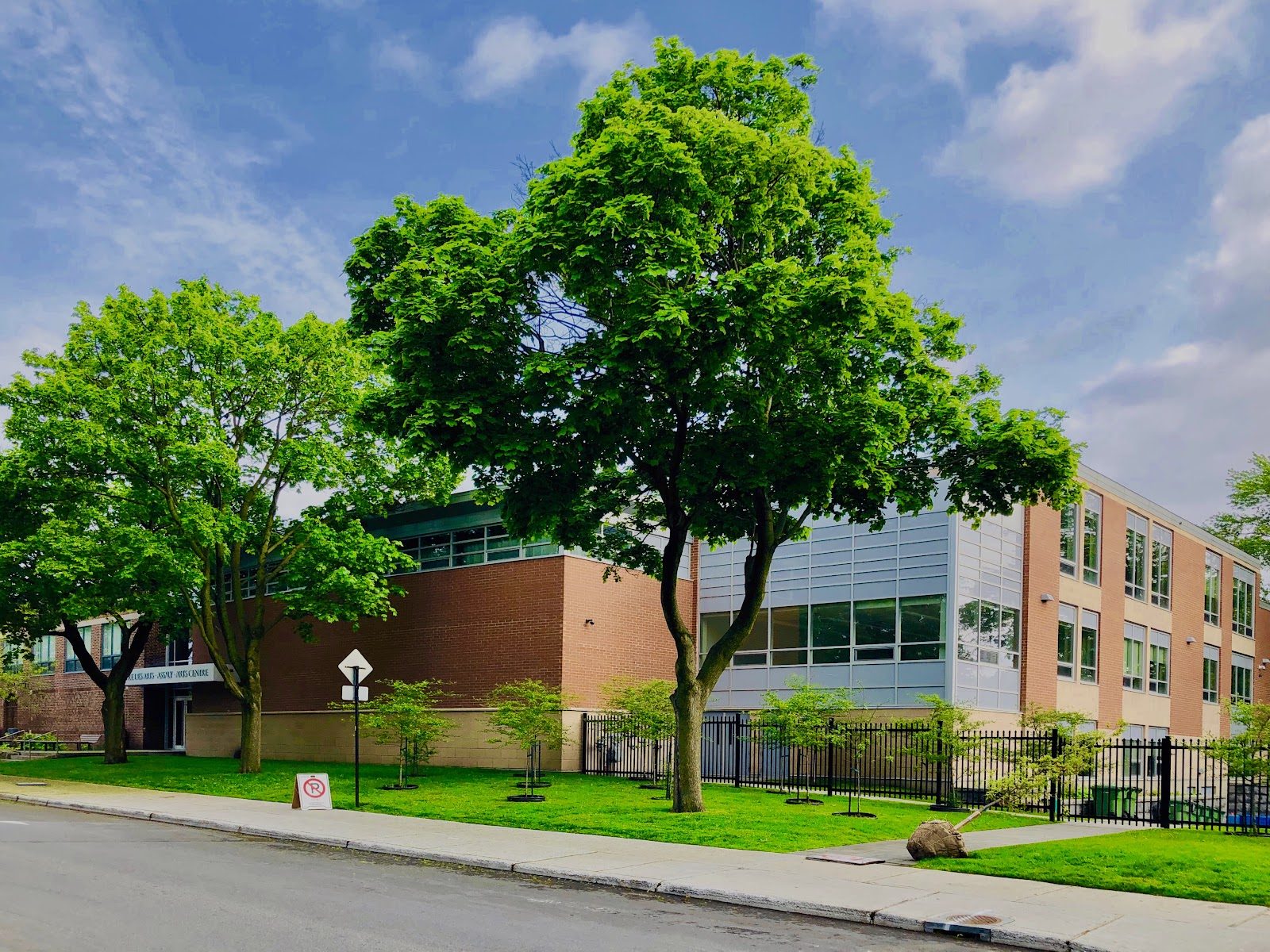
Photo © Colanie B via Google Maps
Parent reviews
Have you sent your child here?
Voice reviews carry the strongest trust badge — we transcribe them for you to tidy up before they go live. Prefer to type? A written review is fine too.
Add your voice
In 60 seconds, tell other parents: what's the best thing about St. Clement's School, and what surprised you when your child joined?
We ask for a Google sign-in so every review has a real face behind it — no anonymous drive-by attacks on schools, and no faked positive reviews. Your email is never shown publicly.
Send this profile to a friend
International parents rely on word-of-mouth. Share this review with someone weighing the same decision.
Schools with places
Similar schools to St. Clement's School with places available now.
Ridley College
St Catharines · Canada
- 2026-27
- WAITPOOLLimited Lower/Middle day
- 2027-28
- PLACES OPENActive now
The York School
Toronto · Canada
- 2026-27
- CLOSEDRegular cycle closed
- 2027-28
- PLACES OPENActive now
Appleby College
Oakville · Canada
- 2026-27
- CLOSEDRegular cycle closed
- 2027-28
- OPENS SOONOpens Sept '26
Branksome Hall
Toronto · Canada
- 2026-27
- CLOSEDRegular cycle closed
- 2027-28
- PLACES OPENDay 1 Dec / boarding rolling
Availability first, then country, area, curriculum, price, co-curricular
Consider also
Also worth looking at alongside St. Clement's School.
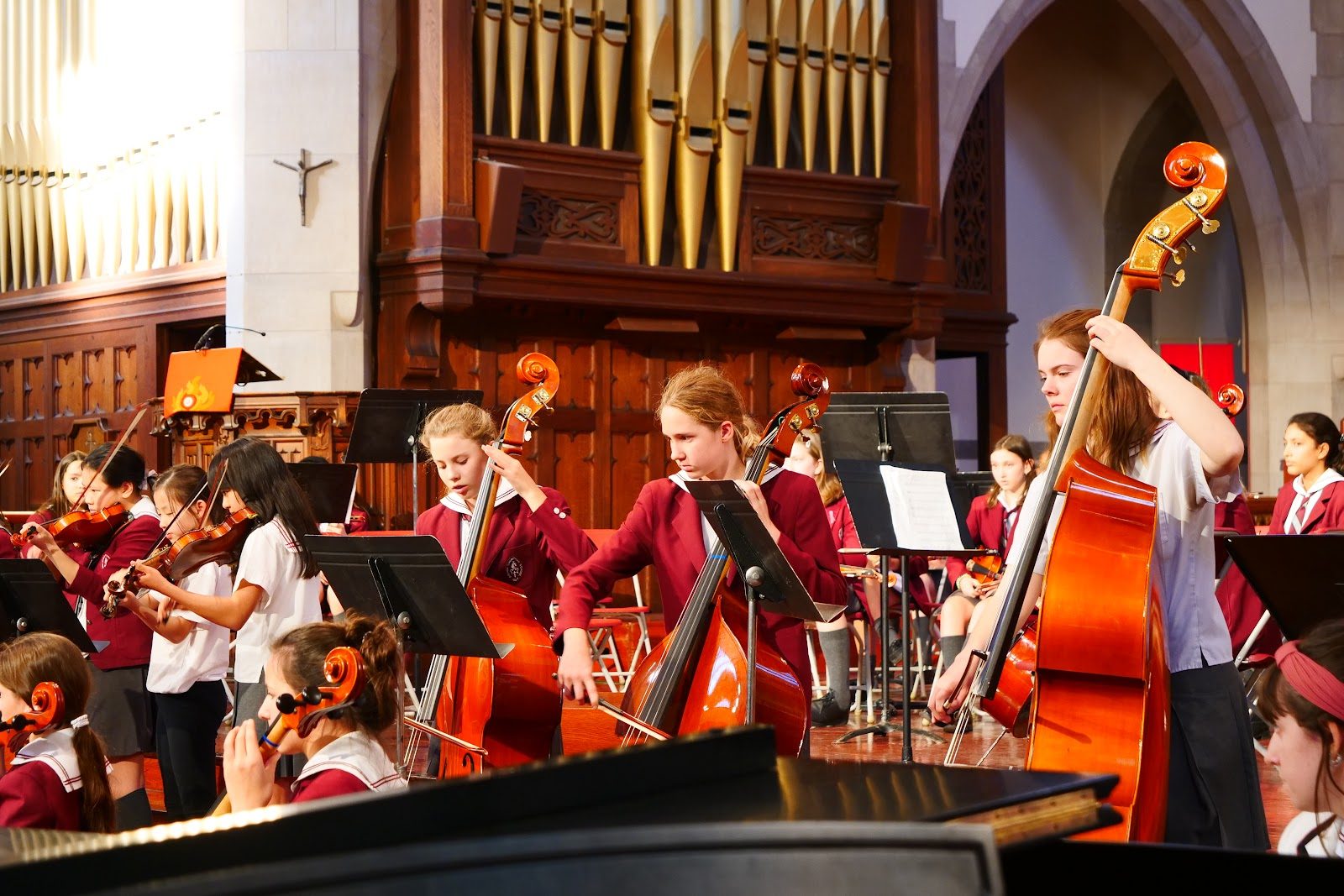
The Bishop Strachan School
Toronto · Canada
Founded in 1867 in Forest Hill, this Anglican school remains Canada's oldest continuously operating girls' day and boarding institution.
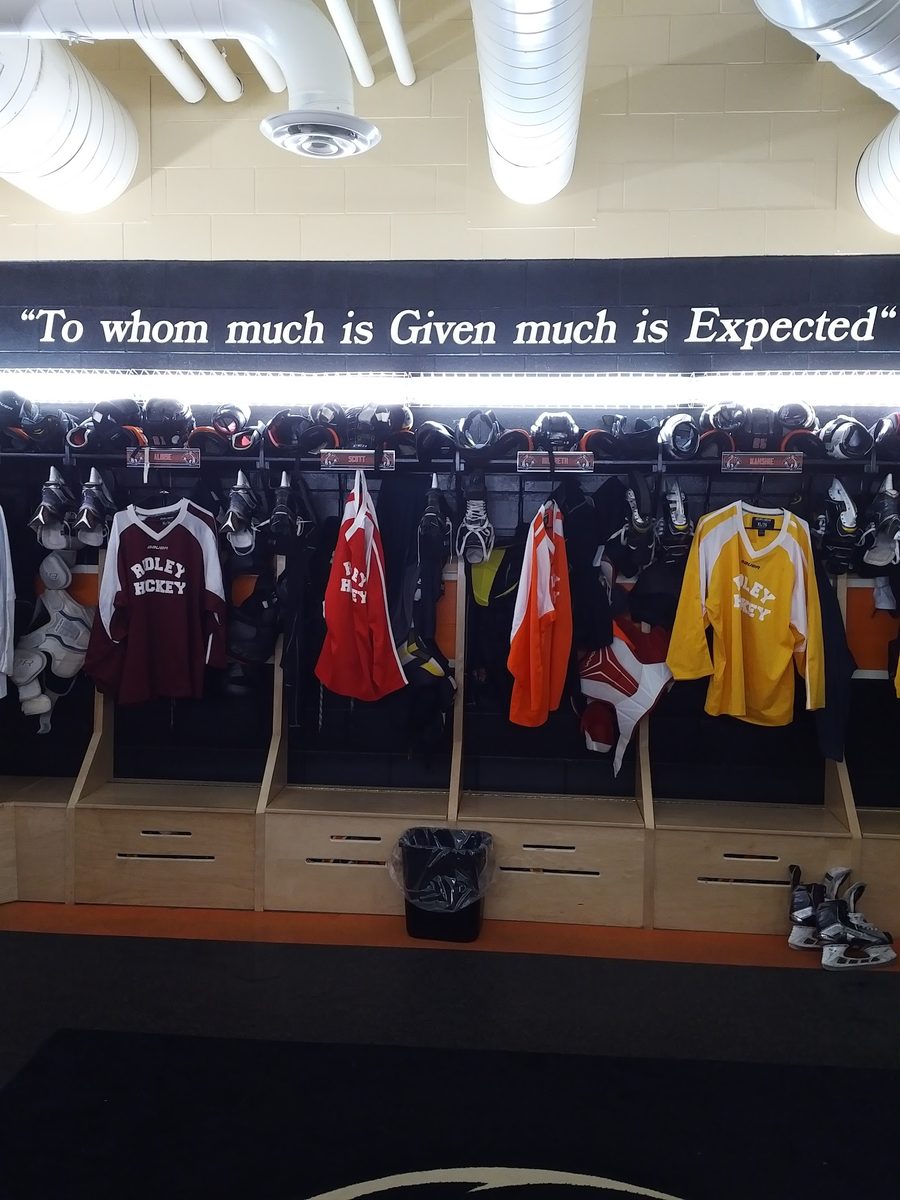
Ridley College
St Catharines · Canada
St Catharines day-and-boarding school blending Ontario's OSSD with the full IB continuum
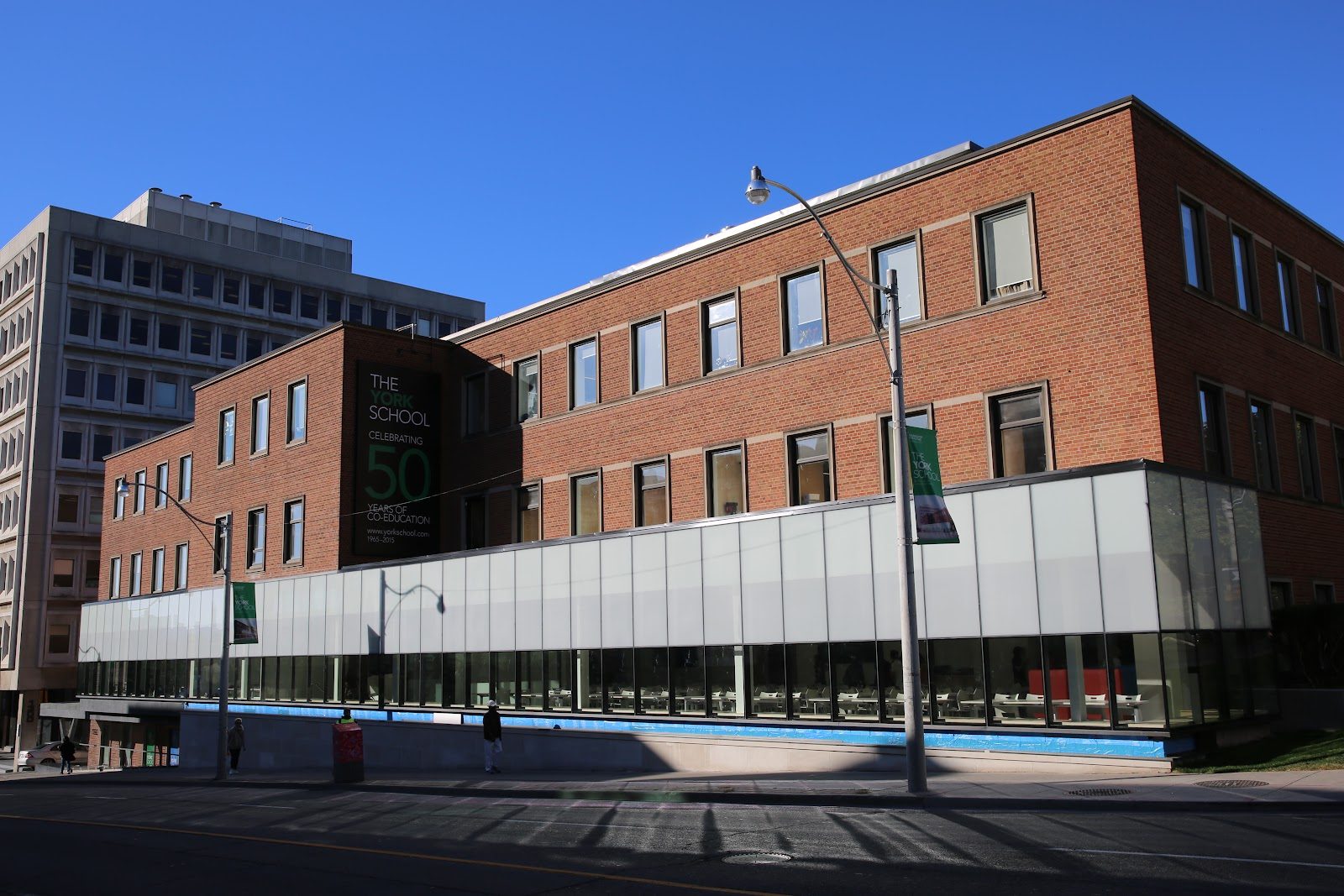
The York School
Toronto · Canada
First English-speaking school in Canada certified for the full IB continuum, JK to Grade 12, on midtown Toronto's Yonge Street corridor.
Lower Canada College
Montreal · Canada
Rooted in an 1861 boarding-school lineage, the only English-language Quebec school running both IB Middle Years and Diploma Programmes side by side
Same country and curriculum — closest matches within ±10 points either way