
Japan
Tokyo Metropolitan Sogo Geijutsu High School – Fine Arts
Type
Ages
—
Curriculum
—
Ratio
—
Ranking breakdown
Tokyo Metropolitan Sogo Geijutsu High School – Fine Arts · #1464 of 1591
Composite score 49.9. 8 weighted criteria.
By criterion
Academic Outcomes
Weight 20%
No data yet
1529 of 1591 scored
University Placement
Weight 16%
No data yet
1529 of 1591 scored
Prestige & Heritage
Weight 12%
#1458
of 1571 scored
Alumni Network
Weight 12%
No data yet
1530 of 1591 scored
Facilities
Weight 12%
No data yet
1533 of 1591 scored
Transparency & Communications
Weight 8%
No data yet
1532 of 1591 scored
Peer & Industry Review
Weight 10%
No data yet
1548 of 1591 scored
Admissions Selectivity & Demand
Weight 8%
No data yet
1529 of 1591 scored
Peer & Industry Review
How Tokyo Metropolitan Sogo Geijutsu High School – Fine Arts is regarded in the sector
Insufficient peer signal
We couldn't find enough independent third-party evidence to score this school's peer & industry standing with confidence. It doesn't mean the school isn't well regarded — only that public reputation sources we trust don't yet cover it. This axis is left blank for now and the composite score is median-imputed from the other six categories.
Award
Elite Visual & Fine Arts 76
World's Top School · The Global Ranking
Tokyo Metropolitan Sogo Geijutsu High School – Fine Arts is featured on our Global Top 76 ranking at #9. This seal is available for the school's marketing team to use on their website, prospectus and social channels.
Editors' overview
Full editorial coverage forthcoming. This institution has been included in the 2026 Visual Arts & Fine Art audit on the strength of its specialist Fine Art pathway. A long-form editorial review — covering curriculum, faculty, graduate conversion, portfolio provision and international accessibility — will be published as editorial capacity allows. The rank position, country and international-access classification shown on the ranking page have been verified against the methodology.
An Elite Visual & Fine Arts 76 school
Tokyo Metropolitan Senior High School of the Arts, based in Shinjuku, Tokyo, sits at rank nine on the Elite Visual & Fine Arts 76 because it is Japan's only full-time metropolitan public high school built entirely around a professional-track Fine Arts department, which its own prospectus describes as a school created to develop "international social... professionals" through specialist arts education, opened in 2010 as the successor to the old Tokyo Metropolitan Arts High School. That single-subject commitment, run inside a public system that normally offers only generalist curricula, is the anchor fact that separates it from almost every other public school in the ranking.
The specialism is delivered through the Fine Arts department's five studio tracks: Japanese painting, oil painting, sculpture, design and film/video, each chosen at entry and pursued for three years through small-group, studio-intensive practical lessons rather than lecture-based teaching. Students work in dedicated facilities including a Japanese-painting room, an oil-painting studio, a sculpture room and a craft-design room, supported by an exhibition hall, with a structured show culture of voluntary exhibitions, annual grade shows, competition displays and a formal graduation exhibition built into every student's three years. Progression is real and current: in the most recent cohort, 37 graduates advanced to Musashino Art University and 35 to Tama Art University, alongside a national-university track that has included Tokyo University of the Arts, Tsukuba, Chiba and Tokyo Gakugei.
Notable alumni are still emerging as individually documented figures; verifiable recent evidence instead centres on the school's competition and exhibition record, including the photography club's 2026 Excellence Award at the national high-school "Photo Koshien," and a recurring pattern of Fine Arts graduates staging professional-style group shows at Tokyo galleries such as Galerie Juillet in their graduation year.
International openness is limited and this should be stated plainly. Admission runs through the standard Tokyo Metropolitan public high school entrance examination plus a practical skills test, conducted entirely in Japanese with no ESL structure; there is no boarding, as this is a day school reached from Shinjuku-Gyoenmae, Akebonobashi or Wakamatsu-Kawada stations. Tokyo's dedicated overseas-returnee transfer admission rounds are restricted to a handful of named designated high schools and Japanese-national returnees, and this school is not among them, so overseas applicants have no formal side-door route. Annual public tuition is nominal, around 118,800 yen. This school suits only Japanese-fluent families already resident in or relocating well ahead of the exam cycle to prepare both language and portfolio; it is not a viable direct-entry option for non-Japanese-speaking international families.
Academic Performance
The school follows the standard Japanese national curriculum alongside a specialized arts track split across Music, Fine Arts and Stagecraft departments. Academic subjects are taught in reduced hours relative to mainstream metropolitan high schools, with the balance devoted to practical training, ensemble work, studio practice and technical theatre instruction. Entrance requires both an academic examination and a practical audition or portfolio review specific to the chosen department. Students typically sit standard prefectural achievement tests, and university progression rates lean heavily toward specialist and fine-arts faculties, including Tokyo University of the Arts and other private art and music universities, rather than broad-based national universities. Subject depth in mathematics and sciences is comparatively lighter than at academically selective Tokyo metropolitan high schools, reflecting the school's explicit orientation toward conservatory-style training rather than examination-focused general education.
Facilities
As a purpose-built public arts high school, the campus includes music practice rooms, ensemble and recital halls, art studios for painting, sculpture and design work, and a stagecraft workshop with lighting, sound and set-construction facilities supporting its theatrical arts course. Instrumental practice booths and rehearsal spaces serve the Music department, while the Fine Arts department maintains dedicated drawing, printmaking and three-dimensional work studios. General academic facilities-standard classrooms, a library, and modest sports grounds-are present but are not the institution's defining feature. Science laboratories exist to meet curriculum requirements but are not specialized. The school does not compete prominently in athletics; sports facilities are functional rather than showcase. Overall physical investment is concentrated in performance and studio spaces rather than in laboratories or playing fields, consistent with its identity as a comprehensive arts institution within the Tokyo metropolitan public system.
This institution has been included in the 2026 Visual Arts & Fine Art audit on the strength of its specialist Fine Art pathway
Prestige
Tokyo Metropolitan Sogo Geijutsu High School was established in the early 2000s through the metropolitan government's reorganization of earlier specialist arts schools into a single comprehensive arts institution. It carries the standing of a public specialist school within the Tokyo Metropolitan Board of Education system rather than the broader academic prestige of Tokyo's elite examination-based high schools. Its reputation rests on its role as one of relatively few public high schools in Japan offering integrated conservatory-style training in music, fine art and stagecraft under one roof. It is respected within Japan's arts-education circles as a feeder toward specialist university programs, though it does not carry the national name recognition of long-established academic institutions. Its cultural weight is localized and field-specific, valued by families seeking serious pre-professional arts training within the public, rather than costly private, school system.
The rank position, country and international-access classification shown on the ranking page have been verified against the methodology
Communications
As a Tokyo Metropolitan public school, communications run through the standard channels used across the metropolitan high school system: official notices from the Tokyo Metropolitan Board of Education, school-issued newsletters, and information sessions for prospective students and families ahead of entrance examinations and auditions. The school does not maintain a prominent independent public profile or extensive English-language presence, reflecting its status as a specialist public institution rather than an internationally marketed private school. Public performances, exhibitions and stage productions by students serve as a de facto communications channel, showcasing departmental work to families and the local community. Administrative communication, grading and attendance matters follow standard Japanese public school protocols, with homeroom teachers as the primary point of contact for guardians. There is no evidence of a dedicated marketing or alumni-relations apparatus typical of prestigious private schools.
Uniqueness
The school's distinguishing feature is its tripartite structure combining Music, Fine Arts and Stagecraft departments within a single public high school, an unusual arrangement in Japan's education system, where specialist arts training is more commonly confined to private conservatories or after-school programs. Admission through practical audition alongside academic testing means the student body is self-selected for demonstrated artistic aptitude from early adolescence. The stagecraft course, covering technical theatre production alongside performance, is particularly uncommon among public secondary schools. This integration allows collaborative cross-department projects, such as staged productions combining music, design and performance students, that would be difficult to replicate in a conventional academic high school. Its identity as a tuition-modest public option for pre-professional arts training, rather than an elite private academy, further sets it apart from Japan's more internationally known arts-oriented institutions.
The school follows the standard Japanese national curriculum alongside a specialized arts track split across Music, Fine Arts and Stagecraft departments
Student Profile
Students are drawn primarily from within Tokyo and are admitted specifically for demonstrated aptitude in music, visual art or theatrical production, assessed through auditions and portfolios alongside standard academic testing. The intake tends to include pupils who have pursued private instrumental lessons, art classes or drama training prior to enrollment and who intend to continue toward specialist arts universities or professional creative careers. Because the school is public, tuition is comparatively affordable relative to private arts academies, drawing families across a range of economic backgrounds who prioritize artistic development over elite academic credentials. The student body is characterized by disciplined, practice-intensive routines particular to their department, with rehearsal, studio or workshop hours extending beyond standard class time. Compared with Tokyo's academically elite high schools, the culture is less examination-driven and more oriented toward craft, performance and creative discipline.
Entrance requires both an academic examination and a practical audition or portfolio review specific to the chosen department
Co-curricular strengths
Arts & sport, on a separate axis
Overall 9/10
Scored 0-10 from the school's own published evidence. This axis is editorial-only — it does not feed the main WTS ranking.
Sports
5.8/10
Drama
9.7/10
Dance
9.8/10
Music
9.8/10
Visual Arts
9.9/10
Parent reviews
Have you sent your child here?
Voice reviews carry the strongest trust badge — we transcribe them for you to tidy up before they go live. Prefer to type? A written review is fine too.
Add your voice
In 60 seconds, tell other parents: what's the best thing about Tokyo Metropolitan Sogo Geijutsu High School – Fine Arts, and what surprised you when your child joined?
We ask for a Google sign-in so every review has a real face behind it — no anonymous drive-by attacks on schools, and no faked positive reviews. Your email is never shown publicly.
Send this profile to a friend
International parents rely on word-of-mouth. Share this review with someone weighing the same decision.
Schools with places
Similar schools to Tokyo Metropolitan Sogo Geijutsu High School – Fine Arts with places available now.
Nishimachi International School
Tokyo · Japan
- 2026-27
- WAITPOOLSpace-dependent
- 2027-28
- PLACES OPENRolling
Christian Academy in Japan
Tokyo · Japan
- 2026-27
- WAITPOOLSpace-dependent
- 2027-28
- PLACES OPENRolling
Aoba-Japan International School
Tokyo · Japan
- 2026-27
- WAITPOOLSpace-dependent
- 2027-28
- PLACES OPENRolling
Osaka International School of Kwansei Gakuin
Osaka · Japan
- 2026-27
- WAITPOOLSpace-dependent
- 2027-28
- PLACES OPENRolling
Availability first, then country, area, curriculum, price, co-curricular
Consider also
Also worth looking at alongside Tokyo Metropolitan Sogo Geijutsu High School – Fine Arts.
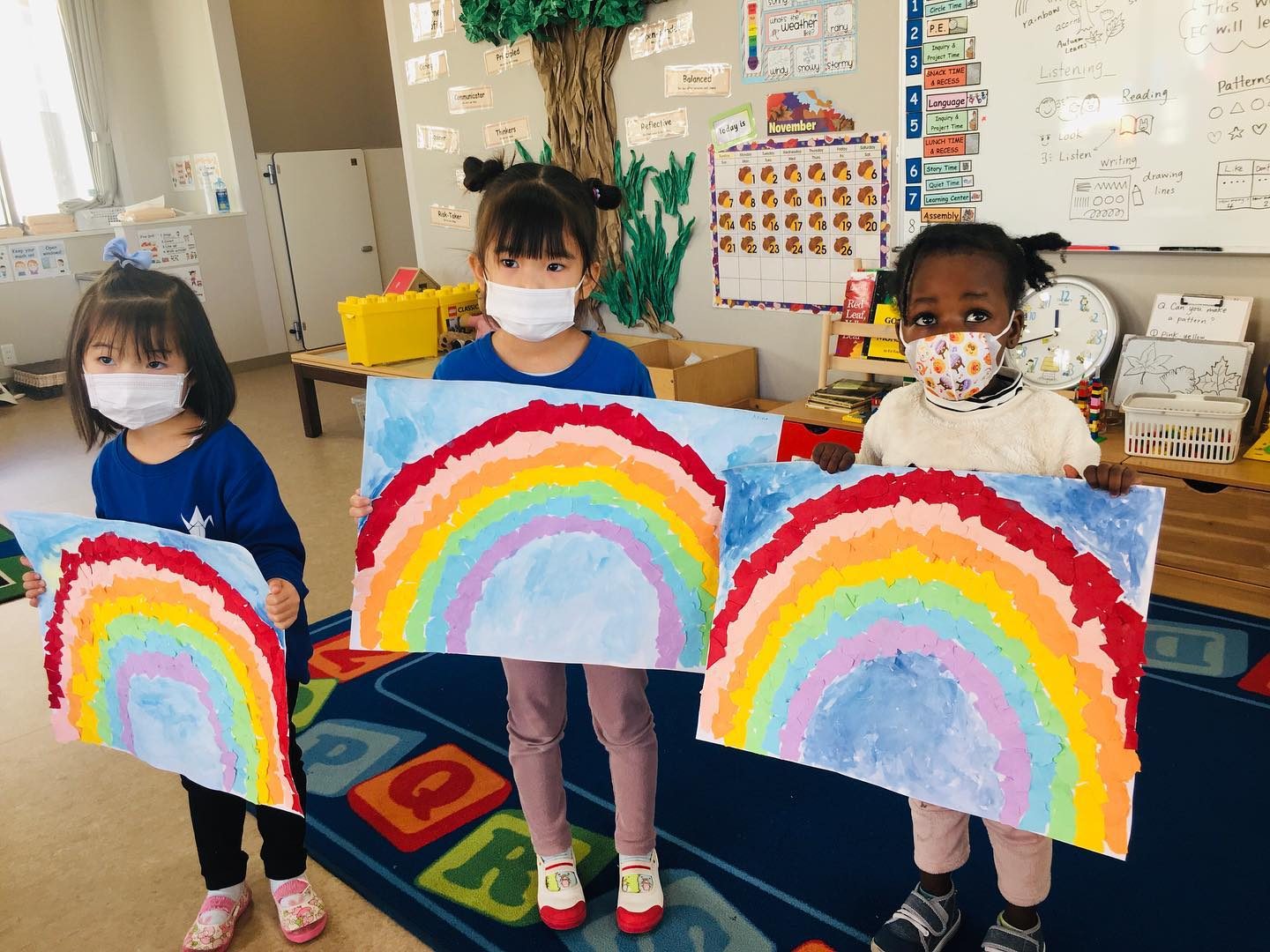
Hiroshima International School
Hiroshima · Japan
One of Japan's oldest IB schools, where students carry origami cranes to Hiroshima's Sadako Peace Monument each year.

Tokyo International School
Tokyo · Japan
Grown from five preschoolers into a full IB continuum, this Minato campus relocates to Takanawa Gateway City ahead of its first DP class in 2027.
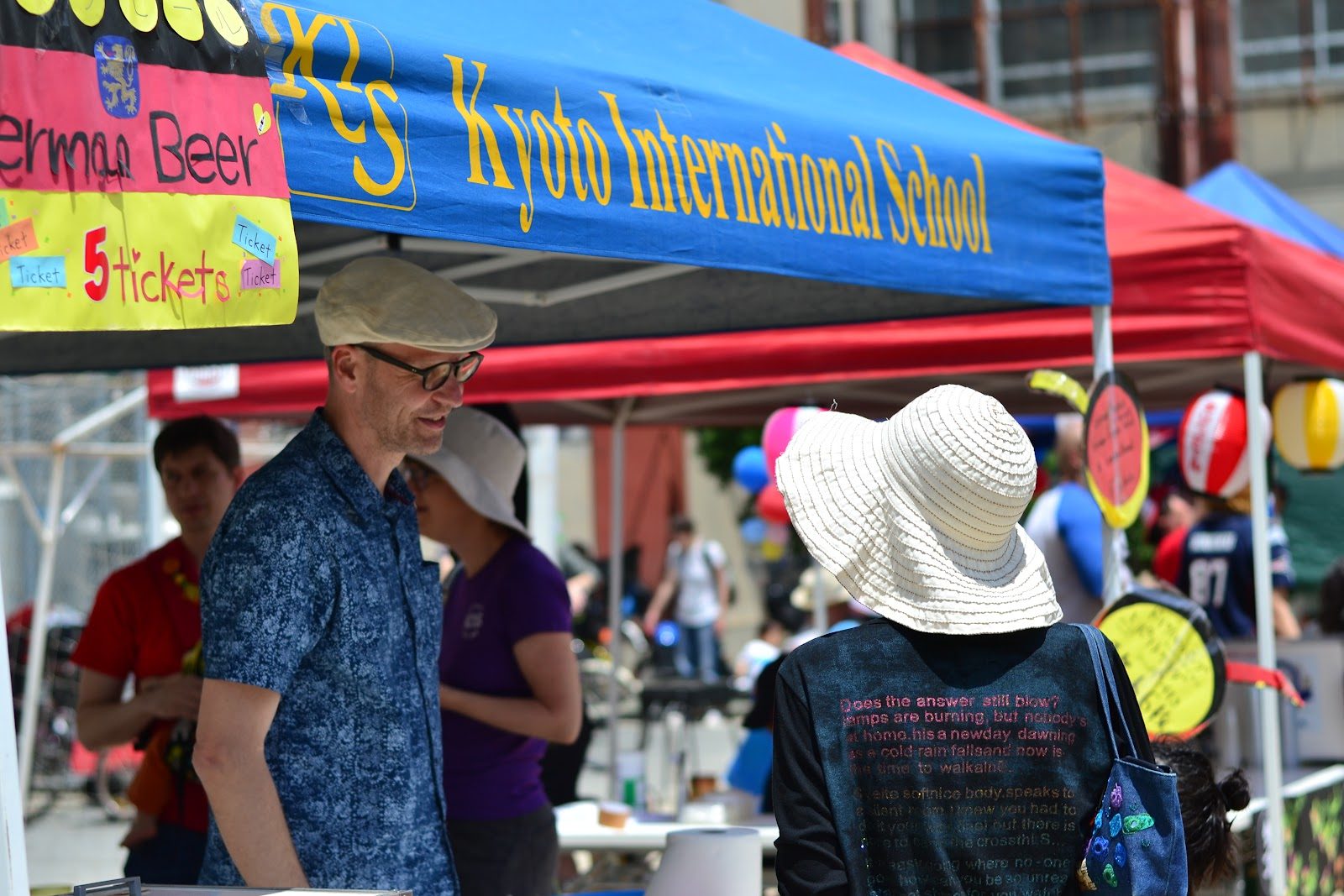
Kyoto International School
Kyoto · Japan
Grown from a 1957 missionary homeschool into Kyoto's only full IB continuum, blending British rigor with inquiry-based learning.
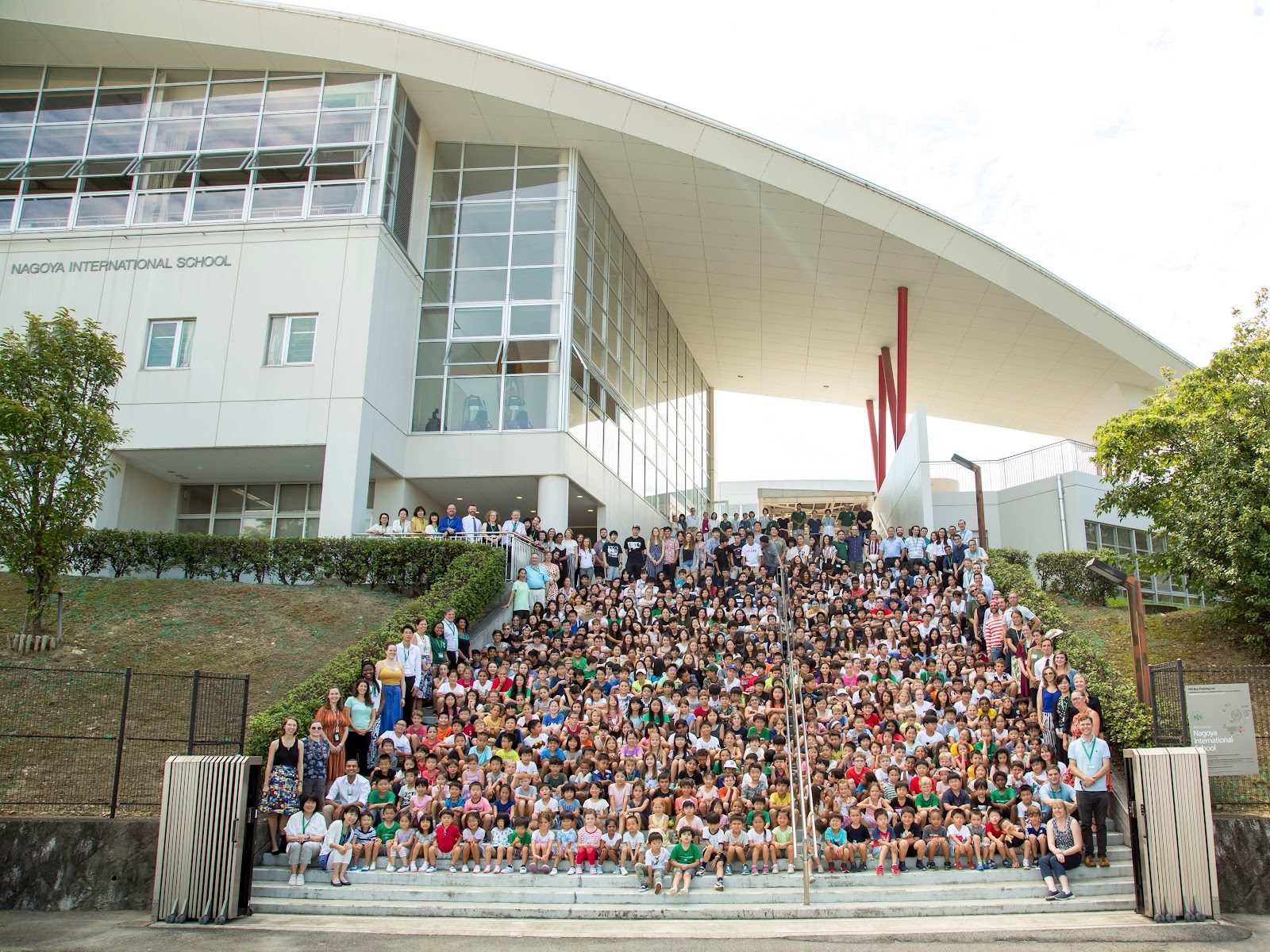
Nagoya International School
Nagoya · Japan
Since 1964, a full IB continuum school anchoring Nagoya's expatriate community at the heart of Japan's auto and aerospace corridor
Same country and curriculum — closest matches within ±10 points either way